Your Gemstone Journey Map
Let's be real, the world of gemstones can be intimidating. You walk into a store or browse online, and you're hit with a dizzying array of colors, names, and price tags that seem to make no sense. Is that deep blue stone worth the mortgage payment? What does "healing crystal" even mean? And how do you know you're not getting a piece of glass glued to a cheap setting?
I've been there. I bought my first "sapphire" ring from a market stall on vacation years ago. It was a beautiful, deep blue. The seller swore it was natural. A few months later, a prong came loose, and my local jeweler took one look under his loupe and gave me a pitying smile. "Nice piece of colored glass," he said. That was an expensive lesson.
Since then, I've spent years talking to gemologists, visiting mines (where possible), and just getting my hands dirty learning about this fascinating world. This guide is what I wish I had back then. We're skipping the fluffy, mystical jargon and getting straight to the practical stuff: how to buy wisely, what things actually mean, and how to keep your treasures looking glorious for a lifetime. Think of it as a friendly chat from someone who's made the mistakes so you don't have to.
What Even Is a Gemstone, Really?
At its core, a gemstone is just a mineral, rock, or organic material that's been cut, polished, and deemed desirable. But that's like saying a Ferrari is just a car. The desirability comes from a combination of factors we'll dig into, but it boils down to beauty, durability, and rarity. Not all pretty minerals make the cut. Some are too soft (they'll scratch if you breathe on them wrong), some are too common (like, found-in-your-backyard common), and some just don't have that special sparkle.
The big divide in the world of gemstones is between precious and semi-precious. Honestly, that term is a bit outdated and marketing-driven. Traditionally, the "big four" precious stones were diamond, ruby, sapphire, and emerald. Everything else was semi-precious. But is a stunning paraiba tourmaline, which can cost tens of thousands per carat, any less "precious" than a low-quality sapphire? Not really. The industry is slowly moving away from these labels, but you'll still hear them everywhere.
The label "semi-precious" is more about historical marketing than actual value. A top-quality tanzanite or spinel can easily outprice a mediocre sapphire.
What matters more is understanding the species and variety. For example, the mineral species is corundum. Within that species, red corundum is the variety called ruby. Every other color (blue, yellow, pink, etc.) is the variety called sapphire. This is why you get "padparadscha sapphires" (a pinkish-orange color) – they're still corundum, just not red. It gets confusing, I know. But getting this basic taxonomy down helps you understand what you're actually looking at.
Buying Gemstones: How Not to Get Ripped Off
This is the part everyone sweats over. You're handing over a significant amount of money for something small. The fear is real. So let's break down the buying process into something less scary.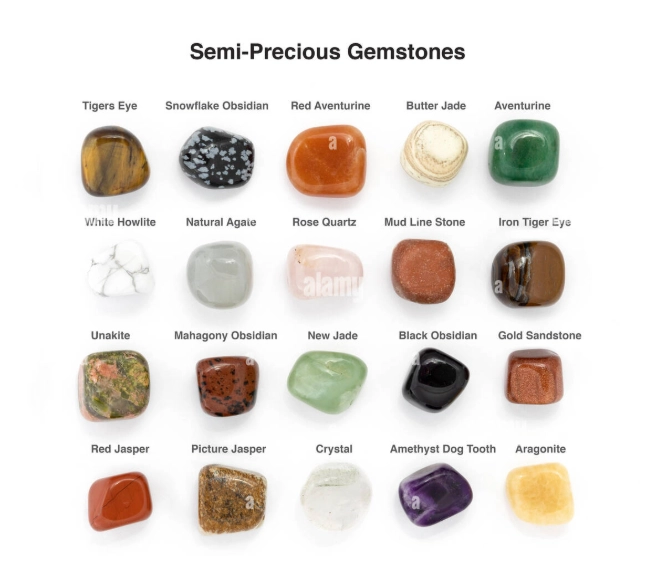
First, Know Your Budget and Goal
Are you buying a December birthstone for a gift? Investing in a centerpiece for an engagement ring? Or just looking for a fun, colorful piece of jewelry? Your goal dictates everything.
For investment or heirloom pieces, you'll prioritize factors like rarity, size (carat weight), and top-tier color. For a fashion ring you'll wear occasionally, maybe you prioritize a unique color or a larger stone within your budget, even if it has a visible inclusion. There's no right answer, only what's right for you.
Be brutally honest with your budget.
And remember, the budget isn't just for the stone. It's for the setting, the metal, and the labor. A beautiful gemstone in a poorly made setting is a tragedy waiting to happen.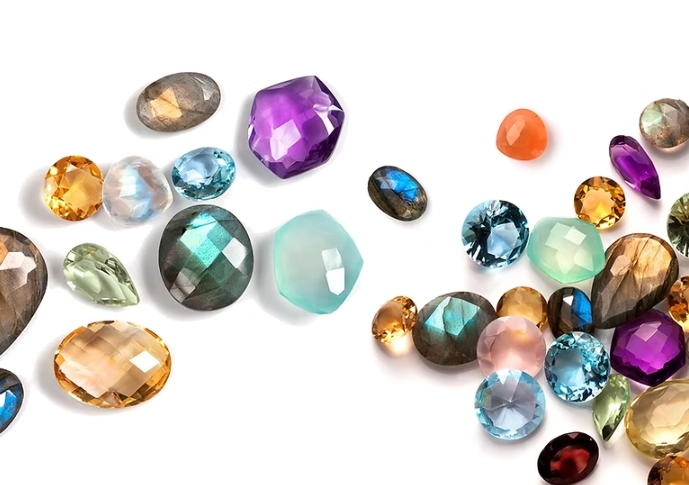
The Real-World Guide to the 4 Cs (Beyond Diamonds)
Everyone's heard of the 4 Cs for diamonds, but they apply to colored gemstones too, just with different weights.
- Color: This is king for colored gemstones. It's not just "blue." It's the hue (the basic color), tone (how light or dark it is), and saturation (how intense or vivid the color is). A top-quality gemstone has a pure, vivid hue, a medium to medium-dark tone, and high saturation. A grayish or brownish undertone usually lowers the value. Personally, I find a slightly lighter, bright stone sometimes more wearable than a super-dark one that looks black in indoor light.
- Clarity: This is where people get tripped up. In diamonds, flawless is the aim. In colored gemstones, inclusions are expected and are often a sign of natural origin. The key is: are they eye-visible, and do they affect the stone's durability? A garden of tiny inclusions (called "jardin" in emeralds) can be part of the stone's character. But a large crack reaching the surface is a major structural problem. Don't fear inclusions, just understand them.
- Cut: This is the artisan's skill. A good cut isn't just about a standard shape; it's about maximizing the stone's color and brilliance. A poorly cut stone can "leak" light out the bottom, making it look dead or windowed. Look for even color distribution, good symmetry, and a lively sparkle. Some cuts, like the "emerald cut," are designed to highlight clarity, while others, like the "brilliant cut," are for maximum fire.
- Carat Weight: This is simply the weight. But here's the catch: gemstones have different densities. A one-carat ruby will be physically smaller than a one-carat emerald because ruby is denser. So, focus on the millimeter dimensions if you need a stone to fit a specific setting.
The Fifth C: Certification is Your Safety Net
If you're spending more than a few hundred dollars, insist on a report from a reputable gemological laboratory. This is non-negotiable. The big names are the Gemological Institute of America (GIA) and the American Gemological Laboratories (AGL). These reports don't give a value, but they identify the stone (is it a ruby or a red spinel?), note any treatments (see below), and describe the key characteristics.
It's your proof of what you're buying. A seller who hesitates to provide one, or offers a "store certificate," is a red flag.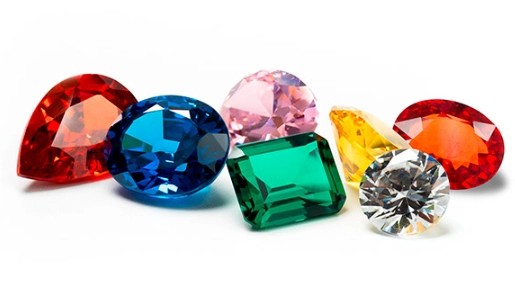
The Murky World of Treatments and Enhancements
This is the single biggest area of confusion and potential deception. The vast majority of gemstones on the market are treated in some way to improve their appearance. The ethical rule is: any treatment must be disclosed.
| Treatment | What It Does | Commonly Used On | Permanence & Care Notes |
|---|---|---|---|
| Heat Treatment | Enhances color/clarity. Heats stone to high temps to dissolve impurities or change color centers. | Sapphire, Ruby, Tanzanite, Aquamarine | Generally permanent and stable. Considered an accepted, traditional practice. |
| Fracture Filling | Fills surface-reaching cracks with glass, resin, or oil to make them less visible. | Emerald, Ruby, sometimes Diamond | NOT permanent. Can be damaged by heat, ultrasonic cleaners, or even harsh chemicals. Requires special care. |
| Diffusion | Uses high heat to drive coloring elements (like titanium) into the surface of the stone. | Sapphire (creating a surface layer of blue) | Color is only skin-deep. Re-cutting or re-polishing can remove it. Must be disclosed. |
| Irradiation | Bombards stone with radiation to alter color centers. Often followed by heat. | Blue Topaz, some Diamonds (to create fancy colors), Pearls | Usually permanent and stable. Should be disclosed. |
My personal stance? Heat treatment for sapphires and rubies is so standard I don't mind it, as long as I know. It's been done for centuries. But I'm very wary of fracture-filled emeralds. That oil or resin can dry out or get washed out, leaving the crack ugly and exposed again. It requires babying, and I'm not a babying kind of person with my jewelry.
Beyond the Price Tag: What Gemstones Actually Mean
Okay, we've talked money and science. But let's face it, we buy gemstones because they mean something. That meaning is a powerful mix of history, culture, and personal belief.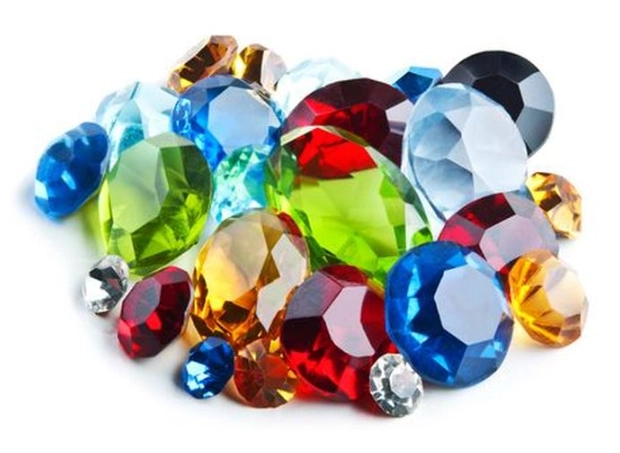
Birthstones: The Classic Connection
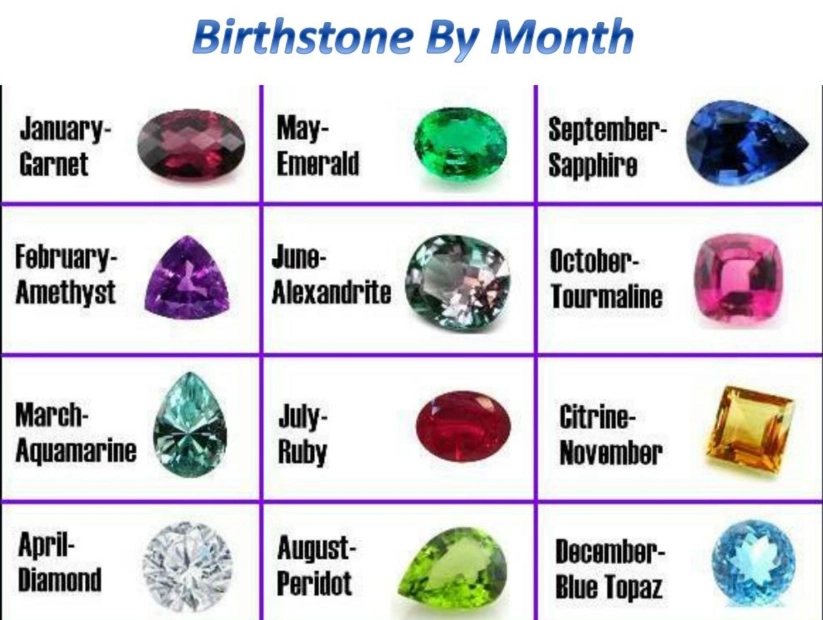
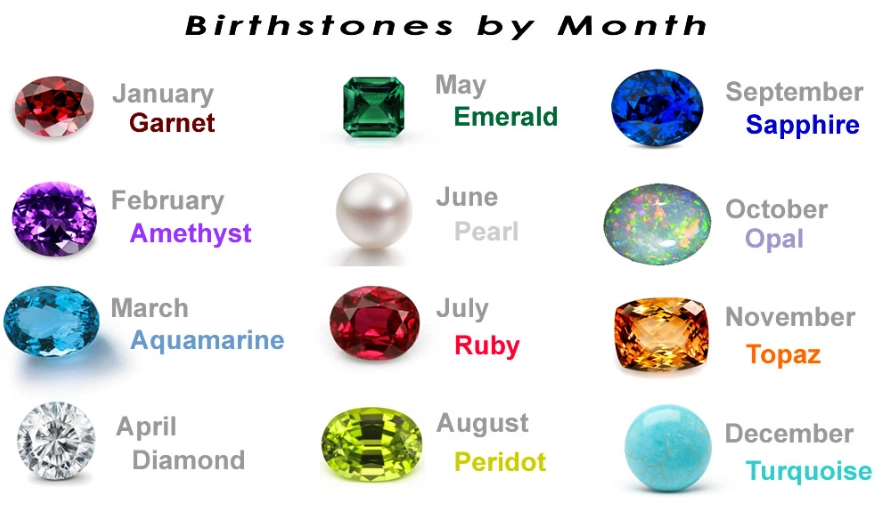
The modern birthstone list is a relatively recent invention, but it's a fantastic starting point for a meaningful gift. Is it a bit commercial? Sure. But there's a comfort in the tradition.
- January (Garnet): Symbolizes protection and enduring friendship. A deep red that's surprisingly affordable.
- July (Ruby): The king of gemstones. Passion, protection, and vitality. A true, untreated ruby is a major investment.
- October (Opal & Tourmaline): Opal, with its play-of-color, is magical but delicate. Tourmaline comes in every color of the rainbow—a much tougher and versatile option.
You can find the official modern list (and historical alternatives) from sources like the American Gem Society.
The "Healing Crystal" Phenomenon
This is where I have to put on my skeptic's hat. The idea that gemstones emit specific vibrations or energies that can heal physical or emotional ailments is a cornerstone of crystal healing. There is zero scientific evidence to support this.
Buying an amethyst because you think it will cure your anxiety is like buying a red car because you think it will make you drive faster. It might affect your mood psychologically, but there's no physical mechanism.
That said, I'm not here to trash anyone's beliefs. If holding a smooth rose quartz makes you feel more open to love, or wearing a tiger's eye makes you feel more confident, that's a real psychological effect. The placebo effect is powerful. Just be very wary of anyone selling gemstones as a replacement for medical treatment. That's dangerous.
I have a piece of labradorite I carry in my pocket during big meetings. Does it have "magical properties" to enhance intuition? Probably not. But feeling its cool, iridescent surface grounds me and reminds me to take a breath. The meaning is what I assign to it, not what's inherently in the stone.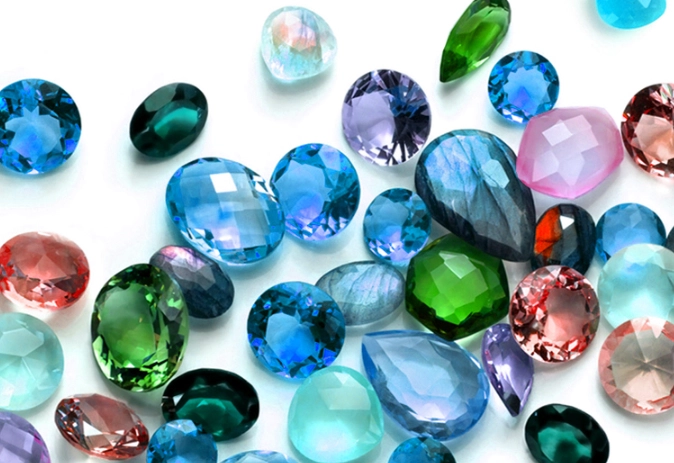
Owning the Sparkle: Care, Cleaning, and Storage
You've bought a beautiful gemstone. Now what? Treating it wrong can lead to heartbreak. Different gemstones have different hardness levels (measured on the Mohs scale) and different sensitivities.
The number one rule: When in doubt, be gentle.
- Know Your Stone's Hardness: Diamonds are a 10. Sapphires/Rubies are a 9. Topaz is an 8. Quartz (amethyst, citrine) is a 7. Emerald is a 7.5-8 but is often brittle due to inclusions. Pearls and opals are very soft (around 6 or less). Harder stones can scratch softer ones.
- The Universal Clean: Warm water, a tiny drop of mild dish soap, and a very soft toothbrush. Gently scrub behind the stone where grime collects. Rinse thoroughly. Dry with a soft, lint-free cloth. This is safe for 95% of gemstones.
- What to Avoid:
- Ultrasonic Cleaners: Great for diamonds, sapphires, rubies. DEADLY for emeralds (can shake fillings out), opals, pearls, tanzanite, and any stone with fractures.
- Steam Cleaners: Intense heat and pressure. Safe only for the most durable, untreated stones. I avoid them altogether.
- Harsh Chemicals: Hairspray, perfume, chlorine, bleach. They can damage metals and dull or erode many gemstones. Put your jewelry on LAST when getting ready.
- Storage: Don't toss everything in a jangling pile. Use a fabric-lined box with separate compartments, or soft pouches. Pearls especially need to be kept away from other jewelry that can scratch them.
Digging Deeper: Ethical Sourcing and Other Tough Questions
It's an uncomfortable truth that the gemstone trade has, historically, been linked to conflict, poor labor conditions, and environmental damage. As consumers, we have more power to ask questions now.
What does "ethical" mean? It's a spectrum. It can refer to conflict-free (not funding violence), fair trade (ensuring miners get a fair wage), or environmentally responsible mining. It's a complex issue without easy answers.
How can you make better choices?
- Ask Questions: Reputable dealers should be able to tell you the country of origin for their stones. Some, like Montana sapphires or Australian opals, come from countries with stricter regulations.
- Look for Certifications: Systems like the Responsible Jewellery Council (RJC) certification for companies, or origin-specific reports from labs, add a layer of traceability.
- Consider Vintage or Estate: The most eco-friendly gemstone is one that already exists. Vintage jewelry often has incredible character and craftsmanship, and its sourcing impact is in the past.
- Lab-Grown Gemstones: This is a booming area. They are physically, chemically, and optically identical to mined stones, but created in a controlled environment. They have a much smaller environmental footprint and are guaranteed conflict-free. The trade-off? They don't have the geological rarity, so they cost significantly less. For some people, that's a deal-breaker. For others, it's the perfect ethical and budget-friendly solution.
I own both mined and lab-grown stones. My heirloom pieces are mined. For a specific color of sapphire I wanted in a modern pendant, I went lab-grown. It was stunning, affordable, and I loved knowing its origin story was clean. It's a personal choice.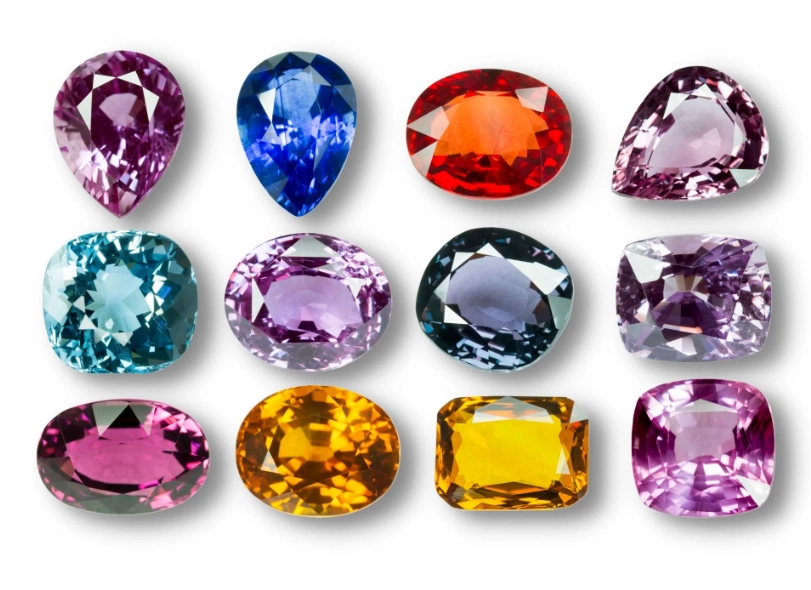
Your Burning Gemstone Questions, Answered
Let's tackle some of the specific questions that pop up again and again.
Are gemstones a good investment?
For the average buyer, no. Treat them as a purchase of beauty and sentiment, not a stock portfolio. The investment market is for ultra-rare, top-quality pieces (like unheated Kashmir sapphires or Burmese rubies) bought at auction by experts. It's highly illiquid—selling a single stone for its true value is very hard without the right connections. Buy because you love it, not because you think it'll pay for your retirement.
What's the difference between a ruby and a pink sapphire?
It's one of the great debates in gemology! The line is blurry. Generally, if the red corundum has a dominant red hue, it's a ruby. If the red is light or has a strong secondary pink or purple hue, it's often called a pink sapphire. Different labs (GIA vs. others in Asia) have slightly different thresholds. This is why a report that says "Ruby" is so important—it means a professional gemologist has placed it on that side of the line.
Can I wear my opal ring every day?
I wouldn't. Opal is relatively soft, contains water, and can be prone to cracking from sudden temperature changes or knocks. It's a "special occasion" stone for me. If you want an opal-like look for daily wear, consider a more durable opal triplet (a thin slice of opal sandwiched between quartz) or a different stone with play-of-color like labradorite.
How can I tell if my gemstone is real?
At-home tests are unreliable. The "scratch test" will damage your stone. The "fog test" (breathing on it) is meaningless for most simulants. The only way to know for sure is to take it to a qualified gemologist or jeweler who has the proper tools (refractometer, microscope, etc.). This is where that initial purchase from a reputable source with a certificate saves you endless worry.
What's the best all-around durable gemstone for an engagement ring?
If you want color beyond a diamond, the top contenders are sapphire (blue, pink, yellow, you name it) and ruby. They are a 9 on the Mohs scale, extremely tough, and have a timeless appeal. Moissanite (a diamond simulant with even more fire) is also a fantastic, super-durable choice. I'd steer clear of emerald, opal, pearl, or tanzanite for a ring you'll whack on doorframes and desks every day.
---
The world of gemstones is deep and endlessly fascinating. It's a mix of ancient earth science, human artistry, and personal emotion. Don't let the jargon or the fear of making a mistake paralyze you. Start small, ask loads of questions, buy from people who are eager to educate you, and always, always get that independent lab report for anything significant.
Remember, the best gemstone for you is the one that makes your heart skip a beat when you see it, fits your life, and comes with a story you can trust. Now go forth and find some sparkle.