Your Sparkle Roadmap
Let's be honest. We've all been there. Staring into a jeweler's window, completely captivated by the deep blue of a sapphire or the fiery sparkle of a diamond. That pull you feel? It's ancient. It's human. For thousands of years, we've been drawn to these natural treasures, these precious stones, not just for their beauty, but for what they represent: permanence, value, a piece of the earth's magic you can hold in your hand.
But here's the thing that most articles don't tell you. The world of precious stones is equal parts awe and confusion. The terminology is messy, the prices can seem arbitrary, and the fear of getting ripped off is very, very real. I remember the first time I tried to buy a sapphire as a gift. I was utterly lost between terms like "heat-treated," "Ceylon," and "inclusion." I nearly bought a piece of blue glass masquerading as the real deal. It was a lesson learned the hard way.
So, I'm not here to just list shiny rocks. I want to give you the map I wish I'd had. This is about understanding why a ruby commands a king's ransom while a garnet, which can look strikingly similar, is far more accessible. It's about knowing what questions to ask before you swipe your card, and how to care for your investment so it lasts longer than you do.
The Big Four: The Classic Precious Stones
These are the OGs. The stones that built empires, started wars, and adorned crowns. When people say "precious stones," this is usually the mental list they're working from.
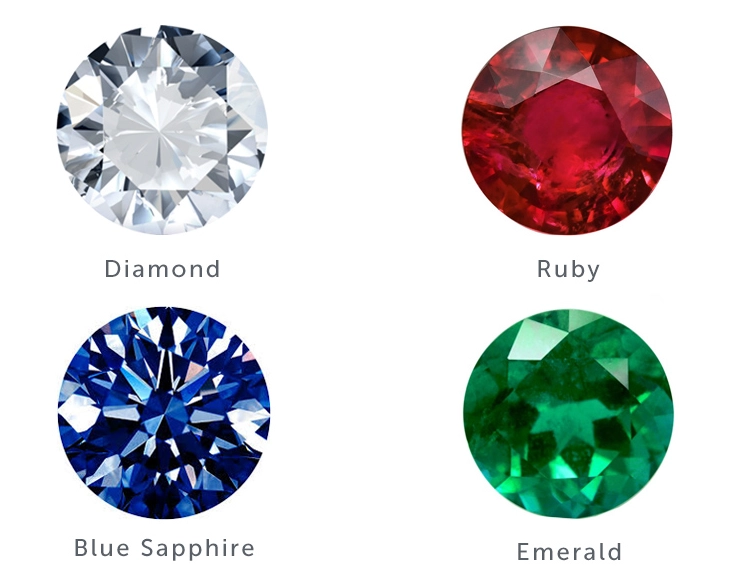
Diamond: The Ultimate Icon
Love the marketing or hate it, the diamond's status is unshakable. It's the hardest natural substance on earth (a perfect 10 on the Mohs scale), which for jewelry meant one thing above all else: it survives. It doesn't scratch, it doesn't wear down. That practicality, combined with its incredible brilliance (the way it handles light), cemented its place.
But not all diamonds are equal. The famous 4Cs—Cut, Color, Clarity, and Carat—are your bible here. And here's a personal opinion: Cut is king. A well-cut smaller diamond will out-sparkle a poorly cut giant every single time. A poorly cut stone looks dead, no matter how "flawless" it is on paper. The Gemological Institute of America (GIA) sets the global standard for grading diamonds, and their website is an essential resource for understanding the 4Cs in detail.
A quick word on lab-grown diamonds.
They're physically and chemically identical to mined stones. The only difference is their origin. For some, the natural, billion-year-old story is irreplaceable. For others, the ethical and price advantages of lab-grown are the whole point. Neither is "wrong." It's the most personal choice in gemology right now.
Ruby: The King of Color
If diamonds rule with frosty brilliance, rubies rule with passionate, blood-red fire. The finest ruby color is called "pigeon's blood"—a vibrant, pure red with a hint of blue. It's breathtaking. And it's vanishingly rare.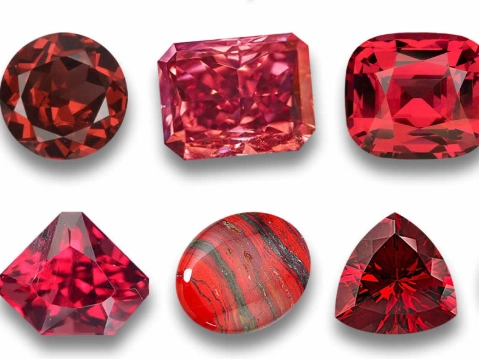
Almost all rubies are treated. Heat treatment is standard, accepted, and permanent—it just brings out the color the stone was always meant to have. What you need to watch for is glass-filling or lead-glass filling. This is used to mask cracks and improve the look of low-quality rubies. It's not stable and can be damaged by even mild jeweler's cleaners. Always, always ask: "Has this ruby been treated, and if so, how?" A reputable seller will disclose this immediately. The best still come from Myanmar (Burma), but Mozambique has been producing stunning material in recent years.
Sapphire: Not Just Blue
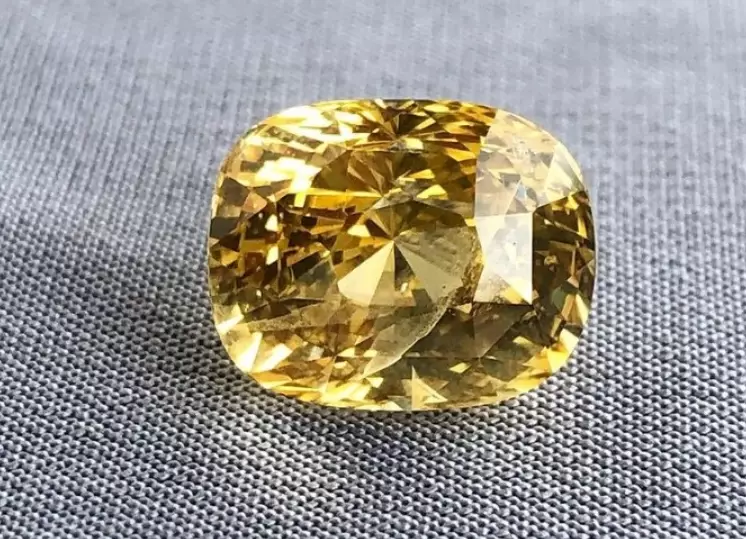
Here's the first big misconception. Sapphire is the mineral corundum, just like ruby. Every color of corundum that isn't red is a sapphire. So you can have stunning pink, yellow, orange (padparadscha), green, and even colorless sapphires. Blue is just the most famous.
The most prized blue is a velvety cornflower blue, not too dark, not too light. Kashmir (now virtually extinct) set the standard, with Ceylon (Sri Lankan) stones known for their brighter, often lighter blue. Heat treatment is, again, very common for sapphires. I personally find the untreated, slightly included Ceylon sapphires to have more character—they look alive, like a piece of the sky with clouds in it.
Emerald: The Garden of Imperfection
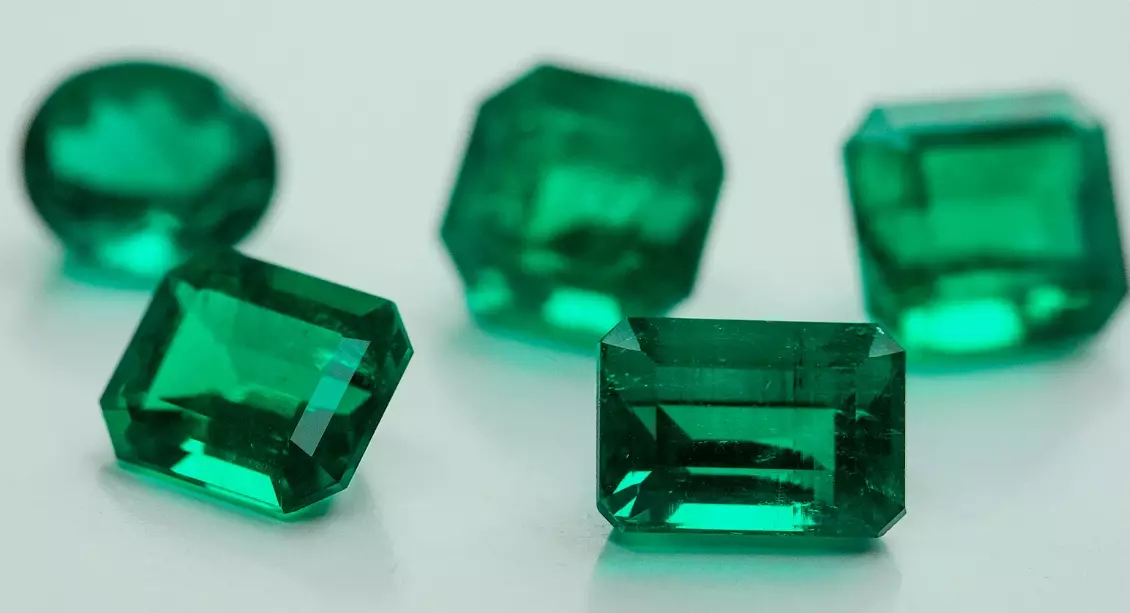
Emeralds are the divas of the precious stone world. They're almost always included (have internal characteristics). The industry even has a gentle term for it: jardin (French for garden). These inclusions are often seen as proof of natural origin. If you see a perfectly clean, vivid green emerald for a reasonable price, it's almost certainly synthetic or a different green stone altogether.
Because of these inherent fractures, most emeralds are treated with oils or resins to improve clarity. This is a standard practice, but it's not permanent. The oil can dry out or be removed with harsh chemicals, making the inclusions more visible again. Emerald requires gentle, knowledgeable care. The finest historically come from Colombia, but Zambian emeralds offer incredible quality and often a slightly bluer green.
| Classic Precious Stone | Key Color | Mohs Hardness | Critical Thing to Know | Common Treatment |
|---|---|---|---|---|
| Diamond | Colorless to various | 10 | Cut quality overrides size. | Usually none for natural color. |
| Ruby | Pigeon's Blood Red | 9 | Beware of lead-glass filling. | Heat (common), Glass-fill (problematic). |
| Sapphire | Cornflower Blue (or any color) | 9 | Comes in a "rainbow" of colors. | Heat (very common & accepted). |
| Emerald | Vivid Green | 7.5-8 | Inclusions (jardin) are expected. | Oiling/Resin filling (requires re-care). |
See? Hardness varies. That emerald at 7.5-8 is significantly softer than a sapphire at 9. It matters for daily wear.
Beyond the Big Four: The Modern World of Precious Stones
The old "four only" rule feels pretty arbitrary today. Geology doesn't care about tradition. We've discovered stones so phenomenally rare and beautiful that calling them merely "semi-precious" feels insulting. The market agrees. Their prices can dwarf those of lower-quality traditional precious stones.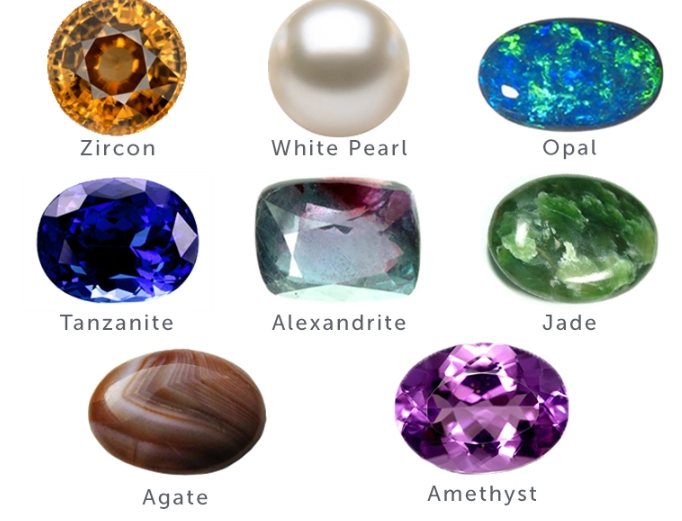
So, let's talk about the newcomers, the rare gems that have earned a place at the high table.
Paraíba Tourmaline
Discovered in the late 1980s in Brazil, and later in Mozambique and Nigeria. What sets it apart is its unique copper content, which gives it that shocking, swimming-pool blue or green-blue hue. The finest Brazilian material is astronomically expensive per carat. It's a stone where color intensity is everything.
Alexandrite
The ultimate party trick. A fine alexandrite changes color dramatically under different light sources: greenish or bluish in daylight, reddish-purple under incandescent light. It's a variety of the mineral chrysoberyl and is incredibly rare, especially in sizes over one carat. Most "alexandrite" sold in mall jewelry stores is synthetic or simulant. Real alexandrite commands real precious stone prices.
Padparadscha Sapphire
Yes, it's a sapphire, but it's so special it gets its own category. The name comes from the Sinhalese word for lotus blossom. The color is an exquisite, delicate blend of pink and orange—a sunset in a stone. It's one of the rarest sapphire colors. Finding a natural, untreated padparadscha is a major feat for any dealer.
Demantoid Garnet
This proves garnets aren't just cheap red stones. Demantoid is a green garnet with a dispersion (fire) that can rival diamond. The finest come from Russia and have unique, horsetail-shaped inclusions that are considered desirable. It's soft for a precious stone (around 6.5), so it needs protective settings.
What makes these stones "precious" in the modern sense? Sheer, undeniable rarity and a specific, extraordinary characteristic (like color-change or unmatched fire) that creates intense demand among collectors.
Your No-Stress Guide to Buying Precious Stones
This is where the rubber meets the road. You're ready to buy. How do you not get taken for a ride? Let's ditch the theory and get practical.
1. Define Your "Why" and Budget
Is this an investment piece? An heirloom? A fun, wearable item? Your goal dictates everything. For an heirloom, you might prioritize durability (diamond, sapphire). For a collector, color uniqueness might trump everything. Set a firm budget before you start looking. The range is infinite, and it's easy to get dazzled.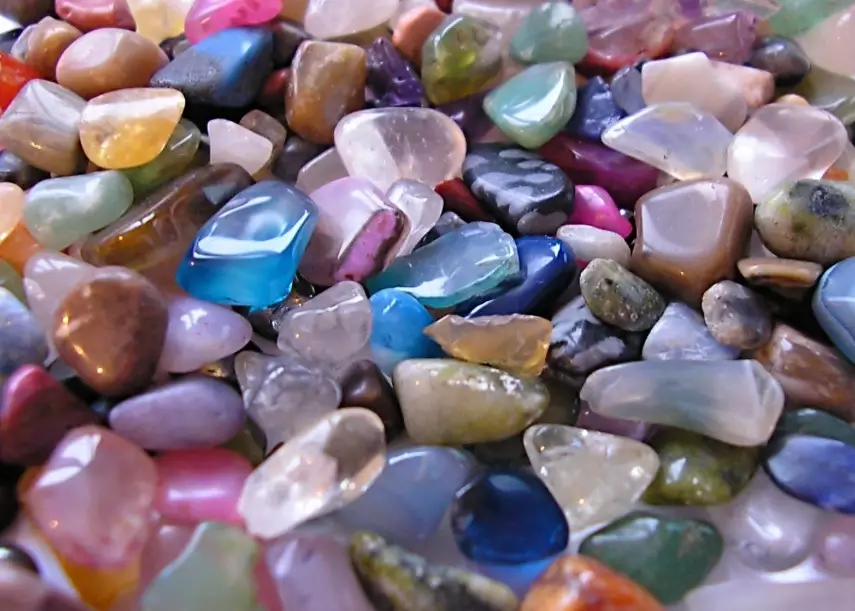
2. Learn the Lingo and Ask the Right Questions
Walking into a store and just saying "I want a blue stone" is asking for trouble. Arm yourself with questions.
- For any stone: "Is this natural or lab-created/synthetic?"
- For any colored stone: "Has it been treated? Please explain the treatment process and its stability." (Check the GIA's guide to gem treatments to know what you're hearing).
- For transparency: "Can I see an independent lab report?" (GIA, AGL, Gübelin, SSEF are top-tier).
- "What is the country of origin?" (This affects value for stones like ruby, sapphire, emerald).
3. Understand the Report (The Certificate)
A report from a major lab like GIA or AGL isn't an appraisal. It's an identification and grading document. It will tell you if the stone is natural, list any treatments, and grade its key characteristics. It doesn't set a monetary value. For a significant purchase, a report is non-negotiable. It's your stone's passport.
4. See the Stone in Different Lights
Store lighting is designed to make everything look amazing. Ask to see the stone under daylight (near a window) and under normal room light. Does the color hold up? Do inclusions become more obvious? For diamonds, see how it sparkles in softer light—that's the true test of cut.
5. Consider the Setting & Metal
A beautiful stone can be ruined by a cheap, poorly made setting. For softer stones like emerald or opal, a bezel or halo setting that protects the edges is smarter than a prong setting that leaves them exposed. The metal matters too. Platinum and high-karat gold are stronger and more durable for holding precious stones securely.
It sounds like a lot, I know. But taking it step-by-step turns a scary process into an exciting, educated hunt.
Caring for Your Investment: Keep It Sparkling
You've made the purchase. Now what? These aren't lumps of plastic. They need specific care, and honestly, many jewelers gloss over this part.
The universal rule: Be gentle.
- Cleaning: Warm water, mild dish soap (no lotions!), and a soft toothbrush is safe for most durable precious stones (diamond, sapphire, ruby). Never use this on emeralds, opals, or any stone with fracture filling or significant inclusions. For those, a soft, dry cloth is best.
- Ultrasonic Cleaners: Generally safe for diamond, ruby, sapphire. Never for emerald, tanzanite, opal, or any treated stone. When in doubt, don't use it.
- Steam Cleaners: Same rules as ultrasonic. The heat and pressure can damage many stones.
- Storage: This is crucial. Store pieces separately so they don't scratch each other. A fabric-lined box with individual compartments is ideal. Diamond can scratch every other gem. Sapphire can scratch emerald. You get the idea.
- Activities: Take your jewelry off for gardening, cleaning (harsh chemicals are a killer), gym workouts, and swimming (chlorine attacks metals and some stones).
Think of it like a fine painting. You wouldn't hang it in direct sunlight or clean it with bleach. Your precious stones deserve the same considered care. For deep scientific insight into how gems form and their properties, resources like the Natural History Museum's gemological collections offer fascinating context.
Answering Your Burning Questions (FAQ)
What's the difference between a precious stone and a semi-precious stone?
It's an outdated, commercial distinction. Historically, only diamond, ruby, sapphire, and emerald were "precious." Everything else was "semi-precious." Today, we know many so-called semi-precious stones (like fine paraíba tourmaline or alexandrite) are rarer and more valuable than lower-quality "precious" ones. Experts now prefer terms like "gemstone" or specify by mineral name (e.g., beryl, corundum, quartz).
Are precious stones a good investment?
This is tricky. High-quality, rare pieces from the top categories (large, flawless D-color diamonds; unheated pigeon's blood rubies; fine Kashmir sapphires) have historically held and increased in value. But they are a highly illiquid asset—selling them quickly for their full value is hard. For 99% of buyers, you should buy a precious stone because you love it and want to wear it. View any potential increase in value as a bonus, not the goal. The market can be speculative and opaque.
How can I tell if a precious stone is real?
You can't, not with certainty, and certainly not with online "hacks" like the breath test. Synthetics are too good now. The only way to know is through testing with professional equipment by a qualified gemologist. This is why that independent lab report is your single most important document.
What is the most expensive precious stone?
By price-per-carat, red diamonds are currently the kings. They are exponentially rarer than white diamonds. After that, fine unheated Burmese rubies and Kashmir sapphires. A top-quality paraíba tourmaline can also command prices that leave the traditional big four in the dust.
Which precious stone is hardest and most durable for daily wear?
Diamond (10). Then ruby and sapphire (9). These three are excellent for rings you wear every day. Emerald (7.5-8) is softer and more brittle, so it requires a more protective setting and mindful wear.
The journey into the world of precious stones is a lifelong one. There's always more to learn, a new color variation to discover, a historical tale to uncover. It's a hobby that connects you to the deep history of our planet and the artistry of human craftsmanship. Start with curiosity, arm yourself with knowledge, and don't be afraid to ask what feels like a dumb question. The only dumb question is the one you don't ask before handing over your money. Happy hunting