Quick Navigation
Let's be real. The term "semi precious stones" gets thrown around a lot. You see it on jewelry websites, in crystal shops, and all over social media. But what does it actually mean? And more importantly, how do you navigate this colorful, sometimes confusing, world without getting ripped off or ending up with a stone that does nothing for you?
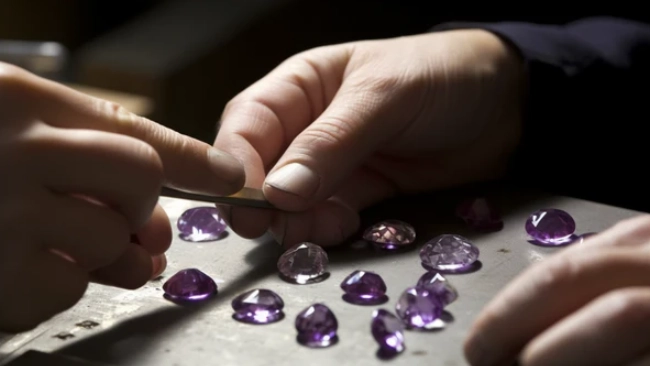
I remember walking into a gem show years ago, completely overwhelmed. Rows and rows of sparkling semi precious stones, each vendor claiming theirs had the most powerful energy or the rarest color. I left with a pretty piece of amethyst, but also a head full of questions. That experience is what pushed me to dig deeper, to move past the marketing fluff and understand what these stones are really about.
This guide is that deep dive. We're not just going to list a bunch of pretty rocks. We're going to break down what makes a stone "semi-precious," explore the most popular types (and some underrated ones), talk about what people actually use them for, and give you a straightforward framework for choosing your own. Whether you're looking for a stunning piece of jewelry, a unique decorative item, or exploring their use in wellness practices, this is your starting point.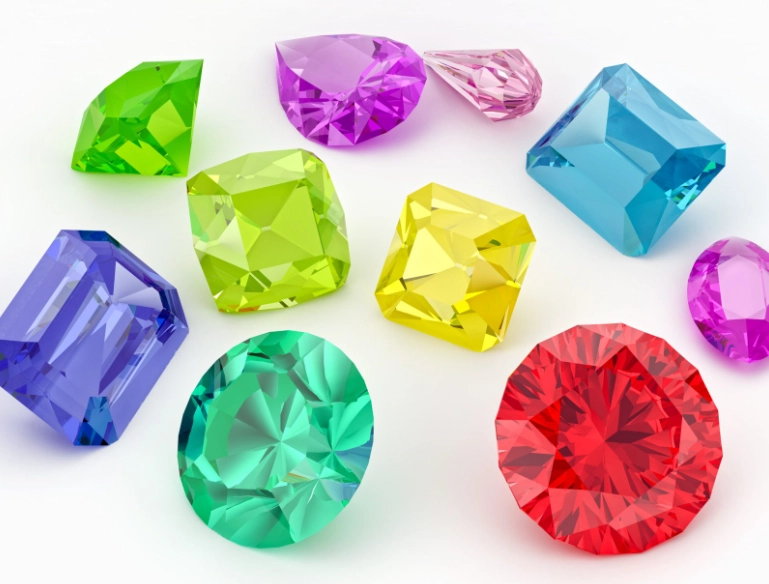
Quick Reality Check: The line between "precious" and "semi-precious" is more traditional than scientific. Historically, only diamond, ruby, sapphire, and emerald were called "precious." Everything else fell into the semi precious stones category. This doesn't mean they're less beautiful or valuable—some, like a fine paraíba tourmaline, can cost far more than a mediocre sapphire. It's an old classification, but it's still the term everyone uses.
What Are Semi Precious Stones, Really? Let's Clear the Air
Think of the term as a big, broad umbrella. It covers a massive family of minerals, rocks, and organic materials that are valued for their beauty, durability, and rarity. The key factors that lift an ordinary rock into the gemstone category are beauty (color, clarity, sparkle), durability (hardness and toughness so it can be worn), rarity, and tradition.
Honestly, the "semi" part can be misleading. It makes some people think they're "second-tier," which is nonsense. A stunning tsavorite garnet or a deep blue lapis lazuli can take your breath away just as much as any precious gem. The value is in the eye of the beholder and the specific qualities of the individual stone.
So, what's inside a typical semi-precious stone?
Most are minerals, meaning they have a specific chemical composition and crystal structure. Quartz (amethyst, citrine, agate) is silicon dioxide. Beryl (like aquamarine and morganite) is beryllium aluminum cyclosilicate—see, even the names sound complex! Others, like lapis lazuli, are rocks (a mixture of minerals). Then you have organic materials like amber (fossilized tree resin) and pearl, which are also traditionally grouped under the semi precious stones banner.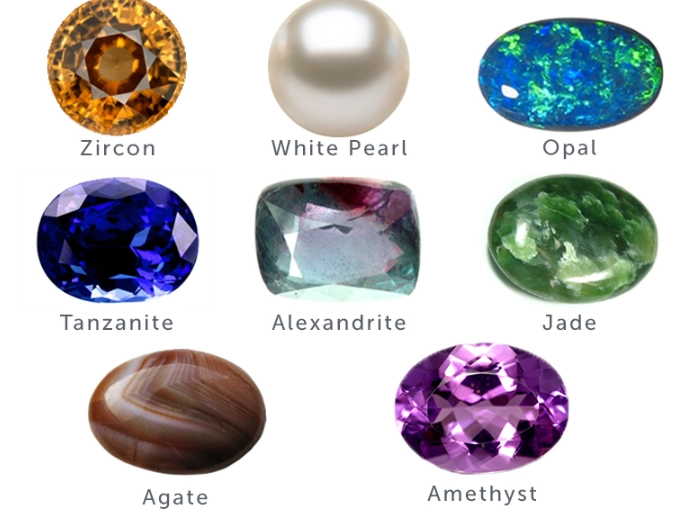
I used to ignore the technical stuff, thinking it was just for geologists. Big mistake. Knowing that amethyst is just purple quartz, for example, helped me understand why it's so abundant and why the price can vary wildly based on color saturation, not just size. A little knowledge goes a long way in preventing overpaying.
The A-List: A Handy Guide to Popular Semi Precious Stones
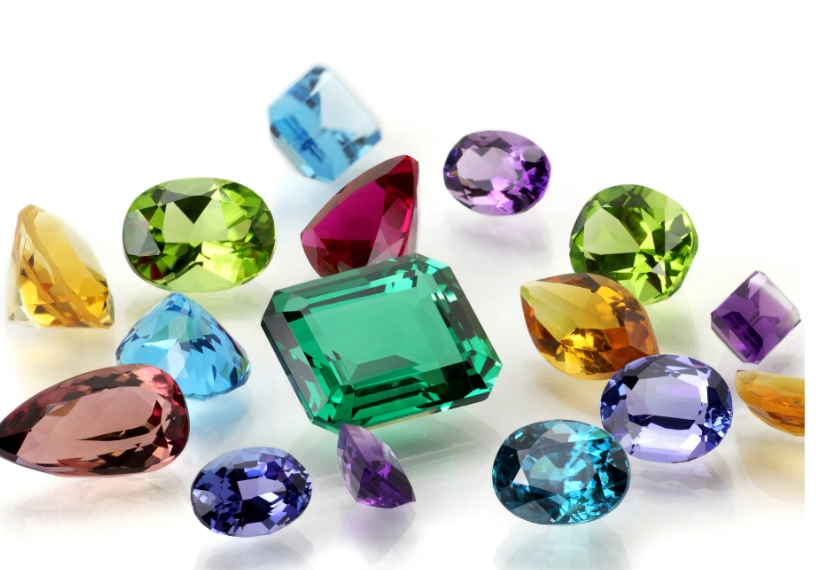
With hundreds of varieties out there, where do you even start? I find it easiest to think about them in groups, either by color, mineral family, or how they're most commonly used. Below is a table of some of the absolute rockstars (pun intended) of the semi precious stones world. This isn't just a dry list; it includes what you, as a buyer, should really be looking for.
| Stone Name | Mineral Family / What It Is | Key Colors | Mohs Hardness (1-10) | What It's Known For & A Quick Note |
|---|---|---|---|---|
| Amethyst | Quartz | Purple, lilac, violet | 7 | The classic purple gem. Abundant, so good value for large pieces. Deep, even purple ("Siberian" grade) is most valued. Can fade in direct sunlight. |
| Citrine | Quartz | Yellow, gold, orangey-brown | 7 | Sunshine in a stone. Much of the citrine on the market is heat-treated amethyst. Natural citrine is paler, like lemon quartz. |
| Aquamarine | Beryl | Pale blue to blue-green | 7.5-8 | Serene sea-blue color. A durable choice for everyday jewelry. Larger, cleaner stones are common, but the prized color is a strong, saturated blue. |
| Turquoise | Phosphate mineral | Blue to green | 5-6 | Opaque and often matrix-webbed. Very porous. Most is stabilized (treated with resin). High-quality natural, untreated "sleeping beauty" blue is rare and pricey. |
| Garnet | Nesosilicate group | Red (Almandine), green (Tsavorite), orange (Spessartite) | 6.5-7.5 | Not just red! A whole family. Tsavorite garnet is a brilliant green rivaling emerald. Almandine (red) is very affordable. |
| Peridot | Olivine | Grassy green, lime green | 6.5-7 | One of the few gems that only comes in green. Often has a slightly sleepy appearance. Can be found in meteorites! |
| Topaz | Sorosilicate | Blue (common), Imperial (orange-pink), colorless | 8 | Excellent hardness. The ubiquitous blue topaz is almost always irradiated & heated. Natural blue is rare. Imperial topaz is the collector's favorite. |
| Opal | Hydrated silica | All colors (play-of-color) | 5.5-6.5 | Famous for its shifting colors. Can be brittle and sensitive to dehydration. Ethiopian opal is beautiful but can absorb water and become cloudy. |
| Lapis Lazuli | Rock (Lazurite, Calcite, Pyrite) | Deep blue with gold flecks | 5-5.5 | Historically used for ultramarine pigment. The best has an intense, uniform blue with sparse, sparkly pyrite. Can be dyed or imitated. |
| Moonstone | Feldspar | Colorless, white, peach with blue sheen | 6-6.5 | Known for its adularescence—that floating blue glow. A delicate stone. Prone to cleavage, so avoid hard knocks. |
See? Already more useful than just saying "this one is pretty." Hardness matters if you want a ring you'll wear daily. Knowing that most blue topaz is treated isn't a bad thing—it's just a fact that affects price and permanence.
How to Pick Your Perfect Stone: It's Not Just About Looks
This is where most guides stop, but it's where your real journey begins. Are you buying for jewelry? For a collection? For display in your home? Or are you curious about their use in practices like crystal healing? Your goal dictates everything.
If You're Buying Jewelry: Durability is King (or Queen)
You want something that will last. The Mohs scale is your best friend here. Anything below a 7 is going to be more prone to scratches from everyday dust (which contains quartz, hardness 7).
- For everyday rings: Stick to stones with hardness of 7 and above. Think quartz varieties (amethyst, citrine), beryl (aquamarine, morganite), topaz (8), and garnet (6.5-7.5). Bezel settings offer more protection.
- For pendants and earrings: You have more flexibility. Softer semi precious stones like opal, turquoise, lapis, and moonstone can be stunning here, as they're less likely to get scratched.
- Ask about treatments: Is the stone heated? Irradiated? Oiled? Filled? This is normal for many gems (like tanzanite or most sapphires), but a reputable seller should disclose it. It affects care and sometimes value.
Pro Tip from a Hard Lesson: I once bought a beautiful turquoise ring for daily wear. Within months, it looked dull and greasy. Turquoise is soft and porous! It absorbed oils from my hand. Now I save it for pendants. Know your stone's limits.
If You're a Collector or Decorator: Color, Cut, and Character
Here, aesthetics and uniqueness take the front seat. You might be drawn to a particular color palette or crystal form.
- Look for specimen pieces: Raw, uncut crystals like a cluster of amethyst or a geode of celestite can be incredible display pieces. The natural form is the art.
- Consider the cut: A well-cut stone, even a common one, will have superior brilliance. A poorly cut expensive stone can look dead. For faceted stones, look for symmetry and how well it reflects light.
- Embrace inclusions: In the collector's world, unique inclusions—like a "garden" in an emerald or a rutile needle in quartz—can add character and value, not detract.
If You're Exploring Energetic or Wellness Uses: Intention and Integrity
This is a huge and personal area. If you're interested in semi precious stones for meditation, mindfulness, or as a tangible focus for intention, the approach is different.
First, let's be clear: there's no robust scientific evidence backing healing claims. Any benefits are subjective and part of a personal practice. That said, the tradition is ancient and meaningful to many.
- Research traditional associations: Rose quartz is linked with love, black tourmaline with grounding. These associations are cultural and historical. See what resonates with you.
- Let the stone choose you: This sounds flaky, but it works. Often, you'll be drawn to a particular color or shape when you need its associated energy most. Trust that gut feeling.
- Quality still matters: Even for this purpose, a natural, untreated stone often feels more "authentic" to practitioners than heavily processed or synthetic material.
I keep a piece of labradorite on my desk. Do I think its "magic" helps me write? Not literally. But its flashy colors remind me to find creativity in the mundane. That's a real, practical benefit.
Caring for Your Gems: They're Not All Created Equal
You've got your beautiful semi precious stones. Now, how do you keep them that way? A one-size-fits-all approach is a recipe for disaster.
The Universal Rules: Keep all gems away from harsh chemicals (cleaners, perfumes, chlorine). Don't use ultrasonic cleaners or steamers unless you're 100% sure the stone can take it (quartz and beryl usually can; opal, turquoise, and pearls absolutely cannot). Store them separately to prevent scratching.
Now, for the specifics:
- The Sensitive Bunch (Handle with Extreme Care):
- Opal: Contains water. Can crack from sudden temperature changes or if it dries out. Occasionally wipe with a damp cloth.
- Turquoise & Lapis: Porous and soft. Avoid water, oils, chemicals. Clean with a dry, soft cloth only.
- Pearl & Amber (Organic): Very soft. Put them on last (after perfume/hairspray). Wipe after wearing.
- Selenite & Gypsum: Hardness of 2! Will dissolve in water. Dust only.
- The Tough Crew (Relatively Low Maintenance):
- Quartz Family (Amethyst, Citrine, Agate): Hardness 7. Safe with mild soap and water. Generally sturdy.
- Beryl Family (Aquamarine, Morganite): 7.5-8. Also quite durable for cleaning.
- Garnet, Topaz, Peridot: All in the 6.5-8 range. Standard gentle care is fine.
The Gemological Institute of America (GIA), arguably the top authority in gemology, has an excellent, detailed gem care guide that's worth bookmarking. It's a trustworthy resource that goes deeper into the science of cleaning.
Your Questions, Answered (The Stuff You Actually Google)
Look, the world of semi precious stones is deep enough to spend a lifetime exploring. Don't try to learn it all at once. Start with what draws you in—maybe it's the inky blue of lapis or the fiery flash of an opal. Learn about that one stone. Feel its weight, learn its quirks. That hands-on, curious approach will teach you more than any guide ever could.
The most important thing is to enjoy the process. Whether you end up with a meticulously matched strand of graduated garnet beads or a quirky, included quartz point you found at a flea market, the value is in the connection you have with it. That's the real magic, no metaphysics required.