Inside This Article
- What Does a Gemologist Actually Do All Day?
- How to Become a Gemologist: A Step-by-Step, No-BS Guide
- The Skills You REALLY Need to Succeed (Beyond the Textbook)
- Gemologist Salary & Career Outlook: The Real Numbers
- The Pros and Cons: An Honest Look from the Inside
- Common Questions (Stuff People Really Want to Know)
- Final Thoughts: Is This Path For You?
It's a word you might have heard while shopping for an engagement ring or watching a heist movie. Gemologist. It sounds fancy, maybe a bit mysterious. I used to think it was just someone who looked at pretty rocks all day. Turns out, I was wrong. There's a whole world behind that title, and it's equal parts science, art, and detective work.
Think about it. You're about to spend a significant amount of money on a diamond. How do you know it's real? How do you know it's worth what they're asking? That's where a qualified gemologist comes in. They're the unbiased expert standing between you and a potential financial mistake. But is it all sparkle and glamour? Let's get real about what this career actually entails.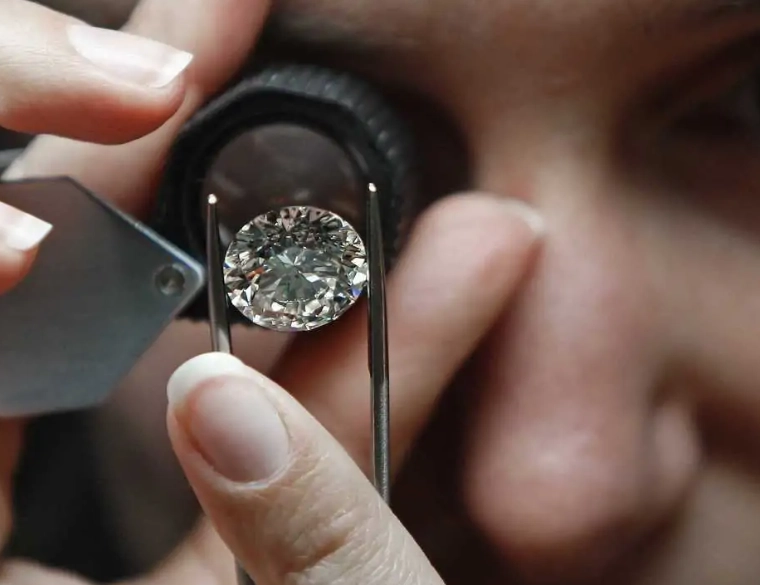
What Does a Gemologist Actually Do All Day?
Forget the image of someone in a white lab coat just nodding at diamonds. The daily grind is surprisingly varied. I remember talking to a gemologist friend who told me her day could swing from using a million-dollar microscope to dealing with a frantic customer who inherited a "mystery" brooch.
Let's break that down.
The Core Responsibilities (The Nitty-Gritty)
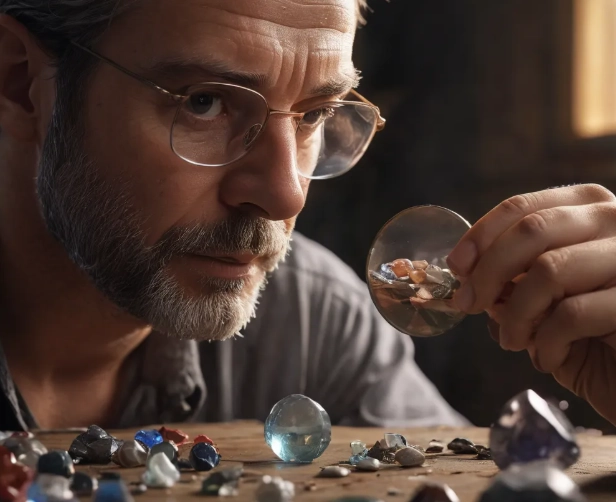
This is the bread and butter. A gemologist's primary job is to be a detective for gemstones. Every stone tells a story, and they're trained to read it.
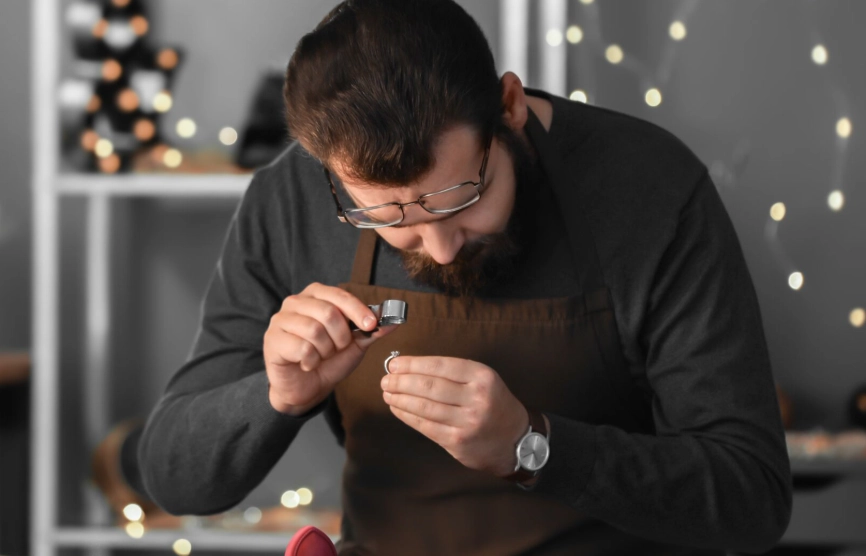
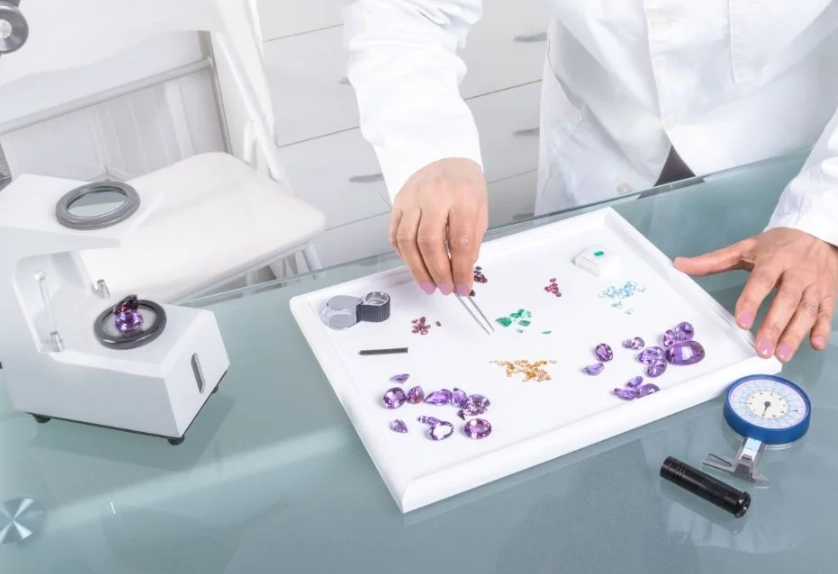
- Identification: Is this a natural sapphire, a lab-created one, or just a piece of blue glass? Using tools like a refractometer, microscope, and spectroscopy, a gemologist can figure it out. This is the most fundamental skill. You'd be amazed how often things aren't what they seem.
- Grading: This is especially critical for diamonds. Using the 4Cs system (Cut, Color, Clarity, Carat Weight) established by the Gemological Institute of America (GIA), a gemologist assigns a grade that determines much of the stone's market value. It's not guesswork; it's a standardized assessment under controlled lighting and magnification.
- Evaluation & Appraisal: What's it worth? This isn't just about the gemstone itself. An appraiser (often a gemologist with additional appraisal training) considers the stone's quality, the market trends, the craftsmanship of the setting, and the piece's overall condition to determine an insurance replacement value or fair market value. Organizations like the American Society of Appraisers (ASA) provide crucial guidelines and ethics for this.
- Detection of Treatments & Synthetics: Did someone heat-treat that ruby to improve its color? Is that emerald filled with oil to hide its cracks? A huge part of modern gemology is spotting the enhancements and lab-grown stones that flood the market. Honesty here is everything.
Where Do Gemologists Work? (It's Not Just Stores)
This was a surprise to me. The career paths are more diverse than you'd think.
- Retail Jewelry Stores & Auction Houses: The most visible path. They help customers, verify inventory quality, and create appraisals. At places like Sotheby's or Christie's, a gemologist is essential for cataloging high-value pieces.
- Independent Gemological Laboratories: Think GIA, American Gem Trade Association (AGTA) GemLab, or Gübelin. These are the top-tier, unbiased institutions that issue grading reports. The work is highly technical and detail-oriented. No sales, just science.
- Mining Companies & Rough Dealers: At the source. These gemologists evaluate rough material straight from the earth, making crucial decisions about how it should be cut to maximize value.
- Insurance Companies & Law Enforcement: Yes, really. Insurance firms need experts to verify claims. Law enforcement (like the FBI Art Crime Team) consults gemologists to identify stolen goods or forgeries.
- Self-Employed Appraiser or Consultant: Many experienced gemologists go solo, offering independent appraisal services or consulting for clients building collections. It requires building a strong reputation for trust.
How to Become a Gemologist: A Step-by-Step, No-BS Guide
So you're intrigued. Maybe you have a thing for minerals, a keen eye for detail, and you like the idea of a hands-on job. How do you actually get there? It's not a standard college major you just sign up for.
The path is more like building a toolkit of education and experience.
Step 1: The Education Foundation
There's no single required degree, but a strong science background is a massive help. Courses in geology, chemistry, physics, and even mineralogy will make the advanced concepts much easier to grasp. Some people enter from a jewelry arts or design background, but they then have to work harder on the science side.
Honestly, you don't need a PhD in geology. But you do need a brain that enjoys systematic thinking and problem-solving.
Step 2: The Critical Certification (This is the Key)
This is what separates a hobbyist from a professional. You must get certified from a respected gemological institute. It's the credential that the industry recognizes and trusts.
Which certification is best? It depends on your goals. Here’s a quick, honest breakdown of the big players:
| Institute | Key Credential | Focus & Reputation | My Take |
|---|---|---|---|
| Gemological Institute of America (GIA) | Graduate Gemologist (GG) | The global gold standard, especially for diamonds. Their 4Cs system is the universal language. Incredibly rigorous and respected worldwide. | If you want to work anywhere in the world, this is the one. It's the hardest and most expensive, but it opens the most doors. It's the "Harvard" of gemology. |
| International Gemological Institute (IGI) | Professional Gemologist | Also highly respected, with a strong global presence. Some say their grading can be slightly more lenient than GIA's, which can be a pro or con depending on your perspective. | A fantastic alternative to GIA. Excellent education, and their reports are very common, especially for jewelry sold in major chains. |
| American Gem Society (AGS) | Certified Gemologist (CG) | Focuses on ethics and consumer protection within the retail jewelry trade. Requires re-certification to maintain membership. | Great if you plan to work in a high-end retail store in North America and want to emphasize ethical practices to clients. |
| Other Regional Schools (e.g., Gem-A in the UK) | Diploma in Gemmology | Excellent, well-respected programs with a strong historical foundation. Highly regarded in Europe and Commonwealth countries. | Don't overlook these if you're based in those regions. The education is top-notch. |
The programs involve a mix of distance learning, hands-on lab sessions, and notoriously difficult practical and written exams. You'll spend hundreds of hours staring into a microscope at inclusions. It's a serious commitment of time and money (think several thousand dollars and 6 months to 2 years).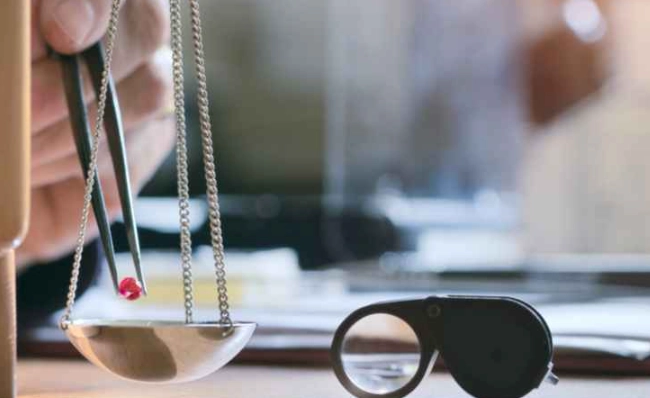
No certification = no credibility as a professional gemologist. It's that simple.
Step 3: Gaining Practical Experience
Your certificate gets you in the door, but your eyes need training. The first few years are about seeing thousands of stones. You'll start as an assistant in a lab or a junior appraiser in a store.
You'll make mistakes. You'll second-guess yourself. A good mentor is worth their weight in gold (or diamonds). This is where you learn the stuff the manuals can't teach—like dealing with nervous clients or the subtle color differences between two seemingly identical sapphires.
The Skills You REALLY Need to Succeed (Beyond the Textbook)
Anyone can memorize refractive indices. But to be a great gemologist, you need more.
- Eagle-Eye Attention to Detail: We're talking about seeing differences at 10x or 60x magnification. A tiny scratch vs. a feather inclusion can mean a big difference in grade. It's mentally exhausting work.
- Patience and Integrity: You can't rush an identification. And you must be honest, even when telling a client their "family heirloom diamond" is cubic zirconia. Your reputation is built on truth.
- Communication Skills: Can you explain why a VS2 clarity diamond is a better value than a VVS1 to someone who knows nothing about gems? You need to translate complex science into understandable advice.
- Business Acumen (if self-employed): Understanding market trends, running a practice, and navigating insurance company requirements are all part of the job if you're on your own.
Gemologist Salary & Career Outlook: The Real Numbers
Let's talk money. This is a specialized field, so salaries aren't posted on every job board. Data from the U.S. Bureau of Labor Statistics groups gemologists with jewelers and precious stone/metal workers. The median annual wage for that group is around $46,000. But that's misleading.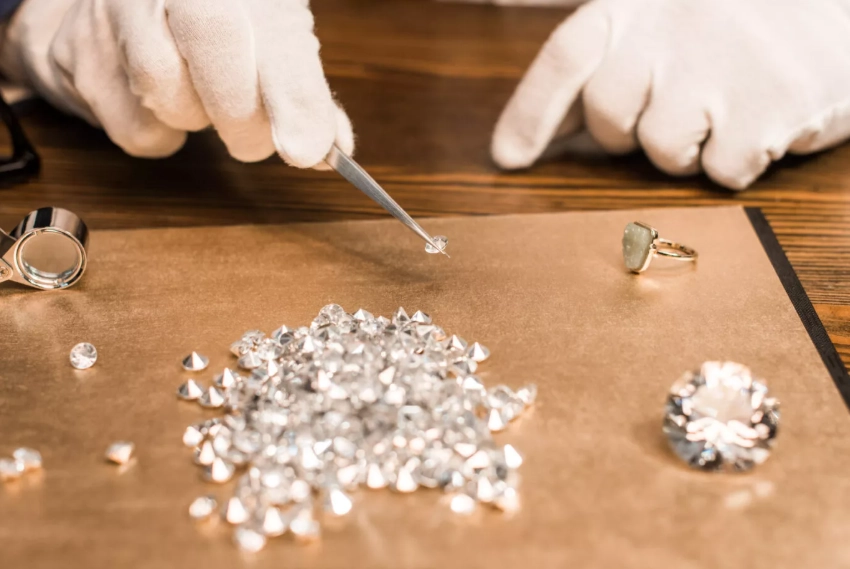
A gemologist's salary has a huge range based on role, experience, location, and employer.
- Entry-Level (Lab Technician, Junior Gemologist): $35,000 - $50,000. You're doing the foundational work and learning.
- Experienced (Store Gemologist, Senior Lab Grader): $50,000 - $80,000. You have your credentials and several years of consistent, accurate work under your belt.
- Expert (Lab Director, Master Appraiser, Independent Consultant): $80,000 - $150,000+. At this level, your expertise and reputation command a premium. Specialists in rare colored stones or estate jewelry can do very well.
Honestly, the pay isn't always as glamorous as the gems. You don't become a gemologist to get rich quick. You do it because you're fascinated by the subject.
The job outlook is stable but niche. Automation can handle some measurement tasks, but the nuanced judgment of a skilled gemologist—identifying treatments, evaluating cut quality, appraising unique pieces—isn't easily replaced. The demand for ethical, knowledgeable professionals to verify gemstone origins (like ethically sourced materials) is actually growing.
The Pros and Cons: An Honest Look from the Inside
Let's wrap this up with a blunt assessment.
The Good Stuff (The Pros)
- Intellectual Satisfaction: It's a constant puzzle. Every stone is a new challenge. If you love learning and problem-solving, it's endlessly engaging.
- Tangible Results: You work with beautiful, physical objects. There's a concrete outcome to your work—a report, an identification, a satisfied client.
- Niche Expertise: You develop a rare and valuable skill set. It feels good to be a recognized expert in something specific.
- Variety: From historic pieces to newly mined rough, you never see the exact same thing twice.
The Not-So-Glittery Side (The Cons)
- Eye Strain & Physical Demands: Long hours under microscopes or bright lights are tough on your eyes and posture.
- High-Pressure Decisions: Your grading report can affect a sale or insurance payout by thousands of dollars. The responsibility is real.
- Continuous Education: New treatments and synthetic methods are invented all the time. You must constantly study to stay current. It's a career of lifelong learning.
- Potential for Monotony: Grading a batch of 100 similar diamonds can feel like factory work. Not every task is a thrilling mystery.
Common Questions (Stuff People Really Want to Know)
Final Thoughts: Is This Path For You?
Becoming a gemologist isn't a casual decision. It demands a significant investment in education, a specific type of patient and observant personality, and a commitment to ethics.
But if you find yourself fascinated by the stories locked inside minerals, if you have a detective's mind and a steady hand, and if the idea of building a career on expertise and trust appeals to you, then it could be an incredibly rewarding path. It's a field where your knowledge literally holds weight—carat weight.
Start by visiting the websites of the institutes I mentioned. Look at their course outlines. Maybe even buy a cheap 10x loupe and a few mineral specimens to see if the basic act of close observation brings you joy. That's where every great gemologist begins: with simple, curious looking.
And remember, in a world full of imitations, the value of a true expert—a real gemologist—only becomes more clear.