Quick Gemstone Guide
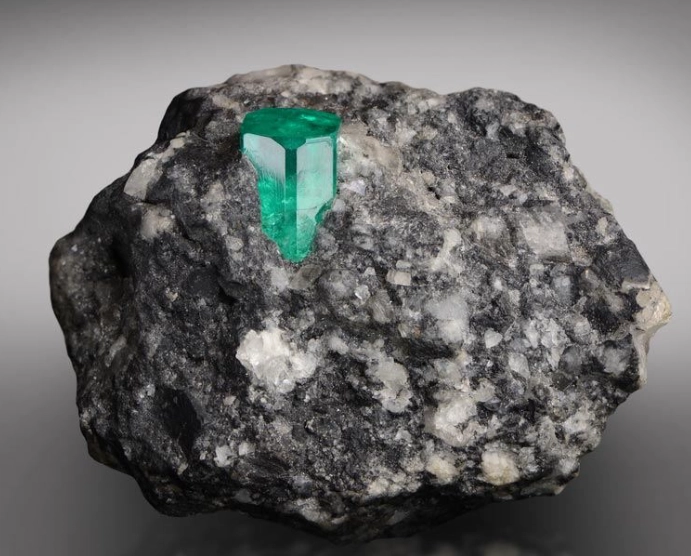
Let's be honest. We've all held a piece of jewelry and wondered, "Is this the real thing?" There's a magnetic pull to natural gemstones that goes beyond just their beauty. It's the story. It's knowing you're holding something that took millions of years to form deep within the Earth, a tiny, perfect fragment of our planet's history. I remember the first time I held a raw, uncut emerald. It wasn't shiny. It was rough, almost like a piece of dull green glass you'd find in a creek. But when the light hit it just right, there was this flash of color that felt alive. That's the magic no lab can perfectly replicate.
This guide isn't about throwing fancy geological terms at you. It's about giving you the straight talk on natural gemstones. We're going to walk through what makes them unique, how to tell if you're getting what you pay for, and how to pick a stone that actually speaks to you. Because buying a gem shouldn't feel like solving a mystery.
What Exactly Are Natural Gemstones? It's Not Just a Pretty Name
When we say "natural," we mean it. A natural gemstone is a mineral, rock, or organic material (like pearl or amber) that formed through purely geological or biological processes. No human intervention in its creation. The heat, pressure, and chemical soup that made it happened on Earth's own schedule, over millennia. This is the core of their value and their intrigue.
Now, here's where it gets tricky, and where a lot of confusion sets in. The gem market is full of look-alikes. Let's break down the main players so you're never caught off guard.
A Quick Reality Check: Just because a gem is "natural" doesn't automatically mean it's untreated. Most natural gemstones on the market have undergone some form of enhancement (like heating or oiling) to improve their color or clarity. This is standard practice, but it must be disclosed. An untreated, top-color natural ruby? That's the true unicorn and carries a price tag to match.
The Great Imposters: Natural vs. Everything Else
This is probably the most important section you'll read. Knowing the difference saves you money and heartache.
| Type | What It Is | Key Identifier & My Take |
|---|---|---|
| Natural Gemstone | Formed in nature. May be cut/polished and often enhanced (heated, oiled). | Look for natural inclusions (tiny imperfections). A report from a lab like the Gemological Institute of America (GIA) is the gold standard. My take: This is the classic. Value comes from rarity and beauty. Always ask for a lab report for serious purchases. |
| Synthetic/Lab-Created | Has the same chemical and physical properties as the natural version, but made in a lab (e.g., lab-grown sapphire). | Often too perfect—flawless, with intense, even color. Much more affordable. My take: A fantastic ethical and budget option. Just don't pay a natural stone price for it! Sellers must call it "lab-created." |
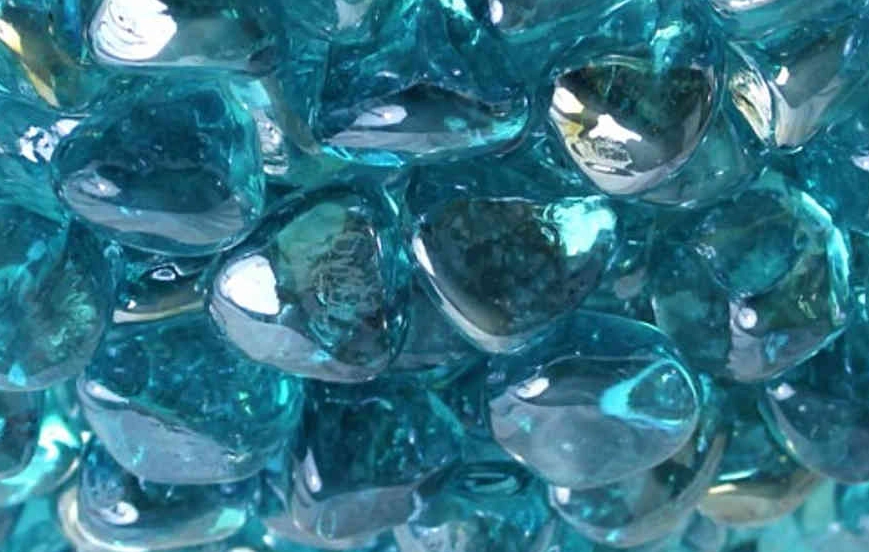
| Imitation/Simulant | A completely different material made to look like another (e.g., glass sold as emerald). | Different physical properties (softer, lighter). Cubic Zirconia (CZ) is a common diamond simulant. My take: Fine for fashion jewelry if you know that's what you're buying. The problem is when it's sold deceptively. |
| Treated/Enhanced Natural | A natural stone that's been improved by humans (e.g., heating a sapphire to deepen blue). | This is the majority of the market! The treatment should be disclosed. Diffusion-treated gems have color only on the surface. My take: Not inherently bad. Heat treatment is ancient and accepted. But for investment, untreated stones hold premium value. |
See that last row? That's the kicker. Maybe 95% of blue sapphires you see are heated. It's expected. But if you're paying a premium for a "rare, unheated Ceylon sapphire," you better have a report from a reputable lab like the GIA or International Colored Gemstone Association (ICA) to back that up.
I learned this the hard way early on. I bought a "vivid natural ruby" ring online. It arrived, and it was stunning. But something felt off—the color was uniformly perfect in a way that seemed unnatural. I took it to a local gemologist. Turns out, it was a glass-filled ruby. A low-quality natural stone pumped full of lead glass to hide cracks and boost appearance. It was worth about 10% of what I paid. A painful, but invaluable lesson.
How to Spot a Genuine Natural Gemstone: A Practical Guide
You don't need to be a gemologist with a microscope. You just need a skeptical eye and a few key questions.
1. Ask the Right Questions (and Demand Answers)
- "Is this a natural, synthetic, or imitation stone?" Get a clear, written answer.
- "Has it been treated or enhanced? If so, how?" Heat? Oil? Fracture filling? The seller should know.
- "Can you provide an independent laboratory report?" For any significant purchase, this is non-negotiable. GIA, AGL (American Gemological Laboratories), and Gübelin are top-tier.
2. Use Your Senses (The Low-Tech Toolkit)
Look for Imperfections: Most natural stones have inclusions—tiny crystals, feathers, clouds. They're like fingerprints. A completely flawless, vibrantly colored stone is more likely to be synthetic or imitation. Check for color zoning (uneven patches of color), which is common in naturals.
Feel the Temperature: Many natural gemstones feel cool to the touch and take a moment to warm up. Glass imitations often feel warmer faster. It's not foolproof, but it's a clue.
Check the Weight (Heft): Some imitations, like plastic, feel lighter than you'd expect for their size. A cubic zirconia is heavier than a diamond of the same size.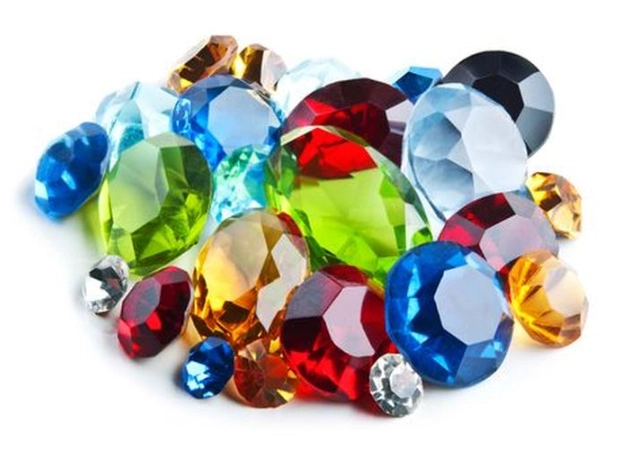
Big Red Flag: If a deal seems too good to be true, it almost always is. A "natural, untreated, 3-carat ruby" for a few hundred dollars is a fantasy. That's a synthetic or glass price. Genuine natural gemstones of quality have a cost that reflects their rarity.
Buying Your Natural Gemstone: A Step-by-Step Mindset
Forget the pressure. Buying a gem should be fun. Here's how to approach it without getting overwhelmed.
- Define Your "Why": Is it for an engagement ring (durability is key)? A collector's piece (rarity matters)? Or just a beautiful pendant you'll wear often? Your goal dictates your choice.
- Set a Real Budget (and Stick to It): Prices for natural gemstones vary wildly. A sapphire can be $50 per carat or $5000 per carat. Factor in the setting cost too.
- Learn the "Four Cs" for Colored Stones: It's not just for diamonds.
- Color: The single most important factor. Look for hue (the color itself), tone (lightness/darkness), and saturation (intensity). Vivid and saturated colors are most valued.
- Clarity: What inclusions are visible? Eye-clean stones (no visible inclusions to the naked eye) are pricier, but some inclusions are expected and can prove natural origin.
- Cut: A good cut brings out the stone's brilliance and color. A bad cut can make a great color look dead.
- Carat Weight: Size matters, but a smaller stone with exceptional color can be worth more than a larger, dull one.
- Choose Your Seller Carefully: Reputable jewelers, established gem dealers, and auction houses with guarantees are safer than unknown online marketplaces. Look for sellers who are members of organizations like the Jewelers of America or the ICA.
A Quick Tour of Popular Natural Gemstones
Each stone has its own personality. Here's a no-nonsense rundown of a few favorites.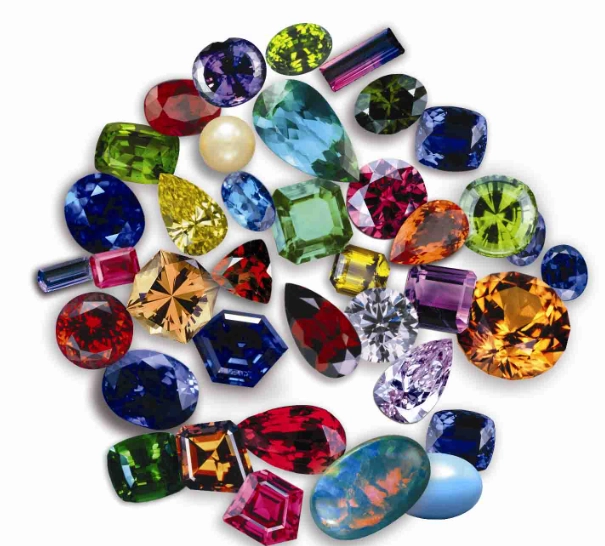
Top Natural Gemstones You Should Know
Sapphire (Blue): The classic. Symbolizes wisdom. Almost always heated. Look for a velvety cornflower blue. Kashmir (rare) and Burmese origins command high premiums. A great all-around durable stone.
Ruby: Red corundum. The king of colored stones. A fine, untreated Burmese ruby is one of the most expensive gems per carat. Watch out for glass-filled or synthetic substitutes. The red should be a vibrant "pigeon's blood," not brownish.
Emerald: Famous for its inclusions (called "jardin," French for garden). Almost always oiled to hide fractures. Colombian origin is most prized. It's softer and more brittle than ruby/sapphire, so needs a protective setting.
Aquamarine: The serene, sea-blue cousin of emerald. Usually very clean and affordable in larger sizes. Gets its best color from heat treatment (standard and stable). A fantastic choice for statement jewelry that won't break the bank.
Tanzanite: Found in only one place on Earth (Tanzania). A stunning violet-blue. It's relatively soft and can be damaged by sudden temperature changes. Often heated to achieve its signature color. Its single-source nature makes it interesting.
Tourmaline: The chameleon. Comes in every color imaginable—pink, green, blue, watermelon (pink center, green rim). Often untreated. A playground for color lovers who want something less traditional.
Honestly, my personal favorite is a well-cut tourmaline. The variety is insane, and you can find a stone with a unique color that feels truly yours, without the prestige markup of the "big three" (ruby, sapphire, emerald).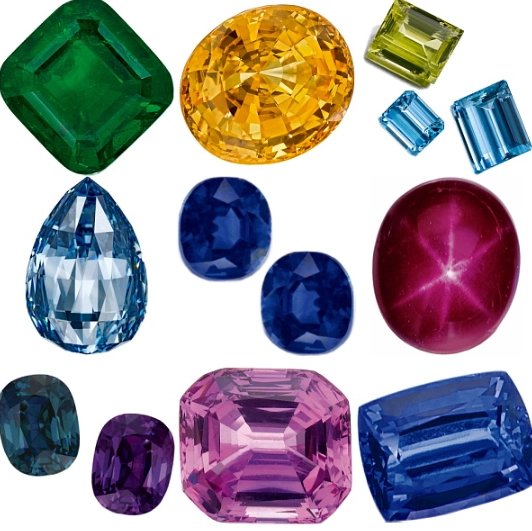
Caring for Your Natural Treasures
They survived millions of years in the Earth. Don't ruin them in your kitchen sink.
- Know the Hardness: Use the Mohs scale. Diamonds (10) are hardest, talc (1) is softest. Sapphires and rubies (9) are very durable. Emeralds (7.5-8) and tanzanite (6-7) are softer. Softer stones scratch more easily.
- The Universal Rule: Ultrasonic cleaners and steamers are NOT safe for many gems, especially fractured ones like emeralds or oil-filled stones. They can cause severe damage.
- Safe Cleaning: Warm water, mild dish soap, and a soft toothbrush. Rinse well. Dry with a soft, lint-free cloth. That's it for most stones.
- Storage: Keep them separate. A diamond can scratch a sapphire, a sapphire can scratch an emerald. Soft cloth pouches or compartmentalized boxes are ideal.
- Take Them Off: Gardening, cleaning (household chemicals are bad), gym, swimming pool (chlorine!). Just take them off.
Your Natural Gemstone Questions, Answered
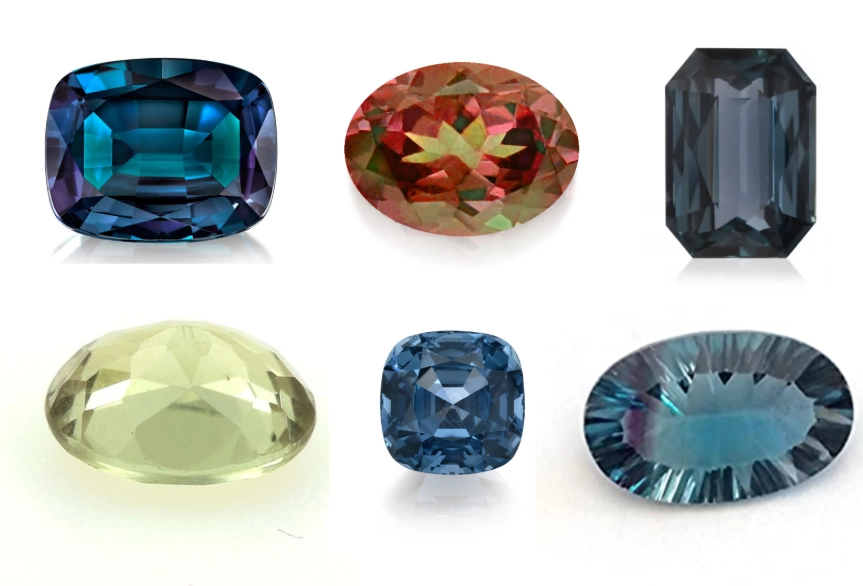
Final Thought: The world of natural gemstones is deep and fascinating. Don't try to learn everything at once. Start with a stone you're drawn to. Read about it on authoritative mineralogy sites like Mindat or the GIA Gem Encyclopedia. Ask questions. Touch stones if you can. Let your curiosity, not anxiety, guide you. The perfect natural gemstone isn't the most expensive one; it's the one that makes you stop and stare every time you see it on your hand.
I hope this takes some of the mystery out of it for you. Go find something beautiful.