Let's talk about birthstones. You've probably seen them – those colorful gems linked to each month of the year, sitting pretty in rings, necklaces, and earrings. Maybe you got one as a gift, or perhaps you're thinking about buying one. But have you ever stopped to wonder where this tradition came from, what these stones are supposed to mean, or if you're even "supposed" to wear the one tied to your birth month?
Your Birthstone Journey
- The Birthstone for Each Month: Colors, Meanings, and a Bit of Magic
- Beyond the Month: How to Actually Choose Your Birthstone
- Thinking About Durability and Daily Wear
- Caring for Your Birthstone Jewelry: Make It Last a Lifetime
- Answering Your Burning Birthstone Questions
- The Bottom Line: Making Birthstones Meaningful for You
I used to think it was just a marketing gimmick. Seriously. I'd walk past jewelry stores and see "January Birthstone!" signs and roll my eyes. That was until my grandmother gave me an amethyst pendant for my February birthday. She told me it was for protection and clarity. It felt... different from any other piece of jewelry. More personal. That got me curious. I started digging, and wow, the story behind these gems is way deeper and more fascinating than I ever imagined. It's not just about selling jewelry. There's history, geology, symbolism, and a whole lot of personal meaning tangled up in these little pieces of the Earth.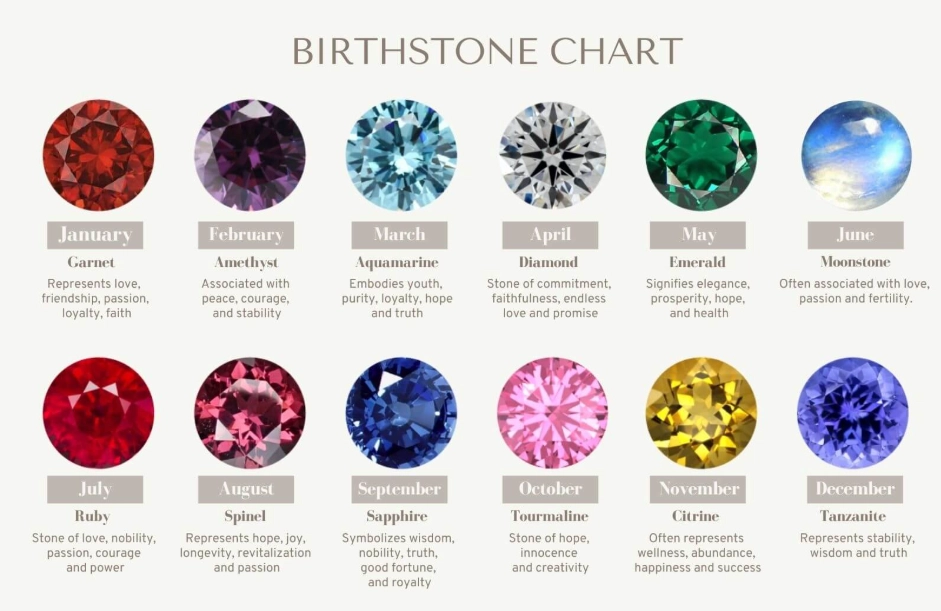
So, whether you're a gem enthusiast, someone looking for a meaningful gift, or just a curious soul like I was, this guide is for you. We're going to break down everything – and I mean everything – you might want to know about birthstones. We'll look at the official modern list, the older traditional lists, what each stone is believed to symbolize, and most importantly, how you can choose and use one in a way that feels right for you.
The Birthstone for Each Month: Colors, Meanings, and a Bit of Magic
Alright, let's get to the main event. What's your birthstone? The table below lays out the modern list that most jewelers follow today. But here's a little secret – there are often alternative stones for some months. The list has evolved over time, so you might have more than one option, which is pretty cool.
| Month | Modern Birthstone | Primary Color(s) | Common Meanings & Symbolism | A Cool Fact (Because why not?) |
|---|---|---|---|---|
| January | Garnet | Deep Red (most common) | Protection, friendship, trust, eternal love. | Comes in a rainbow of colors beyond red, like green, orange, and even rare blue! |
| February | Amethyst | Violet to Purple | Peace, courage, stability. Historically believed to prevent intoxication. | My personal favorite. It's a variety of quartz, making it more affordable but no less stunning. |
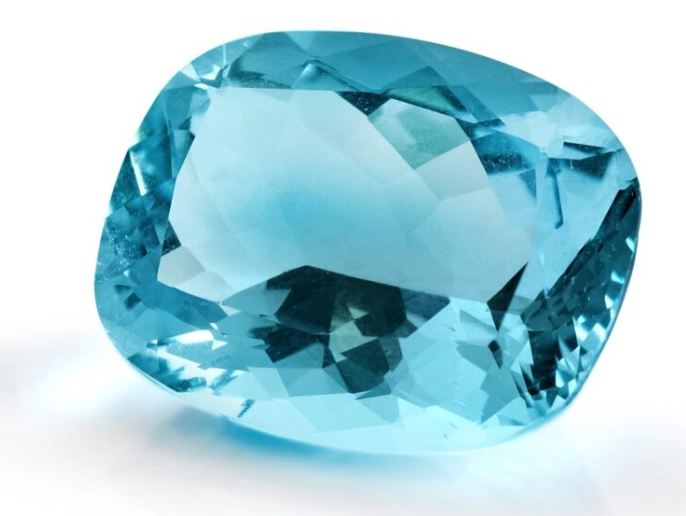
| March | Aquamarine | Pale Blue to Blue-Green | Calmness, clarity, courage. The sailor's stone for safe passage. | Its name comes from Latin for "seawater." Perfect for anyone who loves the ocean. |
| April | Diamond | Colorless (or fancy colors) | Strength, eternal love, invincibility. | The hardest natural substance on Earth (a 10 on the Mohs scale). |
| May | Emerald | Rich Green | Rebirth, love, fertility. Said to grant the wearer foresight. | Almost always has inclusions (internal features). Jewelers call these "jardin," French for garden. |
| June | Pearl, Alexandrite, Moonstone | White, Color-Change, Sheer | Purity, luck, love. June has three! Pearls (organic), Alexandrite (rare color-change), Moonstone (ethereal glow). | Alexandrite can look green in daylight and red under incandescent light. It's like having two gems in one. |
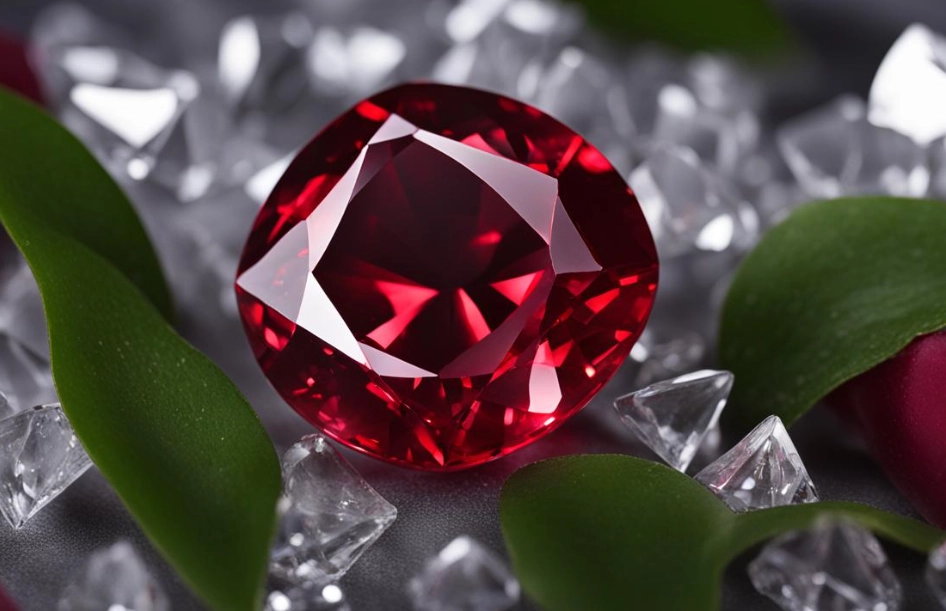
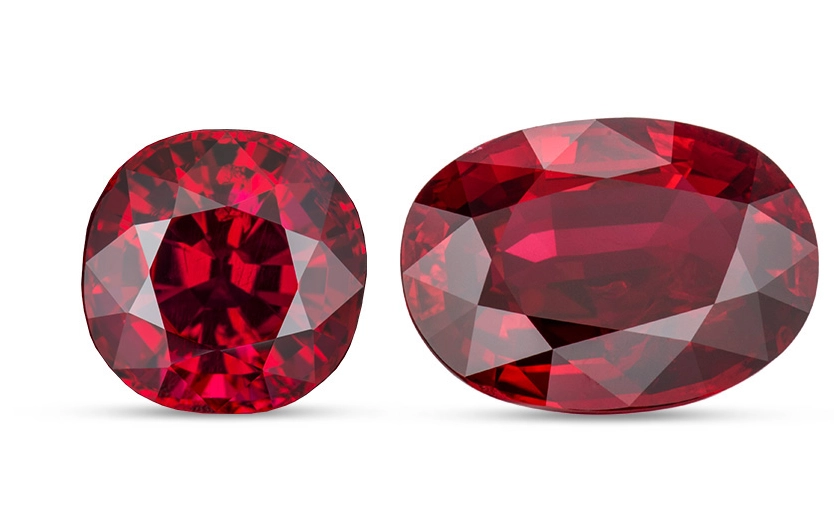
| July | Ruby | Vivid Red | Passion, vitality, royalty. Considered the king of gems. | A high-quality ruby can be more valuable per carat than a diamond. |
| August | Peridot, Spinel | Olive Green, Various (often red) | Strength, healing, protection. Peridot is volcanic! Spinel is a fantastic ruby alternative. | Peridot is one of the few gems that forms in one color only: green. |
| September | Sapphire | Blue (most famous), but all colors except red | Wisdom, loyalty, nobility. Traditionally protects against envy. | A red sapphire is called a ruby! They're the same mineral (corundum). |
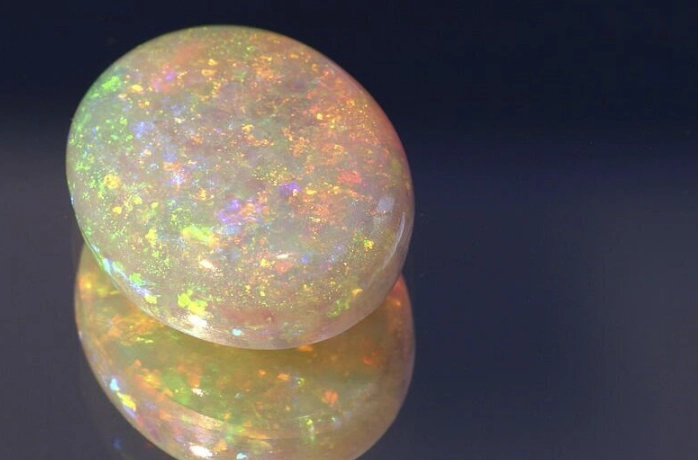
| October | Opal, Tourmaline | Play-of-Color, Pink/Green (common) | Hope, creativity, innocence. Opal's fire is legendary. Tourmaline comes in every hue. | Opal can contain up to 20% water. It's delicate and needs careful wear. |
| November | Topaz (Imperial), Citrine | Yellow-Orange, Sunny Yellow | Friendship, strength, joy. Citrine is known as the "merchant's stone" for prosperity. | Much of the "citrine" sold is actually heat-treated amethyst. Natural citrine is rarer. |
| December | Tanzanite, Turquoise, Zircon | Blue-Violet, Sky Blue, Various | Transformation, friendship, good fortune. December folks have vibrant, cool-toned choices. | Tanzanite is found in only one place on Earth: near Mount Kilimanjaro in Tanzania. |
Looking at that table, you might notice some months got all the luck with multiple gems. If you're a June, August, October, November, or December baby, you've got options! Which is great, because it means you can pick the one that resonates with your style or budget.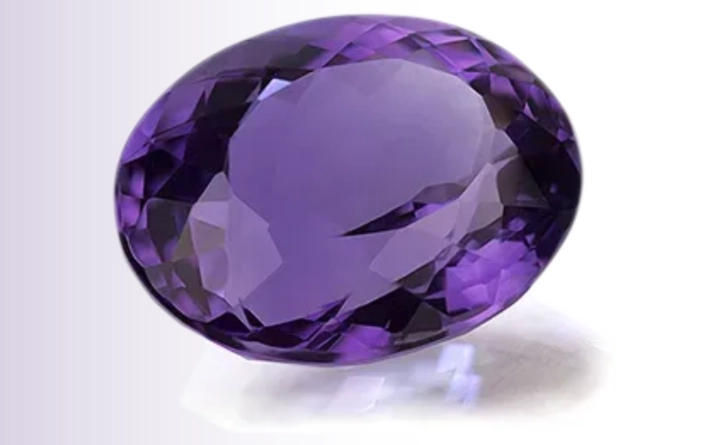
Beyond the Month: How to Actually Choose Your Birthstone
Here's the big question a lot of people have: Do I absolutely have to wear the stone for my birth month?
Short answer: No.
Long answer: The tradition is a guide, not a rule. The beauty of birthstones in the modern world is that you can make the concept your own. The idea is to wear a gem that has personal significance. For many, that's the one tied to their birth. But what if you don't like the color? What if the symbolism doesn't fit you? That's perfectly okay.
Let's talk about some reasons you might choose a birthstone that isn't "yours" by the calendar:
- You love the color. Maybe you're a January baby who can't stand red, but you're obsessed with the sea-blue of an aquamarine. Wear what makes you happy!
- You connect with the meaning. Perhaps you're going through a period where you need courage, and the symbolism of a ruby speaks to you more than your actual birthstone's meaning.
- It's a gift for someone else. Buying your mom a necklace with her children's birthstones is a hugely popular and sentimental trend. This is where knowing the birthstone list becomes super practical.
- You just like the stone. Sometimes, it's that simple. You see a peridot ring and it calls your name, even if your birthday is in March.
Thinking About Durability and Daily Wear
This is a practical point most guides gloss over, but it's crucial if you plan to wear your birthstone every day, like in an engagement ring or a signet ring. Not all gems are created equal when it comes to taking a beating.
Diamonds, sapphires, and rubies are the champions of durability. They're very hard and resistant to scratches, making them ideal for rings you rarely take off. On the other end, opals, pearls, and emeralds are more delicate. They can be easily scratched, cracked, or damaged by chemicals (like perfume or cleaning products).
This doesn't mean you can't wear a pearl ring! It just means you should be more mindful. Maybe save it for special occasions, or choose a protective setting. The Gemological Institute of America (GIA) has excellent resources on gemstone durability if you want to dive deeper into hardness, toughness, and stability.
So, when choosing, ask yourself: "How often will I wear this?" Your answer should help steer you toward a stone that can handle your lifestyle.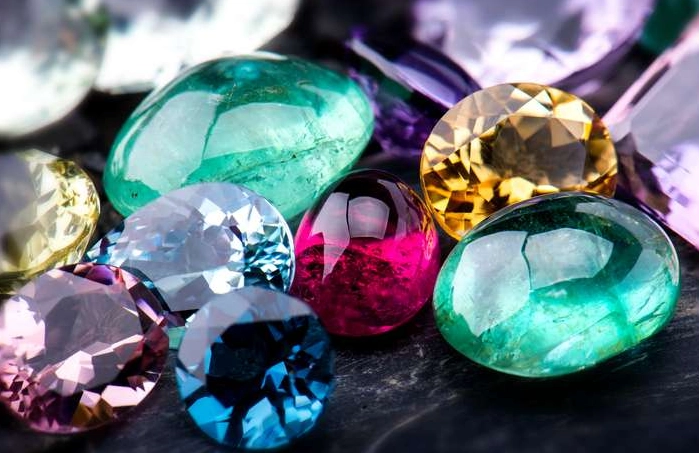
Caring for Your Birthstone Jewelry: Make It Last a Lifetime
You've picked your perfect birthstone piece. Now, how do you keep it looking fantastic? This isn't one-size-fits-all advice. Different gems need different love.
First, the universal rules:
- Put it on last, take it off first. Cosmetics, hairspray, perfume – these can be brutal on gems and metals.
- Keep it away from harsh chemicals. Chlorine in pools is a big one. It can damage metals and some porous stones.
- Store it properly. Don't just toss everything in a box together. Stones can scratch each other. Use a fabric-lined box with separate compartments, or soft pouches.
Now, for cleaning:
The safest method for most birthstones is the warm, soapy water method. A few drops of mild dish soap in a bowl of lukewarm water. Gently scrub with a soft toothbrush (one you don't use for your teeth!), rinse thoroughly, and pat dry with a soft, lint-free cloth.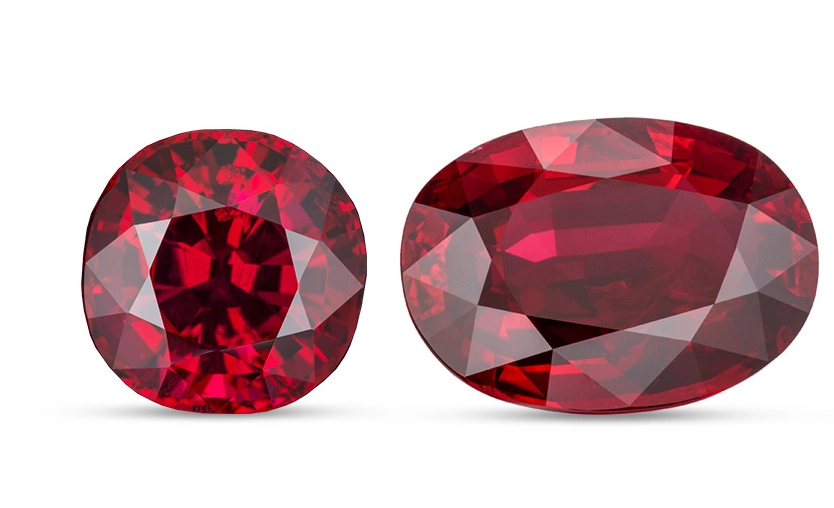
Pearls and opals need extra gentle care. Wipe them with a damp cloth after wearing to remove body oils. Never soak them.
Honestly, I learned this the hard way. I cleaned a vintage opal ring with a bit too much enthusiasm and some jewelry cleaner not meant for it. The opal lost a tiny bit of its luster. It's barely noticeable, but I know it's there. A reminder to always check the care instructions for your specific gem.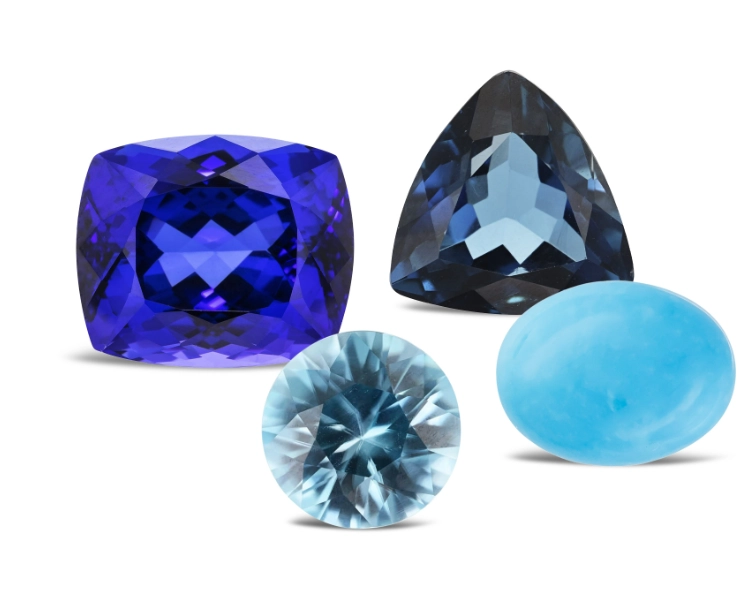
Answering Your Burning Birthstone Questions
The Bottom Line: Making Birthstones Meaningful for You
At the end of the day, the world of birthstones is what you make of it. It can be a fun connection to history and the natural world. It can be a guide for finding a gem you love. It can be a way to carry a reminder of a loved one with you.
Forget any pressure about having to wear a specific stone. The most important thing is that the jewelry you wear brings you joy, confidence, or a sense of connection. That's the real magic.
Whether you're drawn to the deep red of a garnet, the peaceful blue of an aquamarine, or the fiery flash of an opal, there's a birthstone out there with your name on it. Maybe not literally, but you get the idea. Go find the one that feels right, wear it well, and let it be a little piece of your story.
And if anyone asks why you're wearing a stone that doesn't match your birthday? Just tell them you're following an older tradition. Or better yet, tell them you just liked it. That's reason enough.