Quick Navigation to Birthstone Insights
Let's be honest, most of us know our birth month, and maybe we've heard we have a special stone tied to it. But when someone asks "What's your birthstone?" beyond saying "garnet" or "sapphire," how much do we really know? I got curious about this a few years ago when I was shopping for a birthday gift. The salesperson kept talking about the "meaning" behind the emerald, and I realized I had no clue what she was on about. That sent me down a rabbit hole, and what I found was way more fascinating than I expected. It's not just about a color on a calendar.
This whole tradition of birthstones by month is ancient, messy, and surprisingly personal. It connects history, geology, astrology, and fashion in a way that's uniquely human. So, whether you're picking a gift, treating yourself, or just want to know why your April-born friend always gets diamonds (lucky them), this guide is for you. We'll strip away the marketing fluff and look at what these stones are, where the ideas came from, and how to live with them.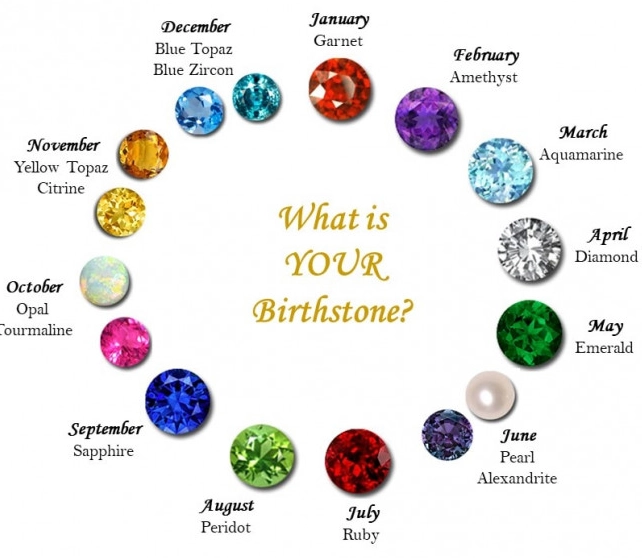
The Core Idea: The modern list of birthstones by month we use today was standardized by jewelers in the early 20th century, but its roots go back thousands of years to the Breastplate of Aaron described in the Bible. Think of it less as a fixed rule and more as a curated tradition that evolved over time.
Where Did This Tradition Even Come From?
It all starts with a very old, very fancy piece of jewelry. The Book of Exodus talks about a ceremonial breastplate worn by the High Priest of the Israelites. It was adorned with twelve gems, each representing one of the twelve tribes. Fast forward through history, and scholars, poets, and religious figures began linking these twelve stones to the twelve months of the year and the twelve signs of the zodiac. The idea was that wearing the stone of your month brought you specific benefits or protection.
For a long time, the list wasn't consistent. A 1st-century historian might list different stones than a 15th-century poet. It was a bit of a free-for-all. The big shift happened in 1912. Faced with all this confusion, the National Association of Jewelers in the USA (now Jewelers of America) sat down and said, "Okay, let's make an official list." This was partly for clarity, and let's be real, partly for business. Having a standard list made it easier to market jewelry. They've updated it a few times since, adding stones like tanzanite for December in 2002. So, the guide to birthstones by month you see today is a mix of ancient symbolism and modern commerce.
I find that history oddly comforting. It means the list isn't some unchangeable law. It's a living tradition. Some people even prefer the older, "mystical" lists or choose stones based on their zodiac sign instead. There's room for personal choice.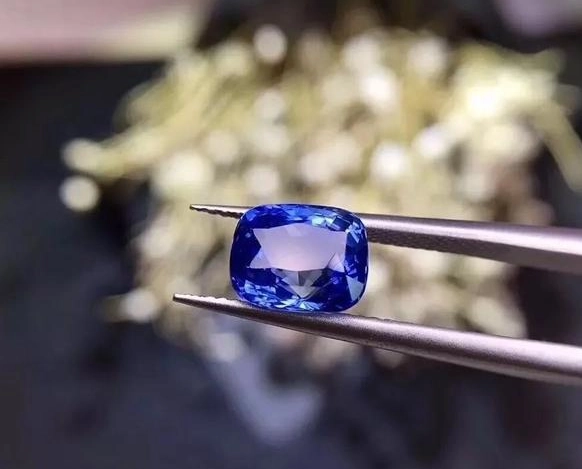
The Complete Month-by-Month Birthstone Breakdown
Alright, let's get to the main event. Here is the modern, standardized list of birthstones by month. I've put it in a table because seeing them all side-by-side is super helpful. But remember, this is the "official" modern American list. You might see variations in other countries.
| Month | Primary Birthstone | Common Color(s) | Mohs Hardness | Key Symbolism |
|---|---|---|---|---|
| January | Garnet | Deep Red (most common), Greens, Oranges | 6.5 - 7.5 | Protection, friendship, trust, commitment. A great gift for a friend. |
| February | Amethyst | Purple, from light lilac to deep violet | 7 | Peace, stability, courage. Historically believed to prevent intoxication. |
| March | Aquamarine, Bloodstone | Pale blue to blue-green / Dark green with red spots | 7.5 - 8 / 6.5 - 7 | Aquamarine: Serenity, clarity, courage (the "sailor's stone"). Bloodstone: Healing, strength. |
| April | Diamond | Colorless (classic), also yellows, pinks, blues | 10 | Invincible love, strength, purity. The hardest natural substance on earth. |
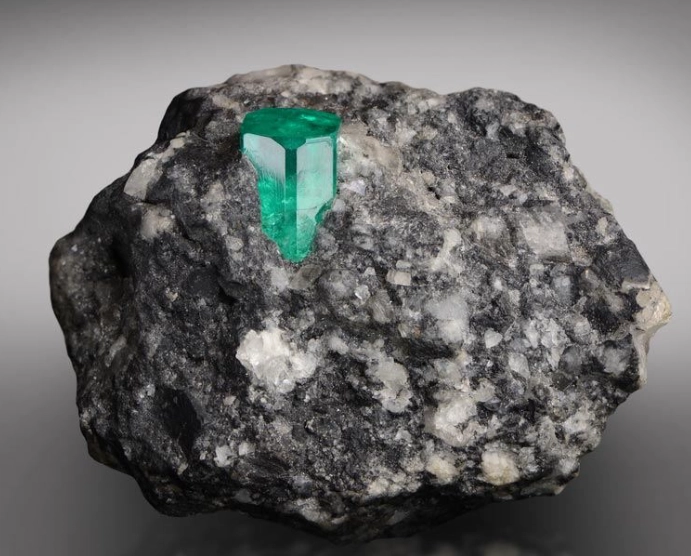
| May | Emerald | Rich green | 7.5 - 8 | Rebirth, love, wisdom. Almost always has visible inclusions ("jardin"), which are embraced. |
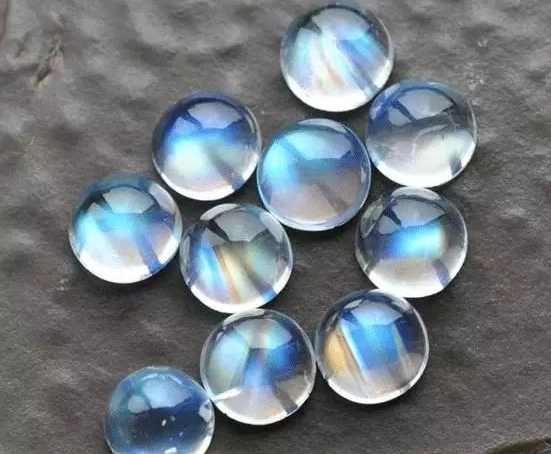
| June | Pearl, Moonstone, Alexandrite | White, cream, pink, etc. / Sheeny white-blue / Color-changing (green to red) | 2.5-4.5 / 6-6.5 / 8.5 | Pearl: Purity, humility. Moonstone: New beginnings, intuition. Alexandrite: Luck, balance (very rare & pricey). |
| July | Ruby | Vivid red ("pigeon's blood" is top tier) | 9 | Passion, vitality, wealth. Second only to diamond in hardness for colored gems. |
| August | Peridot, Spinel, Sardonyx | Lime green / Various (red, pink, blue) / Banded red-white | 6.5-7 / 8 / 6.5-7 | Peridot: Protection, harmony. Spinel: A fantastic, often undervalued alternative to ruby. Sardonyx: Courage, happiness. |
| September | Sapphire | Royal blue (classic), also pinks, yellows, greens ("fancy sapphires") | 9 | Wisdom, loyalty, nobility. The blue variety is most famous, but they come in a rainbow. |
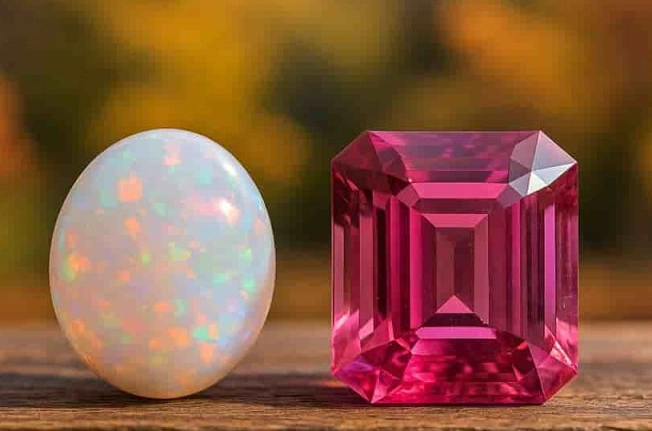
| October | Opal, Tourmaline | Play-of-color (fire) / Every color imaginable | 5.5-6.5 / 7-7.5 | Opal: Creativity, magic, hope (but needs careful wear). Tourmaline: A versatile, durable choice in any color. |
| November | Topaz (Imperial), Citrine | Yellow, orange, pink / Yellow to orange-brown | 8 / 7 | Topaz: Strength, intellect. Citrine: Sunshine, warmth, abundance (very affordable). |
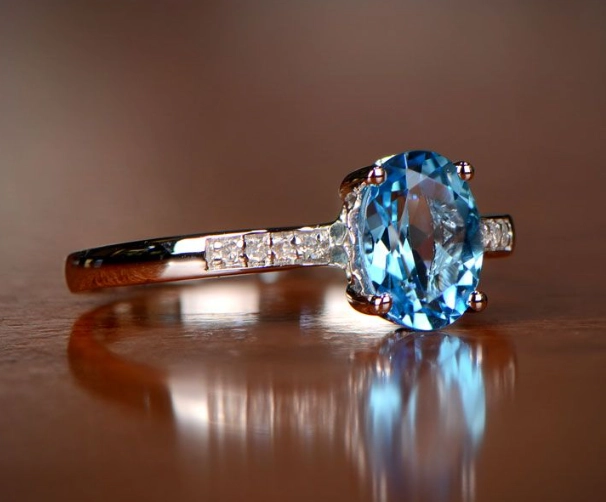
| December | Tanzanite, Turquoise, Zircon, Blue Topaz | Violet-blue / Sky blue / Various (blue common) / Light to Swiss blue | 6.5 / 5-6 / 6.5-7.5 / 8 | Tanzanite: Exclusivity (found only in Tanzania), transformation. Turquoise: Friendship, protection (porous). Zircon: Brilliance (not to be confused with cubic zirconia!). |
See? Some months get one, some get a whole party of options. June and December folks have the most choices, which is great for finding something that fits your style and budget.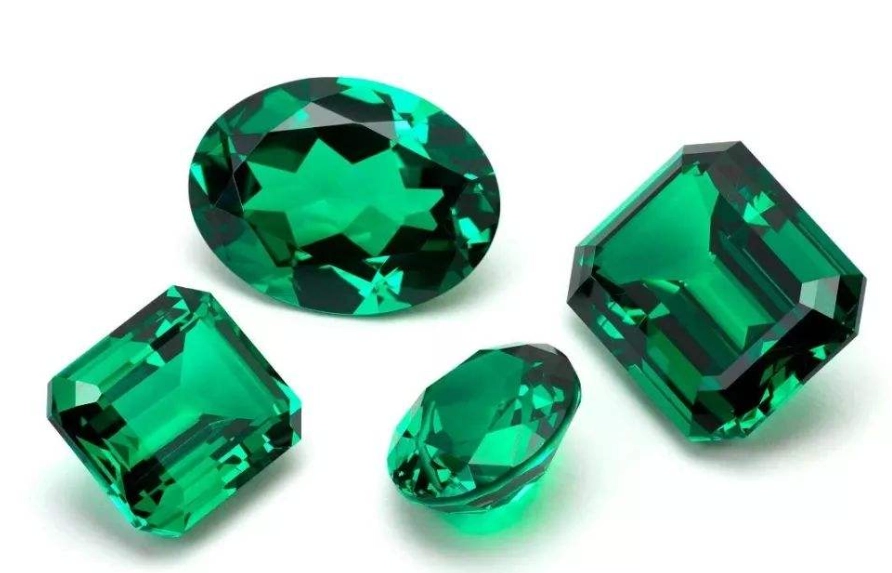
My birthstone is peridot. For years, I wasn't thrilled—I associated it with that yellowish-green glass look. Then I saw a really good quality peridot in a museum. It was this vibrant, luminous lime green, almost like it had light inside. It completely changed my mind. Sometimes the common, cheaper examples of a stone don't do it justice.
Diving Deeper: A Few Stones That Deserve Extra Attention
Looking at that table, a few things probably jump out. Let's talk about them.
June's Triple Threat: June has the most varied list. Pearls are organic, not mined, which is cool. But they're soft and can be damaged by perfume or sweat. Moonstone has that magical glow. Alexandrite is the superstar—it changes color from green in daylight to red under incandescent light. Natural alexandrite is incredibly rare and expensive. Most of what's sold is lab-created or a different simulant stone. If a seller offers a large "alexandrite" for a low price, it's almost certainly not the real deal.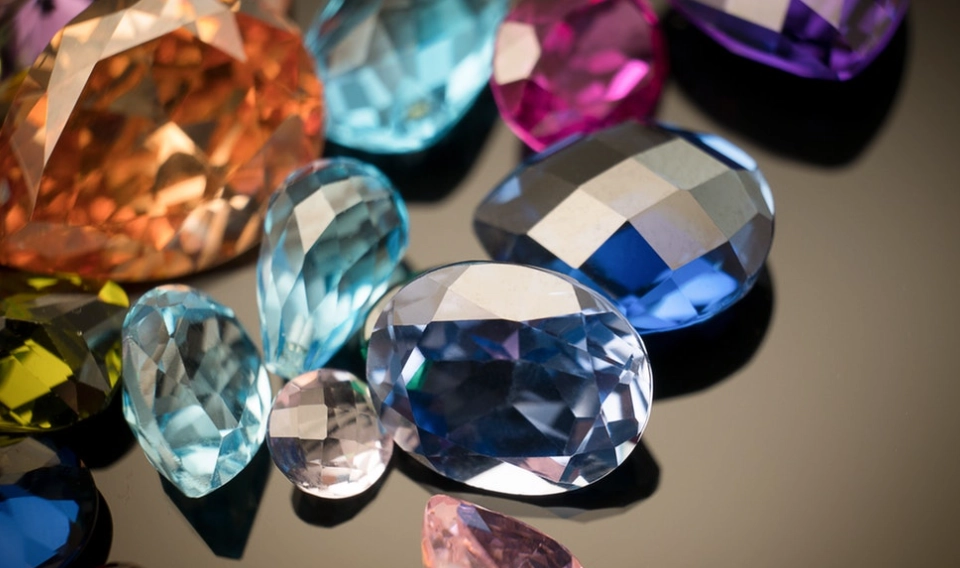
The Opal Conundrum (October): Opals are breathtaking. That play-of-color is like holding a piece of the aurora borealis. But here's the personal, slightly negative bit: they are fragile. A hardness of 5.5-6.5 means they scratch easily. They can also crack if they dry out (they contain water). I love opals, but I'd never recommend one for an everyday ring you plan to knock around. A pendant or earrings? Perfect. Just know what you're getting into.
Tanzanite - The New Kid (December): Added to the official birthstones by month list only in 2002, tanzanite is a great story. It's found in only one place on Earth: near Mount Kilimanjaro in Tanzania. That makes it inherently rare. It's usually a gorgeous violet-blue. The catch? It's relatively soft (6.5). Beautiful for special occasions, but maybe not for a gym ring.
How to Actually Choose and Wear Your Birthstone
So you know your stone. Now what? This is where it gets practical.
First Rule: You Are Not Locked In!
Just because you were born in July doesn't mean you must wear a ruby. Maybe you don't like red. That's fine! Many people choose an "alternative" birthstone from their month (like a June person choosing moonstone over pearl) or even adopt a stone whose meaning resonates with them more. The guide to birthstones by month is a starting point, not a prison sentence.
Considering Your Lifestyle
This is the most important factor everyone skips. That Mohs Hardness number in the table? Pay attention.
- Hardness 8+ (Diamond, Sapphire, Ruby, Topaz): These are great for daily-wear rings and bracelets that will take bumps. They're durable.
- Hardness 7-7.5 (Quartz family like Amethyst/Citrine, Garnet, Peridot, Tourmaline): Good for occasional-wear rings or earrings and pendants. They can be worn regularly but are more prone to scratching than the top-tier stones.
- Hardness 6.5 and below (Opal, Pearl, Turquoise, Tanzanite): Treat these with kid gloves. Best for earrings, pendants, or brooches. Avoid in rings you'll wear daily, especially if you work with your hands. I learned this the hard way with a turquoise ring I wore gardening—it was not a pretty sight afterward.
Budget and Alternatives
Let's talk money. A fine-quality diamond, ruby, or emerald can cost a fortune. But you have options.
For April, consider a white sapphire or moissanite for a diamond-like look without the price tag. For July, a red spinel is a stunning, often more affordable alternative to ruby with great hardness. For May, a green tourmaline or tsavorite garnet can give you that lush green color.
Also, size isn't everything. A small, well-cut stone of good color will look more elegant than a large, poorly cut, murky one. Don't get sucked into carat weight alone.
Simple Care & Cleaning Guide
Each stone family has its quirks. Here's a quick cheat sheet:
- Universal Safe Method: Warm water, a drop of mild dish soap, a soft toothbrush. Rinse well, pat dry with a soft cloth. Do this over a plugged sink or bowl!
- Ultrasonic Cleaner? Generally safe for diamonds, sapphires, rubies. NEVER use for opals, pearls, emeralds (often oil-treated), tanzanite, or any porous stone like turquoise. It can shatter or ruin them.
- Steam Cleaner? Same rules as ultrasonic. Avoid for fragile or treated stones.
- Pearls & Opals: Wipe with a damp cloth only. Never soak. Put pearls on after applying perfume and hairspray.
- Storage: Keep pieces separate in a soft pouch or a box with compartments. Harder stones can scratch softer ones.
Answering Your Burning Questions About Birthstones
I get a lot of questions from friends after they learn I've dug into this topic. Here are the most common ones.
Final Thoughts: Making It Yours
At the end of the day, the beauty of learning about birthstones by month is connection. It connects you to a slice of history, to the earth these beautiful things come from, and maybe to a personal sense of identity or intention. Whether you wear your stone for its supposed luck, its stunning color, or simply because it was a meaningful gift, that's what matters.
My advice? Use this guide as a map. Find your month, learn about your options, think about how you'll wear it, and then go find a piece that makes you smile. Don't stress over the "rules." The best birthstone jewelry is the kind you'll actually want to put on.
And hey, if you're an April and want to rock a ruby, or a July who loves emeralds, more power to you. It's all about what speaks to you.
Now you're armed with more than just a name. You've got the story, the specs, and the practical know-how. That's way better than what I had when I started that gift search years ago. Happy gem hunting!