In This Guide
So, you're a January baby, or maybe you're shopping for one. That means garnet is your stone. But here's the thing – most people picture a dark red, almost burgundy gem and think that's the whole story. I used to think that too. Turns out, the world of the January birthstone garnet is way more colorful and fascinating than that first glance suggests. It's not just a single gem; it's a whole family, a rainbow trapped in the earth, with a history as deep as the mines it comes from.
This guide isn't about throwing a bunch of technical jargon at you. It's about what you actually want to know. What does this stone mean? Why should you care about it beyond your birthday month? Is it just for "classic" tastes, or can it be modern and cool? And if you're thinking of buying a piece, how do you avoid overpaying for something mediocre?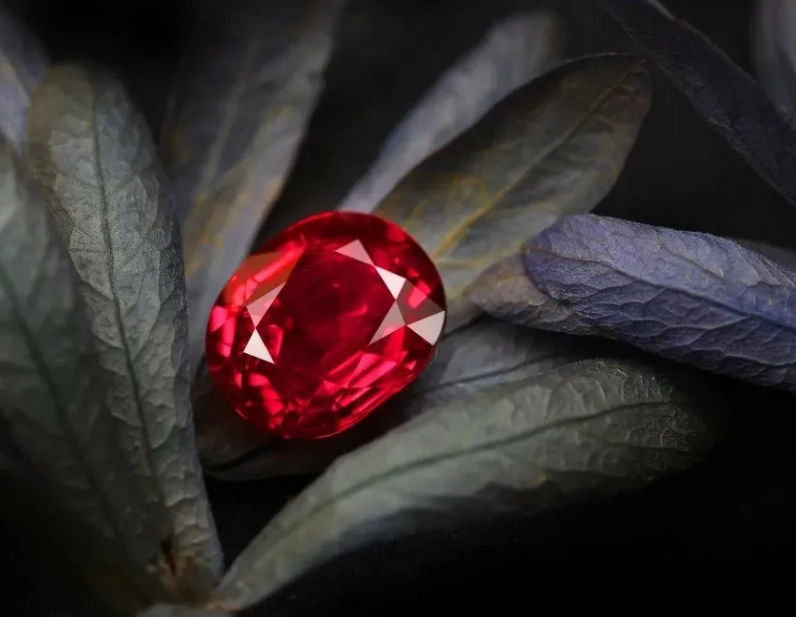
More Than Just a Pretty Stone: The Meaning and History of Garnet
Why has garnet been the January birthstone for so long? It's not a random assignment. The connection feels ancient, almost primal.
The Deep Stuff: Symbolism and Lore
Across cultures and centuries, garnet has been a symbol of protection, passion, and unwavering commitment. Ancient warriors inlaid garnets into their armor and sword hilts, believing the stone would protect them in battle and light their way to victory. Travelers carried them as talismans against nightmares and accidents on long journeys. It makes sense, right? That deep, inner glow looks like a captured ember, a piece of safe, enduring fire.
For relationships, garnet has long been a token of deep affection and fidelity. It's said to encourage love, devotion, and the energy to see things through. It's less about flashy, new romance and more about the enduring, deep-red warmth of a long-term bond. Some even believe it helps rekindle passion and creativity that might have faded over time. Whether you buy into the metaphysics or not, you can't deny the weight of that historical narrative. Wearing a January birthstone garnet connects you to a story of resilience and connection.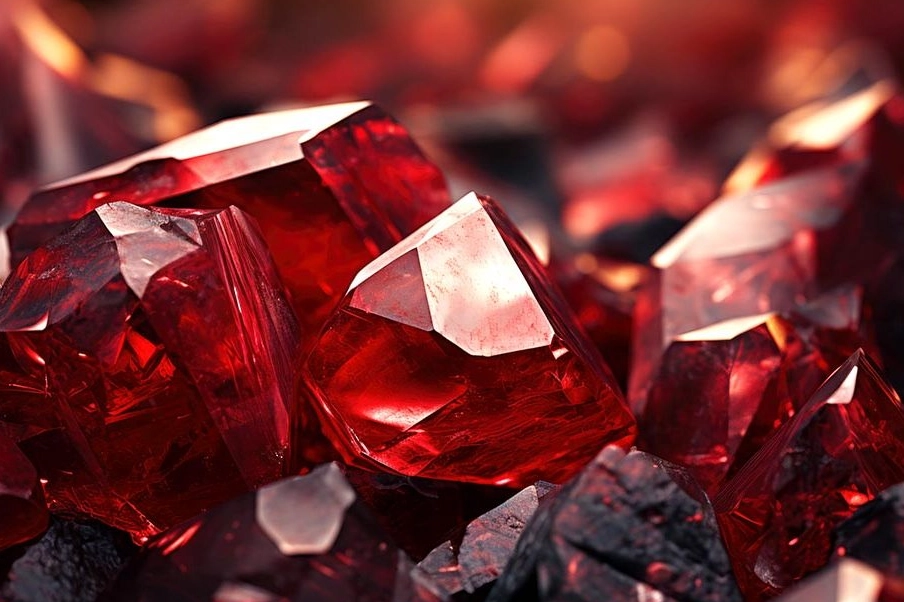
I remember my grandmother's garnet brooch. It wasn't flashy, just a simple cluster of dark red stones. She said it was her "keep-going" stone, a gift from my grandfather during a tough year. She wore it not because it was expensive, but for what it represented. That, to me, is the real meaning of a birthstone.
A Journey Through Time
The history of garnet is a global tour. The Egyptians used red garnet beads in necklaces as far back as 3100 B.C. The Romans prized engraved garnet signet rings for sealing important documents with wax. During the Middle Ages, garnet was a favorite of clergy and nobility, and in the Victorian era, garnet jewelry saw a massive resurgence, often set in intricate, romantic designs.
One of the most famous historical uses is from the Migration Period (around 300-700 A.D.), where Germanic and Anglo-Saxon craftsmen created stunning cloisonné jewelry using thin gold wires and deep red garnets. The Sutton Hoo purse lid at the British Museum is a breathtaking example. Seeing it in person, you realize garnet wasn't just decorative; it was a status symbol of immense power and artistry.
Frankly, a lot of modern mass-produced garnet jewelry feels shallow compared to that legacy. It's become so common that we forget its noble past.
The Garnet Spectrum: A Color Explosion
This is where most generic articles fail. They show one red stone and call it a day. Let's fix that. The garnet family is scientifically a group of closely related mineral species. The different chemical compositions are what give us this incredible color palette.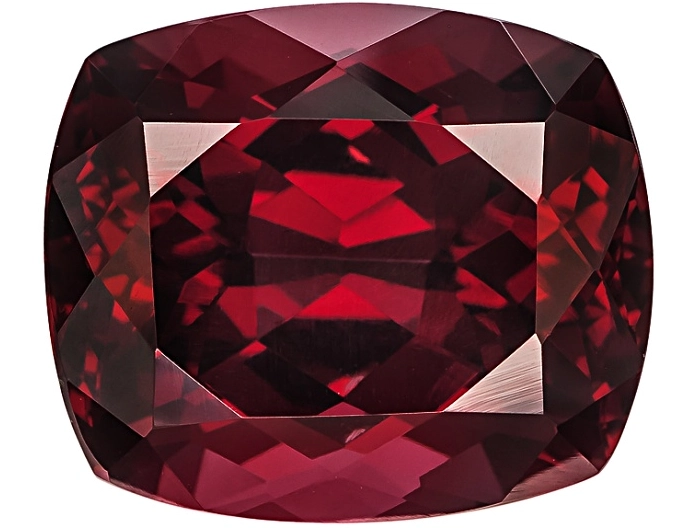
| Garnet Type | Primary Colors | Key Characteristics & Sources |
|---|---|---|
| Pyrope | Deep Blood Red | Often the classic "garnet red." Historically from Czech Republic, now also Africa, Arizona. High clarity is common. |
| Almandine | Purplish-Red to Dark Red | The most common variety. Can be very dark; look for stones cut to allow light in. Found worldwide. |
| Rhodolite (Pyrope-Almandine mix) | Vibrant Purplish-Red or Raspberry | A fan favorite for its brighter, more lively color than pure almandine. Often from Tanzania, India, Sri Lanka. |
| Spessartine | Vivid Orange to Orange-Red | Sometimes called "Mandarin Garnet." Energetic and fiery. Prized from Nigeria and Namibia. |
| Tsavorite (Green Grossular) | Bright Green to Bluish-Green | Discovered in the 1960s in Tanzania/Kenya. Competes with emerald but often with fewer inclusions. Can be very valuable. |
| Hessonite (Grossular) | Cinnamon to Honey Brown-Orange | Known as the "cinnamon stone." Has a distinctive oily or treacly appearance. Often from Sri Lanka, India. |
| Demantoid (Green Andradite) | Brilliant Grass Green | The most valuable garnet. Famous for its diamond-like dispersion ("fire") and horsetail inclusions. Primarily from Russia, Namibia. |
See what I mean? Calling a tsavorite or a demantoid just a "garnet" feels almost insulting. They're stars in their own right. When you're looking for a January birthstone garnet, the first question shouldn't just be "is it red?" but "what kind of garnet is it?" That knowledge completely changes the buying game.
Your Practical Guide to Choosing and Buying Garnet Jewelry
Alright, let's get down to brass tacks. You're convinced. A January birthstone garnet piece is in your future. How do you navigate this without regret?
Understanding the 4Cs (But for Garnet)
We borrow this from diamonds, but the priorities shift.
- Color: This is king, especially for garnets. For reds, you want a rich, saturated color that isn't so dark it looks black in normal light. Rhodolite's raspberry hue often wins here. For greens like tsavorite, a vivid, intense green is top-tier. With orange spessartine, the more vibrant, the better. Avoid stones that look overly brownish or murky unless that's the specific look you want (like hessonite).
- Clarity: Most garnets, especially the red pyrope and almandine, are Type II gems, meaning they're expected to have some eye-visible inclusions. In fact, a completely flawless deep red garnet might make me suspicious. The key is that inclusions shouldn't majorly detract from the stone's beauty or durability. Tsavorite and demantoid are more likely to be cleaner. Demantoid's "horsetail" inclusions are actually desired and can increase value.
- Cut: A good cut is non-negotiable. It's what makes that color sing. A poorly cut garnet will look dead and dark in the center. Look for stones with good symmetry and facets that bounce light around efficiently. For darker stones, a shallower cut can help lighten them up.
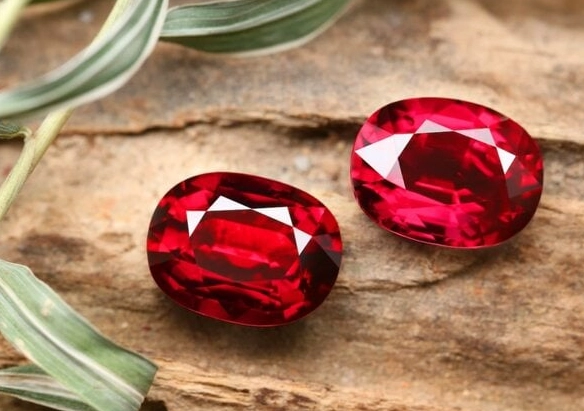
- Carat Weight: Garnets come in all sizes. Larger stones of high-quality color (especially in rarer varieties like tsavorite or demantoid) will command a significant price jump. For more common red almandine, you can get a sizable stone for a relatively accessible price, which is part of the appeal of the January birthstone garnet.
Choosing the Right Setting and Metal
The metal you choose changes everything. Yellow gold warms up red and orange garnets, giving them a classic, vintage feel. White gold or platinum makes the colors look more modern and crisp, especially for purplish rhodolite or green tsavorite. Rose gold with a raspberry rhodolite? That's a stunning, contemporary combination.
Think about the style too. A simple solitaire pendant lets the stone speak. A vintage-inspired halo setting can make a smaller stone look more impressive. For men, a deep red garnet in a signet ring or a cufflink carries that historical warrior symbolism in a subtle, stylish way.
Where to Buy and What to Avoid
This is critical. The market is flooded with low-quality, poorly cut garnets set in cheap metal.
- Reputable Jewelers: Start here, especially ones that specialize in colored gemstones. They should be able to tell you exactly what type of garnet it is and its origin. Ask questions. If they can't answer, walk away.
- Online Retailers: Sites with high-quality photography and videos (360-degree views) are a must. Check their return policy religiously. A picture can be misleading. I once bought a "vivid red" garnet online that arrived looking like a lump of dried clay. Never again without a solid return window.
- What to Avoid: Be wary of deals that seem too good to be true. Very cheap "garnet" jewelry is often made of glass or synthetic corundum (which is not garnet at all). Synthetic garnets do exist (like YAG – Yttrium Aluminum Garnet), but they are used more in industry than jewelry and should be disclosed as such. If a seller is vague, assume the worst.
For authoritative information on identifying and learning about garnet species, the Gemological Institute of America (GIA) garnet guide is an unparalleled resource. It's the textbook the pros use.
Caring for Your Garnet Treasure
Garnet has a hardness of 6.5 to 7.5 on the Mohs scale. That means it's suitable for daily wear in rings, but it's softer than a diamond, sapphire, or even quartz. So, it can scratch over time if you're rough with it. Don't garden, workout, or do dishes while wearing your garnet ring.
Cleaning is easy: warm soapy water, a soft brush (an old toothbrush works), and a thorough rinse. Avoid ultrasonic cleaners, especially for stones with fractures or inclusions (which many garnets have), as the vibrations can worsen them. Steam cleaners are also a no-go for the same reason. Keep it simple.
Store it separately from harder gems to prevent scratches. A soft pouch or a separate compartment in your jewelry box is perfect.
Answering Your Burning Questions About the January Birthstone Garnet
So there you have it. The January birthstone garnet is a world in itself. It's history, science, art, and personal symbolism all rolled into one. It can be a modest, meaningful token or a show-stopping, rare treasure. The key is to look beyond the basic label. Ask what kind of garnet it is. Judge its color in your own light. Choose a setting that fits your life.
Whether you're drawn to the protective fire of a classic red pyrope or the electric green of a tsavorite, you're choosing a gem with a soul. And for a January baby, that's a pretty incredible way to carry a piece of your own story.