In This Guide
- Where the Magic (and Myths) Began
- What's the Big Deal? The Meaning Behind the Purple
- Under the Hood: The Science of That Purple Glow
- The Color Purple: It's Not Just One Shade
- Your No-Stress Guide to Buying a Real Amethyst
- Keeping Your Purple Perfect: Care & Maintenance
- Answering Your Burning Questions (FAQ)
- Wrapping It All Up
Let's talk about purple. Not just any purple, but that deep, rich, sometimes grape-juice, sometimes lavender-haze purple of the February birthstone amethyst. If you're a February baby, or you're shopping for one, or you just have a thing for gorgeous gems, you've probably landed here with a bunch of questions. Is it expensive? What does it even mean? How can I tell if I'm getting a good one?
I get it. I've been there, squinting at jewelry store lights, wondering if the stone is real or just fancy glass. I once bought a ring that turned out to be... less than genuine. We'll make sure that doesn't happen to you.
This isn't a dry, textbook lecture. Think of it as a long chat with a friend who's way too into rocks. We'll dig into the wild stories from history, the real science behind its color, and the no-nonsense advice you need to buy and care for an amethyst you'll love forever. The amethyst February birthstone has a story that's way cooler than you might think.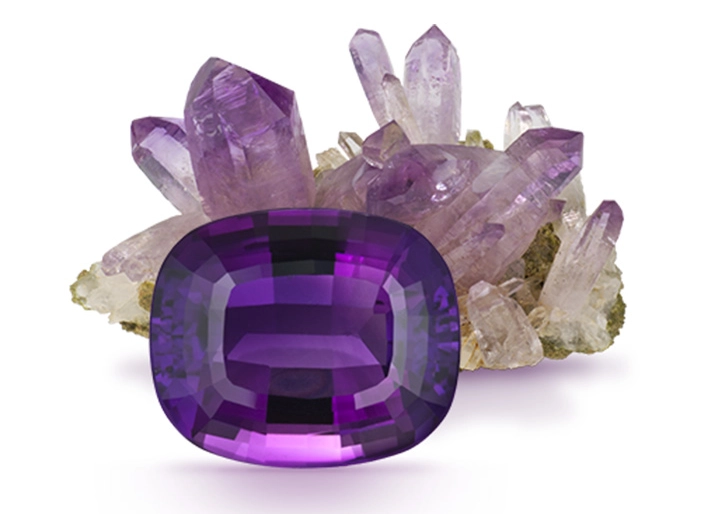
Where the Magic (and Myths) Began
Long before it became the official February birthstone, amethyst was wrapped in legend. The name itself comes from ancient Greek: "amethystos," which literally means "not intoxicated." The story goes that the god Dionysus, upset about an insult, vowed to unleash his tigers on the next mortal he saw. A young maiden named Amethyst was on her way to pray to Artemis. To protect her, Artemis turned her into a pure, clear quartz statue. Dionysus, filled with remorse, wept tears of wine that stained the quartz purple, creating the first amethyst.
So, naturally, the ancient Greeks and Romans believed drinking from a cup made of amethyst, or wearing the stone, would prevent drunkenness. I've never tested this theory myself (and I wouldn't recommend relying on it for a big night out), but it shows how deeply its lore is tied to clarity and sobriety of mind.
That wasn't the only gig it had. Medieval soldiers wore amethyst amulets for protection in battle, believing it had healing powers and could calm the mind. For centuries, its regal purple color—a hue once more expensive to produce than gold—made it a favorite of royalty and the clergy. It adorned the rings of bishops and the crowns of kings. Catherine the Great of Russia was famously obsessed with it. This royal history gives the February birthstone amethyst a kind of built-in prestige that few other gems can match.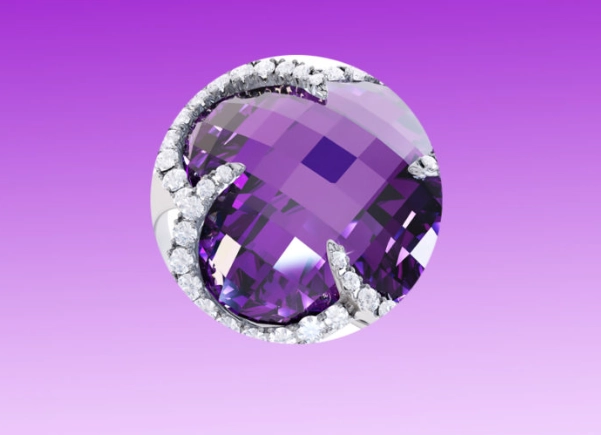
What's the Big Deal? The Meaning Behind the Purple
Okay, so it's old and royal. But what does it mean for you today? The symbolism of the amethyst February birthstone is surprisingly consistent and powerful across cultures and time.
At its core, it's a stone of peace and purification. It's most commonly associated with:
- Calm & Stability: It's like a deep breath in gem form. Many believe it helps soothe anxiety, quiet a busy mind, and promote emotional balance. In the chaos of modern life, who couldn't use a bit of that?
- Wisdom & Clarity: Going back to that "not drunk" idea, it symbolizes clear-headedness, enhanced intuition, and spiritual awareness. It's for making decisions from a place of calm, not confusion.
- Protection & Spirituality: From ancient battlefields to modern meditation spaces, it's seen as a protective stone that wards off negative energy and fosters a connection to higher consciousness.
Now, I'm a pretty practical person. I don't believe a stone can magically solve your problems. But I do believe in the power of intention. Wearing an amethyst birthstone for February can be a physical reminder to seek peace, to think clearly, or to protect your own energy. That psychological nudge is real, and that's where its true "power" lies for most people today.
"Amethyst is more than a birthstone; it's a centuries-old symbol of clarity trying to break through the fog of everyday life."
Under the Hood: The Science of That Purple Glow
Let's switch gears from myth to microscope. What actually is amethyst, and why is it purple? This is where it gets interesting, especially if you're a value-conscious shopper.
First, the basic ID card. Amethyst is a variety of quartz, which is silicon dioxide (SiO₂). It's one of the most abundant minerals on Earth. But pure quartz is clear (rock crystal). The iconic purple color comes from trace amounts of iron and aluminum in the crystal structure, combined with natural irradiation from the surrounding rocks over millions of years. The radiation causes tiny defects in the quartz that interact with light to produce that violet hue.
This fact leads to its most important practical characteristic: amethyst is not rare. I know, that might burst a bubble. Large, commercial-grade deposits in places like Brazil, Uruguay, and Zambia mean there's plenty of material. This is why you can find beautiful, genuine February birthstone amethyst jewelry at surprisingly affordable prices. Its value comes from color, cut, and clarity, not from scarcity like a diamond or ruby.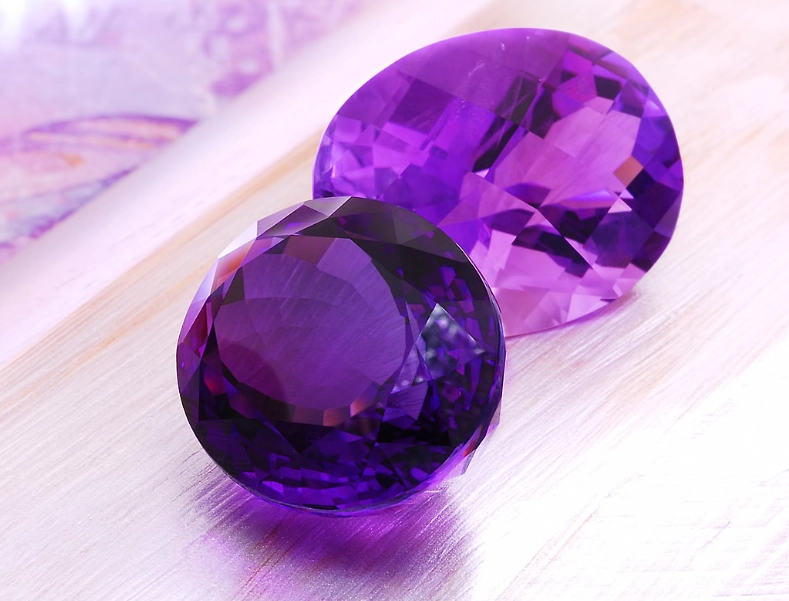
Amethyst's Gemological Spec Sheet
Here’s a quick cheat sheet of its key properties. This stuff matters when you're comparing stones or wondering about durability.
| Property | Details | What It Means For You |
|---|---|---|
| Mineral Family | Quartz (Macrocrystalline) | It's tough but not the toughest. Common and affordable. |
| Hardness (Mohs Scale) | 7 | Good for daily wear (e.g., rings, bracelets). Can be scratched by harder materials like topaz or diamond. Keep it separate! |
| Color Source | Iron impurities + irradiation | Color can fade in strong, direct sunlight over years. Don't leave it on a sunny windowsill. |
| Clarity | Typically "eye-clean" | You should expect a stone with no visible inclusions to the naked eye. That's the standard for good amethyst. |
| Treatments | Usually none. Heat treatment common to alter color. | Much citrine (yellow quartz) on the market is actually heat-treated amethyst. Heated stones are less valuable. |
That hardness of 7 is a sweet spot.
It's hard enough for rings you wear often, but you still need to be a little careful. Don't go gardening or hitting the gym with it on. Common sense stuff.
The Color Purple: It's Not Just One Shade
This is where buying an amethyst gets personal—and where a lot of sellers gloss over the details. Not all purple is created equal. The color of a February birthstone amethyst is its single most important value factor.
Generally, the ideal is a strong, solid purple or violet with red flashes under certain lights. But tastes vary wildly. Some people love the deep, almost blackish-purple of "Siberian" grade amethyst (a historical term, not necessarily from Siberia today). Others prefer a bright, medium "lilac" purple. Many are drawn to the delicate, pinkish lavender shades sometimes called "Rose de France."
A Rough Guide to Amethyst Color Grades
While there's no universal standard, the trade often categorizes them like this (imagine these swatches):
- Deep "Siberian": Intense, saturated purple with noticeable red or blue secondary hues. This is the classic, most coveted color for high-end jewelry. It commands a premium.
- Medium "Uruguayan": A balanced, vibrant purple. Probably the most common color you'll see in quality commercial jewelry. Great all-rounder.
- Light "Rose de France": A pale, pinkish-lavender. Very feminine and subtle. Often less expensive, but uniquely beautiful if you prefer softer tones.
- Low Saturation: A grayish or brownish, washed-out purple. This is the lower end of the market. The color looks weak or muddy. I'd avoid these unless you're on a very tight budget—the difference in visual impact is huge.
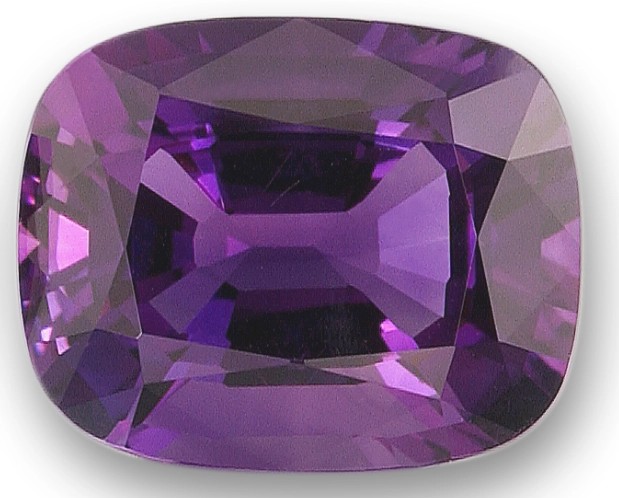
My personal take? I used to think darker was always better. Then I saw a "Rose de France" amethyst in a simple silver pendant. It had this ethereal, morning-sky quality the dark ones lack. It's all about what speaks to you. The key is to look for a pleasing, even color without zones that look brown or gray. A great amethyst February birthstone should make you feel something when you look at it.
Your No-Stress Guide to Buying a Real Amethyst
Alright, let's get practical. You're ready to buy. How do you navigate the market without getting duped or overpaying? Here’s the distilled wisdom from a lot of looking (and a few mistakes).
First, know what you're NOT buying. Synthetic amethyst is common, easy to make, and often sold as genuine. The good news? Lab-created amethyst has the same chemical and physical properties as natural stone. The bad news? You shouldn't pay a natural stone price for it. Reputable sellers will always disclose if a stone is synthetic (often called "lab-created" or "created"). If the price seems too good to be true for a large, perfect, deep purple stone, it probably is synthetic. For more on how gems are created in labs, the Gemological Institute of America (GIA) has a great resource that explains the processes clearly.
More concerning are imitations: purple glass or dyed quartz. Glass feels warmer to the touch than crystal, often has bubbles or swirls inside, and is much softer (it will scratch easily). Dyed quartz will have concentrated color along cracks. A reputable jeweler is your best defense.
Red Flags When Shopping
- Vague Descriptions: Listing just "purple stone" or "February gem" without specifying "amethyst" or "natural amethyst."
- Perfectly Cheap: A large, deeply colored stone in a sterling silver setting for $30. The math doesn't work for natural material.
- No Return Policy: A legitimate seller will always offer a reasonable return window.
- Over-the-Top Metaphysical Claims: Sellers promising miraculous healing. It's a sign they're preying on emotion, not selling a quality gem.
Second, prioritize color and cut over sheer size. A small, well-cut stone with fantastic color will always look more impressive than a big, dull, poorly cut one. The cut should be symmetrical and the facets should be crisp, bouncing light around brilliantly. A good cut makes the color come alive.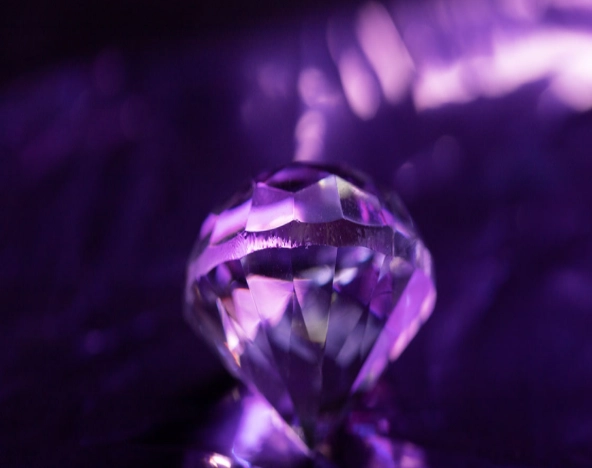
Third, ask questions. Don't be shy. Ask the seller: "Is this natural amethyst?" "Has it been treated in any way?" "Where is it from?" Their willingness and ability to answer tell you a lot.
For the most trusted, science-based information on identifying amethyst and understanding treatments, I always end up checking the GIA's Amethyst Gem Encyclopedia page. It's the gold standard, no marketing fluff.
Quick Tip: When buying online, look for sellers who provide high-resolution, non-stock photos of the actual stone you'll receive, preferably on a neutral gray or white background, not just a model shot. Video is even better to see the play of light.
Keeping Your Purple Perfect: Care & Maintenance
You've got your beautiful February birthstone amethyst. Now, how do you keep it that way? It's not fussy, but it has two main enemies: heat and prolonged, intense sunlight.
Remember the science? Color from iron + irradiation. High heat can damage those color centers, causing the purple to fade or even turn yellowish. Sudden temperature changes can also cause fractures. So:
- No Ultrasonic Cleaners: The heat and vibrations can be risky. Just don't.
- No Steam Cleaners: Same issue with heat.
- Take it Off: Before cooking over a hot stove, using harsh chemicals (cleaning products!), or hitting the beach for a full day in the sun. Common sense prevails.
For cleaning, the old-fashioned way is best: lukewarm water, a tiny drop of mild dish soap, and a soft-bristled brush (an old, soft toothbrush is perfect). Rinse thoroughly and dry with a soft, lint-free cloth. Store it separately from harder gems to prevent scratches—a soft pouch or a compartment in a jewelry box is perfect.
I learned the heat lesson the hard way. I left an amethyst pendant on a dresser in a sunny room for a summer. The side facing the window lost a noticeable amount of saturation. It's still pretty, but it's not the same. A little caution goes a long way.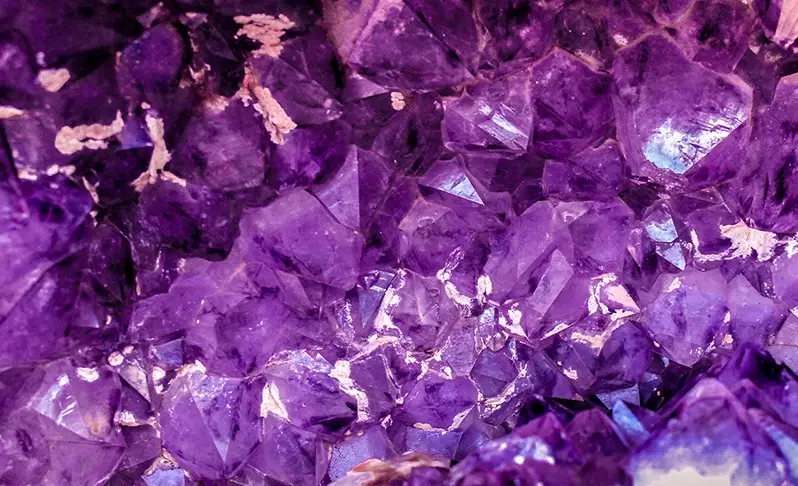
Answering Your Burning Questions (FAQ)
Wrapping It All Up
So, there you have it. The February birthstone amethyst is a fascinating mix of ancient myth and accessible science. It's a stone with a royal past that you can actually own without a royal budget. Its value isn't in being locked away in a vault; it's in the way deep purple can make you feel calm, the way a well-cut facet catches the light, and the connection to a story that's thousands of years old.
The key takeaways? Love it for its color and history, not as an investment. Buy with your eyes, not just your heart—prioritize a beautiful color and a good cut from a seller you trust. And then, just take care of it. Keep it away from extreme heat and harsh chemicals, clean it gently, and it will keep its beauty for a lifetime.
Whether you're a February baby claiming your birthright, or someone who just fell in love with that perfect purple, an amethyst is a gem with soul. And now, you know exactly what to look for.