Quick Guide
- What Makes a Diamond, Well, a Diamond?
- The 4Cs: Your Best Friends (and Sometimes, Frenemies)
- Buying Your April Birthstone Diamond: A Real-World Checklist
- The New World: Lab-Grown Diamonds
- Caring for Your Diamond (It's Not Indestructible)
- Beyond the Ring: Other Ways to Wear Your April Birthstone
- Diamond vs. The "Other" April Birthstones
- Answering Your Diamond Questions (The Stuff You Actually Google)
If you were born in April, you hit the jewelry jackpot. Your birthstone is the diamond. It’s a name that carries weight, doesn’t it? Images of luxury, engagement rings, and red carpets immediately pop into your head. But beyond the glitter and the price tags, what’s the real deal with the April birthstone diamond? Is it all hype, or is there substance to the sparkle? I’ve spent a fair bit of time deep in this world, talking to jewelers, getting my hands on stones, and yes, making a few mistakes along the way. Let’s strip away the marketing and talk about what you actually need to know.
First off, the connection between April and diamonds isn't some modern marketing ploy. It goes way back. The idea of birthstones itself has roots in ancient traditions, and the diamond’s place as the April birthstone was officially cemented by the National Association of Jewelers in the USA back in 1912. They wanted a standardized list, and diamond for April just stuck. It makes a kind of poetic sense, right? April is about spring, new beginnings, clarity after the rain – and what symbolizes enduring strength and clarity better than a diamond?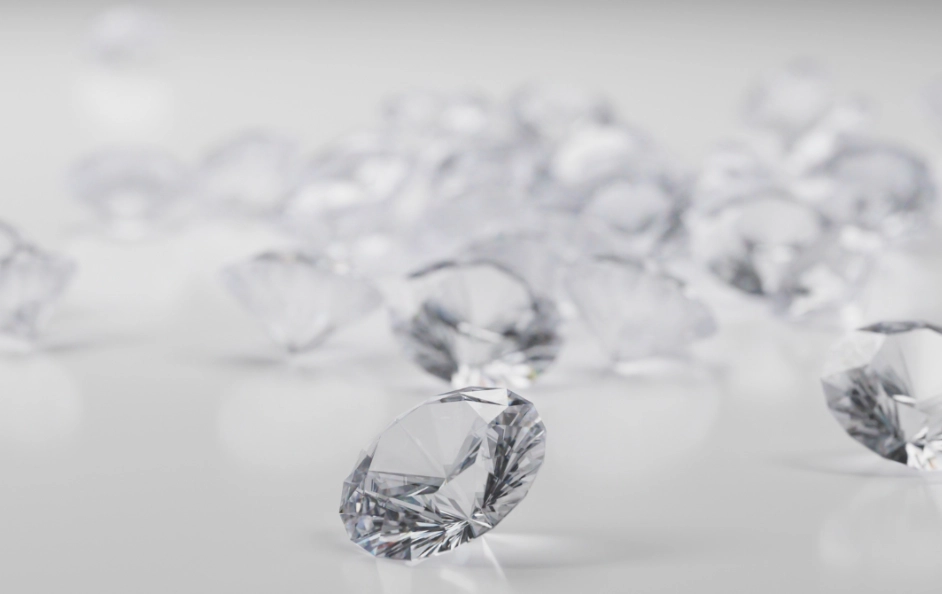
Here’s the thing a lot of articles don’t tell you: Just saying "I want a diamond" is like saying "I want a car." The range is enormous. You can get a reliable compact or a hand-built supercar. The journey to finding the right April birthstone diamond is all about understanding that range.
What Makes a Diamond, Well, a Diamond?
We all know they're hard. ("Hardest natural material on Earth!" – you've heard it). But that's just the start. A diamond is pure carbon, arranged in a specific crystal structure under immense heat and pressure deep within the Earth. That simple chemical fact (C, carbon) is what leads to its incredible durability. It's why a diamond can last generations, making it a profound symbol of lasting love or a personal heirloom. This durability is a big part of why the April birthstone diamond is such a popular choice for everyday wear, like engagement rings.
But here's a personal gripe: the industry's obsession with "rarity" can be misleading. Are natural diamonds rare? Yes, the process is incredible. But the market is vast. The real rarity and value come from the combination of size, quality, and beauty. A tiny, included, brownish diamond isn't rare in a valuable sense. A large, flawless, brilliantly white one is. It's a crucial distinction when you're shopping.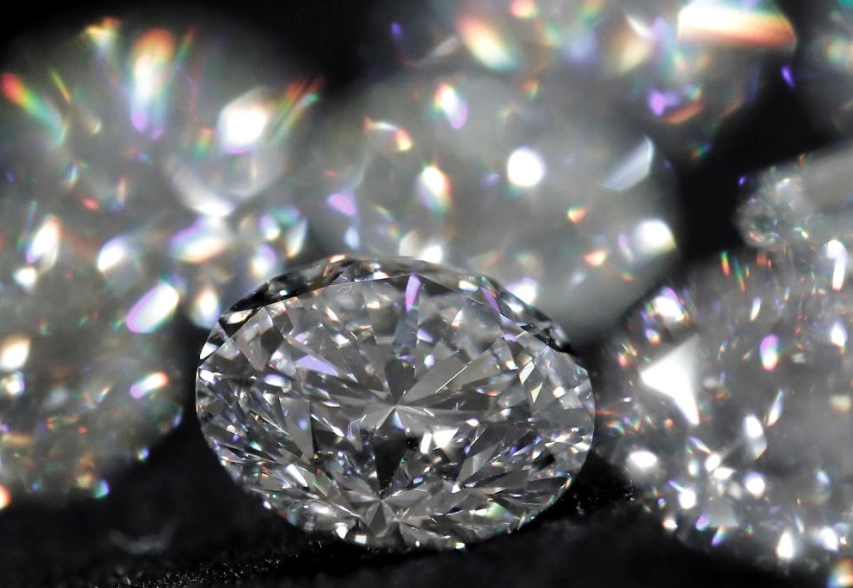
The 4Cs: Your Best Friends (and Sometimes, Frenemies)
You cannot talk about buying a diamond without the 4Cs. It’s the universal language, created by the Gemological Institute of America (GIA) to bring objectivity to quality assessment. Think of it as the diamond's report card. Let's break them down without the jargon.
Cut: The Showstopper
This is the most important C. Period. It's not about shape (round, princess, oval), but about how well the craftsman cut the facets from the rough stone. A great cut makes light perform magic—bouncing around inside and firing back out as that breathtaking sparkle (what we call brilliance and fire). A poor cut makes a diamond look dead and glassy, even if it has great color and clarity. I’d always prioritize cut grade over squeezing out a slightly better color or clarity. A "Very Good" or "Excellent" cut round brilliant from a reputable lab like the GIA is your safest bet for wow factor.
Color: The Spectrum of "White"
We think diamonds are colorless, but most have faint hints of yellow or brown. The scale runs from D (completely colorless) to Z (light yellow). The differences between neighboring grades (like G vs. H) are incredibly subtle to the untrained eye. For a white, sparkling look without paying the D-F premium, the G-I range is the sweet spot for many. Once set in jewelry, especially yellow gold, a J or K color can still look fantastic. Don't get hypnotized by the D grade unless your budget is unlimited.
Clarity: The Imperfection Lottery
This measures internal (inclusions) and external (blemishes) flaws. The scale goes from Flawless (FL) to Included (I3). Most inclusions are microscopic and don't affect beauty. The key is to find a stone where the inclusions aren't visible to your naked eye. An "eye-clean" SI1 or VS2 diamond offers tremendous value. You save money versus a VVS stone, and no one will ever see the difference. Always, always review the diamond plot on the certificate.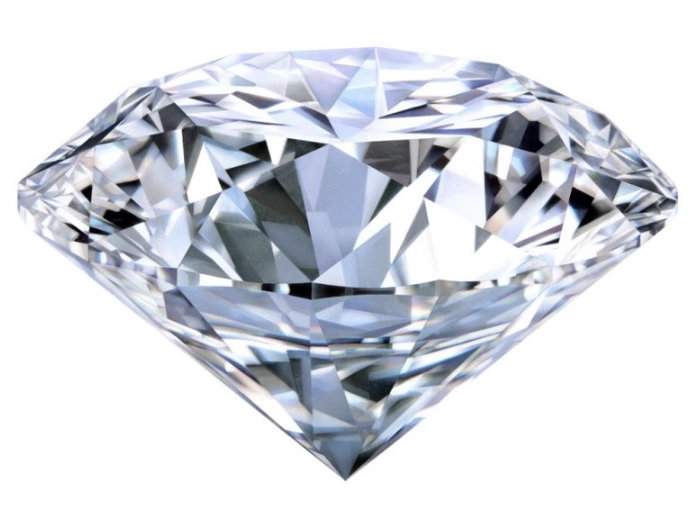
Carat: The Weight, Not the Size
Carat is weight (0.20 grams per carat). It correlates with size, but cut plays a huge role. A well-cut 0.90-carat diamond can face up (look as large as) a poorly cut 1.00-carat stone. Also, prices jump at "magic sizes" (0.50ct, 1.00ct, 1.50ct). Consider a 0.48ct or a 0.97ct for better value. It's a psychological game, really.
| The 4C Factor | What It Really Means For You | Smart Shopping Priority |
|---|---|---|
| Cut | The source of sparkle. A great cut hides color and inclusions. | #1 Priority. Never compromise here. |
| Color | How "white" the stone appears. Subtle grades matter less in settings. | Aim for G-I for white metals. Be flexible with J-K for yellow gold. |
| Clarity | Internal birthmarks. Most are invisible without magnification. | Target "eye-clean" (VS2, SI1). Ignore the microscope view. |
| Carat | Psychological weight. Size perception is tied to cut quality. | Consider just-under weights (0.48, 0.97) for value. |
See? It's not so mysterious. The 4Cs are just tools to help you compare apples to apples when looking for your perfect April birthstone diamond.
Buying Your April Birthstone Diamond: A Real-World Checklist
Okay, theory is done. Let's get practical. Where do you even start? Here’s the process I wish someone had laid out for me.
First, Set a Real Budget. And stick to it. Diamonds have a way of making "just a little bit more" seem reasonable. Decide on a number that doesn't keep you up at night.
Get the Certificate. Never, ever buy a meaningful diamond without an independent laboratory report. GIA is the gold standard. AGS is also excellent. These are grading reports, not appraisals. They tell you what you're buying. A store's "in-house" certificate is worthless for resale or insurance.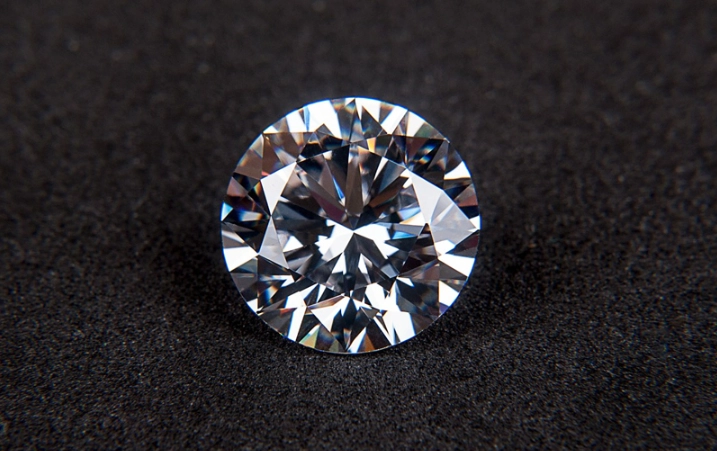
See It in Person (Or With High-Res Video). A certificate tells you the specs, but your eyes tell you if you love it. Does it sparkle under normal light, not just jeweler's spotlights? Does it have a dark center (a sign of a bad cut)? If buying online, the retailer must provide a 360-degree video.
Think About the Setting. The metal (white gold, platinum, yellow gold) influences the perceived color of the diamond. A bezel setting protects the edges but reduces sparkle. Prongs show off more light. This is a whole other topic, but it matters from day one.
A mistake I made once: I bought a diamond online based on a gorgeous certificate (excellent cut, VS1, G color). It looked perfect in the video. When it arrived, it was… fine. But it lacked life. I realized the video was shot in perfect, intense lighting. Under my kitchen lights, it was dull. I learned that some diamonds are "ideal" on paper but lazy in reality. Always, always see it in multiple light conditions.
The New World: Lab-Grown Diamonds
This is the biggest conversation in jewelry right now. Lab-grown diamonds are real diamonds—chemically, physically, and optically identical to mined stones. They are created in weeks using high-pressure or vapor deposition methods. The only difference is origin.
The Pros: They cost significantly less (like 70-80% less for equivalent specs). You can get a larger or higher-quality April birthstone diamond for your budget. They also have a clearer ethical and environmental profile, though the energy use of some labs is a debated point.
The Cons: They have little to no resale value. The price is dropping rapidly as production scales up. Some people just attach deep emotional value to a billion-year-old natural stone.
It's a personal choice. If the sentiment and history of a natural Earth-mined diamond matter to you, go that route. If you want maximum size and sparkle per dollar and don't care about resale, a lab-grown diamond is a phenomenal option for an April birthstone piece. Just know what you're buying.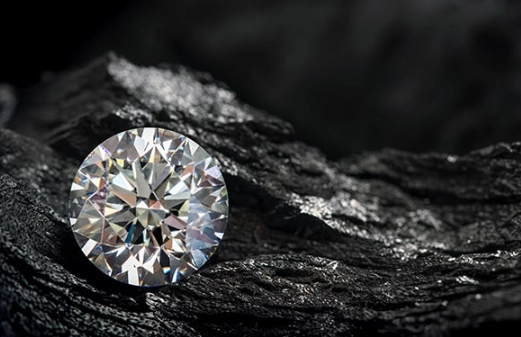
Caring for Your Diamond (It's Not Indestructible)
A diamond can scratch anything else, but it can still chip if hit at the right angle on a girdle edge. Hard blows can also cause internal fractures. So, take it off for gardening, gym, or dishes.
Cleaning is simple. A soft toothbrush, warm water, and a drop of mild dish soap does the trick. Ultrasonic cleaners are usually safe for sturdy pieces, but avoid them if the diamond has many inclusions or is fracture-filled. Steam cleaners are generally fine. The goal is to remove the skin oils and grime that rob your diamond of its fire.
Get it checked by a jeweler once a year. They'll make sure the prongs are tight. Losing a diamond from a worn-down prong is a heartbreaking, preventable tragedy.
Beyond the Ring: Other Ways to Wear Your April Birthstone
An April birthstone diamond doesn't have to be an engagement ring. That's just the most famous application.
- Earrings: Diamond studs are arguably the most versatile piece of jewelry ever created. They go with everything, from sweats to ball gowns.
- Pendants: A simple solitaire diamond pendant lets the stone sit close to you, catching light with every move.
- Right-Hand Rings: A bold cocktail ring with your birthstone is a powerful statement of self-love.
- Men's Jewelry: Diamond cufflinks, a pinky ring, or a subtle pendant. It's not just for women.
Diamond vs. The "Other" April Birthstones
History is messy. Some older lists name clear quartz or sapphire as April stones. But the modern, definitive April birthstone is diamond. However, some people look for alternatives, often due to budget or ethical concerns. Let's compare.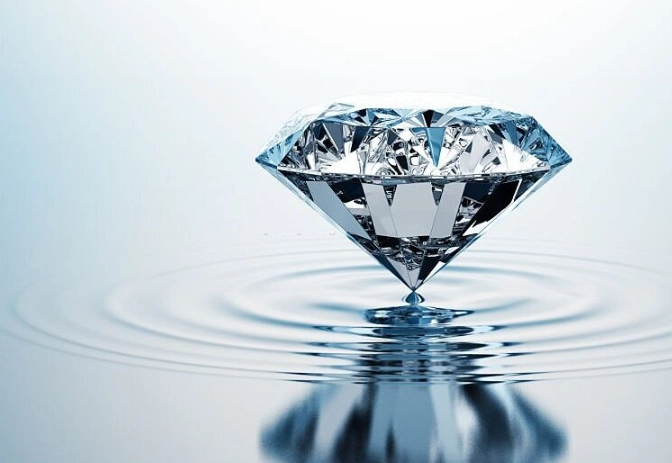
White Sapphire: It's a natural, durable (9 on the Mohs scale) gem. But it has nowhere near the refractive index of a diamond. It looks glassy and flat in comparison. It won't have that fiery sparkle. It's a cheaper alternative, but it's an alternative, not a substitute.
Moissanite: This lab-created gem is fierier than a diamond (more rainbow flashes) and nearly as hard. It's a fraction of the cost. To many, it's a fantastic, sparkly stand-in. To purists, it looks "too fiery" and obviously not a diamond. It's a great ethical option if you love intense sparkle.
White Topaz or Cubic Zirconia (CZ): These are soft, scratch easily, and lose their luster fast. They're costume jewelry. Fine for fun, but not for a lifelong April birthstone piece.
The diamond's combination of hardness, brilliance, and durability keeps it firmly on top. The competition just highlights why it's the king.
Answering Your Diamond Questions (The Stuff You Actually Google)
Look, choosing an April birthstone diamond is a journey. It can feel overwhelming with all the data and opinions. But at its core, it's about finding a piece of the Earth (or a lab) that speaks to you. A stone that catches your eye and holds it. Use the 4Cs as your map, set a firm budget as your boundary, and let your personal taste be the final guide. Whether it's a modest lab-grown stud or a family-heirloom natural solitaire, the right diamond is the one that makes you, the April baby, feel a little more brilliant every time you wear it.
It's that simple. And that complicated. Happy hunting.