Quick Navigation
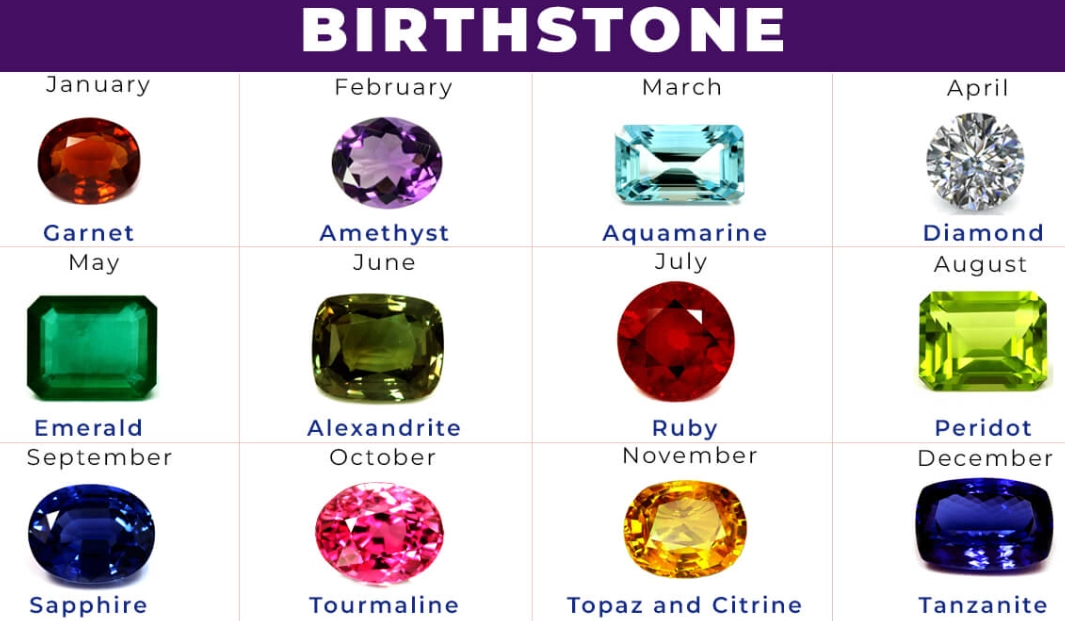
So you're a May baby, or maybe you're shopping for one, and you've got your eyes on that iconic green stone. The May birthstone emerald. It's everywhere, from ancient crown jewels to modern engagement rings. But you know what? There's a whole lot more to it than just the pretty color. I remember the first time I held a good quality emerald. I was expecting it to be this flawless, perfect green rectangle. What I got was a stone with these tiny, garden-like inclusions (they call them "jardin," which is French for garden, how fitting), and a color that seemed to shift between blue-green and yellow-green depending on the light. It felt alive. Not sterile. That's the first thing you need to understand about the May birthstone emerald – its beauty is often in its imperfections.
This guide isn't just a list of facts. I want to walk you through everything I've learned, sometimes the hard way, about choosing, buying, and loving this gem. We'll get into what it really means, how to spot a good one without needing a PhD in gemology, and how to keep it safe so it can be an heirloom. Let's just dive in.
What's the Big Deal? The Meaning and History Behind the Emerald
Why has this particular green stone been obsessed over for thousands of years? It's not just about being May's birthstone. The emerald has a resume that's hard to beat.
Think about Cleopatra. She wasn't just a fan; she practically claimed ownership of emerald mines in Egypt. For her, it was a symbol of power and eternal life. Fast forward through history, and you'll find emeralds in the crowns of Incan kings, the treasuries of Indian Maharajas (the Mogul emperors actually inscribed prayers on them!), and of course, in the vaults of European royalty. That connection to royalty and divinity is no accident. The deep green was often associated with spring, renewal, and the lushness of nature – things that kings and queens liked to align themselves with.
Beyond bling: For many, the May birthstone emerald carries meanings of wisdom, growth, and patience. Some say it enhances intuition and promotes harmony. Whether you buy into the metaphysics or not, you can't deny the stone has a certain calm, grounding presence. Wearing it often feels different than wearing a diamond. It's less flashy, more… substantial.
And then there's the practical magic. Ancient texts from places like India's Ayurveda tradition praised emeralds for their supposed benefits to eyesight. Scholars were said to look at emeralds to rest their eyes after long hours of study. Is it true? Probably more symbolic than scientific, but it shows how deeply the stone was woven into culture, not just commerce.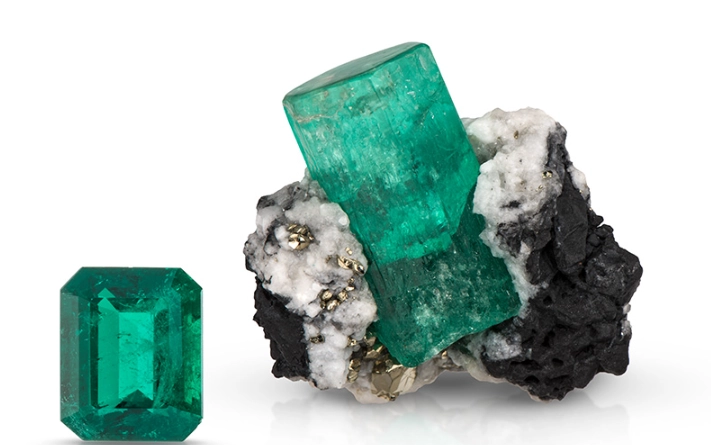
Buying an Emerald: How to Not Get Lost (or Ripped Off)
This is where most people get nervous. The market is full of stones, treatments, and prices that seem to make no sense. Let's break it down into plain English.
The Four Cs, But for Emeralds (It's Not Like Diamonds!)
Forget what you know about diamond grading. Evaluating a May birthstone emerald is a different game.
Color: This is king. The absolute most important factor. We're not just talking "green." The dream is a vivid, saturated bluish-green to pure green. Not too dark, not too light. A medium tone is usually the sweet spot. Stones that are too yellowish often get called "green beryl" instead of emerald, which affects their value. The best color has a sort of electric vibrancy to it. You'll know it when you see it.
Clarity: Here's the big difference. With diamonds, flawless is the goal. With emeralds, inclusions are expected. Seriously. Almost every natural emerald has them. The key is how they affect the stone's overall beauty and durability. A veil of tiny inclusions (the "jardin") might just give it character. But large fractures that reach the surface? That's a durability red flag. Eye-clean emeralds (where you can't see inclusions with the naked eye) are exceptionally rare and command astronomical prices.
Cut: Emeralds are often cut in a rectangular step-cut style, which is literally called an "emerald cut." But why? It's not just for looks. This cut minimizes pressure during the setting process and helps protect the corners, which are vulnerable on this stone. A good cut for a May birthstone emerald isn't primarily about sparkle (like a diamond's brilliant cut); it's about showcasing the color and protecting the gem. A poorly cut stone can make even great color look dead or washed out.
Carat Weight: Pretty straightforward – bigger stones are rarer. But with emeralds, size and quality have an inverse relationship. Finding a large, high-color, relatively clean emerald is the holy grail and will cost accordingly. A 3-carat top-quality stone will cost way, way more than three 1-carat stones of the same quality.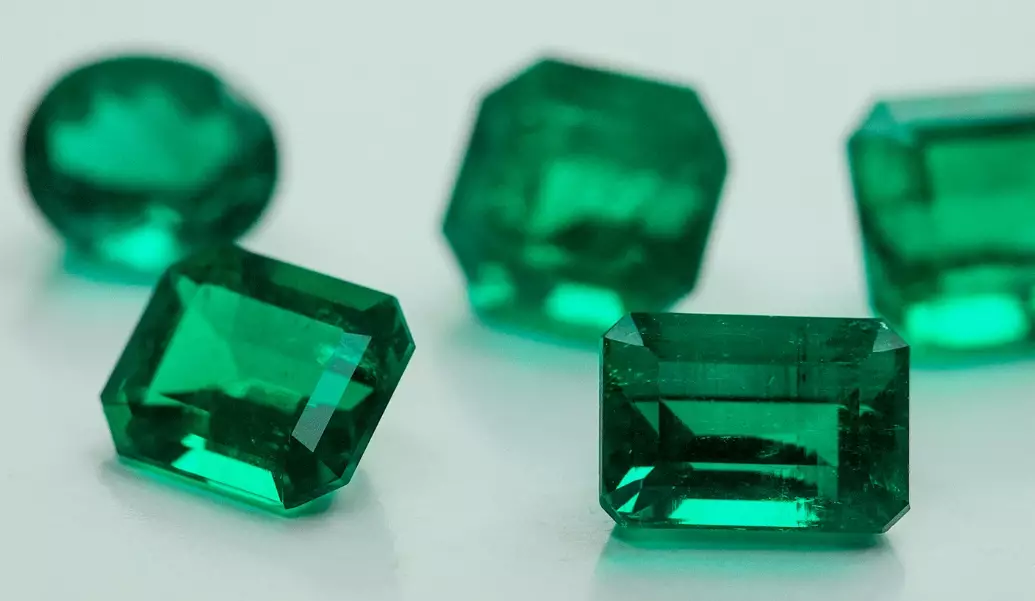
The Treatment Talk: What's Done to Almost Every Emerald
This is the part most sellers don't love to volunteer, but you absolutely must ask about. To improve clarity and stability, the vast majority of emeralds are treated with oils or resins. They fill those natural surface-reaching fractures to make them less visible and to prevent grime from getting in.
Key Point: Oil treatment is traditional, accepted, and expected. It's not a scam. However, the type of filler and the extent of filling matter. Cedar oil is a common, stable filler. Modern polymers or resins can be more permanent but should be disclosed. The problem arises when the treatment is excessive or hidden. A heavily oiled stone can look great until the oil dries out or is removed by an ultrasonic cleaner, revealing a much less attractive gem. Always, always ask: "Has this emerald been treated, and if so, with what?" Reputable sellers like those adhering to AGTA (American Gem Trade Association) guidelines will disclose this upfront.
Where Do They Come From? Origin Matters (Sometimes a Lot)
Just like wine, an emerald's birthplace affects its character and often its price.
| Origin | Classic Color & Characteristics | What to Know |
|---|---|---|
| Colombia | The classic. Often a pure, vibrant grass-green or a slight bluish-green. Known for high clarity relative to other sources. | Muzo, Chivor, and Coscuez are famous mines. Colombian origin often carries a premium due to color reputation. |
| Zambia | Often a deeper, more saturated bluish-green or darker green. Can have great transparency. | Has become a major source of quality commercial emeralds. Often offers excellent value for the color saturation. |
| Brazil | Lighter, often yellowish-green. Can be quite clean and come in larger sizes. | A great source for more affordable, wearable emeralds. The color is usually sunnier and less blue than Colombian. |
| Ethiopia | A newer source producing stones with a lively, often lighter green color. Some have a unique appearance. | Shaking up the market. Stones can be beautiful but the long-term stability of some material is still being assessed by the trade. |
My take? Don't get hypnotized by origin alone. A fantastic Zambian stone can easily outshine a mediocre Colombian one. Use origin as a guide to typical color, but judge the actual stone in front of you (or in the photos/videos). A good report from a lab like the Gemological Institute of America (GIA) can confirm origin, which is helpful for high-value purchases.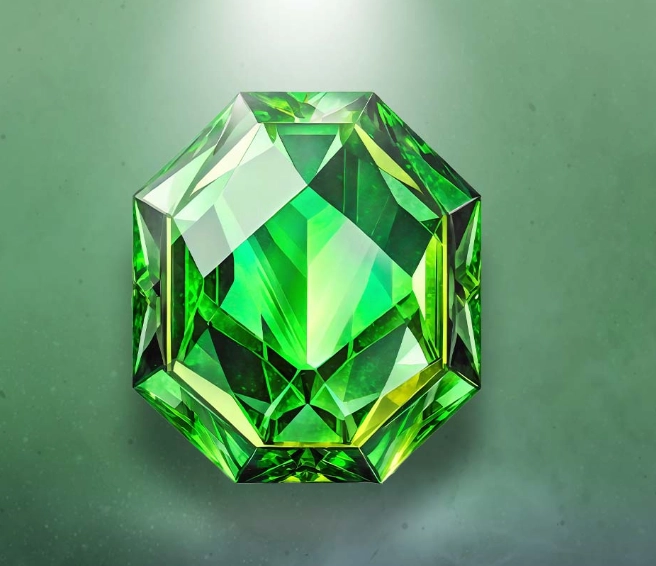
Practical Stuff: Wearing and Caring for Your Emerald
Okay, you've got your May birthstone emerald. Now what? This isn't a stone you can just toss in a jewelry box with everything else.
Emeralds are a 7.5 to 8 on the Mohs hardness scale. That means they're plenty hard to resist scratches from everyday dust (which contains quartz, a 7), but they are significantly more brittle than diamonds or sapphires. Those natural inclusions act like fault lines. A sharp knock on the edge of a table can chip or crack an emerald in a way it wouldn't a sapphire.
Put your emerald ring on after you've done your makeup, hairspray, and gotten dressed. Take it off before you do dishes, garden, gym, or anything involving impact or chemicals. It sounds fussy, but it becomes second nature. For an emerald engagement ring, this is non-negotiable if you want it to last generations.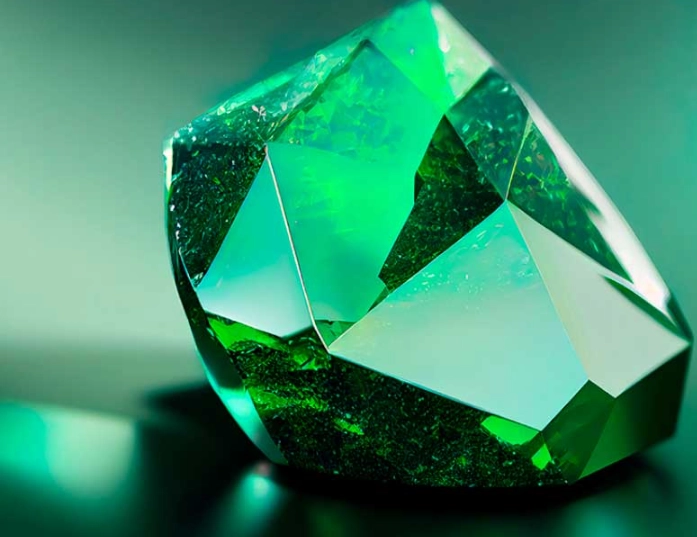
Cleaning: The Safe Way vs. The "I Ruined My Stone" Way
- Do: Use lukewarm water, a tiny drop of mild dish soap, and a very soft toothbrush. Gently brush around the setting and the back of the stone. Rinse thoroughly and pat dry with a soft, lint-free cloth.
- Do Not (Ever!): Use an ultrasonic cleaner. The vibrations can shake the oil or resin out of fractures or even worsen existing cracks. Also avoid steam cleaners for the same reason. Harsh chemicals (bleach, ammonia, acids) are a disaster.
Think of it like caring for a precious piece of antique wood, not a piece of glass. Gentle is the word.
Answering Your Questions: The Emerald FAQ
Let's tackle some of the real questions people have when searching for information on the May birthstone emerald.
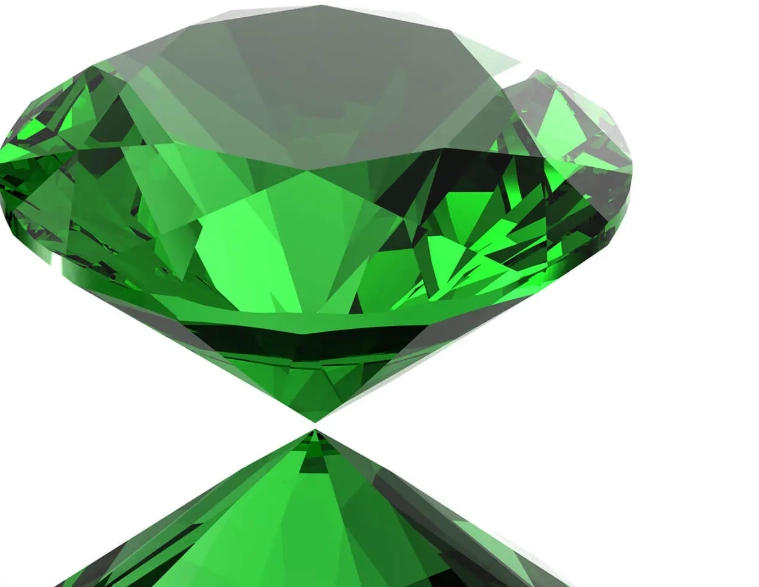
Making It Yours: Style and Setting Ideas
The May birthstone emerald isn't just for grandmother's brooches anymore. Here’s how people are wearing them now.
The Statement Solitaire: An emerald-cut emerald in a simple yellow gold setting is timeless. It lets the color do all the talking.
Vintage Vibes: Emerald looks incredible in Art Deco-inspired settings with geometric lines and accent diamonds. It just fits the era.
Modern Mix: Pairing an emerald with rose gold creates a warm, unexpected look. Or, try stacking a thin emerald band with other gemstone or diamond bands.
Beyond Rings: Emerald pendants and earrings are actually lower-risk ways to wear the stone daily, as they suffer less impact. A pair of emerald studs is a classic that goes with everything.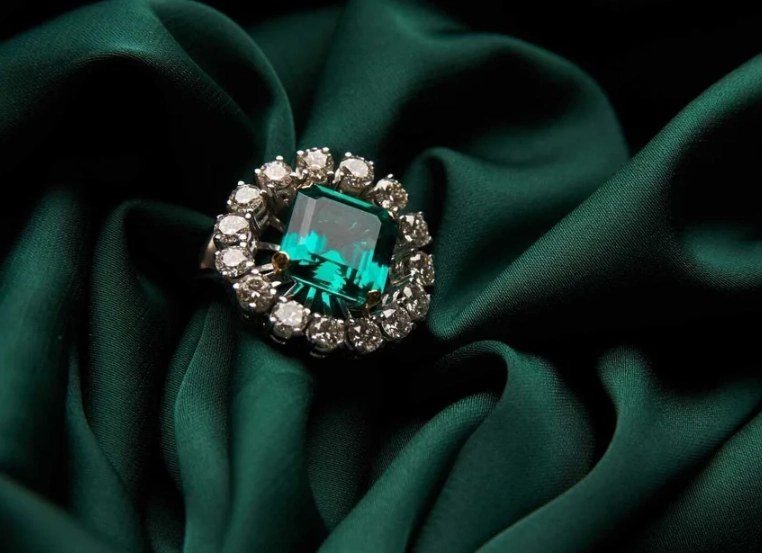
Final Thoughts: It's About the Connection
Choosing a May birthstone emerald, whether for yourself or as a gift, is different than buying a standard gem. You're buying into a story that's thousands of years old. You're choosing a stone that demands a bit of respect and care in return for its unparalleled color.
Don't get paralyzed by all the information. Use it to ask better questions. Look at lots of stones, in person if you can. Compare colors. Ask about treatments. Think about how you'll wear it. And remember, the "perfect" emerald isn't the one with the cleanest report card; it's the one whose color speaks to you, that you can imagine wearing for years, and that fits your life.
At the end of the day, that deep green captures something essential about spring and growth—perfect for the month of May. It's a reminder that true beauty often has depth, character, and a few interesting flaws. And that's not a bad thing to carry with you.