In This Guide
- What's the Big Deal? The Meaning and History Behind the Ruby
- Judging a Ruby: It's All About the "C's" (But Not Like Diamonds)
- Where Do Rubies Come From? Origin Matters.
- Buying Your July Birthstone Ruby: A Step-by-Step Reality Check
- Lab-Created vs. Natural: What's the Right Choice for You?
- Caring for Your Ruby Jewelry
- Answering Your Ruby Questions
So you were born in July, or maybe you're shopping for someone who was. That means you're in the market for a ruby. Let's be honest, most people's first thought is "red gemstone," and then maybe they think of Dorothy's slippers. But there's a whole world wrapped up in that deep red color. The July birthstone ruby isn't just a gem; it's a piece of history, a scientific wonder, and honestly, a bit of a tricky customer if you don't know what you're looking for.
I remember the first time I held a high-quality Burmese ruby. It wasn't in some fancy showroom. It was at a gemologist's lab, under proper light. The color wasn't just red. It was this vivid, pulsating crimson that seemed to glow from within. They called it "pigeon's blood," which is a weird name if you think about it, but the moment you see it, you get it. It's intense. That's the magic—and the challenge—of the July birthstone. Not all rubies are created equal. Far from it.
This guide is for anyone who wants to move beyond the basics. We're going to dig into what makes this gem tick, why it costs what it does, and how you can avoid the common pitfalls when buying one. Whether you're after a tiny accent stone or a statement piece, understanding the July birthstone ruby is the first step to making a choice you'll love for decades.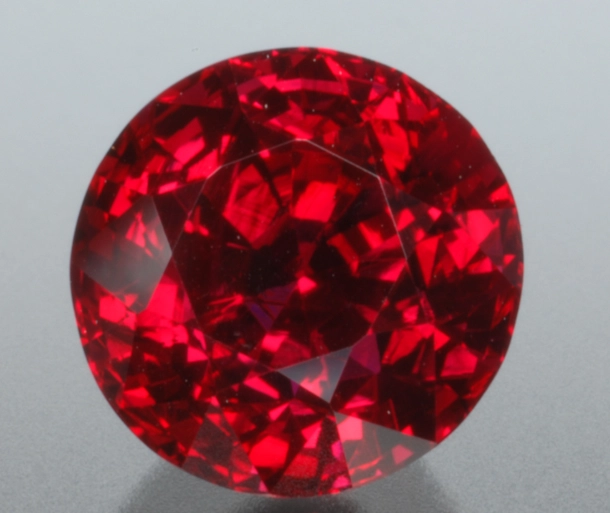
Ruby, Defined: At its core, a ruby is a red variety of the mineral corundum. That's the same mineral family as sapphires. The red color comes from trace amounts of chromium. If it's any other color of corundum (blue, yellow, pink, etc.), it's a sapphire. Only the red ones get the prestigious title of ruby, the official July birthstone.
What's the Big Deal? The Meaning and History Behind the Ruby
Why has the ruby been coveted for centuries? It's not just the beauty. Ancient cultures in India believed rubies were the "king of precious stones." They thought it held a perpetual inner flame, a symbol of never-ending life and passion. In medieval Europe, it was worn by royalty as a talisman for health, wealth, wisdom, and success in love. They even thought it could warn the wearer of danger by darkening in color.
Today, the symbolism attached to the July birthstone ruby is still powerful. It's the gem for 15th and 40th wedding anniversaries. It's almost universally tied to passion, courage, vitality, and love. Wearing a ruby feels like wearing a piece of that energy. It's a bold statement.
But let's not get too romantic. The history also has a darker side. The finest rubies have come from places like Myanmar (Burma), which has faced significant ethical challenges in mining. Modern buyers are increasingly asking: Where did my July birthstone ruby come from? It's a crucial question we'll tackle later.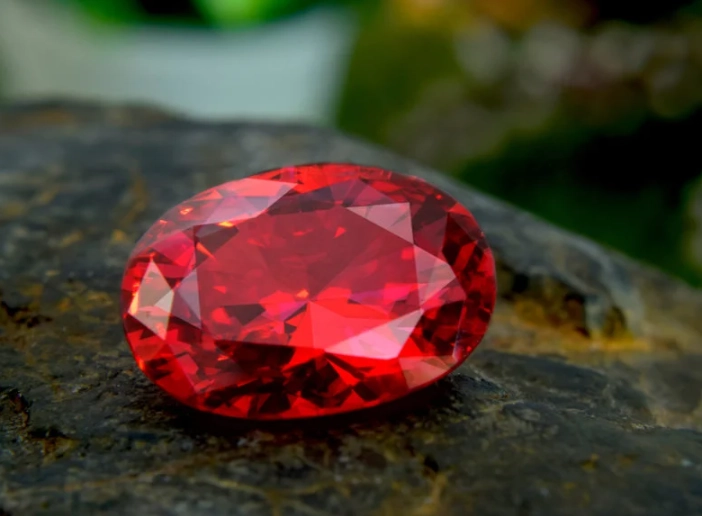
Judging a Ruby: It's All About the "C's" (But Not Like Diamonds)
Talking about gem quality usually means the Four C's: Color, Clarity, Cut, and Carat. For rubies, the rules are different. Color is the absolute king. It can account for 70-80% of a ruby's value. After that, clarity and cut play supporting roles to enhance that color, and carat weight sends the price into the stratosphere for top-quality stones.
The Color Spectrum: From Pinkish to Pigeon's Blood
Not all red is created equal. The ideal color for a July birthstone ruby is a vivid, medium-to-dark toned pure red or slightly purplish red. The most prized shade is often called "pigeon's blood" red—a pure, vibrant red with a hint of blue that makes it seem to fluoresce from within. But here's the catch: that term isn't scientifically defined. It's a trade term, and it's overused. Rely on your eyes, not just the label.
Here’s a breakdown of how color components affect value:
| Color Component | What It Means | Impact on Value & Look |
|---|---|---|
| Hue | The basic color (red, purplish-red, orangish-red). | Pure red or purplish-red is most valued. Strong orange or brown tints lower value. |
| Tone | How light or dark the color is. | Medium to medium-dark tones are ideal. Too light looks pink, too dark looks murky and loses brilliance. |
| Saturation | The intensity or purity of the hue. | High saturation (vivid, strong color) is critical. Weak, grayish, or brownish saturation drastically reduces appeal and price. |
Clarity: Expect Inclusions, They're Like a Fingerprint
This is where many first-time buyers get surprised. Unlike diamonds, where eye-clean clarity is often the goal, almost all natural rubies have inclusions. These are tiny imperfections formed during the gem's creation. In fact, a completely clean ruby is a massive red flag—it's almost certainly synthetic.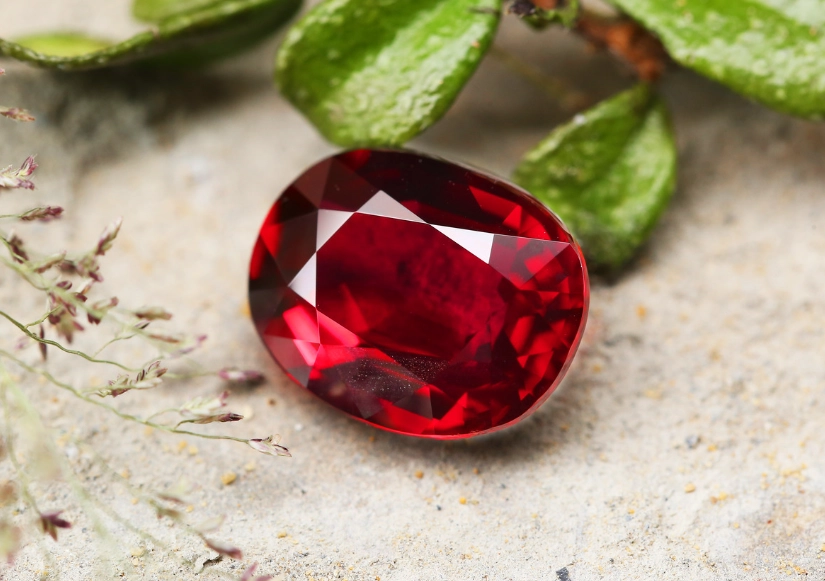
Certain inclusions can even be desirable. Silk (fine needle-like inclusions of rutile) can cause a soft glow or asterism (a star effect) in some stones. The key is how the inclusions affect the stone's beauty and durability. Inclusions in the center that block light or create a cloudy look are problematic. Those off to the side might be acceptable. You need to judge with your eyes: does the stone still look brilliant and appealing?
Cut and Carat: The Multipliers
A great cutter's job with a ruby is to maximize color. They might orient the stone differently than a diamond cutter would, sometimes accepting a slightly uneven shape to get the most vivid face-up color. Common cuts are ovals and cushions, as these often preserve the most weight from the rough crystal.
Now, carat weight. Fine-quality rubies over one carat are rare. Over three carats? They're museum pieces. The price per carat doesn't increase linearly; it increases exponentially. A 2-carat ruby of a certain quality will cost significantly more than twice the price of a 1-carat stone of the same quality. It's just the nature of the rarity.
A Word on Treatments: This is the single most important practical topic for a buyer. The vast majority of rubies on the market are treated to improve their appearance. The most common treatment is heat treatment. This is a stable, permanent, and generally accepted practice that enhances color and clarity. It's considered part of the normal enhancement process. However, you must be told about it.
More concerning treatments include fracture filling (where glass or leaded glass is used to fill surface-reaching cracks) or dyeing. These treatments can be unstable, affect durability, and must be disclosed. They significantly lower the stone's value compared to a naturally clean or heat-treated stone.
Always, always ask: "Has this July birthstone ruby been treated, and if so, how?" Get it in writing.
Where Do Rubies Come From? Origin Matters.
The origin of a ruby can be a major value factor and an ethical consideration. Different locations produce stones with characteristic looks.
- Myanmar (Burma): Historically the source of the most legendary "pigeon's blood" rubies. The mines at Mogok are famous. Burmese rubies often have a strong red fluorescence that makes them seem to glow. Due to ethical concerns and trade restrictions, their availability is complex.
- Mozambique: The major player in the modern market. Mozambique produces high-quality rubies that rival the best from Burma in color and clarity. They are generally more readily available and have become a primary source for fine jewelry.
- Other Sources: Thailand, Vietnam, Afghanistan, Tanzania, and even Greenland produce rubies, each with its own color profile (e.g., Thai rubies can have a more brownish or purplish hue).
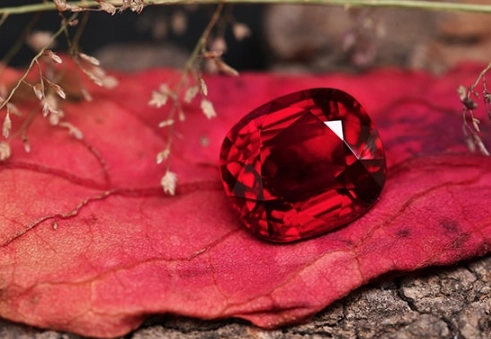
Why does origin matter? For collectors and high-end buyers, a Burmese origin commands a premium due to its history and reputation. For the everyday buyer, a beautiful Mozambique ruby offers exceptional quality and value. A reputable lab report from an institution like the Gemological Institute of America (GIA) or the American Gem Society (AGS) can confirm origin, which is determined by analyzing the gem's unique inclusion fingerprint.
Buying Your July Birthstone Ruby: A Step-by-Step Reality Check
Okay, you're ready to shop. Let's get practical. Here’s my personal checklist, born from seeing people get excited and then disappointed.
- Set Your Budget First: Be realistic. A fine, natural, untreated 1-carat ruby will cost thousands of dollars. If that's not in your budget, consider a smaller stone, a stone with visible but attractive inclusions, or a beautiful lab-created ruby. There's no shame in any of those choices if you know what you're getting.
- Prioritize Color Over Size: A small, vivid ruby will always be more stunning than a large, dull one. Every time.
- Demand Disclosure and Certification: Buy from a seller who readily provides information about treatments. For any significant purchase, insist on an independent lab report from GIA, AGS, or another major lab. This is your receipt and your insurance policy. It tells you exactly what you have.
- See It in Different Lights: Look at the stone under daylight-equivalent light (like an LED or outdoors) and under indoor incandescent light. A great ruby should look good in both. Some rubies can look a bit purpler indoors—see if you like that.
- Consider the Setting: Rubies are durable (9 on the Mohs scale, second only to diamonds—you can learn more about hardness scales on the GIA's Mohs scale page), but they can still chip if hit at the wrong angle. A bezel or protective setting is wise for rings worn daily. For earrings or pendants, you can be more delicate.
Lab-Created vs. Natural: What's the Right Choice for You?
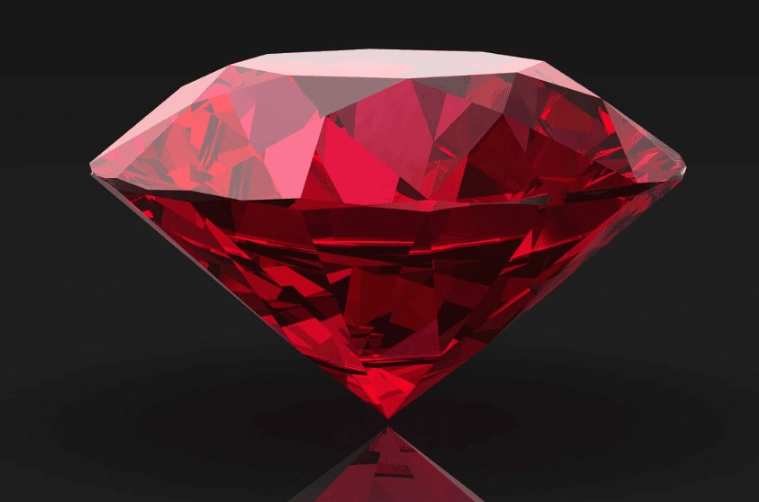
This is a personal decision, not a moral one. Lab-created rubies (also called synthetic rubies) are real rubies in every chemical, physical, and optical sense. They're just made in a factory in weeks, not in the earth over millions of years.
Pros of Lab-Created: They are significantly less expensive. You can get a large, vivid, flawless stone for a fraction of the cost of a natural one. They are also ethically unambiguous, with a known supply chain.
Cons of Lab-Created: They have no rarity. They are a manufactured product, so their value is primarily in the craftsmanship of the jewelry, not the gem itself. They will not appreciate in value like a fine natural stone might.
My take? If you want a big, bold, red statement piece on a budget and don't care about natural origin, a lab-created July birthstone ruby is a fantastic, guilt-free option. If you value geological rarity, history, and the idea of a unique natural wonder, save up for a natural stone. Just be sure you're paying for a natural stone, not a synthetic one sold at a natural price.
Caring for Your Ruby Jewelry
You've made the investment. Now keep it beautiful. It's not hard.
- Cleaning: Warm soapy water, a soft brush (like a baby toothbrush), and a soft cloth. Avoid harsh chemicals, ultrasonic cleaners (especially if the stone is fracture-filled or has many inclusions), and steam cleaners.
- Storage: Keep it separate from other jewelry to prevent scratches. Remember, it can scratch anything softer than a sapphire (which is almost everything else in your box).
- Wear with Sense: Take off your ruby ring during heavy manual work, gardening, or gym sessions. While tough, a hard knock can still cause damage.
Answering Your Ruby Questions
Is a ruby more expensive than a diamond?
It depends. A commercial-quality diamond will generally cost more than a commercial-quality ruby of the same size. However, a fine-quality, large natural ruby (over 2 carats with top color) can easily surpass the price of a white diamond of similar size and quality grade. Rarity drives the price at the top end.
What's the difference between a ruby and a pink sapphire?
This is a famously blurry line. In some markets (like the US), the distinction is based on color saturation. If the red corundum is light in tone and saturation, it's often called a pink sapphire. If it's medium to dark and vivid, it's a ruby. In other places, any red corundum is a ruby. The GIA's standard is that any corundum dominantly red in hue is classified as a ruby. When in doubt, the lab report will call it.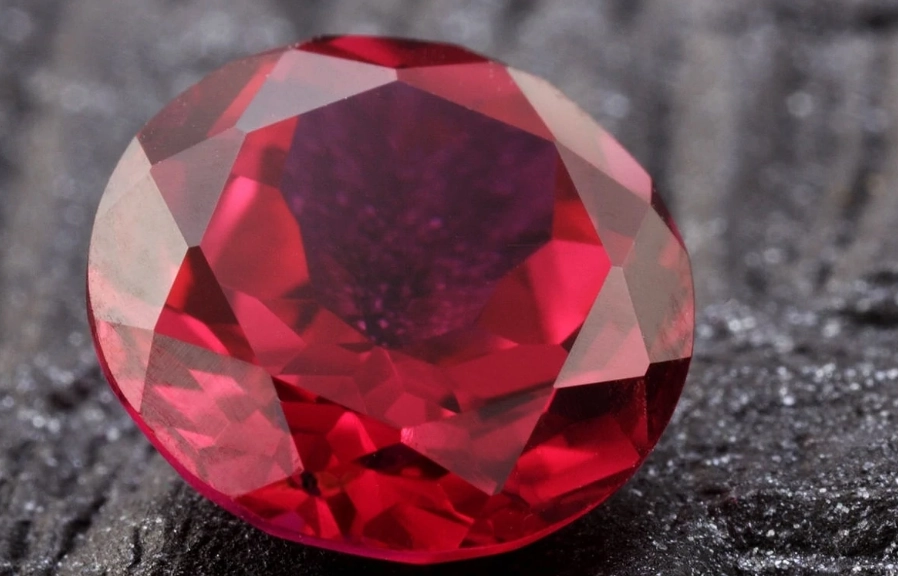
Can rubies be worn every day?
Absolutely. With a hardness of 9, the July birthstone ruby is one of the hardest natural substances. It's an excellent choice for an engagement ring or a daily-wear ring, provided it's in a secure setting. Just practice common sense and remove it during potentially damaging activities.
How can I tell if my ruby is real?
Simple home tests are unreliable. The only way to be 100% sure is to take it to a qualified gemologist or send it to a lab like GIA. They have the tools to distinguish natural ruby from synthetic, from glass imitations, or from other red gems like garnet or spinel.
The journey with a ruby doesn't end at the purchase. It's a gem you grow with, a constant source of fiery beauty.
Choosing the perfect July birthstone ruby comes down to balancing your heart and your head. Your heart will be drawn to a particular shade of red, a certain sparkle. Your head needs to check the facts: the treatment, the clarity, the certification, the price. When those two align, you've found your stone. It's a piece of the earth's fire, now yours to hold.