In This Deep Dive
- What Exactly is Peridot? Let's Clear Up the Confusion
- The Color That Captivates: Understanding Peridot's Green
- A Gem Born from Fire (and Sometimes Space!)
- Peridot Through the Ages: From Pharaohs to Modern Jewelry
- Why Peridot is the Perfect August Birthstone
- Your Practical Guide to Buying Peridot
- Caring for Your Peridot Jewelry: Keeping That Green Glow
- Frequently Asked Questions (FAQs) About Peridot
So you were born in August, or maybe you're shopping for someone who was. You've heard about peridot, that August birthstone peridot everyone talks about. But what's the real story behind this green gem? Is it just another semi-precious stone, or is there more to it?
Let me tell you, I used to think peridot was a bit... simple. Just a green stone, right? But the more I dug into it, the more I realized how wrong I was. This gem has a history that'll knock your socks off, and it's not as delicate as some people make it out to be. We're going to cover everything – from what it actually is, to why it's perfect for August babies, and how to pick a good one without getting ripped off.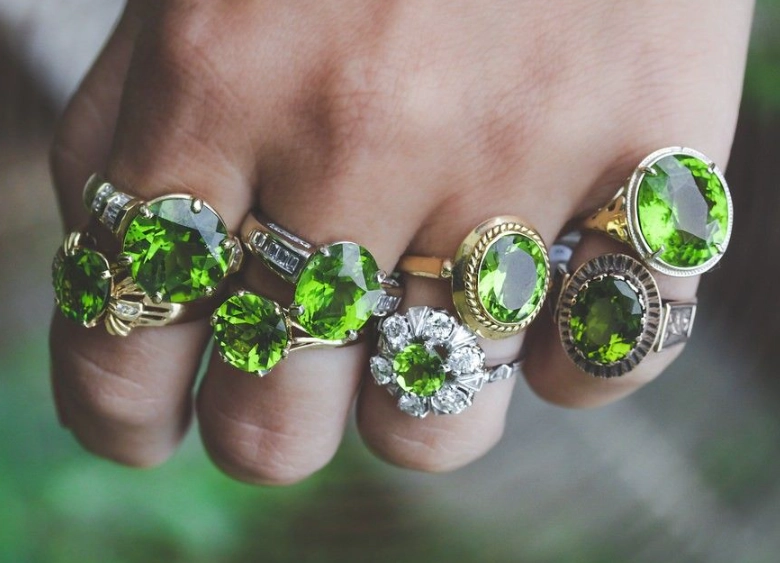
What Exactly is Peridot? Let's Clear Up the Confusion
First things first, peridot isn't a brand name or a trade term. It's the gem-quality version of a mineral called olivine. That's right, the same olivine that makes up a huge part of the Earth's mantle. Think about that for a second – you could be wearing a piece of the planet's interior as jewelry. How cool is that?
It's one of the few gemstones that comes in basically one color. Well, one color family. We're talking greens. From a yellowish, lime-like green to a deeper, richer olive or brownish green. You won't find a blue peridot or a red one. What you see is what you get, and what you get is green.
Quick Science Bit: Its chemical formula is (Mg, Fe)2SiO4. The green color comes from iron. More iron generally means a richer, deeper green. No fancy treatments or irradiations needed – the color is all natural, which is a huge plus in today's market where everyone wants untreated gems.
But here's where it gets wild. This August birthstone peridot isn't just from Earth.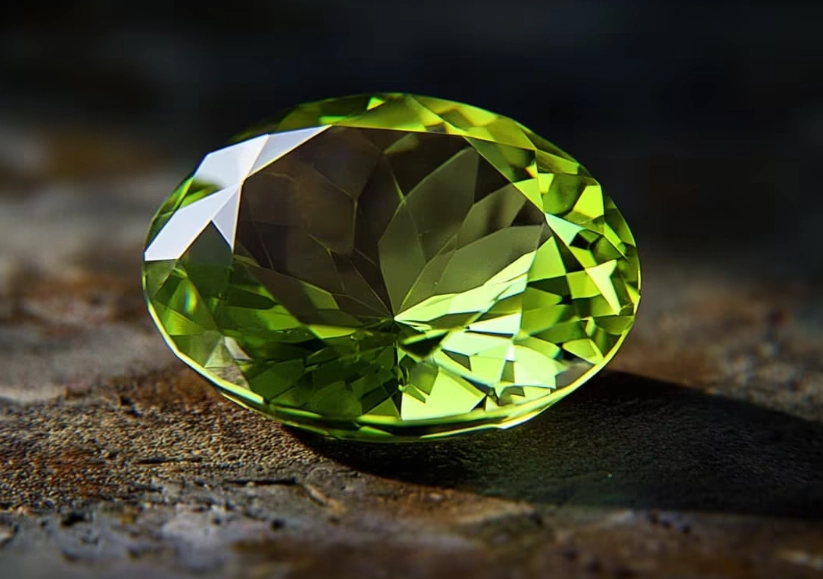
The Color That Captivates: Understanding Peridot's Green
Describing peridot's color is tricky. It's not emerald green, it's not jade green. It's its own thing. The most valued color is a pure, vibrant, saturated green without too much yellow or brown. Some people call it "lime green," but that makes it sound cheap, and the best stones are anything but.
I remember looking at a high-quality peridot ring under a store light. It had this almost glowing quality, like it was lit from within. That's the iron doing its magic. The color can look different under various lights – more yellow in incandescent light, more green in daylight. It's a chameleon in its own subtle way.
Here’s a quick breakdown of what to look for, color-wise:
| Color Grade | Description | What to Expect |
|---|---|---|
| Vivid Green | Pure, intense green with minimal secondary tones. The top-tier color. | Most sought-after and usually commands the highest prices per carat. |
| Yellow-Green | Bright green with a noticeable sunny yellow hue. Very common. | Often has great brilliance and is widely available in jewelry. |
| Olive Green | Deeper green with brownish or golden undertones. | Has a warm, earthy appeal and can look very sophisticated. |
| Pale Green | Light, washed-out green with lower saturation. | Most affordable option, but can lack the "wow" factor. |
Personal opinion? Don't get too hung up on the "perfect" color.
The yellow-green ones can be stunningly bright, and the olive tones have a classic elegance. It's more about what green speaks to you. After all, you're the one wearing it.
A Gem Born from Fire (and Sometimes Space!)
This is my favorite part. Peridot forms in extreme conditions. Deep in the Earth's mantle, under insane heat and pressure, or in volcanoes where it gets brought to the surface in basaltic lava. Some peridot crystals are found in pallasite meteorites – yes, space rocks. The Gemological Institute of America (GIA) has a whole section on peridot origins and geology that's worth a look if you're a science nerd like me.
So when you hold an August birthstone peridot, you're holding something forged in the planet's furnace or that literally fell from the sky. That beats a lot of other gemstone origin stories, doesn't it?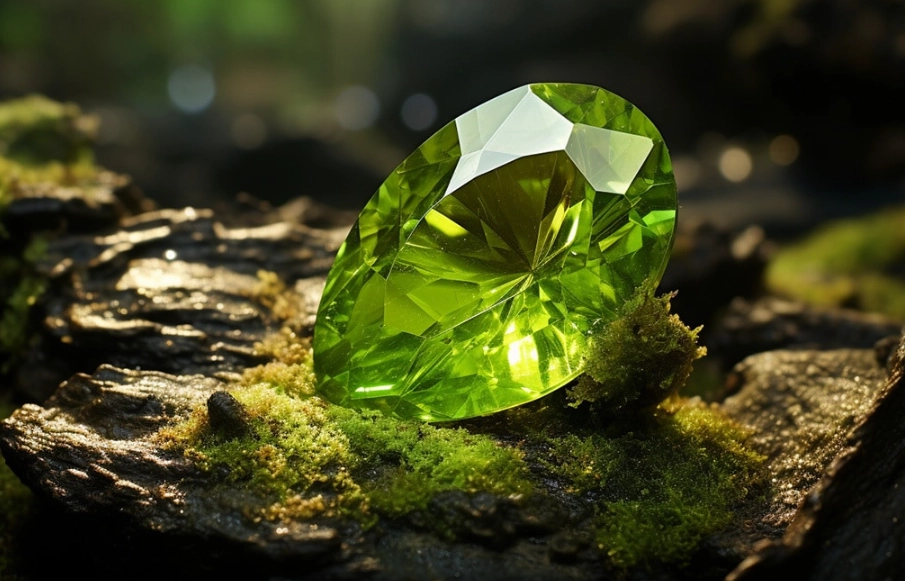
Major sources today include:
- Arizona (USA): Famous for smaller, bright yellow-green stones. A lot of "Arizona peridot" is actually mined on the San Carlos Apache Reservation.
- Pakistan: The Himalayas, especially the Kashmir region, produce some of the finest, large, vivid green peridots in the world.
- Myanmar (Burma): An ancient source known for beautiful olive-green hues.
- China & Vietnam: Significant producers in the modern market.
Not from Egypt? A common myth is that all ancient peridot came from Zabargad Island (St. John's Island) in the Red Sea, Egypt. While it was a historic source for centuries, most peridot on the market today is from the other locations listed above. The Egyptian mines are pretty much exhausted.
Peridot Through the Ages: From Pharaohs to Modern Jewelry
The history of this August birthstone peridot is long and kinda glamorous. Ancient Egyptians called it the "gem of the sun" and mined it as early as 1500 B.C. They believed it protected the wearer from nightmares. Romans adored its brilliant green color, often calling it "evening emerald" because it kept its sparkle under candlelight.
Fast forward to the Middle Ages in Europe, where peridot was brought back by Crusaders and used to adorn churches. You can still see some of these historic stones today. For example, the Shrine of the Three Kings in Cologne Cathedral, Germany, is said to be adorned with large peridots.
It fell out of favor for a while, overshadowed by gems like emerald and sapphire. But in the last few decades, with new discoveries of fine material in Pakistan and a growing love for colored gems, the August birthstone peridot has made a serious comeback.
It's no longer just a "birthstone alternative." Designers are using it as a central stone in bold, modern pieces.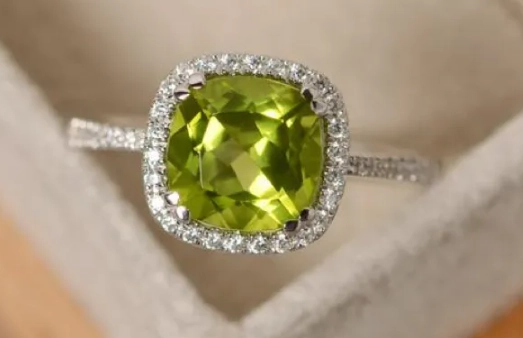
Why Peridot is the Perfect August Birthstone
Think about August. It's the peak of summer in the Northern Hemisphere. Lush green leaves, warm sunlight, the feeling of abundance. What better symbol than a vibrant green gem that looks like a captured piece of summer foliage?
Symbolically, peridot is packed with meaning, which makes it a thoughtful gift. It's traditionally associated with:
- Strength & Vitality: That vibrant color just screams life and energy.
- Protection: An ancient belief, but it gives the gem a layer of story.
- Peace & Harmony: It's said to calm anger and reduce stress. Who couldn't use a bit of that?
- New Beginnings: Makes it great for graduations, new jobs, or anyone starting a fresh chapter.
I'll be honest, some of these metaphysical properties are a bit out there for me. But I do get the emotional connection. Giving someone their birthstone feels personal. It says, "I thought about who you are and what might resonate with you." For an August baby, peridot is that direct link.
And let's talk practicality. Compared to other birthstones – looking at you, fragile opal (October) and porous pearl (June) – peridot is relatively durable for everyday wear. More on that in the care section.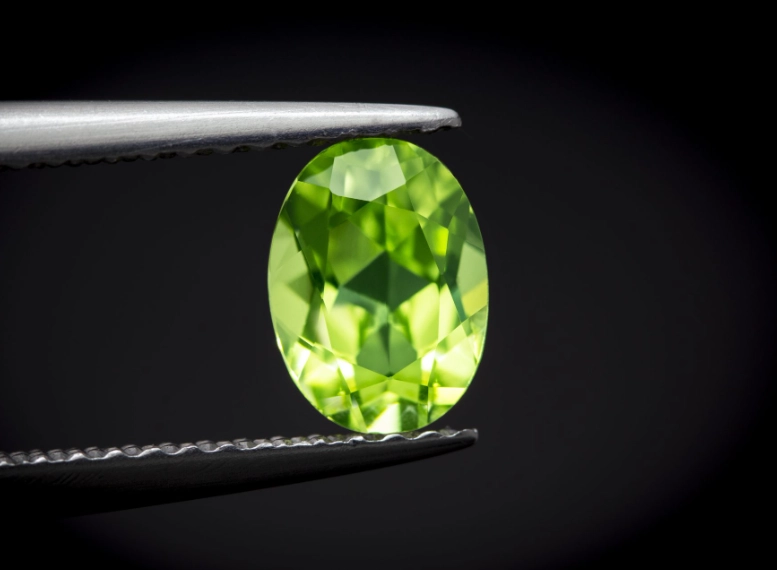
Your Practical Guide to Buying Peridot
Alright, let's get down to business. You want to buy an August birthstone peridot, either for yourself or as a gift. What should you look for? How do you know you're getting a good deal?
Understanding Peridot Color Grades
We touched on color earlier, but when you're buying, you need to see it. Always, always look at the stone in different lights if you can. That vibrant green under the jeweler's bright spotlight might look a bit yellowish in your office or home. Make sure you love it in the light where you'll wear it most.
The 4 Cs of Peridot Explained
Like diamonds, peridot is judged by Cut, Color, Clarity, and Carat, but the importance is shuffled.
- Color: King. The most important factor. Go for the most pleasing, saturated green you can afford.
- Cut: Queen. A good cut makes all the difference. Peridot has strong double refraction (light splits into two rays), so a skilled cutter can make it explode with brilliance. Look for symmetrical facets and a stone that isn't cut too shallow (which loses light) or too deep (which looks dark).
- Clarity: The eye-clean standard applies. Most peridot is "Type II" gemstone, meaning some inclusions are expected. Tiny black chromite crystals or lily-pad shaped stress fractures are common. You shouldn't see major black spots or cracks with your naked eye. A completely flawless peridot is extremely rare.
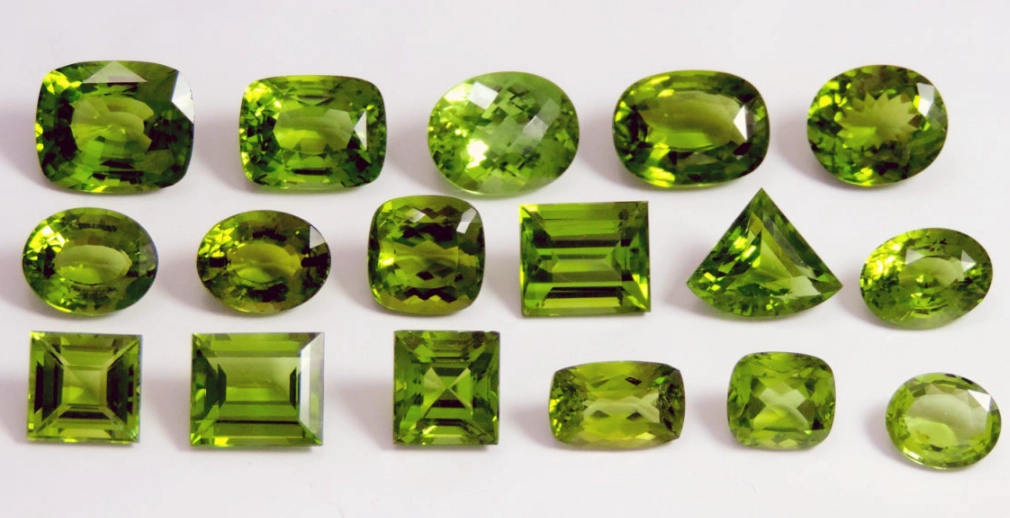
- Carat Weight: Peridot can be found in large sizes, especially from Pakistani sources. Price per carat doesn't jump as dramatically with size as it does with rubies or sapphires. You can often get a larger stone for your budget compared to other colored gems.
Where is Peridot Found?
Origin can affect price. Top-quality Pakistani peridot with that vivid green color commands a premium. Arizona peridot is beloved in the US for its bright, cheerful color and domestic story. Burmese material has a historic cachet. Don't just take a seller's word for it; reputable dealers should provide information on origin.
Here’s a reality check on price. You can find small peridot stones for well under $100 per carat. Fine quality stones in the 1-5 carat range might be $150-$400 per carat. Exceptional, large, vivid green stones from top localities can go much higher. The key is to compare stones side-by-side. A higher price should be justified by visibly better color and cut.
My biggest buying tip?
Prioritize color and cut over perfect clarity. A slightly included stone with fantastic color and sparkle will look a million times better than a dull, lifeless stone that's clean.
Caring for Your Peridot Jewelry: Keeping That Green Glow
Peridot has a Mohs hardness of 6.5 to 7. That means it's suitable for rings, but with caution. It can be scratched by dust (which contains quartz, hardness 7), and it can be chipped if whacked hard against a countertop.
I'd recommend peridot for earrings, pendants, and brooches first. For a ring, choose a setting that protects the stone, like a bezel or a setting with sturdy prongs, and maybe reserve it for occasional wear, not daily manual labor.
Care Checklist:
- Cleaning: Use warm, soapy water and a soft brush. Ultrasonic cleaners are generally not safe for peridot. The vibrations can cause fractures to worsen. Steam cleaners are also a no-go due to sudden temperature changes.
- Storage: Keep it separate from harder gems like diamonds, sapphires, and even quartz. A soft pouch or a separate compartment in your jewelry box is perfect.
- Avoid: Harsh chemicals (bleach, pool chlorine), sudden temperature changes, and hard knocks. Take it off before gardening, cleaning, or hitting the gym.
Is it high maintenance? Not really. It's just about being mindful. Most everyday hazards are avoidable with a little habit.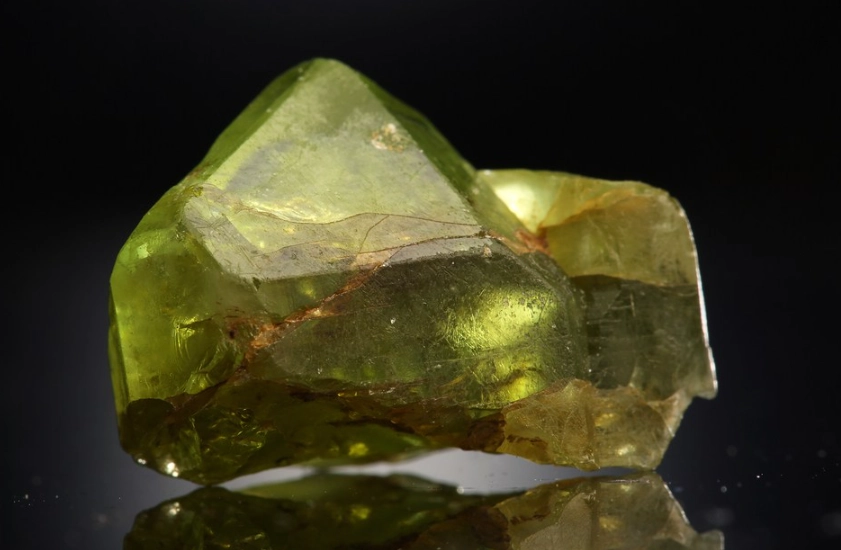
Frequently Asked Questions (FAQs) About Peridot
So, there you have it. The August birthstone peridot is far from boring. It's a gem of incredible history, born from the Earth's fiery depths, wearing the very color of summer. It's durable enough for jewelry, meaningful as a gift, and surprisingly accessible.
Whether you're an August baby claiming your birthright or someone who just loves that unique, glowing green, peridot deserves a second look. Forget any old notions you had. This is a gem with character, story, and a beauty that's entirely its own.
The next time you see that vibrant green sparkle, you'll know exactly what you're looking at – a little piece of planetary magic, perfect for August and beyond.