Your Sapphire Journey
- Why Sapphire? The Meaning and History Behind the September Birthstone
- Beyond Blue: The Incredible Color Spectrum of Sapphire
- How to Buy a September Birthstone Sapphire: A No-Nonsense Guide
- Caring for Your September Birthstone Jewelry
- Answering Your Sapphire Questions
- Final Thoughts on Choosing Your Stone
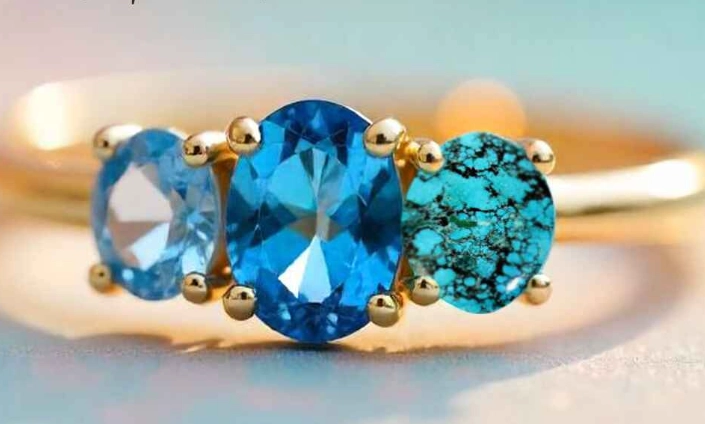
So you're a September baby, or you're shopping for one, and you keep hearing about sapphire. It's everywhere, right? From royal engagement rings to your aunt's favorite pendant. But what exactly makes a sapphire a sapphire? And why is it the chosen gem for September birthdays? Let's dig in, and I'll tell you everything I've learned—the good, the overhyped, and the genuinely fascinating stuff about this stone. I remember the first time I held a good quality sapphire. It wasn't the massive, in-your-face sparkle of a diamond. It was a deep, quiet confidence. A velvety blue that seemed to hold light rather than throw it back at you. That's the September birthstone sapphire for you.
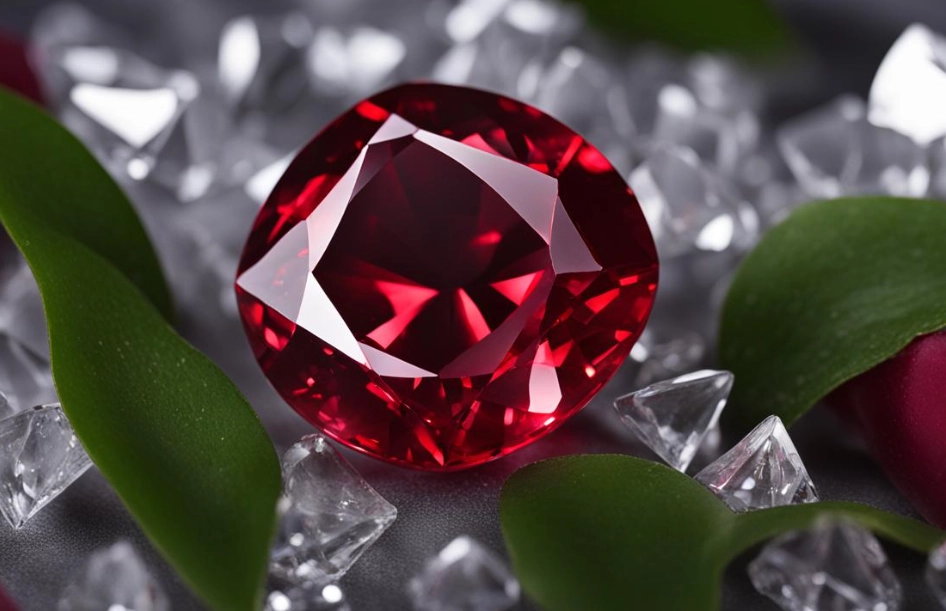
It's more than just a blue gem. That's the first thing to get straight. When people say "sapphire," most minds jump to blue. But that's like saying "fruit" and only thinking of apples. Sapphires come in a rainbow of colors—pink, yellow, green, even a rare orange-pink called padparadscha. The only color a corundum gem (that's the mineral family) can't be to be called a sapphire is red. That one gets its own famous name: ruby. So every September birthstone sapphire has a colorful cousin somewhere.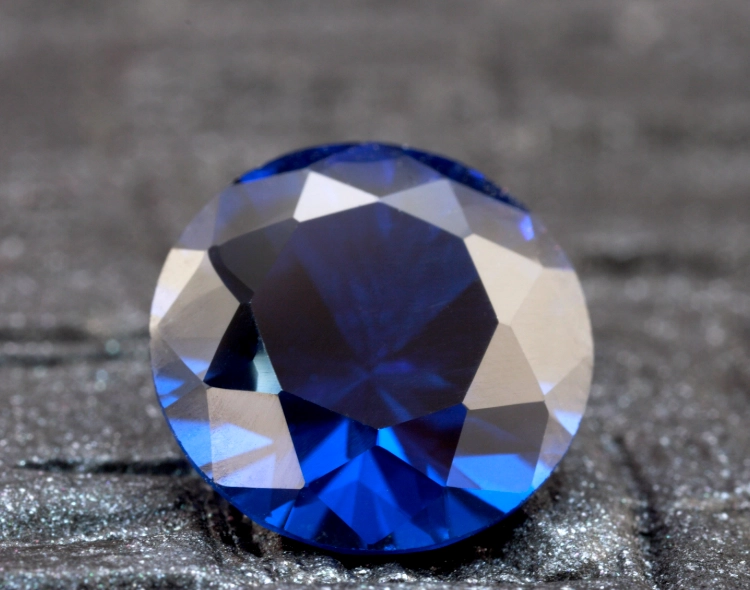
Quick Truth: The September birthstone is specifically the sapphire, which is a variety of the mineral corundum (aluminum oxide). Its iconic blue color primarily comes from traces of iron and titanium. The Gemological Institute of America (GIA) provides the definitive standards for gem identification, and they classify all corundum that isn't red as sapphire. You can explore their detailed resources on sapphire basics here.
Why Sapphire? The Meaning and History Behind the September Birthstone
It wasn't a random pick. Sapphires have been wrapped in symbolism for millennia. Ancient Persians believed the sky was painted blue because it reflected the mass of sapphires that formed the earth's foundation. Royals and clergy in the Middle Ages prized them as symbols of heaven, divine favor, and wisdom. They thought it protected the wearer from envy and harm. Fast forward to modern times, and that symbolism has evolved but stuck. The September birthstone sapphire now represents sincerity, truth, faithfulness, and nobility. It's a stone of focus and mental clarity, which frankly, feels like a good gift for anyone starting a new school year or project in the fall.
I have to be honest, some of the ancient healing claims you read online? Take them with a huge grain of salt. Curing fevers or eye problems? Not based on any science I've seen. But the psychological weight of wearing something with centuries of lore behind it? That's real. Wearing my September birthstone sapphire ring does feel like carrying a piece of history. It's a conversation starter, for sure.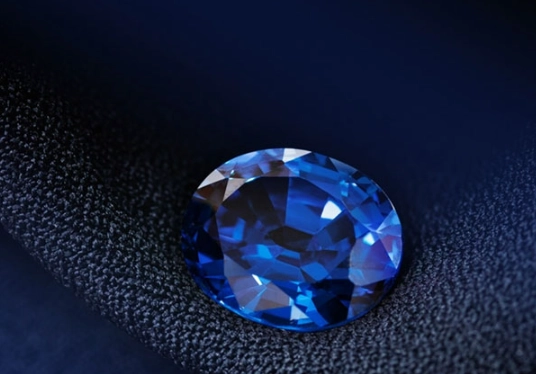
Beyond Blue: The Incredible Color Spectrum of Sapphire
This is where sapphires get really fun. If you think the September birthstone is just a blue rock, you're missing out on a whole world of beauty. The color is determined by trace elements, and the variations are stunning.
Let's break down the most sought-after colors you might find in a September birthstone sapphire.
| Color | What Causes It | What to Look For | My Personal Take |
|---|---|---|---|
| Classic Blue | Iron & Titanium | A rich, velvety cornflower to deep royal blue. Not too dark (looks black) or too light. | The gold standard. Timeless, but can be pricey at top quality. A medium blue is often more vibrant than an inky dark one. |
| Pink Sapphire | Chromium (less than in ruby) | Vivid, saturated pink. Not a pale, washed-out tone. | Massively popular now. A gorgeous, often more affordable alternative to pink diamonds. Feels modern and feminine. |
| Yellow Sapphire | Iron | Bright, sunny yellow. Can range from lemon to golden. | Underrated! It's like carrying a drop of sunshine. Great for cheerful, everyday jewelry. |
| Padparadscha | Complex mix (Chromium & Iron) | A delicate blend of pink and orange, like a lotus blossom or sunset. | The unicorn. Rare and expensive. The color is subtle, not neon. Be wary of sellers overusing this term for any light orange-pink stone. |
| Green Sapphire | Iron | A subtle, greyish or yellowish green. Think sage or olive. | The most "mysterious" look. Doesn't scream "GEMSTONE!" which I kind of love for a unique piece. |
And then there's the star sapphire. These have tiny needle-like inclusions (usually rutile) that reflect light in a six-rayed star pattern when cut into a smooth, dome shape (called a cabochon). A sharp, centered star on a slightly translucent background is the goal. It's magical, but the stone often looks a bit milky or silky in normal light. It's a trade-off between that star effect and crystal clarity.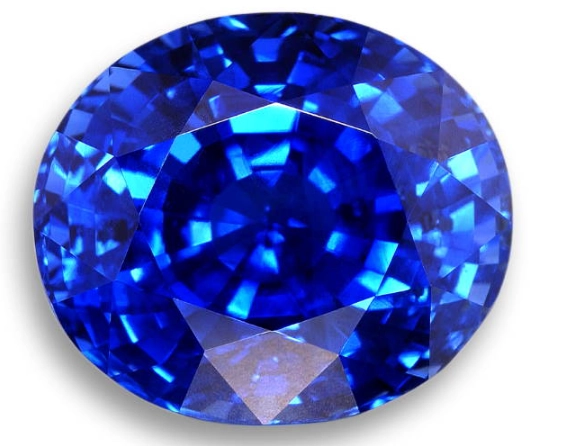
What About "Fancy" and "Parti-Colored" Sapphires?
You might stumble across these terms. "Fancy" just means any sapphire that isn't blue. "Parti-colored" or color-zoned sapphires show two or more distinct colors in one stone—like blue and yellow in separate bands or patches. Some people find them fascinating and unique (I'm one of them), while others prefer a solid, even color. There's no right answer, it's pure personal taste.
I once saw a parti-colored sapphire that shifted from a lavender center to a greenish-blue rim. It was stunning, but the jeweler told me it sat in the case for years because most customers wanted a "pure" color. Their loss, I say. It looked like a tiny, captured galaxy.
How to Buy a September Birthstone Sapphire: A No-Nonsense Guide
This is where it gets real. You're ready to buy. Maybe it's a gift, maybe it's for you. Walking into a store or browsing online can be overwhelming. Let's talk about what actually matters, beyond the sales pitch.
The old mantra for gemstones is the Four Cs: Color, Clarity, Cut, and Carat. For a September birthstone sapphire, the order of importance is a bit different than for a diamond.
Color is King.
It's the single biggest factor driving beauty and value. For blue sapphires, you want a vivid, saturated hue. Not so dark it looks black in indoor light (a common flaw), and not so pale it looks washed out. The most prized tone is a medium, vibrant blue. For fancy colors, saturation is again key—a rich pink or a bright yellow is worth more than a pastel version.
Clarity: Be Realistic.
Sapphires are Type II gemstones, meaning they commonly have inclusions. You will rarely find a completely "eye-clean" sapphire, especially in larger sizes. And you know what? That's often okay. Inclusions can be like a fingerprint, proving the stone is natural. The problems arise when inclusions are so severe they threaten the stone's durability (like large cracks reaching the surface) or drastically reduce its brilliance. A few tiny silk-like threads or crystals inside? Often acceptable and can even create desirable effects (like velvety color diffusion in some Kashmir sapphires). Just make sure nothing major catches your eye immediately.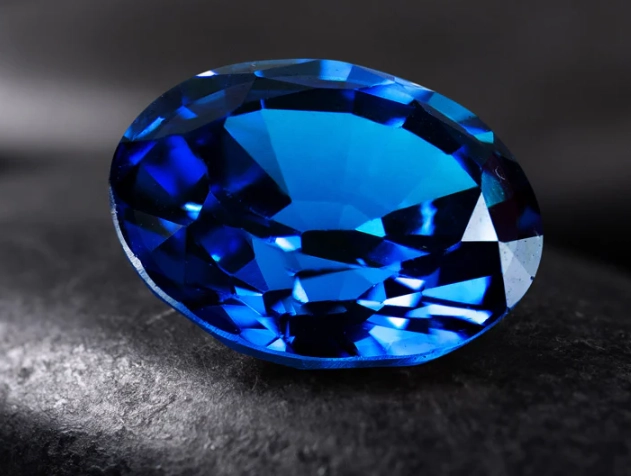
Cut: The Make or Break.
This is the craftsman's contribution. A great cut brings the sapphire to life. It controls how light bounces around inside the stone and back to your eye. A poorly cut stone, even with great color, can look dead, have a "window" (a see-through area where light leaks out), or just look lumpy. Look for symmetrical facets, a stone that looks bright and lively from different angles, and a pleasing overall shape. The cutter's goal is often to preserve the most weight from the rough, which can lead to bad proportions. Don't be afraid to ask, "Is this well cut?"
Carat Weight: Size vs. Quality.
Sapphires are denser than diamonds, so a one-carat sapphire will look slightly smaller in size. Price doesn't increase linearly with size. A two-carat stone of the same quality will cost much more than twice a one-carat stone, because large, fine-quality rough is rarer. My advice? Don't fixate on carat weight. A smaller, stunning stone is always better than a larger, mediocre one.
Hot Tip: Always, always ask for a lab report from a reputable gemological laboratory like GIA or AGL (American Gemological Laboratories) for any significant purchase. This is your guarantee of what the stone is—natural vs. synthetic, if it's been treated, and an objective grade of its qualities. It takes the guesswork out. A seller who hesitates to provide one is a red flag.
The Treatment Talk: Heated vs. Unheated Sapphires
This is a huge topic. The vast majority of sapphires on the market—I'm talking well over 90%—have been heat-treated. This is a traditional, accepted practice that uses high temperatures to improve the stone's color and clarity. It's permanent and stable. A heated September birthstone sapphire is still a real, natural sapphire. It just went through a process to look its best.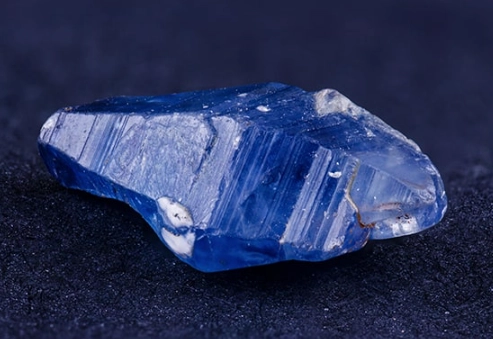
An unheated sapphire is much rarer and commands a significant premium. It's for collectors and those who want the stone exactly as it came from the earth. The question is, can you see the difference? Often, no. And that's okay. For most people buying a beautiful piece of jewelry, a well-heated sapphire is a perfect choice. Just make sure the treatment is disclosed. Other treatments, like fracture filling with glass or lead glass, are more problematic and can affect durability and value. These should be clearly disclosed and usually come at a much lower price point.
Caring for Your September Birthstone Jewelry
Sapphires are tough—a 9 on the Mohs hardness scale, second only to diamond. This makes them fantastic for everyday wear like engagement rings. But "tough" doesn't mean indestructible. They can still chip if hit hard at the right angle, and they can collect dirt and grime that dulls their sparkle.
My simple care routine:
- Cleaning: Warm water, a drop of mild dish soap, and a soft toothbrush. Gently scrub behind the stone where gunk loves to hide. Rinse well. Do this every month or so if you wear it daily.
- Ultrasonic Cleaners: Usually safe for heat-treated sapphires in secure settings. BUT never use one if the stone has fracture fillings (it can destroy them) or significant internal fractures. When in doubt, skip it.
- Storage: Don't just toss it in a jumbled jewelry box. A soft pouch or a compartment in a lined box prevents scratches from other pieces. Remember, sapphire can scratch almost anything else in there!
- Activities: Take it off for heavy lifting, gardening, or gym workouts. It's not about the sapphire scratching, it's about banging the metal setting or hitting the stone at a vulnerable point.
Answering Your Sapphire Questions
Is a sapphire a good choice for an engagement ring?
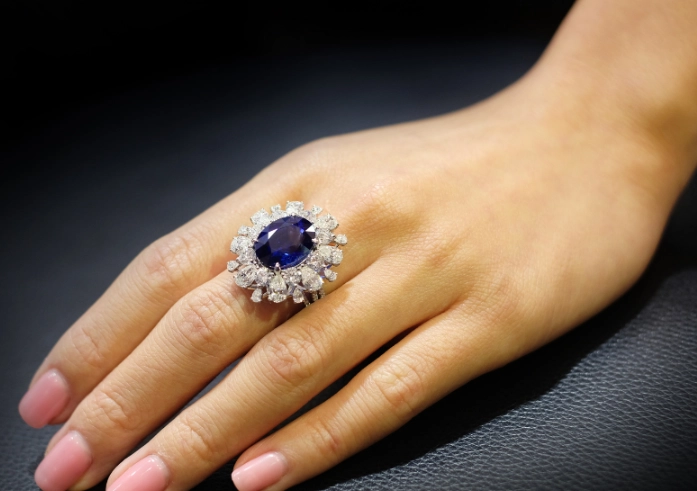
Absolutely. Its hardness makes it durable enough for daily wear. Princess Diana's (and now Kate Middleton's) famous ring proved that. It offers a unique, personal alternative to a diamond. Just ensure it's set securely, especially if it has a more fragile shape like a marquise or pear.
What's the difference between a sapphire and a blue topaz (December's birthstone)?
Worlds apart. Sapphire (corundum) is a 9 on the Mohs scale. Blue topaz is an 8, but that one-point difference is huge in terms of scratch resistance. Topaz is also less dense and has a different kind of brilliance. Sapphire generally has a richer, more subdued glow, while topaz can be very sparkly. Topaz is also almost always treated (irradiated and heated) to achieve its blue color and is far less expensive. Both are beautiful, but a September birthstone sapphire is in a different league of durability and traditional value.
Where do the best sapphires come from?
Location can influence value, but it's not everything. Kashmir (India) produces legendary velvety blue sapphires, but they're antique-market rarities now. Myanmar (Burma) and Sri Lanka (Ceylon) are historic sources of fine stones. Today, Madagascar and Montana (USA) are producing amazing material. A great sapphire is a great sapphire, regardless of origin. A lab report can sometimes determine origin, but it's an added cost and not always definitive.
Can I afford a real sapphire?
Yes, more than you might think. While high-end, unheated, large blue sapphires can reach astronomical prices, there are beautiful options at many levels. Consider a smaller stone, a fancy color like yellow or green (often more affordable than blue), or a stone with slight inclusions in a bezel setting that masks them. Don't dismiss lab-created sapphires either. They are real sapphires in every chemical and physical sense, just grown in a lab. They are flawless, affordable, and an ethical choice. The GIA has a clear explanation of synthetic sapphire creation if you're curious about the process.
Final Thoughts on Choosing Your Stone
At the end of the day, the best September birthstone sapphire for you is the one that makes you stop and stare. The one that holds your gaze. Forget the technicalities for a second. Does it speak to you? Does that deep blue remind you of a night sky, or does that cheerful yellow make you smile?
I made the mistake once of buying a sapphire purely based on a good "deal" and a report. It was technically fine. But the color was a bit cold, a bit greyish. I never loved it. I ended up selling it and waiting until I found a smaller, warmer blue stone that wasn't "perfect" but had so much life. That's the one I wear all the time.
Whether it's a gift for a loved one born in September or a treat for yourself, a sapphire is a connection to the earth, to history, and to personal style. It's a gem that can be both classic and surprisingly unique. Do your homework, ask questions, and trust your eyes. You'll find a piece of September that lasts a lifetime.