Quick Guide to November Topaz
- What Exactly is Topaz, and Why November?
- The Rainbow in a Stone: Topaz Colors Explained
- Meaning, Symbolism, and Lore of the November Birthstone
- Buying Guide: How to Choose Your Perfect November Birthstone Topaz
- Caring for Your Topaz Jewelry: It's Not as Tough as You Think
- Topaz vs. Other Stones: How Does It Stack Up?
- Answering Your Top Questions About November Birthstone Topaz
- Final Thoughts: Embracing the Diversity of Your Stone
So you're a November baby, or maybe you're shopping for one, and you've heard that topaz is the stone to get. But then you start looking, and suddenly you're drowning in questions. Is it always blue? Why are some stones dirt cheap while others cost a fortune? What's the deal with "imperial" topaz? And honestly, is it even a good choice for everyday wear?
Let's be honest, the world of gemstones can feel overwhelming. I remember when I first started learning about birthstones, I assumed all November birthstone topaz was a pale, sky-blue color. I was pretty surprised to find out how wrong I was. The reality is so much more interesting.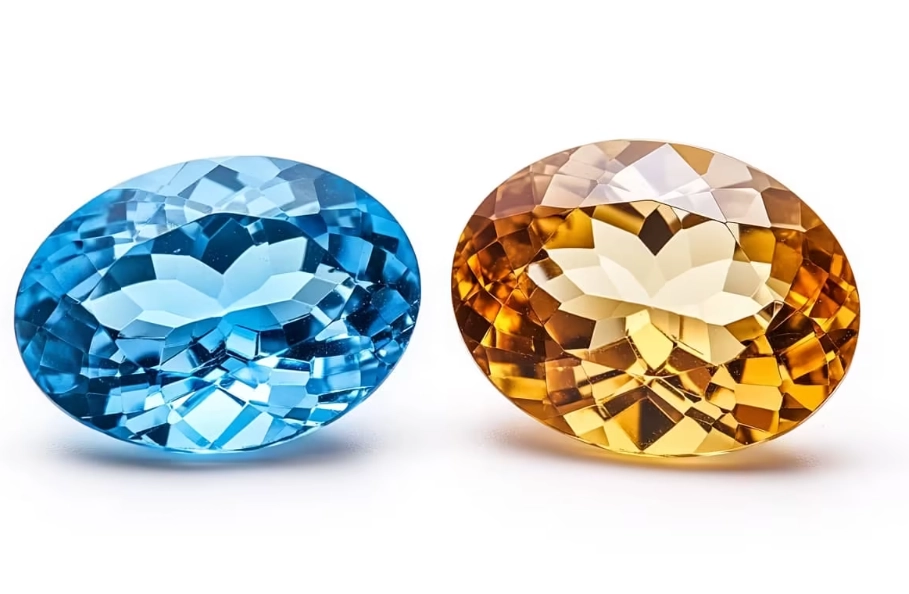
This guide is here to cut through the confusion. We're going to walk through everything you need to know about the November birthstone topaz—not just the basic facts you can find anywhere, but the practical, down-to-earth details that actually help you make a decision. From its fiery history to the nitty-gritty of how to care for it, consider this your one-stop shop.
Quick Takeaway: Topaz isn't a one-trick pony. Its most famous face might be blue, but its soul comes in a stunning spectrum of colors, each with its own story and value. Understanding this range is the first step to finding a piece you'll truly love.
What Exactly is Topaz, and Why November?
Topaz is a silicate mineral of aluminum and fluorine. That's the textbook definition, but it doesn't capture its magic. It forms in massive crystals in pegmatites and vapor cavities in rhyolite lava flows (like the famous deposits in Utah, USA). These crystals can be enormous—we're talking museum-sized specimens weighing hundreds of pounds.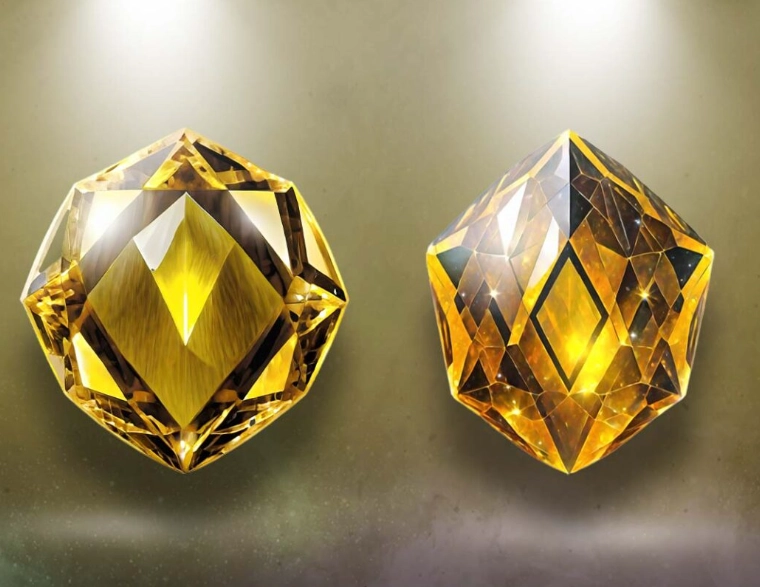
The connection to November is ancient and a bit fuzzy. Many trace it back to the traditional birthstone lists that have been referenced for centuries. Some historians link it to the warm, golden hues of autumn leaves, which mirror the classic sherry tones of the stone. The Gemological Institute of America (GIA) notes that topaz, in its rich orange-yellow form (imperial topaz), was highly prized by Russian czars in the 1800s, adding a layer of royal allure to its November birthstone status.
It's worth mentioning that some lists also cite citrine as a November birthstone. That's a whole other discussion, but for the purpose of this deep dive, we're focusing on the classic and widely recognized November birthstone topaz.
The Rainbow in a Stone: Topaz Colors Explained
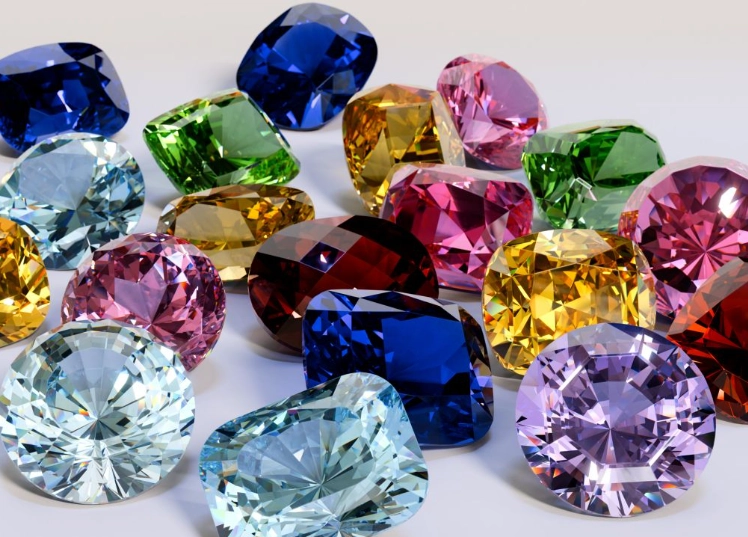
This is where things get fun. If you think topaz is just blue, prepare to have your mind blown. The color palette is incredibly diverse, driven by trace elements and, sometimes, human intervention.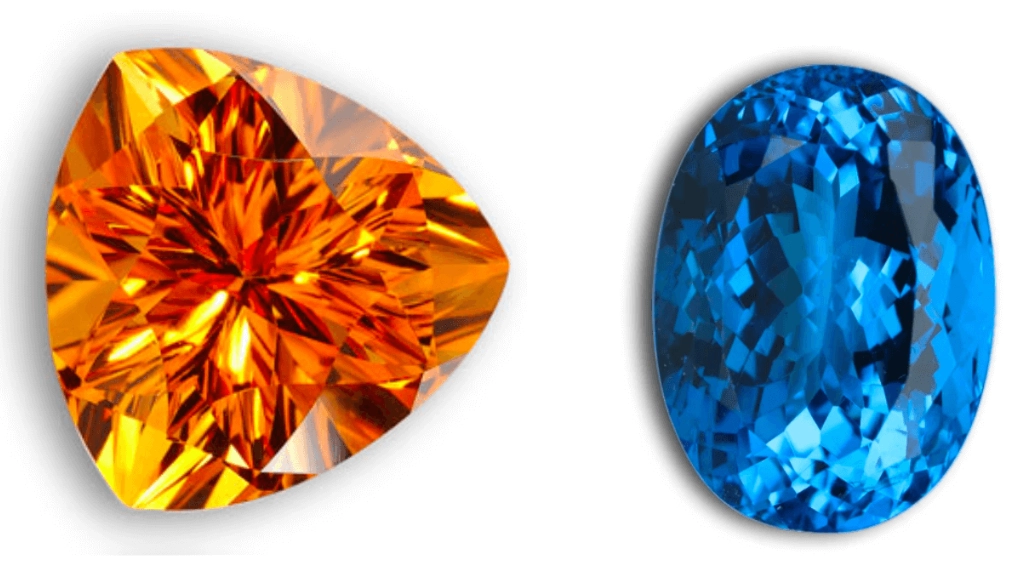
The Natural Color Spectrum
In its pure state, topaz is colorless. The colors come from atomic-level imperfections or trace elements. Here’s the real breakdown:
- Imperial Topaz: The king. This refers to the highly prized, natural shades of orange, pinkish-orange, reddish-orange, or peachy-pink. The color comes from chromium. It's the most valuable form by a long shot, especially stones with a strong, vibrant reddish-orange hue. Finding a good one is like finding a needle in a haystack, and the price reflects that.
- Sherry Topaz: Think warm, yellowish-brown to orangey-brown. The name comes from the color of sherry wine. It's a classic, earthy, and often more affordable natural color.
- Colorless Topaz: Often called "white topaz." It's brilliant and sparkly, sometimes used as a more affordable diamond alternative in fashion jewelry. It's natural and plentiful.
- Pink Topaz: Rare in nature. Most natural pink is a very pale, subtle shade. The vibrant pinks you often see are usually the result of treating colorless or pale sherry stones.
- Blue Topaz: Here's the big one. Natural blue topaz is exceedingly rare and usually a very pale, almost unnoticeable blue. The vivid Swiss Blue, Sky Blue, and London Blue stones that dominate the market are almost always the product of treatment.
See what I mean? The November birthstone topaz has an identity that's way more complex than the jewelry store window might suggest.
The Blue Topaz Phenomenon: Treated vs. Natural
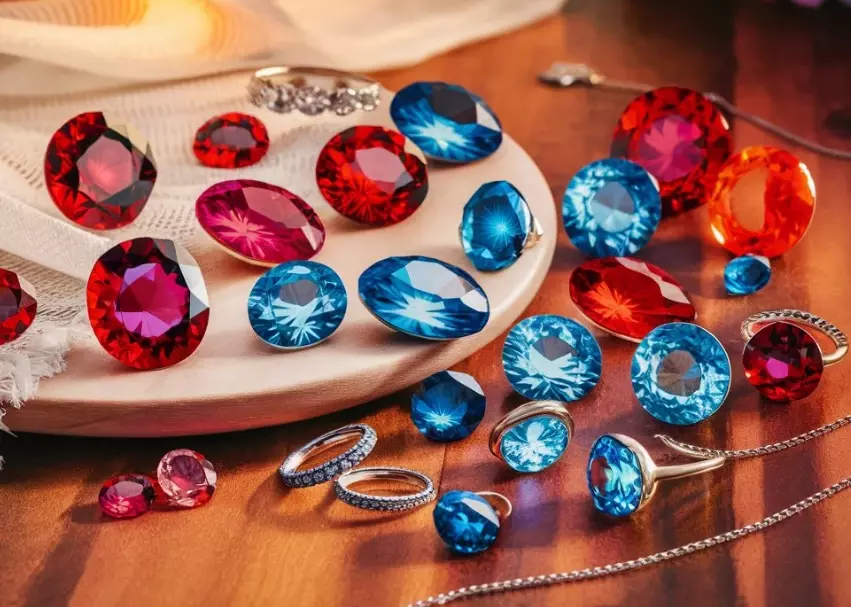
Let's talk about the elephant in the room. Walk into any mall jewelry store, and the November birthstone section will be swimming in blue. Sky Blue, Swiss Blue, London Blue. It's beautiful, consistent, and affordable. But is it natural?
Almost never.
The vast majority of blue topaz on the market is created by irradiating and then heating colorless topaz. This process is permanent, stable, and universally accepted in the trade. But it's important to know what you're buying.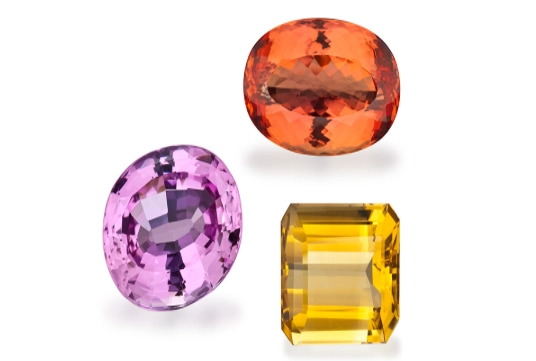
| Type of Blue Topaz | Color Description | How it's Made | Note on Value & Nature |
|---|---|---|---|
| Natural Blue Topaz | Very pale, light blue | Formed with natural trace elements | Extremely rare, higher value for collectors |
| Sky Blue Topaz | Light, pastel sky blue | Treated (irradiated & heated) | Most common treated blue, very affordable |
| Swiss Blue Topaz | Vivid, medium blue | Treated (irradiated & heated) | Popular bright blue, affordable |
| London Blue Topaz | Deep, inky grayish-blue | Treated (irradiated & heated) | Darkest commercial blue, often has greenish tint |
I'm not throwing shade at treated stones—they make the beauty of a blue November birthstone topaz accessible to everyone. But transparency matters. A reputable seller should disclose this treatment. If a deal on a large, deep blue topaz seems too good to be true, it's almost certainly treated (which is fine, as long as you know).
I have a Swiss Blue topaz ring I wear all the time. It's stunning and gets tons of compliments. Knowing it's treated doesn't bother me one bit—the color is consistent and vibrant, which is what I wanted. But when I was shopping for an investment piece, I saved up for a small, natural imperial topaz. Different stones for different purposes.
Meaning, Symbolism, and Lore of the November Birthstone
Beyond the sparkle, why do people connect so deeply with their birthstone? For November babies, topaz carries a suitcase full of symbolism.
Historically, it's been a stone of strength and intelligence. The ancient Greeks believed it made the wearer invisible in times of emergency. Romans associated it with Jupiter, their king of gods, linking it to power and protection. Throughout the Middle Ages in Europe, topaz was thought to break magic spells and calm anger.
In more modern metaphysical circles, the November birthstone topaz is often tied to:
- Emotional Balance: Said to soothe, heal, and re-energize the spirit. The warm hues, in particular, are associated with joy and generosity.
- Focus and Success: Sometimes called a "stone of wisdom," it's believed to aid in concentration and manifesting one's goals.
- Communication: Blue topaz, especially, is linked to clear, honest communication and self-expression.
Take this with a grain of salt, of course. The real meaning is what you assign to it. For many, wearing their November birthstone topaz is simply a connection to their birth month—a personal talisman.
Buying Guide: How to Choose Your Perfect November Birthstone Topaz
Okay, let's get practical. You're ready to buy. What should you look for? The criteria change dramatically depending on the color you choose.
The 4 Cs (Applied to Topaz)
For colored stones, we talk about Color, Clarity, Cut, and Carat Weight, but the emphasis shifts.
- Color: This is king, especially for topaz. For imperial topaz, a vivid reddish-orange command the highest prices. For blue topaz, the depth and evenness of the blue are key. Avoid stones with visible zoning (patches of uneven color).
- Clarity: Topaz is typically a "Type I" gemstone, meaning it's expected to be eye-clean (no inclusions visible to the naked eye). Most commercial topaz, especially blue, is flawless to the eye. If you see obvious inclusions, the price should be much lower.
- Cut: Topaz is often cut in standard shapes (oval, round, cushion) to maximize weight. Look for good symmetry and polish. A well-cut stone will have great brilliance and sparkle, not look dull or watery.
- Carat Weight: Topaz has a high density, so a one-carat topaz will look smaller than a one-carat diamond. Because large crystals are common, big stones aren't as rare as with other gems. Size doesn't exponentially increase price until you get into very large, fine-quality specimens.
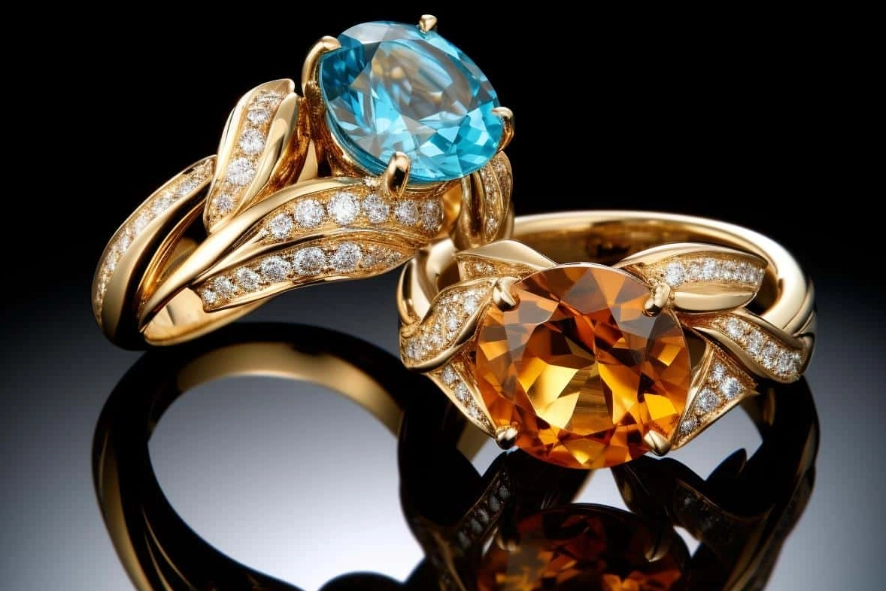
Watch Out for Misnomers: "Smoky Topaz" and "Gold Topaz" are often used to describe quartz (citrine and smoky quartz), not real topaz. It's a common marketing trick. If the price seems low for a large "topaz," double-check. A real topaz will feel noticeably heavier than a same-sized quartz.
Natural vs. Treated: Making Your Choice
This is a personal budget and philosophy decision.
- Choose Natural Imperial/Sherry Topaz if: You want an investment-grade stone, you value natural geological processes, and your budget is higher. You're buying a piece of the earth's history.
- Choose Treated Blue Topaz if: You love a specific, vibrant blue color, you're on a budget, and you want a large, impressive stone for everyday wear. The treatment is stable and safe.
Just ask the question: "Is this stone's color natural or treated?" A good jeweler will tell you straight.
Caring for Your Topaz Jewelry: It's Not as Tough as You Think
Here's a reality check a lot of people miss. Topaz has a hardness of 8 on the Mohs scale, which sounds tough (diamond is 10). But that number is a bit misleading.
The real issue with topaz is cleavage. It has perfect basal cleavage, meaning it has a plane of atomic weakness where it can split cleanly if struck sharply. I learned this the hard way years ago with a topaz pendant that chipped on its edge after a knock against a granite countertop.
So, how do you protect your November birthstone topaz?
- Storage is Key: Never throw it loose in a jewelry box with other pieces. Store it separately in a soft pouch or a compartment in a lined jewelry box.
- Mind the Setting: Bezels or protective settings are safer than prong settings that expose the girdle (the thin edge) of the stone.
- On & Off: Put your topaz ring on last after getting dressed and take it off first when doing chores, gardening, or any manual activity.
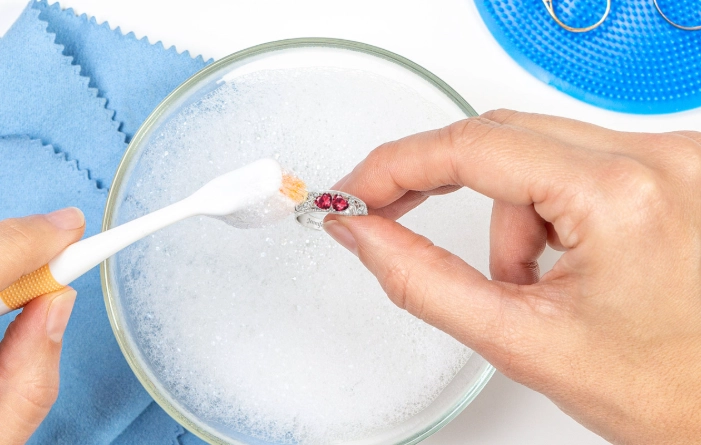
- Cleaning: Warm soapy water, a soft brush, and a rinse is all you need. Avoid steam cleaners and ultrasonic cleaners, especially for treated stones or those with fractures. The sudden temperature changes or vibrations can cause damage.
It's not a fragile flower, but it's not indestructible either. A little common sense goes a long way.
Topaz vs. Other Stones: How Does It Stack Up?
People often ask how the November birthstone topaz compares to stones it resembles.
Topaz vs. Citrine (the other November birthstone): Citrine is quartz (hardness 7), much lighter in weight, and almost always a yellow to orangey-brown color. It's almost always less expensive than natural imperial topaz. If it's very cheap and called "topaz," it's probably citrine.
Blue Topaz vs. Aquamarine: Aquamarine (beryl) is a pastel sea-green blue, often with a cooler tone. It's more expensive than treated blue topaz. Topaz has more fire and can be cut to sparkle more intensely.
White Topaz vs. Diamond/Moissanite: White topaz is much softer (8 vs. 10 for diamond) and will get scratched and dull over time. It lacks the fiery brilliance of diamond or moissanite. It's an affordable option for occasional wear but not a forever substitute.
Answering Your Top Questions About November Birthstone Topaz
Final Thoughts: Embracing the Diversity of Your Stone
The November birthstone topaz is a gem with multiple personalities. It can be the democratic, accessible blue of a department store pendant, or the rare, fiery imperial treasure locked in a collector's vault. Neither is "better"—they serve different purposes and bring different kinds of joy.
My advice? Don't get boxed in by the first blue stone you see. Explore the spectrum. Hold a warm sherry topaz next to a cool London blue. See which one speaks to you. Whether you're drawn to the lore, the look, or the simple connection to your birth month, the perfect November birthstone topaz is out there waiting for you. Just remember the key points: know your colors, understand treatment, prioritize a protective setting, and buy from someone who answers your questions honestly.
Now you're equipped to find more than just a piece of jewelry. You can find your piece of November.