In This Article
- What's in a Name? The Meaning and History of Turquoise
- Under the Microscope: The Hard Facts About Turquoise
- Natural, Stabilized, Treated, or Fake? The Buyer's Minefield
- A World of Blue: Major Sources and Their Characteristics
- How to Buy Turquoise Jewelry Like You Know What You're Doing
- Living With Turquoise: The Essential Care Guide
- Answering Your Turquoise Questions
- Wrapping It Up: Why Turquoise Endures
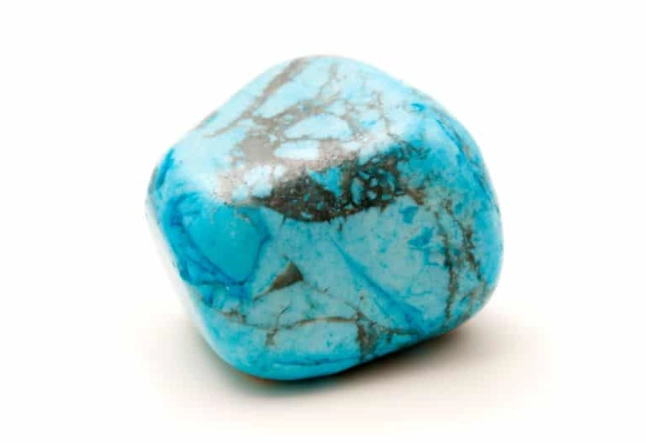
Let's talk about the December birthstone, turquoise. You've probably seen it – that vibrant blue or blue-green stone set in silver jewelry, often with intricate Native American designs. It's everywhere from high-end boutiques to roadside souvenir shops. But here's the thing: most people don't really know much about it beyond its color. I remember buying my first turquoise ring on a trip out west years ago, thinking it was just a cool-looking stone. It wasn't until later, when the color started to look a bit dull, that I realized there was a whole world to this gem I had completely missed.
That's what this guide is for. We're going to dig deep into turquoise, the December birthstone. We'll look past the surface beauty and get into what makes this stone tick, why it's been cherished for thousands of years, and how you can pick a piece that will last. Because let's be honest, not all turquoise is created equal. Some of it is stunningly natural, and some... well, some has been treated and altered so much it barely resembles the original stone. I've made those mistakes so you don't have to.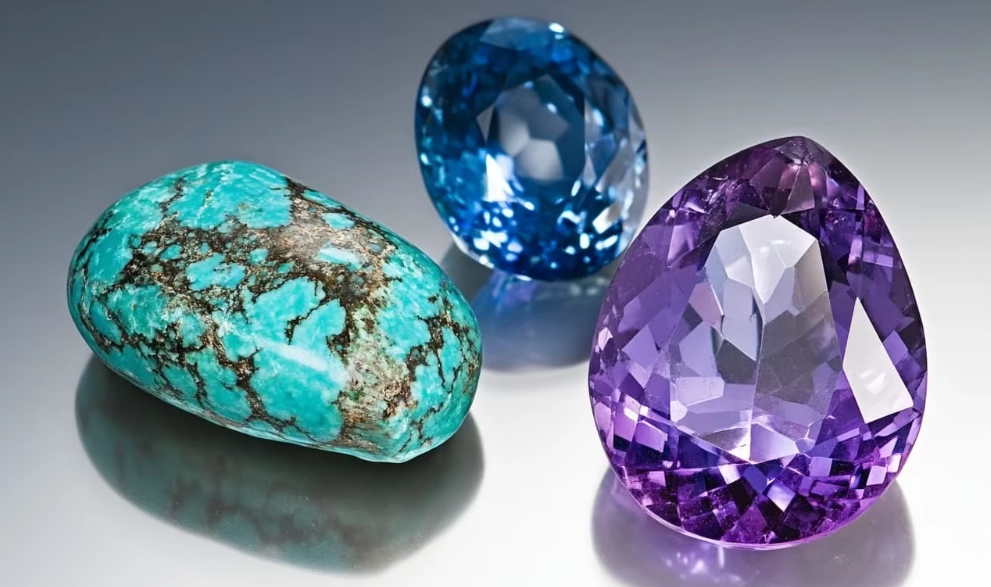
Quick Takeaway: The December birthstone turquoise isn't just a birth month marker. It's a phosphate mineral (copper aluminum phosphate, to be exact) that gets its iconic blue from copper and its green hues from iron. Its value hinges on color, matrix (the web-like patterns), hardness, and – crucially – how much it has been treated or stabilized.
What's in a Name? The Meaning and History of Turquoise
The word "turquoise" comes from the French "pierre turquoise," meaning "Turkish stone." That's a bit misleading, though. The gem didn't come from Turkey. Persian mines were the original source, and the stones traveled through Turkey on their way to Europe, hence the name. It's a classic case of the middleman getting the credit.
But its history goes way, way back. Ancient Egyptians were mining turquoise in the Sinai Peninsula over 6,000 years ago. They used it in elaborate jewelry and inlaid it into burial masks – think King Tut. Across the ocean, pre-Columbian Mesoamericans, like the Aztecs, prized it even more than gold. They called it the stone of the gods and used it in ceremonial mosaics and masks. For the Native American tribes of the Southwest, particularly the Navajo, Zuni, and Hopi, turquoise is a sacred stone, a piece of the sky fallen to earth, woven into their culture, spirituality, and artistry for centuries.
There's a persistent myth that turquoise protects the wearer from harm, even to the point of breaking to absorb negative energy or warn of danger. While I can't vouch for its mystical breaking powers, the depth of this belief across so many cultures is fascinating. It speaks to the stone's perceived power far beyond decoration.
So what does the December birthstone turquoise symbolize? It's a laundry list of good stuff: protection, wisdom, good fortune, and healing. It's considered a master healer stone in many metaphysical circles. For those born in December, it's said to promote serenity, creativity, and clear communication. Whether you buy into the crystal healing aspect or not, you can't deny the positive vibe associated with this stone. Wearing it feels optimistic.
Under the Microscope: The Hard Facts About Turquoise
Let's get technical for a minute, but I'll keep it painless. Knowing a bit of the science helps you understand what you're buying.
Turquoise forms in dry, arid regions when water containing copper and aluminum minerals seeps through rock. Over a long, long time, it deposits and forms veins. This is why the best deposits are in places like the arid Southwest US, Iran, Sinai, and China. It's a relatively soft stone, ranking only 5 to 6 on the Mohs scale of hardness. For comparison, a steel file is about 6.5. This softness is both a blessing and a curse – it makes the stone easy to carve and shape, but also porous and fragile.
That porosity is the big issue. Most turquoise straight from the ground is too soft and chalky to be cut and polished for jewelry. It would crumble or absorb oils and change color rapidly. This leads us to the single most important thing you need to know when buying turquoise: treatments.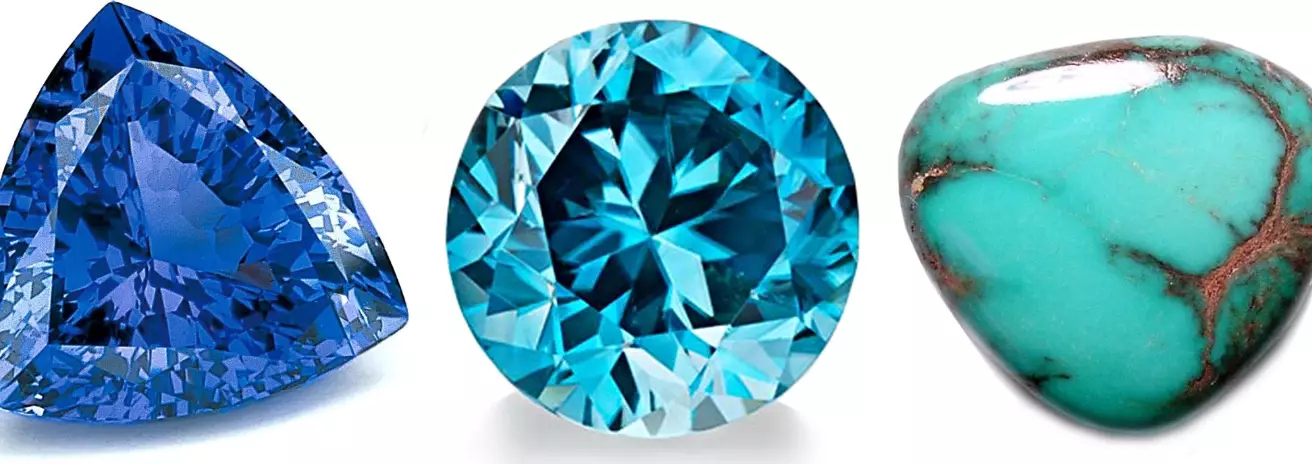
Natural, Stabilized, Treated, or Fake? The Buyer's Minefield
This is where the market gets tricky. You'll hear a lot of terms thrown around.
- Natural Turquoise: This is the holy grail. It's stone that is hard and dense enough right out of the ground to be cut, shaped, and polished with no treatment whatsoever. It's rare and expensive. The color is stable, and it will wear beautifully for generations. Sleeping Beauty turquoise from Arizona is a famous example of often-untreated, natural material.
- Stabilized Turquoise: This is the most common form of quality turquoise in jewelry. The raw, porous stone is infused under pressure with a clear resin (like epoxy or plastic). This hardens it, prevents it from absorbing oils, and locks in the color. A well-done stabilization is permanent and still considered "real" turquoise. Most of the beautiful jewelry you see uses stabilized stone, and there's absolutely nothing wrong with it – it makes the gem durable and wearable.
- Treated or Enhanced Turquoise: This is a step further. Methods include dyeing (to improve color), waxing or oiling (a surface treatment that wears off), and the controversial "reconstitution" where turquoise powder is mixed with resin and pressed into blocks. This last one is often called "block" or "chalk" turquoise and is at the lower end of the spectrum.
- Imitations: Howlite or magnesite dyed blue, synthetic materials, or even plastic made to look like turquoise. These have no turquoise mineral content at all.
My personal rule? I'd rather have a small, beautiful piece of well-stabilized turquoise than a large, cheap piece of dyed howlite. The stabilized stone will retain its beauty; the fake will not.
Watch Out: Be very wary of jewelry described simply as "turquoise" at extremely low prices, especially from non-specialist retailers. It's almost certainly an imitation or heavily treated material. A reputable dealer will disclose the treatment level.
A World of Blue: Major Sources and Their Characteristics
Like wine, turquoise has terroir. Where it's from drastically affects its look. Here's a quick rundown of the big names.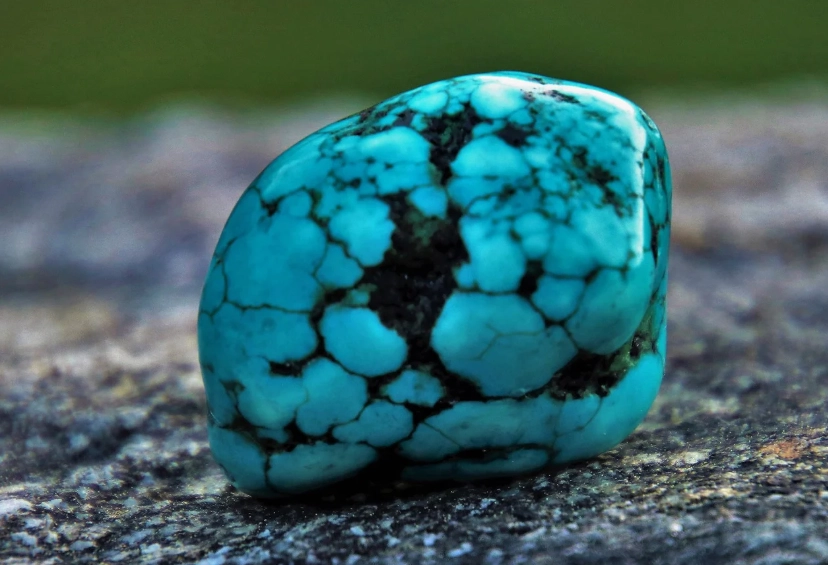
| Source (Mine/Region) | Classic Color | Matrix Pattern | Notes & Reputation |
|---|---|---|---|
| Sleeping Beauty (Arizona, USA) | Consistent, bright "robin's egg" blue | Often none (clean, spiderweb rare) | The classic. Mined out in 2012, so prices for genuine pieces are rising. Often untreated. |
| Kingman (Arizona, USA) | Range from light to dark blue, often with green hues | Bold, black spiderweb matrix common | One of the oldest US mines. Produces a huge variety, much of it stabilized. |
| Lander Blue (Nevada, USA) | Intense, deep blue | Fine, dark spiderweb matrix | The "rolls royce." Extremely rare and valuable. Almost never seen in commercial jewelry. |
| Persian (Iranian) | Intense, medium sky-blue ("robin's egg") | Usually no matrix, or very fine lines | Historically the standard for color. Prized for centuries. New material is scarce. |
| Chinese | Often a lighter, greenish-blue | Can have a distinctive "inked" or detailed matrix | Produces a massive amount of the world's supply. Quality varies wildly. |
| Egyptian (Sinai) | Palette from blue to blue-green | Often a dark, tight matrix | Ancient source. Modern mining is limited, so it's more of a historical collector's item. |
You'll develop an eye for this. For instance, that bright, clean blue with no matrix is almost certainly Sleeping Beauty or a good imitation. The dramatic black spiderweb is a Southwestern US signature. The origin story adds a layer of fascination to the December birthstone turquoise you choose.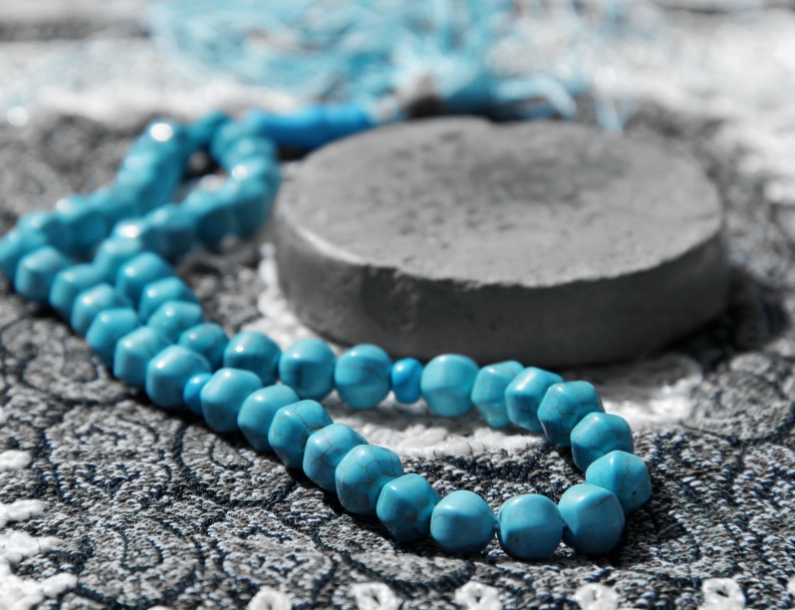
How to Buy Turquoise Jewelry Like You Know What You're Doing
Walking into a store or browsing online can be overwhelming. Let's break down what to look for, beyond just "it's pretty."
First, the Four Cs (adapted for turquoise):
- Color: This is king. The most prized color is an even, intense, medium sky-blue. Greenish-blue is also popular and valuable. Avoid muddy, dull, or overly artificial-looking colors. The color should feel alive.
- Matrix: The web of host rock. This is subjective. Some love a bold, dramatic spiderweb (like from Number Eight mine). Others prefer a clean stone with no matrix. There's no right answer, but the matrix should be integrated and look natural, not painted on. A fine, even spiderweb often increases value.
- Cut & Craftsmanship: Is the stone well-shaped and polished? Is it set securely? For sterling silver settings (the classic pairing), look for substantial weight and good finishing. Is it stamped .925? For heishi beads, they should be uniform.
- Clarity (of information): This is my addition. A trustworthy seller should be able to tell you about the stone's origin (mine/region, if known) and its treatment (natural, stabilized, etc.). If they can't or won't, walk away.
Where to Shop: I'm skeptical of mass-market fashion jewelry sites for serious pieces. You're better off with specialized Native American art galleries (for authentic pieces), reputable gem and jewelry shows, or established online dealers who specialize in turquoise and gemstones. For learning, nothing beats holding stones in your hand at a good gem show.
Price Point Reality Check: A large, natural, untreated Sleeping Beauty cabochon in a heavy silver setting will cost hundreds, if not thousands, of dollars. A small, stabilized Kingman stone in a simple silver pendant might be $50-$150. A string of dyed howlite beads might be $20. You generally get what you pay for. Don't expect natural, high-quality material at bargain-bin prices.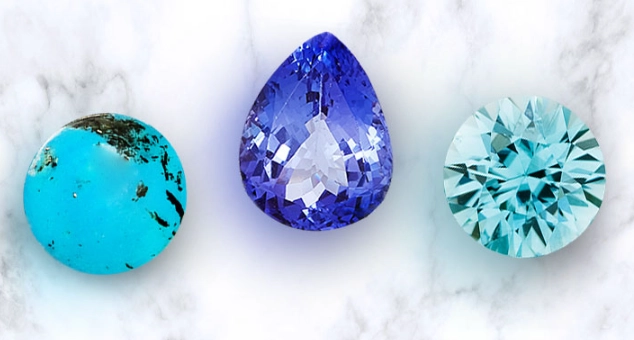
Living With Turquoise: The Essential Care Guide
Here's the part I wish I'd known earlier. Turquoise is delicate. Treat it right, and it will be a lifelong companion. Abuse it, and it will fade, crack, or discolor.
The Golden Rules of Turquoise Care
- Last On, First Off: Put your turquoise jewelry on after applying perfume, hairspray, and cosmetics. Take it off before washing hands, showering, swimming, or doing housework.
- Fear the Chemicals: Turquoise is a phosphate. It hates acids, ammonia, solvents, and even prolonged exposure to skin oils and sweat. Household cleaners are its worst enemy.
- Heat is the Enemy: Never use steam or ultrasonic cleaners. Avoid leaving it in direct sunlight or a hot car for long periods. Heat can dry it out and cause cracking or color change.
- Storage Matters: Store each piece separately in a soft cloth pouch or a jewelry box with compartments. This prevents scratches from harder gems like diamonds or sapphires.
- Cleaning: Gently wipe with a soft, dry, lint-free cloth after wearing. For a deeper clean, use a barely damp cloth and dry immediately and thoroughly. That's it.
I learned the hard way about lotion. A favorite ring of mine now has a slightly darker spot where I must have had residual hand cream. It's not ruined, but it's a lesson etched in stone.
Will the December birthstone turquoise change color over time? It can, especially if it's less stabilized or natural. It might darken or develop a patina. Some people love this, seeing it as the stone absorbing life and experience. Others prefer it pristine. If you want it to stay exactly the same, you need a well-stabilized piece and meticulous care.
Answering Your Turquoise Questions
Wrapping It Up: Why Turquoise Endures
So, after all this, why does the December birthstone turquoise remain so popular? It's not the hardest, not the rarest, and it can be fussy. But I think its appeal is precisely in its character. Its color is the color of sky and water, universally appealing. Its history connects us to ancient kings, Aztec priests, and Navajo silversmiths. No two stones are exactly alike—each has its own map of matrix, its own shade of blue.
Choosing a piece of turquoise is more than just buying jewelry. You're choosing a piece of the earth with a story. You can go for the clean, modern look of a Sleeping Beauty cabochon, or the wild, organic feel of a bold spiderweb Kingman. You can support traditional Native American artists who have perfected its use over generations (look for hallmarks and buy from reputable sources to ensure authenticity).
The key is to be an informed buyer. Appreciate the difference between natural and stabilized. Understand that care is non-negotiable. Start with a smaller, quality piece from a dealer you trust, rather than a flashy, cheap piece that will disappoint you in a year.
For those born in December, or anyone drawn to its unique beauty, turquoise offers a connection to history, art, and the natural world that few other gems can match. It’s a gem that asks for a little knowledge and care in return for a lifetime of beauty. And honestly, that feels like a pretty fair trade.