Quick Navigation
Let's talk about the opal birthstone. If you're an October baby, you've probably gotten the question: "So, is your stone the opal or tourmaline?" It's a bit of a unique situation, October having two official birthstones. But for my money, nothing beats the sheer magic of a good opal. Tourmaline is beautiful, sure, but it doesn't have that play-of-color, that little internal firework display that makes every opal a one-of-a-kind universe.
I remember the first time I held a high-quality black opal. It wasn't mine; a friend was showing off her grandmother's ring. In dim light, it was a dark, mysterious stone. Then she turned it under a lamp, and suddenly there were flashes of electric green, deep red, and brilliant blue swirling inside. It felt alive. That's the hook with the opal birthstone – it's never boring. But (and here's a personal opinion some might disagree with) that beauty comes with a reputation for being delicate, even unlucky in some old tales. We'll get into whether any of that is true.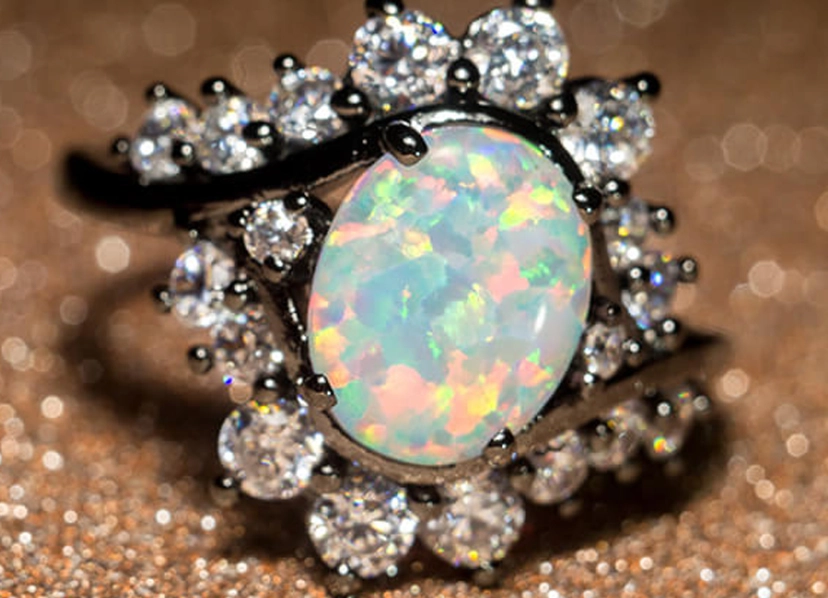
So, what exactly is an opal? At its core, opal is a hydrated form of silica. Think of it as silica gel (like those little packets in shoeboxes) that got compressed and transformed over millions of years. The magic happens because of its structure: tiny silica spheres arranged in a grid. When light hits this grid, it bends and breaks into all the colors of the rainbow. That's the play-of-color. No other gem does it quite like this.
Opal Birthstone Meaning and Symbolism: More Than Just Pretty Colors
Why is the opal birthstone so loaded with meaning? It goes way back. The name itself comes from the Sanskrit "upala," meaning "precious stone." Ancient Romans considered it a symbol of hope and purity. They believed it contained the virtues of all colored stones because it displayed all their colors. That's a pretty powerful endorsement for an October birthstone.
But then you have the other side of the coin. In the 19th century, Sir Walter Scott wrote a novel, Anne of Geierstein, where a heroine's opal talisman lost its fire when touched by holy water, and she died soon after. The book was a hit, and suddenly opals were associated with bad luck and death. Jewelry sales plummeted. Honestly, I think this says more about the power of popular fiction than about the stone itself. Diamond merchants might have even encouraged the myth to sell more clear stones – but that's just my speculation.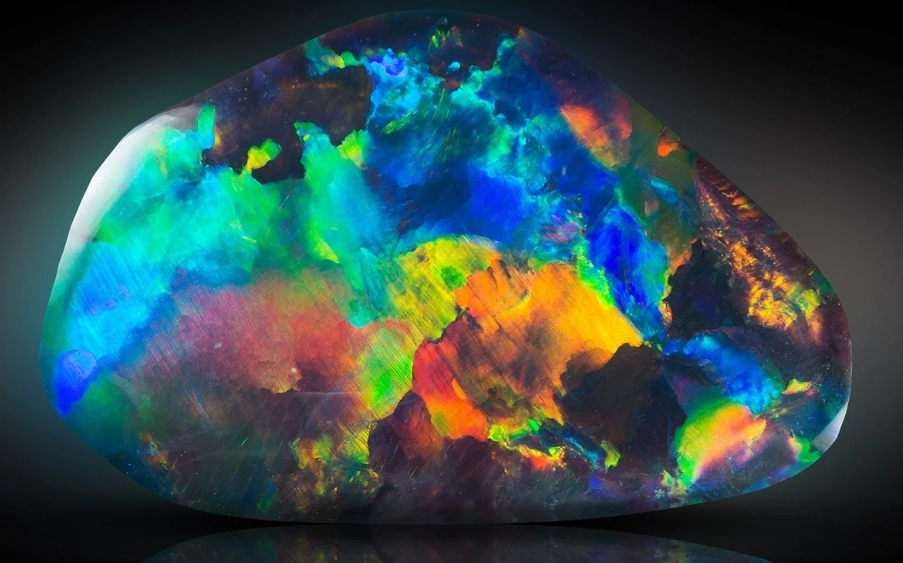
The modern opal birthstone meaning has thankfully swung back to the positive. Today, it's widely seen as a stone of inspiration, imagination, and creativity. It's said to amplify traits, both good and bad, and encourage spontaneity. For an October baby, it can symbolize a dynamic and ever-changing personality. It's also a traditional gift for a 14th wedding anniversary.
"The opal birthstone is like a lens for your inner world. It doesn't create the light; it reveals the spectrum already within." – A sentiment I've heard from several modern jewelers that really stuck with me.
Is it a "lucky" stone? I think that depends on your perspective. If you believe a stone can bring luck, then wearing your birthstone with positive intent is what matters. If you see it as a beautiful heirloom, then its value is in its artistry. The opal forces you to have a relationship with it, to care for it properly. Maybe that attentiveness is a form of luck in itself.
Types of Opal: A Rainbow of Choices
Not all opals are created equal. The opal birthstone family is vast and varied, with value ranging from affordable to "sell-your-car" territory. The main categories are defined by their body color and where they're found.
Precious vs. Common Opal
This is the first big split. Precious Opal shows that famous play-of-color. Common Opal (or "potch") does not; it has a single, milky or waxy color. Common opal can be lovely and is often used in carvings or beads, but when people talk about an opal birthstone ring, they're almost always thinking of precious opal.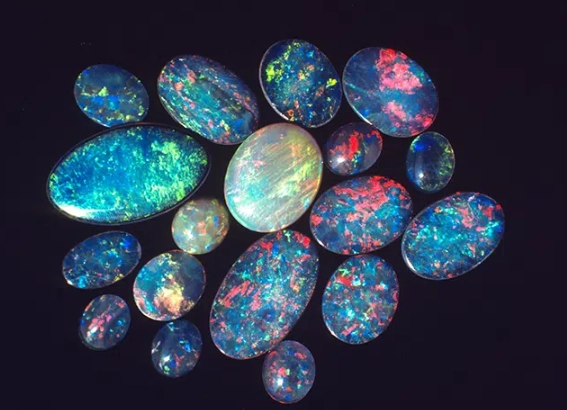
The Major Opal Birthstone Varieties
Here’s where it gets interesting. The body color—the background upon which the play-of-color dances—defines the main types.
| Type | Body Color | Key Source | What Makes It Special | My Take |
|---|---|---|---|---|
| White Opal | White, milky, or light gray. | Australia (mainly Coober Pedy). | The most common and accessible precious opal. Play-of-color shows up softly against the light background. | The classic starter opal birthstone. Beautiful, but the colors can sometimes feel a bit pastel compared to darker stones. |
| Black Opal | Dark gray to jet black. | Australia (Lightning Ridge is famous). | The most valuable and sought-after. The dark background makes the play-of-color incredibly vivid and dramatic. | This is the showstopper. The colors pop like neon. It's breathtaking, but the price tag is too. Handle with extreme care. |
| Boulder Opal | Opal veins in ironstone rock. | Australia (Queensland). | Cut with the host rock attached, creating natural, rugged-looking pieces. Often has stunning flashes of color. | My personal favorite for jewelry. The ironstone backing makes it more durable than a solid opal, and the organic look is unique. |
| Crystal Opal | Transparent to semi-transparent. | Various, including Australia and Ethiopia. | The play-of-color is visible through the clear body. Can be on light or dark backgrounds. | Like looking into a colorful pond. Ethiopian crystal opal can be stunning but is often more porous and requires special care. |
| Fire Opal | Yellow, orange, to red. | Primarily Mexico. | Often transparent. May or may not have play-of-color. Valued for its warm, fiery body color. | A fantastic, vibrant alternative. A Mexican fire opal with good play-of-color is a real treasure. It feels like capturing sunset in a stone. |
You'll also hear about Ethiopian Welo opal (often crystal opal with stunning patterns, but can be hydrophane—meaning it absorbs water—which changes its care needs), Peruvian blue opal (usually common opal, no play-of-color, but a serene sky-blue color), and more. The Gemological Institute of America (GIA) opal guide is an incredible resource for deep dives into these varieties. It's my go-to for verifying information.
So, which opal birthstone is best? There's no single answer. It depends on your budget, your style, and how you plan to wear it.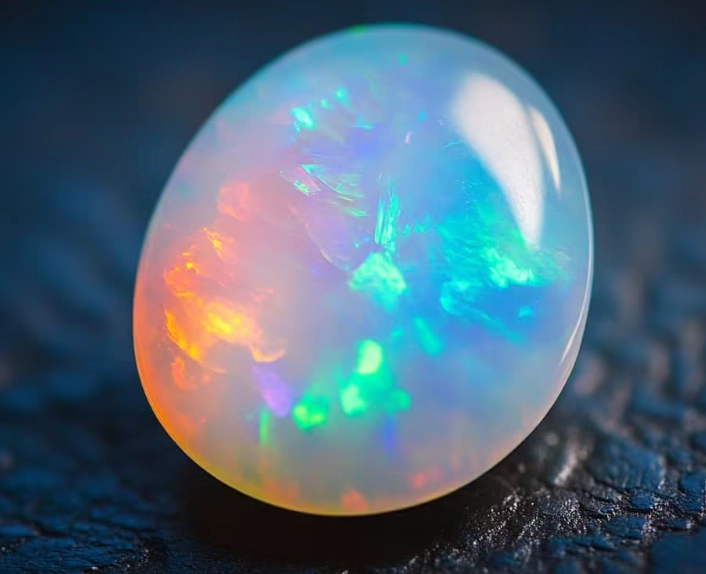
Caring for Your Opal Birthstone: It's Not That Scary, I Promise
Here's the big worry for many people: opals are fragile. Let's be real, they're not as tough as a diamond or sapphire. They rank about 5.5 to 6.5 on the Mohs scale of hardness. That means they can be scratched by common dust (which contains quartz, a 7). They also contain water (typically 3-10% by weight), so they don't like extreme dryness or sudden temperature changes.
But does that mean you shouldn't buy an opal birthstone? Absolutely not. It just means you need to know the rules. Think of it like owning a beautiful silk shirt instead of a denim jacket. You wear it differently.
Your Opal Care Checklist: The Dos
- Clean gently: Use only a soft, damp cloth. Mild soap is okay, but rinse well. Dry immediately.
- Store smartly: Keep it in a soft pouch, away from other jewelry that could scratch it. Some people store them with a damp cotton ball in a sealed bag to prevent drying out, but that's more critical for very old or already-crazed opals.
- Wear it often! Seriously. The natural oils from your skin and the ambient moisture in the air are good for it. An opal birthstone ring tucked away in a vault is a sad opal.
- Take it off for heavy chores, gardening, gym workouts, or swimming (chlorine and salt water are bad news).
What to Avoid: The Big No-Nos
- Ultrasonic cleaners: These vibration-based cleaners can shatter an opal. Never, ever use one.
- Steam cleaners: The heat and sudden temperature change can cause cracking.
- Harsh chemicals: Hairspray, perfume, cleaning products – put your jewelry on last when getting ready.
- Extreme temperatures: Don't leave it on a sunny windowsill or in a freezing car.
- Prolonged soaking: While a quick rinse is fine, don't let it sit in water. Especially for Ethiopian hydrophane opals, which can absorb water and become temporarily cloudy.
I learned the hard way about temperature. I left a pendant on a car dashboard on a hot summer day. The opal developed a tiny crack, or "craze." It's still beautiful, but it's a permanent reminder to be more careful. That's the thing with an opal birthstone – it teaches you mindfulness.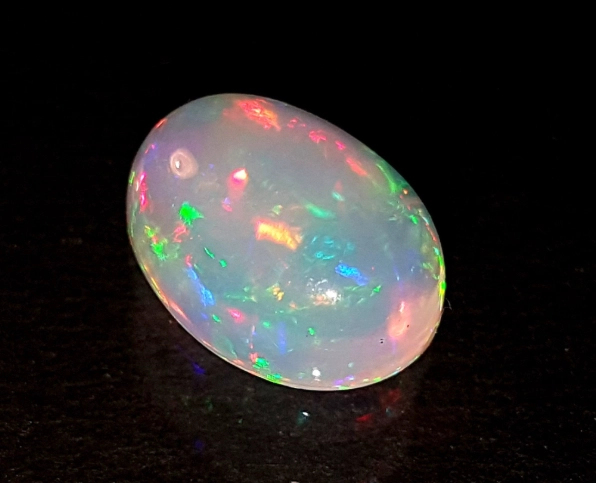
Buying an Opal Birthstone: What to Look For
You're convinced. You want an opal. Walking into a store or browsing online can be overwhelming. Here’s what jewelers evaluate, which you can use too.
Play-of-Color: This is king. Look for brightness, the range of colors (red is rarest, then orange, green, blue), and the pattern. Do the colors flash and move as you turn the stone? Harlequin (large, angular patches) and pinfire (small, dense dots) are prized patterns.
Body Tone: As the table showed, darker body tones generally mean higher value because the colors contrast more. Black opal is top of the pyramid.
Clarity & Transparency: For crystal opal, the clearer the better. For others, you don't want a lot of obvious sand or potch inclusions that block the color.
Cut: Opals are often cut in freeform shapes ("cabochons") to maximize the color play. A good cut should be symmetrical and have a nice dome without being too flat or too bulbous.
Carat Weight: Opal is sold by carat, but size isn't everything. A smaller stone with incredible fire can be worth more than a large, dull one.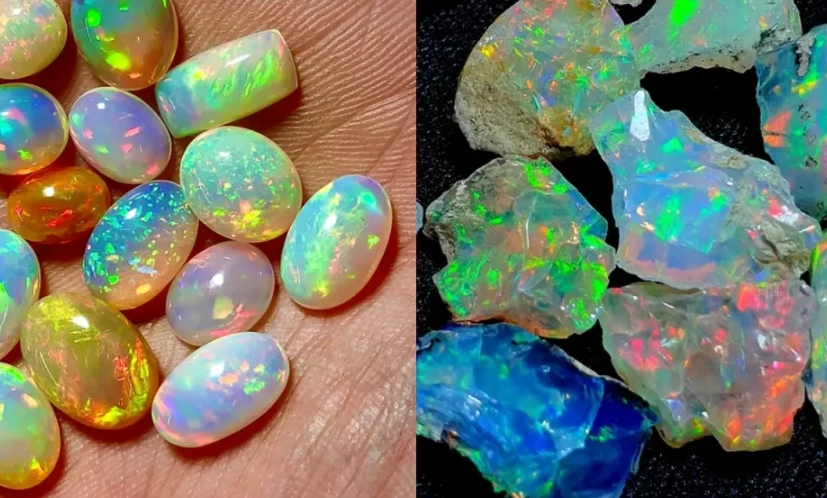
A trusted jeweler once told me, "Don't buy the opal birthstone you think you should afford. Buy the one you can't stop looking at." The emotional connection matters most.
Always ask if the opal has been treated. Many are. Smoking can darken the body tone of a light opal. Sugar-acid treatment does something similar. Impregnation with oil or resin can stabilize a fragile stone. These treatments aren't necessarily bad—they can make an opal more durable or beautiful—but you have a right to know. A reputable seller will disclose this. The FTC Jewelry Guides mandate clear disclosure of treatments, which is a good baseline for knowing your rights.
Opal Birthstone Jewelry: Settings and Styles
How you set an opal is crucial for its longevity. That delicate opal birthstone needs a protective setting.
Bezel Setting: A metal rim wraps completely around the stone's edge. This is the best setting for an opal ring or bracelet, as it protects the vulnerable edges from knocks and lifts it off the skin slightly.
Prong Setting: Metal claws hold the stone. Can be beautiful but offers less edge protection. Only consider this for pendants or earrings that will see less impact.
Halo Setting: A bezel or prong-set opal surrounded by a circle of tiny diamonds or other gems. The halo adds a layer of physical protection and makes the center stone pop.
For an opal birthstone ring intended for daily wear, I cannot stress a bezel setting enough. It might hide a tiny bit of the edge, but it prevents heartbreak. For a pendant, you have more flexibility. Earrings are also a great choice, as they face minimal risk of impact.
What about metal? White gold or platinum makes the colors in a white or crystal opal stand out. Yellow or rose gold creates a beautiful, warm contrast with black or boulder opal. It's all about personal taste.
Answering Your Opal Birthstone Questions
Is opal the only birthstone for October?
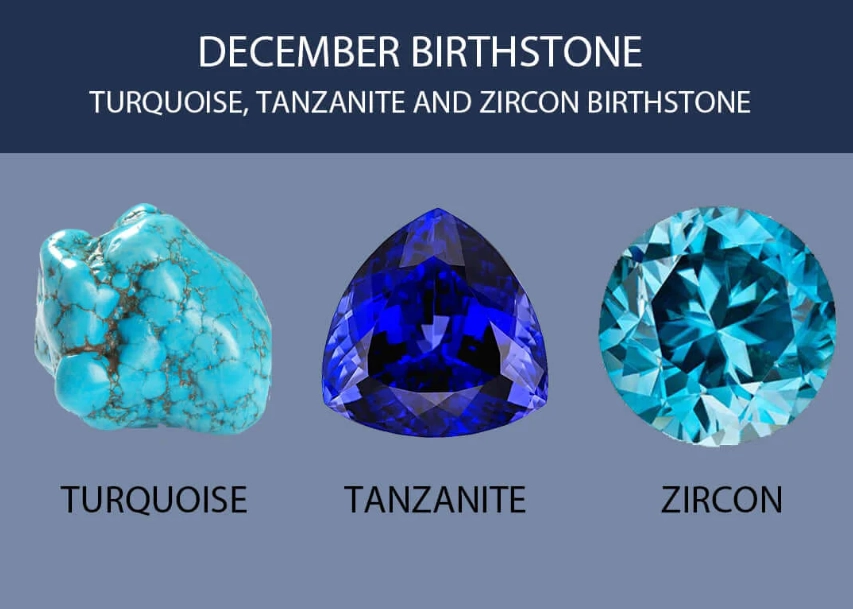
No. In 1952, the jewelry industry added tourmaline as an alternative October birthstone. Why? Some say to offer a more durable option. Others say because opal's "bad luck" myth hurt sales. I think it's nice to have choices. Tourmaline comes in every color, so if you love pink, get a pink tourmaline. But if you want that unique, shifting light, the opal birthstone is your only option.
Are opals too delicate for an engagement ring?
This is a hot topic. Conventional wisdom says no. An engagement ring is worn every day, through all kinds of activities, and opal is soft. I've seen vintage opal engagement rings that have lasted decades, but they were likely worn with immense care. If your partner is very active, hard on their hands, or wants a "set it and forget it" ring, opal is a risky choice. But if they understand and accept the care requirements, and you choose a protective setting (bezel!) for the stone, it can be a breathtakingly unique symbol of love. Just get it insured.
Why does my opal look cloudy sometimes?
This usually points to dehydration. Opals love a bit of moisture. Dry air (like in heated homes during winter or desert climates) can suck the water out, causing them to look cloudy or even develop tiny cracks. Sometimes, just wearing it against your skin for a few days brings back the luster. For a seriously dry opal, some jewelers recommend the "damp cotton wool in a sealed bag" trick for a few days. For Ethiopian hydrophane opals, cloudiness often means they've absorbed something (water, lotion) and need to dry out slowly.
How can I tell if my opal birthstone is real?
Most genuine opals have a few giveaways. The play-of-color appears in patches and flashes, not as uniform sheets of color. Look closely at the side; real opal is solid, while a doublet or triplet (a thin slice of opal glued to a black backing or capped with quartz) will have a visible glue line. If it's sold as a solid black opal but is surprisingly cheap, be suspicious. Synthetic opals exist and can be very convincing, but their color pattern is often too perfect and orderly, like a reptile skin. When in doubt, get an appraisal from a certified gemologist. The USGS Mineral Resources Program provides fascinating context on natural opal formation, which underscores why true, high-quality opal is a geological marvel.
What's the best way to wear an opal birthstone?
With joy and a little bit of caution. Don't let the care instructions paralyze you. The opal birthstone is meant to be seen. Wear your opal ring out to dinner, to the office. Wear the pendant every day. Just develop the habit of taking it off for the rough stuff. Think of it as part of your routine, like taking off your shoes when you come home.
And there you have it.
The opal birthstone isn't just a gem; it's an experience. It's a little piece of geological magic that demands your attention and rewards it with a display unlike any other. For October babies, it's a birthright of color and mystery. Yes, it needs a gentle hand. But so do many beautiful things. If you're willing to partner with its quirks, an opal will be a companion of endless fascination, a personal kaleidoscope that never shows the same pattern twice. That, to me, is worth a little extra care.