In This Guide
- So, What Exactly Is Blue Topaz?
- Why Blue Topaz is a December Birthstone
- The Meaning and Symbolism Behind the Blue Hue
- Navigating the Shades: Sky, Swiss, and London Blue
- What Makes a High-Quality Blue Topaz Birthstone? (The 4 Cs, Adapted)
- How to Buy Blue Topaz Jewelry Without Regrets
- Caring for Your Blue Topaz Birthstone
- Blue Topaz vs. The Other Blue Stones
- Answering Your Burning Questions
- Final Thoughts: Is the Blue Topaz Birthstone Right for You?
Let's talk about the blue topaz birthstone. You've probably seen it everywhere – in mall jewelry stores, online shops, maybe even on your friend's December birthday ring. It's that stunning, clear blue stone that often makes people stop and look twice. But here's the thing: there's a lot more to this gem than meets the eye. I remember walking into a jewelry store years ago, completely captivated by a radiant blue topaz pendant. The salesperson went on about it being a December birthstone, but when I asked where the color came from, the answer was... vague. That experience sent me down a rabbit hole, and what I learned completely changed how I see this popular gem.
Is it just an affordable alternative to aquamarine or sapphire? Is the color even real? And what does wearing a blue topaz birthstone actually mean? If you're a December baby shopping for your birthstone, or someone considering a piece of blue topaz jewelry, you're in the right place. We're going to strip away the marketing fluff and look at the real deal – the good, the not-so-good, and everything in between.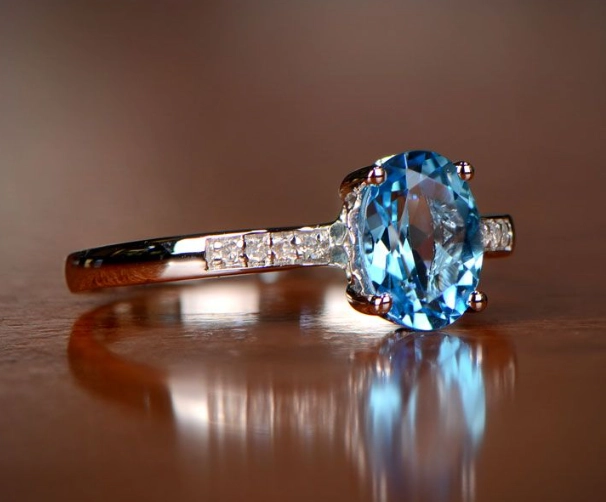
So, What Exactly Is Blue Topaz?
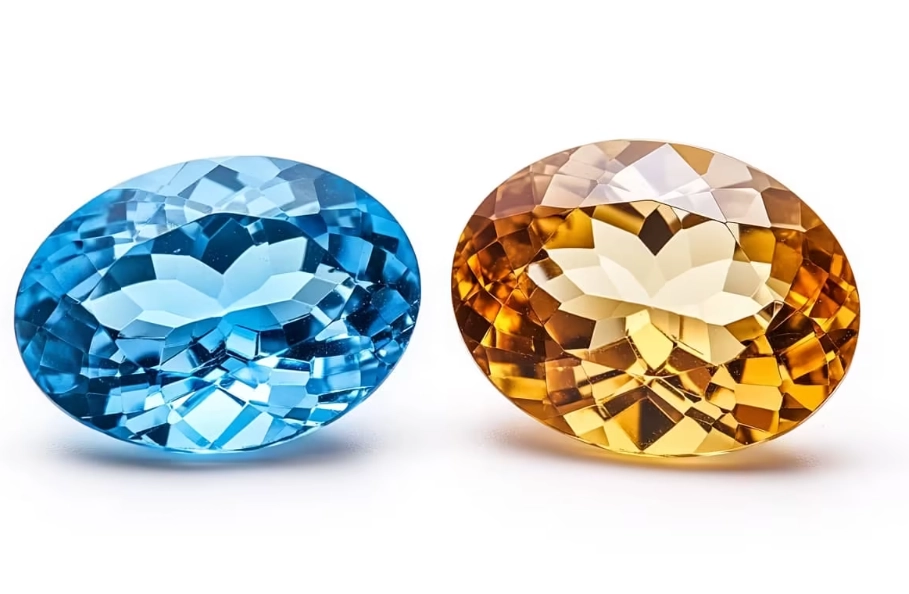
First, the basics. Topaz itself is a silicate mineral. In its pure, natural state, it's actually colorless. The famous blues, from a soft sky hue to a deep London blue, are almost always the result of treatment. Now, before you get disappointed, hear me out. This treatment (usually irradiation followed by heating) is permanent, stable, and widely accepted in the gem trade. It's not a “fake” – it's a process that unlocks a color the stone has the potential to show. The resulting blue topaz birthstone is what fills jewelry cases around the world.
It's hard, rating an 8 on the Mohs scale of hardness (diamond is a 10). This makes it durable enough for everyday wear in rings and bracelets, which is a huge plus. But don't get careless – it can still chip or crack if you whack it against a granite countertop.
Here's a key point a lot of articles gloss over: Natural, untreated blue topaz does exist, but it's incredibly rare and usually a pale, faint blue. If you see a vibrant Swiss or London blue topaz being sold as “all-natural” at an affordable price, that's a major red flag. The Gemological Institute of America (GIA) has extensive resources on gemstone treatments, and they note that treated blue topaz is the standard in the market. It's perfectly legitimate, but you should know what you're buying.
Why Blue Topaz is a December Birthstone
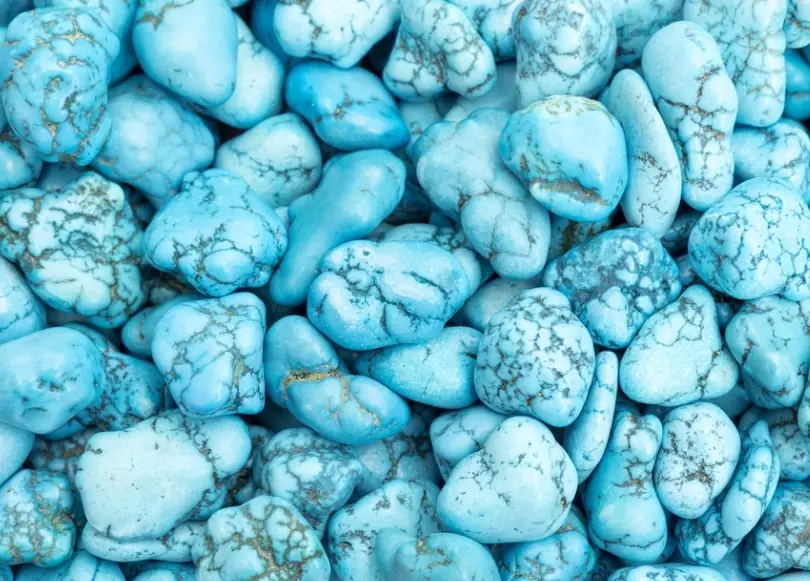
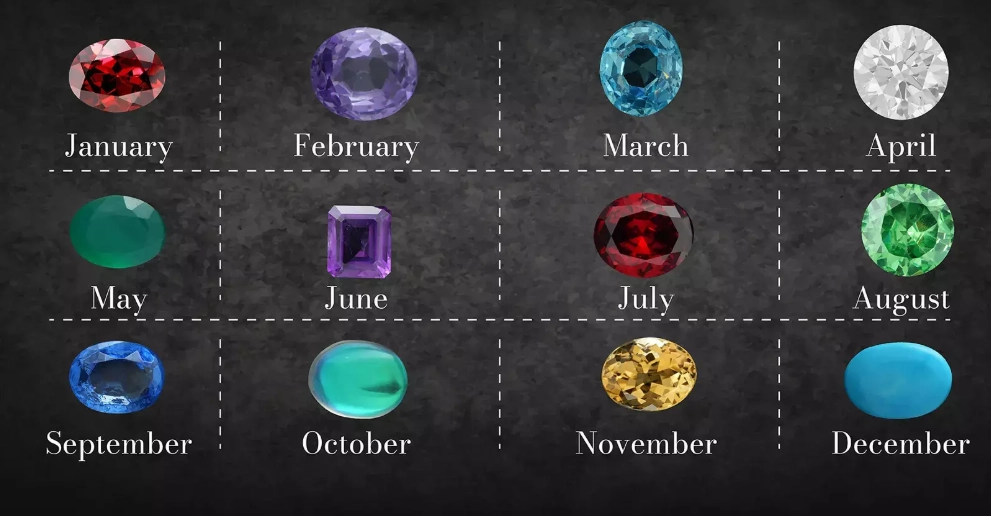
This is where history and modern marketing collide. Traditionally, the primary birthstone for December was turquoise (with lapis lazuli and zircon also having historical ties). Blue topaz, as we know it today, is a more modern addition. The American National Association of Jewelers (now Jewelers of America) standardized the modern birthstone list in 1912, and blue topaz was officially added as a December option later in the 20th century, gaining massive popularity due to its beauty, durability, and affordability.
So, while it might not have the ancient pedigree of turquoise, the blue topaz birthstone has firmly cemented its place for December birthdays. Its cool blue hue is often associated with winter skies and icy clarity, which feels fitting for the month.
The Meaning and Symbolism Behind the Blue Hue
This is the stuff I find really fascinating. Why do we attach meaning to stones? For the blue topaz birthstone, the symbolism is all about the color blue.
Across cultures, blue is the color of calm, communication, and truth. Wearing a blue topaz is often said to promote feelings of peace, relieve stress, and aid in clear self-expression. It's linked to the throat chakra, which governs communication. Some believe it can help you speak your truth with clarity and confidence. Now, I'm not here to tell you it has magical powers – but I will say there's a psychological effect. Choosing a piece of jewelry with intention, knowing it represents calm and honest communication, can be a powerful personal reminder. My friend Sarah swears by her blue topaz birthstone necklace for important work meetings, not because of magic, but because it reminds her to stay poised and articulate.
It's also historically been a stone of loyalty, fidelity, and love. In ancient times, it was thought to cool anger and break spells. Today, that translates into a popular gift for 4th and 19th wedding anniversaries, symbolizing enduring love and trust. Whether you buy into the lore or not, the stories add a layer of depth to the jewelry.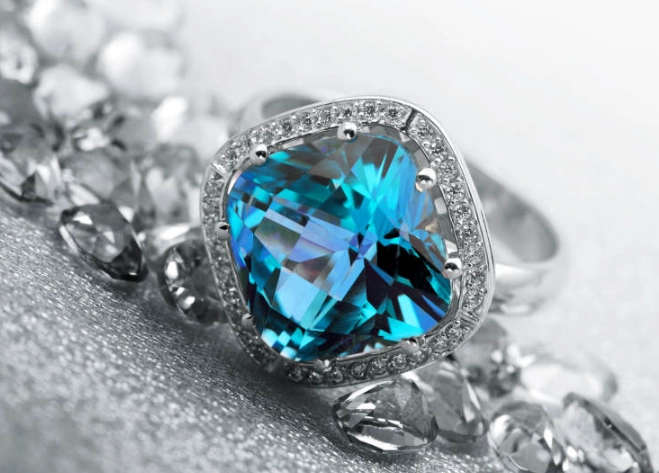
Navigating the Shades: Sky, Swiss, and London Blue
Not all blue topaz is created equal. The color intensity is the primary driver of value and appeal. Here’s the breakdown you need to know before you buy.
| Color Name | Description | Intensity & Tone | Personal Take |
|---|---|---|---|
| Sky Blue Topaz | A very light, pastel blue. The faintest commercial shade. | Light tone, low saturation. Often the most “natural” looking of the treated blues. | Delicate and subtle. Perfect if you dislike bold jewelry. Can sometimes look almost colorless in certain lights. |
| Swiss Blue Topaz | A vibrant, medium electric blue. The most commonly recognized shade. | Medium tone, high saturation. A vivid, attention-grabbing blue. | This is the “classic” blue topaz birthstone color. It's bright and cheerful but can look a tad artificial to some eyes (mine included). |
| London Blue Topaz | A deep, inky steely-blue, often with slight greenish or grayish undertones. | Dark tone, high saturation. The most intense color. | My personal favorite. It looks richer, more sophisticated, and less “bright” than Swiss Blue. It often gets mistaken for a fine aquamarine or even a sapphire. |
The choice here is 100% personal. Do you want a whisper or a statement?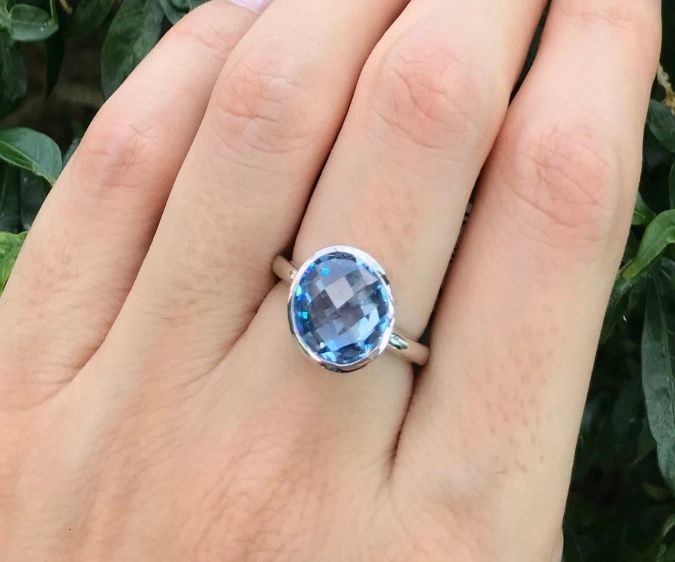
What Makes a High-Quality Blue Topaz Birthstone? (The 4 Cs, Adapted)
We borrow the diamond grading framework here, but with a gemstone twist.
Color: The King
For blue topaz, color is everything. As the table shows, the depth and saturation define the shade. Generally, within each category (Swiss, London), a more evenly distributed, vivid color is better. Look for stones without obvious zoning (patches of lighter or darker color). London Blue typically commands the highest price per carat, followed by Swiss, then Sky.
Clarity: Eye-Clean is the Goal
Topaz forms in a way that usually results in high clarity. You should expect your blue topaz birthstone to be “eye-clean” – meaning no visible inclusions to the naked eye. If you see obvious flaws, bubbles, or cracks, walk away. It's one of this gem's great advantages; you get fantastic clarity without a sky-high price.
Cut: Where the Magic Happens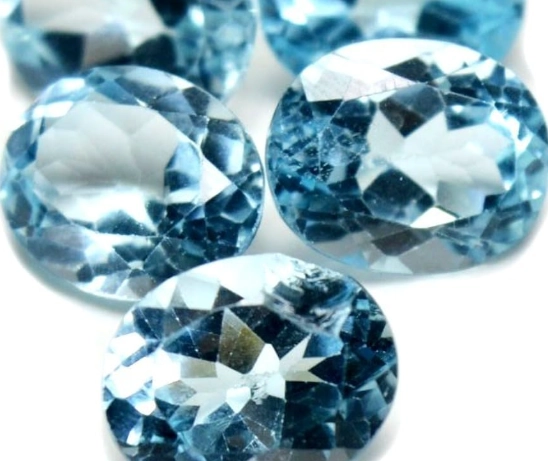
A good cut is non-negotiable. It's not just about the shape (oval, round, cushion, etc.), but the proportions and symmetry. A well-cut stone will bounce light around brilliantly, making the color come alive. A poor cut will leave it looking flat, dark, or glassy. This is where cheap jewelry often cuts corners (pun intended). A poorly cut 5-carat stone can look worse than a beautifully cut 1-carat one.
Carat Weight: Size vs. Quality
Here's the fun part: blue topaz is often available in large sizes for a relatively low cost. You can get a statement 10-carat stone without bankrupting yourself. But bigger isn't always better. A massive, poorly colored or cut stone just looks like a big piece of blue glass. I'd rather have a modest-sized London blue with fantastic color and sparkle than a giant, watery Swiss blue any day.
A word on “Mystic Topaz” or “Rainbow Topaz”: You might see topaz with a crazy rainbow oil-slick sheen. This is a color-treated topaz (often colorless) with a special coating applied to the surface. It's a fun fashion piece, but that coating can wear off over time and with exposure to chemicals. It is not a traditional blue topaz birthstone and requires very gentle care.
How to Buy Blue Topaz Jewelry Without Regrets
Okay, let's get practical. You're ready to buy. How do you navigate the options?
First, set a realistic budget. Blue topaz is accessible. You can find nice sterling silver pieces with decent stones for under $100. In 14k gold with a high-quality stone, you might be looking at $300-$800+ for a ring or pendant. The metal and craftsmanship often cost more than the stone itself.
Second, think about the setting. That beautiful hardness of 8 is great, but the stone can still cleave if hit on a certain angle. For an everyday ring, choose a protective setting like a bezel or a setting with sturdy prongs that don't snag. For pendants and earrings, you have more flexibility.
Third, ask the right questions. Don't be shy.
- “What shade of blue is this (Sky, Swiss, London)?”
- “Has the stone been treated?” (The answer should be a straightforward “yes, it's irradiated and heated to achieve the blue color.”)
- “Can you show me the stone under different lights?” (See if it goes dull in shadow.)
I made the mistake once of buying a Swiss blue topaz ring online where the photos made it look like a deep azure. In person, it was a much brighter, almost neon blue that just didn't suit me. Lesson learned: see it in person if you can, or buy from a retailer with a stellar return policy.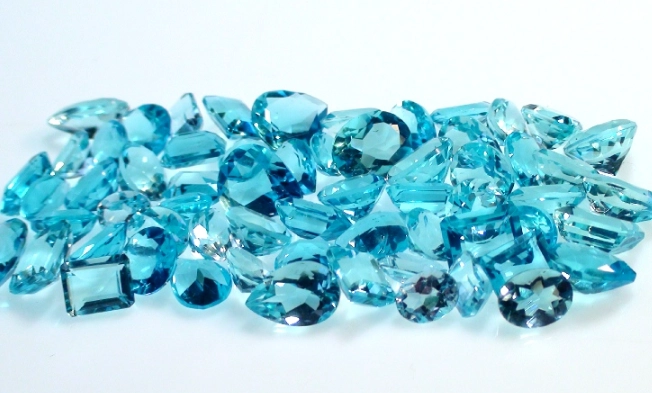
Caring for Your Blue Topaz Birthstone
This is simple but crucial. Despite its hardness, it's not indestructible.
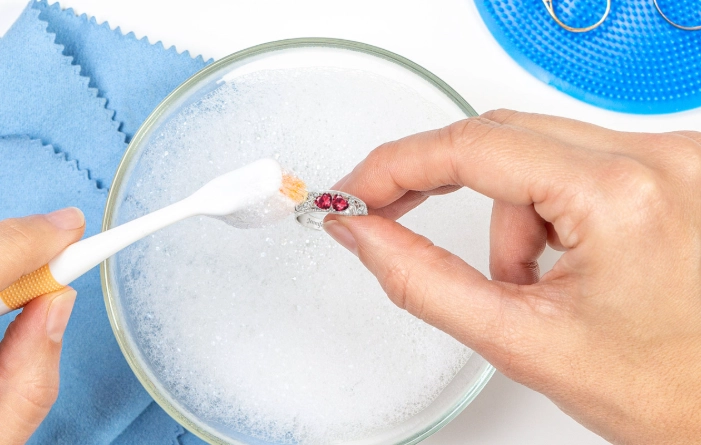
Cleaning: Warm water, mild dish soap, and a soft brush (like a baby toothbrush) are perfect. Ultrasonic cleaners are usually safe for untreated topaz, but there's debate about using them on irradiated stones. To be super safe, I avoid them. Steam cleaners are a definite no—the sudden heat can cause fractures.
Storage: Don't just toss it in a jumbled jewelry box. Keep it separate from harder gems (diamonds, sapphires) that can scratch it. A soft pouch or a compartment in a lined jewelry box is ideal.
Wear and Tear: Take it off for heavy lifting, gym workouts, gardening, or while using harsh chemicals (cleaning products, hairspray, chlorine). The chemicals won't hurt the topaz itself, but they can dull the metal setting.
Treat it well, and a blue topaz can be a lifelong companion.
Blue Topaz vs. The Other Blue Stones
How does it stack up against the competition? This is a common dilemma.
- vs. Aquamarine (March Birthstone): Aquamarine is a lighter, often greener-blue. It's a different mineral (beryl) and is almost always naturally colored (though it can be heated). Aquamarine is rarer and commands a much higher price. Blue topaz offers a more vibrant blue at a fraction of the cost.
- vs. Sapphire (September Birthstone): No contest on durability (sapphire is a 9) or prestige. Sapphire is corundum, one of the “big three” precious gems. A blue topaz birthstone gives you the blue look for everyday wear without the anxiety (or cost) of a precious sapphire.
- vs. Tanzanite (December alternative): Tanzanite is a stunning violet-blue, but it's much softer (6-7 on Mohs) and can be sensitive to knocks and temperature changes. Blue topaz is the more durable and carefree choice for a ring you'll wear daily.
The bottom line? Blue topaz is the champion of accessible, durable, and beautiful blue jewelry. It's not trying to be an imitation; it's its own thing.
Answering Your Burning Questions
Final Thoughts: Is the Blue Topaz Birthstone Right for You?
Look, blue topaz isn't a mysterious, ancient gem pulled from a dragon's hoard. It's a modern success story—a abundant mineral transformed by science into a reliably beautiful, durable, and affordable gemstone. That's its strength, not a weakness.
If you want a stone with deep geological rarity and natural color, this might not be your first pick. But if you want a stunning piece of blue jewelry that you can wear confidently every day, that won't make you nervous at the beach or the office, and that offers incredible value for your money, then the blue topaz birthstone is a fantastic option.
Just go in with your eyes open. Know that the color is treated (and that's okay). Decide which shade makes your heart sing. Prioritize a good cut over sheer size. And care for it like the durable-yet-precious object it is.
Whether it's a gift for a December birthday, a self-purchase, or an anniversary present, a blue topaz carries a cool, calm, and clear message. And in a noisy world, that's a pretty beautiful thing to wear.