Quick Guide
- Why is May the Emerald Birthstone Month?
- Beyond the Calendar: The Meaning and Symbolism of Emerald
- The Nitty-Gritty: What Makes a Good Emerald (The 4Cs for Emeralds)
- Buying an Emerald for the May Birthstone Month: A Realistic Guide
- How to Care for Your Emerald Jewelry
- Emerald Alternatives and Modern Choices
- Answering Your Emerald Birthstone Month Questions
- The Ethical Side of Emeralds
- Final Thoughts on Celebrating the Emerald Birthstone Month
So, you were born in May? Or maybe you're shopping for someone who was. That means you're in the club—the emerald club, to be precise. The emerald birthstone month is May, and it's not just any old gem they assigned to this spring month. It's one of the big ones, a classic, steeped in more history and drama than a royal biography.
I remember the first time I held a decent quality emerald. It wasn't a giant one, mind you, but the color... it was like looking into a deep, cool forest after a rain. There's a depth to it that photos just don't capture. But here's the thing that trips a lot of people up: they hear "birthstone" and think of those tiny, often lackluster stones in mass-produced jewelry. The real emerald experience is something else entirely.
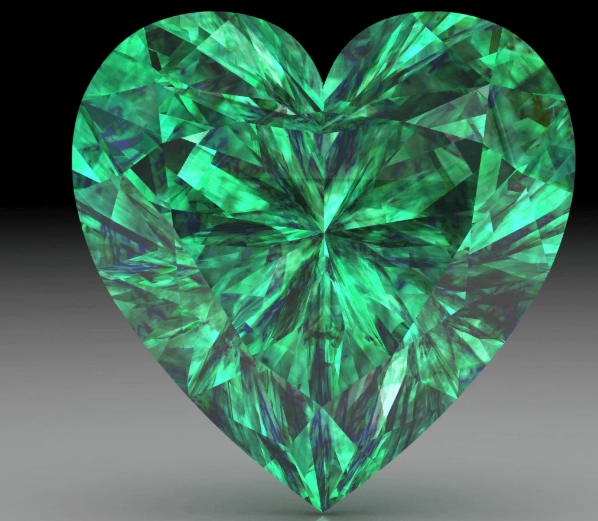
Let's talk about why this gem for this month makes so much sense. May is all about renewal, right? Spring is in full swing, everything's turning green. The emerald, with its signature lush green hue, is the perfect embodiment of that. It's like wearing a piece of spring itself. But there's so much more to unpack here, from how to buy a good one without getting ripped off, to why they're more fragile than your average diamond, to what that green color is actually supposed to mean.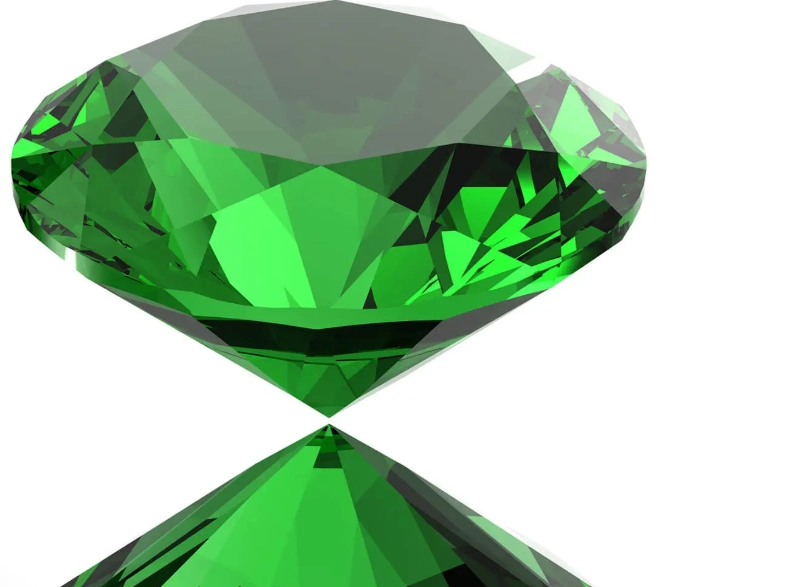
Why is May the Emerald Birthstone Month?
The pairing of May with emerald isn't some modern marketing gimmick. This connection goes way, way back. We're talking ancient times. The whole concept of birthstones itself is believed to have biblical origins, linked to the twelve stones on the Breastplate of Aaron. Over centuries, cultural traditions, poetry, and eventually, jewelry trade organizations solidified the list we mostly use today.
The modern standardized list, which firmly places emerald as the May birthstone, was officially established by the American National Association of Jewelers (now Jewelers of America) back in 1912. They wanted to create a clear, standardized list for the modern jewelry-buying public. And it stuck. So when you're celebrating an emerald birthstone month, you're participating in a tradition that's a messy mix of ancient lore and early 20th-century commerce. Kind of cool, when you think about it.
Other cultures have different birthstone lists, of course. But in the Western world, if you're looking for a May birthstone, emerald is your primary and most iconic choice. Sometimes you'll see green chalcedony or agate listed as alternatives, but let's be honest, they're understudies. The headline act for the emerald birthstone month is, and always will be, the emerald itself.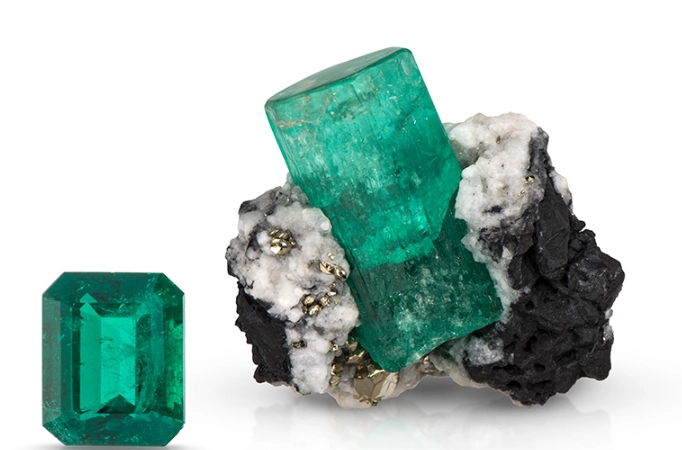
Beyond the Calendar: The Meaning and Symbolism of Emerald
Okay, so it's green and it's for May. Big deal. But the weight this stone carries is immense. It's never been just a pretty color.
For millennia, emerald has been tied to themes of rebirth, love, and wisdom. The ancient Egyptians, who mined emeralds near the Red Sea, associated them with fertility and immortality. Cleopatra was famously obsessed with them. Fast forward to the Middle Ages in Europe, and emeralds were thought to have the power to reveal truth, protect against evil spells, and even cure diseases like cholera and malaria (I wouldn't test that last one, personally).
Today, the symbolism is a bit more... psychological. It's often called the "stone of successful love," believed to foster loyalty, domestic bliss, and patience. Some say it enhances intuition and brings harmony. Whether you buy into the metaphysical properties or not, you can't deny the narrative power. Giving an emerald for a May birthday isn't just giving a green gem; it's gifting a piece of this long, romantic history. It's a symbol of hope and new beginnings, which feels pretty perfect for a birthday, doesn't it?
The Nitty-Gritty: What Makes a Good Emerald (The 4Cs for Emeralds)
This is where most people get overwhelmed, and where a lot of jewelry stores hope you stay confused. Buying an emerald is different from buying a diamond. The rules are... looser, in a way, but also more specific.
Forget the standard diamond 4Cs for a second. For emeralds, we need to tweak the priorities. The most important factor, hands down, is Color. Then Clarity, but with a huge asterisk. Then Cut, and finally Carat Weight.
Color: It's All About That Green
Color is king, queen, and the entire royal court for emeralds. The ideal is a pure, vivid, medium to dark green with a slight bluish secondary hue. Not yellow-green, not gray-green. A lush, saturated green. The most prized color is sometimes called "emerald green." Original, right?
But here's a reality check: most emeralds on the market aren't that perfect, bluish-green. Many have a slight yellowish tint. And you know what? That's okay. A vibrant yellowish-green emerald can be stunning and often more affordable. The key is saturation—the intensity of the color. A strong, vivid color, even if it's not the textbook "perfect" hue, is better than a weak, washed-out version of the ideal color.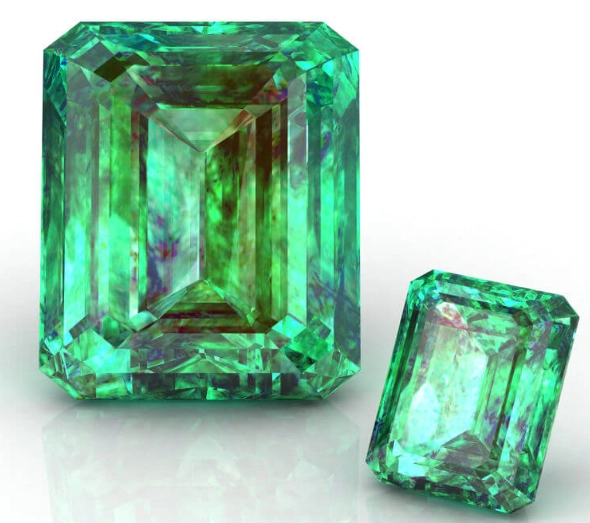
Clarity: The "Jardin" is Part of the Charm
This is the big difference. With diamonds, you often want them eye-clean (no visible inclusions). With emeralds, inclusions are expected. They're so common that gemologists have a lovely term for them: jardin (French for "garden"). These internal fractures, crystals, and bubbles are like the emerald's fingerprint.
The goal isn't a flawless stone (those are astronomically rare and expensive). The goal is a stone where the inclusions don't severely impact the brilliance or durability. A stone with jardin that looks silky or mossy can be beautiful. But you want to avoid large, distracting cracks that reach the surface, as these make the stone much more prone to breaking.
Nearly all emeralds are treated with oils or resins to fill these surface-reaching fractures and improve clarity. This is a standard, accepted practice in the industry. The key is that it should be disclosed. A reputable seller will tell you if the emerald has been treated and with what substance (cedar oil is common).
Cut and Carat
The cut of an emerald is often designed to maximize color and protect the stone. The classic "emerald cut" (the rectangular one with stepped facets) became popular not just for its elegance, but because its large, open facets are less prone to chipping at the corners compared to a round brilliant cut.
Carat weight is straightforward—bigger stones cost more per carat, especially for good quality. But a small, intensely colored emerald can be more valuable and visually striking than a large, pale one.
To help visualize the trade-offs, here's a quick breakdown:
| Priority | What to Look For | What to Be Cautious Of |
|---|---|---|
| Color | Vivid, saturated green. Medium to dark tone. A slight bluish tint is premium. | Dull, grayish, or overly yellowish green. Washed-out color. |
| Clarity | Accept some jardin. Look for a stone that remains bright. Treatments should be disclosed. | Large, white fractures that block light. Cracks reaching the surface (durability risk). |
| Cut | Symmetrical shape. Facets that reflect light evenly. Emerald cut is a safe, classic choice. | Poor symmetry. A cut that's too shallow or deep, making the stone look dark or windowed. |
| Carat | Choose size based on budget and setting. Color quality over sheer size. | Paying a premium for a large carat weight when the color is poor. |
Buying an Emerald for the May Birthstone Month: A Realistic Guide
Let's get practical. You want to buy an emerald, maybe for your own emerald birthstone month or as a gift. Where do you even start?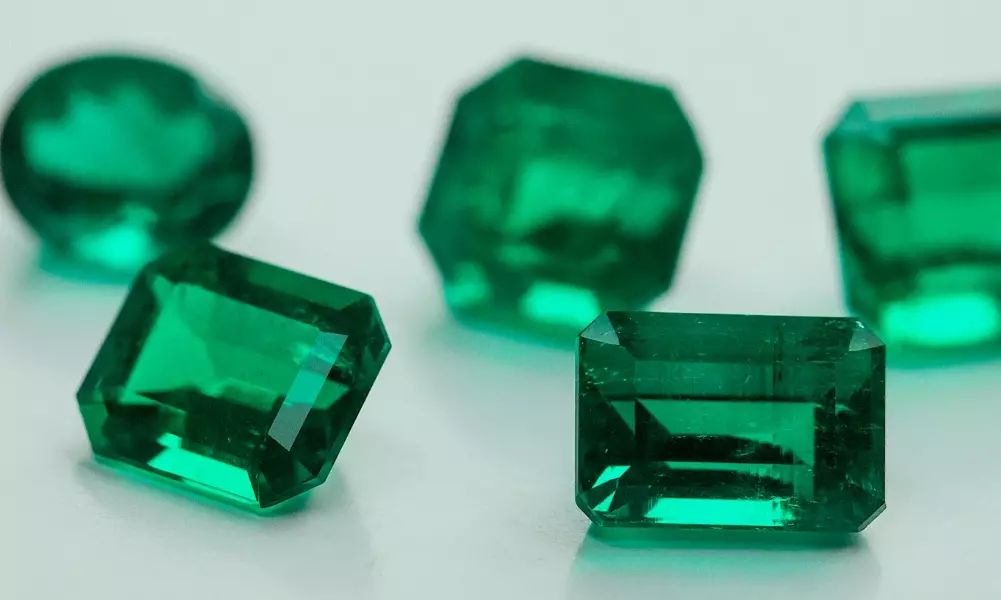
First, set a realistic budget. High-quality emeralds are expensive. A one-carat stone with good color and decent clarity can easily run into the thousands of dollars. If that's not in the cards, consider smaller stones, or stones where the color is great but the clarity has more visible jardin. You can get a lot of beauty for less money if you compromise a bit on perfection.
Second, buy from a reputable source. This is non-negotiable. Look for jewelers who specialize in colored gemstones, not just diamond mall stores. They should be able to provide a gemological report from a major lab like the Gemological Institute of America (GIA) or the American Gem Society (AGS). A report doesn't "grade" an emerald like a diamond, but it describes its characteristics (color, clarity, treatments, dimensions) and confirms it's natural. This is your proof of what you're buying.
Third, think about the setting. Emeralds are softer and more brittle than diamonds (they rank 7.5 to 8 on the Mohs scale). They need a protective setting, especially for a ring you'll wear daily. A bezel setting (where a metal rim surrounds the stone) is much safer than a prong setting. If you go with prongs, make sure they are sturdy and check them regularly for wear.
I made the mistake years ago of buying a prong-set emerald ring as an everyday piece. One of the prongs caught on a sweater, bent just a little, and a few weeks later the stone fell out. Luckily I found it in the carpet. Never again. Now, my emeralds are either in bezels or reserved for pendants and earrings, which take less abuse.
How to Care for Your Emerald Jewelry
If you buy an emerald, you have to baby it a little. It's not a diamond you can just toss around.
- Keep it away from heat, harsh chemicals, and ultrasonic cleaners. The oils/resins used to treat most emeralds can be damaged or removed by heat and chemicals. Sudden temperature changes can also cause fractures to widen. Clean it with warm, soapy water and a soft brush. That's it.
- Put your jewelry on last. After applying perfume, hairspray, and makeup. These products can dull the stone's surface over time.
- Store it carefully. Don't toss it in a jewelry box where it can be scratched by harder gems. Keep it in a soft pouch or a separate compartment.
- Consider re-oiling. Over many years, the oil treatment can dry out, making fractures more visible. A reputable jeweler can re-oil the stone for you. It's a simple, inexpensive maintenance step.
It sounds like a lot, but it becomes habit. Think of it like caring for a delicate piece of art.
Emerald Alternatives and Modern Choices
What if you love the idea of a green May birthstone but a natural emerald is out of reach, or you're worried about its durability for daily wear? You have fantastic options.
- Lab-Created Emeralds: These are real emeralds, with the same chemical and physical properties, just grown in a lab. They typically have much better clarity and a more vibrant color for a fraction of the price of a high-end natural stone. For many people, this is the perfect ethical and budget-friendly choice to celebrate the emerald birthstone month.
- Other Green Gemstones: Tsavorite garnet is a stunning, vivid green and is actually more brilliant (sparkly) than emerald, and much more durable. Green tourmaline comes in a wide range of beautiful greens. These can be stunning stand-ins.
- Emerald in Alternative Metals: Don't feel locked into yellow gold. White gold and platinum make the green of an emerald pop in a cool, modern way. Rose gold creates a warm, romantic contrast.
Answering Your Emerald Birthstone Month Questions
The Ethical Side of Emeralds
This is a topic more and more people care about, and rightly so. The mining of any gemstone, including emeralds, has a human and environmental cost. When shopping for your emerald birthstone month piece, it's worth asking questions.
Look for jewelers who can provide information on their supply chain. Some sources, like certain mines in Zambia, have made significant strides in responsible mining practices, community development, and environmental rehabilitation. Lab-created emeralds are also a clear ethical choice, eliminating mining concerns entirely.
Organizations like the International Colored Gemstone Association (ICA) work to promote ethical and sustainable practices in the gem trade. Supporting jewelers who align with these principles is a way to ensure your beautiful gem doesn't come with a hidden burden.
It makes the gift all the more meaningful.
Final Thoughts on Celebrating the Emerald Birthstone Month
At the end of the day, an emerald is more than a May checkbox. It's a gem with a soul. It's imperfect, with its jardin telling the story of its violent birth deep within the earth. It demands a bit of care and respect. But in return, it offers a color unlike any other—a green that speaks of life, growth, and resilience.
Whether you choose a tiny accent stone in a simple pendant or a statement ring with a lab-grown centerpiece, wearing an emerald connects you to this long, rich story. It's a way to carry a piece of that springtime renewal with you all year round.
So, to all the May babies out there, happy emerald birthstone month. You've got one of the greats.
Now go find your green.