Quick Guide Navigation
Let's talk about sapphires. I bet the first thing that pops into your head is a rich, velvety blue stone, maybe on a ring or a royal crown. That's the classic image, sure. But honestly, that's like saying all music is classical music. It misses so much of the story. The world of sapphire gemstones is wilder, more colorful, and frankly, more confusing than most people realize. I remember walking into a gem show years ago, thinking I knew a thing or two, only to be completely floored by a pinkish-orange stone labeled "sapphire." Wait, what? That was my introduction to the Padparadscha, and it completely changed my perspective.
This guide is the one I wish I had back then. We're going to move past the basic blue and dive into what makes a sapphire tick—its secret colors, what actually determines its price (hint: it's not just size), and how to buy one without getting a headache or ripped off. Whether you're eyeing a sapphire engagement ring (a stunning alternative to diamond, by the way), a special piece of jewelry, or you're just gem-curious, stick around. We're about to clear up the myths and get to the good stuff.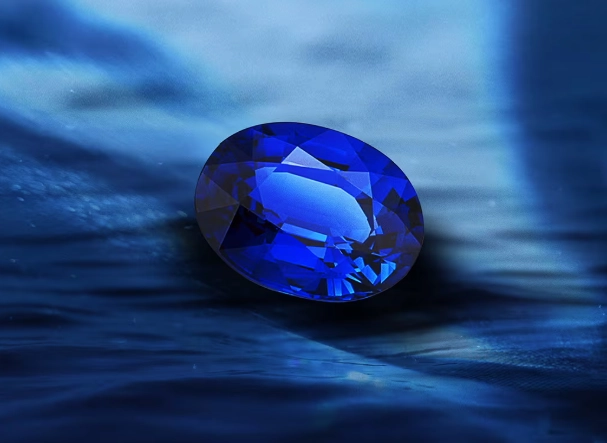
Beyond Blue: The Rainbow in Your Hands
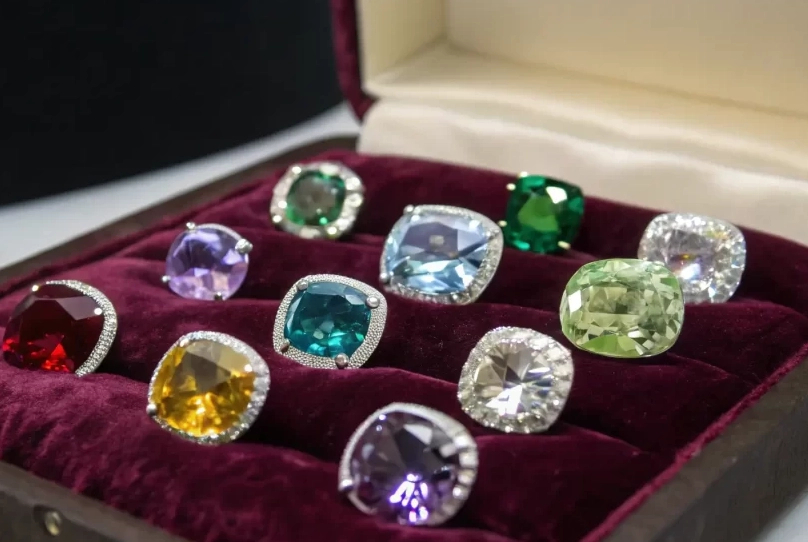
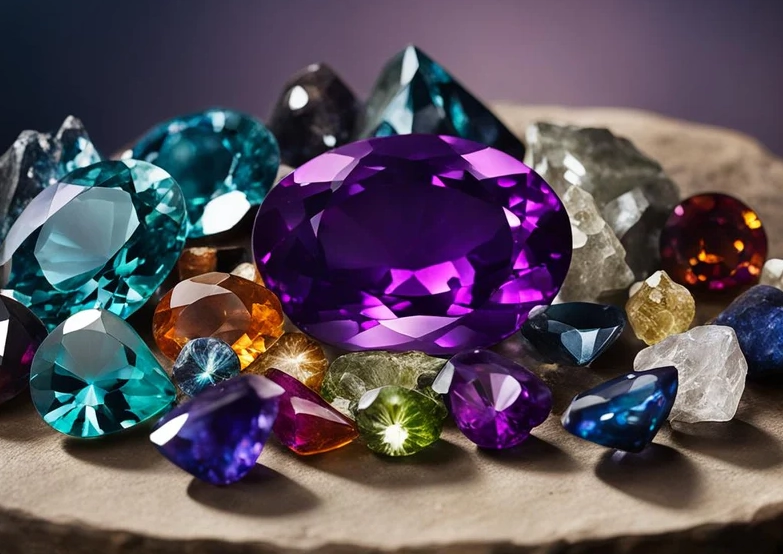
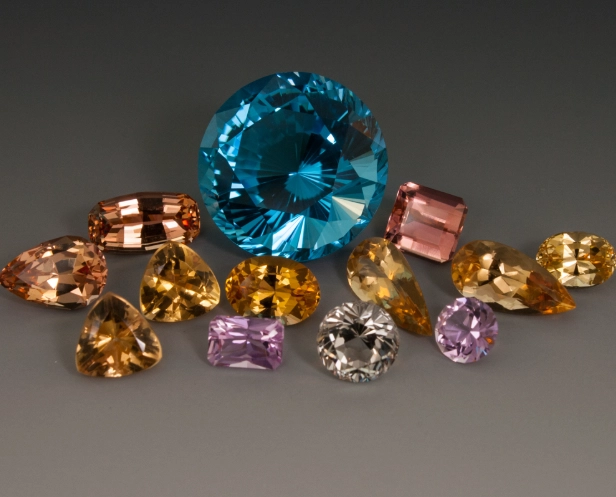
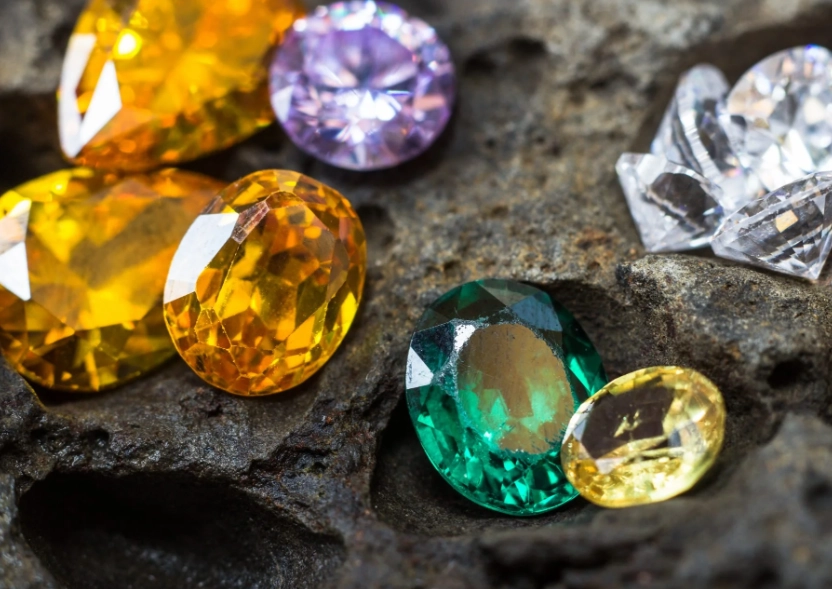
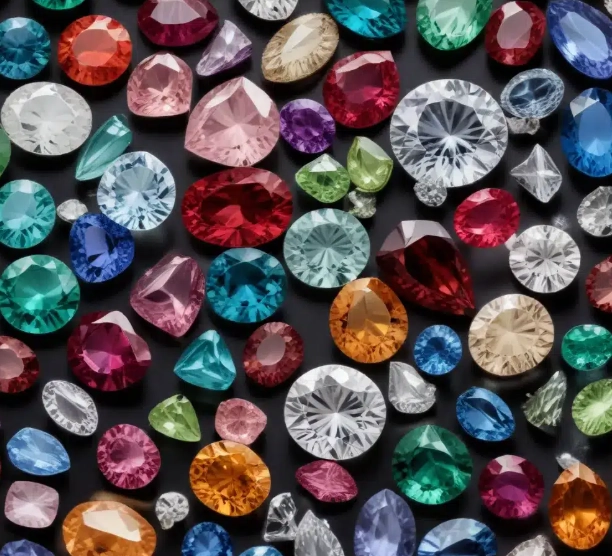
This is where it gets fun. The single biggest misconception is that sapphire equals blue. Nope. The corundum family is a paintbox. Let's break down the palette you can actually shop for.
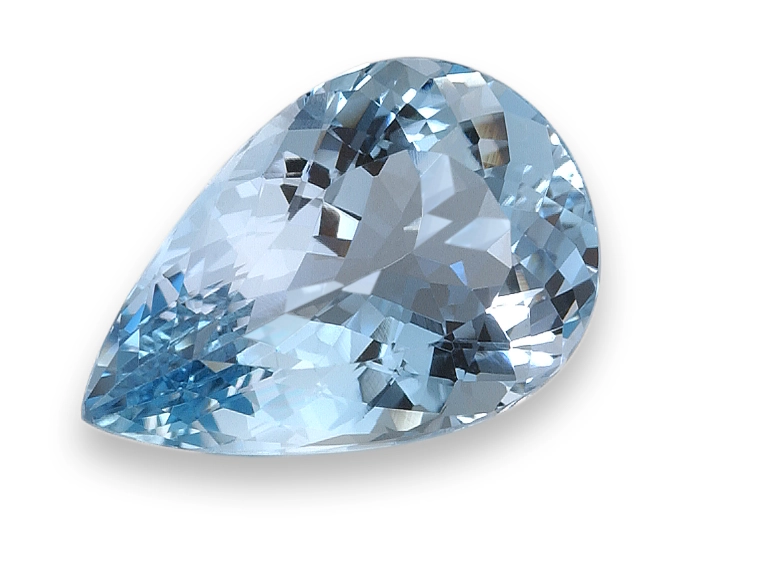
The Classic Blues: From pale sky blue to deep midnight, this is the iconic range. The most prized blue is a medium, vivid, velvety blue often called "cornflower blue." Not too dark, not too light, with a sort of glowing saturation. Kashmir sapphires (more on origins later) are famous for this, but it's found elsewhere too. Dark inky blues are more common and less valuable per carat.
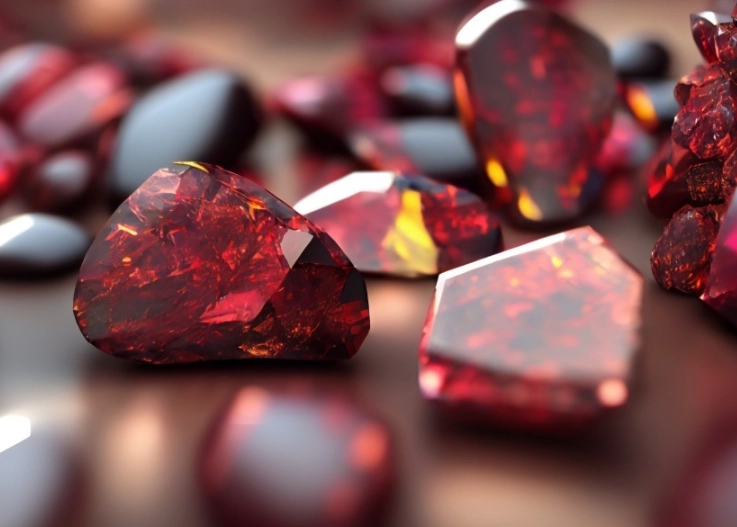
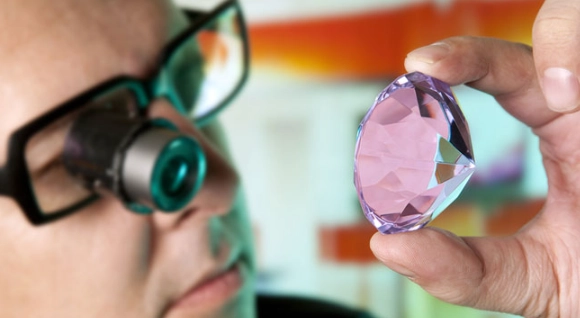
Pink & Purple Sapphires: These beauties get their color from chromium, the same element that makes rubies red, just in lower concentrations. They can range from a soft ballet pink to a hot fuchsia. A vivid, saturated pink sapphire can sometimes rival a ruby in price. Purple sapphires mix blue and red hues, creating regal shades of violet and lavender.
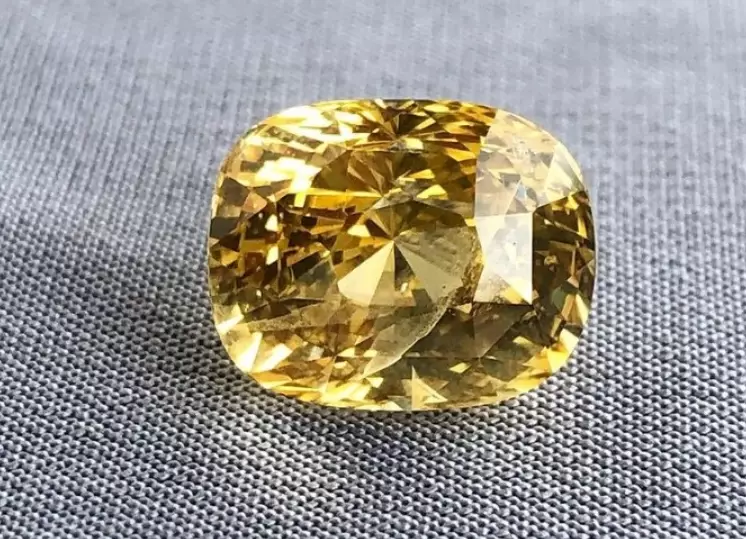
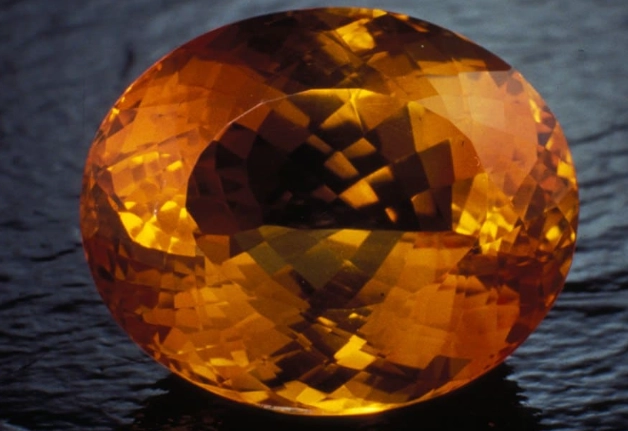
Yellow & Orange Sapphires: Iron is usually the culprit here, creating sunny, buttery yellows and vibrant oranges. A pure, bright yellow sapphire with no greenish hints is a total showstopper. Orange sapphires are rarer and have a warm, fiery glow.
The Royal Rarity: Padparadscha Sapphire This one deserves its own spotlight. Pronounced "pad-pah-raj-ah," it's named after the Sinhalese word for lotus blossom. A true Padparadscha is a delicate, simultaneous blend of pink and orange—like a sunset captured in stone. No brown, no dullness. It's incredibly rare, especially in sizes over a carat, and commands premium prices. There's debate in the trade about the exact hue, which just adds to its mystique. Seeing a good one in person is unforgettable; it has a soft glow rather than a sharp sparkle.
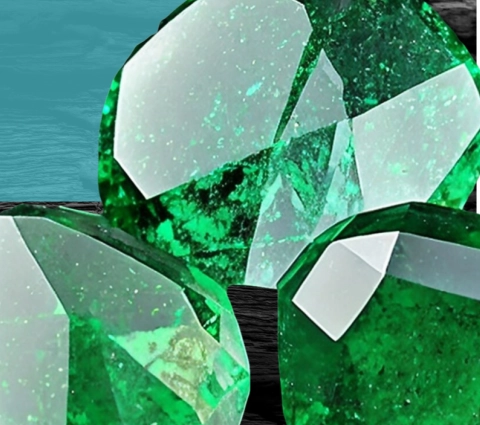
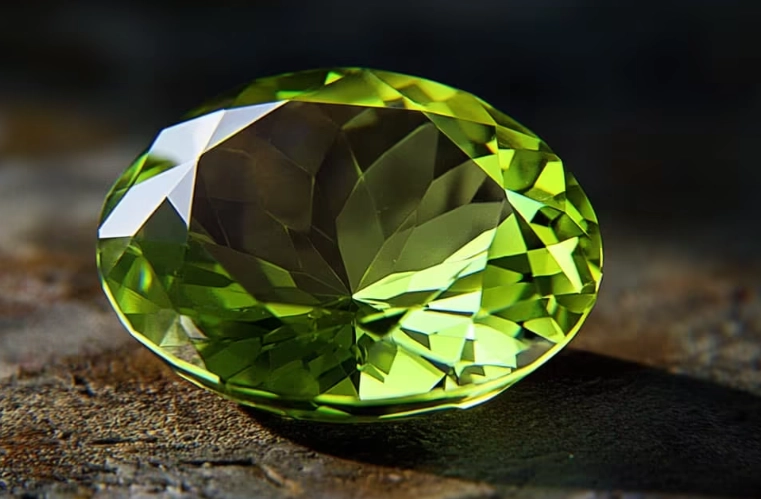
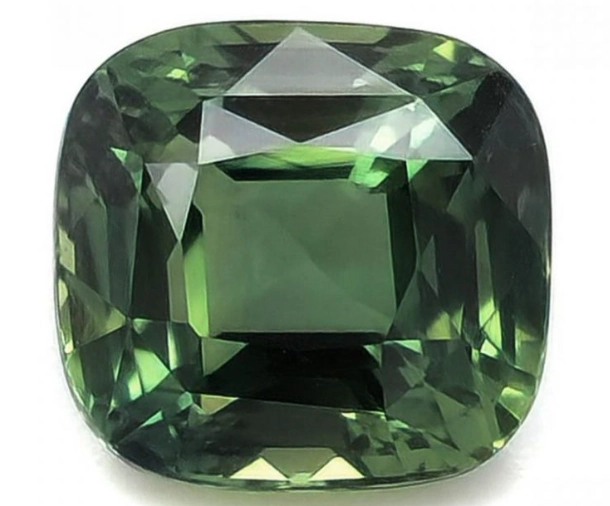
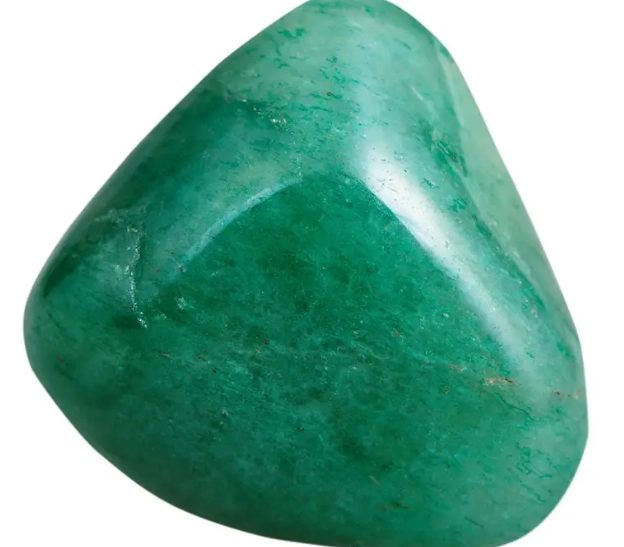
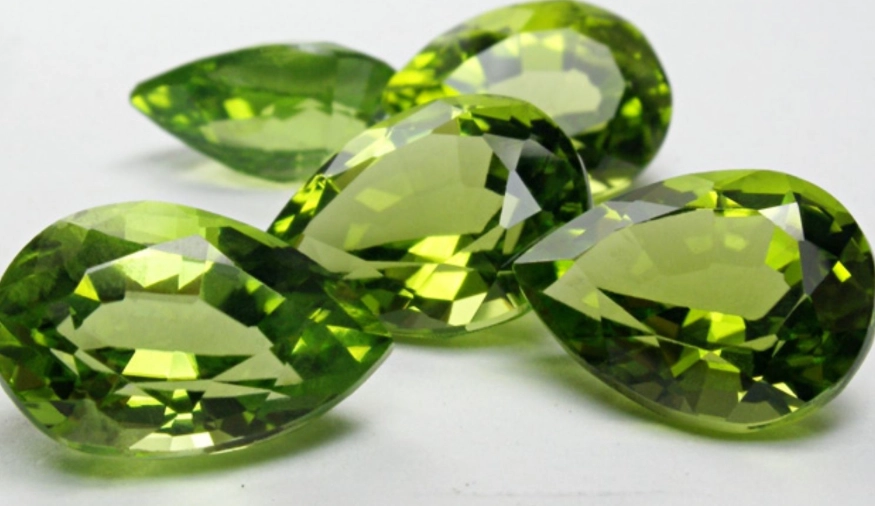
Green & Parti-Colored Sapphires: Green sapphires are often a subtle, greyish or olive green, very different from an emerald. Then you have the magical "parti" or parti-color sapphires, which show two or more distinct colors in one stone (like blue and yellow, or green and yellow). They're unique, artistic, and usually cut to showcase that color zoning.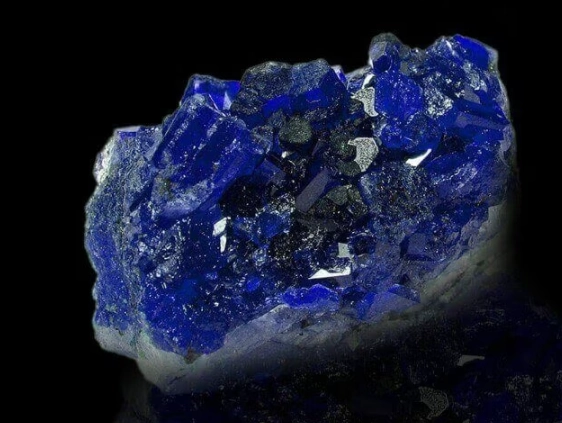
See what I mean? Calling them just "blue gems" is a massive undersell.
What Makes a Sapphire Valuable? The Four C's (But Different)
Everyone knows the diamond Four C's, but sapphires play by their own, slightly modified rules. The weight of each C is different here.
Color: The King of the Hill
For sapphires, color is overwhelmingly the most important factor. It's not just hue (blue, pink, etc.), but three sub-components:
- Hue: The basic color. In blue sapphires, a pure blue is best. Violetish or greenish secondary hues can lower value.
- Saturation: How strong or intense the color is. This is huge. A vivid, intense color is worth much more than a pale or grayish one. They call this "vivid" or "strong" saturation.
- Tone: How light or dark the color is. That ideal "medium" tone is the sweet spot. Too light feels washed out, too dark can look black in certain lights.
Clarity: What's Inside Counts (Sometimes)
This is where sapphires and diamonds really diverge. Diamonds prize flawless clarity. Sapphires? They're expected to have inclusions. Completely eye-clean sapphires (no visible inclusions to the naked eye) are rare and priced accordingly, but a few visible inclusions don't necessarily wreck the value like they would for a diamond.
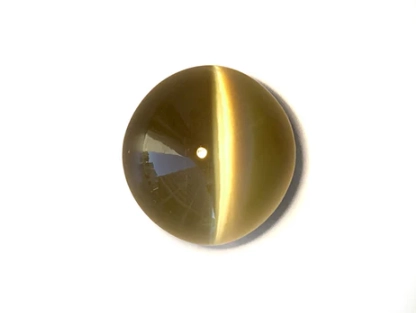
In fact, some inclusions can be desirable. Silk—fine needle-like inclusions of rutile—can cause a soft, velvety appearance (like in some Kashmir stones) or even asterism (a star effect). The key is location and impact. An inclusion right in the center of the table that blocks light is bad. A few tiny crystals or silk threads near the girdle? Often acceptable, especially if the color is fantastic.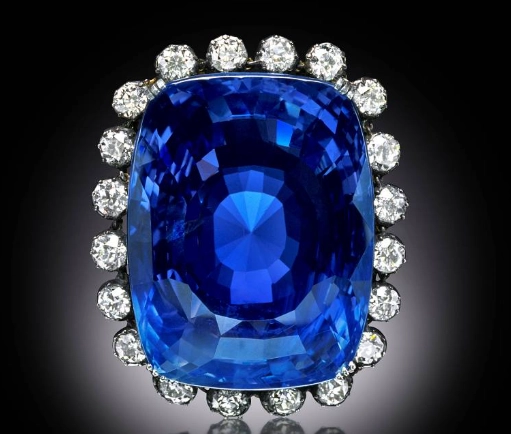
Cut: The Unsung Hero
A great cut doesn't just make a sapphire sparkly; it makes the color sing. A cutter's primary goal with a sapphire is to maximize the color. That might mean cutting a stone slightly deeper or in a particular orientation to get the richest hue, even if it sacrifices a bit of weight (carats) from the rough crystal. A poorly cut sapphire can look dead, with a dark center or washed-out edges.
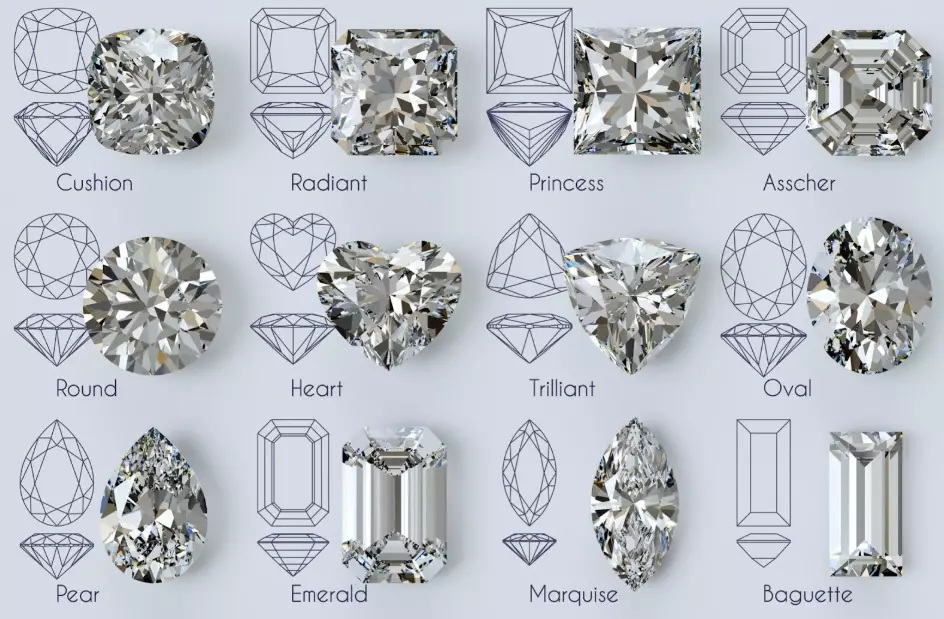
Look for a stone with even color distribution, good symmetry, and a lively face when you move it. Brilliant cuts (like round) are less common than with diamonds. You'll see a lot of ovals, cushions, and emerald cuts, which are fantastic for showcasing color.
Carat Weight: The Straightforward One
Price per carat increases with size, but not in a straight line. A three-carat sapphire of the same quality is worth more per carat than a one-carat stone because larger, clean, well-colored rough is much rarer. This jump is especially dramatic at key weight milestones (like 1ct, 2ct, 5ct).
Here’s a simplified table to show how these factors interact for a blue sapphire. Remember, this is illustrative—real prices vary wildly based on the exact combination.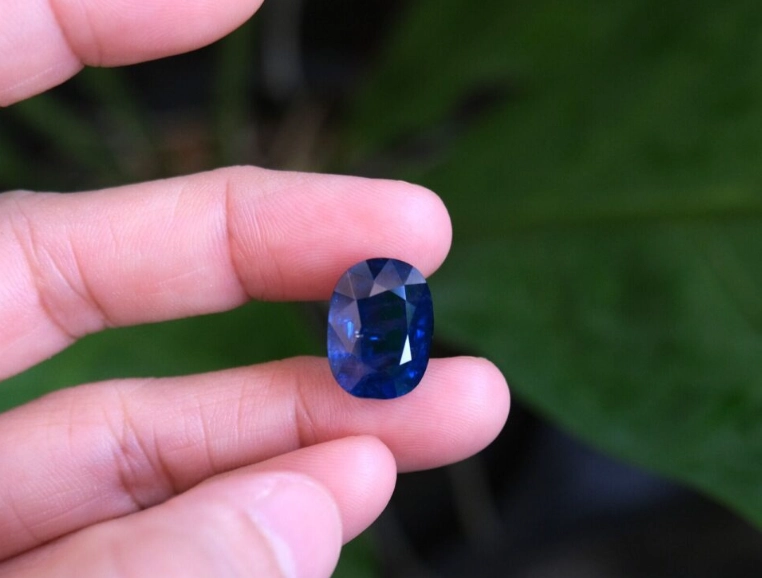
| Color Grade | Clarity | Cut Grade | Approx. Price Multiplier (vs. Baseline) | Notes |
|---|---|---|---|---|
| Vivid, Medium Blue (Fine) | Eye-Clean | Excellent | 5x - 10x | The premium tier. Origin (e.g., Kashmir, Burma) can push this higher. |
| Strong Blue (Good) | Minor Inclusions | Very Good | 2x - 4x | The sweet spot for many buyers. Great color, slight imperfections. |
| Pale or Dark Blue (Commercial) | Visible Inclusions | Good | 1x (Baseline) | Common in mass-market jewelry. Perfectly fine if you love it. |
| Fancy Color (e.g., Padparadscha, Vivid Yellow) | Eye-Clean to Slightly Included | Excellent/Good | 3x - 15x+ | Rarity drives price. A top Padparadscha can exceed fine blue sapphire prices. |
Where in the World? The Origin Story
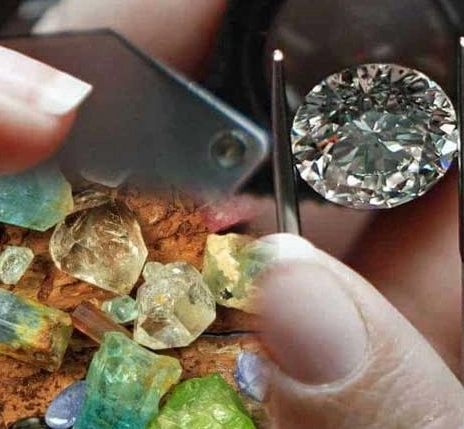
Origin can be a big deal, almost like a wine's terroir. It's not just snobbery; certain places consistently produce stones with specific, prized characteristics. A lab can identify origin through trace element analysis and inclusion scenes. Reputable sellers like those listed by the American Gem Society will provide origin reports from major labs like GIA or AGL for high-end stones.
- Kashmir (India): The legend. Mined in the late 1800s/early 1900s, these sapphires are famed for a "sleepy" velvety blue with minimal extinction (black areas). They're the benchmark. Extremely rare and expensive at auction.
- Burma (Myanmar): Another historic source, known for rich, royal blues. Similar prestige to Kashmir.
- Ceylon (Sri Lanka): A major source for centuries, producing a wide range of colors from light to medium blues and a huge portion of the world's fancy color sapphires (yellows, pinks, Padparadschas). Known for high clarity and brilliance.
- Madagascar: Currently one of the most important sources, producing beautiful stones across the color spectrum. Quality can rival the classics.
- Montana (USA): Yep, America has sapphires! Known for a distinctive metallic, steely blue or fancy colors like yellows and greens. There's a cool, ethical, domestic appeal to them.
My two cents? For an investment piece, origin matters a lot. For a beautiful piece of jewelry you'll wear every day, a stunning stone from Madagascar or Sri Lanka is a much smarter buy than a mediocre, overpriced stone with a "famous" origin name attached.
Buying a Sapphire: A No-Nonsense Guide
Alright, let's get practical. You're ready to buy. How do you not get lost or misled?
1. Set Your Priorities (Budget, Color, Size)
You can't have it all unless your budget is unlimited. Decide what's most important. Is it a specific color? A minimum size? A clean appearance? Be prepared to compromise on the other factors.
2. Understand Treatments (The Big One)
This is critical. The vast majority of sapphires on the market are heat-treated. This is a centuries-old practice that involves heating the stone to high temperatures to improve its color and clarity. It's permanent, stable, and widely accepted in the trade. A heated stone should cost significantly less than an unheated one of equal appearance.
What you need to ask about:
- Heat Treatment: Accepted. Just make sure the price reflects it.
- Diffusion Treatment: Adding elements (like beryllium) to the surface to change color. This is often not permanent and should be heavily disclosed at a much lower price. I'm skeptical of these unless it's for a purely decorative piece.
- Filling Fractures: Using glass or oil to fill surface-reaching cracks. This improves clarity but can be damaged by heat or chemicals. Requires special care and full disclosure.
Always, always ask: "Has this sapphire been treated, and if so, how?" Reputable sellers will disclose this upfront. The FTC Jewelry Guides require disclosure of treatments that affect value.
3. Where to Look & What to Avoid
Skip the generic mall jewelers for anything beyond a simple piece. Look for specialized gemstone dealers, estate jewelers, or custom designers who source stones directly. Online marketplaces can be great, but only from sellers with detailed videos (in multiple lights), certification, and clear return policies.
Red flags? Prices that seem too good to be true (they are), sellers who can't or won't answer questions about treatment or origin, and stones that look perfect in a photo but have no video. A synthetic sapphire (lab-created) is a fine, affordable option, but it must be sold as such, not as natural.
4. Certification: Your Best Friend
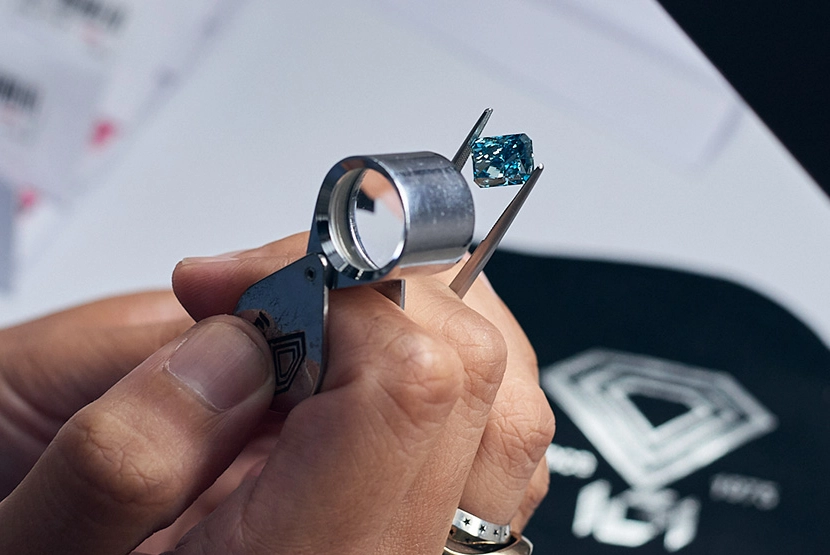
For any significant purchase, insist on a report from a major independent lab like GIA, AGL (American Gemological Laboratories), or GRS (Gemresearch Swisslab). This isn't an "appraisal" for insurance; it's a scientific report detailing the stone's species, color, measurements, weight, and—crucially—any detected treatments. It's your objective proof of what you're buying.
Caring for Your Sapphire
Sapphires are tough (9 on the Mohs scale, second only to diamond), making them great for daily wear like engagement rings. But tough isn't indestructible.
- Cleaning: Warm soapy water, a soft brush, rinse, dry with a soft cloth. Easy. Avoid harsh chemicals and ultrasonic cleaners, especially if your stone has fracture fillings.
- Storage: Keep it separate from other jewelry to prevent scratches (it can scratch almost anything else).
- Activities: Take it off for heavy lifting, gym workouts, or gardening. It's the hard knocks against metal or concrete that can chip it, not daily desk work.
Your Sapphire Questions, Answered
Look, at the end of the day, buying a sapphire should be about joy, not anxiety. Arm yourself with this knowledge, ask the right questions, and trust your eyes. If a stone makes you catch your breath when you see it, that's the real test. All the technical details in the world can't replace that gut feeling of finding something truly special. The world of sapphires is deep and fascinating, and now you're equipped to dive in and find your perfect piece of the rainbow.