In This Guide
- What Exactly Is an Emerald, Anyway?
- The Emerald 4Cs: Color is King (But Don't Ignore the Court)
- The Treatment Talk: Oiling, Resining, and Being in the Know
- Where Do the Best Emeralds Come From?
- How to Actually Buy an Emerald: A Step-by-Step Reality Check
- Caring for Your Emerald: It's Not a Diamond
- Answering Your Emerald Questions
So you're thinking about an emerald. Good choice. That deep, captivating green has pulled people in for centuries, from Cleopatra to modern collectors. But let's be honest – the world of gemstones can feel like a maze. You hear conflicting advice, see wildly different prices, and everyone seems to be an expert. I remember walking into a high-end store years ago, completely overwhelmed. The salesperson threw terms like "garden" and "oil-treated" at me, and I just nodded, pretending I knew what it all meant. I didn't. I left confused.
This guide is here to cut through that noise. We're not going to just repeat the textbook stuff. We're going to talk about what actually matters when you're handing over your hard-earned cash for a piece of that legendary green. Is a flawless emerald even a thing? (Spoiler: almost never). How much should you really pay? And what's the deal with all these treatments they don't always talk about?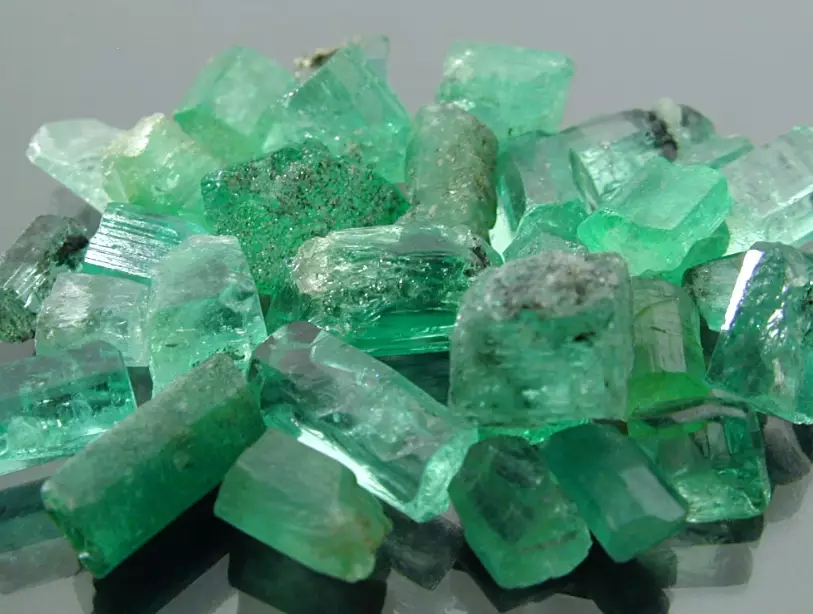
Let's get into it.
What Exactly Is an Emerald, Anyway?
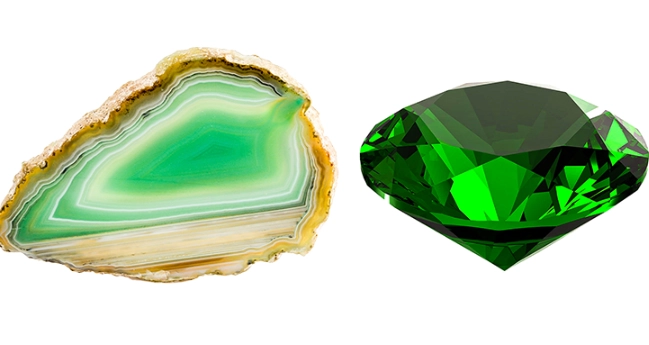
At its core, an emerald is a green variety of the mineral beryl. The magic ingredient is chromium and sometimes vanadium, which swap places with some aluminum atoms in the crystal structure and – boom – you get that signature green. Not all green beryl is an emerald, though. There's a bit of a technical debate, but generally, if it's a vivid, saturated green because of chromium, it's an emerald. If it's a paler, more yellowish-green from iron, it's just green beryl. The color is the whole point.
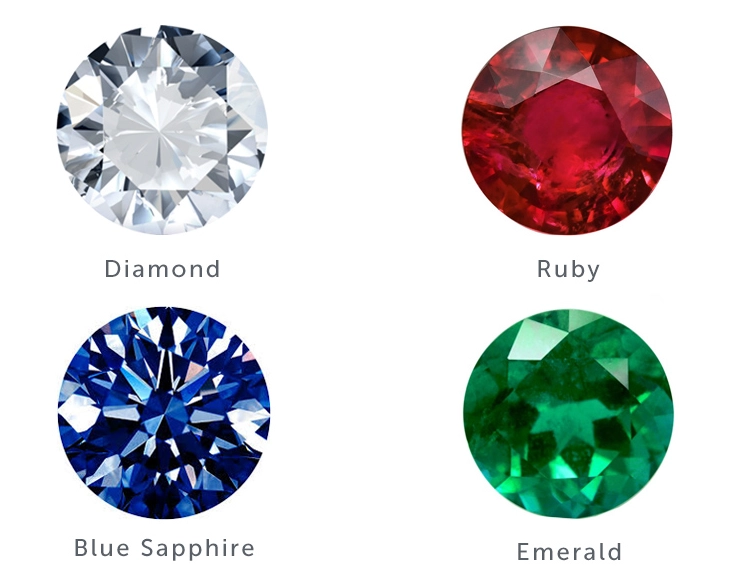
It's one of the "big four" precious gemstones, sitting alongside diamond, ruby, and sapphire. But its personality is completely different. Where diamonds are prized for sparkle and perfection, an emerald's soul is its color and its character. Its inclusions, often called its "jardin" (French for garden), are part of its fingerprint. Expecting a flawless emerald is like expecting a forest without leaves – it kind of misses the point.
The Emerald 4Cs: Color is King (But Don't Ignore the Court)
Everyone borrows the 4Cs from diamonds, but for emeralds, you have to reorder the priority list dramatically.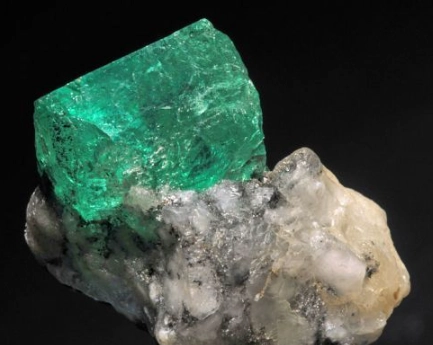
The #1 Priority: Color
This is non-negotiable. A great emerald color is a balanced, vivid, medium to dark green with a slight bluish secondary hue. Think lush grass after rain, not a lime or a dark forest pine. The tone (how light or dark) and saturation (how intense the color is) are everything.
- Top Tier: A vibrant, evenly distributed green with high saturation and a medium-dark tone. This is what commands the highest prices. GIA calls this "vivid" saturation.
- Commercial Quality: Lighter tone, or a grayish or yellowish mask over the green. Still beautiful, but more affordable.
- Too Dark or Too Light: If it's so dark it looks black in indoor light, or so light it's minty, the value drops.
What's the "best" color? Labs like the Gemological Institute of America (GIA) have their charts, but trust your eyes. Do you love it? Does the green feel alive?
Clarity: The "Jardin" and What to Accept
Here's the big difference. With diamonds, eye-clean is the goal. With emeralds, it's about managing expectations. Almost every natural emerald has visible inclusions. The question is: what kind and how do they affect the stone?
Bad Inclusions: Large fractures that reach the surface (major durability issue), or heavy cloudiness that makes the stone look milky and deadens the color.
You should always examine an emerald with your own eyes (or a good macro photo). A certificate will note clarity, but your personal tolerance is key. Can you see the inclusions with your naked eye from a normal viewing distance? If not, that's often considered excellent clarity for an emerald.
Cut: The Unsung Hero
The cutter's job with an emerald is brutal. They have to work around those inherent fractures, maximize color, and save as much weight as possible. The classic emerald cut (the rectangular one with stepped facets) became popular not just for looks, but because its shape and facets are less prone to chipping at the corners compared to a round brilliant.
A bad cut can leak color (making it look washed out) or hide depth in the wrong place (making the center look dark). Look for a stone with even color distribution and good symmetry. The facets should be sharp and meet cleanly.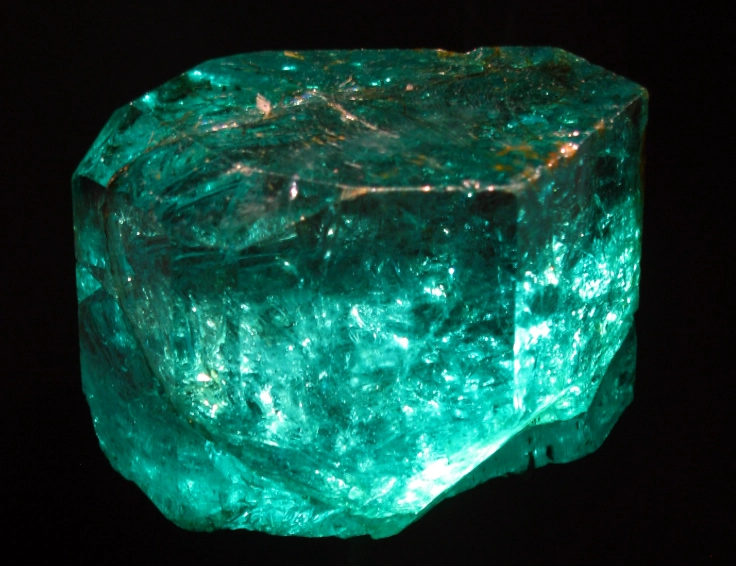
Carat Weight: Size vs. Quality
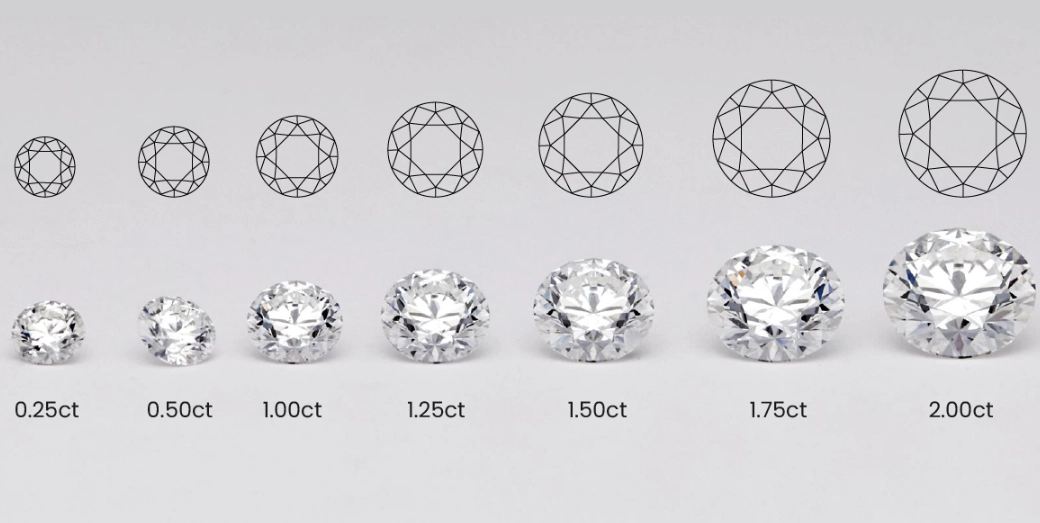
Because large, clean emerald crystals are incredibly rare, the price per carat doesn't just go up with size – it skyrockets. A 3-carat stone with decent quality will cost way more than three times the price of a similar-quality 1-carat stone. My advice? Prioritize color and clarity within your budget, even if it means a slightly smaller stone. A stunning 1-carat emerald is better than a mediocre 2-carat one any day.
The Treatment Talk: Oiling, Resining, and Being in the Know
This is the part most casual buyers don't know about, and it's crucial. Over 95% of emeralds on the market are treated to improve their clarity. It's standard practice, but the type and extent of treatment matter hugely for value and care.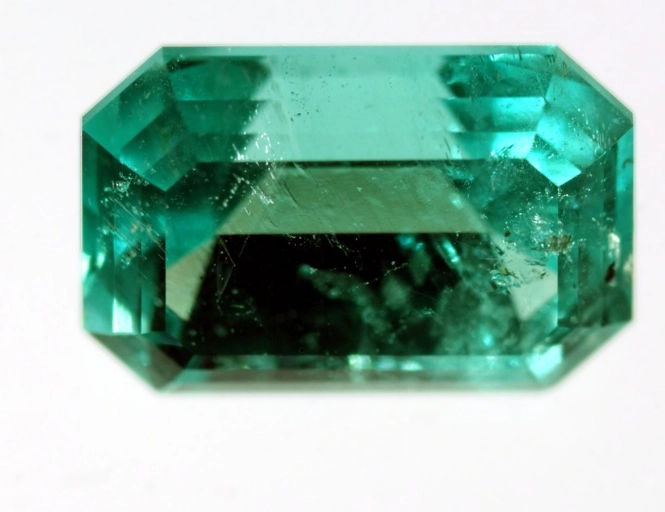
| Treatment Type | What It Is | Acceptance & Impact | Long-Term Care |
|---|---|---|---|
| Minor Oil (F1) | Filling surface-reaching fractures with colorless oil (cedarwood oil is traditional). | Expected and traditional. Considered acceptable if disclosed. Minimal impact on value if minor. | Avoid ultrasonic cleaners, heat, harsh chemicals. May require re-oiling over decades. |
| Moderate/Significant Oil (F2/F3) | Heavier oiling to mask more obvious fractures. | More common. Reduces value compared to a similarly looking lightly oiled stone. Must be disclosed. | More prone to stability issues. Requires gentle care. |
| Resin/Filler (F4) | Using artificial polymers (like Opticon) to fill fractures. | More controversial. Significantly lowers value. Some fillers can discolor (yellow) over time. | Highly sensitive to heat and chemicals. Extreme caution needed. |
| No Treatment (None) | As it came from the earth, with only possible waxing for polishing. | Extremely rare. Commands a massive premium. | Most stable, but still an emerald (so no hammering!). |
See the F codes? That's from GIA reports.
Always, always ask for a lab report from a major lab like GIA, AGL, or Gubelin. The report will detail the treatment. A reputable seller will provide this without hesitation. If they brush off the question, walk away.
Where Do the Best Emeralds Come From?
Origin is a huge price factor and a point of fascination. Different mines produce different characters.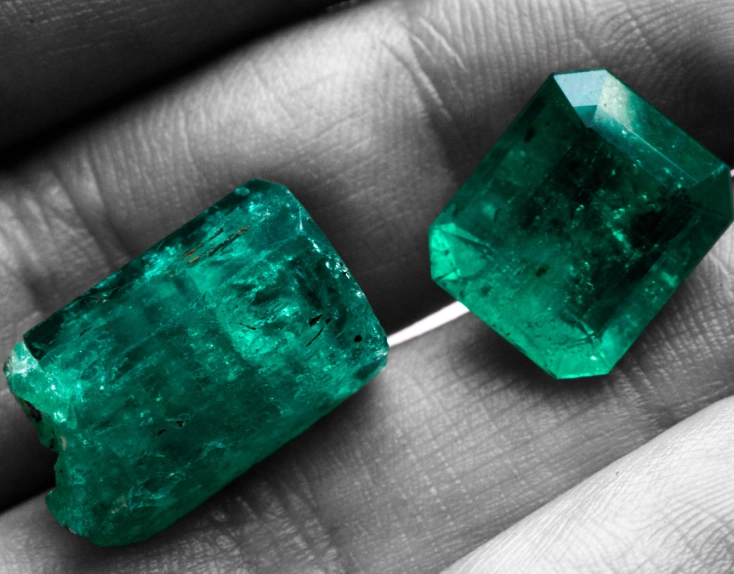
- Colombia (Muzo, Chivor, Coscuez): The classic. Often praised for the purest, most saturated green with a slight blue hint. Muzo can produce that coveted "emerald green." Colombian stones often have a three-phase inclusion (solid, liquid, gas bubble in one) that's a signature. They typically command the highest prices.
- Zambia: A major player. Zambian emeralds often have a deeper, slightly more bluish-green tone and can be slightly more included, but they also tend to have excellent transparency. They offer fantastic value – you can often get a cleaner, larger stone for the price of a smaller Colombian one. I personally love the depth of color in a good Zambian emerald.
- Brazil: Generally lighter in tone, often a vibrant green but can be slightly yellowish. They can be very clean and are usually more affordable. Great for a bright, sunny green look.
- Ethiopia (Recent Find): The new kid on the block. Ethiopian emeralds can be stunningly vivid and quite clean. The market is still evaluating them, but they're producing some exceptional stones that rival top origins.
Does origin guarantee quality? No. There are stunning Zambian stones and mediocre Colombian ones. But origin sets a general expectation and influences price. A lab report can often determine origin based on inclusions and chemical fingerprints.
How to Actually Buy an Emerald: A Step-by-Step Reality Check
- Set a Real Budget: Include the stone and setting. For a decent commercial quality 1-carat emerald in a simple setting, you're likely starting in the low thousands (USD). Fine quality moves into the several thousands per carat quickly.
- Prioritize Your Cs: For most, it's Color > Clarity (eye-clean if possible) > Cut > Carat. Lock in the color you love first.
- Demand a Reputable Lab Report: GIA is the gold standard. It tells you what you're really buying, especially treatments.
- See it in Different Lights: Ask for photos/videos in daylight, indoor light, and against a white and black background. An emerald can look different everywhere.
- Buy from a Specialized Seller: A dedicated colored gemstone dealer or a very reputable jeweler is better than a general mall jeweler. They understand the nuances. Check the Jewelers of America or similar trade association directories for reputable members.
- Ask About the Return Policy: A legit seller will give you time to get the stone independently appraised.
Caring for Your Emerald: It's Not a Diamond
This is critical. Emeralds are more fragile. They don't like knocks, extreme temperature changes, or harsh chemicals.
The Care Checklist:
- Cleaning: Warm water, mild dish soap, a soft brush. That's it. Never ultrasonic or steam cleaners.
- Storage: Keep it separate from harder gems (diamonds, sapphires) to prevent scratches. A soft cloth pouch is ideal.
- Activities: Take it off for gardening, gym, dishes, swimming (chlorine is bad).
- Maintenance: Have your jeweler check the prongs and setting annually. Over many years, an oiled emerald might need re-oiling if it dries out and fractures become more visible – a good jeweler can do this.
Answering Your Emerald Questions
The charm of an emerald lies in its imperfections. It's a piece of a dynamic, messy earth, not a sterile lab. Choosing one is about embracing that character.
At the end of the day, buying an emerald is a personal journey. It's about finding a shade of green that speaks to you, a stone with a character you can live with, and a seller you can trust. Arm yourself with this knowledge, take your time, and don't be afraid to ask the hard questions. That beautiful green world is waiting for you, and now you're ready to explore it on your own terms.
Hope this deep dive helps. It's the guide I wish I had years ago.