Quick Guide
Let's be real. You've probably seen amethyst everywhere. From that trendy crystal shop downtown to your friend's Instagram feed, this purple stone is having a major moment. But here's the thing—most of what you read online is either overly mystical fluff or dry, textbook mineralogy. Not super helpful if you're actually thinking of buying one, or you're just curious what the fuss is about.
I got my first piece years ago, a small tumbled stone from a tourist trap. I thought it was cool, but I had no idea what to do with it. Was it just for looking at? Could it get wet? Was the deep purple one I saw online for $200 actually better than the lighter one for $20? The information was all over the place.
So, I dug in. I talked to gemologists, read reports from places like the Gemological Institute of America (GIA), and yes, even sifted through countless metaphysical forums to separate the hype from the personal experience. This guide is what I wish I had back then.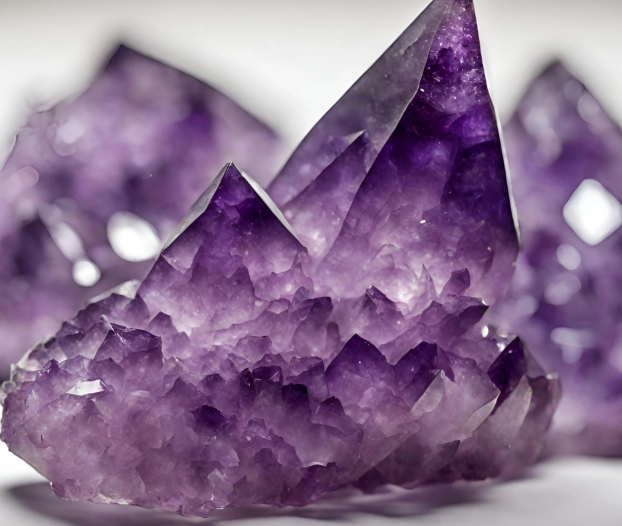
What Is Amethyst, Really? (Spoiler: It's Just Fancy Quartz)
At its core, amethyst is quartz. Plain old silicon dioxide, the second most abundant mineral in Earth's crust. Not so special yet, right? The magic—or rather, the science—happens when trace amounts of iron and natural radiation get involved during the crystal's formation. This combo messes with the quartz's structure and creates those famous violet hues.
The color range is wild. It can go from a barely-there lilac to a deep, royal purple so dark it looks black in some lights. Sometimes you'll even see reddish or blueish flashes. The most prized color is a strong, saturated purple with reddish flashes, sometimes called "Siberian" grade, though it doesn't necessarily come from Siberia anymore.
Quick Science Bit: The technical cause of the color is known as "color centers"—specific structural defects in the crystal lattice that absorb certain wavelengths of light. Heat or prolonged sunlight can damage these centers, which is why amethyst can fade. The U.S. Geological Survey has tons of accessible info on how minerals like quartz form, if you're into the geology side of things.
Where does it come from? Major sources have shifted over time. Historically, it was Russia and Germany. Today, a huge chunk of the market's amethyst comes from Brazil and Uruguay, often from giant geodes you could literally sit inside. Zambia and Bolivia also produce stunning material, often with deeper, more consistent color.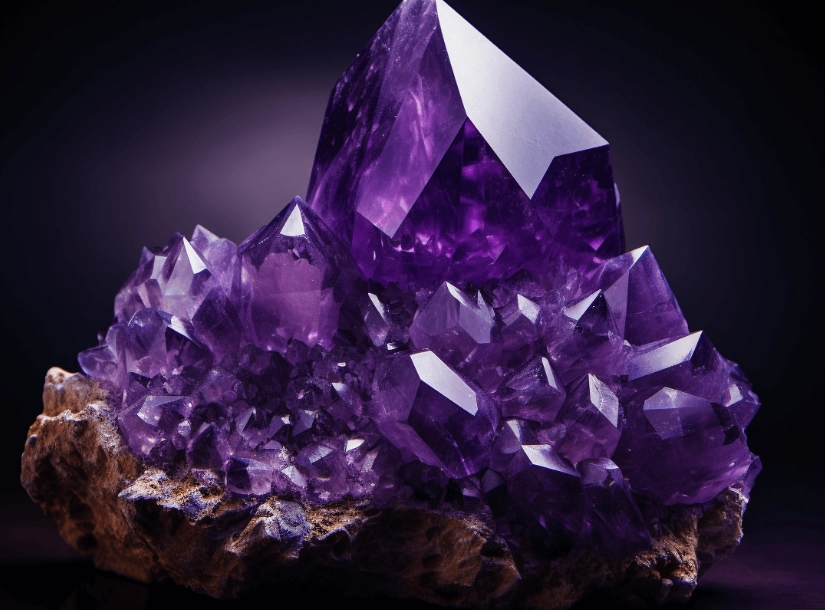
| Major Source | Typical Color & Characteristics | Notes |
|---|---|---|
| Brazil (Rio Grande do Sul) | Light to medium purple, often in large geodes. | The world's largest producer. Great for decorative pieces. |
| Uruguay (Artigas) | Deep, saturated purple with high clarity. | Considered some of the finest color. Often has reddish flashes. |
| Zambia (Southern Province) | Deep purple, sometimes with blue undertones. | High-quality facet-grade material common here. |
| Bolivia (Anahi Mine) | Unique ametrine—a mix of amethyst and citrine. | One of the few commercial sources of this bicolor quartz. |
I remember buying a geode slice from a Brazilian source online. It looked incredible in the photos—a deep, velvety purple. When it arrived, it was... fine. Nice, but the color was much more muted under my normal house lights. Lesson learned: lighting is everything with this stone.
Why Are People So Obsessed With It? Meanings and Uses
This is where things get interesting. The lore around amethyst is ancient and spans cultures. The name itself comes from the Greek "amethystos," meaning "not intoxicated." Ancient Greeks and Romans believed drinking from a cup made of amethyst (or with one dropped in it) would prevent drunkenness. Not sure I'd test that theory with my nice wine glass, but it's a fun story.
Fast forward to today, and the amethyst meaning has evolved into a symbol of calm, clarity, and spiritual connection. It's often called the "all-purpose" stone. But what does that actually look like in practice? Let's break it down without the vague jargon.
In Crystal Healing and Wellness
Look, I'm not a doctor, and crystal healing isn't backed by Western medicine. But I can tell you how people use it, which is often about setting intentions and creating a mindful environment.
- Stress and Overthinking: This is the big one. The calming purple color alone is soothing. Many people keep a piece on their desk or hold one when they feel anxious, using it as a physical anchor to slow their breathing and focus.
- Sleep: Placing an amethyst under the pillow or on a nightstand is a super common practice. The idea is to quiet a busy mind. Does it work like a sleeping pill? No. But if the ritual helps signal to your brain that it's time to wind down, that's a real effect.
- Meditation: Holding an amethyst or placing it in front of you can serve as a focal point. Its association with the "third eye" and crown chakras is all about intuition and higher thought.
"I keep a rough amethyst cluster on my writing desk. When I'm stuck, I'll just fidget with it for a minute. It doesn't magically give me ideas, but the act of touching its cool, textured surface pulls me out of my spinning thoughts and back to the page. It's a tactile reset button."
As a Decor Element
This is wildly underrated. A beautiful amethyst geode or cluster is a stunning natural sculpture. It adds a pop of color and a unique, organic texture to a room. You don't need to believe in any of its properties to appreciate it as art. Big geodes can be statement pieces in an entryway; smaller clusters work on bookshelves or coffee tables.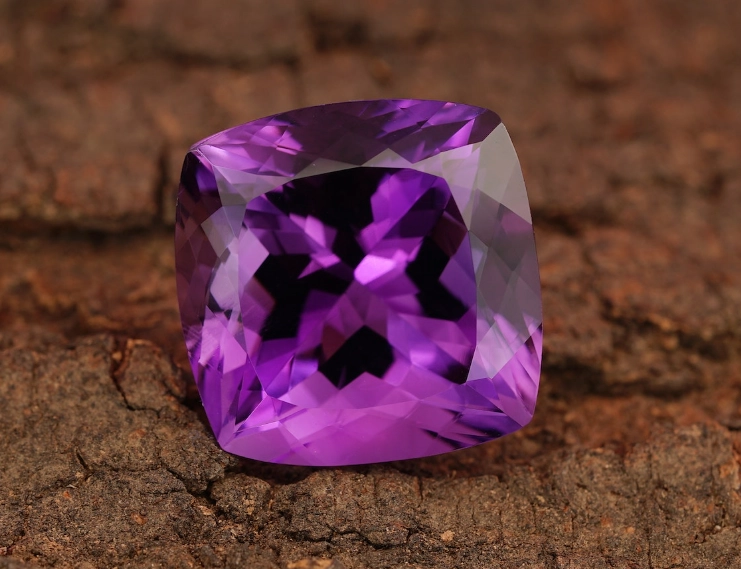
The downside? They collect dust like nobody's business. All those little crevices are dust magnets. A soft makeup brush or a can of compressed air is your best friend.
In Jewelry
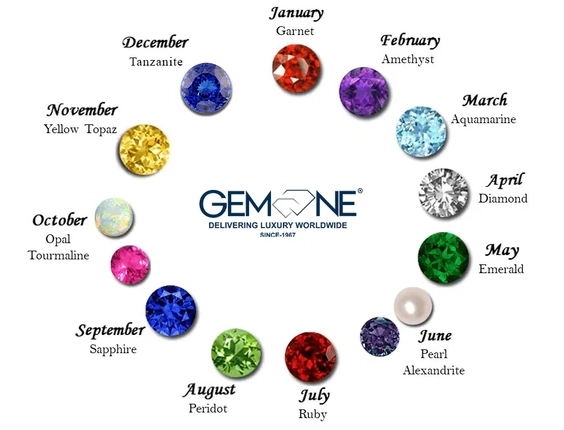
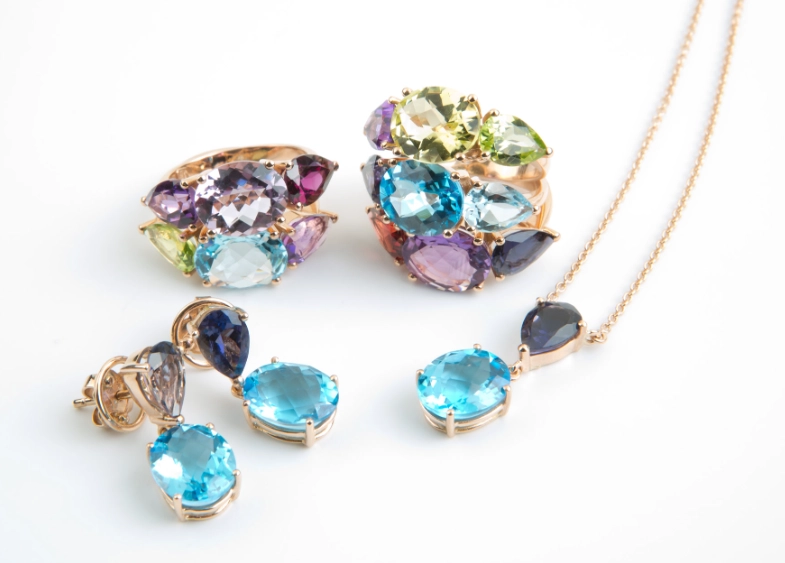
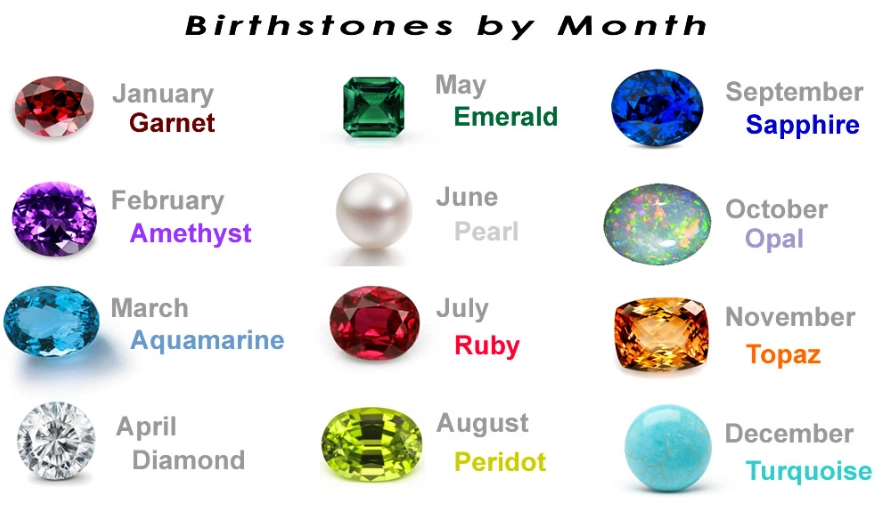
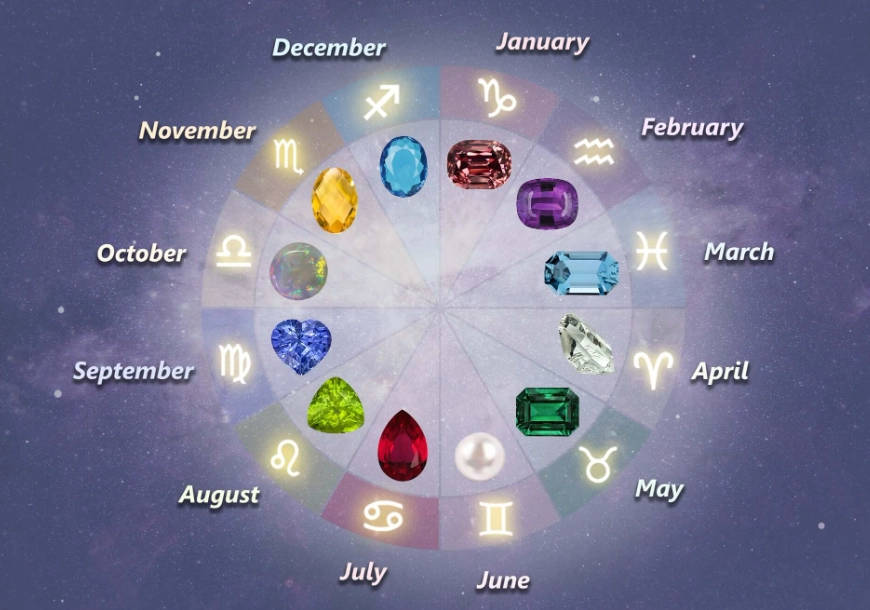
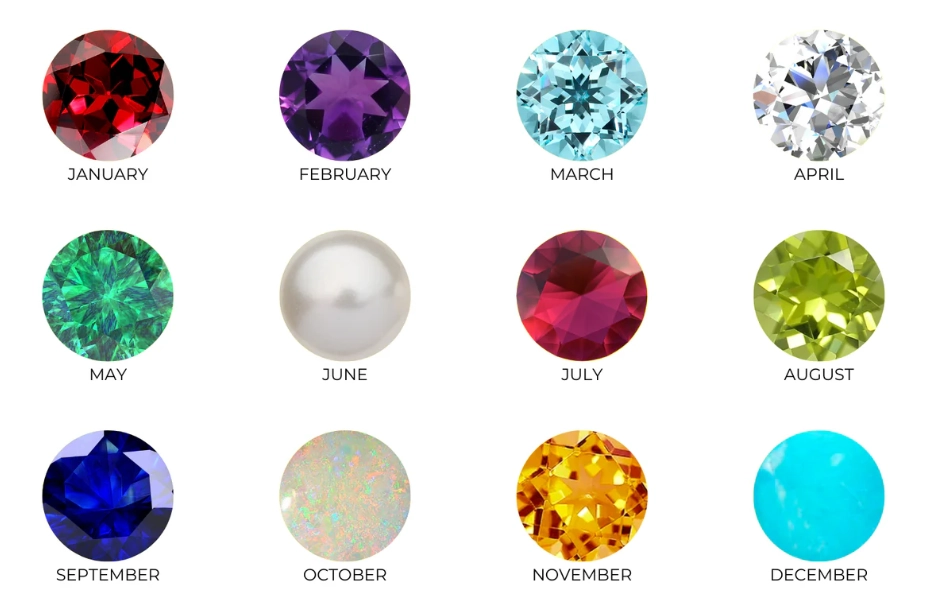
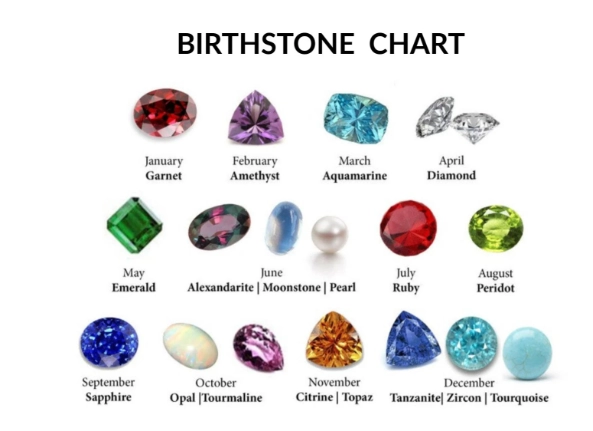
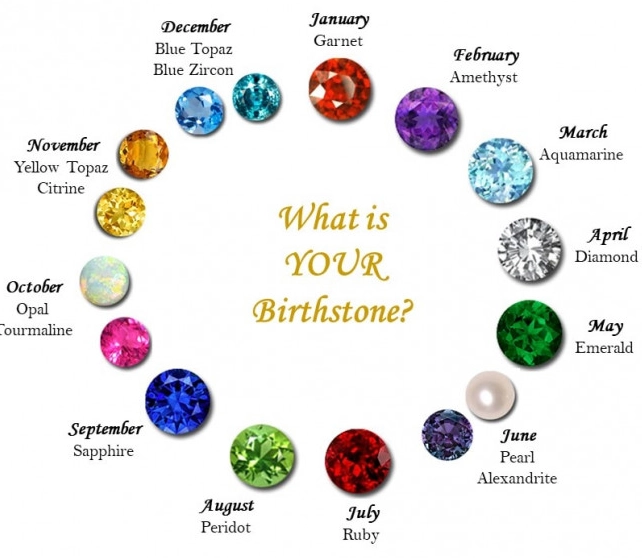
Amethyst jewelry is timeless. It's a February birthstone, fits beautifully in both sterling silver and yellow gold settings, and is durable enough for daily wear (with some care, which we'll get to). From delicate amethyst stud earrings to bold statement rings, it's versatile.
But here's my personal gripe.
A lot of mass-market amethyst jewelry uses very pale, low-quality, or even synthetic material. The stone can look washed out and lifeless. If you're buying jewelry, prioritize color and cut over sheer size. A small, vibrant purple amethyst will always look more luxurious than a large, pale, hazy one.
The Practical Side: What Can You Actually *Do* With It?
Think beyond just owning it. You can create a simple elixir (placing a cleansed stone in water overnight—use indirect method with a glass container inside the water bowl for safety), use it to grid a space for meditation, or even just carry a tumbled stone in your pocket as a worry stone. The value is in the intentional use, not just passive ownership.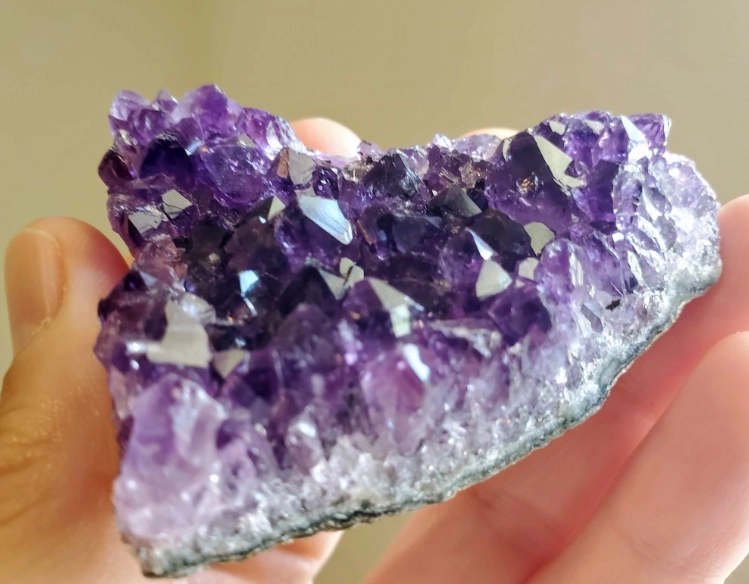
Buying Amethyst: How to Pick a Good One and Not Get Scammed
This is the part that saves you money and heartache. The amethyst market has everything from $5 tumblestones to five-figure museum-grade specimens. How do you navigate it?
Color is King (But Not the Whole Kingdom)
The most valued amethyst color is a strong, medium-to-dark reddish purple. Not so dark it looks opaque in normal light, but saturated. However, personal preference rules here. You might love the soft, ethereal look of a pale lavender amethyst, and that's perfectly valid—it'll just cost less.
Clarity and Cut
Gem-quality amethyst should be eye-clean (no visible inclusions to the naked eye). In decorative pieces, inclusions, like interesting veils or phantom formations, can add character. For faceted stones (like in a ring), a good cut will make the color come alive with brilliance. A poorly cut stone looks dull and dead.
Real vs. Fake: The Tests
Thankfully, synthetic amethyst is less common than for some gems, but glass imitations and dyed quartz are everywhere. Here's how to spot a fake amethyst:
- The Temperature Test: Real crystal feels cool to the touch and takes a moment to warm up in your hand. Glass warms up almost instantly. Not foolproof, but a good first clue.
- Inclusions: Real amethyst often has minor imperfections—tiny cracks, color zoning (stripes of lighter and darker purple), or crystalline patterns. Perfect, uniform color with bubbles inside is almost certainly glass.
- Hardness: Real amethyst (Mohs hardness 7) cannot be scratched by a steel knife (hardness ~5.5). Glass can. Be gentle if you try this on a finished piece!
- UV Light: Some (not all) natural amethyst will show a weak greenish or blueish fluorescence under long-wave UV light. Glass usually does nothing. This is a more advanced check.
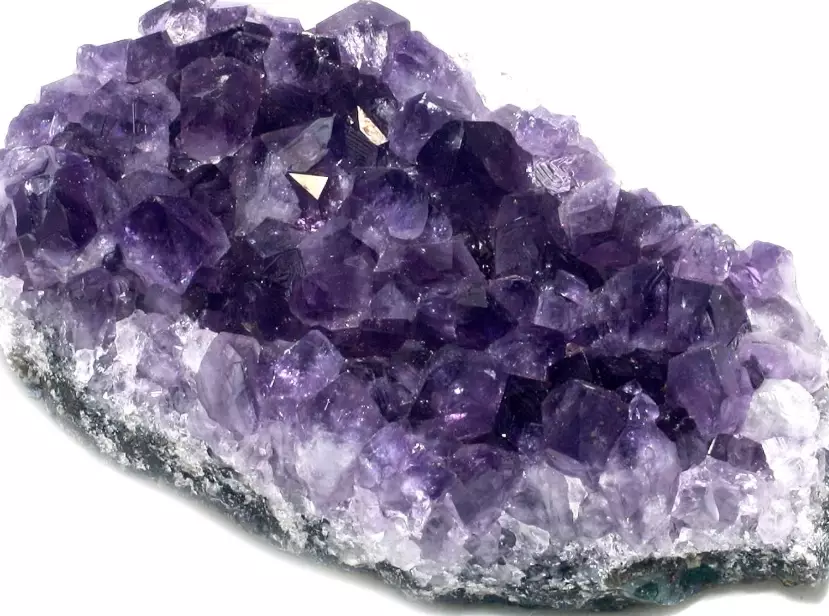
Watch Out For: "Aura" amethyst. That's real amethyst that's been coated with a thin metallic film to create a rainbow sheen (trade names like "Angel Aura" or "Titanium Aura"). It's a treated product. There's nothing wrong with liking it, but you shouldn't pay a premium for it as if it's a rare natural find.
Caring for Your Amethyst: Keeping That Purple Pretty
Amethyst is a 7 on the Mohs scale, so it's decently durable but can be scratched by harder materials. Its main enemy is the sun.
- Sunlight: Prolonged, direct sunlight will fade your amethyst. It's a gradual process. Don't leave it on a sunny windowsill for months. Display it in indirect light.
- Heat: Sudden temperature changes can cause cracking. Also, high heat (from a jeweler's torch or even very hot water) can permanently lighten its color, turning it into citrine or a dull yellow.
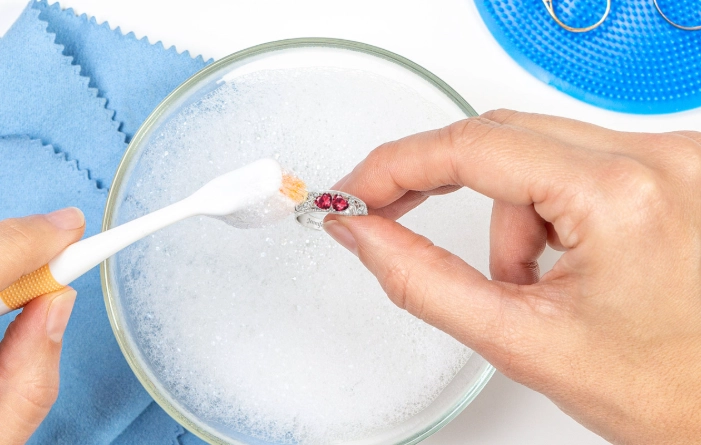
- Cleaning: Warm, soapy water and a soft brush are perfect. Ultrasonic cleaners are usually safe for untreated stones but avoid them if there are fractures. Steam cleaners are a no-go due to the heat.
- Storage: Keep it separate from harder gems like diamonds, sapphires, or topaz to prevent scratches. A soft cloth pouch is ideal.
I learned the heat lesson the hard way. I left a small, raw amethyst point on my car dashboard on a summer afternoon. A few hours later, the tip had turned a gross, pale yellow-brown. It was a cheap piece, but it was a perfect demonstration of what heat can do.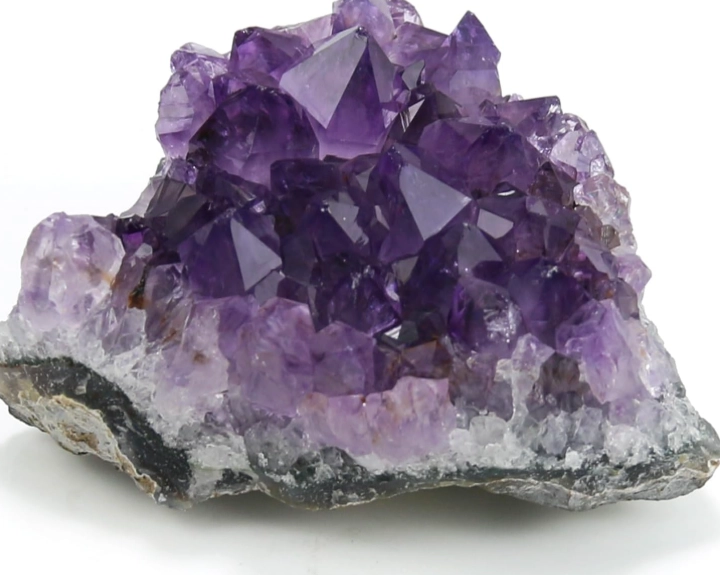
Your Amethyst Questions, Answered
Let's tackle the stuff people are actually searching for.
Does the color intensity affect its "power"?
In metaphysical circles, some believe a deeper color means a stronger effect. Scientifically, no. The color intensity is just about the concentration of iron impurities and radiation exposure during formation. Choose the color you're most drawn to.
Can amethyst go in water?
Yes, for cleaning. Generally, it's water-safe. However, don't make a habit of soaking it for days, especially if it has fractures or is part of jewelry with weaker glues or other stones that might be water-sensitive (like opal). The "elixir" method I mentioned earlier is popular.
How does amethyst form in those huge geodes?
It starts with a gas cavity in volcanic rock (like basalt). Over millions of years, mineral-rich water seeps in. As the conditions change (temperature, pressure, chemistry), silica deposits on the cavity walls, growing crystals inward. The amethyst color forms if the right iron and radiation conditions are present. The geodes from Brazil are famous examples of this.
Is amethyst a valuable investment gem?
Generally, no.
Because large, high-quality deposits have been found in South America, amethyst transitioned from a precious gem (like ruby or sapphire) to a semi-precious one. It's abundant. Exceptional pieces with extraordinary color, size, and cut can command high prices from collectors, but your average amethyst jewelry or specimen is not going to appreciate like a fine diamond. Buy it because you love it, not as a financial investment.
What's the deal with Chevron Amethyst?
Also called banded amethyst or dream amethyst, it has distinctive white (quartz) and purple (amethyst) banding in a V or chevron pattern. It's stunning and very popular. The bands are just layers of different quartz growth. Some people attribute specific properties to the combination of white and purple quartz, but geologically, it's the same mineral family with a cool visual twist.
My Take: After all this research and handling dozens of pieces, I think the real magic of amethyst is in its accessibility and beauty. It's a gateway stone that gets people interested in geology and mindfulness. You don't need to spend a fortune to get a beautiful, genuine piece. Just know what to look for, take care of it, and let it be whatever you need it to be—a paperweight, a meditation aid, or just a splash of gorgeous purple on your shelf.
So, there you have it. Amethyst stripped of the mystery but not the wonder. It's a fascinating piece of our planet with a rich history and a very modern appeal. Whether you're drawn to its color, its lore, or its potential as a focus tool, understanding what it really is makes the experience of owning one that much richer.
Now you can shop, browse, or just chat about amethyst with a bit more confidence. And maybe you'll look at that purple stone a little differently next time.