Navigating This Guide
- So, What Exactly Is Aquamarine?
- What Determines an Aquamarine's Value? (It's Not Just Color)
- A Quick Look at Where the Best Stones Come From
- The Real-World Buying Guide: What to Ask, What to Avoid
- Caring for Your Aquamarine Jewelry
- Aquamarine vs. The Look-Alikes
- Answering Your Aquamarine Questions
- Final Thoughts: Finding Your Perfect Aquamarine
Let's talk about aquamarine. You've probably seen it – that calm, sea-blue gem in a friend's ring or a fancy necklace in a store window. It looks expensive, but is it? What's the big deal about it anyway? Is it just a birthstone for March, or is there more to the story?
I used to think it was just a light blue stone. Pretty, but maybe a bit boring. Then I got my hands on a really good piece, and wow, I was wrong. The color can be incredible. But here's the thing – the market is full of confusing info. Some sellers hype it up like it's the next big investment, while others treat it like a cheap semi-precious stone. The truth, as always, is somewhere in the middle, and it depends on what you're looking at.
This guide is my attempt to cut through the noise. We're going to look at what aquamarine really is, what makes one stone worth ten times more than another, and how to buy one without getting ripped off. I'll even share a couple of things I wish I knew before my first purchase.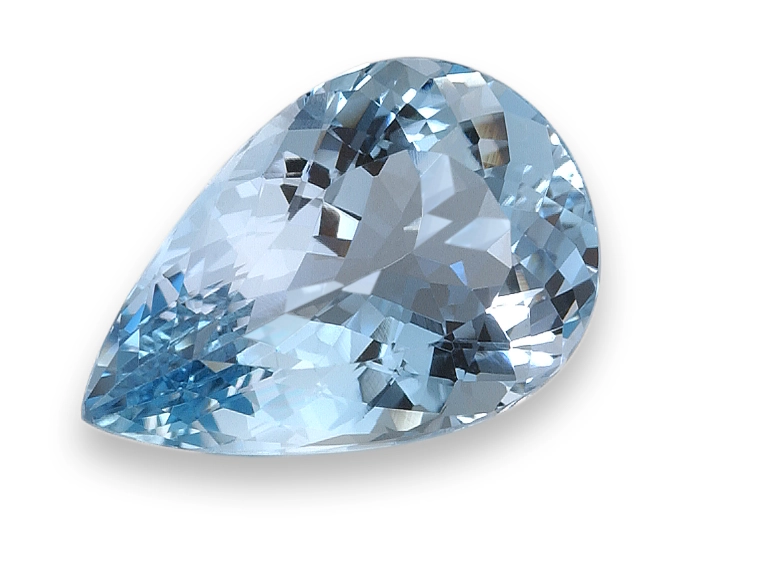
So, What Exactly Is Aquamarine?
At its core, aquamarine is a variety of the mineral beryl. If that sounds familiar, it's because emerald is also a beryl. They're cousins, chemically speaking. The signature blue to blue-green color comes from traces of iron in the crystal structure. No iron, no beautiful aqua color – you'd just have clear beryl (goshenite).
The name says it all: aqua marina is Latin for "water of the sea." Sailors in ancient times actually carried it as a talisman for protection on rough waters. I'm not sure about the magical properties, but holding a fine aquamarine does feel calming, I'll give it that.
Key Takeaway: Don't confuse it with blue topaz. Topaz is a completely different mineral, often treated to get a similar blue, and it's usually much cheaper. A real, untreated aquamarine has a depth and a subtlety that treated blue topaz often lacks. It's the difference between sea glass and the actual ocean.
What Determines an Aquamarine's Value? (It's Not Just Color)
This is where most guides just say "color, clarity, cut, carat" and move on. That's the basic gemology 101, but it doesn't help you much when you're staring at two blue stones with different price tags. Let's break down what actually matters in the real world.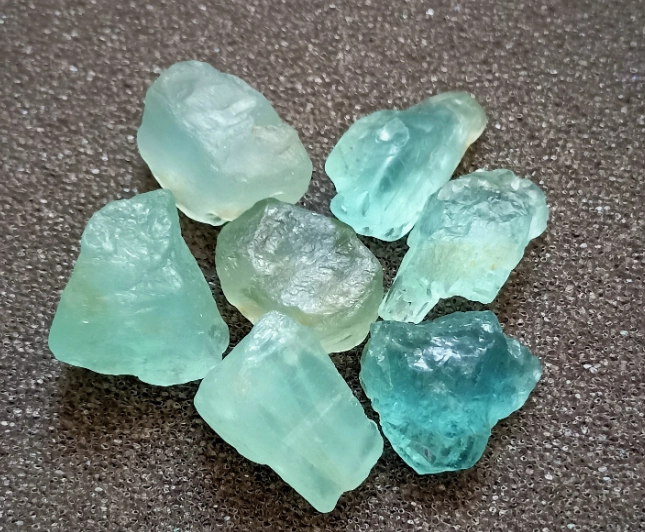
The Color: From "Washed Out" to "Santa Maria"
Color is king for aquamarine. But it's not as simple as "darker is better." The most prized color is a pure, medium-dark blue to slightly greenish-blue. Think of the ocean on a perfect tropical day, not at midnight.
Many commercial-grade aquamarines are very pale. They're nice, but they don't have that "wow" factor. Personally, I find the very light ones a bit underwhelming – they can look almost greyish in certain lights. The magic happens when the color is saturated enough to be visible from across the room.
Then there are the legendary names. "Santa Maria" is a term for the intensely saturated blue aquamarines from the Santa Maria de Itabira mine in Brazil. These are the top-tier, collector-grade stones. There's also "Espirito Santo" for another sought-after Brazilian hue. These names can command a huge premium, so be wary – the term is sometimes used loosely by sellers for any nice blue stone. If someone says it's a "Santa Maria," ask for proof of origin.
Clarity: The Cleanliness Factor
Here's a major advantage aquamarine has over its cousin, the emerald. Emeralds are famously included (full of internal imperfections). High-clarity emeralds are rare and astronomically priced. Aquamarine, on the other hand, is typically found in stunning clarity.
You should expect an eye-clean stone, meaning no visible inclusions to the naked eye, even for moderately priced pieces. If you see a lot of visible flaws or clouds, the price should reflect that. It's one of the reasons aquamarine is so popular for jewelry – it sparkles cleanly.
Cut: Where the Art Comes In
A great cutter can make an average color look better, and a poor cutter can ruin a great color. Because aquamarine crystals are often long and hexagonal, cutters have to decide: do they cut for maximum weight (keeping the crystal long) or for best color presentation?
A deep, poorly cut stone can look dark in the center. A shallow cut can make the color look washed out. A well-cut aquamarine will have even color distribution and fantastic light return (that sparkle and life). Look for symmetrical facets and a stone that looks bright, not dead, in the center.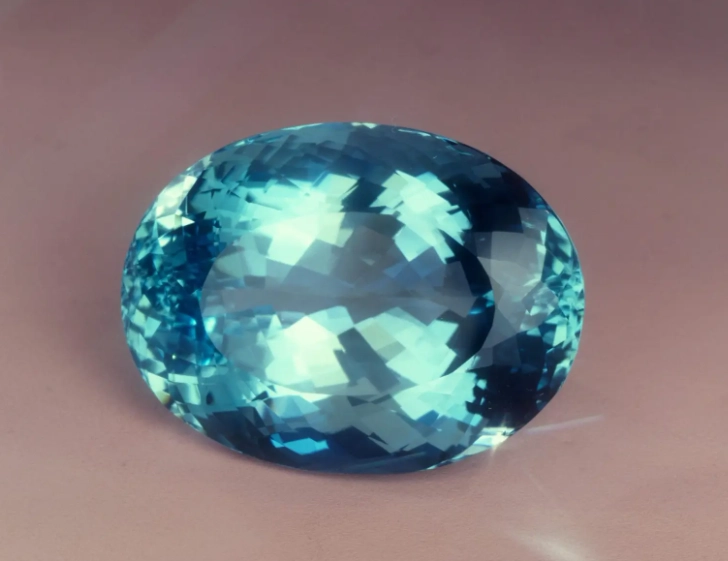
Carat Weight & Size
Aquamarine can be found in large sizes. Unlike diamonds or rubies where size skyrockets the price per carat, the price increase for a larger aquamarine is more gradual. This means you can get a statement piece for a relatively accessible price. A 10-carat aquamarine is uncommon but not unheard of; a 10-carat ruby of good quality is a museum piece.
But here's a personal opinion: a small, beautifully colored aquamarine is often more striking than a large, pale one. Size isn't everything with this gem.
Myth Buster: "Aquamarine is a cheap gemstone." This is only true for the low-grade, very pale material. A fine, medium-dark blue, eye-clean aquamarine of 3+ carats is a valuable gemstone. It sits in a fascinating middle ground—more accessible than a fine sapphire, but more special and valuable than, say, an amethyst or citrine.
A Quick Look at Where the Best Stones Come From
Origin can affect color and value. Here's a no-nonsense table based on what you'll actually find in the market.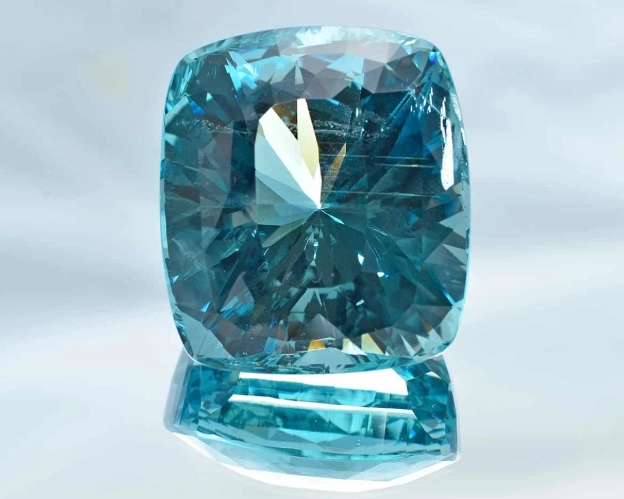
| Origin | Typical Color Character | Reputation & Notes |
|---|---|---|
| Brazil | Medium to dark blue, often with great clarity. The source of the famed "Santa Maria" color. | The historical heavyweight. Produces a huge range of qualities, from commercial to the absolute best. Most aquamarine on the market is Brazilian. |
| Nigeria | Often a very pure, slightly greenish-blue. Can be quite saturated. | Has been producing excellent material in recent years. Some rival top Brazilian colors. A great source for fine gems. |
| Madagascar | Varies widely, from light to moderately dark blue. | Produces good commercial qualities. Stones can be large and clean. A reliable source. |
| Mozambique | Similar to some Nigerian material, often a clean, vibrant blue. | Gaining a strong reputation for fine-color stones. One to watch. |
| Pakistan & Afghanistan | Can produce very fine, intense blues but often in smaller sizes. | Known for high-quality specimens in the collector market, but less common in mainstream jewelry. |
Does origin matter for everyday buying? For a standard, nice piece of jewelry, not really. For an investment-grade stone, yes, a documented Brazilian "Santa Maria" origin adds a premium.
The Real-World Buying Guide: What to Ask, What to Avoid
Okay, let's say you're ready to buy an aquamarine. Online or in a store, these are the questions you need answers to.
1. Is This Aquamarine Treated or Enhanced?
This is the most important question. The vast majority of aquamarines on the market are heat-treated. Here's the deal: most rough aquamarine has a greenish or yellowish tint. Gentle, controlled heat treatment removes those unwanted tones, leaving a stable, pure blue color. This practice is universal, accepted in the trade, and the result is permanent.
Why it's usually okay: The treatment is stable and doesn't require special care. The Gemological Institute of America (GIA) considers it a routine enhancement. You can read more about gemstone treatments on their official website.
What to be wary of: Any treatment beyond heat. Irradiation or coating to create blue color is not standard and should be disclosed. Always ask: "Has this stone been heat-treated only?" A reputable seller will tell you.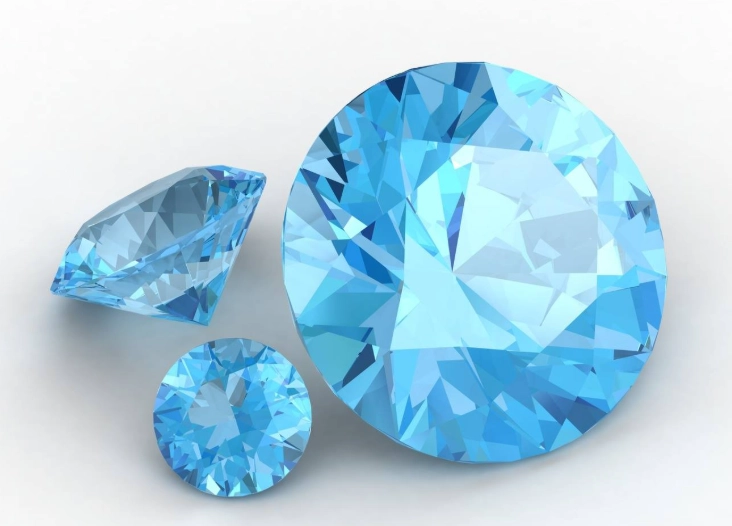
2. Can You Describe the Color in Simple Terms?
Don't just accept "it's blue." Ask: Is it a light, medium, or dark blue? Does it have any green or gray hints? See it under different light sources – store light, daylight, indoor light. A good color should hold up in various lights.
3. Is It Eye-Clean?
Get a confirmation. Hold it at a normal viewing distance. You shouldn't see obvious black spots, clouds, or cracks. Use a jeweler's loupe if they offer one, or just your own eyes.
4. What's the Cut Style?
Aquamarine looks fantastic in both step cuts (like emerald cuts) that highlight its clarity and brilliant cuts (like ovals or cushions) that maximize sparkle. Choose what you like. But check for a "window" – a flat, see-through area in the middle that indicates poor cutting.
A quick story: I once bought a pear-shaped aquamarine online that looked great in the video. When it arrived, it was cut so shallow it looked like a sliver of blue plastic. No depth, no life. I learned to always ask for side-view photos or videos to judge the cut's proportions. A flat stone is a dead stone.
Caring for Your Aquamarine Jewelry
Aquamarine is a 7.5 to 8 on the Mohs hardness scale, making it durable enough for daily wear (like in a ring), but it's not indestructible. It can be chipped by a hard knock.
Simple Care Routine:
- Cleaning: Warm water, mild dish soap, and a soft brush. Ultrasonic cleaners are usually safe for heat-treated stones without fractures, but I avoid them to be safe. Steam cleaners? Probably okay, but again, not worth the risk for me.
- Storage: Keep it separate from harder gems like diamonds, sapphires, or even other beryls that could scratch it. A soft pouch or a separate compartment in your jewelry box is perfect.
- Activities: Take it off for heavy lifting, gym workouts, or gardening. The chemicals in sweat, chlorine, and dirt aren't good for any jewelry, really.
The International Colored Gemstone Association (ICA) has good general care tips for all colored stones, which you can find here.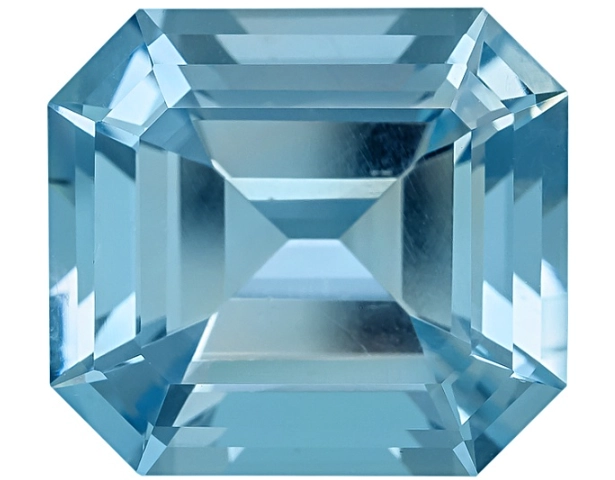
Aquamarine vs. The Look-Alikes
How do you know it's real? For peace of mind, especially for a significant purchase, get a report from a reputable lab like GIA or AGL (American Gemological Laboratories). They can confirm it's natural aquamarine and note any treatments.
Common imitations or confusions:
- Blue Topaz: Much more common and cheaper. Often has a more electric, uniform blue. Lacks the subtlety of aqua.
- Synthetic Aquamarine: It exists but is not common. A lab report is the only sure way to tell.
- Glass or Synthetic Spinels: Too perfect, often have gas bubbles (in glass) or curved color bands. The feel is different.
If a deal seems too good to be true for a large, vivid blue stone, it probably is.
Answering Your Aquamarine Questions
Let's tackle some specific things people search for.
Final Thoughts: Finding Your Perfect Aquamarine
Forget trying to find the "best" one according to a textbook. The best aquamarine is the one that makes you stop and stare. The one whose color speaks to you. It might be a small, intense blue pendant or a large, airy-light statement ring.
My advice? Start by looking at lots of them, in person if possible. Compare a pale one to a medium-dark one. See the difference. Feel the difference. Once you know what you like, be a smart buyer: ask about treatment, check the cut, and buy from someone who gives you clear, confident answers.
It's a gem that rewards a closer look.
It’s not the flashiest, not the most expensive, but a fine aquamarine has a quiet, confident beauty that lasts. It’s a piece of the sea you can carry with you. And honestly, who wouldn't want that?