What's Inside
- What Color is Topaz, Really? (Spoiler: It's Not Just Blue)
- What Determines a Topaz's Value? It's Not Just the 4Cs.
- Buying Topaz: A Step-by-Step Guide to Not Getting Ripped Off
- Caring for Your Topaz: It's Hard, But Not Indestructible
- Topaz Myths and Frequently Asked Questions (The Real Ones)
- The Bottom Line on Topaz
Let's talk about topaz. You've probably seen it in jewelry stores—those bright blue rings, maybe a yellow pendant. It's everywhere. But here's the thing: most people have no idea what they're actually looking at. Is it expensive? Is that color real? Should you even buy it? I remember walking into a big chain store years ago and seeing a wall of "topaz" rings, all the same perfect sky blue, priced suspiciously low. It got me wondering.
That curiosity sent me down a rabbit hole. I talked to gemologists, visited mines (well, read a lot about them), and made a few regrettable purchases along the way. So this isn't just a rehash of a textbook. It's what I wish someone had told me before I spent my money.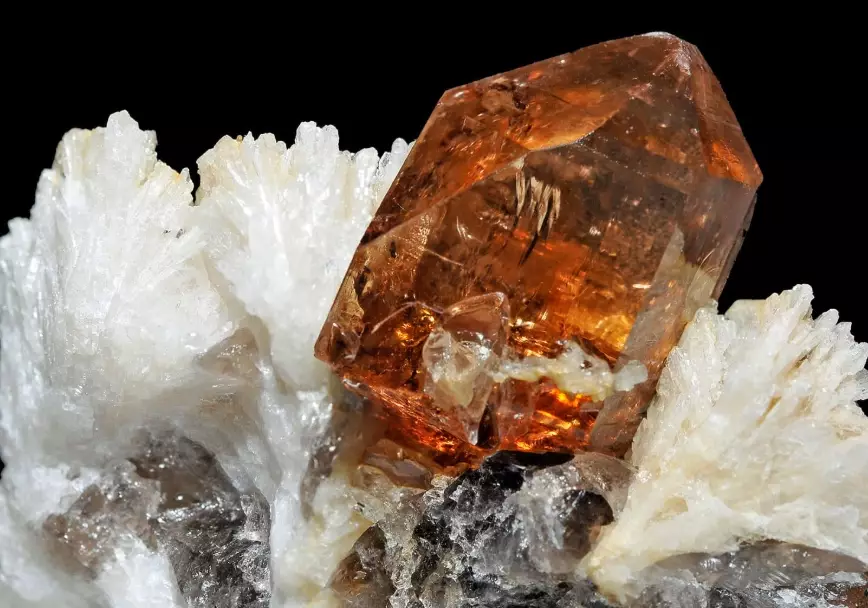
What Color is Topaz, Really? (Spoiler: It's Not Just Blue)
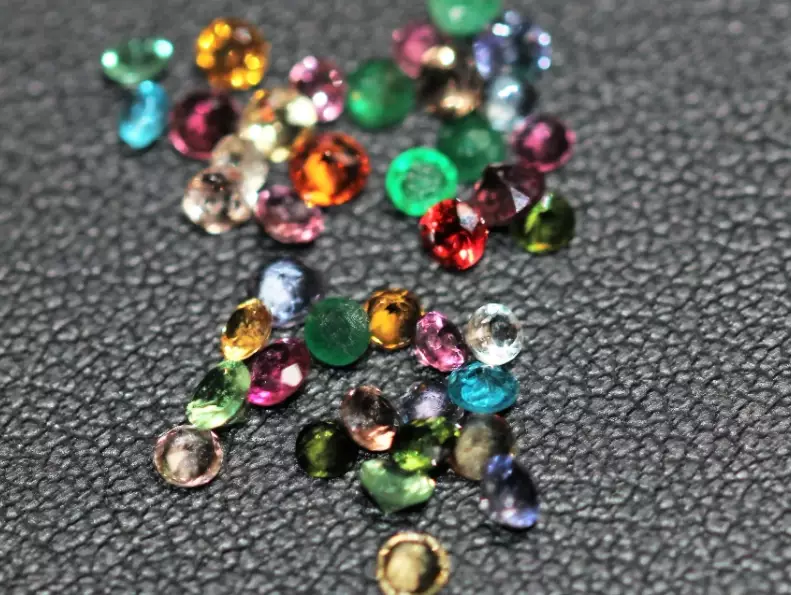
This is the biggest misconception. Ask someone the color of topaz, and 9 out of 10 will say blue. The jewelry industry has done a fantastic job linking topaz with that specific hue. But naturally occurring topaz is most often colorless, pale yellow, or a light brownish honey color. The vibrant blues, pinks, and deep reds you see? Those usually have a little help.
Let's break down the color family, because this is where the value and the fun really start.
The Natural Color Spectrum
In its pure, untouched state, topaz can show some lovely colors.
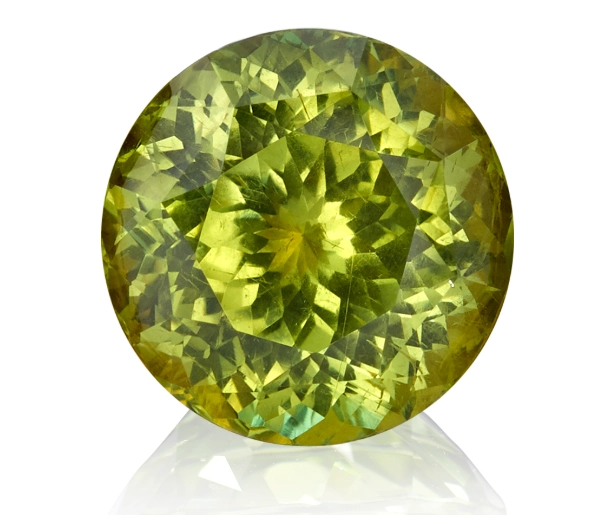
Colorless/White Pale Yellow Sherry Brown ChampagneThese are the foundation. A fine, large colorless topaz can be stunningly brilliant—it's like a diamond alternative but with its own personality. The sherry browns and champagnes have a warm, vintage feel that's coming back into style. But let's be honest, they don't command the high prices of the more famous colors.
The Royal Treatment: Imperial Topaz
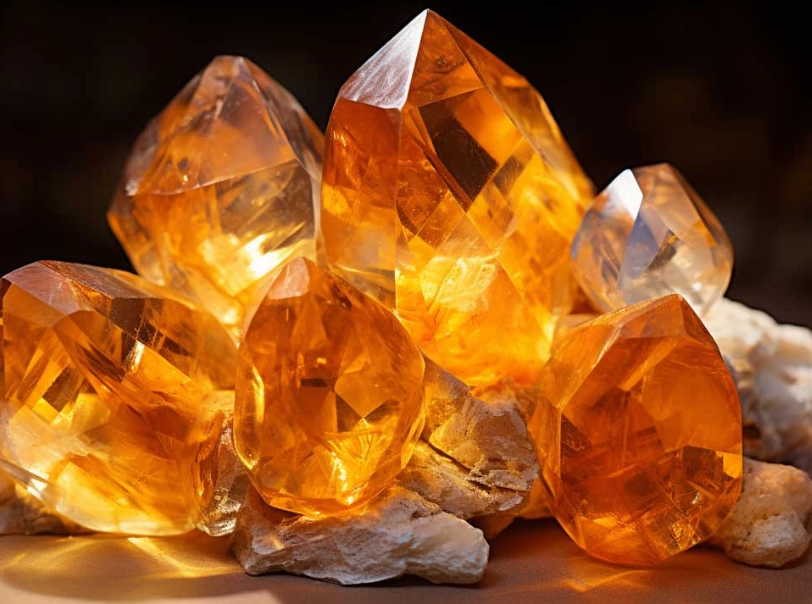
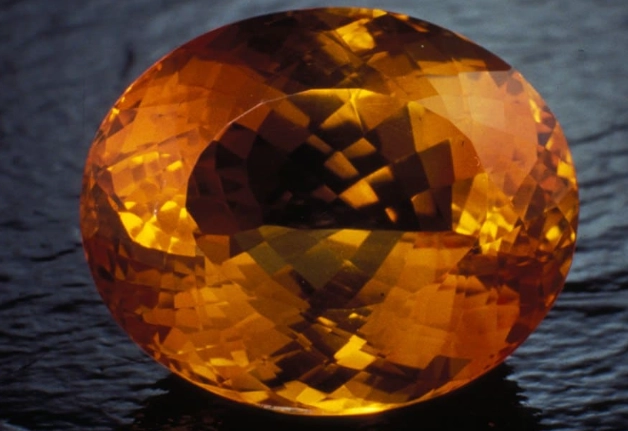
Now we're talking. Imperial topaz is the king. Its color ranges from a vibrant golden orange to a deep, reddish-orange or peachy pink. The name supposedly comes from 19th century Russia, where the gem was reserved for the czar's family.
What makes it special? The color is almost always natural. It's rare, especially in larger sizes with good clarity. This rarity drives the price. A fine imperial topaz can cost hundreds, even thousands, of dollars per carat. I saw a stunning 5-carat oval once that took my breath away—and its price tag did the same.
The best material historically came from Ouro Preto in Brazil, and that origin still adds a premium. If someone offers you a cheap "imperial topaz," be very, very skeptical.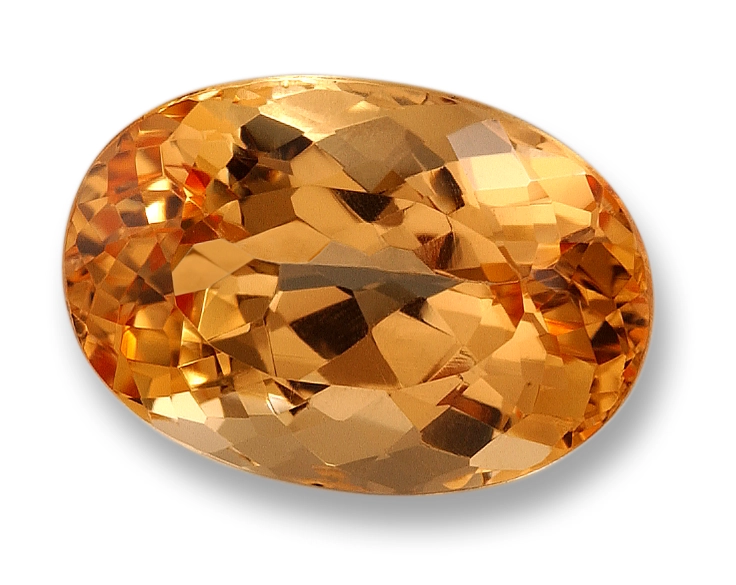
The Elephant in the Room: Blue Topaz
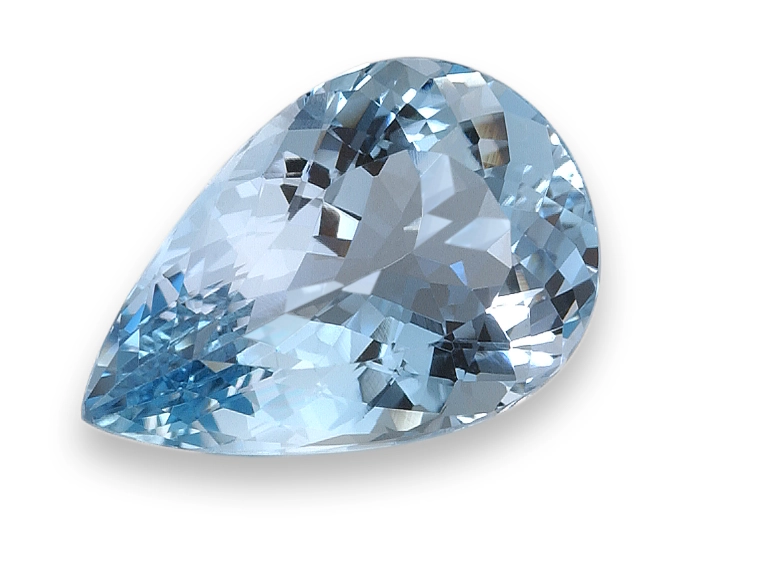
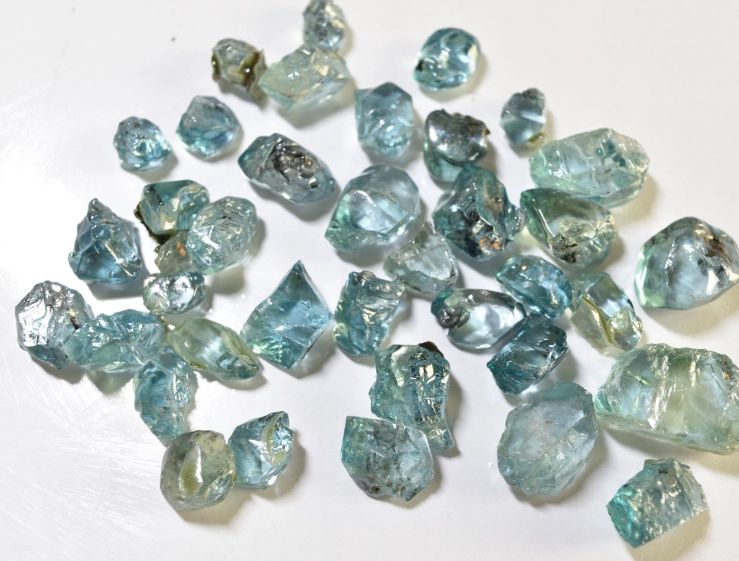
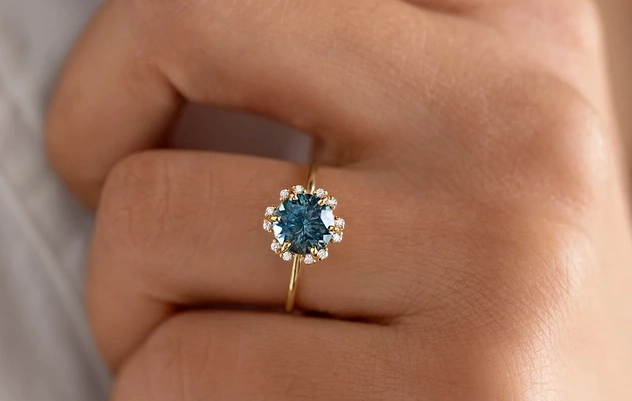
Here's where we need to have a real talk. The vast, vast majority of blue topaz on the market is treated. Natural blue topaz does exist, but it's usually a very pale, almost unnoticeable blue. The Swiss Blue, London Blue, and Sky Blue topaz that fill jewelry cases are created by irradiating colorless or pale stones and then applying heat. This process is permanent, stable, and accepted in the trade.
The process is fascinating. It doesn't make the stone radioactive in a dangerous way (commercial stones are held until safe), but it does change the atomic structure to create that color. Swiss Blue is a vivid light blue, Sky Blue is a softer pastel, and London Blue is a deep, inky steely blue, almost like a denim shade. Personally, I find the London Blue to be the most sophisticated of the three.
| Color Name | Typical Origin | Key Characteristic | Relative Market Value |
|---|---|---|---|
| Imperial | Natural (Brazil, Russia) | Vivid orangey-pink to red-orange | High to Very High |
| Natural Blue | Natural (rare, Texas, Nigeria) | Very pale, watery blue | Moderate to High |
| London Blue | Treated (Irradiation + Heat) | Deep, steely grayish-blue | Low |
| Swiss Blue | Treated (Irradiation + Heat) | Bright, electric light blue | Low |
| Colorless | Natural | Brilliant, diamond-like | Low to Moderate |
| Sherry Brown | Natural | Warm yellow-brown to brownish-orange | Low to Moderate |
Why does this table matter? Because it cuts through the noise. If you're paying a premium, you should be getting a natural color stone, likely imperial. If you just love the look of blue, treated topaz is a fantastic, affordable option—just know what you're buying.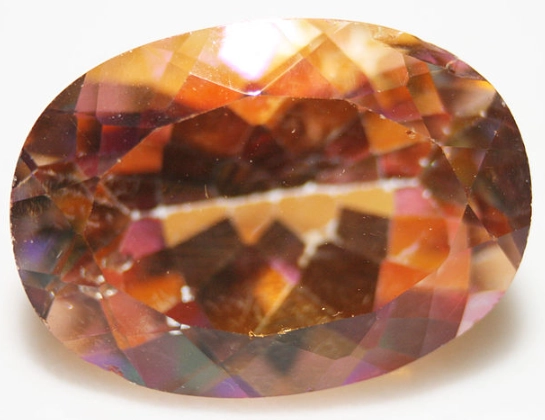
What Determines a Topaz's Value? It's Not Just the 4Cs.
With diamonds, you have the 4Cs. With colored gems like topaz, it's more nuanced. The formula goes something like this:
Color >>> Clarity > Carat > Cut
Color is the undisputed champion. A small, included imperial topaz with a fantastic hue will be worth more than a large, flawless colorless stone. The intensity, tone, and saturation of the color are everything. For blues, since they're treated, the depth and attractiveness of the blue (a matter of taste) and the quality of the cut become more important drivers.
Clarity is next. Topaz is typically a Type I clarity gemstone, meaning it's expected to be eye-clean. You should not see obvious inclusions without magnification. If you do, the value drops significantly. Some rare inclusions, like needle-like structures, can create cat's eye effects (chatoyancy), but that's a specialized market.
Carat weight has a non-linear relationship with price. Larger topaz crystals are not exceptionally rare, so the price per carat doesn't skyrocket like it does with ruby or sapphire. You can get a very sizable stone for a reasonable sum, which is part of topaz's appeal.
Cut is how the craftsman unlocks the beauty. Topaz has a basal cleavage—a plane of weakness where it can split cleanly. A good cutter must orient the stone to avoid this plane in the setting, or the gem could chip if struck. A well-cut topaz should be brilliant and symmetrical. I've seen too many poorly cut, windowed stones (where light leaks out the bottom) that look dead. Don't settle for that.
Buying Topaz: A Step-by-Step Guide to Not Getting Ripped Off
So you want to buy a topaz. Where do you start? Online? A mall store? A local jeweler? I've tried them all.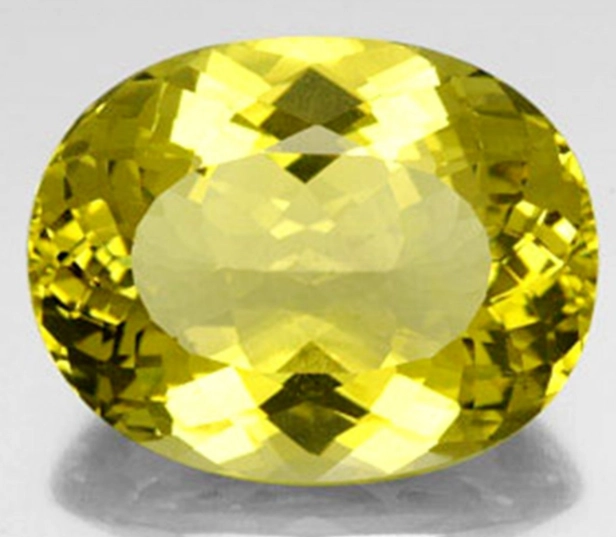
Step 1: Define Your "Why"
Are you buying a November birthstone gift? A piece of statement jewelry? An investment? For investment, focus on natural imperial topaz with a report from a major lab like the Gemological Institute of America (GIA). For fashion, treated blue topaz is a perfectly legitimate, beautiful, and budget-friendly choice. Just know the difference.
Step 2: Learn the Language of Disclosure
Reputable sellers will tell you if the color is treated. Look for phrases like:
- "Natural Imperial Topaz" (good)
- "Treated to enhance color" or "Color enhanced" (okay, as long as the price reflects it)
- Just "Blue Topaz" or "Topaz" with no qualifiers (be suspicious, ask questions)
The American Gem Society (AGS) has clear guidelines for disclosure that its members must follow. Buying from an AGS member jeweler adds a layer of security.
Step 3: Assess the Seller
Big box stores are convenient, but the staff often knows little about gemology. Specialty gem dealers or independent jewelers with a gemologist on staff are better for learning and for finding unique stones. Online marketplaces can have great deals, but you must vet the seller heavily. Read return policies. Can you return it if you get it assessed independently and it's not as described?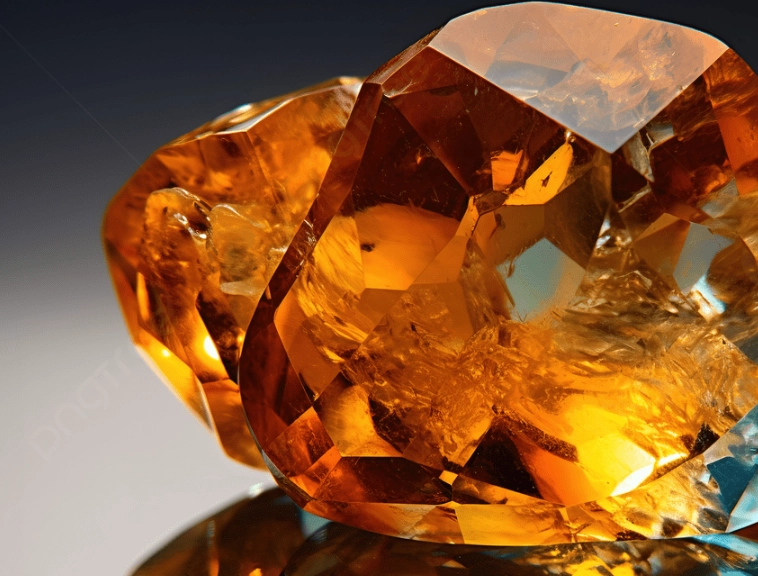
Step 4: The Hands-On Check (If Possible)
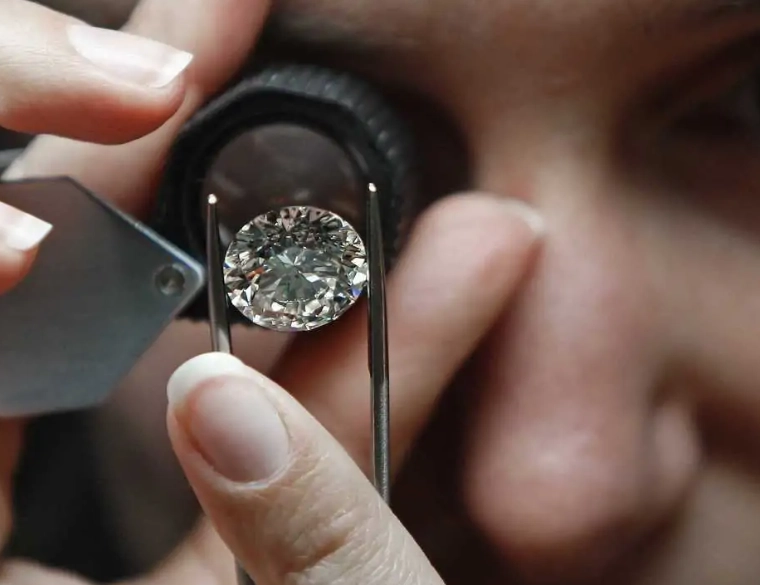
Look at the stone under different lights. Does the color change? Some imperial topaz can show a slight color shift. Check for visible scratches or chips, especially along the girdle. Feel the facets—are they sharp and crisp, or worn and rounded? A worn cut suggests the stone might have been in older jewelry or handled poorly.
Step 5: Ask for Documentation
For any stone over a few hundred dollars, ask if it comes with a lab report. For topaz, a report confirming the species and noting any treatments is crucial. GIA reports are the gold standard. An identification report from a reputable lab is your best defense against misrepresentation.
My own rule? If a seller hesitates or gets defensive about questions on treatment or origin, I walk away. There are too many honest sellers out there to waste time on the shady ones.
Caring for Your Topaz: It's Hard, But Not Indestructible
Remember that cleavage I mentioned? It's topaz's Achilles' heel. You can wear a topaz ring daily (it's an 8 on the Mohs scale, so it resists scratches from most common dust), but you must protect it from sharp blows. Don't wear it while gardening, moving furniture, or at the gym.
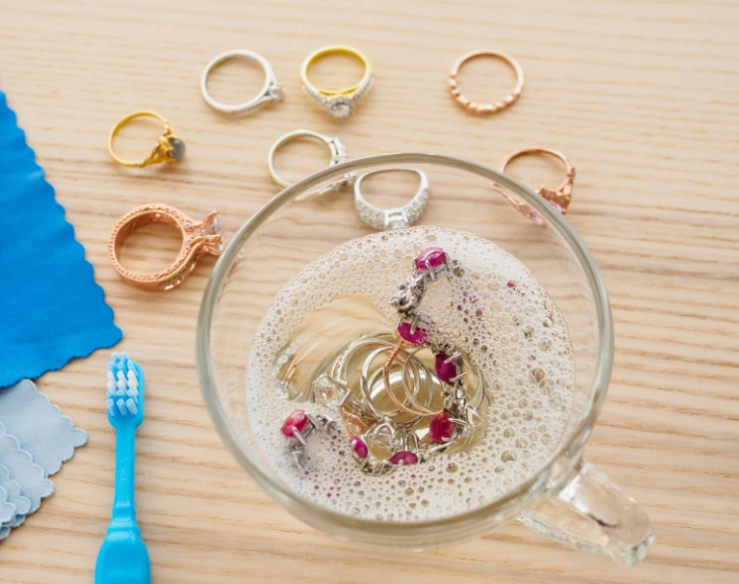
Cleaning is easy: warm soapy water, a soft brush, rinse well. Ultrasonic cleaners are usually safe for topaz unless it has liquid inclusions or fractures—then the vibrations could cause damage. Steam cleaners are generally a no-go; the sudden heat can cause stress, especially in treated stones.
Store it separately from harder gems like diamonds, sapphires, and rubies to prevent scratches. A simple soft pouch or a separate compartment in your jewelry box works.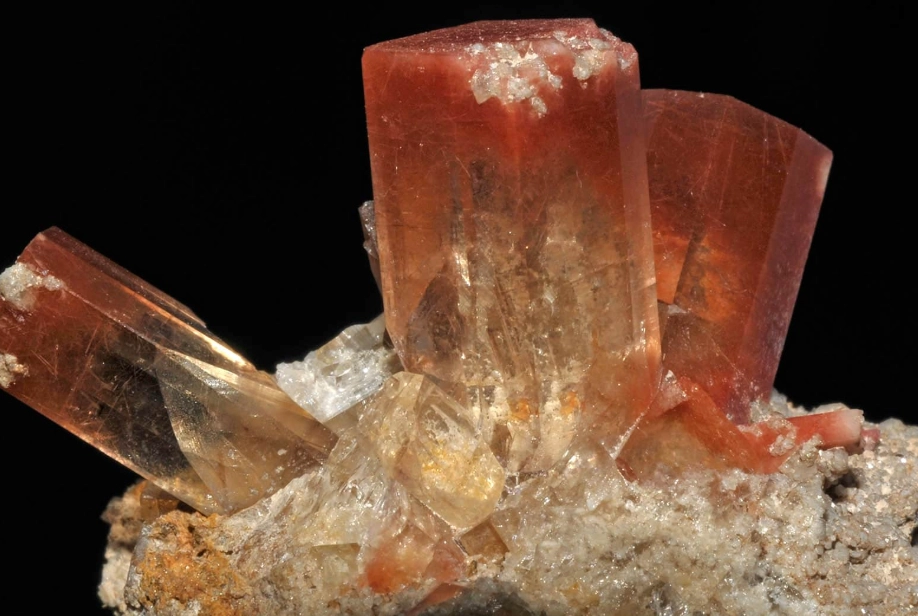
One more thing: prolonged exposure to intense heat or sunlight can, over years, cause some treated blue topaz to fade slightly. It's not common with modern treatment techniques, but it's a good reason not to leave your jewelry on a sunny windowsill.
Topaz Myths and Frequently Asked Questions (The Real Ones)
Let's tackle the stuff people actually search for online.
Is topaz a birthstone?
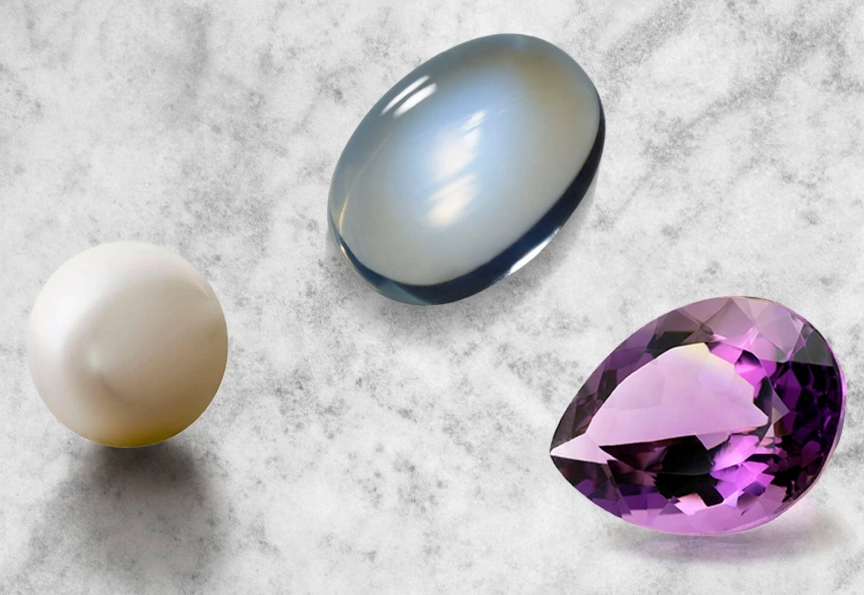
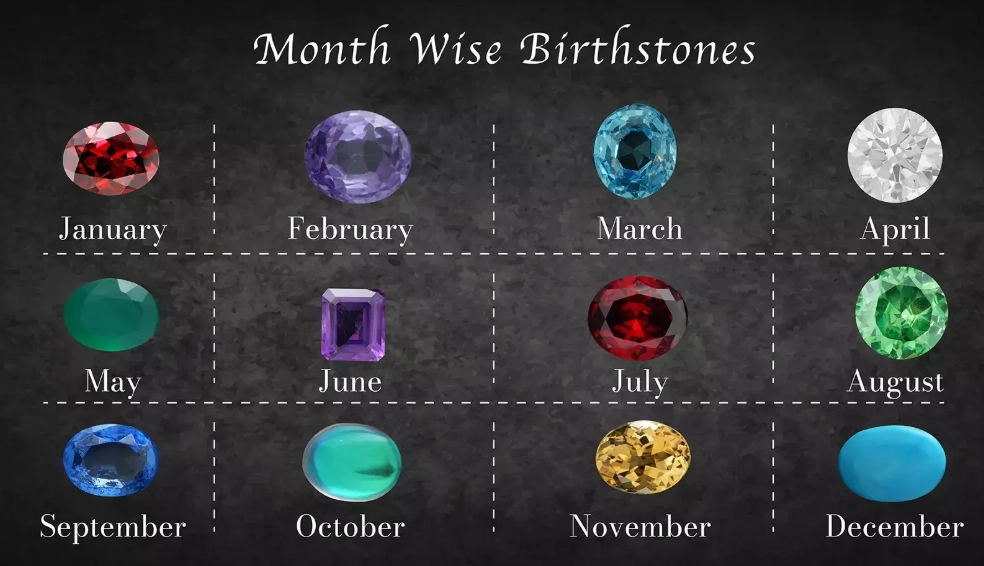
Yes, it's the primary modern birthstone for November, along with citrine. The traditional list sometimes used pearl, but topaz (and citrine) have taken over in modern jewelry. This is a huge reason for its popularity.
What's the difference between topaz and citrine?
They're completely different minerals! Citrine is a variety of quartz (silicon dioxide). They can look similar in their yellow to orange-brown forms, but citrine is softer (7 on Mohs scale) and much more abundant. Mislabeling is rampant. Cheap "citrine" is often just heat-treated amethyst, and pale topaz is sometimes sold as citrine. If the price seems too good for a large "citrine," it might be topaz—or glass.
Can topaz be worn every day?
With caution. In earrings or pendants, absolutely. In a ring, choose a protective setting (like a bezel or a setting with sturdy prongs) and be mindful of activities. It's more durable than emerald or opal, but less so than sapphire.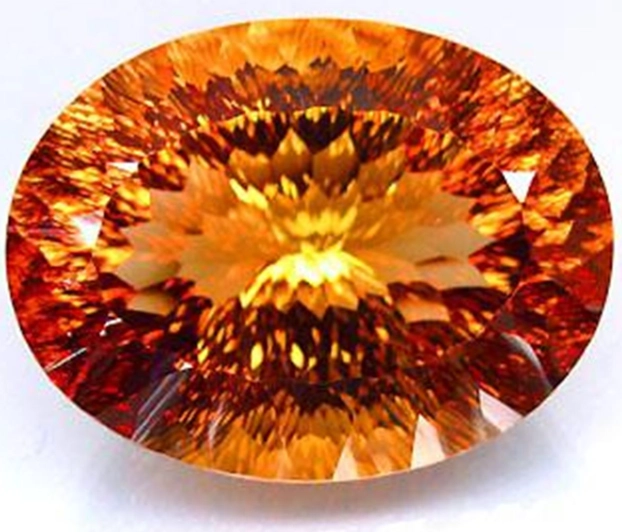
Is blue topaz radioactive?
This scares people.
The treated stones are initially radioactive, but by the time they reach the consumer, they have decayed to levels that are perfectly safe and meet all international standards. The Nuclear Regulatory Commission and similar bodies worldwide regulate this. The jewelry you buy poses no health risk. The U.S. Nuclear Regulatory Commission (NRC) provides oversight for such materials in the USA.
What's the rarest topaz color?
Natural pink and natural deep red are the rarest, followed by high-quality imperial orange-red. Fine pink topaz from Pakistan or Russia is a true collector's gem.
Is topaz a good investment gem?
For the average buyer, no. Treated blue topaz has almost no resale value. Natural imperial topaz of exceptional quality can hold and increase in value, but it's a niche market. Buy topaz because you love it, not as a financial vehicle. I learned that the hard way with a large blue stone I tried to resell.
The Bottom Line on Topaz
Topaz is a gem of incredible variety. It can be an affordable, cheerful blue in a sterling silver ring, or a regal, fiery imperial treasure in a gold pendant. The key is knowledge.
Understand that color is the primary driver of value and authenticity. Embrace treated stones for what they are—beautiful, accessible enhancements—but don't pay a natural stone price for them. Ask questions, demand disclosure, and buy from people who know what they're talking about.
For me, the magic of topaz lies in that range. It's a democratic gem. It can be everyone's birthstone, and it can also be a czar's secret. Whether you're drawn to the sunny warmth of imperial, the cool depth of London blue, or the brilliant sparkle of a colorless stone, there's a topaz out there with your name on it. Just go in with your eyes open.
And maybe start by looking at something other than blue. You might be surprised at what you fall in love with.