Key Highlights
- More Than Just Pretty: What Opal Actually Means
- The Opal Family Portrait: It's Not All White and Shiny
- So, What's It Worth? Decoding Opal Value
- Buying an Opal: A Real-World Guide (Not Just Theory)
- Living With Opal: Care, Myths, and Not Ruining Your Investment
- Your Opal Questions, Answered (The Stuff You Actually Google)
- Wrapping It Up: Is Opal For You?
Let's talk about opal. You've probably seen it – that flash of color in a piece of jewelry that doesn't look like anything else. It's not just a stone; it feels alive. I remember the first time I held a good quality black opal. It was like holding a tiny, captured piece of the Northern Lights. But here's the thing: for every stunning, fiery opal, there's a lot of confusion out there. Are they fragile? Why do prices swing from "affordable" to "a down payment on a car"? What's the deal with the color play? If you've ever wondered any of that, you're in the right place.
This isn't just a list of facts. I want to walk you through everything, from the science of how dirt and water turn into magic, to the practical stuff like not getting ripped off when you buy one. We'll get into the good, the bad, and the downright tricky parts of owning an opal.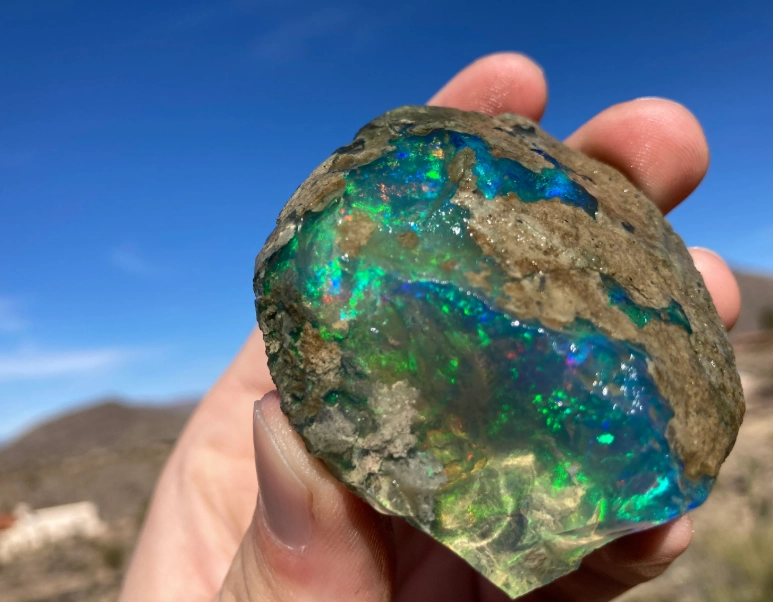
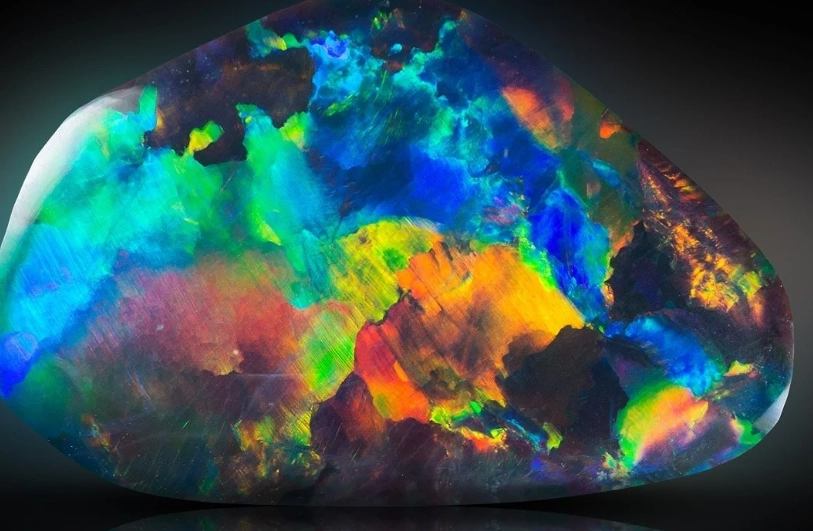
Here's the core idea: Opal is hydrated silica. Think of it as a sponge made of tiny silica spheres, with water in the gaps. The famous play-of-color happens when light waves get diffracted by the orderly stacks of these spheres. No other gem does it quite like this. The Gemological Institute of America (GIA) has a fantastic, detailed breakdown of this scientific structure if you're into the deep dive on their opal page.
More Than Just Pretty: What Opal Actually Means
People don't just buy opals for the look. They buy them for the story. Across cultures, this gem is loaded with symbolism.
In ancient Rome, it was the symbol of hope and purity. The Romans called it "opalus," which might be where our modern name comes from. Aboriginal Australians have Dreamtime stories that say the creator came to earth on a rainbow, and where his foot touched the ground, opals formed, holding that rainbow inside. That's a powerful image, isn't it? It directly ties to why many see opal as a stone of creativity and inspiration.
Now, the elephant in the room: the "bad luck" myth. This is mostly a 19th-century literary invention, popularized by a novel (Sir Walter Scott's *Anne of Geierstein*). Before that, opal was almost universally seen as lucky. Personally, I think the luck thing is nonsense. I've known dozens of opal wearers, and their luck seems about the same as anyone else's! If anything, the bad luck would be in paying too much for a poor-quality stone.
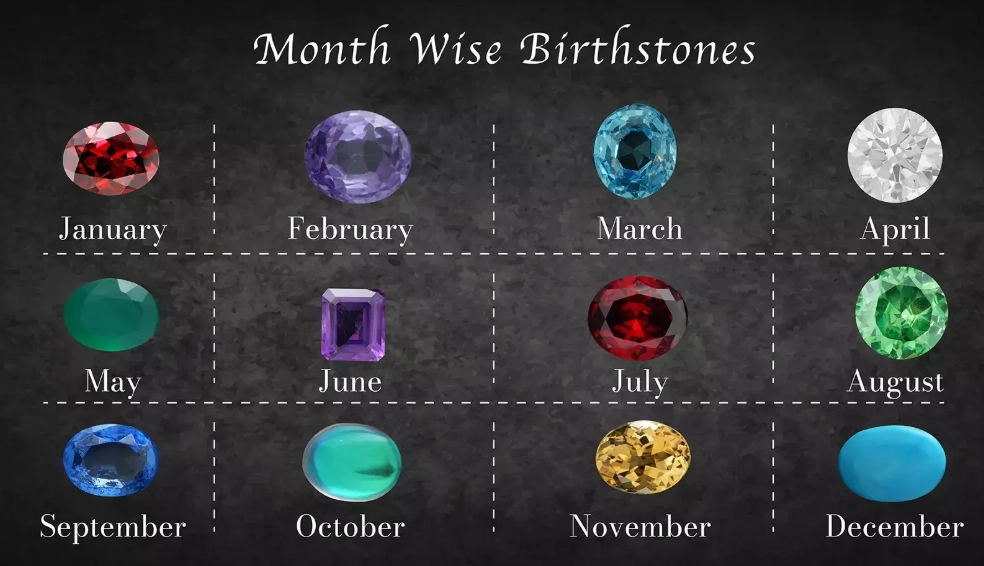
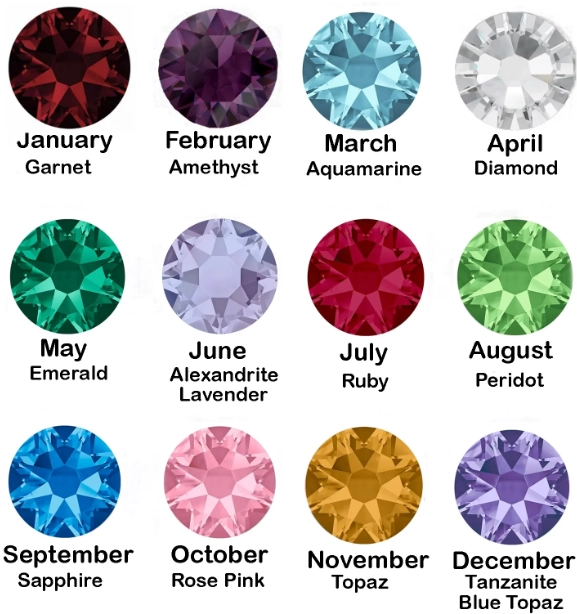
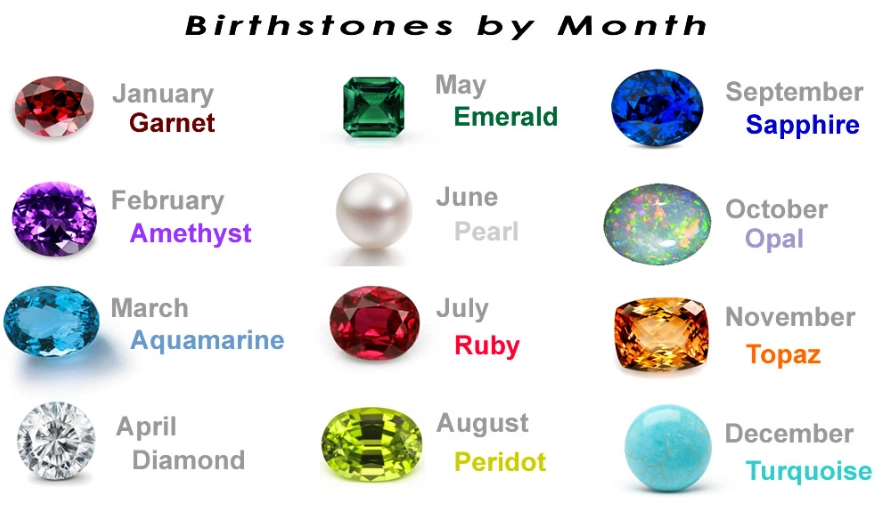
Today, it's the official birthstone for October and the gem for a 14th wedding anniversary. It's associated with emotional healing, imagination, and spontaneity. Whether you believe in crystal healing or not, you can't deny the emotional response a vibrant opal triggers.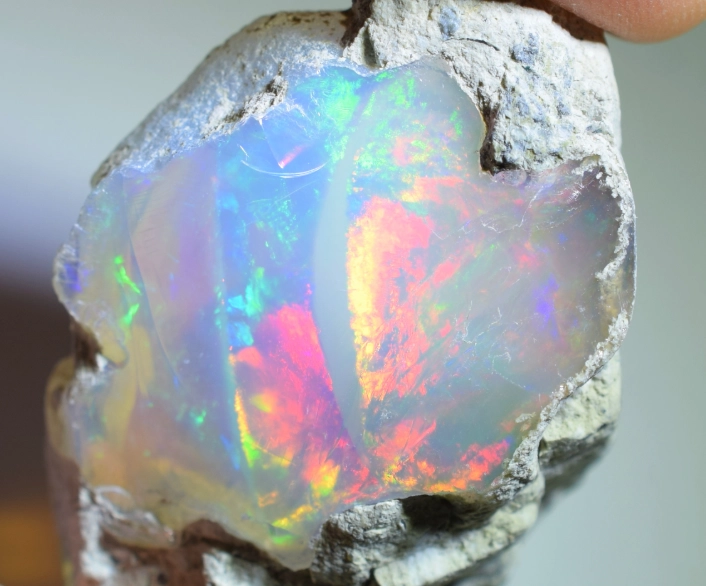
The Opal Family Portrait: It's Not All White and Shiny
This is where things get interesting. "Opal" is a huge category. Calling something just "an opal" is like saying "a car" – it doesn't tell you if it's a sedan or a sports car. The main types are defined by their body color and transparency.
Key Takeaway: The body tone (background color) is one of the single biggest factors in an opal's value and character. It ranges from black or dark gray through to crystal-clear white.
Let's break down the major players you'll encounter.
Black Opal
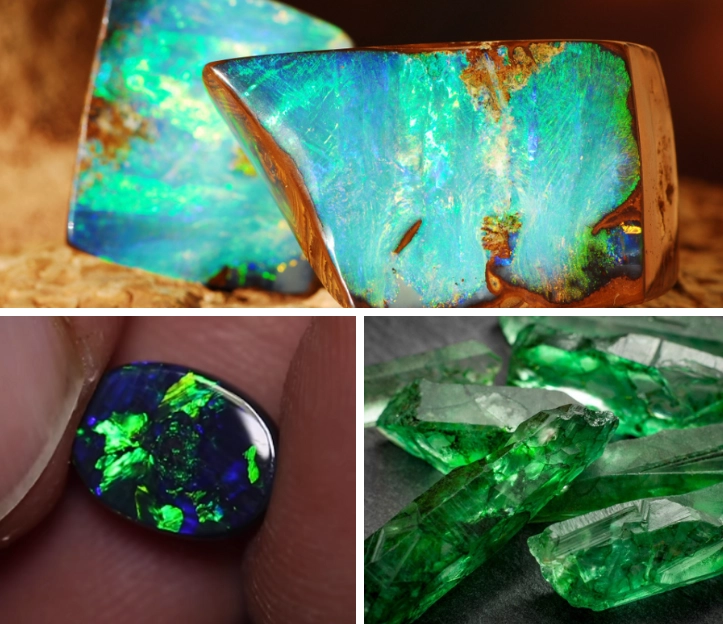
The rockstar. The most valuable and sought-after type. It has a dark body tone (dark blue, dark green, gray, or black) which makes the play-of-color pop with insane contrast. Think of a neon sign against a night sky. The most famous source is Lightning Ridge in Australia. Prices here are serious. A top-tier black opal can easily cost tens of thousands per carat. Not for the faint of heart (or wallet).
White or Light Opal
The classic. It has a white, light gray, or pale body tone. The colors are softer, more pastel-like against the light background. It's much more abundant and affordable than black opal, making it a fantastic entry point. Coober Pedy in Australia is the world's most famous source for this type.
Crystal Opal
My personal favorite for elegance. This refers to any opal with a transparent to semi-transparent body. You can see through it! The play-of-color seems to float within the stone. It can come with any body tone, from crystal black to crystal white. The transparency adds a depth that's mesmerizing.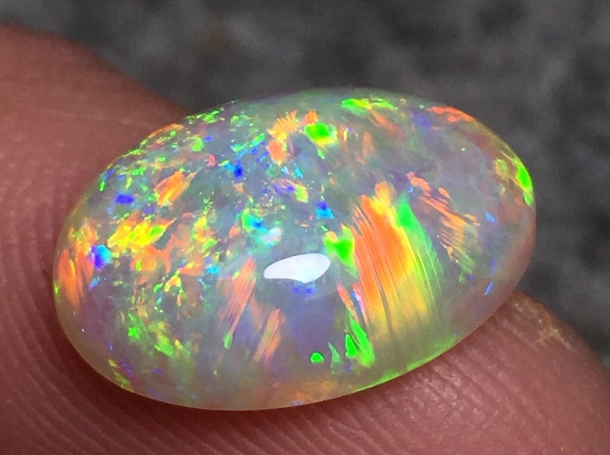
Boulder Opal
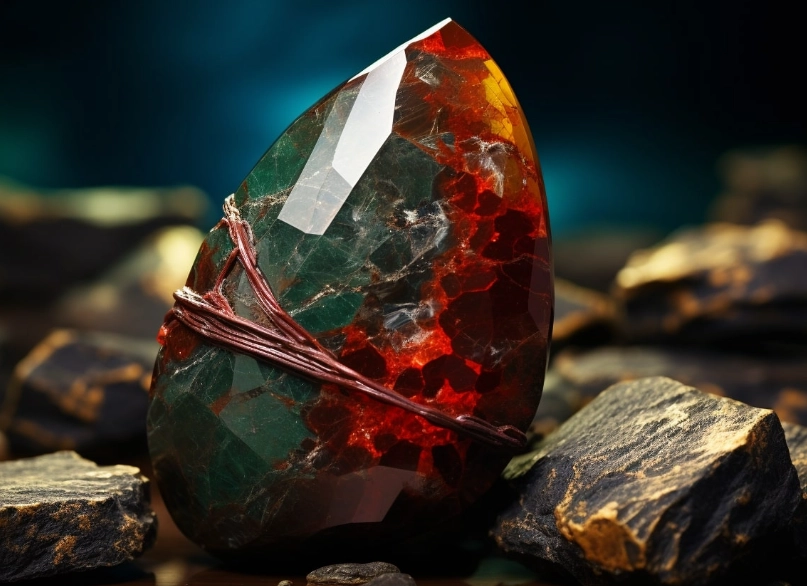
The tough guy. This is opal that forms in thin veins within ironstone boulders. The cutter leaves the natural ironstone backing attached, which acts as a dark, solid base to highlight the color. It's often cut into freeform shapes, following the natural seam. It's durable, unique, and has a raw, organic beauty. Queensland, Australia is its home.
Fire Opal
The fiery exception. This one is known for its body color – a warm yellow, orange, or red. It's often translucent. The catch? It may or may not show play-of-color. The ones that do are exceptionally rare and prized. Most fire opal is valued for its warm, solid color. It primarily comes from Mexico. Mindat, a trusted mineralogical database, has great locality info on fire opal specifics.
And then you have treatments and synthetics. Doublets and triplets are thin slices of real opal glued to a black backing (and sometimes a clear quartz cap). They make color pop at a low cost but are less durable and valuable. Lab-created opals are real silica with play-of-color, but man-made. They're perfect for budget-conscious fashion jewelry but should always be disclosed as such.
| Opal Type | Body Tone | Key Characteristic | Typical Origin | Relative Price Point |
|---|---|---|---|---|
| Black Opal | Dark (Black, Dark Gray) | Maximum color contrast, most vivid play | Lightning Ridge, Australia | $$$$$ (Very High) |
| White/Light Opal | Light (White, Cream) | Soft, pastel play-of-color | Coober Pedy, Australia | $$ (Moderate) |
| Crystal Opal | Transparent to Semi-transparent | See-through body, color appears deep | Multiple Australian fields | $$$ (Medium-High) |
| Boulder Opal | N/A (on Ironstone) | Natural ironstone backing, organic shapes | Queensland, Australia | $$$ (Medium-High) |
| Fire Opal | Yellow, Orange, Red | Valued for warm body color; may lack play-of-color | Mexico | $$ (Moderate) |
So, What's It Worth? Decoding Opal Value
Figuring out an opal's price can feel like reading tea leaves. Two stones that look roughly the same size can have wildly different price tags. It all boils down to a few key factors, which gemologists call the "Three Cs" plus one: Color, Pattern, Clarity, and Origin.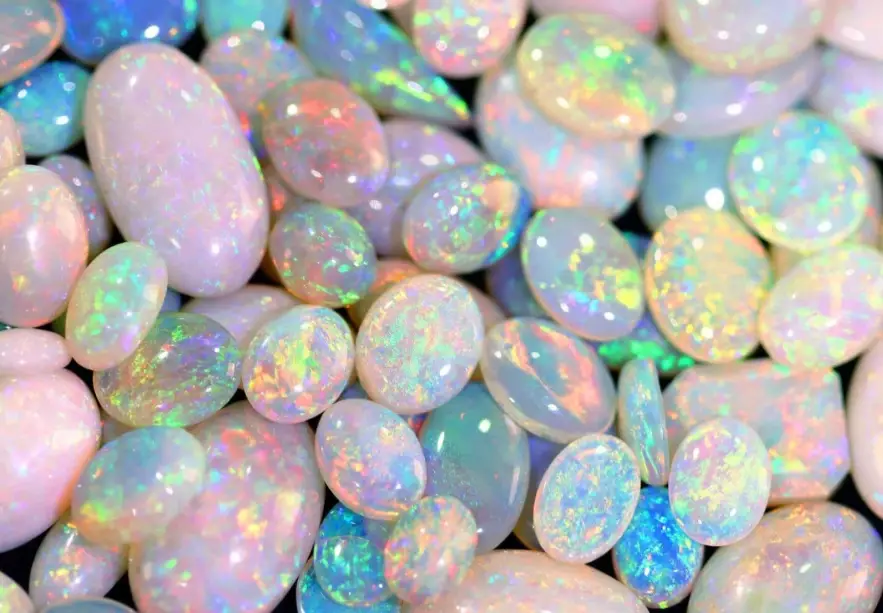
1. Color (The Play-of-Color, Specifically)
This is the big one. Not just *if* it has color, but *what* color, how bright, and how much of the stone it covers.
- Spectrum: Red is the rarest and most valuable color in the play-of-color spectrum. Then comes orange, green, blue, and violet. A stone showing flashes of red is worth more than one showing only blue and green.
- Brightness: How vivid and intense are the colors? Dull, washed-out color lowers value dramatically. You want it to sing.
- Coverage: Does the color play cover the entire stone (a "full face"), or is it just in patches? More coverage is better.
2. Pattern
How the colors are arranged. Some patterns are more desirable than others. Broad, sweeping flashes ("harlequin" or "ribbon" patterns) are highly prized. Pinfire (small, pinpoint flashes) is common but can be beautiful if bright. A chaotic, muddy pattern is less valuable.
3. Body Tone & Clarity
As we discussed, darker body tone (for precious opal) generally means higher value. For crystal opal, perfect transparency with no haze or impurities is the goal. Cracks, pits, or sand inclusions (common in Australian opal) can significantly reduce value.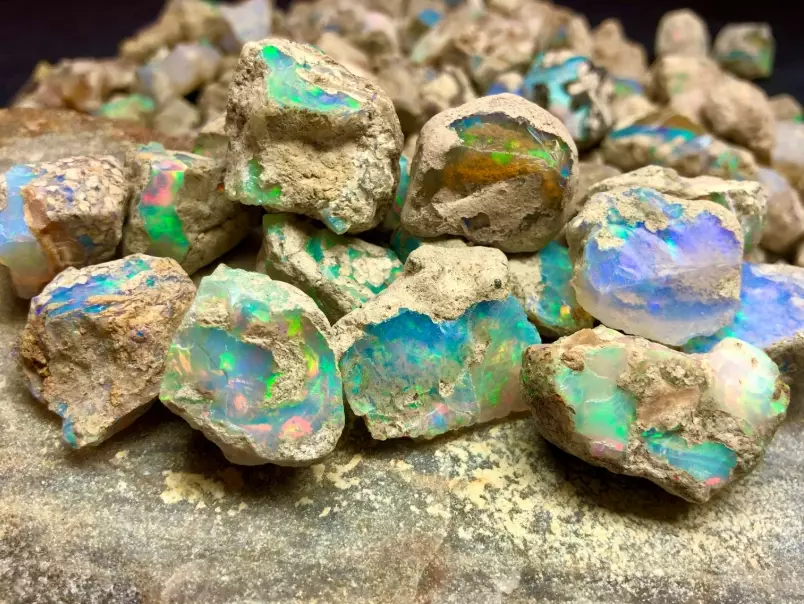
4. Cut, Carat & Origin
A good cut should maximize color play and stability. Opal is often cut in freeform "cabochon" shapes to follow the color seam. Carat weight matters, but a smaller stone with fantastic color is worth more than a large, dull one. Finally, origin matters to collectors. Australian opal, particularly from legendary fields like Lightning Ridge, commands a premium due to its quality and reputation. Ethiopian opal is a major newcomer – often stunningly bright and affordable, but it has a reputation for being more porous and potentially less stable, which affects its long-term value perception.
A word on "potch": This is common opal with no play-of-color. It's the gray or white stuff the colorful vein runs through. Unscrupulous sellers might try to pass off a stone with a tiny color bar on top of a thick layer of potch as a solid opal. It's not. Always look at the stone from the side to see how thick the color bar is.
Buying an Opal: A Real-World Guide (Not Just Theory)
Okay, you're ready to buy. Maybe it's for an engagement ring, a pendant, or just because. Here's the practical, from-the-trenches advice you won't always get.
First, set a realistic budget. And within that budget, decide what's most important: size or quality? You usually can't have both. A stunning, small black opal might cost the same as a large, mediocre white opal.
Where to buy? Reputable jewelers (especially those who specialize in gemstones), established online dealers with clear policies and certifications, and trusted auction houses for high-end pieces. Be very, very cautious with random online marketplaces or social media sellers offering "unbelievable deals." If it seems too good to be true with opal, it almost always is.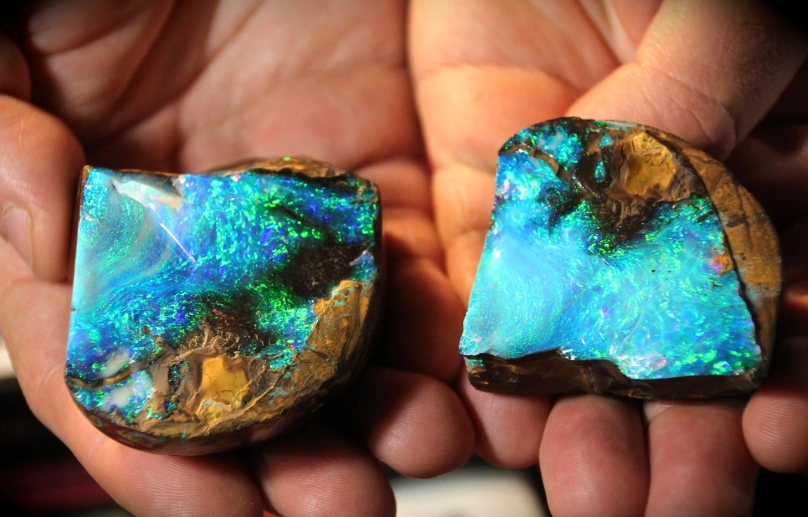
Ask the right questions:
- Is this a solid opal, doublet, triplet, or synthetic?
- What is the origin (Australia, Ethiopia, Mexico, etc.)?
- Are there any treatments (like smoke treatment for black opal, which is common but should be disclosed)?
- Does it come with a lab report from a recognized lab like GIA or AGL (American Gemological Laboratories) for high-value stones?
Viewing is everything. Look at the stone under different lights – indoor, outdoor shade, direct sunlight. A great opal will perform in multiple lights. A poor one might only flash in one very specific condition. Tilt it, roll it. See how the color travels across the stone.
I made a mistake once, buying a pendant online from a photo taken in perfect, direct spotlight. In normal room light, the stone was lifeless. Lesson learned.
For reputable information on buying gemstones ethically and wisely, organizations like the American Gem Society (AGS) and the Australian Opal Association provide consumer guides that are worth a read before you pull out your credit card.
Living With Opal: Care, Myths, and Not Ruining Your Investment
Opal has a reputation for being delicate. It's not diamond, that's for sure. But with a little sense, it's perfectly wearable. The main issue is its water content (typically 5-10%). Sudden, extreme temperature changes or very dry conditions can cause cracking ("crazing").
The Care Checklist:
- DO clean it with mild soap, lukewarm water, and a soft cloth.
- DO store it in a soft pouch, away from harder gems that could scratch it.
- DO take it off for heavy manual work, gardening, or swimming (chlorine and hot tubs are terrible for it).
- DON'T use ultrasonic or steam cleaners. Ever.
- DON'T expose it to harsh chemicals (hairspray, cleaners, acids).
- DON'T let it bake in direct sun for weeks on end (like on a windowsill).
For rings, a bezel or halo setting offers more protection than a high prong setting. It's a practical choice.
Now, the "water" question. People panic: "Can I wash my hands with my opal ring on?" Yes. Brief contact with water is fine. It's *prolonged* soaking or dramatic wet-dry cycles you want to avoid. Think of it like wood – a little humidity is okay, but don't leave it in the bathtub.
Your Opal Questions, Answered (The Stuff You Actually Google)
Wrapping It Up: Is Opal For You?
Opal isn't a "set it and forget it" gem. It demands a bit of attention, a bit of knowledge. It rewards the curious. If you want a stone with zero maintenance and maximum hardness, look elsewhere. But if you want a piece of the earth that feels alive, that holds a universe of color inside, and you're willing to learn its language, then opal is unmatched.
The journey from a silica-rich seep in the outback to a piece of jewelry on your finger is a long one. Understanding that journey – the types, the value factors, the care – doesn't take away the magic. It adds to it. You're not just buying a shiny thing; you're becoming the caretaker of a tiny, ancient wonder.
Start by looking at lots of them, in person if you can. Compare a white opal to a black one. Hold a boulder opal. See the fire in a Mexican fire opal. Your eyes will tell you which one speaks to you. And now, you'll know exactly what you're looking at, and what questions to ask.