What's Inside
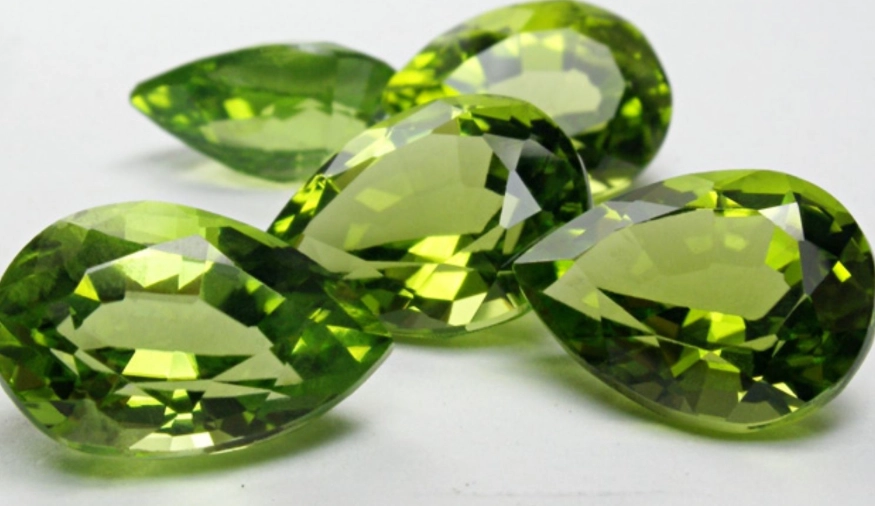
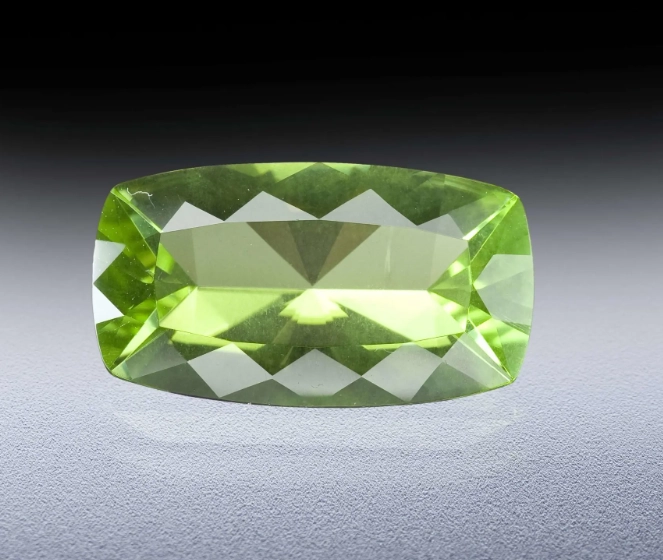
You know, I used to think peridot was just that "other" green stone. You walk into a jewelry store, and there's emerald getting all the glory, and maybe a tourmaline or two. Then, tucked away, you might see this bottle-green gem that seems to glow from within. That's peridot. It wasn't until I held a really good one—a cushion cut from Pakistan—that I got it. The color wasn't just green; it was a lively, summery lime with a golden undertone that felt warm in your hand, not cold like some gems. It had a personality. And the kicker? It comes from outer space sometimes. Seriously. We'll get to that.
So, what is this gem that's been around since the Pharaohs but still feels surprisingly modern? Let's ditch the textbook definitions and talk about what makes peridot actually interesting, why you might want to buy it, and what nobody tells you about taking care of it.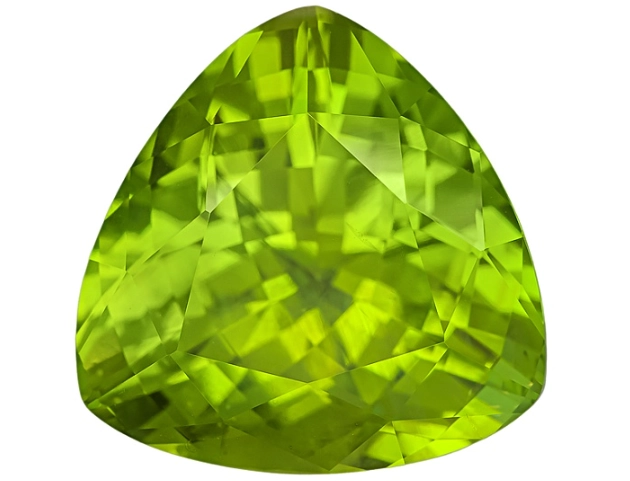
The Quick Take: Peridot (pronounced PAIR-uh-doe or PAIR-uh-dot, both are fine) is an ancient gemstone, the birthstone for August, and is one of the few gems that comes in essentially one color: green. Its intensity ranges from a yellowish-green to a brownish-green, but the most valued is that pure, vibrant "lime" green. Unlike most gems, which get their color from impurities, peridot's green comes from the basic composition of the stone itself—it's made of the mineral olivine. No fancy treatments, no dye. What you see is what you get.
What Exactly Is a Peridot Gemstone?
Let's break it down without the geology degree. Peridot is the gem-quality version of a mineral called olivine. Think of olivine as the family name, and peridot as the celebrity sibling that's cut and polished for jewelry. It's an idiochromatic gem. Fancy word, simple meaning: its color comes from its essential chemical makeup (iron), not from trace elements like in sapphire or ruby. This is why it's only ever green. You'll never find a blue or red peridot.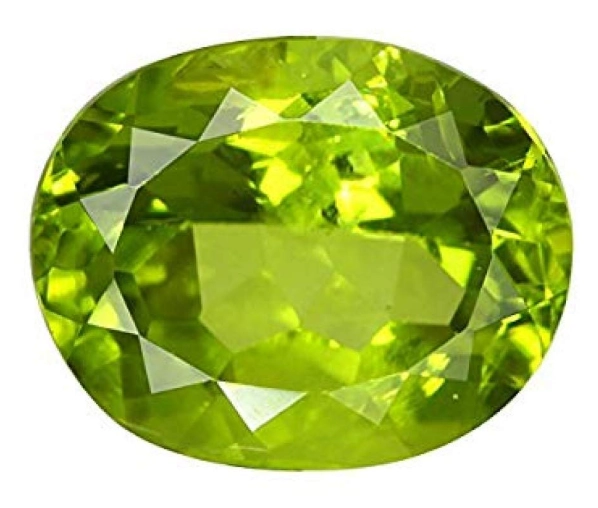
The technical specs matter when you're buying, so here's the cheat sheet:
- Hardness (Mohs Scale): 6.5 to 7. This is the big one. It's decent, but it's no diamond (10) or sapphire (9). It can be worn daily in protective settings (like a bezel), but it will scratch more easily than many mainstream gems. A peridot ring isn't the best choice for someone who works with their hands a lot.
- Refractive Index: Fairly high. This is the science behind its brilliance. A well-cut peridot has a sharp, glassy sparkle that can be really eye-catching.
- Clarity: Eye-clean stones are common and expected. You'll often see tiny, lily-pad shaped inclusions. Honestly, I kind of like them—they're like a fingerprint proving it's natural. But large, distracting black spots can hurt the value.
Where does it come from? The history is wild. Ancient Egyptians mined it on Zabargad Island in the Red Sea (they called it the "gem of the sun"). Today, the major sources are Myanmar (Burma), Pakistan (especially the Kashmir region, which produces stunning, vivid stones), China, Vietnam, and the United States (Arizona).
Space Rock Alert: This is the coolest part. Peridot has been found in pallasite meteorites—rocks from space that are a mix of metal and olivine crystals. It's also been identified in comet dust and on Mars! So yeah, you can literally own a gem from outer space, though meteoritic peridot is extremely rare and more of a collector's item than a jewelry staple. The Geological Society of America has some fascinating papers on extraterrestrial olivine if you're into the hard science.
What Makes a Peridot Valuable (or Not)?
Forget carat weight for a second. With peridot, color is king, queen, and the whole royal court. Since all peridots are green, the game is all about the *quality* of that green.
The Color Spectrum: From Olive to Lime
You'll see a range. On the lower end, a yellowish or brownish-green that looks a bit muddy. The top-tier color is a pure, intense, saturated green with no brown or gray modifiers. Some describe it as "lime" green, but that sounds cheap. It's more like the green of a just-cut blade of grass in bright sunlight—vibrant and alive. The very best examples, often from Myanmar or Pakistan, have this almost electric quality. The color should be even, without obvious zoning.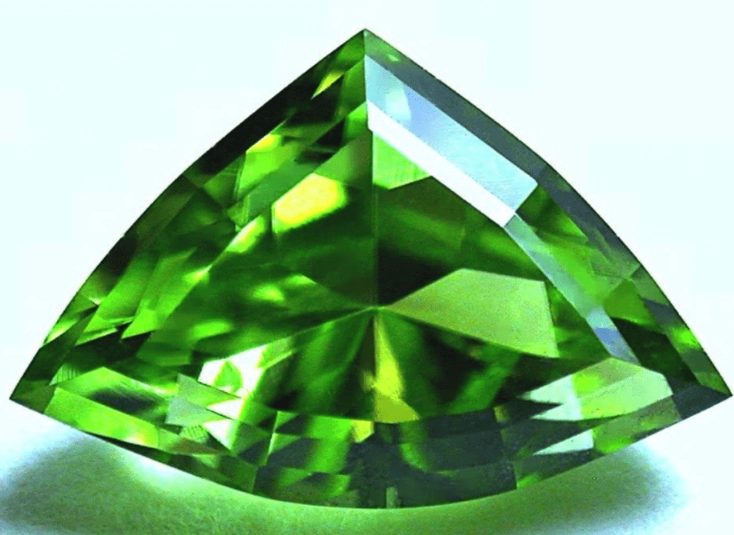
Size? Peridot can come in large sizes. I've seen 50-carat stones. But here's the thing: the color often gets paler in bigger stones. A small, intensely colored peridot is usually more desirable than a large, washed-out one.
Cut and Clarity: Letting the Light In
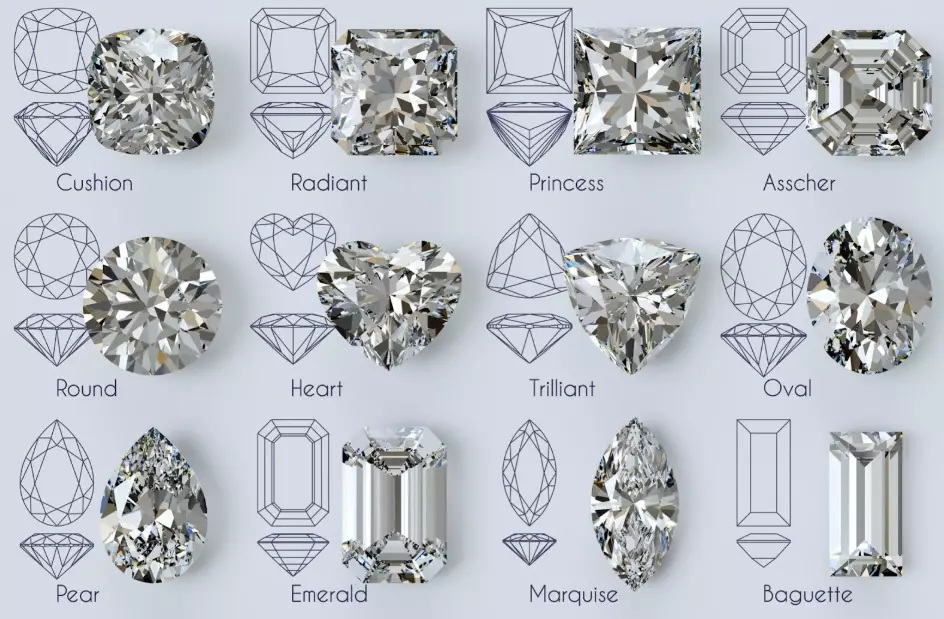
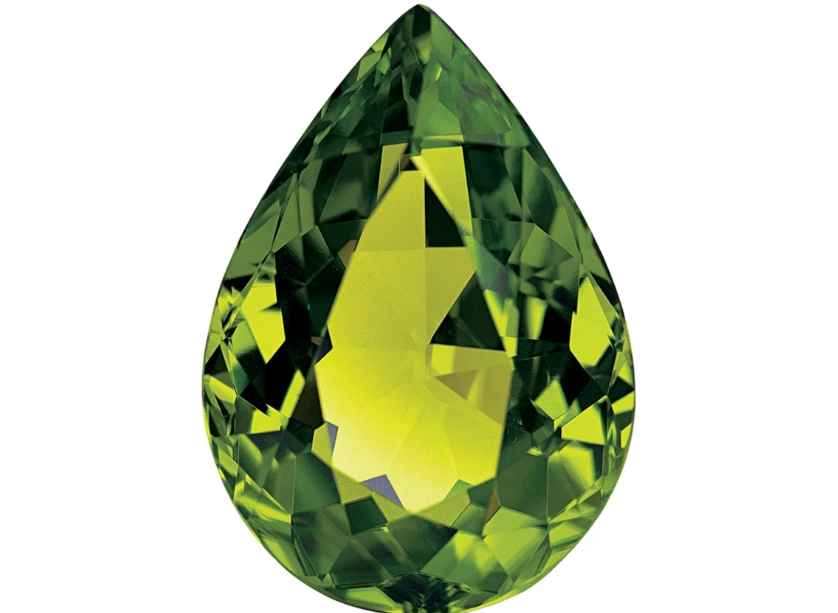
A good cut is non-negotiable. Because peridot has strong double refraction (you can see two of each pavilion facet if you look closely through the table), a sloppy cut will make the stone look fuzzy or dead. A precision cut brings out its fiery brilliance. Standard shapes like ovals, cushions, and rounds are common, but you'll also find unique trillions and antique-style cuts.
As for clarity, as I said, eye-clean is the standard. The tiny inclusions (sometimes called "lily pads") are typical and usually don't detract. In fact, the Gemological Institute of America (GIA) has a whole library of inclusion images showing peridot's characteristic internal features. Avoid stones with large, black fractures or inclusions right under the table that look like a blemish.
Peridot vs. Emerald: This is a common question. They're both green, right? That's where the similarity ends. Emerald is a darker, bluish-green beryl, famously included and often oil-treated. Peridot is brighter, yellowish-green, often cleaner, and never treated. Emerald is harder (7.5-8) but more brittle. Peridot is cheaper, full stop. An emerald with a color similar to a fine peridot's vibrancy would cost an absolute fortune.
| Factor | What to Look For (High Value) | What to Avoid (Lower Value) |
|---|---|---|
| Color | Pure, intense lime-green to olive-green with high saturation and no brown/gray. | Muddy, yellowish-brown, pale, or grayish-green tones. |
| Clarity | Eye-clean. Minor, reflective "lily pad" inclusions are acceptable. | Large, black inclusions or prominent fractures visible to the naked eye. |
| Cut | Excellent symmetry and polish that maximizes brilliance. No windowing (see-through dead areas). | Poor proportions, asymmetrical facets, or a dull appearance. |
| Carat Weight | Larger stones with rich, saturated color hold value well. | Large stones with pale, washed-out color. |
| Origin | Myanmar (Burma) and Pakistan (Kashmir) command premiums for top color. | Origin has less impact than color/clarity/cut for most buyers. |
So why is peridot generally affordable? Supply is relatively good, the stones are often found in decent sizes, and it doesn't have the centuries of marketing hype (and rarity) of the "Big Four" (diamond, ruby, sapphire, emerald). But don't let the lower price fool you—a fine peridot is a spectacular gem in its own right.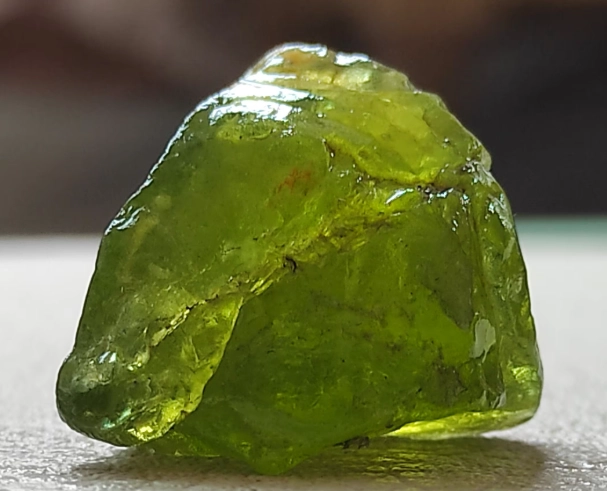
Buying Peridot: A No-Nonsense Checklist
Thinking of getting one? Here's my practical advice, the stuff I wish I knew when I bought my first piece.
First, decide on the purpose. Is this for an occasional-wear pendant or earrings? Go for beauty and size. Is it for an engagement ring or a daily-wear right-hand ring? You must, must, MUST prioritize durability and setting style.
Ring Reality Check: I love peridot, but I would hesitate to recommend it for a daily-wear ring, especially in a prong setting. That 6.5-7 hardness means it will accrue fine scratches over time, dulling its polish. If you're set on a peridot ring, choose a bezel or halo setting that protects the girdle, and be prepared for occasional repolishing by a jeweler. Consider it for a special-occasion ring instead.
Where to buy? Reputable jewelers (online or brick-and-mortar) who provide basic gemological information. A good seller will tell you if the stone has been treated (peridot almost never is, so be suspicious if they mention anything) and will show you high-quality videos in different lights. Avoid marketplaces where photos are blurry and descriptions are just "green gem."
Here’s a quick mental checklist when you're looking at a specific stone:
- Color in different lights: Ask for a video under daylight-equivalent and indoor light. Does the color stay vibrant or go dull?
- Check for windowing: Look straight down through the table. Can you see straight through the center to the setting or your finger? That's a bad cut.
- Examine the setting: For rings, is the stone set securely? Bezel is best. Are prongs thick enough?
- Ask about return policy: Always. You want to see it in person.
Caring for Your Peridot Jewelry
This is where people mess up. Peridot is more delicate than it looks.
Cleaning: Warm, soapy water and a soft brush are your best friends. Ultrasonic cleaners? Big no. The vibrations can fracture a peridot, especially if it has internal inclusions. Steam cleaners are also a hard pass—the sudden heat can cause thermal shock. Just keep it simple.
Storage: Don't toss it in a jewelry box with diamonds, sapphires, or harder stones. They will scratch it. Keep it in a soft cloth pouch or a separate compartment in a lined box. I learned this the hard way with an antique peridot brooch that now has a few tiny scuffs from being stored loosely.
Wear and Tear: Take it off before doing dishes (chemicals), gardening (abrasion), or hitting the gym (impacts and sweat). Peridot can be affected by acids, including perspiration, which can slowly erode the polish.
It sounds like a lot, but it's just common sense for a slightly softer gem. Treat it like the precious object it is, and it will keep its fire for generations.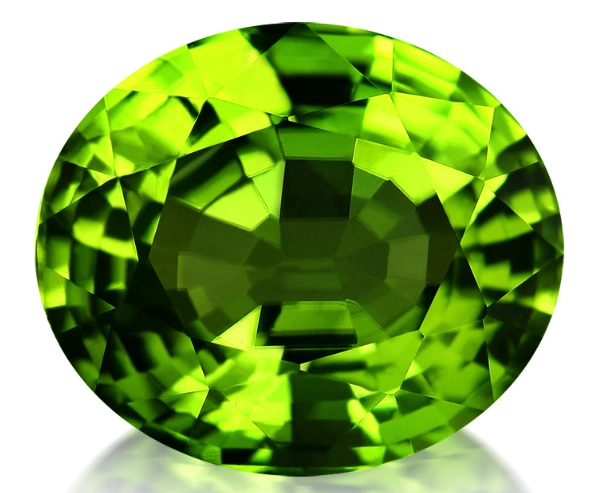
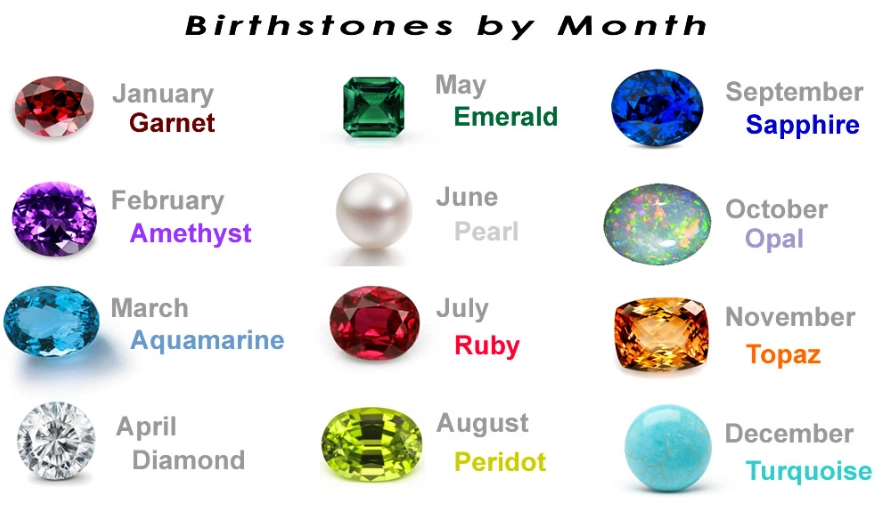
Peridot Meaning, Lore, and Why It's the August Birthstone
Beyond the specs, peridot carries a ton of history. The Egyptians called it the "gem of the sun" and believed it protected the wearer from nightmares. Ancient Romans associated its green hue with nature and used it in talismans. In Hawaiian culture, peridot (from local volcanic eruptions) symbolizes the tears of the volcano goddess Pele.
As the modern August birthstone, it's a perfect fit. Its vibrant green echoes the lushness of late summer. It's said to symbolize strength, personal growth, and the cleansing of negative emotions. Whether you buy into the metaphysics or not, it's a meaningful gift for an August baby—far more unique than the other official August stone, spinel (which is great, but less colorful).
So, is it just a summer stone? Not at all. That burst of green can be a welcome sight in the dead of winter.
Your Peridot Questions, Answered
Let's tackle the stuff people actually search for.
Look, at the end of the day, peridot is a gem that doesn't try to be anything else. It's not pretending to be an emerald. It's confidently, unapologetically itself: a bright, friendly, and surprisingly ancient green gem with a hint of golden sunshine and, just maybe, origins from beyond our world. It has its limitations in durability, sure. But for a pop of pure, joyful color that needs no enhancement, it's hard to beat. If you get a chance to see a fine one in person, take it. You might just fall for it like I did.
Just maybe don't make it your everyday hammering-ring.