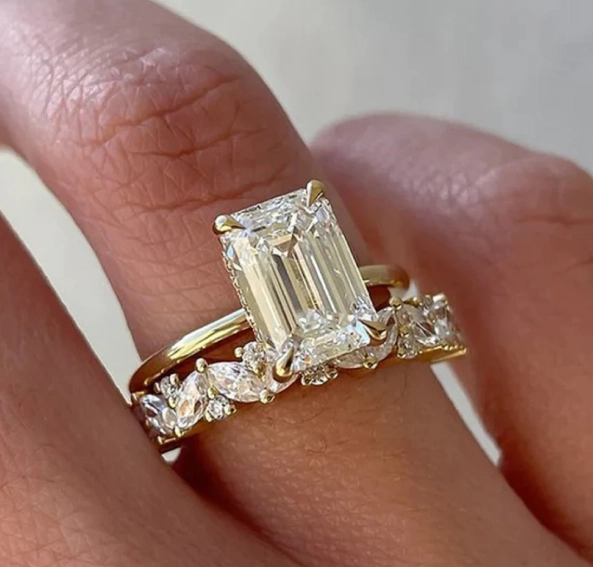
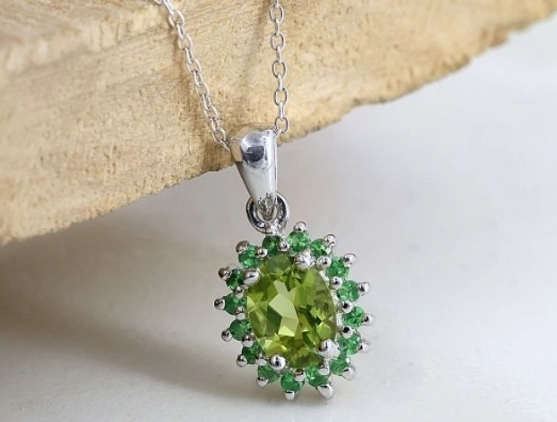
Your Garnet Journey Awaits
- Meet the Garnet Family: From Common to Rare
- Why Garnet is Everywhere: From Your Finger to the Factory Floor
- Buying Garnet: What to Look For (And What to Avoid)
- Caring for Your Garnet Jewelry
- The Symbolism and History of Garnet
- Common Garnet Questions, Answered
- Final Thoughts: Why Garnet Deserves a Second Look
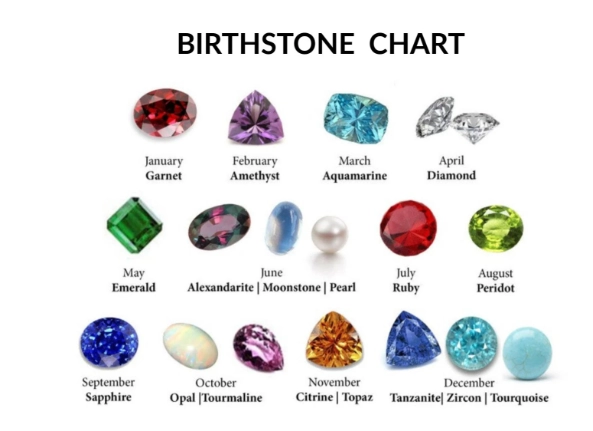
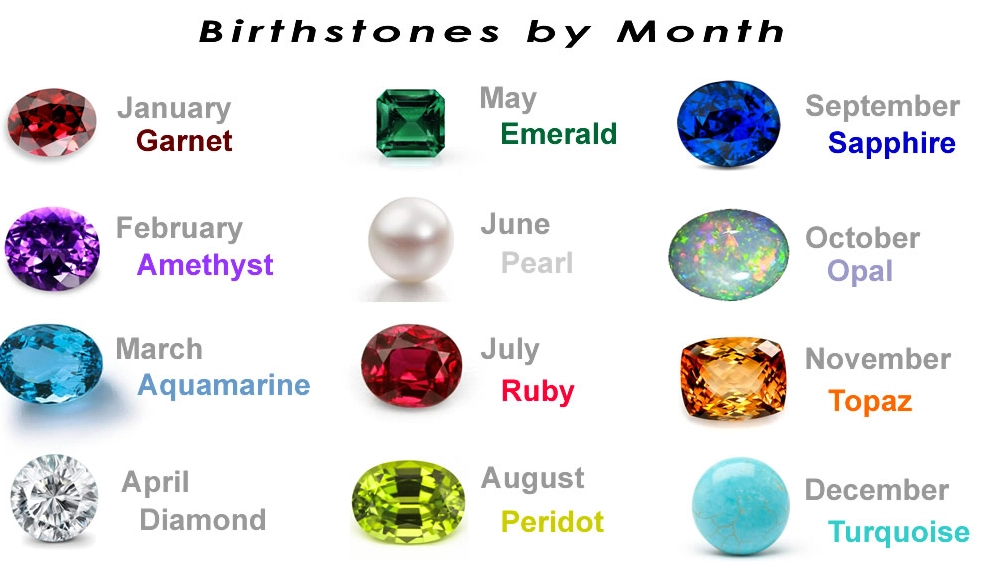
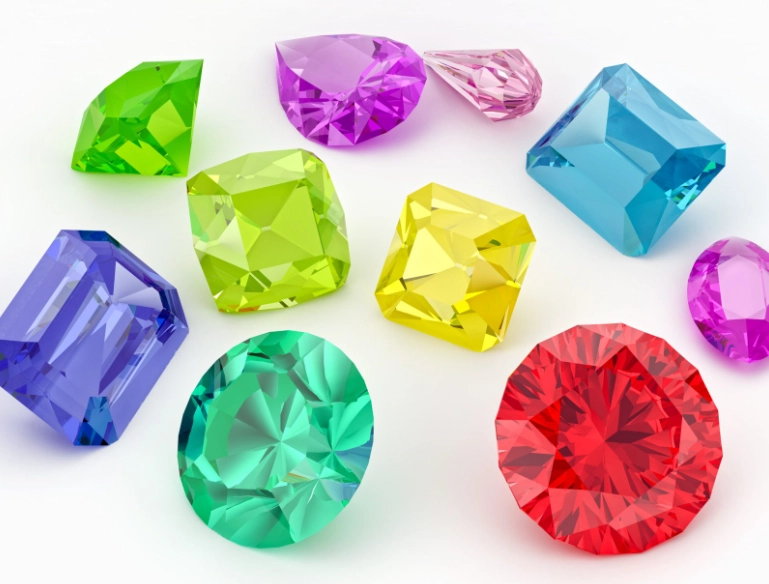
If you hear "garnet" and think of a dark red stone for January birthdays, you're not wrong, but you're barely scratching the surface. I used to think the same thing. It was just that one deep red gem in my grandmother's ring. Then, years later, I saw a piece labeled "garnet" that was a vibrant, almost neon green. That's when I realized how little I knew. It turns out, garnet is a whole family of minerals, and the variety is staggering. From the sandpaper in your garage to high-end jewelry, this group of silicates gets around.
So what exactly is garnet? In simple terms, it's not a single mineral but a group of closely related minerals that share a similar crystal structure but have different chemical recipes. That's the key. This shared structure is why they all have good hardness and durability, but the swapped-in elements (like iron, magnesium, or calcium) are what give us the rainbow of colors. The Gemological Institute of America (GIA), the go-to authority for gem info, breaks it down into species and groups, which is way more helpful than just calling everything "red garnet." You can lose yourself for hours reading their garnet gem guide.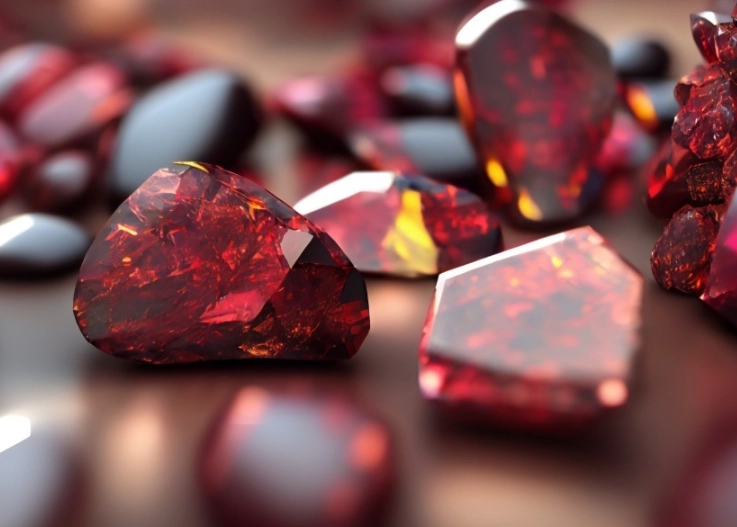
Meet the Garnet Family: From Common to Rare
Let's get to know the main members. I'll be honest, the mineral names can sound like a spell from Harry Potter, but stick with me. Knowing these helps you understand what you're actually looking at, whether it's in a store or a geology textbook.
The Pyralspite Series (The Aluminum-Based Crew)
These are the garnets most people are familiar with, where aluminum is a key ingredient.
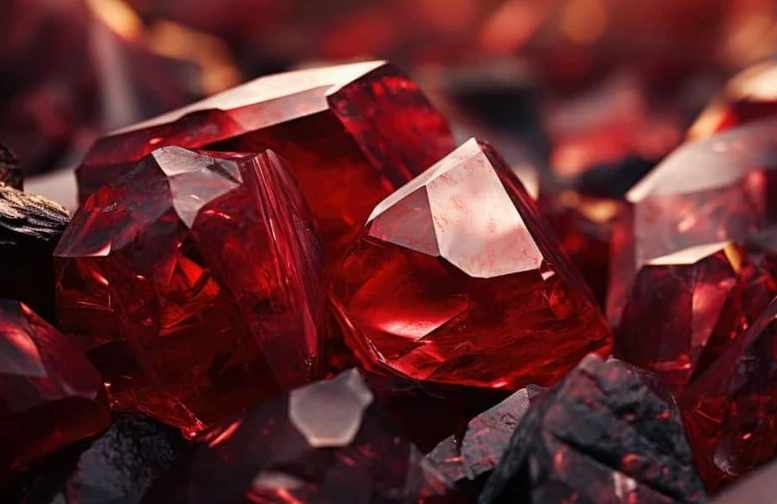
Almandine: This is the classic, common red garnet. Think of that deep, burgundy-to-brownish red. It's the most prevalent type found in jewelry, especially in more affordable pieces. It's dense and has a high refractive index, so it can have a nice glow. Sometimes it's called "precious garnet," which is a bit of a marketing term, but it sets it apart from the others.
Pyrope: Pyrope garnet is the one with that beautiful, pure "blood-red" color, often with fewer brownish tones than almandine. The name comes from Greek words for "fire" and "eye," which fits. Some of the finest, most vibrant red garnets in antique jewelry are pyrope. There's a famous variety called Rhodolite, which is a mix of pyrope and almandine, and it has a gorgeous raspberry or purplish-red hue. I personally think rhodolite is one of the most underrated gems out there.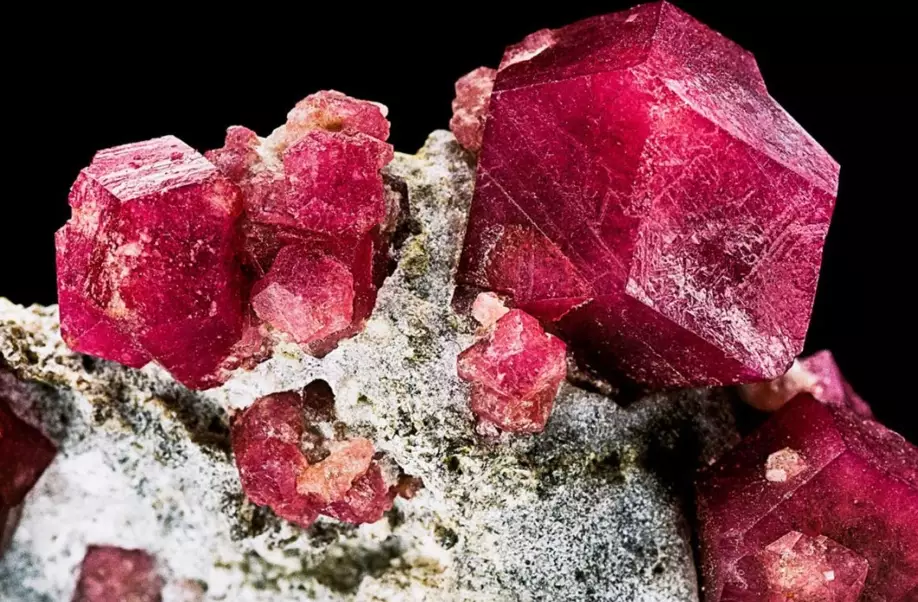
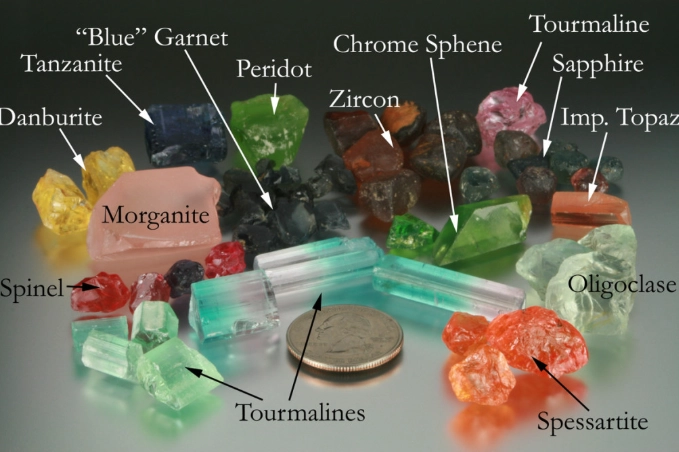
Spessartine (Spessartite): Meet the orange garnet. Spessartine can range from a muted yellow-orange to a vivid, almost neon "mandarin orange." The intense mandarin spessartines from places like Namibia are highly sought after and can command serious prices. It's less common than almandine or pyrope, so you see it more in designer or collector pieces.
The Ugrandite Series (The Calcium-Based Crew)
This group swaps in calcium, leading to some truly unique and often greener colors.
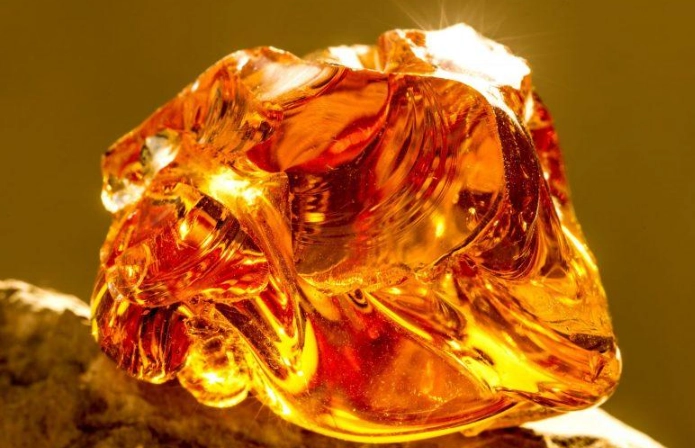
Grossular: This is the most varied in color of all the garnets. It can be colorless, yellow, orange, pink, and most famously, green. The green varieties have their own famous names. Tsavorite is a stunning, emerald-like green grossular garnet discovered in the 1960s in East Africa. It's one of the few garnets that can compete with top-tier gems in both color and clarity. Hessonite is the cinnamon-orange to honey-yellow variety, sometimes called the "cinnamon stone." It often has a distinctive roiled or treacly appearance inside.
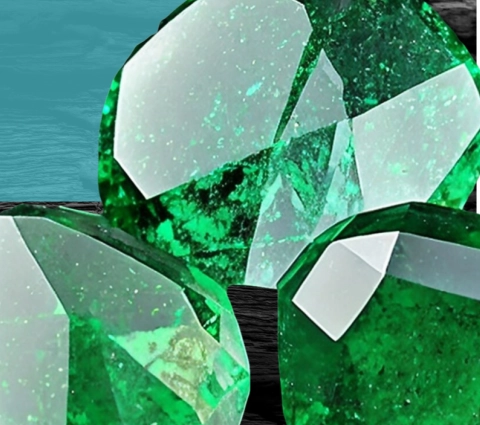
Andradite: This is the gem nerd's favorite because it includes some of the most spectacular varieties. Demantoid is the greenest of all garnets, with a brilliance and fire (dispersion) that can exceed diamond. It's incredibly rare and valuable, often with unique "horsetail" inclusions that are like a fingerprint. Melanite is a glossy, opaque black andradite. Topazolite is a rare yellow-green form. Andradite proves garnet is anything but boring.
Uvarovite: The rarest of the main garnet types. It's a consistent, rich emerald green but almost never found in crystals large enough to facet. You'll usually see it as tiny, sparkling druses in mineral collections. It's a collector's dream but not something you'll find at your local jeweler.
To make sense of it all, here's a table comparing the key members of the garnet family you're likely to encounter. This isn't an exhaustive mineralogy list, but a practical guide for buyers and enthusiasts.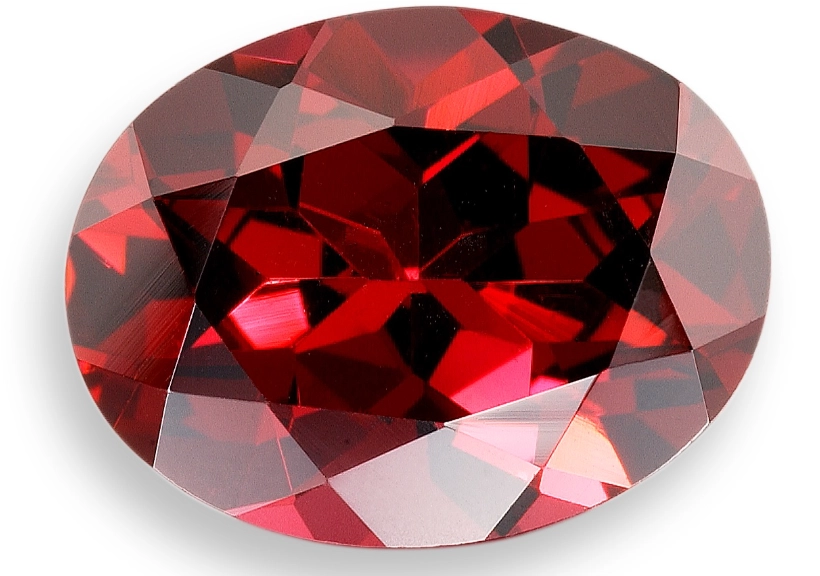
| Garnet Type | Typical Color Range | Key Feature / Most Famous Variety | Relative Availability & Note |
|---|---|---|---|
| Almandine | Deep red, burgundy, brownish-red | The "classic" red garnet. Often called "Precious Garnet." | Most common. The workhorse of red garnet jewelry. |
| Pyrope | Blood red, purer red (less brown) | Known for its vibrant color. Rhodolite is a pyrope-almandine mix. | Common. Rhodolite is a popular and attractive sub-type. |
| Spessartine | Vivid orange, yellow-orange, reddish-orange | "Mandarin" garnet is the prized intense orange type. | Less common. Mandarin spessartine is rare and valuable. |
| Grossular | Green (Tsavorite), Orange (Hessonite), Yellow, Colorless | Extremely varied. Tsavorite rivals emerald in color. | Tsavorite is rare/valuable. Hessonite is more available. |
| Andradite | Green (Demantoid), Black (Melanite), Yellow | Demantoid has incredible fire and brilliance. | Demantoid is very rare & expensive. Others are more niche. |
| Uvarovite | Emerald green | Always green, but almost never in facetable sizes. | Extremely rare as a gemstone. A mineral specimen gem. |
Why Garnet is Everywhere: From Your Finger to the Factory Floor
The properties of garnet make it uniquely useful. It's not just pretty.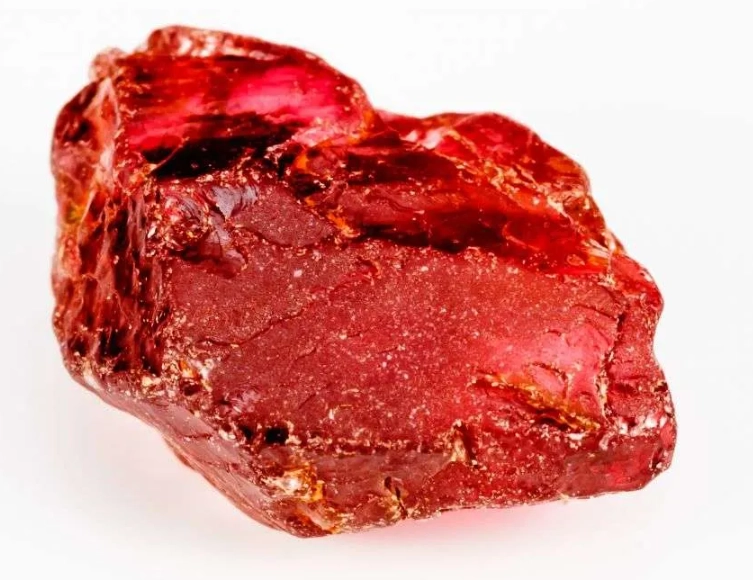
Hardness and Durability.
Garnet sits between 6.5 and 7.5 on the Mohs hardness scale. For reference, quartz (sand) is a 7, and topaz is an 8. This makes most garnet durable enough for everyday jewelry, especially in protective settings like rings. Demantoid is a bit softer on the lower end, so it's often used in pendants or earrings. The U.S. Geological Survey lists garnet as a critical industrial mineral, largely due to this hardness and its sharp, angular fracture when crushed. You can see their detailed mineral commodity summaries here.
The Industrial Superstar.
This is where garnet gets real. Crushed garnet granules are sharp, hard, and they don't break down easily. This makes them perfect for abrasive blasting (think sandblasting old paint off a boat or cleaning stone). It's also the go-to abrasive for high-pressure waterjet cutters that slice through metal, tile, or glass. The garnet doesn't contaminate the material and cuts cleanly. Furthermore, because it's inert and has specific gravity, garnet sand is used in water filtration systems. So the garnet in your ring's cousin might be helping purify water or cut steel. Kind of humbling, isn't it?
Buying Garnet: What to Look For (And What to Avoid)
Let's say you want to buy a piece of garnet jewelry. How do you navigate it? The rules are different for a $50 ring and a $5,000 tsavorite.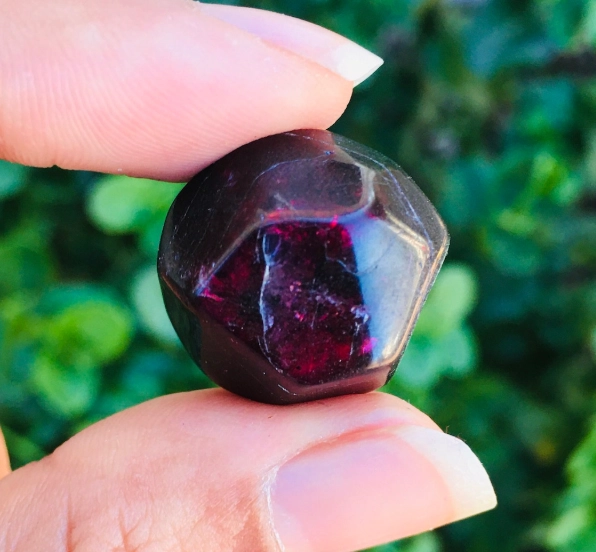
Color is King (But Know What You're Looking At)
With garnet, color tells you the type. A deep red is likely almandine. A vivid purplish-red is probably rhodolite. A bright green? Could be tsavorite or demantoid. Ask! A reputable seller should be able to tell you the garnet type, not just say "garnet." For the red varieties, look for stones with good saturation and life, not ones that look too dark or black in normal light. I've seen too many almandine pieces that look almost black unless under a spotlight. What's the point of a colored gem if you can't see the color?
Clarity Expectations Vary Wildly
Some garnets are typically eye-clean (like many rhodolites and pyrope garnets). Others, like tsavorite and demantoid, are valued for their color, so some inclusions are expected and accepted. Demantoid's "horsetail" inclusions are actually desirable. Hessonite often has a characteristic cloudy or treacly look. The key is to look for inclusions that don't compromise the stone's structural integrity or completely kill its brilliance.
Cut Makes or Breaks the Stone
Garnet can be cut in all sorts of shapes. Well-cut garnet should be lively, not have a "dead" center, and the shape should suit the crystal rough. You'll often see almandine or rhodolite in standard rounds or ovals. More unique garnets like demantoid or spessartine might be in custom cuts to maximize color. A bad cut can make even a great color look dull.
Carat Weight and Value
This is the tricky part. A 5-carat fine almandine is relatively affordable. A 5-carat tsavorite or demantoid? That's a major investment. Size interacts dramatically with type and quality. Don't assume a big garnet is automatically expensive—it depends entirely on which garnet it is.
Caring for Your Garnet Jewelry
Garnet is durable but not indestructible. Here's the simple care routine:
- Cleaning: Warm soapy water, a soft brush, and a rinse. Ultrasonic cleaners are usually safe for most garnets except for demantoid (it can be more fragile) or stones with significant fractures. Steam cleaners are a no-go for most inclusions.
- Storage: Keep it separate from harder gems like diamonds, sapphires, or even other garnets to prevent scratches. A soft pouch or a separate compartment in a jewelry box is perfect.
- Wear: It's fine for daily wear, but take it off for heavy manual work, gardening, or the gym. Avoid harsh chemicals.
It's straightforward.
The Symbolism and History of Garnet
Garnet has been around forever. Ancient Egyptians used it in inlay jewelry. Romans used it in signet rings. It was believed to protect travelers, light up the night, and prevent poisoning (don't try that last one). In medieval times, it was a symbol of faith and truth. Today, as the January birthstone, it symbolizes constancy and friendship. But its history as a practical tool—as an abrasive for polishing and carving—is just as long. It's always been a blend of the beautiful and the useful.
Common Garnet Questions, Answered
These are the things people actually search for, the questions that pop up after the basics.
Final Thoughts: Why Garnet Deserves a Second Look
Garnet gets boxed in as just a birthstone. That does it a massive disservice. It's a geological family with a personality for every taste—from the dependable red almandine to the fiery demantoid. It's a gem that has adorned kings and cut through armor plate. It's both ancient and modern.
Whether you're drawn to its rich history, its scientific variety, or just the look of a particular stone, there's a garnet out there for you. The trick is to look past the simple label. Ask questions. Learn the names. You'll discover a whole world in this one "simple" group of gems. And maybe, like me, you'll find your favorite isn't the classic red, but something completely unexpected.
Go take another look at that garnet. You might see it differently now.