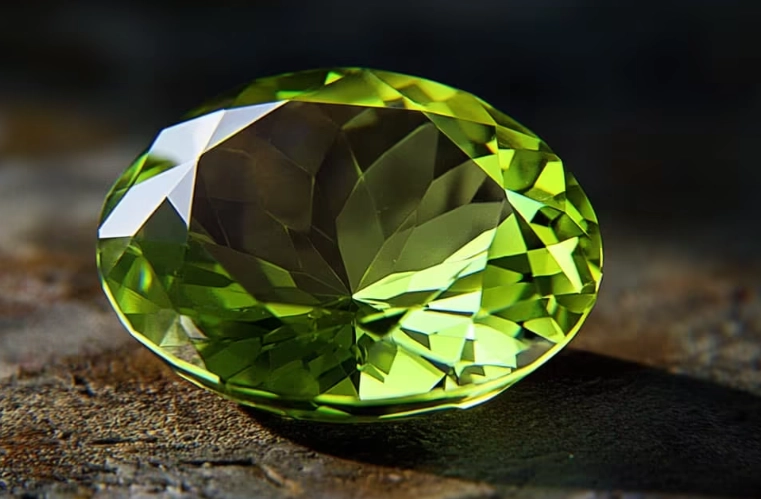
Let's talk about tourmaline. You've probably seen it in jewelry stores, maybe in a friend's ring, or scrolling online. It's that stone that comes in what seems like a million colors – deep pinks, electric greens, even two-toned slices that look like a piece of candy. But what exactly is it? Is it just a pretty face, or is there more to the story?
Explore This Gem Guide
I remember the first time I held a piece of watermelon tourmaline. It was in a little gem show, tucked away in a dealer's tray. One end was a vibrant green, the other a rosy pink, with a blurry boundary in the middle. It didn't look real. It looked like someone had taken a miniature slice of fruit and turned it to stone. That's the magic of tourmaline. It defies expectation.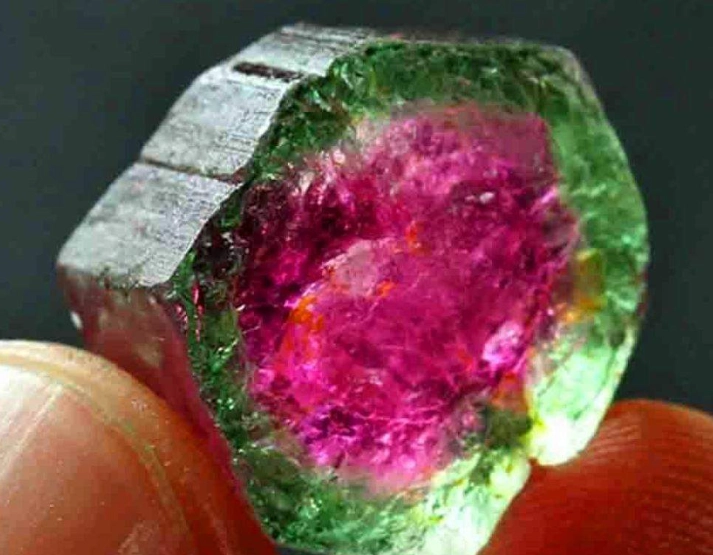
More than just a colorful gem, tourmaline is a fascinating mineral with a history of confusion, a spectrum of beauty, and a set of properties that have captivated everyone from jewelers to healers.
This guide isn't going to be a dry textbook recitation. We're going to dig into what makes tourmaline tick, why some varieties cost more than your car, and how you can avoid getting ripped off if you decide to buy one. I'll also share some of the wilder claims about its powers – and my own pretty skeptical take on some of them.
What Is Tourmaline, Really? Breaking Down the Basics
At its core, tourmaline is a complex crystalline boron silicate mineral. Yeah, that's a mouthful. Forget that. Think of it as a mineral family, not a single thing. It's like the citrus family – you have lemons, limes, oranges, grapefruits, all related but distinctly different. The tourmaline group is huge, with different members defined by their chemical recipe.
The name itself has fun origins. It comes from the Sinhalese word "turmali," which basically meant "stone with mixed colors." Dutch traders brought these stones from Sri Lanka to Europe, and the name stuck because, well, it's accurate. For a long time, people confused certain green tourmalines with emeralds. Even some gems in old Russian crown jewels thought to be emeralds turned out to be tourmaline. Not a bad substitute, honestly.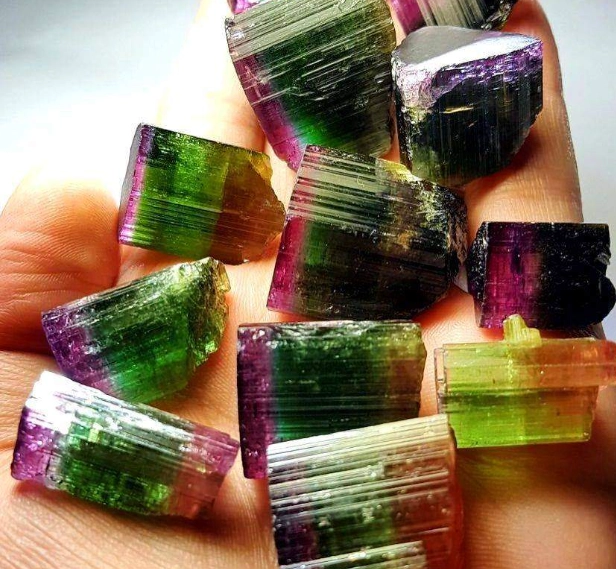
The Key Thing to Know: Tourmaline crystals are pyroelectric and piezoelectric. In plain English, this means they can generate an electrical charge when heated or put under pressure. It's a unique party trick in the gem world. Scientists use this property in pressure gauges. Some New Age folks think this charge is the source of its "energy." Make of that what you will.
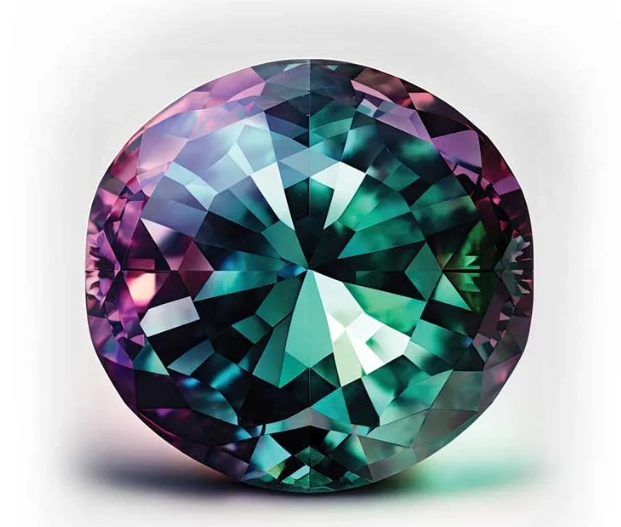
One of the coolest visual traits is its pleochroism. This means the stone can show different colors or depths of color when viewed from different angles. A green tourmaline might look a rich forest green from one side and a paler yellowish-green from another. It's one of the things master cutters have to consider to bring out the best color.
A Carnival of Color: The Different Types of Tourmaline
This is where tourmaline truly shines. Its color range is unmatched. The color depends on which elements (like iron, manganese, lithium) are present during its formation deep in the earth. It's nature's chemistry set.
Let's break down the major players. You'll see these names in jewelry stores and online listings.
The Major Color Varieties (The Headliners)
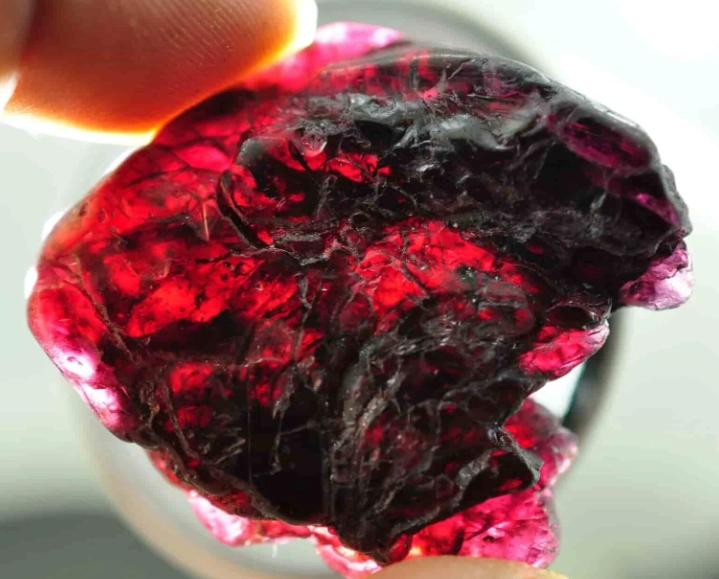
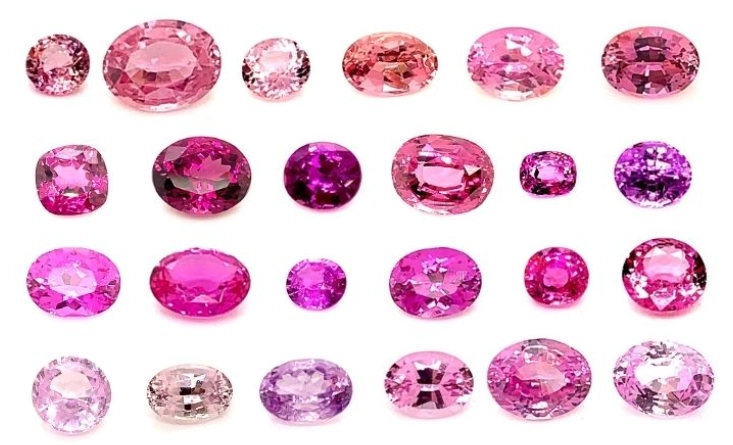
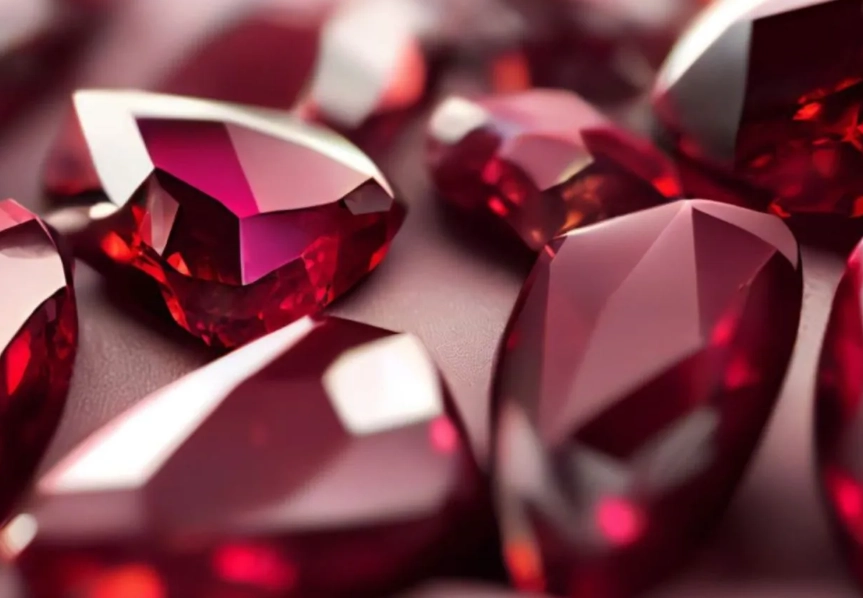
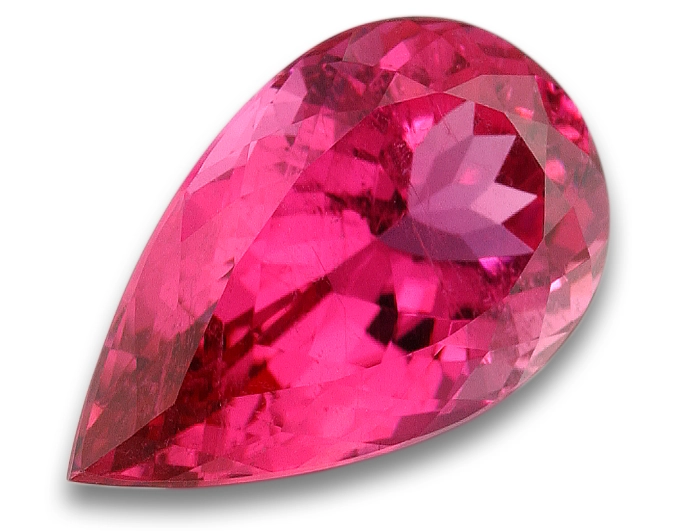
- Rubellite: This is the pink to red variety. The top-quality rubellite is a vivid, saturated pinkish-red that holds its color in any light. A common test? If it looks brownish or dull under incandescent light, it's often not called rubellite. The best stuff comes from Brazil and Nigeria. It's one of my personal favorites for its warmth.
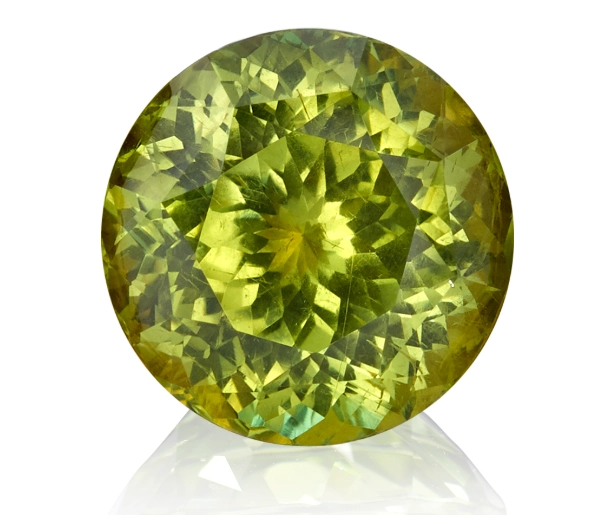
- Verdelite: The green tourmaline. Its color ranges from light, minty greens to deep, forest greens that can rival an emerald's saturation. It's one of the most common and affordable varieties, but a fine, rich green is still breathtaking.
- Indicolite: The blue tourmaline. This is a rarer find. Good indicolite shows a lovely blue, from a light sky blue to a deep, inky sapphire-like blue. Lighter blues are more common; the intense, saturated blues are highly prized and priced accordingly.
- Schorl: The black sheep of the family, literally. Black tourmaline. It's opaque and the most common variety of tourmaline found in nature. You won't see it faceted for a sparkly ring, but it's massively popular in its own right for beads, carvings, and in metaphysical circles.
The Specialty Acts (The Rare & Famous)
Now for the rockstars.
Watermelon Tourmaline: The one everyone recognizes. It forms with a pink or red center and a green "rind" on the outside, just like the fruit. It's usually cut in slices (cross-sections of the crystal) to show off this zoning. A perfect, clearly zoned slice is a real treasure. I find the less distinct, blurry ones to be just as charming, and often more affordable.
Paraíba Tourmaline: The king. Discovered in the late 1980s in the Paraíba state of Brazil, this variety hit the gem world like a lightning bolt. Its color is an unforgettable neon blue, neon green, or electric violet-blue, caused by traces of copper. The intensity is surreal. It's exceptionally rare and commands astronomical prices per carat. Later, similar copper-bearing tourmalines were found in Mozambique and Nigeria (sometimes called "Paraíba-type"), which are more available but still very expensive. Seeing a Paraíba in person is a shock – the color seems to glow from within.
I have a small, 0.5-carat Mozambique paraíba-type stone in a pendant. It's not investment quality—it has a few inclusions—but in sunlight, that electric aqua flash stops people in their tracks. It's the only gem I own that consistently gets a "What IS that?" reaction. The hype is real, but so is the price tag for clean material.
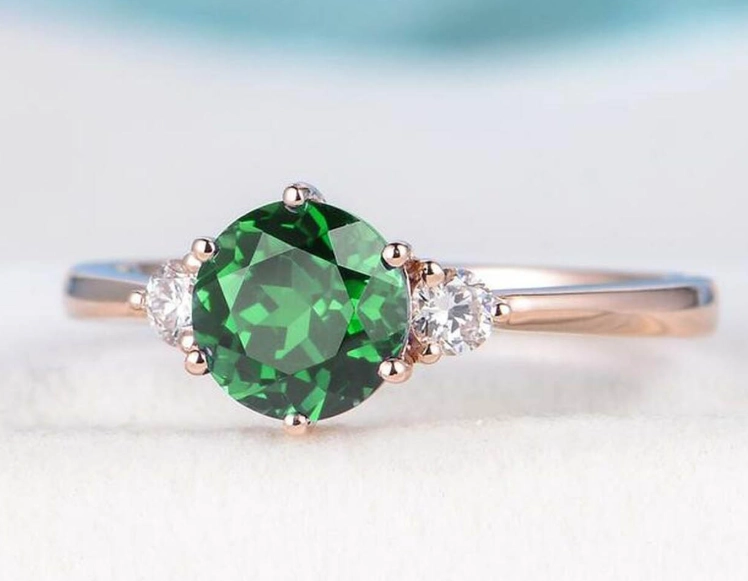
Chrome Tourmaline: A vibrant, grass-green variety colored by chromium and vanadium (the same elements that give emerald its color). It's rarer than regular green verdelite and has a sharper, more intense green. It can be a fantastic, more affordable alternative to emerald if you love that classic green look.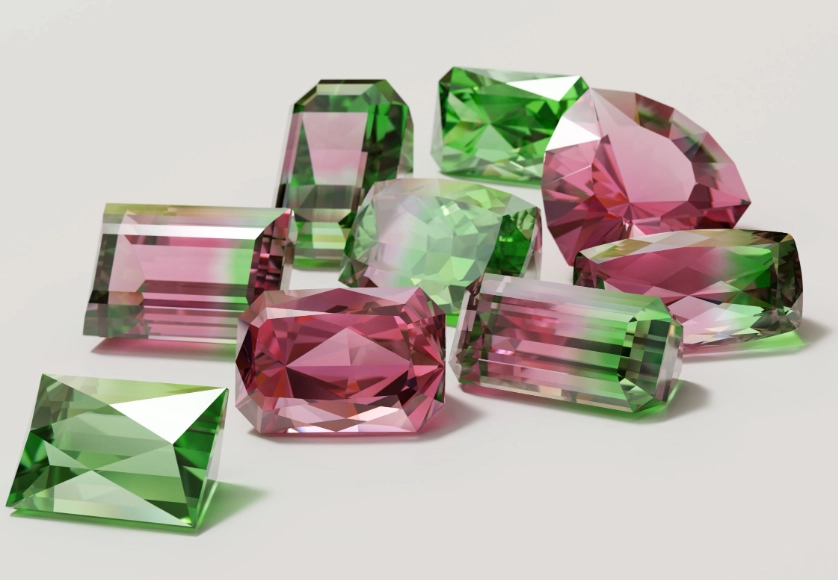
Quick Tip: When you hear a fancy name like "Canary Tourmaline" (vivid yellow) or "Siberite" (purplish-red), it's usually a jeweler or dealer's marketing term for a specific shade of one of the core varieties above. Always ask for the standard gemological classification.
What Does Tourmaline Mean? Symbolism and Metaphysical Claims
Alright, let's wade into this area. It's a big reason people search for tourmaline, so we have to cover it, but I'll give you the folklore and the facts.
Historically, tourmaline was believed to inspire artistic creativity and was worn as a talisman by writers and musicians. Different colors picked up different associations: pink for love and compassion, green for vitality and wealth, black for protection.
The modern metaphysical scene has run with tourmaline, largely because of its pyroelectric property. It's branded as a powerful "energy" stone. Black tourmaline, in particular, is touted as the ultimate psychic shield against negativity and electromagnetic smog (like from your WiFi router).
Here's my take: I think the placebo effect is incredibly powerful. If wearing a beautiful stone makes you feel more grounded, creative, or protected, that's a real benefit. The stone itself is a focus for your intention. But I'm deeply skeptical of any vendor who makes concrete medical claims—like that tourmaline can cure arthritis or regulate hormones. That's not just hopeful; it's irresponsible. The Federal Trade Commission (FTC) has clear rules against deceptive health claims in marketing, and that applies to gemstones too.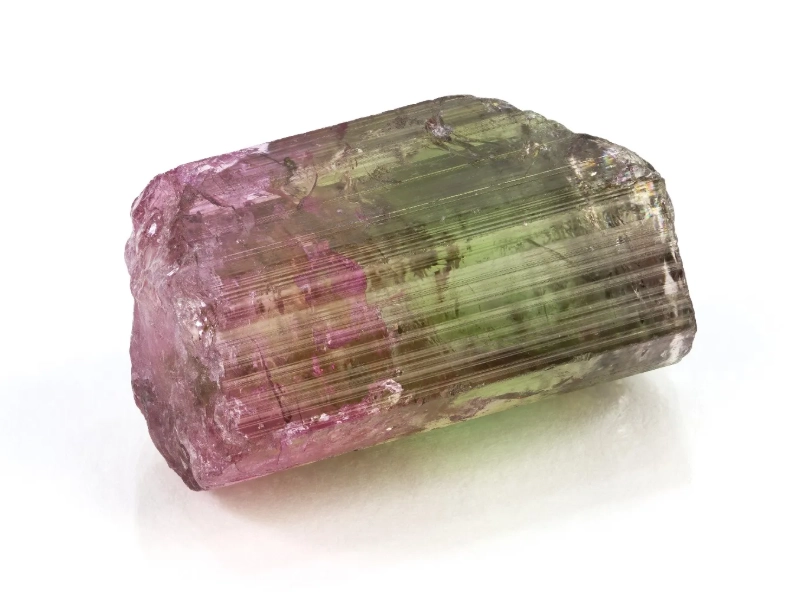
A Word of Caution: Be very wary of anyone selling tourmaline (or any crystal) as a substitute for professional medical or psychological advice. Its value is in its beauty and the personal meaning you assign to it, not in replacing science-based treatment.
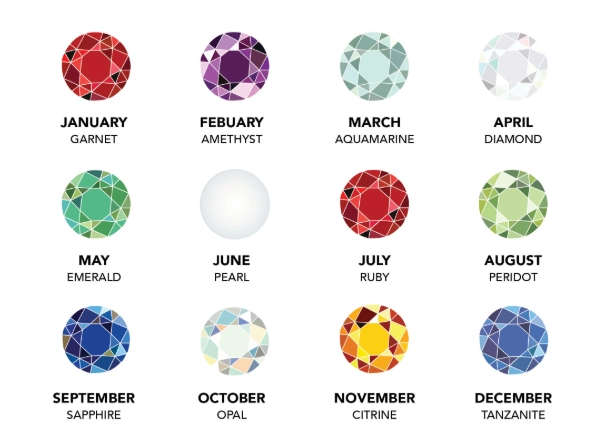
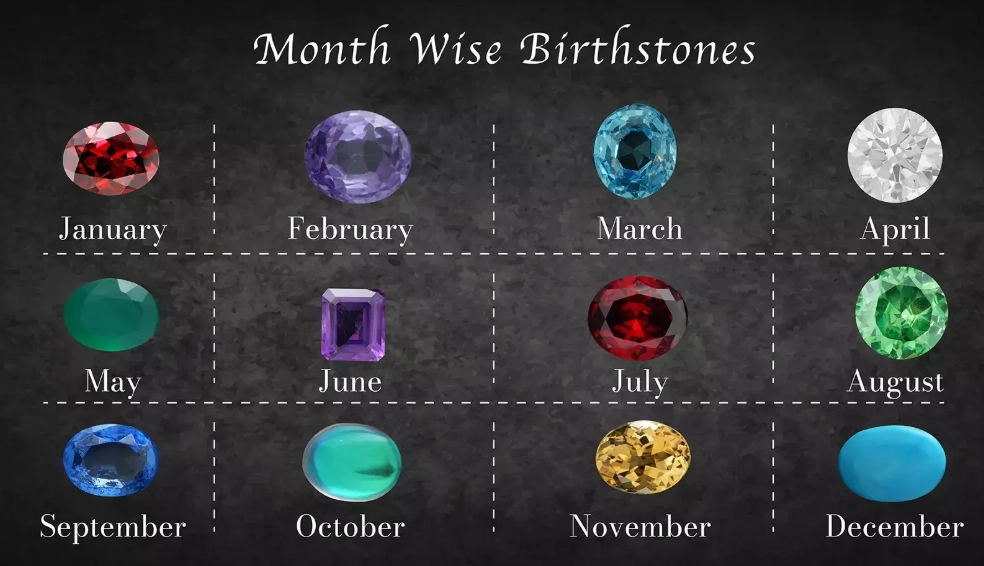
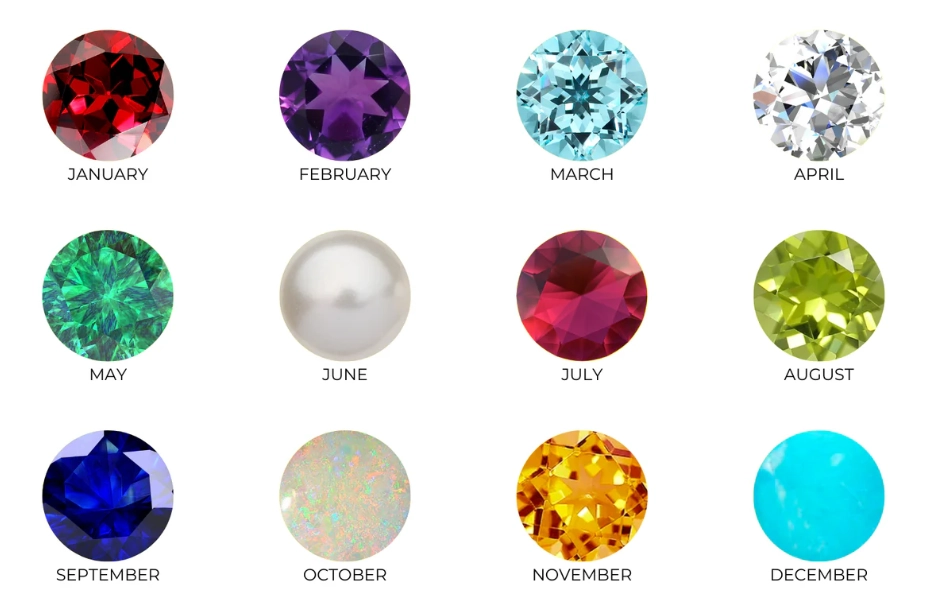
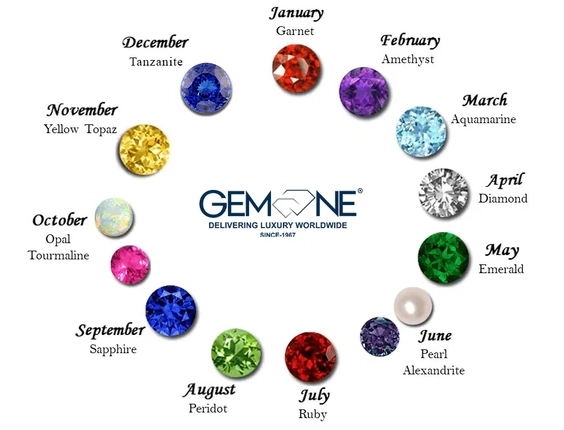
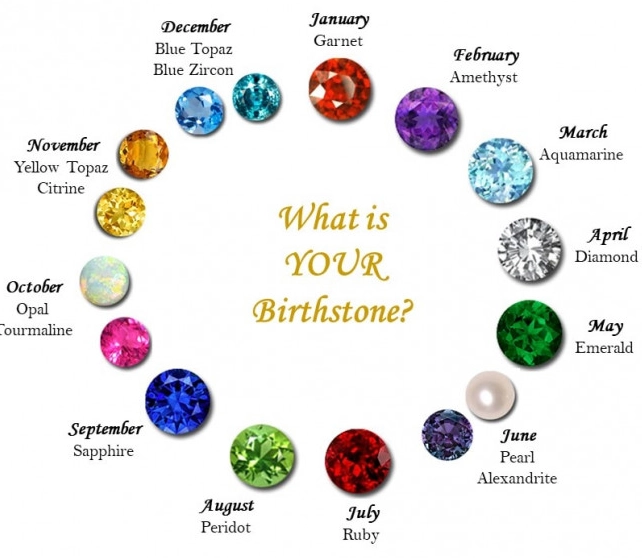
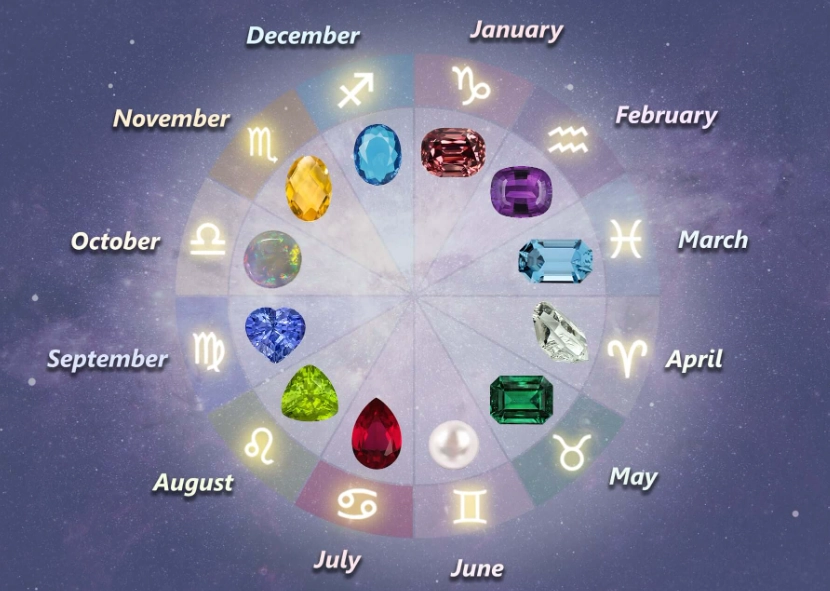
That said, the symbolism is beautiful. Many people choose a tourmaline birthstone ring (it's an alternative for October) or a piece that corresponds to an intention—a pink one for self-love after a hard time, a green one to symbolize new growth. There's genuine value in that symbolic act.
The Practical Guide: How to Buy Tourmaline Jewelry
So you're tempted. The colors have pulled you in. How do you buy a piece of tourmaline jewelry without regret? Let's get practical.
What to Look For (The 4 Cs, Adapted)
Tourmaline is graded similarly to other colored gems, but with its own twists.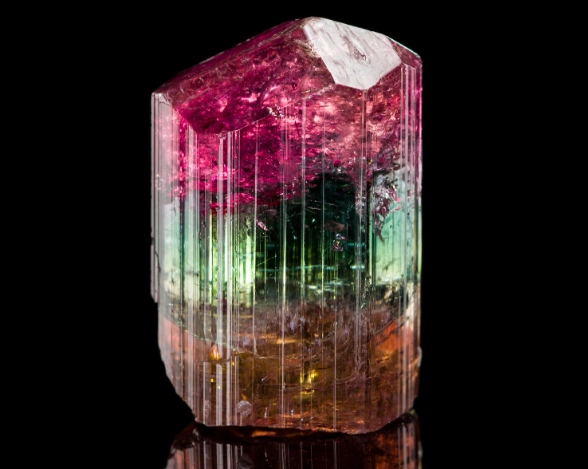
| Factor | What It Means for Tourmaline | Buyer's Tip |
|---|---|---|
| Color | The single most important factor. Saturation (vividness) and tone (lightness/darkness) are key. The most valued colors are pure, vivid, and medium to medium-dark. | Look at the stone in different lights. A great tourmaline should look good in daylight and lamplight. Avoid stones that look overly dark (inky) or too pale (washed out). |
| Clarity | Tourmaline commonly has inclusions—thread-like cavities, liquid "fingerprints," or tiny crystals. Eye-clean stones (no visible inclusions to the naked eye) are preferred, but some inclusions are accepted, especially in richer colors. | Don't expect flawless perfection. Some inclusions can prove natural origin. Just make sure they don't compromise the stone's durability or look like a big crack right in the center. |
| Cut | A good cut maximizes color and brilliance. Tourmaline's long crystal shape often leads to elongated cuts (ovals, cushions, emerald cuts). A poor cut can "window" (look see-through and lifeless in the center). | Check for symmetry and a nice sparkle. Tilt the stone. Does the color stay lively, or does a big, dull area appear in the middle? That's a window—avoid it. |
| Carat Weight | Price per carat can jump significantly at certain size thresholds (e.g., over 5 carats). Some colors (like fine Paraíba) are almost always small. | Don't fixate on size. A smaller stone with fantastic color is almost always a better choice than a larger, dull one. |
Synthetic vs. Natural vs. Treated
This is critical.
- Synthetic Tourmaline: It exists in labs but is not commercially widespread for jewelry. It's more costly to produce than to mine in many cases. If a deal seems too good to be true for a vivid stone, it might be glass or a different simulant, not synthetic tourmaline.
- Heat Treatment: Very common and generally accepted in the trade. Heat can lighten dark stones, remove unwanted brownish tints, and improve overall color. It's stable and permanent. A reputable seller should disclose this.
- Irradiation: Sometimes used to enhance pink and red colors. The treated color is usually stable, but again, disclosure is key. The Gemological Institute of America (GIA) has a thorough guide on gem treatments that's worth a read.
- Filling Fractures: Less common but done. A resin or glass-like substance is used to fill surface-reaching cracks. This improves clarity but requires special care (avoid steam cleaners, ultrasonic cleaners). It must be disclosed.
The Golden Rule: Always ask, "Has this stone been treated?" A trustworthy seller will tell you. For significant purchases, insist on a report from a major gemological lab like GIA or AGL. It's your insurance policy.
Caring for Your Tourmaline
Tourmaline has a Mohs hardness of 7 to 7.5. That's decent—harder than quartz but softer than sapphire or diamond. It's suitable for daily wear in rings, but be mindful. Don't wear it while gardening, lifting weights, or doing dishes.
Clean it with warm, soapy water and a soft brush. Avoid ultrasonic and steam cleaners, especially if the stone is fractured or filled. Store it separately to prevent scratches from harder gems.
A little care goes a long way.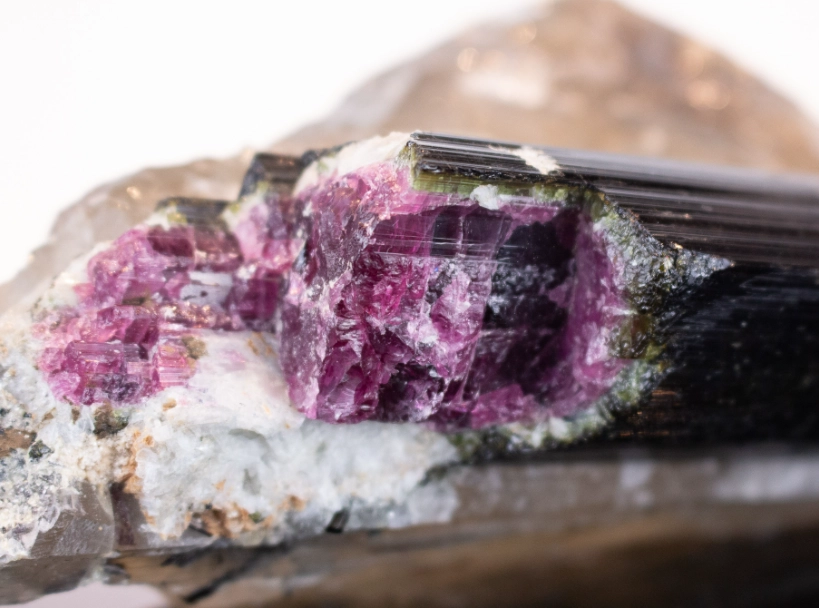
Your Tourmaline Questions, Answered
I've heard a lot of questions over the years. Here are the big ones.
Wrapping It Up: Finding Your Perfect Tourmaline
At the end of the day, choosing a tourmaline is a personal journey. It's about connecting with a piece of the earth's artistry. Forget the jargon for a minute.
Look at the stones. Which color makes you pause? Which one feels like "you"? Maybe it's the calm of a blue indicolite, the joy of a pink rubellite, or the quirky charm of a watermelon slice.
Do your homework on the seller. Ask questions. Request a lab report for anything beyond a small, casual purchase. Trust your eyes more than a mystical claim.
I still have that little watermelon slice from the gem show. It's not perfect. It's not even that valuable. But every time I look at it, I remember that moment of wonder. That's the real magic of tourmaline – its ability to capture a slice of natural wonder, in every color of the rainbow, and offer it up for us to enjoy.
Go find yours.