In This Guide
Let's talk about citrine. You've probably seen it everywhere—in jewelry stores, on Instagram feeds, in the hands of that friend who's really into crystals. It's that warm, yellow stone that seems to glow from within. But what's the real story behind it? Is it just a pretty rock, or is there more to it? I remember picking up my first piece years ago, drawn to its color, only to later find out it was probably heat-treated amethyst. That was a bit of a letdown, honestly. It got me digging deeper, and what I found was a world of nuance, history, and a fair bit of market confusion.
This guide is what I wish I had back then. We're going to cut through the hype and the misinformation. We'll look at what citrine actually is, where it comes from, why people are so drawn to it, and—crucially—how to navigate buying the real deal. Whether you're a curious newbie or looking to deepen your knowledge, let's get into it.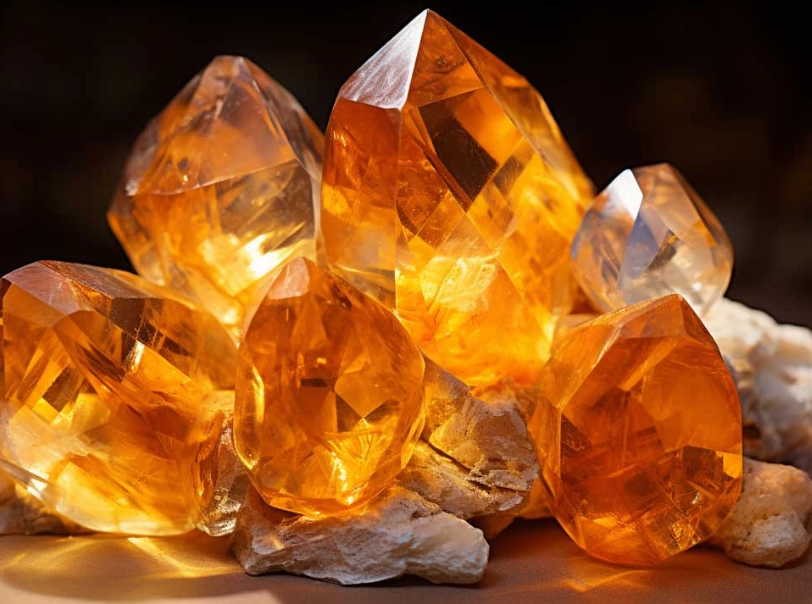
At its core, citrine is a variety of quartz. Its signature sunny yellow to orange-brown color comes from traces of iron within its crystal structure. The name itself comes from the French word "citron," meaning lemon, which is pretty spot-on for its lighter shades. Unlike many gems, citrine is rarely treated with dyes or coatings; its color is usually all-natural, or created through a specific heat treatment process.
What Exactly Is Citrine? Geology & Origins
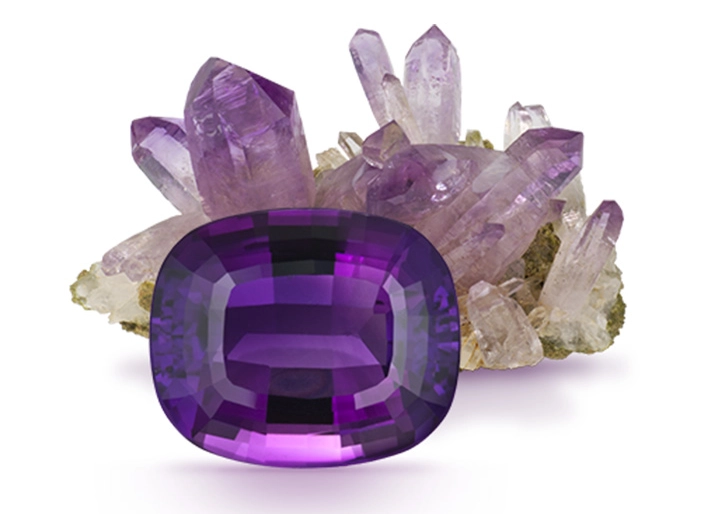
So, where does this sunny stone come from? Natural citrine is actually pretty rare. Most of the citrine on the market today starts its life as plain old purple amethyst or smoky quartz. When these stones are subjected to intense heat (either naturally deep in the earth or artificially in an oven), the iron impurities within them change form, turning the stone yellow or orange. This heat-treated citrine is completely stable and is considered a legitimate form of citrine in the gem trade, but it's good to know the difference.
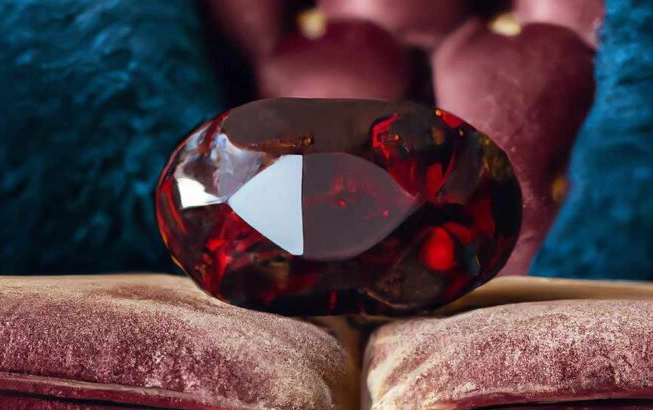
Major sources of natural citrine include Brazil, Bolivia, and Madagascar. Some of the heat-treated material also comes from Brazil, where huge deposits of amethyst are heated to create that popular golden hue. There's also a rare variety called "Madeira citrine" which has a deep, rich orange-red to orange-brown color—it's highly sought after and usually commands a higher price.
I find the geology fascinating. Citrine forms in the same environments as other quartz varieties, often in hydrothermal veins or within granite pegmatites. The conditions have to be just right for that iron to settle in and create a true yellow color without turning the stone into something else.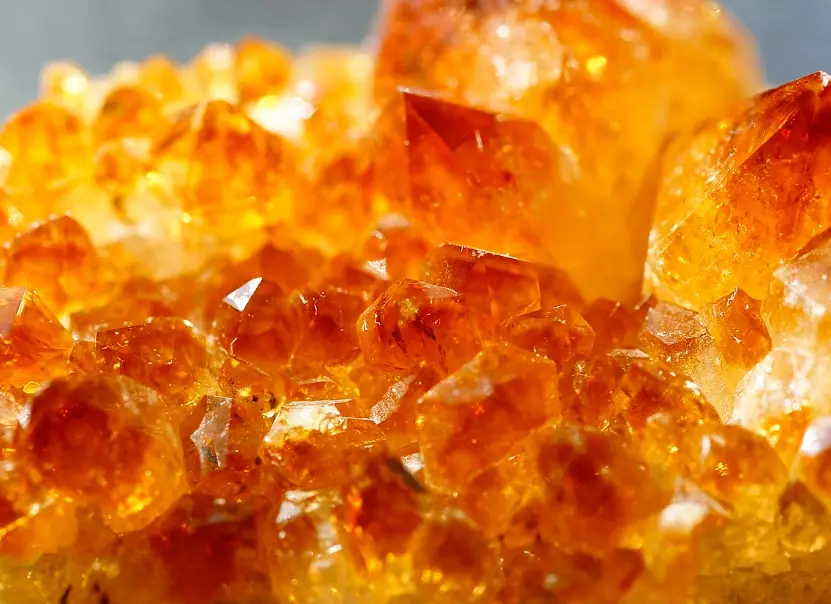
Natural Citrine vs. Heat-Treated Citrine: Spotting the Difference
This is where things get practical. Can you tell them apart? Sometimes it's tricky, even for professionals, but there are clues.
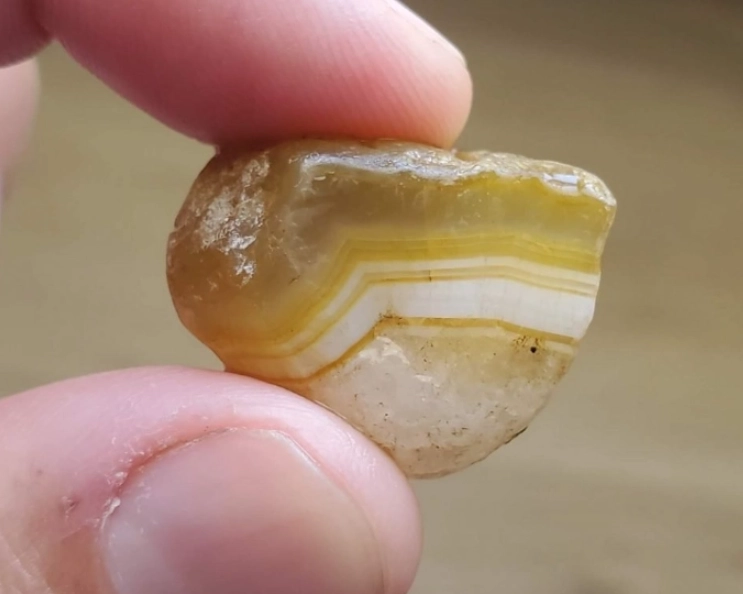
Natural citrine tends to be a paler, more consistent yellow or smoky yellow. It often has a subtle, even coloration. Heat-treated citrine (from amethyst), on the other hand, often shows a reddish tint at the base of the crystal or may have a whitish, cloudy root end that didn't fully convert. It can also have a more vibrant, sometimes orangey color. The deeper, more saturated oranges and reds are almost always the result of heat treatment.
Why does this matter? For some collectors and users, the origin and natural formation process hold significance. For most people buying a piece of jewelry, the treated stone is just as beautiful and durable—the key is that the seller should be transparent about it. I get annoyed when sellers pass off heated stones as "100% natural rare citrine" at a huge markup. That's just dishonest.
Watch out for glass or plastic imitations. The bigger problem than heat treatment is outright fake citrine made from colored glass or resin. These fakes feel lighter, often have bubbles inside, and their color can look too perfect or milky. A real piece of citrine, whether natural or heat-treated, will feel cool to the touch and have natural imperfections like slight cloudiness or tiny mineral inclusions. If a deal seems too good to be true for a large, perfectly clear, vivid stone, it probably is.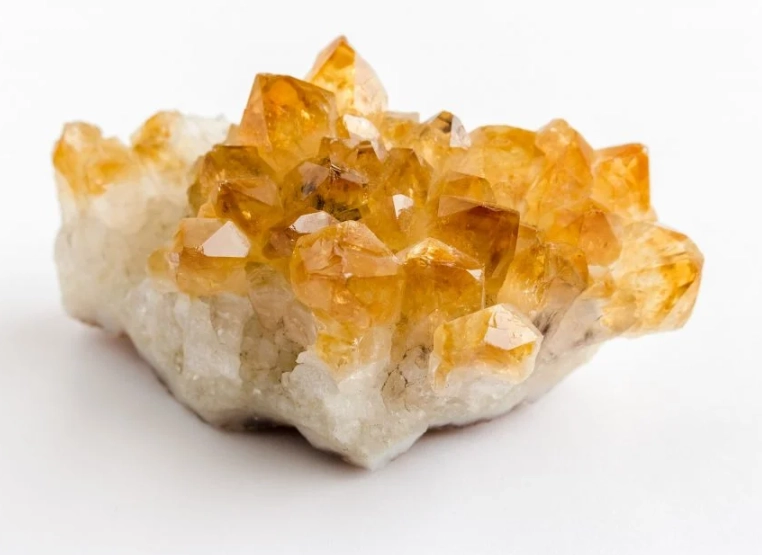
Why the Hype? Meaning, Properties & Uses
Alright, let's address the elephant in the room. Why is citrine so incredibly popular in the world of crystals and beyond? It's not just about the color. Citrine has built a reputation over centuries.
Historically, it was used as a decorative gem and even as a talisman against snake venom and evil thoughts (a pretty broad job description). Today, its meanings have evolved. It's most commonly known as the "Merchant's Stone" or the "Stone of Abundance." The idea is that it attracts wealth, prosperity, and success. Whether you take that literally or metaphorically, the symbolism is powerful. Placing a piece in your cash register, wallet, or workspace is a common practice.
Beyond wealth, citrine is associated with energy, clarity, and joy. Its sunny color is linked to the solar plexus chakra, which is all about personal power, confidence, and motivation. People use it to combat negativity, fatigue, and self-doubt. They say it's a stone that doesn't need cleansing because it doesn't absorb negative energy—it transmutes it. I'm a bit skeptical about the absoluteness of that, but I will say the stone has a very "light" feeling to it, unlike some darker stones that can feel heavy after a while.
How do people actually use it?
It's not just about putting it on a shelf. Here are the most common ways I've seen and tried myself:
- Jewelry: Wearing citrine as a necklace, ring, or bracelet keeps its energy close. A citrine ring on your dominant hand is said to help manifest your will into action.
- Pocket Stone: Carry a small tumbled stone in your pocket or purse, especially on days you need a confidence boost or have important meetings.
- Home & Office Placement: A larger cluster or point in the wealth corner (southeast) of your home or room, or simply on your desk, is believed to promote a prosperous and creative environment.
- Meditation: Holding a piece during meditation, focusing on the solar plexus area, to work on issues of self-esteem and personal power.
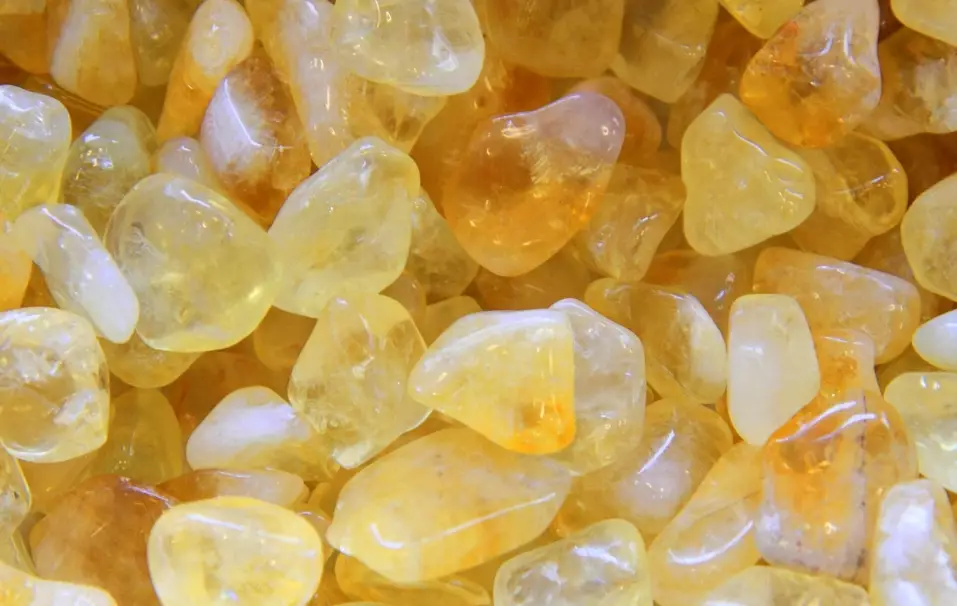
"Citrine is like a drop of liquid sunshine. It doesn't promise to solve all your problems, but it does remind you of your own inner light and capacity to create warmth in your life."
Your Practical Guide to Buying Citrine
Let's get down to brass tacks. You want to buy a piece of citrine. How do you do it without getting ripped off or ending up with a piece of colored glass? This is where my past mistakes can help you.
First, decide what you want it for. A large decorative piece for your home? A durable piece of everyday jewelry? A small tumbled stone for your pocket? Your purpose will guide your budget and what to look for.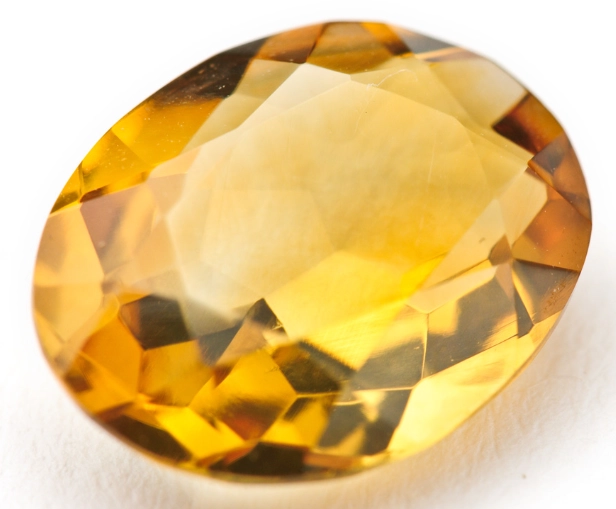
Key Factors That Affect Value & Price
Not all citrine is priced the same. Here's what drives the cost up or down:
- Color: The most important factor. Rich, saturated Madeira oranges and deep red-browns are most valuable. Pale yellows are more common and affordable. Avoid stones with grayish or muddy undertones—they lack vibrancy.
- Clarity: Citrine is a Type I quartz, meaning it's typically eye-clean. Stones with high clarity (few visible inclusions) are more valuable, especially for faceted gems. However, some people appreciate the character of a few natural inclusions.
- Cut: A good cut enhances the stone's color and brilliance. Well-proportioned faceted cuts (like ovals, cushions, rounds) command higher prices. A poorly cut stone can look dull or have a "dead" spot in the center.
- Carat Weight: As with most gems, larger stones have a higher price per carat, as big pieces of good-quality material are rarer.
- Origin: Natural, untreated citrine from certain locales (like the Congo) can fetch a premium from collectors, but this is a niche market. For most buyers, this matters less than the stone's actual appearance.
I made the mistake once of buying a huge, cheap citrine point online. It arrived and was so pale it was almost clear, with a cloudy, fractured base. It looked nothing like the photos. Lesson learned: understand what "value" really means for this gem.
Where to Buy: Pros, Cons, and Red Flags
This table breaks down your main options. I've bought from all of these places over the years.
| Source | Pros | Cons | What to Watch For |
|---|---|---|---|
| Local Crystal/Jewelry Shops | You can see and feel the stone. Ask questions directly. Often curated selection. | Can be more expensive. Selection may be limited. | Ask about origin/treatment. A reputable seller will know and tell you. |
| Online Marketplaces (Etsy, etc.) | Huge variety, global sellers, often competitive prices. | Cannot inspect in person. Quality can vary wildly. Photos can be misleading. | Read reviews *thoroughly*. Look for sellers with clear, unedited photos on neutral backgrounds. Message sellers with specific questions. |
| Gem & Mineral Shows | Incredible selection, often from miners/importers. Can find unique pieces. | Seasonal, not always accessible. Can be overwhelming for beginners. | Talk to multiple vendors. Prices can be negotiable. Bring a small flashlight to check clarity. |
| Big-Box Metaphysical Chains | Convenient, consistent branding, often affordable. | Stones are often mass-produced. Almost all heat-treated. Little information on source. | Fine for a beginner piece, but don't expect rare or natural collector's quality. |
A quick personal tip from my own blunders: On Etsy or eBay, be wary of listings from certain regions that show massive, perfectly clear, neon-orange clusters for $30. That's a classic sign of synthetic or glass material. Real citrine of that size and color costs hundreds, if not thousands.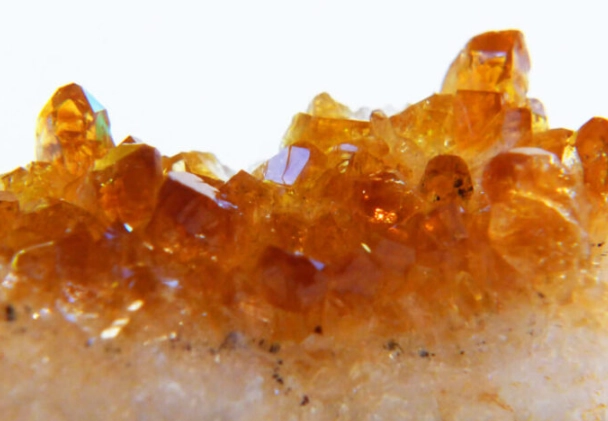
Your Citrine Buying Checklist: Before you click "buy" or hand over cash, run through this list: 1) Does the color look natural, or is it neon/uniform in an unnatural way? 2) Are there high-resolution photos from multiple angles? 3) Does the description mention if it's natural or heat-treated? 4) What is the return policy? 5) For jewelry, what is the metal quality (e.g., sterling silver vs. silver-plated)?
Integrating Citrine into Your Daily Life
So you've got your stone. Now what? The magic (for lack of a better word) happens in the using, not just the owning.
Cleansing and Charging Your Citrine
Even though many say citrine self-cleanses, I still like to give my stones a refresh, especially when I first get them. It feels like setting an intention. Here are safe methods for citrine:
- Sunlight: The classic method for this sun stone. A few hours of morning or late afternoon sun (not harsh midday sun which can fade some colors over years) is perfect. Visualize it being filled with bright, warm light.
- Smoke: Passing it through the smoke of sage, palo santo, or incense.
- Sound: Using a singing bowl, bell, or even a chanting app near the stone.
- Other Crystals: Placing it on or near a large selenite plate or in a bowl of clear quartz chips overnight.
Avoid: Salt (can scratch the surface), prolonged water immersion (can loosen settings or damage some treated stones), and harsh chemicals.
Simple Rituals and Placements
You don't need to be an expert to benefit from citrine's vibe. Start simple.
Try a morning intention: Hold your citrine in your hand for a minute when you wake up. Think of one thing you want to manifest or accomplish that day—confidence for a presentation, creativity for a project, or simply a positive attitude. Then put it in your pocket or wear it.
For abundance, place a citrine point facing inward on your windowsill where you keep your bills or financial paperwork. The idea is to draw energy in. In your workspace, place a cluster where you can see it to encourage motivation and discourage procrastination (I need this one badly).
Honestly, sometimes I just look at mine when I'm feeling low. Its color alone is a mood lifter. There's a reason it's associated with joy.
Answering Your Citrine Questions (FAQ)
Caring for Your Citrine Collection
If you end up loving citrine and getting more pieces (it happens), proper care will keep them looking beautiful for a lifetime.
Store pieces separately in a soft cloth pouch or a compartmentalized box to prevent scratches. Even though it's a 7 on the hardness scale, it can be scratched by harder gems like sapphire, topaz, or diamond. Clean it with warm water, a drop of mild dish soap, and a soft brush. Rinse and dry thoroughly with a soft, lint-free cloth. Avoid ultrasonic and steam cleaners, especially for treated stones or fragile jewelry settings.
Keep it away from prolonged, intense heat and direct sunlight. While sunlight is fine for short-term charging, decades of exposure can, in some cases, cause very slight fading in certain treated stones. It's best to enjoy its color indoors.
Think of it like a piece of art.
A little mindful care goes a long way. My first, disappointing piece still sits on my shelf. It's a reminder to ask questions and learn. The pieces I've acquired since, with more knowledge, bring me genuine joy every time I see them. That's the real value of citrine, beyond any price tag or metaphysical claim.
It's a connection to the earth's warmth, a tool for focus, and a beautiful reminder to let your own light shine. Whether you're drawn to it for its looks, its history, or its purported energy, I hope this guide helps you find a piece that feels truly right for you. Now go find your sunshine.