Quick Guide
Let's be clear about one thing from the start. If you hear "zircon" and immediately picture the shiny, cheap rings from a TV shopping channel, you're thinking of the wrong thing. That's cubic zirconia, a lab-made diamond simulant. Real zircon, on the other hand, is a completely different beast—a stunning, natural gemstone with a history longer than human civilization and properties that make geologists and jewelers sit up and take notice.
I remember the first time I held a piece of high-quality blue zircon. A friend in the trade showed it to me, and my initial reaction was, "Wait, this is zircon?" It had a brilliance and fire—that play of light—that I honestly didn't expect. It wasn't the dull, brownish stone I'd read about in old textbooks. That moment of surprise is what got me digging deeper. What is this mineral that's so often misunderstood? Why is it valuable beyond just looking pretty? And why does its name cause so much confusion?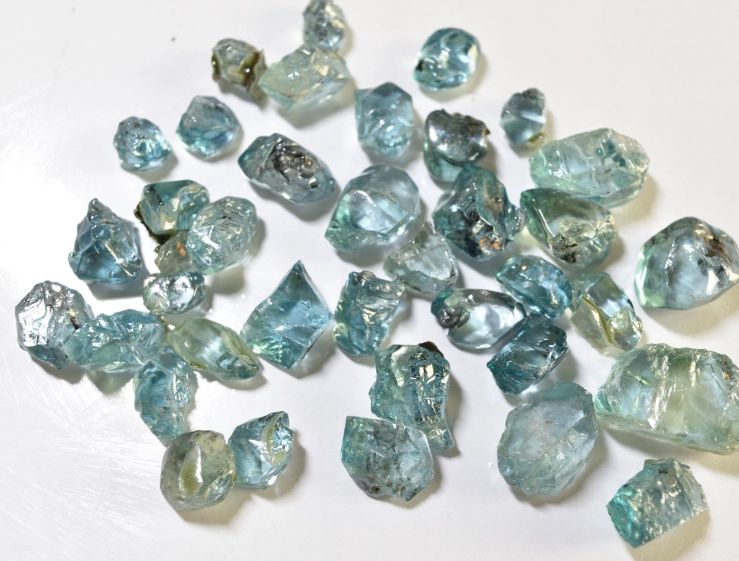
This guide is my attempt to sort it all out. We'll look at zircon from every angle: as a gem, as an industrial workhorse, and as a time capsule for our planet. By the end, you'll know exactly what you're dealing with, whether you're shopping for jewelry, sourcing materials, or just satisfying your curiosity.
The Big Mix-Up: The single biggest point of confusion is the name. Cubic zirconia (CZ) is synthetic zirconium dioxide. Zircon is natural zirconium silicate. They share a chemical element (zirconium) but are as different as table salt (sodium chloride) and a metal sodium ingot. Calling zircon "a type of cubic zirconia" is completely backwards and a sure sign someone doesn't know their stuff.
Zircon vs. Cubic Zirconia: Untangling the Names
This deserves its own section because the mix-up hurts zircon's reputation. Cubic zirconia burst onto the scene in the 1970s as an affordable diamond alternative. It was brilliant, cheap to produce, and marketers needed a fancy-sounding name. "Zirconia" sounded scientific and solid, even if it borrowed from the older, natural stone's identity. The problem was, many consumers—and sadly, some low-end jewelers—started using the names interchangeably.
Here’s the breakdown in plain terms:
| Aspect | Natural Zircon | Cubic Zirconia (CZ) |
|---|---|---|
| Origin | Formed naturally in the Earth's crust over millions of years. | Man-made in a laboratory, first commercialized in the 1970s. |
| Chemical Composition | Zirconium silicate (ZrSiO₄). Often contains traces of uranium, thorium, and other elements. | Zirconium dioxide (ZrO₂) in its cubic crystal form. |
| Hardness (Mohs Scale) | 6.5 to 7.5. Durable but can be brittle. Requires careful setting. | 8 to 8.5. Quite hard and resistant to scratches. |
| Dispersion ("Fire") | Very High (0.039). Higher than sapphire or CZ, close to diamond. This is its secret weapon. | High (0.060). Even higher than diamond, which can sometimes make it look overly fiery or "fake" to a trained eye. |
| Density/Heft | Heavy for its size (4.6-4.7 g/cm³). Feels substantial in hand. | Very heavy (5.6-6.0 g/cm³). Much heavier than diamond or zircon of the same size. |
| Value | A natural gemstone. Value varies widely by color, clarity, and size. Fine blue zircon can command hundreds per carat. | An inexpensive synthetic. Cost is typically a few dollars per carat, even for large stones. |
| Key Tell | Look for doubling of facet edges under a loupe due to strong birefringence. Warm to the touch (poor thermal conductor). | Flawless clarity is common. Often feels cool to the touch (good thermal conductor, like diamond). |
So, when you're looking at jewelry, ask specifically: "Is this natural zircon or cubic zirconia?" A reputable seller will know the difference and be happy to explain. If they seem fuzzy on the details, that's a red flag.
The Nitty-Gritty: What Zircon Actually Is
Geologically speaking, zircon is a mineral. Its claim to fame in the science world isn't just its beauty—it's its incredible durability and its role as a timekeeper. Zircon crystals are tough. They can survive erosion, metamorphism, and even journeys through space in meteorites. Inside their crystal structure, they often trap tiny amounts of uranium and thorium. These elements decay at a known, steady rate into lead. By measuring the ratio of uranium to lead in a zircon crystal, geologists can date the rock it came from with astonishing precision. Some of the oldest fragments of the Earth's crust, over 4 billion years old, have been dated using zircon.
Think about that for a second. A zircon you might hold in a ring could be hundreds of millions of years old. It's a tangible piece of deep time. That, to me, is more fascinating than any lab-created sparkler.
Zircon's durability isn't just physical. Its chemical stability makes it a perfect container for tracing Earth's history. It's like a tiny, nearly indestructible diary of our planet's past, recording temperature, pressure, and atmospheric conditions from eons ago.
Its physical properties are a mixed bag for jewelers. On one hand, its high refractive index and dispersion give it that fantastic brilliance and fire. A well-cut zircon throws rainbows. On the other hand, its hardness (6.5-7.5) means it can scratch if you're not careful, and it has a property called brittleness or cleavage. This means a sharp knock in the wrong direction can cause it to chip or crack. It's not a stone for a heavy-duty everyday work ring, but it's perfectly fine for earrings, pendants, or occasional-wear rings in protective settings.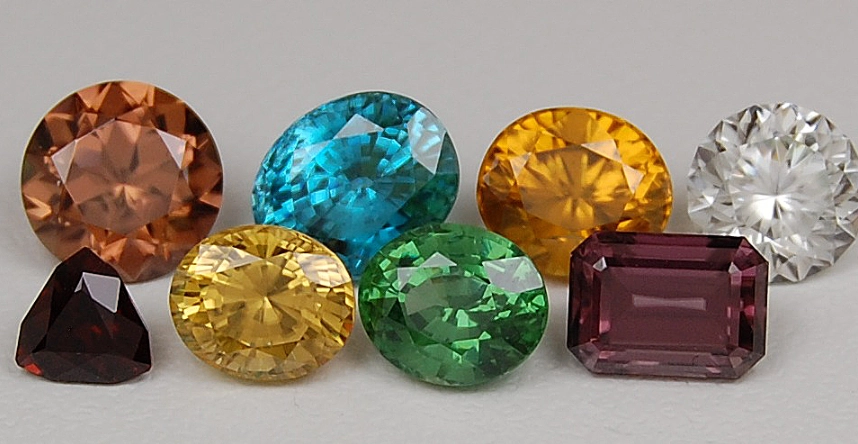
Colors and Types: More Than Just "White"
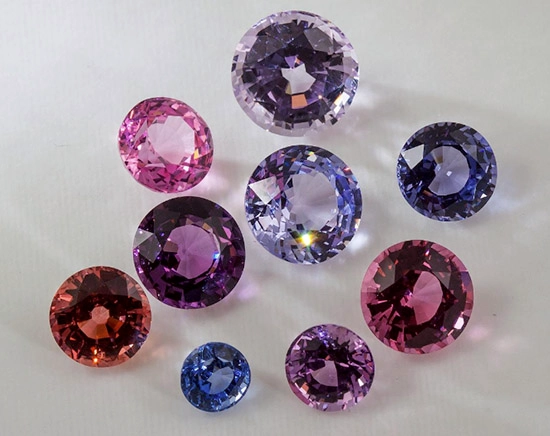
This is where zircon gets really interesting. It comes in a whole spectrum, largely due to those trace elements and sometimes from natural radiation within the crystal itself.
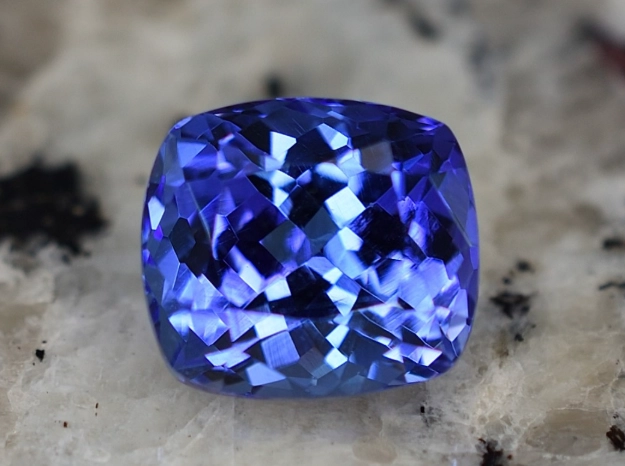
- Blue Zircon: The most popular and valuable gem variety. Almost all blue zircon on the market is heat-treated brown rough material from places like Cambodia or Sri Lanka. The heat treatment is stable and permanent. The color ranges from pastel sky blue to a vibrant teal-ish blue. It's stunning.
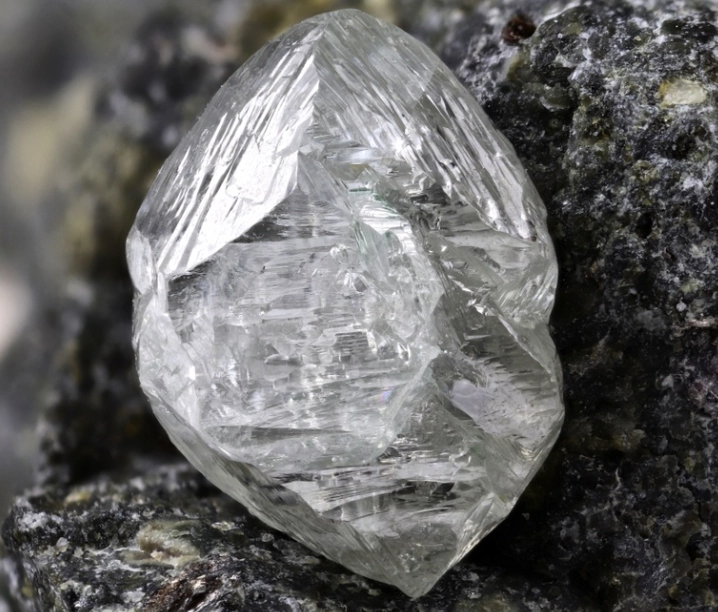
- White (Colorless) Zircon: In the Victorian era, this was a popular diamond substitute because of its fire. It's sometimes called "Matura diamond" (after a source in Sri Lanka). It has a softer, more oily luster compared to a diamond's sharp brilliance, which some people actually prefer.
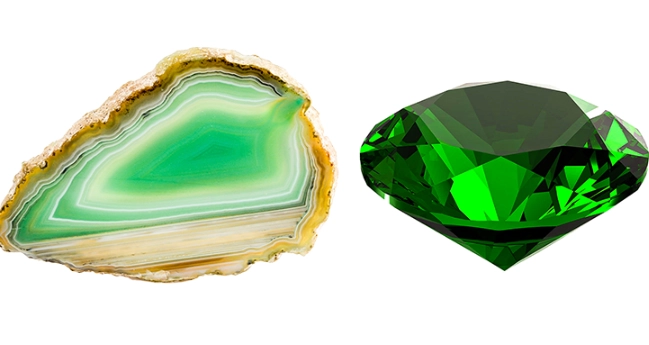
- Green Zircon: Often colored by natural radiation. Some green zircon can be slightly radioactive (though almost always at safe, trace levels). Reputable dealers will test for this. It has an earthy, olive tone that's quite unique.
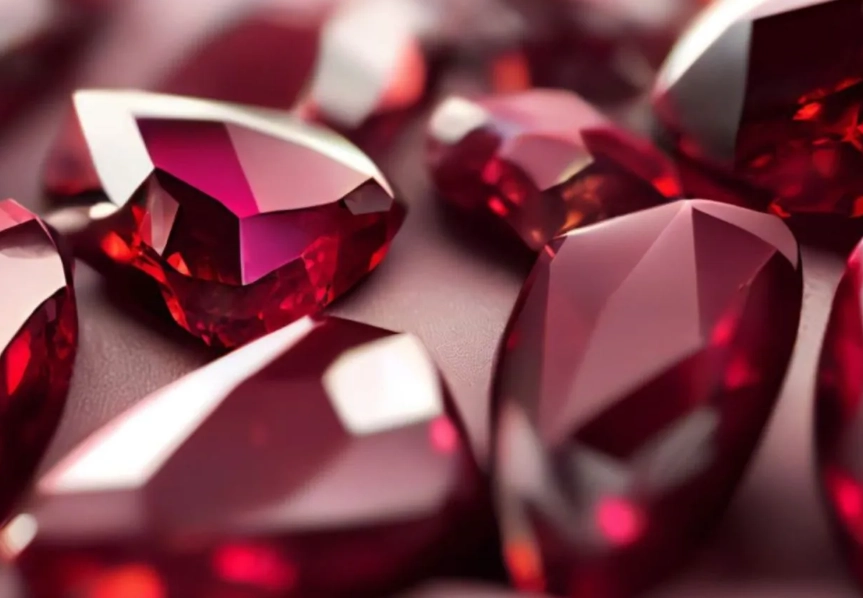
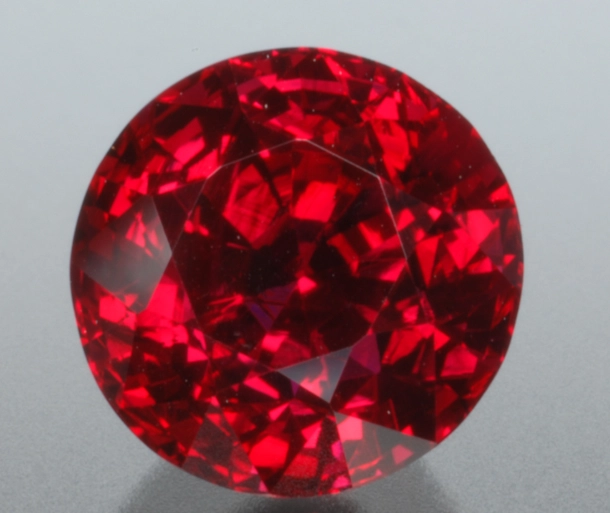
- Yellow, Orange, and Red Zircon: These warm hues, sometimes called "hyacinth" in older texts, are rarer and very sought after by collectors. They glow with a rich, honeyed light.
- Brown Zircon: The most common color in nature. This is the material that's usually heat-treated to produce blues. In its natural state, it's often used in industrial applications.
One quirk: Some zircon, especially heated stones, can be brittle. It's a trade-off for that incredible color and sparkle.
The Many Hats of Zircon: Gemstone and Industrial Powerhouse
Most people only see one side of zircon. But its applications are surprisingly broad.
As a Gemstone
Zircon has a long, if underappreciated, history in jewelry. It was used in Ancient Rome and was a favorite in Georgian and Victorian jewelry. Today, it's a connoisseur's stone. It offers incredible brilliance and color at a fraction of the price of a sapphire or diamond of comparable size. For someone who wants a unique, natural gem with a story, zircon is a fantastic choice. Designers love it for its fire and its range of colors, which work well in both modern and vintage-style pieces.
If you're buying zircon jewelry, look for a protected setting like a bezel or deep prongs to guard against chipping. Ask about any treatments (heat is standard and accepted for blues). And get it from a seller who appreciates the stone, not just someone clearing out a generic gem box.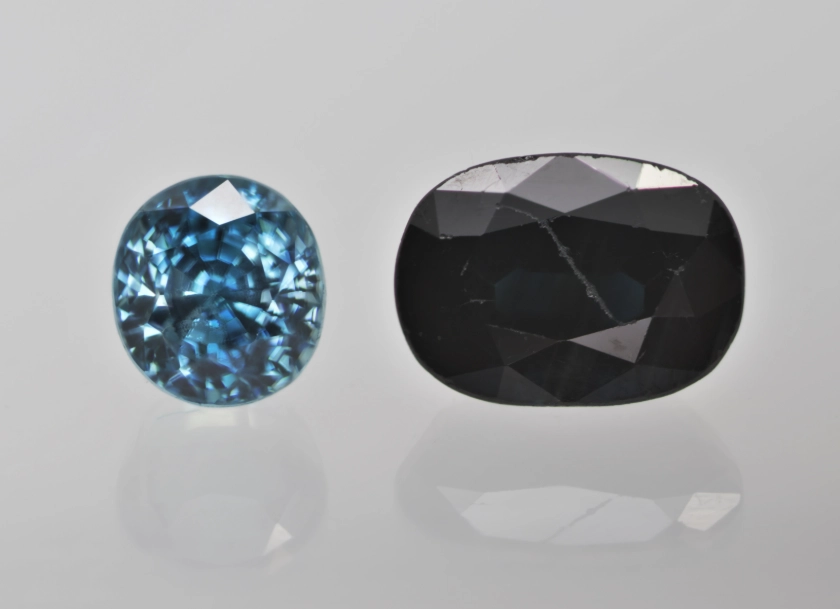
Industrial and Technological Uses
This is the side of zircon that drives the global market. The vast majority of mined zircon is not gem-quality. It's a brown sand. And that sand is incredibly useful.
- Refractories: This is the biggest use. Zircon's incredibly high melting point (around 2550°C) makes it perfect for lining furnaces in the steel and glass industries. It can take the heat without breaking down.
- Foundry Molds: Zircon sand is used to create precision molds for metal casting. It creates a super-smooth surface finish on things like engine blocks and turbine blades. I've seen a foundry use it for aerospace parts—the tolerance levels are that good.
- Ceramics: Added to ceramics, it increases strength, whiteness, and resistance to chemicals. You'll find it in high-end tiles, sanitaryware, and even some electronic ceramics.
- Zirconium Metal Production: Zircon is the primary ore for producing zirconium metal. The process is complex, but the end product is a corrosion-resistant metal used in nuclear reactor cladding (because it doesn't readily absorb neutrons), chemical plant equipment, and even surgical implants.
- Abrasives and Grinding: Its hardness makes it suitable for certain grinding and lapping applications.
The industrial demand is what makes zircon a globally traded commodity. Major producers include Australia, South Africa, and China. The U.S. Geological Survey provides detailed annual reports on zirconium mineral production and reserves, which is essential reading for anyone in the materials sector. You can find their latest data on the USGS Zirconium Statistics page.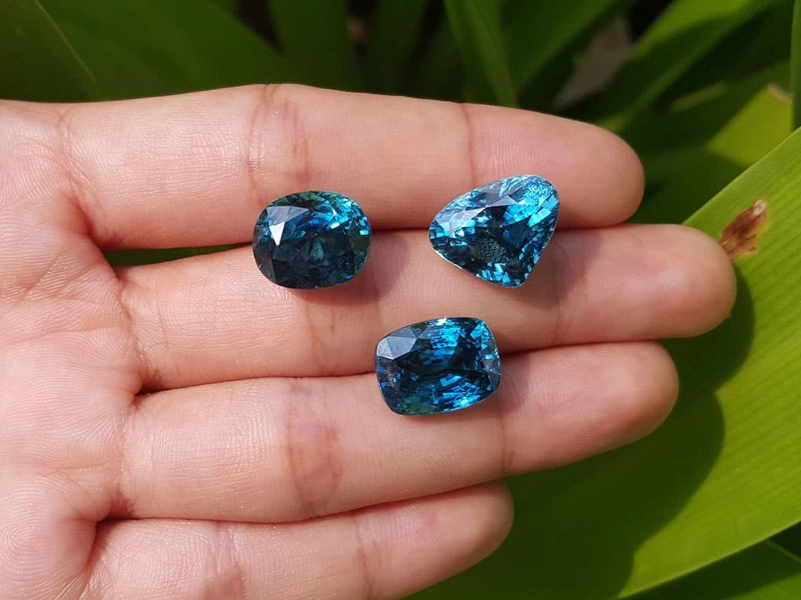
A Practical Guide to Buying Zircon (Gemstone Focus)
Let's say you're sold on the idea of a zircon gemstone. What should you look for? Forget the diamond 4Cs for a moment; zircon has its own rules.
- Color: This is king. For blue zircon, look for a vibrant, even blue without grayish overtones. For other colors, saturation is key. A rich honey yellow is more valuable than a pale wash of color.
- Cut: This is critical. A great cutter will orient the stone to maximize its fire and brilliance while minimizing windowing (areas where light just passes through without sparkle). Zircon is often cut in rounds or ovals with step-cut or brilliant-style facets. A poor cut can make even a good color look dead.
- Clarity: Eye-clean is what you want. Most good quality zircon is relatively free of visible inclusions. Heavy inclusions not only look bad but can weaken the stone, making it more prone to breaking.
- Carat Weight: Zircon is denser than many gems, so a one-carat zircon will look smaller than a one-carat sapphire. Keep that in mind when judging size. Larger, fine-quality stones in rich colors are rare and their price per carat jumps significantly.
- Treatment Disclosure: Always ask. Heat treatment for blue zircon is universal and stable. It's not a negative, but you should know. Be wary of any stone described as "irradiated" unless it comes with a specific guarantee of safety and stability from a reputable lab.
The best advice I can give is to buy from a specialist. A gem dealer who loves colored stones will understand zircon's nuances. A mall jeweler might just see it as a cheap alternative. For learning about gem identification and treatments, the Gemological Institute of America's (GIA) gem encyclopedia page on zircon is an authoritative, non-commercial resource.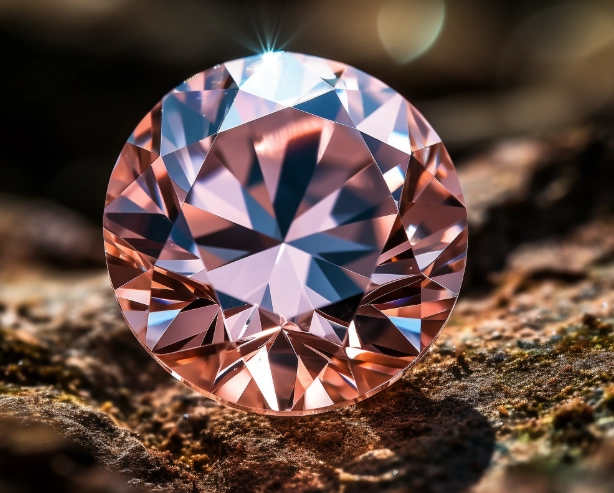
Your Zircon Questions, Answered
Here are some of the most common things people want to know once they get past the basics.
The Bigger Picture: Why Zircon Matters
After all this, you might see why I find zircon so compelling. It's a mineral of contradictions. It's ancient yet modern. Delicate in a ring yet tough enough to line a steel furnace. Commonly confused yet utterly unique.
For the consumer, it represents a chance to own a piece of natural history with breathtaking beauty that doesn't follow the mainstream script of diamonds and sapphires. For industry, it's a critical material that enables high-tech manufacturing and energy production. The International Atomic Energy Agency (IAEA) notes the importance of zirconium alloys (derived from zircon) in ensuring the safe and efficient operation of nuclear power plants, which you can read about in their publications on nuclear power plant safety.
So, the next time you hear the word "zircon," don't dismiss it.
Think of the deep blue stone flashing with more colors than you thought possible. Think of the foundry sand that helps cast a jet engine. Think of the tiny crystal that holds the secret to the age of a continent. That's zircon. It's not an imitation of anything. It's the real deal.