In This Guide
- From Tiger Hills to Tiffany's: The Tanzanite Story
- What's the Big Deal About the Color?
- Beyond Color: The Other Stuff That Determines Value
- The Practical Buyer's Guide: Don't Get Ripped Off
- Living With Tanzanite: The Care and Feeding of a Delicate Gem
- Is Tanzanite a Good Investment?
- Wrapping It Up: A Gem with a Soul
Let's be honest. You've probably seen a flash of violet-blue on someone's finger, or in a high-end jewelry store window, and it stopped you for a second. It's not a sapphire, and it's definitely not an amethyst. That deep, velvety color is something else entirely. That's tanzanite. And chances are, you've heard the whispers: it's rare, it's valuable, it's only found in one place on Earth. But what's the real story? Is it worth the hype, or is it just another pretty stone with good marketing?
I remember the first time I held a fine tanzanite. A friend in the trade let me examine a 5-carat cushion cut. The color shifted from a rich blue under the store lights to a more delicate violet when I walked near the window. It felt... alive. But I've also seen the bad stuff—the washed-out, pale stones sold with inflated price tags to tourists, and the heartbreak of someone who bought a treated glass imitation. That's why I'm writing this. Not as a sales pitch, but as a straight-talk guide from someone who's spent too much time geeking out over gemology and talking to cutters, miners, and buyers.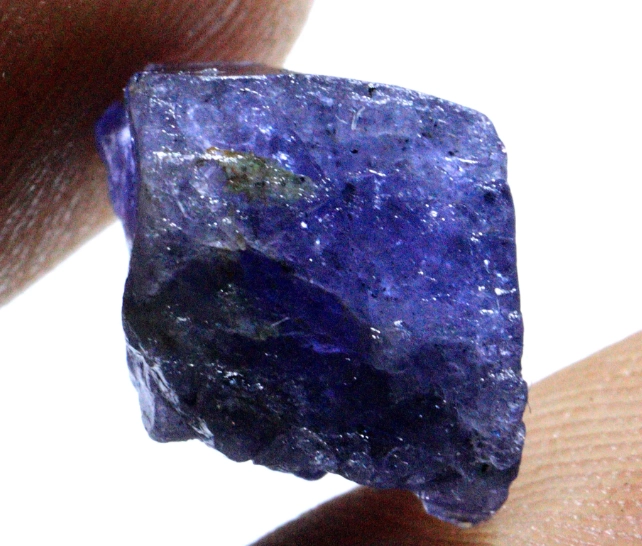
This isn't a quick listicle. We're going deep. By the end, you'll know exactly what makes this gem tick, how to spot a good one (and avoid a bad one), and whether it might be the right choice for you. No fluff, just the stuff you actually need to know.
From Tiger Hills to Tiffany's: The Tanzanite Story
Every great gem has a great origin story, and tanzanite's is pretty wild. It wasn't unearthed by some ancient civilization. Nope. It was discovered in 1967 by a Masai tribesman named Ali Juuyawatu (though some credit a prospector named Manuel d'Souza). The legend goes that a lightning strike set fire to the grass on the Merelani hills near Mount Kilimanjaro in Tanzania, revealing vivid blue crystals poking through the charred earth. Talk about a dramatic entrance.
The Masai, initially, thought they were just pretty blue stones. But word got out. The discovery was confirmed, and the gem was initially named "blue zoisite"—a mineralogical mouthful that, let's be real, sounds a bit too much like "blue suicide" for any marketing guru's comfort. Enter Tiffany & Co. They saw the potential, renamed it "tanzanite" after its country of origin, and launched a major campaign in 1968. Just like that, a star was born.
The One and Only Source: Here's the mind-blowing part. Every single piece of genuine tanzanite in the world comes from a single, small mining area (about 7km long and 2km wide) in the Manyara Region of Tanzania. Think about that. Diamonds are found on multiple continents. Sapphires are mined all over. But tanzanite? One spot. Geologists estimate the deposits will be commercially mined out in the next few decades, maybe sooner. This isn't marketing spin; it's geological fact. When they say "rarer than diamond," in terms of geographical scarcity, they aren't kidding.
And that's it. No other viable deposits have been found, despite searches. This single-source origin is the bedrock of tanzanite's allure and its value proposition. It creates a tangible sense of urgency and exclusivity that few other gems can claim.
What's the Big Deal About the Color?
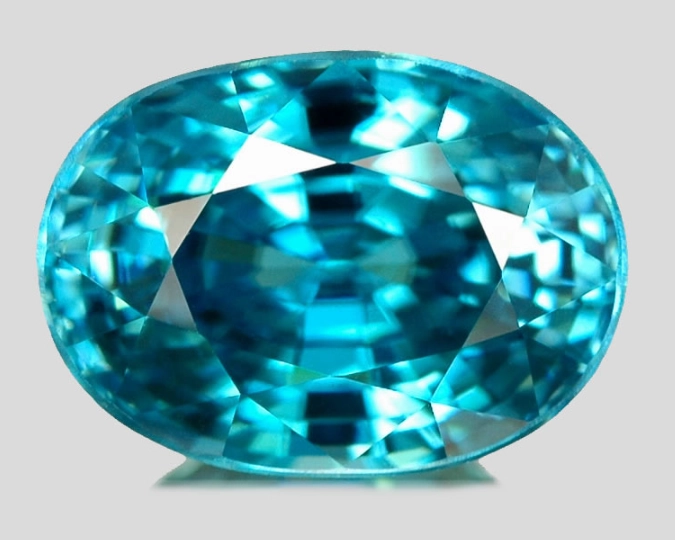
If you ask me, color is everything with tanzanite. It's not just blue. It's a trichroic gem, meaning it shows three different colors depending on the angle you look at it: blue, violet, and burgundy. The cutter's job is to orient the rough crystal to maximize the most desirable blue and violet flashes, minimizing the burgundy. The finest, most prized tanzanite displays a saturated, intense "velvet" blue with subtle violet undertones. It's a deep, sleep color that feels luxurious.
But here's a common point of confusion. Most tanzanite on the market is heat-treated. In its rough, natural state, it's often a muddy brownish or yellowish color. A relatively low heat treatment (around 500-600°C) is applied to remove these unwanted hues and bring out the permanent blue and violet. This treatment is universal, stable, and completely accepted in the trade—it's considered a standard enhancement, like heating sapphires. The GIA (Gemological Institute of America) considers it a normal part of bringing tanzanite to market. You can read more about their stance on gem treatments on their official website.
So, don't be put off if a seller says the stone is heated. An unheated, naturally blue tanzanite is astronomically rare and commands a huge premium. For 99.9% of buyers, a beautifully heat-treated stone is the goal.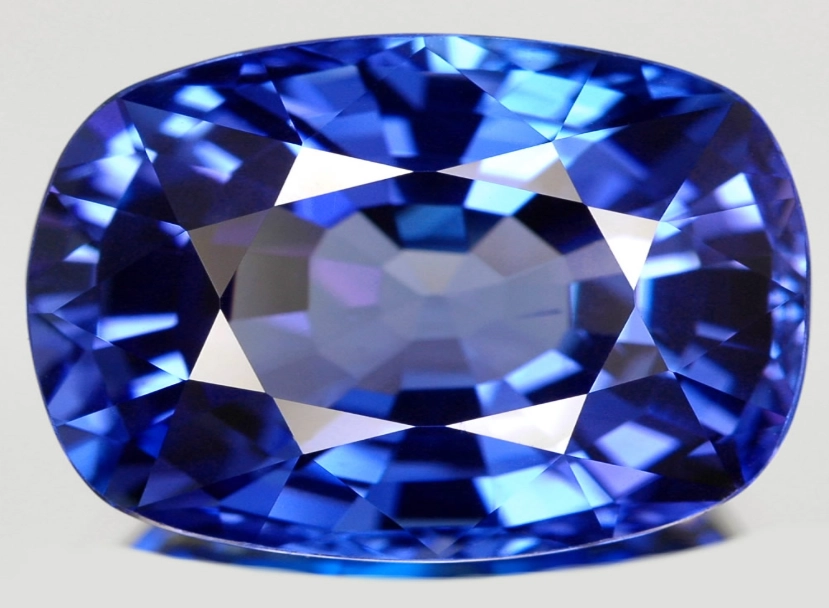
Breaking Down Tanzanite Color Grades
The trade uses informal grades to describe color saturation. It's less rigid than diamond grading, but here’s what you’ll typically hear:
| Grade Name | What It Looks Like | Who It's For |
|---|---|---|
| Exceptional / Vivid | Deep, intense, saturated blue with strong violet flashes. The "wow" factor. Often seen in stones over 5 carats. | The serious collector or investor. This is top-shelf material. |
| Fine / Premium | Rich blue with noticeable violet. Excellent saturation, the standard for quality jewelry. | The discerning buyer who wants a standout piece without the absolute peak price. |
| Good / Commercial | Nice, even blue-violet or violet-blue. Lighter in tone but still attractive. The most common grade in stores. | Great for everyday wear or entry-point pieces. Offers great beauty for the price. |
| Pale / Light | Very light lavender or sky blue. Can be pretty but lacks the depth and drama. | Budget-friendly options. Can look almost like a pale sapphire or iolite. |
My personal take? Don't get hung up on the name. Look at the stone with your own eyes, in different lights. Does the color make you happy? Does it have depth, or does it look a bit watery? A "Good" grade stone with a fantastic cut can look better than a poorly cut "Fine" grade stone.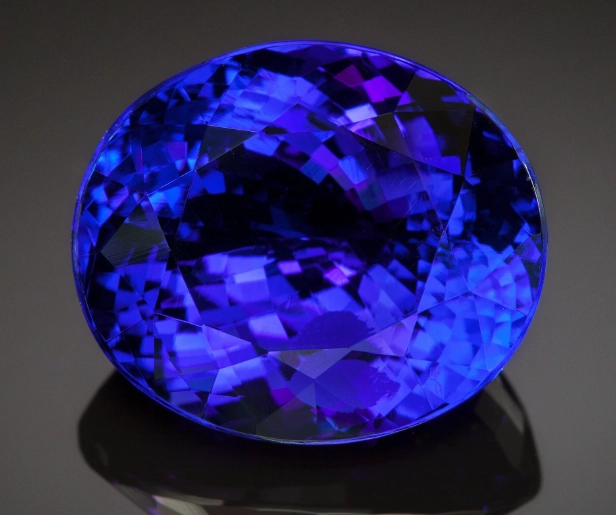
Beyond Color: The Other Stuff That Determines Value
Okay, color is king. But the court matters too. Cut, Clarity, and Carat weight (the other 3 Cs) play a huge role in the price and beauty of your tanzanite.
Cut: This is where craftsmanship shines. Tanzanite is tricky to cut. It has what gemologists call "perfect" cleavage, meaning it can split along certain planes if struck. A good cutter must navigate this to preserve weight while maximizing color and brilliance. A well-cut tanzanite will be symmetrical, with facets that meet precisely, and no "windows" (flat, dead areas where you can see straight through the stone). You often see it in ovals, cushions, and emerald cuts, which are great for showcasing color. But I've seen some stunning rounds and fancy shapes from master cutters.
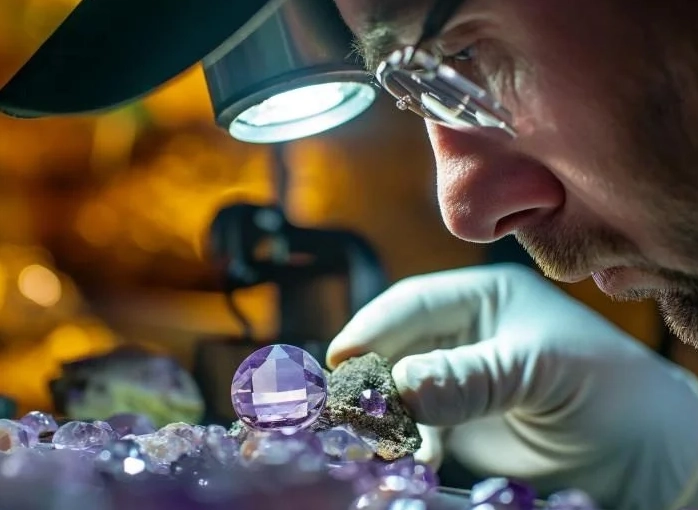
Clarity: Most tanzanite used in jewelry is "eye-clean," meaning you can't see inclusions (internal flaws) with the naked eye. It's common to find minor inclusions under magnification—tiny crystals, feathers, or fingerprints. Generally, as long as they don't affect the stone's durability or seriously obstruct light, they're acceptable. Heavily included stones are less valuable and can be more prone to breaking.
Carat Weight: Here's where it gets interesting. Tanzanite, like most gems, increases in price per carat exponentially as size goes up. But it's not just about weight. A 10-carat stone isn't just twice the size of a 5-carat stone; it's much rarer to find a clean, well-colored piece of rough that large. The price jump between, say, a 3-carat and a 5-carat stone of the same quality can be dramatic.
Size vs. Spread: Pay attention to the millimeter measurements, not just the carat weight. Two stones can weigh the same but look different sizes if one is cut deeper (holding weight in the bottom where you can't see it). Always ask for dimensions: length x width x depth in mm.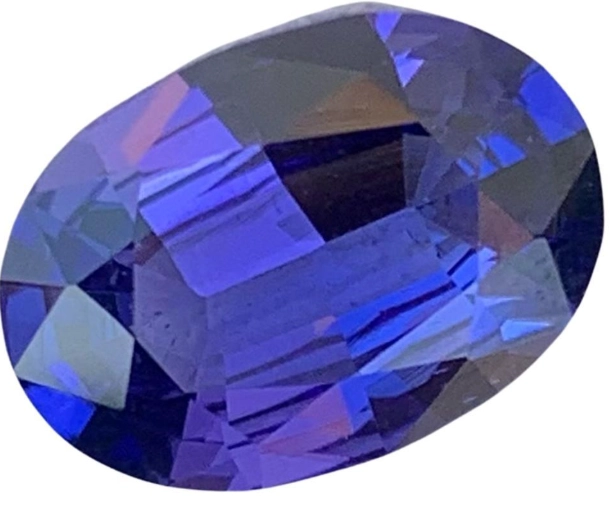
The Practical Buyer's Guide: Don't Get Ripped Off
Alright, let's get to the nitty-gritty. You're ready to buy a tanzanite. What do you do?
First, set a budget and be realistic. A stunning, 3-carat, fine blue-violet tanzanite in a simple setting will cost a few thousand dollars. If someone offers you the same for a few hundred, it's a fake, a terrible stone, or a scam. Period.
Red Flags to Run From:
- "Mystery Discounts" or "Today Only" Prices: High-pressure tactics are a classic sign of a disreputable seller, especially common in some tourist areas.
- No Independent Certificate: For any significant purchase (say, over $1000), insist on a report from a major lab like GIA, AGL (American Gemological Laboratories), or Gubelin. This is your proof of what the stone actually is. You can verify what a GIA report looks like for colored stones here.
- The Seller Can't Answer Basic Questions: Where is it from? Is it heated? What's the color grade? If they stammer, walk away.
- Too Perfect and Too Cheap: Synthetic forsterite or just plain colored glass can look flawless and be sold as "tanzanite." If it seems too good to be true, it is.
Where should you buy? Reputable local jewelers with a long history, established online specialty gem dealers (who provide videos, certs, and return policies), or auctions from trusted houses. Avoid random social media marketplaces or unknown overseas websites for something this valuable.
Ask to see the stone under different light sources. A good tanzanite should still look beautiful in office fluorescent light and warm home lighting, not just under the jeweler's bright halogen spotlights.
Living With Tanzanite: The Care and Feeding of a Delicate Gem
This is crucial, and a lot of sellers gloss over it. Tanzanite is a softer gemstone. It ranks 6.5 to 7 on the Mohs scale of hardness. For comparison, diamond is 10, sapphire is 9, and quartz (like amethyst) is 7. This means it can be scratched by everyday dust (which contains quartz particles) and is vulnerable to sharp blows.
So, can you wear it every day? In a ring, it's risky. I'd only recommend it in a ring if it's a protective setting (like a bezel) and you're not hard on your hands. It's perfect and much safer for pendants, earrings, and brooches.
The Care Checklist:
- Cleaning: Use warm, soapy water and a soft brush. Ultrasonic cleaners? Absolutely not. The vibrations can fracture it. Steam cleaners? Also a big no—the heat and pressure can cause damage.
- Storage: Keep it separate from harder gems. A soft cloth pouch or a compartment in a jewelry box is ideal.
- Activities: Take it off before gardening, cleaning (household chemicals are bad), exercising, or any manual work.
I learned this lesson the hard way. A friend had a beautiful tanzanite ring she never took off. After a few years, the table facet was covered in fine scratches and had lost its polish. It needed a full re-cut, which cost a fortune and made the stone smaller. Protect your investment.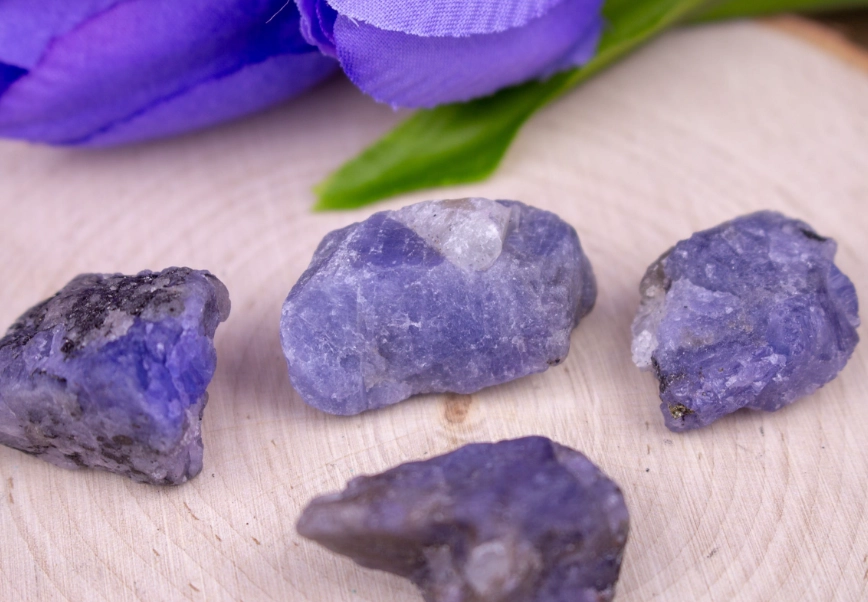
Is Tanzanite a Good Investment?
This is the million-dollar question. The short, honest answer is: maybe, but with major caveats.
The argument for investment is strong: finite, depleting supply and growing global appreciation (especially in markets like China and India). High-quality, larger stones (5 carats and up) with exceptional color have shown consistent price appreciation over the long term. They are a tangible, portable asset.
The argument against is also strong: The gem market can be illiquid. Selling a high-value tanzanite quickly for its full worth isn't like selling a stock. You need the right buyer. Also, the market is sensitive to economic downturns and, frankly, to political stability in Tanzania. Mining policy changes can affect supply and prices.
My two cents?
Buy tanzanite first and foremost because you love it and want to wear it. View any potential price increase as a happy bonus, not a guaranteed return. If you are thinking of it as a pure investment, you need to be an expert, buy the absolute best quality you can afford from a verified source, and be prepared to hold it for a decade or more. It's not for the faint of heart or the short-term speculator.
Your Tanzanite Questions, Answered
Let's tackle some of the specific things people Google.
What's the difference between tanzanite and sapphire?
Completely different minerals. Sapphire is corundum (aluminum oxide), one of the hardest gems (9 Mohs). Tanzanite is a variety of zoisite (calcium aluminum silicate), softer (6.5-7 Mohs). Color-wise, sapphire is a pure blue, while tanzanite is a blue-violet. Sapphire is more durable for daily wear.
Can tanzanite get wet?
Yes, water won't hurt it. The issue is knocking it against something hard while your hands are wet and slippery. So washing hands is fine, but take it off before doing the dishes.
Does tanzanite fade in sunlight?
Prolonged, direct exposure to intense UV light (like in a display window for years) can cause some stones to fade slightly. Normal, occasional sunlight won't hurt it. Just don't use it as a sunroof ornament.
What is the best alternative to tanzanite?
For a similar color at a lower price point, look at iolite, which can show a lovely violet-blue. It's also more durable (7-7.5 Mohs). For a more durable blue gem, a blue sapphire is the classic choice, though it won't have the violet fire.
Why is some tanzanite so inexpensive?
You're likely looking at very pale, included, or poorly cut material, or possibly small melee stones. High-quality tanzanite is never "inexpensive." It can also be synthetic spinel or glass being passed off as the real thing.
Will tanzanite ever be found elsewhere?
Geologists say the conditions that created it are so unique and localized that it's highly unlikely. But never say never—it would be the gemological discovery of the century.
Wrapping It Up: A Gem with a Soul
Look, in a world of lab-grown everything and mass-produced jewelry, tanzanite stands out. It has a story—a specific time and place of discovery. It has a finite future. It requires knowledge to buy and care to wear. That, to me, is what makes it special. It's not a passive purchase; it's an engagement with something rare and fleeting.
If you're drawn to it, do your homework. Save up for the best quality you can, even if that means a smaller stone. Get it certified. Have it set responsibly. And then enjoy it. Wear that deep blue-violet and know you're wearing a true geological wonder, a piece of Earth's history that won't be around forever.
Just promise me you'll take it off before you wash the car.