Your Alexandrite Companion: A Quick Guide
- The Magic of Color Change: More Than Just a Party Trick
- Where in the World Does Alexandrite Come From?
- The Nitty-Gritty: How Much Does Alexandrite Actually Cost?
- The Great Imposters: Synthetic, Simulant, and Treated Stones
- Caring for Your Alexandrite Jewelry
- Answering Your Burning Questions (The FAQ You Actually Need)
- Making Your Decision: A Final Reality Check
Let's talk about alexandrite. You've probably heard the name tossed around in fancy jewelry stores or seen it listed with a price tag that makes you do a double-take. It's one of those gemstones shrouded in mystery and, frankly, a lot of hype. But is it worth it? I remember the first time I held a genuine, high-quality alexandrite under proper lighting. The color shift wasn't just a subtle change—it was like watching magic happen in the palm of my hand. One moment it was a deep, forest green, and with a slight tilt under incandescent light, it warmed into a rich, raspberry red. No photo or video does it justice. That experience is what separates alexandrite from almost every other gem.
Here's the thing most blogs don't tell you straight up: finding a natural alexandrite over one carat with a strong color change is incredibly rare. Most of what's heavily marketed as "alexandrite" in mainstream jewelry is actually a synthetic look-alike or a different color-change stone like certain sapphires. Knowing the difference can save you from a very expensive mistake.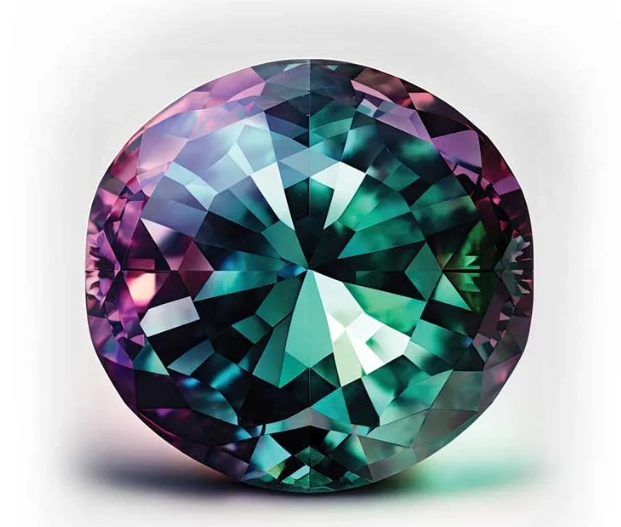
The story of alexandrite is as colorful as the stone itself. Discovered in Russia's Ural Mountains in the 1830s, it was named after the future Tsar Alexander II. Its red and green colors coincidentally matched the old Imperial Russian military colors, which pretty much sealed its fate as a stone of national pride and luxury. But the Russian mines are pretty much exhausted now. That original source material is the stuff of legend and auctions. Today, the story of alexandrite is global, complex, and filled with nuances that every potential buyer needs to understand.
The Magic of Color Change: More Than Just a Party Trick
Everyone fixates on the color change, and for good reason. It's the star of the show. But what causes it? It's not magic (though it feels like it), it's complex crystal chemistry. Alexandrite is a variety of the mineral chrysoberyl. The key player is chromium. The same element that gives rubies their fiery red and emeralds their cool green works a unique trick in alexandrite's crystal structure.
The human eye sees color based on what wavelengths of light a material absorbs and what it reflects. Alexandrite's chromium ions absorb light in a very specific, narrow band—right in the middle of the visible spectrum. Natural daylight (which is richer in blue-green wavelengths) tips the balance, making the stone appear green. Incandescent light (like from a lamp or candle, richer in red wavelengths) tips it the other way, making it appear red or purplish-red. The strength of this change is everything.
I've seen stones where the shift is so dramatic it's unmistakable. I've also seen certified natural alexandrites where you have to squint and argue with your friends about whether it's brownish-green or brownish-red. The latter, while still technically alexandrite, is a world apart in value and desirability.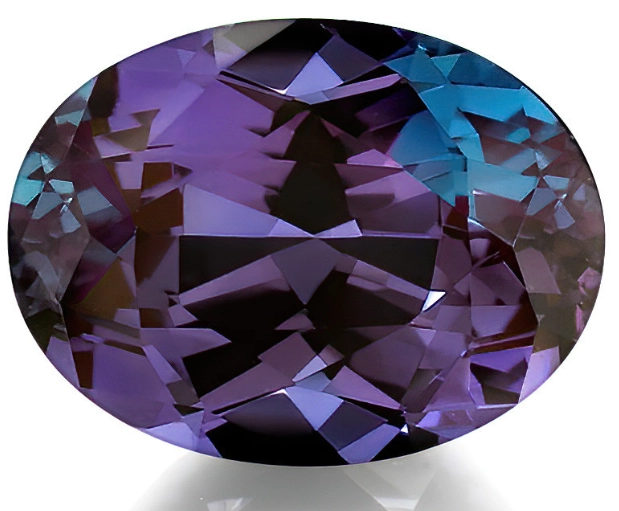
Grading the Change: What to Really Look For
Gem labs like the Gemological Institute of America (GIA) don't just note "color change." They describe it. When you're evaluating an alexandrite, either for purchase or just for appreciation, ask yourself these questions:
- Contrast: Is the difference between the two colors stark and clear? The best stones go from a vivid green or bluish-green to a vivid purplish-red or raspberry.
- Completeness: Does the entire stone change, or are there "dead" zones? A uniform change is superior.
- Lighting: Test it! Don't just rely on the jeweler's demo. See it under a cloudy sky, in direct sun, under LED lights, and under a warm table lamp. The most common and pleasing test is daylight-equivalent (fluorescent or LED) to incandescent light.
| Color Change Strength | Daylight Appearance | Incandescent Light Appearance | Impact on Value |
|---|---|---|---|
| Exceptional / Strong | Vivid Bluish-Green | Vivid Purplish-Red | Extremely High. Auction territory. |
| Moderate | Green or Yellowish-Green | Brownish-Red or Purplish-Red | High. Desirable for fine jewelry. |
| Weak / Faint | Light Green or Brown-Green | Light Brownish-Red | Moderate to Low. Often used in more accessible pieces. |
| Very Weak / Nil | Brown, Yellow, or Pale Green | Little to No Change | Low. May be sold as chrysoberyl, not alexandrite. |
Where in the World Does Alexandrite Come From?
The old Russian material is the benchmark, but good luck finding it. That ship has mostly sailed. The modern alexandrite story is written in a few key locations, each with its own personality. And personality matters—it affects the color, the clarity, and the price.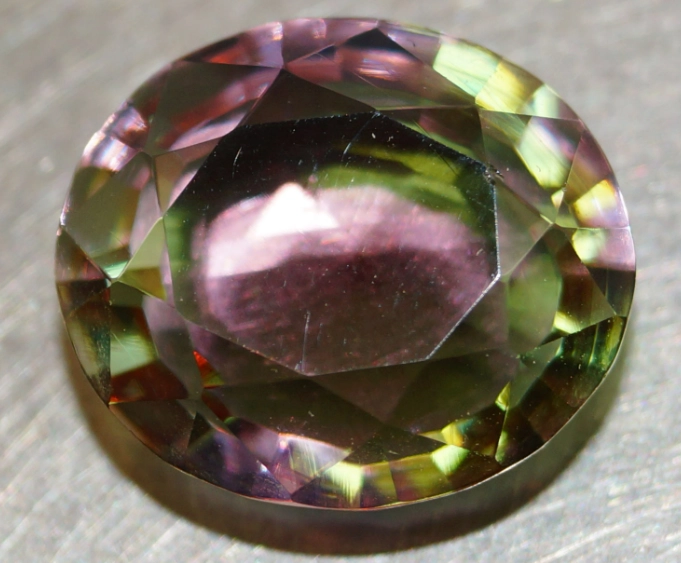
Brazil: Since the 1980s, Brazil has been the most important source for quality alexandrite. Stones from places like Minas Gerais and Espírito Santo can rival the old Russian ones in color change, though they often have a slightly more yellowish or brownish secondary tone. They tend to be cleaner (have fewer visible inclusions) and can be found in larger sizes. Most of the fine alexandrite on the market today is Brazilian.
Sri Lanka: These stones are famous for their size. It's not uncommon to find Sri Lankan alexandrites over 5 carats. The catch? The color change is often more subtle, shifting from a greenish or brownish color in daylight to a softer, brownish-red under incandescent light. They're beautiful, but different. If you want a big stone, this is where to look.
East Africa (Tanzania, Madagascar): A more recent player. Material from here can be stunning, sometimes showing an incredibly sharp change. However, it can also be heavily included. It's a bit of a wild card, but it's producing some exciting and relatively more available stones.
Be very wary of any dealer who aggressively pushes "Ural Mountain" alexandrite without iron-clad, old documentation. It's a huge red flag. Reputable dealers will be transparent about the modern origin (Brazil, Sri Lanka, etc.). The Mindat mineral database is a fantastic, non-commercial resource for checking verified localities and geological data.
Other sources like India and Zimbabwe exist, but they contribute much less to the market. The origin isn't just trivia; it's a core part of the gem's identity and value proposition.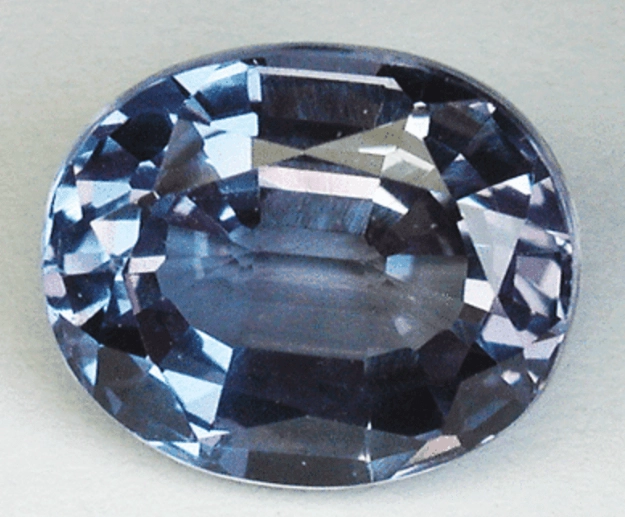
The Nitty-Gritty: How Much Does Alexandrite Actually Cost?
Let's cut to the chase. Alexandrite is expensive. But its price isn't a single number—it's a vast range, more extreme than almost any other gem. You can find small, included, faint-change stones for a few hundred dollars per carat. And at the other end, a clean, strong-change stone over two carats can easily reach $50,000 to $100,000 per carat or more. The price per carat increases exponentially with size and quality.
What drives this insane range? The "Four Cs" apply, but with alexandrite, they have a unique twist.
- Color Change (The Most Important "C"): This is 50% of the value, maybe more. Strength, contrast, and appeal of the two colors dominate everything else. A smaller stone with a knockout change is worth far more than a large, bland one.
- Clarity: Eye-cleanliness is rare. Most natural alexandrites have visible inclusions—needles, fingerprints, crystals. The trade-off is classic: if the color change is spectacular, the market forgives inclusions. A flawless, clean alexandrite with a strong change is a unicorn and priced accordingly.
- Carat Weight: Here's where it gets exponential. Clean, strong-change material over one carat is rare. Over two carats, it's exceptionally rare. Over five carats with top quality? That's a museum piece. Prices don't just go up linearly; they jump off a cliff at certain size thresholds.
- Cut: Because the rough is so valuable, cutters often prioritize saving weight over ideal proportions. A well-cut alexandrite that maximizes the color change from every angle is a sign of a dedicated craftsman and adds value.
My personal take on value: Don't get hypnotized by carat weight alone. A 0.75-carat alexandrite with a jaw-dropping, day-to-night color shift is a more significant and enjoyable gem than a 2-carat stone where you have to explain the change to people. Go for the magic, not just the millimeter size.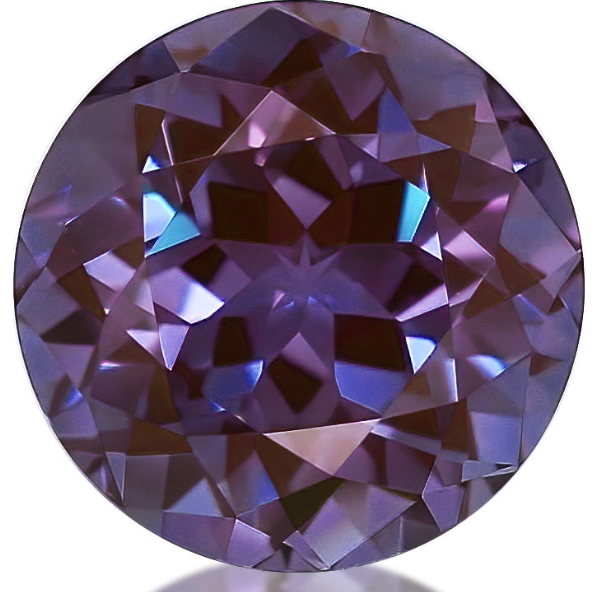
The Great Imposters: Synthetic, Simulant, and Treated Stones
This is the minefield. The alexandrite market is flooded with look-alikes. Knowing what you're not buying is as important as knowing what you are.
Lab-Created/Synthetic Alexandrite: This is the big one. Scientists have been growing alexandrite in labs since the 1970s. The chemical and physical properties are essentially identical to the natural stone. They show a color change, often a very good one. The key difference? Origin and price. A synthetic alexandrite might cost $50-$500 per carat, while a comparable natural one costs thousands. Any reputable seller must disclose if a stone is lab-created. Always, always get a report from a major lab like GIA or AGL for any significant purchase. The GIA's page on synthetic alexandrite is a must-read.
Color-Change Sapphire or Spinel: These are natural gems that can also change color, often from blue to purple or grayish to reddish. They're beautiful in their own right but are different minerals. They should be sold under their correct names, not as "alexandrite."
"Alexandrite" Glass or Coated Stones: The bottom of the barrel. These are cheap imitations with no durability or real value. If a deal seems too good to be true on an online marketplace, it's probably this.
"The single best piece of advice I can give is this: Buy the seller first, then the stone. A trustworthy, knowledgeable dealer is your greatest asset when navigating the alexandrite market."
Caring for Your Alexandrite Jewelry
So you've taken the plunge. Good news: alexandrite is a fantastic gem for jewelry. It's an 8.5 on the Mohs hardness scale (diamond is 10), making it very durable for rings and daily wear, second only to diamond, sapphire, and ruby. But it's not indestructible.
- Cleaning: Warm, soapy water and a soft brush are your best friends. Ultrasonic cleaners are usually safe for alexandrite itself, but never use one if the stone has fractures or if the jewelry setting is fragile. Steam cleaners are generally okay but consult your jeweler first.
- Storage: Keep it separate from harder gems like diamonds and sapphires to prevent scratches. A soft cloth pouch or a separate compartment in your jewelry box is perfect.
- Activities: It's tough, but take it off for heavy lifting, gardening, or gym workouts. Hard knocks can still chip it, and chemicals (chlorine, harsh cleaners) can damage the metal setting.
I made the mistake of gardening with a ring on once—not with an alexandrite, thankfully, but with another prized stone. The grime that gets packed around the setting is a nightmare to clean, and you're just one accidental whack away from disaster. Just don't do it.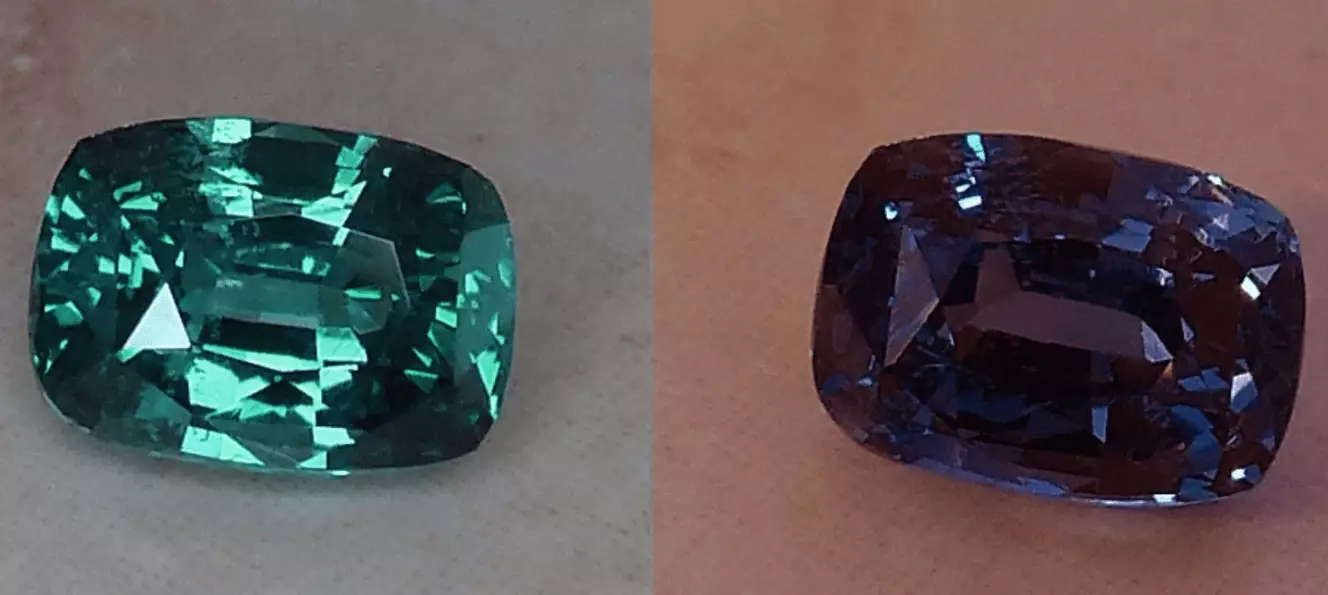
Answering Your Burning Questions (The FAQ You Actually Need)
Let's tackle the real questions people type into Google at 2 AM.
Is alexandrite a good investment?
High-quality, natural alexandrite has historically held and increased in value due to its rarity. But think of it first as a beautiful gem you'll enjoy, not a stock ticker. The market is niche and requires expertise. If investment is your primary goal, you need to buy top-tier, certified stones from reputable auction houses or dealers, and be prepared to hold for the long term. Low-quality or synthetic stones have no investment value.
What is the birthstone for June?
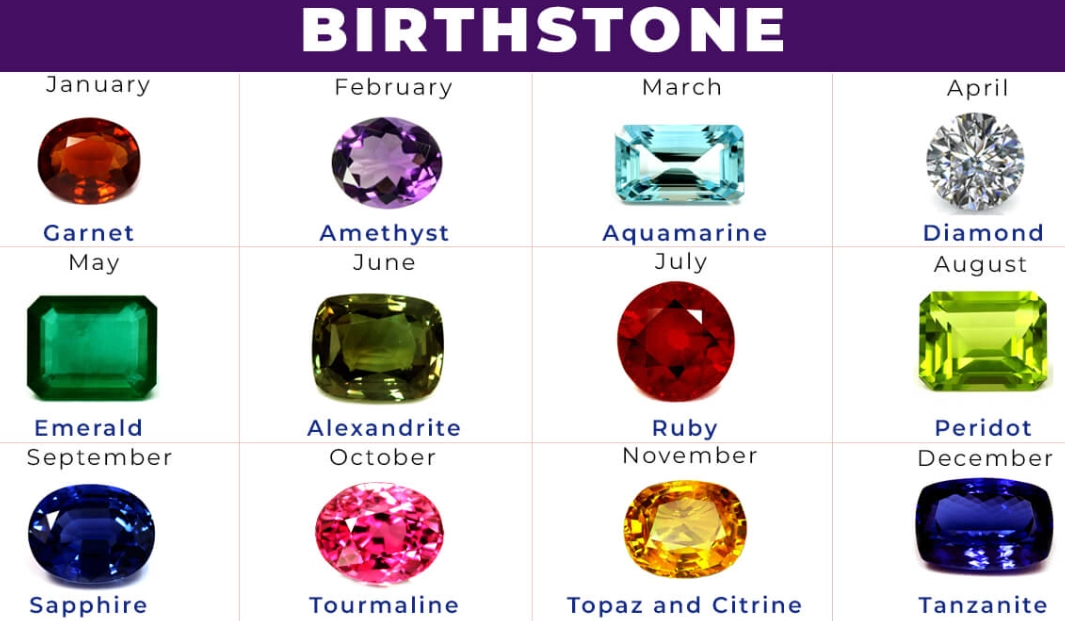
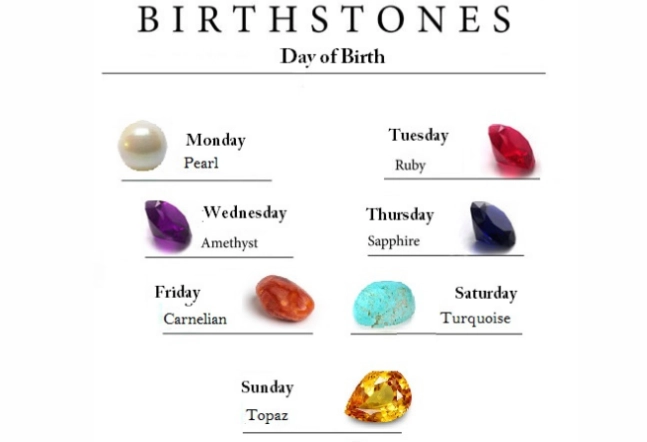
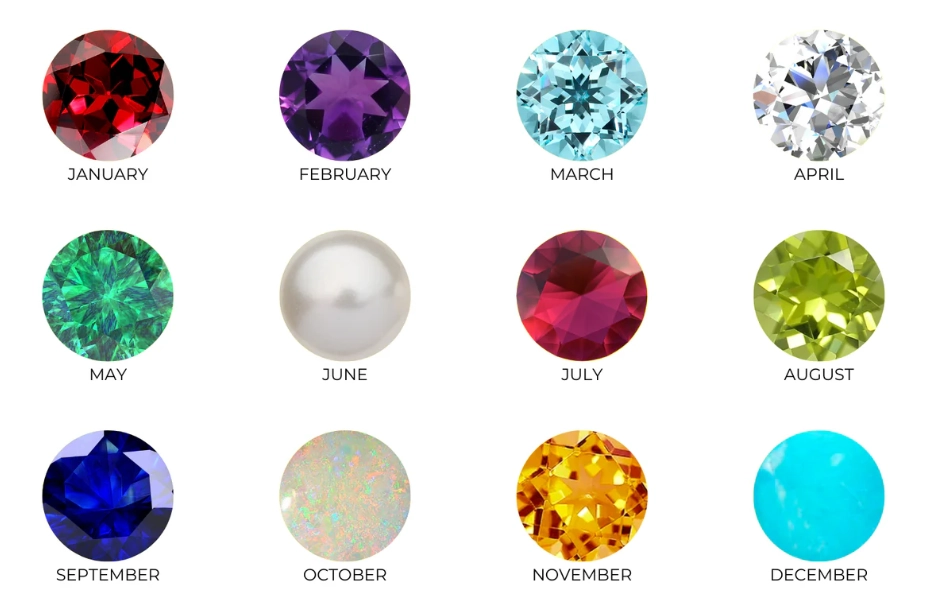
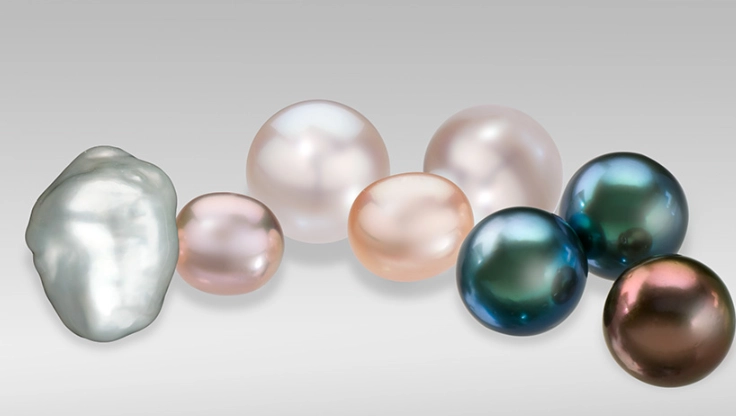
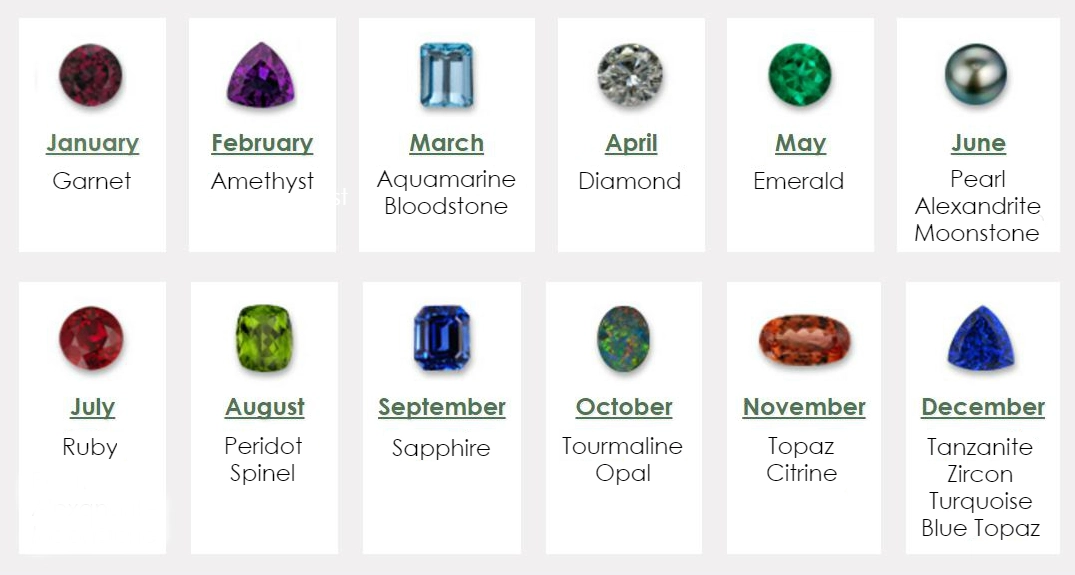
Yes, alexandrite is one of the three modern birthstones for June, along with pearl and moonstone. Its color change is said to symbolize the changing moods of the season. It makes for a spectacular and unique birthstone jewelry piece, though often a costly one.
Can I find affordable alexandrite?
"Affordable" is relative. If you mean under $1,000, your options are limited to small stones (under 0.5 carats), stones with a very weak color change, or stones with significant inclusions. Alternatively, a lab-created alexandrite offers the stunning visual effect at a fraction of the price and is a perfectly legitimate, beautiful choice for jewelry. There's no shame in that route.
How can I be 100% sure my alexandrite is real?
You can't, not with the naked eye. You need a report from a major independent gemological laboratory. For natural alexandrite, insist on a report from GIA, AGL (American Gemological Laboratories), or Gubelin. They have the equipment and expertise to distinguish natural from synthetic and identify treatments. This report is non-negotiable for any serious purchase.
Are there any famous alexandrites?
Absolutely. The Smithsonian Institution has some breathtaking specimens. One of the most famous is the "Whitby Alexandrite," a remarkable 26.75-carat stone with a documented history. Seeing these famous stones, even in photos, sets a benchmark for understanding the pinnacle of what this gem can be. Resources like the International Gem Society's encyclopedia often feature stories about notable gems.
Making Your Decision: A Final Reality Check
Choosing an alexandrite is a journey. Start by looking at lots of them, in person if possible. Compare a natural stone to a synthetic one side-by-side. See a Sri Lankan stone next to a Brazilian one. Build your eye.
Define your "why." Are you a collector seeking a natural marvel? A June baby wanting a unique birthstone? Someone who just loves the color-change phenomenon and wants to wear it? Your goal dictates your budget and acceptable trade-offs.
Finally, work with professionals. Find a jeweler or gem dealer who specializes in colored stones, not just someone who has one piece in a case. Ask questions. Demand a lab report. A genuine expert will love your curiosity and guide you, not pressure you.
Alexandrite isn't for everyone. It's complex, often expensive, and requires a bit of homework. But for those who connect with it, there's nothing else like it. It's a gem that doesn't just sit there—it interacts with the world, changing with the light and the day. And that, in the end, is its true magic.