You've seen that deep, celestial blue color somewhere. Maybe in a museum, a piece of antique jewelry, or a high-end art supply store. That's lapis lazuli. It's a stone that feels old, like it holds secrets. It's not just a gem; it's a piece of history you can hold in your hand. For thousands of years, this wasn't just decoration. Pharaohs were buried with it, Renaissance painters ground it into priceless pigment, and it's been traded across continents since before the Silk Road was a thing.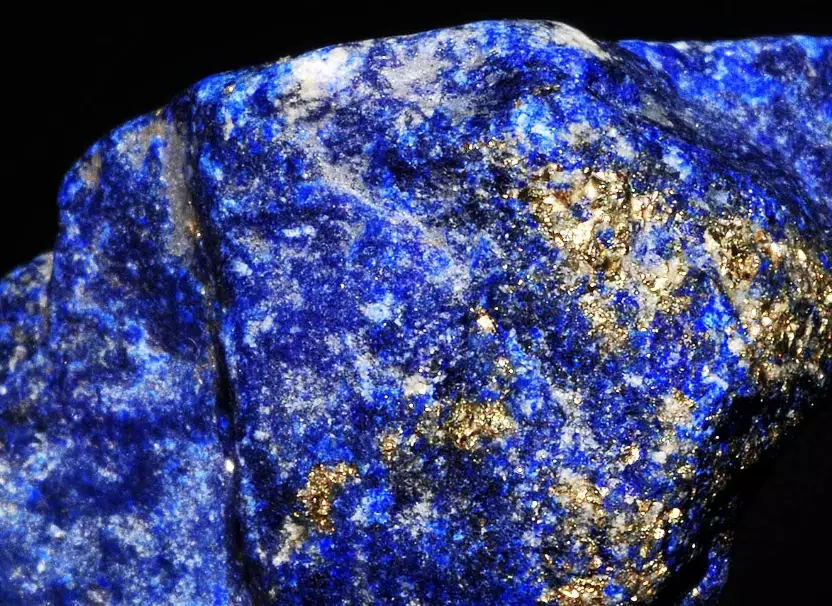
But what is it, really? And why does it still matter today? Is all the talk about its power just new-age fluff, or is there something more?
Quick Guide
- What Exactly Is Lapis Lazuli? Breaking Down the Science
- A Stone Shaped by Human History
- Lapis Lazuli Meaning and Healing Properties: Separating Lore from Hype
- The Big Question: Is Your Lapis Lazuli Real or Fake?
- Buying and Caring for Your Lapis Lazuli
- Answering Your Lapis Lazuli Questions (FAQ)
- Wrapping It Up: A Stone for the Ages
What Exactly Is Lapis Lazuli? Breaking Down the Science
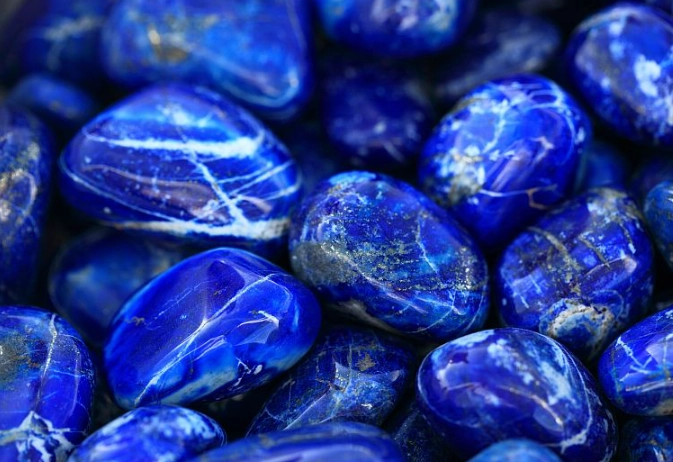
Alright, let's get a bit technical, but I'll keep it painless. Lapis lazuli isn't a single mineral like quartz or diamond. Think of it more as a rock, a beautiful geological cocktail. The main ingredient giving it that famous blue is a mineral called lazurite. That's the star of the show.
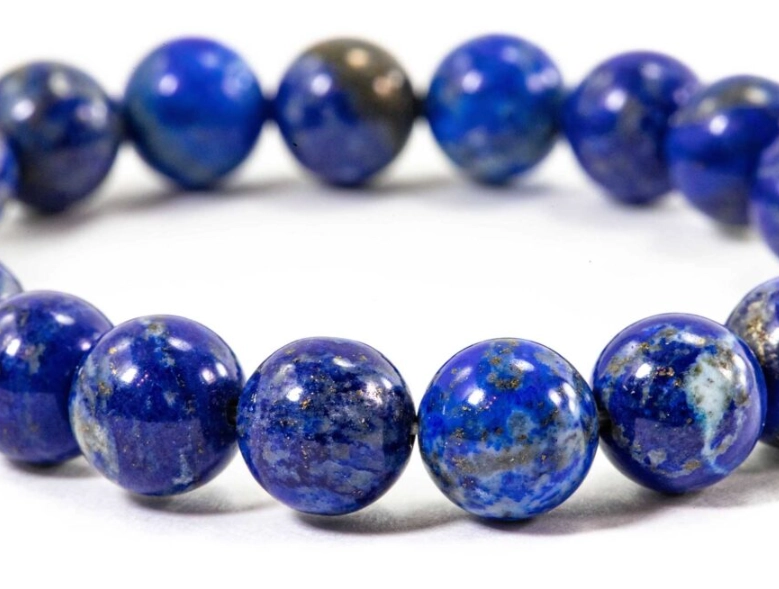
Then you've got the supporting cast: white streaks of calcite and those glittery, fool's gold flecks of pyrite. The best quality lapis lazuli has a rich, even blue with minimal calcite and just the right sprinkle of pyrite. Too much white calcite makes it look washed out and cheap. No pyrite at all? Some people prefer that cleaner look, but purists will tell you the pyrite is part of its authentic character. I'm in that camp. The pyrite proves it's the real deal.
It forms in metamorphic rock, usually in limestone deposits that have been cooked and squeezed by geological forces. That process brings together the sulfur needed for the lazurite and pyrite. It's not an easy or quick process, which is part of the reason good lapis has always been valuable.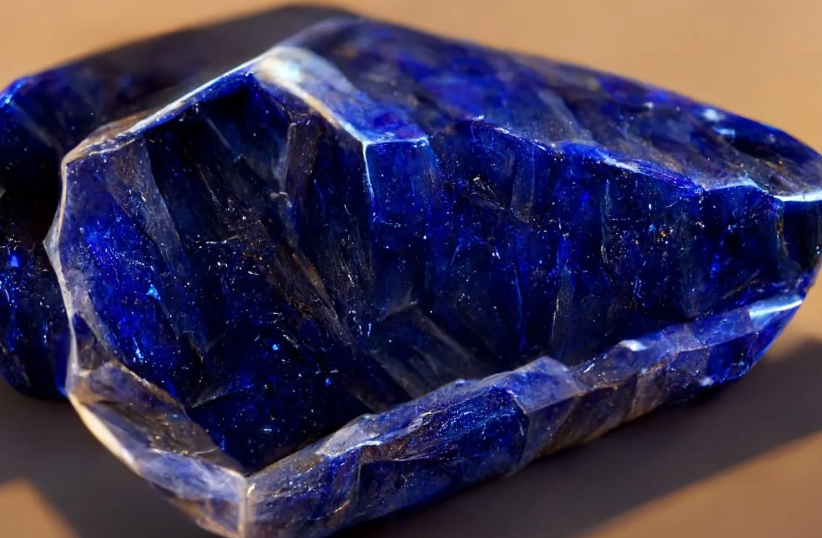
Where in the World Does It Come From?
When you think lapis lazuli, you should think Afghanistan. Specifically, the Sar-e-Sang mines in the Badakhshan province. This isn't just a source; for centuries, it was the source. The lapis lazuli from these mountains set the standard. The color is deeper, more vivid, and often has that desirable violet undertone. Ancient Egyptians called it "true lapis" and went to great lengths to trade for it.
But it's not the only place anymore. Other sources have popped up:
- Chile: Chilean lapis tends to have more visible calcite, giving it a lighter blue with pronounced white veining. It's often more affordable.
- Russia: (Around Lake Baikal) The color can be a good, medium blue, but it sometimes has a greenish tint, which is less desirable.
- Other spots: Smaller amounts come from places like Pakistan, Canada, and even the US (Colorado).
Here’s a quick comparison of the major sources, because seeing it laid out helps:
| Source | Typical Color & Characteristics | Historical & Market Note |
|---|---|---|
| Afghanistan (Badakhshan) | Deep, intense ultramarine blue, often with violet hue. Moderate, sparkling pyrite. Minimal calcite in top grades. | The classic, most prized source. Considered the benchmark for quality for millennia. |
| Chile | Lighter, more electric blue. Almost always has significant white calcite veining or patches. Pyrite is less common. | More widely available and often used for carvings and larger decorative items. A distinct look. |
| Russia (Lake Baikal) | Medium to dark blue, can sometimes lean towards a greenish-blue. Pyrite and calcite content varies. | Entered the market more recently. Quality can be inconsistent but sometimes rivals mid-grade Afghan. |
Why does origin matter? If you're buying a piece and someone says it's "Afghan" lapis, you should expect to pay a premium. But is it worth it? For a small, perfect cabochon in a ring, maybe. For a big worry stone or a sphere, Chilean might give you more bang for your buck and a different kind of beauty. It's personal.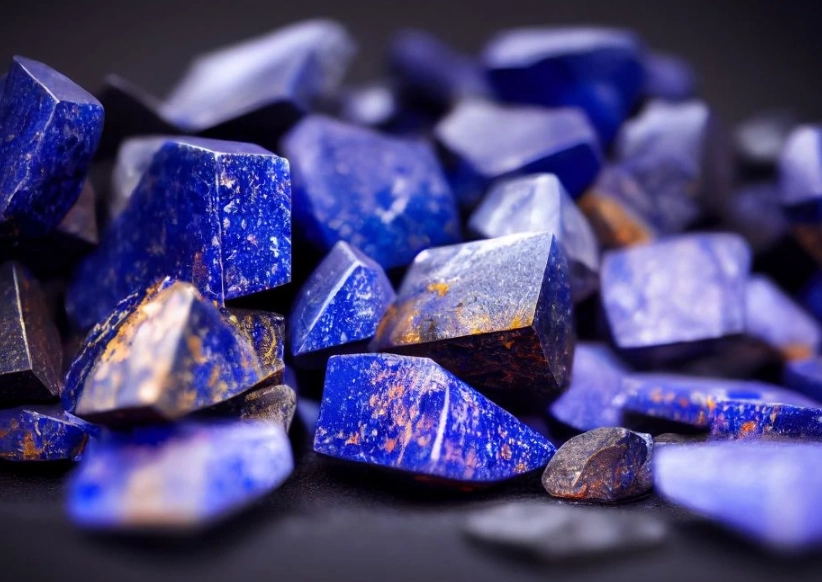
A Stone Shaped by Human History
The story of lapis lazuli is basically a shortcut to understanding ancient trade and power. This stuff was moving across the Middle East over 6,000 years ago. The Sumerians loved it. In ancient Egypt, it was associated with the night sky and the gods. Tutankhamun's funeral mask has inlays of it. Cleopatra supposedly used powdered lapis as eyeshadow. (Talk about a power move).
Then there's the paint. The word "ultramarine" literally means "beyond the sea," because the pigment made from ground lapis lazuli was imported from Asia to Europe. It was more expensive than gold. Renaissance masters like Vermeer used it sparingly for only the most important parts of a painting, like the robe of the Virgin Mary. Looking at his "Girl with a Pearl Earring," that stunning blue headscarf? That's the power of lapis. You can learn more about this incredible transformation from gem to art on the National Gallery's page about ultramarine.
It's been a symbol of royalty, honor, and the divine for pretty much every civilization that got its hands on it. That's a heavy resume for a blue rock.
Lapis Lazuli Meaning and Healing Properties: Separating Lore from Hype
This is where things get… interesting. The modern crystal healing world has adopted lapis lazuli in a big way. You'll see it labeled as the "stone of truth" or the "stone of total awareness." They say it stimulates the third eye chakra, enhances intellectual ability, and promotes honesty. Ancient cultures believed it had protective qualities, which lines up somewhat.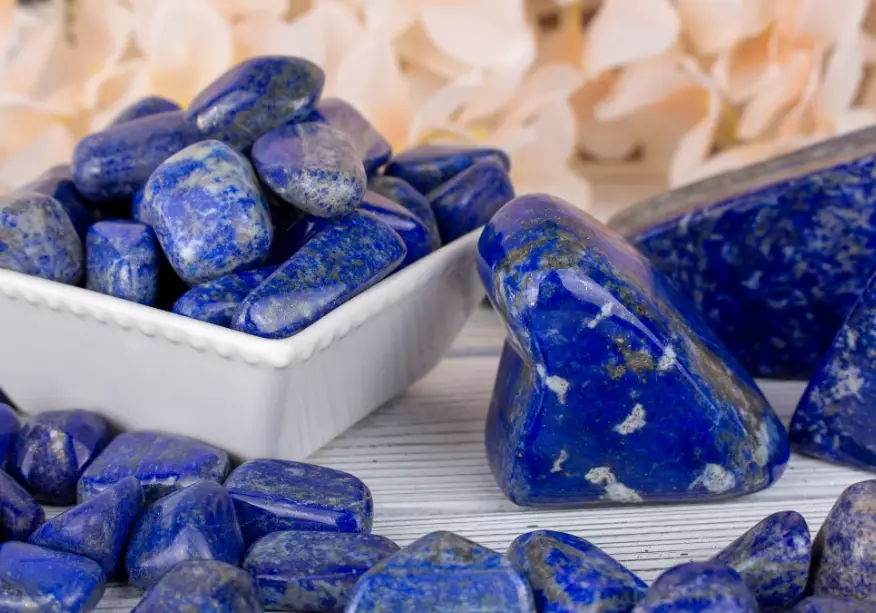
Here's my take: I'm skeptical of outright magical claims. Can holding a stone cure an illness? No. But can carrying or wearing a piece of lapis lazuli have a psychological or mindful effect? Absolutely. Think of it this way:
- If you associate the stone with clarity and truth, wearing it might make you more mindful of being truthful in your communications.
- Its historical weight can make you feel connected to something ancient and wise, which can be grounding.
- The simple act of focusing on a beautiful object can be a form of meditation, reducing stress.
So, the "healing" might be more about intention and mindfulness than any measurable energy field. And that's perfectly valid. The U.S. Geological Survey doesn't have a page on crystal healing, but they have extensive, scientific mineralogical data on its components, like calcite and pyrite, which is useful for understanding what you're actually holding.
Some people swear by placing it on their throat during meditation to help with self-expression. Others keep a tumbled stone on their desk for focus. Does it work because of the stone, or because the ritual creates a focused mindset? You decide. The important part is that it shouldn't replace professional medical advice. Ever.
How People Use It Today (Beyond Jewelry)
Jewelry is the obvious one—beads, cabochons in rings and pendants. But look around:
- Carving: It's been carved into figurines, boxes, and seals for centuries. I have a small, poorly carved owl I bought in a bazaar years ago. The carving is amateurish, but the color is still fantastic.
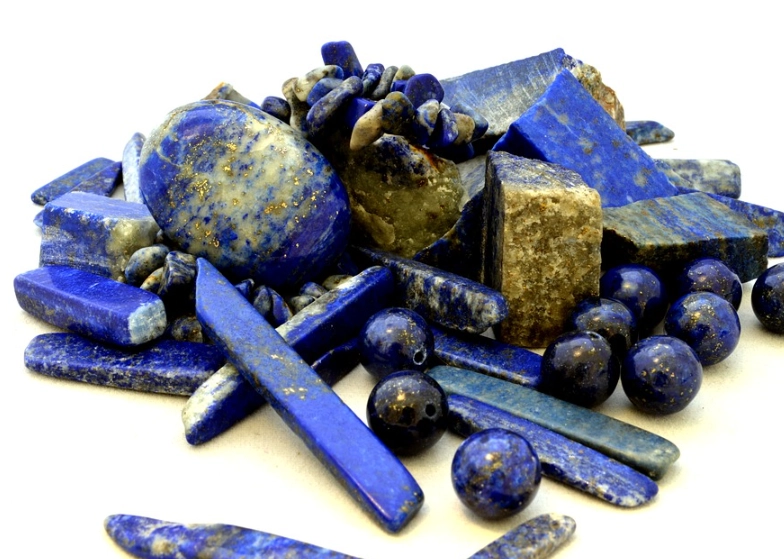
- Decorative Objects: Spheres, pyramids, obelisks. Polished, it makes stunning bookends or paperweights.
- Pigment (Still!): Yes, you can still buy genuine ultramarine pigment made from lapis lazuli. It's wildly expensive and used by artists and conservators who want that authentic, historical depth. For the rest of us, synthetic ultramarine does a great job.
The Big Question: Is Your Lapis Lazuli Real or Fake?
This is the biggest concern for buyers, and for good reason. The market is flooded with imitations. How can you tell what you have? Let's walk through it.
Common Fakes and Simulants:
- Dyed Howlite or Magnesite: This is public enemy number one. Howlite is a white stone with grey veining. They dye it blue, and the dye collects in the veins, creating a web-like pattern that sort of resembles pyrite veins. But it's wrong. The color is often too uniform, a flat royal blue. Tap it. Dyed stone often has a duller, lighter sound than denser lapis.
- Sodalite: Sodalite is a real blue mineral too, but it lacks pyrite and its white is more patchy than veiny. Its blue is usually grayer, less violet than good lapis.
- Glass or Plastic: Cheap souvenirs. These will be perfectly uniform, feel too light or too warm, and may have bubbles or mold marks.
- “Swiss Lapis” or “German Lapis”: These are just fancy names for dyed jasper. They're a red flag in a product name.
Simple At-Home Tests (With Caveats):
You can try a few things, but be gentle.
- The Tooth Test (for beads): Gently tap a bead against your front tooth. Real stone feels and sounds solid, dense, and cool. Plastic feels and sounds light and warm. This takes practice.
- Check for Pyrite: Look closely with a loupe. Real pyrite is crystalline, with sharp, geometric edges (cubic). Dyed veins are blurry and look like ink soaked into stone. No pyrite doesn't mean fake, but its presence is a very good sign.
- Look at the White: In real lapis, the calcite is integrated. In dyed howlite, the white veining is the original stone, so the blue dye sits around it, making the white look stark and the boundary sharp.
For definitive, scientific verification, organizations like the Gemological Institute of America (GIA) Gem Encyclopedia provide detailed identification criteria used by professionals. They're the gold standard for gem info.
Treatments You Should Know About
Even real lapis is often treated. This isn't always bad, but you should know.
- Dyeing: Low-quality, pale, or blotchy lapis is sometimes dyed to improve color uniformity. This is common and not always disclosed. A hot needle test (in an inconspicuous spot) might make dye bleed, but don't ruin your piece.
- Waxing/Oiling: A light coating of wax or oil is often applied to polished pieces to enhance the luster and make the color pop. It's generally acceptable but will wear off over time, making the stone look a bit duller until you re-polish it.
- Reconstitution: Lapis lazuli powder and fragments are mixed with resin and pressed into blocks. This is used for cheap items and is essentially a composite, not solid stone.
Buying and Caring for Your Lapis Lazuli
So you want to buy a piece. What should you look for?
Grading Quality: It's less formal than diamonds, but factors are:
- Color: The most important. A deep, even, vivid blue (ultramarine) with a slight violet undertone is top. Avoid grayish or greenish tones.
- Pattern/Matrix: How much white calcite and golden pyrite is there? Personal preference rules, but generally, less white is better. Pyrite should be evenly distributed specks, not large, blotchy patches.
- Polish & Craftsmanship: For carvings or cabochons, the polish should be high, with no visible scratches or dull spots.
Care Instructions (It's Delicate!):
Lapis is a 5-5.5 on the Mohs hardness scale. That means it's relatively soft. A steel knife can scratch it. Quartz dust (household dust) can scratch it. Be careful.
- Cleaning: Never use ultrasonic or steam cleaners. Warm water, mild soap, and a soft cloth only. Dry immediately.
- Storage: Keep it separate from harder gems. A soft pouch or a separate compartment in a jewelry box is ideal.
- Avoid: Chemicals, perfumes, hairspray, acids, and prolonged sunlight, which can fade dyed stones or damage treatments.
Answering Your Lapis Lazuli Questions (FAQ)
Wrapping It Up: A Stone for the Ages
Lapis lazuli is a bridge. It connects us to ancient artists, powerful rulers, and long-forgotten trade routes. In a world of synthetic everything, it remains stubbornly, beautifully natural. Its value isn't just in its color or its supposed properties. It's in its story.
Whether you're drawn to it for its history, its beauty, or a personal sense of meaning, understanding what it is—and isn't—makes the experience richer. Know how to spot a fake. Accept its delicate nature. Appreciate the fact that the piece in your hand took millions of years to form and thousands more to reach you.
That's not just a blue rock. That's something special.
Look for the deep blue. Look for the golden sparks. And remember the journey.