Quick Navigation
- What Onyx Really Means: More Than Just a Pretty Black Rock
- The Many Faces of Onyx: Types, Colors, and What You're Actually Looking At
- How We Use Onyx Today: From Your Finger to Your Fireplace
- The Big Question: Is My Onyx Real? How to Tell.
- Buying Onyx: A No-Nonsense Checklist
- Caring for Your Onyx: Keeping It Looking Sharp
- Onyx FAQs: Answering Your Real Questions
- Final Thoughts: Is Onyx Right for You?
So you're curious about onyx. Maybe you saw a stunning black ring, or heard someone talk about its "grounding energy," or you're just wondering what this stone everyone mentions actually is. You've come to the right place. Let's cut through the noise and the sales pitches. I've been around gemstones for a while, and onyx is one of those materials that's everywhere but not always well understood. Is it always black? Is it expensive? Can you trust what you're buying? We're going to unpack all of that, and a whole lot more.
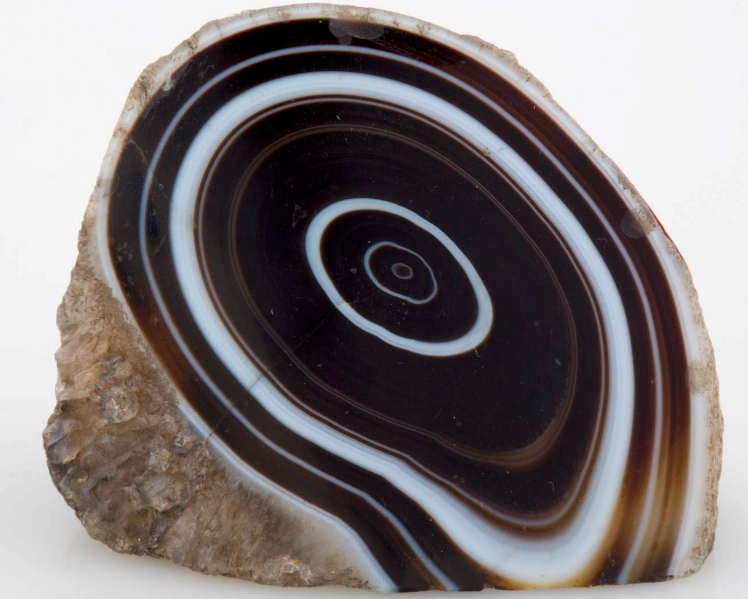
First things first, let's clear up a major point of confusion. When most people say "onyx," they're picturing a solid, glossy, deep black stone. And that's often correct. But technically, onyx is a variety of chalcedony, which is itself a type of quartz. Its defining characteristic is its parallel bands of color. The pure black version is technically called "black onyx," and it's usually achieved by treating gray chalcedony. So yes, that classic black onyx you love? It's often enhanced. And there's nothing wrong with that, as long as you know what you're getting. There's also sardonyx, which has reddish-brown bands. It's a beautiful, underrated stone.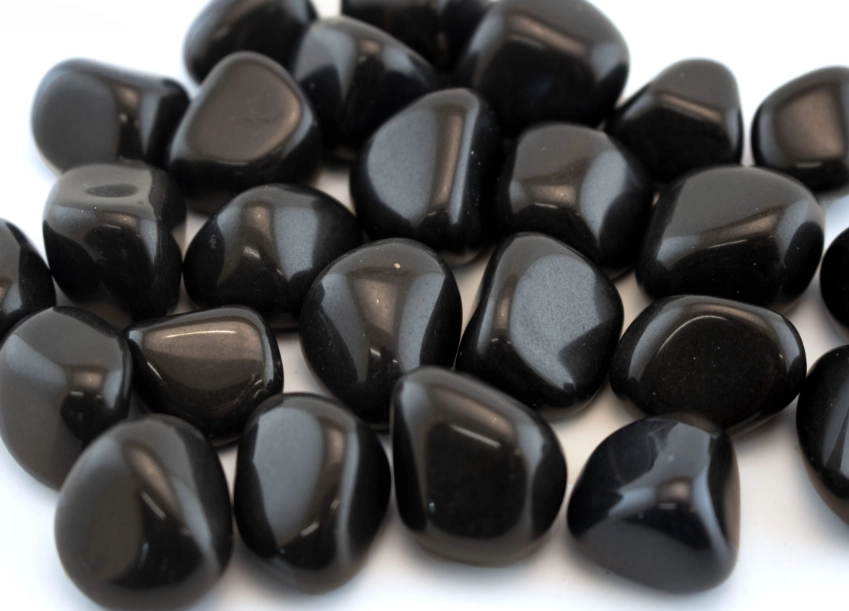
And just to make things more interesting, "onyx" can also refer to a type of marble used in fancy home decor—think green onyx bathroom walls. That's a completely different mineral (calcium carbonate). We'll touch on that, but our main focus here is the gemstone. There's even a tech company and a color named after it. It's a word with layers, much like the stone itself.
What Onyx Really Means: More Than Just a Pretty Black Rock
Why has onyx stuck around for thousands of years? It wasn't just because it looked cool (though it does). Its meaning is woven into history, culture, and a whole lot of human belief.
A Stone Steeped in History (And a Bit of Superstition)
Ancient civilizations were all over onyx. The Romans used it for intaglio carvings—that's where you carve a design *into* the stone to create a raised impression when used as a seal. They believed it could help control emotions and bring eloquence. The name itself might come from the Greek word "onyx," meaning fingernail, because of a myth where Cupid cut Venus's nails while she slept, and the clippings turned into this stone. Weird, right? But it shows how old the fascination is.
In various traditions, black onyx got a mixed reputation. Some saw it as a protector against negative energy, a stone of strength. Others, particularly in some medieval European lore, associated it with bad dreams or even separation. Personally, I think the negative associations are overblown and mostly historical footnotes. Most modern views focus on its positive, stabilizing qualities. The Gemological Institute of America (GIA), the top authority in gemology, details its historical use in seals and cameos, highlighting its durability and suitability for detailed carving.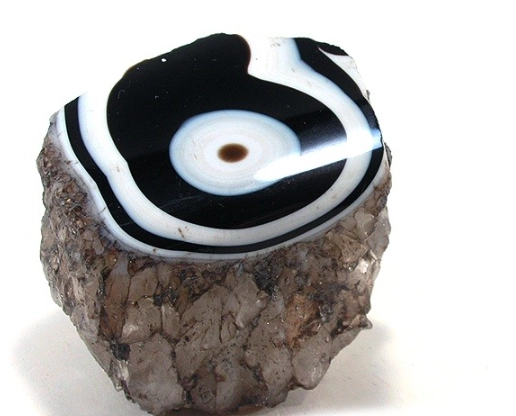
The Metaphysical Angle: Grounding, Focus, and Boundaries
Alright, let's talk about the elephant in the room: crystal healing. Whether you're a believer, a skeptic, or just curious, you've probably heard claims about onyx. In metaphysical circles, black onyx is considered a powerhouse for grounding. The idea is that it connects you to the Earth's energy, helping to stabilize emotions and make you feel more secure and centered. It's also linked to willpower, discipline, and protection—think of it as an energetic shield.
Here's my take: even if you think it's all placebo, there's something to be said for the ritual. Holding a smooth, cool piece of onyx and setting an intention for focus or strength can be a powerful mindfulness practice. The stone becomes a tangible reminder of your goal. Sardonyx, with its warm bands, is often associated with confidence, clear communication, and happiness in relationships.
The Many Faces of Onyx: Types, Colors, and What You're Actually Looking At
This is where it gets practical. Not all onyx is created equal. Knowing the differences can save you from overpaying or buying something that isn't what you think.
Black Onyx: The Classic
This is the superstar. Deep, opaque black with a vitreous (glassy) luster when polished. Here's the crucial bit: Most commercial black onyx starts as grayish chalcedony. It's porous, so it's easily dyed black. This treatment is permanent, stable, and completely accepted in the trade. It's not a "fake"; it's an enhanced natural stone. If you want truly natural black chalcedony, it's much rarer and often has a slightly less uniform color. When buying, just ask: "Is this dyed?" A reputable seller will tell you.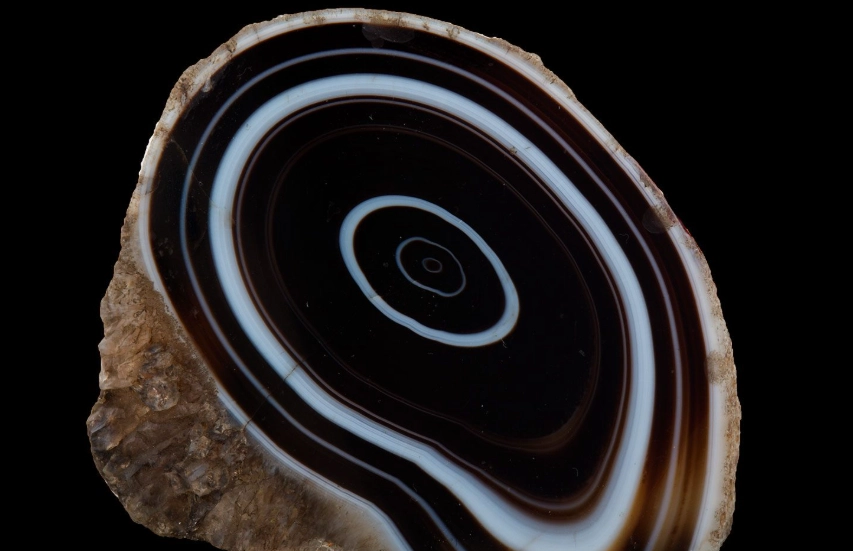
Sardonyx: The Striped Beauty
My personal favorite. Sardonyx has straight, parallel bands of brownish-red (sard) and white or black. It's less common in mass-market jewelry but has a classic, elegant look. It was hugely popular for Roman cameos. You'll see less of it dyed because the natural bands are the main attraction.
Other Varieties and the "Green Onyx" Confusion
You might see "white onyx" or "green onyx." This is where terminology gets messy. Often, "green onyx" in decorative contexts is actually banded calcite or marble—a completely different, softer mineral. It's beautiful for bookends or lamps but is too soft for a ring you'll wear every day. As a gemstone, true green-colored chalcedony is usually called chrysoprase or another name.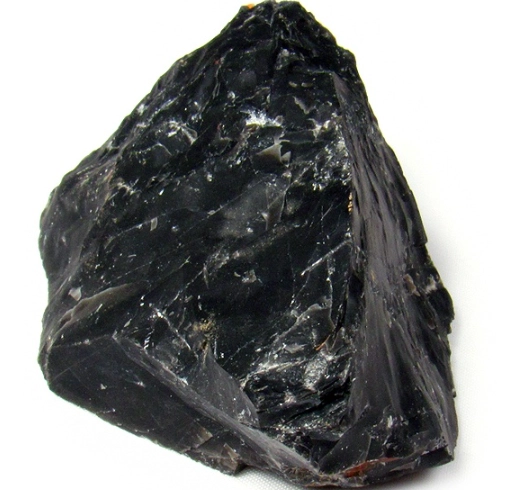
Let's break this down visually. It's easier to see the landscape of what's called "onyx."
| Type / Name | Primary Colors & Appearance | Key Characteristics & Common Treatments | Best Uses |
|---|---|---|---|
| Black Onyx (Gemstone) | Solid, opaque black. High gloss polish. | Almost always dyed black from gray chalcedony. Treatment is standard and stable. Hardness: 6.5-7 on Mohs scale. | Men's & women's jewelry (rings, cufflinks), signet rings, beads, carvings. |
| Sardonyx | Parallel bands of reddish-brown/white or brown/black. | Natural banding is key. Often untreated. Same hardness as black onyx. Prized for cameos. | Statement rings, pendants, cameos, collector's pieces. |
| "Green Onyx" (Decorative) | Translucent light to dark green, often with bands. | Usually banded calcite (Mohs hardness ~3). Much softer, easily scratched. Not suitable for frequent-wear jewelry. | Home decor, tabletops, vase inlays, sculpture. |
| Chalcedony Onyx (Technical) | Black and white parallel bands. | The pure, technical definition of onyx. Less common in jewelry than the solid black type. | Cabochons, specimen collections, unique jewelry pieces. |
See? That table makes it clearer. The hardness is a big deal. A real onyx gemstone (quartz family) is decently hard. That calcite "onyx" will get scratched if you look at it wrong.
How We Use Onyx Today: From Your Finger to Your Fireplace
Onyx has moved way beyond ancient seals. Its use today is a mix of tradition, aesthetics, and pure practicality.
Jewelry: Timeless and Trendy
Black onyx jewelry is a wardrobe staple for a reason. It's formal without being flashy, goes with everything, and has a certain weight and substance to it. You'll find it in:
- Men's Jewelry: Signet rings, pinky rings, cufflinks, tie pins. It screams classic style.
- Women's Jewelry: Statement cocktail rings, elegant pendants, bead necklaces, earrings. Often paired with diamonds or white metals for stunning contrast.
- Beads: Onyx beads are incredibly common in bracelets and necklaces, both in fashion and in mala beads for meditation.
I think black onyx in a simple silver setting is one of the most versatile pieces anyone can own. It's not trying too hard.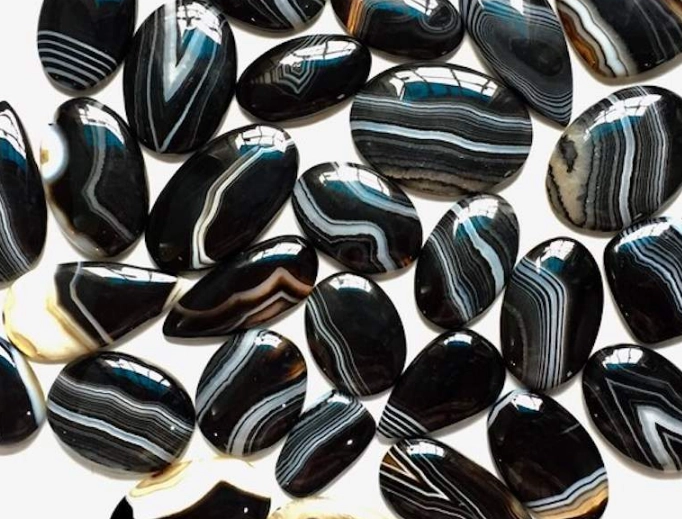
Beyond the Body: Decor and Design
This is where the other type of onyx (the calcite one) shines. Its translucency means it glows beautifully when backlit.
- Home Interiors: Onyx slabs as vanity tops, bar fronts, or even entire feature walls. A backlit onyx bar is a serious luxury statement.
- Decorative Objects: Bookends, obelisks, small sculptures, lamp bases. The bands of color create natural art.
- Inlays: Used in fine furniture, guitars, and boxes.
A word of caution from experience: that gorgeous green onyx coffee table? It's a nightmare to maintain. It stains from water rings and etches from any acidic liquid (wine, lemon juice). You have to be committed to coasters and careful cleaning.
Carvings and Collectibles
The tradition of carving onyx is alive and well, especially in places like Idar-Oberstein, Germany. You can find amazing modern cameos, intricate figurines, and ornamental bowls. These are pieces of art first and foremost.
The Big Question: Is My Onyx Real? How to Tell.
This is probably why you're here. The fear of buying glass or plastic. Let's demystify it.
First, understand the tiers of "realness":
- Natural, Untreated Onyx: Rare, especially for solid black. Could be banded or a very dark gray. Highest value for purists.
- Natural but Treated Onyx (Dyed): This is 95% of the black onyx market. It's real chalcedony, just with its color enhanced. Perfectly legitimate.
- Simulants/Imitations: This is what you need to watch for. Materials that look like onyx but aren't. Common ones include:
- Glass: Very common for beads and cheap cabochons. It feels warmer to the touch initially, may have bubbles or swirls inside.
- Plastic/Resin: Very light, warm to touch, and you can often scratch it easily with a pin.
- Pressed Composite: Crushed stone mixed with resin. Can look convincing but lacks the crystalline structure.
A Quick Reality Check on "Fakes"
Don't panic. If you bought a $20 black onyx bead bracelet from a fashion retailer, it might be glass. And that's okay for fashion. The problem is paying a natural gemstone price for glass. The key is transparency.
Simple At-Home Tests (The Non-Destructive Kind)
You don't need a lab. Use these clues:
- The Temperature Test: Real stone feels cool to the touch and takes a moment to warm up. Glass and plastic warm up much faster. Put it against your cheek or lips—it's a sensitive spot.
- The Weight Test: Gemstone onyx has a satisfying heft. Glass is lighter. Plastic feels downright cheap and light.
- The Look Test (with a loupe): Get a cheap 10x jeweler's loupe. Look at the surface and any chips. Real stone has a granular, sugar-like texture. Glass is perfectly smooth or has conchoidal (shell-like) fracture lines and maybe bubbles. Dyed stone might show concentrated color in cracks.
- The Hardness Test (Carefully!): Onyx (hardness 7) can scratch glass (hardness ~5.5). Try scratching the *underside* of a glass bottle discreetly. If your stone leaves a clear scratch, it's likely real quartz-based material. If it scratches easily itself, it's not onyx.
Pro Tip: The best test is to buy from a seller who uses the right language. "Genuine onyx," "natural chalcedony," even "dyed onyx" are good signs. Be wary of listings that just say "onyx stone" with no other details, especially on marketplaces flooded with cheap imports. Ask: "Is this natural stone or a simulant like glass?"
Buying Onyx: A No-Nonsense Checklist
Before you click "buy" or hand over your card, run through this mental list.
- Know What You Want: Are you after the metaphysical properties, pure aesthetics, or an investment piece? For energy work, even a tumbled, dyed stone is fine. For an heirloom ring, you want well-crafted, clearly disclosed material.
- Ask About Treatment: "Has this onyx been treated or dyed?" If the seller hesitates or doesn't know, that's a red flag.
- Check the Setting: For jewelry, how is it set? Good onyx deserves a secure setting (bezel or deep prongs) because it can chip on sharp edges if hit hard.
- Consider the Color: For black onyx, the color should be even and deep, not washed-out gray. For sardonyx, the bands should be sharp and distinct.
- Price is a Guide: A large, flawless, deep black onyx cabochon set in sterling silver for $30 is almost certainly glass. Real stone + metalwork has a cost. If it seems too good to be true, it is.
- Reputation Matters: Buy from established jewelers, reputable gem dealers, or specialty lapidary artists. Check reviews.
I made a mistake early on. I bought a "vintage onyx" pendant online. It arrived, and it was so light. The back was painted black to hide the fact it was glass. A quick temperature test confirmed it. Lesson learned—now I always ask specific questions.
Caring for Your Onyx: Keeping It Looking Sharp
Onyx is durable but not indestructible. Here’s how to care for it, whether it’s a ring or a tabletop.
Jewelry Care
- Cleaning: Warm water, mild dish soap, and a soft brush (old toothbrush is perfect). Dry thoroughly with a soft cloth. Avoid ultrasonic cleaners and steamers, especially for dyed stone or if it has fractures.
- Storage: Keep it separate from harder gems (diamond, sapphire, ruby) to prevent scratches. A soft pouch or separate compartment is ideal.
- Wear: It's fine for daily wear, but take it off for heavy lifting, gym workouts, or gardening. A sharp blow can chip it.
- Avoid Chemicals: Perfume, hairspray, chlorine, and harsh cleaners can dull the polish over time. Put your jewelry on last when getting ready.
Decorative Onyx Care (The Calcite Kind)
- This is high-maintenance. Seal it with a penetrating stone sealer if it's for a surface like a table.
- Wipe spills immediately. Use only pH-neutral stone cleaners.
- Always use coasters and trivets. No direct contact with glasses or hot dishes.
Honestly, after dealing with an onyx tabletop sample, I opted for quartzite instead. The maintenance anxiety wasn't worth the beauty for me. But if you love it, just go in with eyes open.
Onyx FAQs: Answering Your Real Questions
I get asked these questions all the time. Let's tackle them head-on.
No, they're completely different! This is a super common mix-up. Onyx is a crystalline quartz (chalcedony). It's opaque and has a hardness of 7. Obsidian is natural volcanic glass. It's also black and opaque but has a conchoidal fracture (breaks like glass) and a hardness around 5-5.5, making it much softer. Obsidian is often sharper when fractured and can be translucent at the edges. In metaphysical circles, obsidian is considered more for deep cleansing and revelation, while onyx is for grounding and protection. The Mindat mineral database, a trusted scientific resource, has detailed entries for both, confirming their distinct mineralogical identities.
It depends on the tradition you follow. In many modern crystal beliefs, black onyx is considered lucky for protection, stability, and making wise decisions—so it's lucky for creating your own solid foundation. Historically, as mentioned, some cultures had mixed views. Today, most consider it a stone of good fortune stemming from strength and self-control, not random chance.
It's generally an affordable gemstone, which is part of its appeal. You're not paying for rarity. Price depends heavily on the setting and workmanship.
- Loose material: Tumbled stones or small cabochons can be $2-$20.
- Simple jewelry: A sterling silver ring with a small onyx cabochon might be $50-$150.
- High-end jewelry: A designer piece with a large, fine onyx set in gold with diamonds can run into the thousands.
- Decorative slabs: This varies wildly by size, color, and quality, from $100 to many thousands per slab.
Remember, a high price usually reflects the metal and brand, not the onyx itself.
Yes, gemstone onyx (the quartz kind) is perfectly fine getting wet. Water won't hurt it. In fact, washing it with water is the recommended cleaning method. The issue is with the *decorative* calcite onyx, which is porous and can stain if liquids are left on it. For jewelry, showering with it is fine, but the soap scum might dull the polish over time, and it's best to avoid constant exposure to harsh soaps and chlorinated water.
There's no single "correct" answer. It comes down to personal preference and belief.
- From a style perspective: Pinky or ring finger for men is classic. Any finger works for women.
- In crystal lore: Some say the dominant hand (giving hand) projects the stone's energy (strength, protection), while the non-dominant hand (receiving hand) draws energy in (grounding, absorption). Wearing it on the ring finger is sometimes associated with commitment and willpower.
My advice? Wear it on whatever finger feels most comfortable and confident to you.
Final Thoughts: Is Onyx Right for You?
Look, onyx isn't a mysterious, untouchable gem. It's a practical, beautiful, and accessible stone with a rich history. Whether you're drawn to its sleek black elegance, the warm bands of sardonyx, or its reputation as an anchor in chaotic times, it has something to offer.
Just go in with clear eyes. Expect that most black onyx is dyed—and that's normal. Learn the simple tests to avoid outright fakes. Understand that the stunning green onyx wall in a magazine is probably a high-maintenance calcite. Choose based on what you truly want: a durable gem for daily wear, a decorative showpiece, or a tactile tool for focus.
At its core, onyx is a stone of substance. It doesn't sparkle wildly or scream for attention. It offers a quiet confidence, a solid feel, and a timeless look. That, in my opinion, is its real magic.