In This Guide
- The Two Faces of Jade: Jadeite vs. Nephrite
- How to Spot the Real Deal: Jade Identification Tests You Can (and Can't) Do at Home
- What Actually Determines Jade's Value? It's Not Just Color.
- A Practical Jade Buying Guide: Where to Go and What to Ask
- Caring for Your Jade: It's Tougher Than You Think (Mostly)
- Digging Deeper: Common Questions I Get Asked
- Wrapping It Up: Your Jade Journey Starts Here
Let's talk about jade. It's one of those words that gets thrown around a lot, right? You see it in jewelry stores, online marketplaces, maybe even inherited a piece from a relative. It feels heavy, cool to the touch, and has this mysterious, ancient vibe. But here's the thing that drove me nuts when I first got interested – almost nobody explains it clearly. Is all green stone jade? Why does a small pendant cost $50 in one shop and $5,000 in another? How can you possibly tell the difference?
I spent a small fortune (and made a few regrettable purchases) figuring this out so you don't have to. This isn't a dry, academic lecture. Think of it as a chat with a friend who's been down the rabbit hole and came back with a map. We're going to strip away the mystique and look at jade for what it really is: a stunning gemstone with a fascinating history, a complex market, and a lot of imitations waiting to trip you up.
The first, biggest myth to bust? "Jade" isn't just one thing. It's like saying "car" – a Toyota Corolla and a Ferrari are both cars, but they're worlds apart. In the gem world, when we say jade, we're usually talking about two distinct minerals: jadeite and nephrite. And confusing them is the first step towards overspending or buying a dud.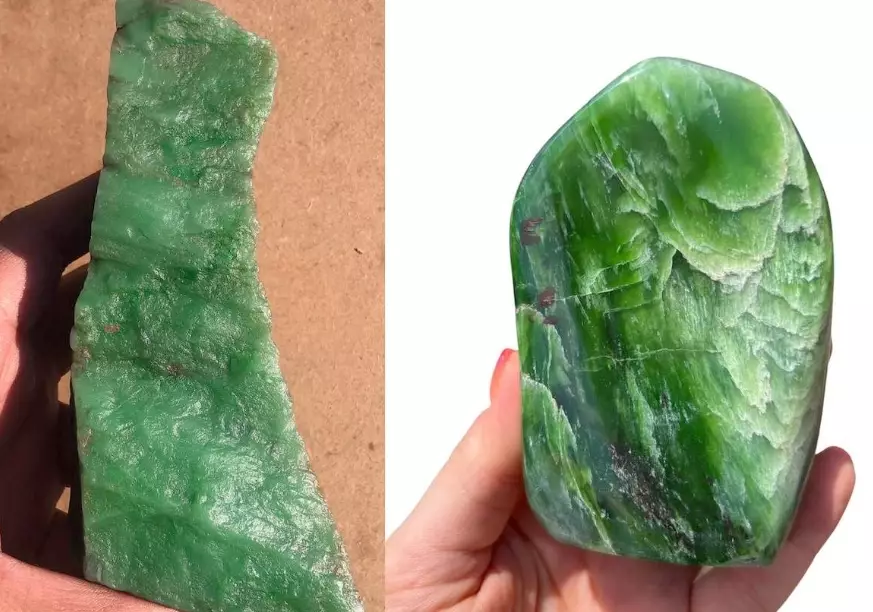
The Two Faces of Jade: Jadeite vs. Nephrite
This is the core of the whole jade conversation. Getting this straight changes everything.
Jadeite is the younger, flashier sibling. It's rarer, harder, and comes in a wider, more vibrant color palette. Its finest quality, a rich, semi-transparent emerald green, is called "Imperial Jadeite" and commands prices per carat that rival fine diamonds. But jadeite isn't just green. It can be lavender (a hugely popular and expensive variety), red, yellow, orange, white, or even black. The most prized quality is its transparency and intense, even color saturation. The primary source for the best jadeite in the world is, famously, Myanmar (Burma). There are other sources like Guatemala, but Burmese jadeite sets the standard. The geology there is just special.
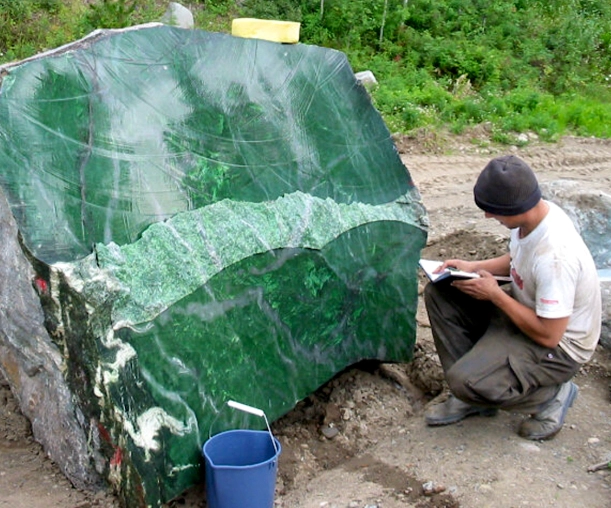
Nephrite, on the other hand, is the ancient, wise elder. It's been used for millennia – think Chinese Neolithic rituals, Maori hei-tikis, and ancient Siberian tools. It's slightly softer than jadeite but famously tougher (less brittle), which is why it was used for weapons and tools. Its colors are more subdued: various shades of green (often a darker, spinach or celadon green), creamy white ("mutton fat" jade is a classic description), brown, and black. It has a more fibrous, felt-like structure compared to jadeite's granular one. Major sources include China (think Hetian or Hotan jade from Xinjiang, which is legendary), Canada (British Columbia), Russia, and New Zealand (where it's known as pounamu or greenstone).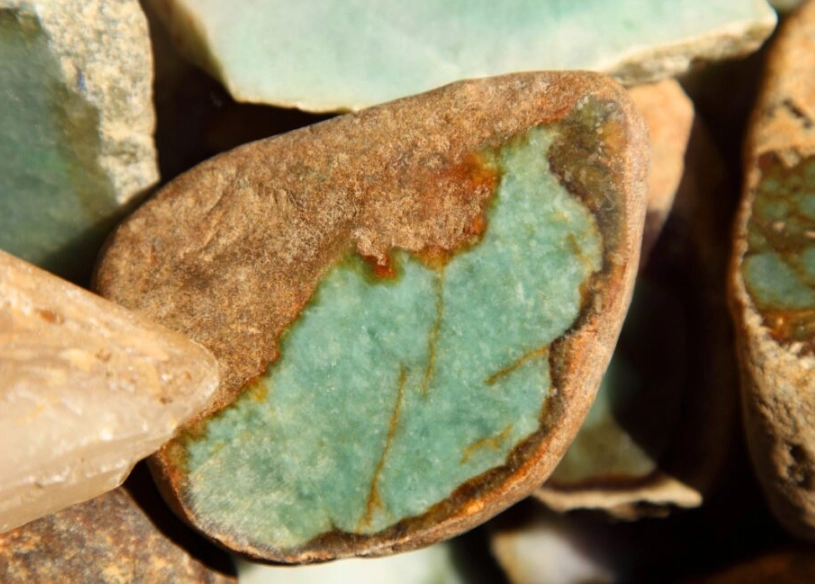
Here’s a quick side-by-side because I'm a visual person and I assume you might be too:
| Feature | Jadeite | Nephrite |
|---|---|---|
| Chemistry | Sodium aluminum silicate | Calcium magnesium iron silicate |
| Hardness (Mohs) | 6.5 - 7 | 6 - 6.5 |
| Toughness | Good, but can be brittle | Exceptional (the toughest gemstone) |
| Colors | Vibrant greens, lavender, red, yellow, white, black | Muted greens, creamy white, brown, black |
| Texture | Granular, can be highly translucent | Fibrous, usually more opaque |
| Top Source | Myanmar (Burma) | China (Xinjiang), Canada, New Zealand |
| General Value Range | Wide: $10 to millions per piece | More moderate, but fine Hetian can be very high |
See? Already less confusing.
How to Spot the Real Deal: Jade Identification Tests You Can (and Can't) Do at Home
Okay, so you're looking at a piece. The seller says it's real jade. How do you know? The internet is full of "foolproof" tests, but let's be real about what works and what's a party trick.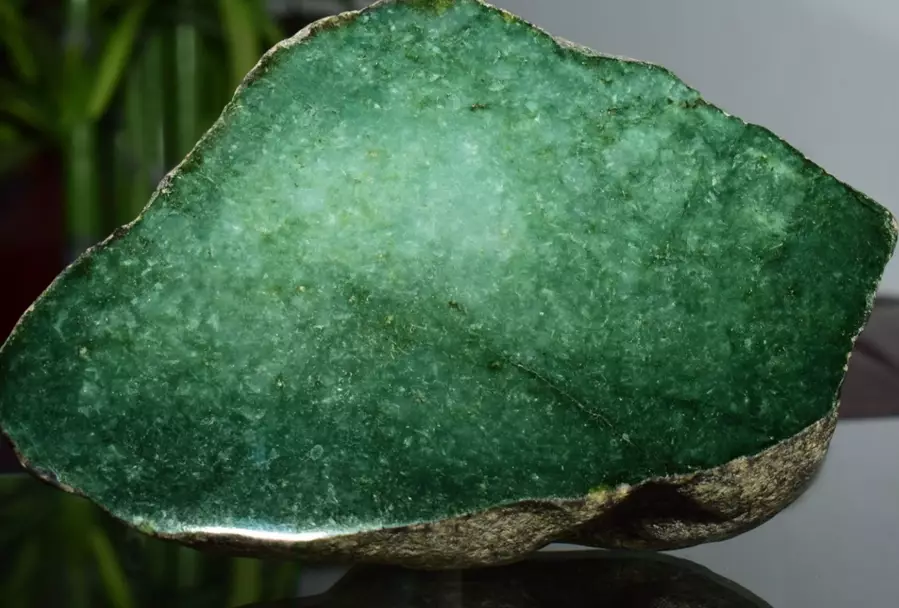
The Reliable At-Home Checks
1. The Temperature "Coolness" Test: Real jade feels distinctly cold to the touch and takes a while to warm up in your hand. Plastic or glass will feel closer to room temperature faster. It's not a definitive test (some stones are also cool), but it's a good first filter. If it feels like plastic, it probably is.
2. The Look Closely Test (with a loupe): Get a 10x jeweler's loupe. They're cheap. Look at the surface and any fractures.
- Real jade (especially nephrite): You might see a fibrous or granular, interlocking structure. It won't look perfectly smooth like glass.
- Glass imitation: You might see tiny bubbles or a conchoidal (shell-like) fracture pattern, which jade doesn't have.
- Plastic: Might show mold marks or have a waxy, too-perfect look.
3. The Sound Test (for bangles): This is a classic. Gently tap the jade bangle with a metal object (like another piece of jewelry or a coin). A genuine, high-quality jade bangle will produce a clear, resonant, melodious *ping* that lasts. A fake made of glass or plastic will make a dull, low *clunk*. It takes practice to hear the difference, but side-by-side, it's obvious.
The Tests to Be Wary Of
The Scratch Test: People say "jade is hard, so it can't be scratched by steel." This is risky. First, you're damaging the piece. Second, many jade simulants (like quartzite) are also hard. You might scratch a softer genuine nephrite and think it's fake. I don't recommend it.
The Hair Test: The old "wrap a hair around it and burn it, the hair won't break because jade conducts heat" myth. It's nonsense. It works with any smooth, thermally conductive material, like glass. Please don't set your new purchase on fire.
So what's the ultimate solution? For any piece of significant value, you need a professional lab report. Reputable labs like the Gemological Institute of America (GIA) or the Gemmological Association of Great Britain (Gem-A) can use advanced tools (like refractometers, spectroscopes, and microscopy) to determine if it's jadeite or nephrite, detect dyes, polymers, or other treatments, and provide a definitive identification. It costs money, but for a major purchase, it's insurance.
What Actually Determines Jade's Value? It's Not Just Color.
This is where it gets interesting. You see two green jadeite pieces. One is $500, the other $50,000. Why? Experts in the trade, especially in Asian markets, evaluate jade based on a few critical factors, often summarized by the Chinese principle of "Se Zhong Shui Di" (Color, Kind, Water, Base). Let's translate that.
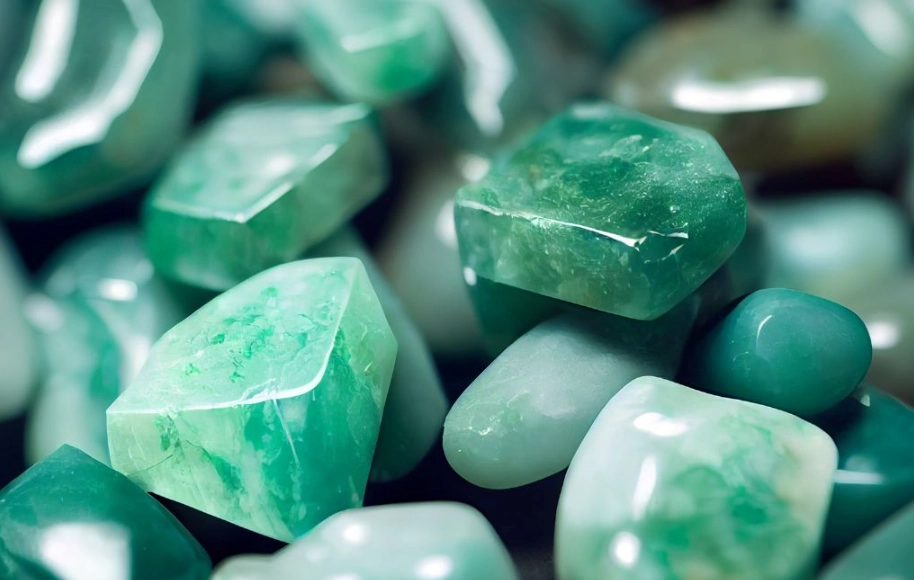
- Color: This is king. For green jadeite, the ideal is a vivid, intense, evenly distributed emerald green (Imperial Green). The color should feel alive, not dull or grayish. For lavender, a saturated, bright purple is best. But it's not just hue – saturation and evenness are crucial. A pale, blotchy green is worth far less.
- Transparency ("Water"): How much light passes through? High-quality jadeite can be semi-transparent to almost transparent. This "wateriness" gives it a glowing, inner light. The more transparent, generally, the more valuable. Most nephrite is opaque to slightly translucent.
- Texture & Fineness ("Base" or "Di"): This is the internal structure. Is it fine-grained and smooth, or coarse and granular? The finest jade has an incredibly smooth, almost buttery texture when polished. You can feel it. A coarse texture lowers value and can make carving difficult.
- Clarity & Imperfections: Cracks, fractures, and black mineral inclusions (like chromite) can significantly reduce value. A flawless piece is exceedingly rare. The key is whether flaws affect durability or are prominently placed in the design.
- Cut & Craftsmanship: A good cut maximizes color and transparency. Carving adds another layer. Is it a simple cabochon or an intricate masterpiece? Fine, detailed carving by a known artisan can add tremendous value, especially on a good base material. A clumsy carve can ruin good rough.
- Treatment: This is a massive factor. Untreated, Type A jade is the most valuable – it's only been polished with wax. Type B jade has been bleached with acid to remove impurities and then impregnated with polymer resin to stabilize it. It looks cleaner but is less stable and valuable. Type C jade is dyed. Often, you get B+C jade – bleached, polymer-impregnated, AND dyed. Treatments must be disclosed, but often aren't. A lab report is the only sure way to know.
A Practical Jade Buying Guide: Where to Go and What to Ask
Let's get tactical. You've decided you want a piece of real jade. Where do you even start looking?
Potential Sources (with pros and cons)
- Auction Houses (e.g., Sotheby's, Christie's): For high-end, investment-grade pieces with solid provenance. You pay a premium, but authenticity is usually guaranteed. Not for beginners on a budget.
- Specialized Jade & Asian Antique Dealers: Often the best source for serious buyers. They have expertise, may provide basic testing, and can educate you. Build a relationship. Prices can be high but often fair for the quality.
- Gem & Mineral Shows: Fantastic places to see a huge variety, from rough to finished pieces, and talk directly to cutters and importers. You can learn a ton. Always ask about treatments and origin.
- Online Marketplaces (Etsy, eBay, Specialty Sites): A minefield, but with gems (pun intended). Selection is huge, prices can be lower. The risk is highest. Never buy based on photos alone. Insist on a return policy and a lab report for anything over a few hundred dollars. Read seller reviews meticulously.
- General Jewelry Stores & Mall Shops: Often sell "jade" that is actually nephrite, other green stones, or treated material. Usually mass-produced. Okay for fashion jewelry if you know what you're getting, but don't expect collector quality or transparency about specifics.
The Questions You MUST Ask (and what the answers mean)
"Is this jadeite or nephrite?"
If they can't answer or say "just jade," be wary. A knowledgeable seller will know.
"Has it been treated? Is it Type A, B, or C?"
Directly asks about enhancements. A reputable seller should be upfront. "I don't know" is a red flag.
"Do you have a lab report from GIA or another lab?"
For expensive pieces, this is a reasonable request. If they refuse, walk away.
"What is the origin of the rough material?" (e.g., Burmese jadeite, Canadian nephrite)
Shows you're informed. Origin can affect value and desirability.
"What is your return policy?"
Never buy significant jade without the option to have it independently verified and returned if it doesn't check out.
Trust your gut. If a deal feels too good to be true, it almost always is.
Caring for Your Jade: It's Tougher Than You Think (Mostly)
Good news! Jade is one of the more durable gemstones, especially nephrite. But it's not indestructible.
- Cleaning: Warm water, mild dish soap, and a soft brush are perfect. Rinse well. Avoid ultrasonic cleaners and steamers, especially for treated (Type B) jade, as the vibrations or heat can damage the polymer filling or cause fractures.
- Storage: Keep it separate from harder gems like diamonds, sapphires, or even other jade pieces to prevent scratches. A soft cloth pouch is ideal.
- Wear: It's fine for daily wear, but remember, its toughness means resistance to breaking, not scratching. Don't do heavy manual labor or gym workouts with a fine jade bangle on. A sharp knock on a hard edge can still chip or crack it.
- Avoid: Harsh chemicals (bleach, acids, perfumes, hairspray), extreme temperature changes (don't leave it on a sunny windowsill), and long-term immersion in water (like in the shower).
Jade can develop a beautiful patina over years of skin contact, becoming smoother and slightly richer in appearance. That's part of its charm – it becomes your piece.
Digging Deeper: Common Questions I Get Asked
Wrapping It Up: Your Jade Journey Starts Here
Look, the world of jade is deep. You could study it for a lifetime. But you don't need a PhD to buy and enjoy a beautiful, genuine piece. Start with the basics we covered: know the difference between jadeite and nephrite, be brutally skeptical of too-good-to-be-true deals, learn the simple at-home checks, and never be afraid to ask pointed questions or request a lab report.
Buy from reputable sources, even if it means paying a bit more upfront. That extra cost is for peace of mind. And finally, buy what speaks to you. Jade's value isn't just in its price per carat; it's in its feel, its history, and the personal connection you have with it. Whether it's a humble nephrite pendant or a dazzling piece of jadeite, if it's real and you love it, you've made a good choice.
Now you're armed with more knowledge than 95% of people walking into a store. Go forth, look at some jade, and see it with new eyes. The cool, smooth stone in your hand has a story – now you know how to start reading it.