Quick Guide
- The Main Types of Pearls: Your Starting Point
- What Actually Determines a Pearl's Value? The 7 Value Factors.
- The Nacre Problem & My Regret Purchase
- A Practical Guide to Buying Your Pearl
- Pearl Care: Making Your Investment Last
- Common Pearl Questions (The Stuff You're Actually Searching For)
- Final Thoughts: Trust Your Eyes
Let's talk about pearls. You've probably seen them – maybe your grandma had a classic strand, or you've admired a stunning pair of earrings in a shop window. They're timeless, elegant, and somehow mysterious. But if you've ever tried to buy one, you might have gotten lost in a sea of confusing terms: Akoya, South Sea, luster, nacre, cultured vs. natural. It's enough to make anyone's head spin.
I remember walking into a fancy jewelry store years ago, completely overwhelmed. The salesperson was throwing around jargon, and the price tags were... well, let's just say they required a deep breath. I left empty-handed and frustrated. I just wanted to understand what made one pearl worth hundreds and another worth thousands.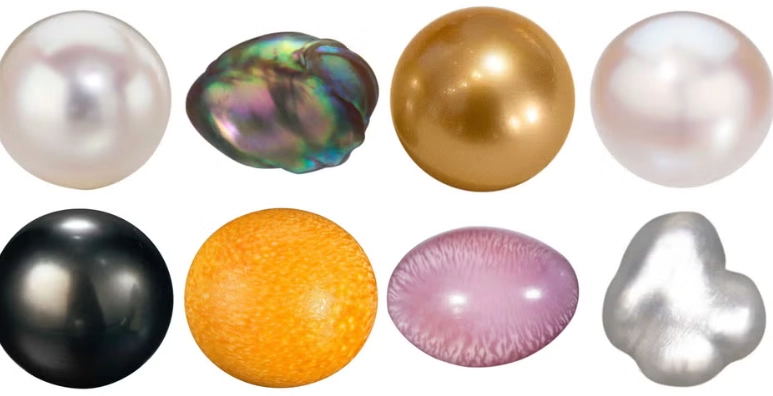
That's why I spent months digging into this. Talking to gemologists, visiting pearl farms (virtually and in person), and yes, making a few purchases of my own – some I loved, and one I totally regret (more on that later). This guide is the result. It's the plain-English, no-nonsense resource I wish I'd had. We're going to strip away the mystery and give you the practical knowledge you need to buy a pearl with confidence, whether it's a simple pair of studs or a statement necklace.
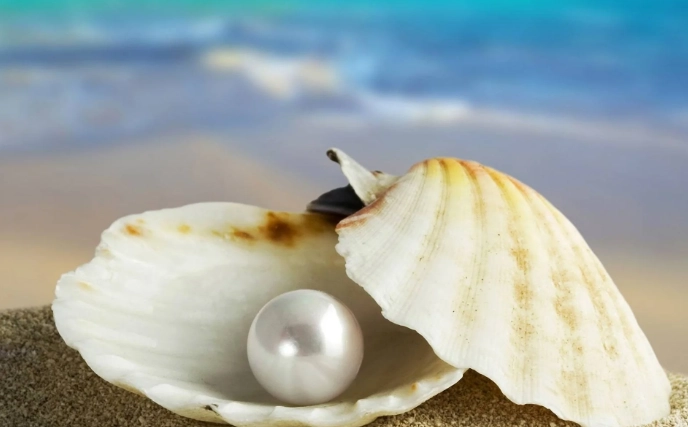
So, what exactly is a pearl? At its core, a pearl is a gemstone, but it's the only one created by a living creature. It forms inside a mollusk – usually an oyster or a mussel – as a defense mechanism. When an irritant, like a tiny piece of sand or tissue, gets inside the shell, the mollusk secretes layers of a substance called nacre around it. Layer upon layer of this nacre builds up, and over time, you get a pearl. That beautiful shine? That's the light reflecting off those countless microscopic layers. It's a natural wonder, really.
The Main Types of Pearls: Your Starting Point
This is where most people get tripped up. Not all pearls are created equal. The type of pearl is the biggest factor determining its look, feel, and price. We can break them down into two broad categories: Saltwater and Freshwater. And within those, there are specific varieties that have become household names in the jewelry world.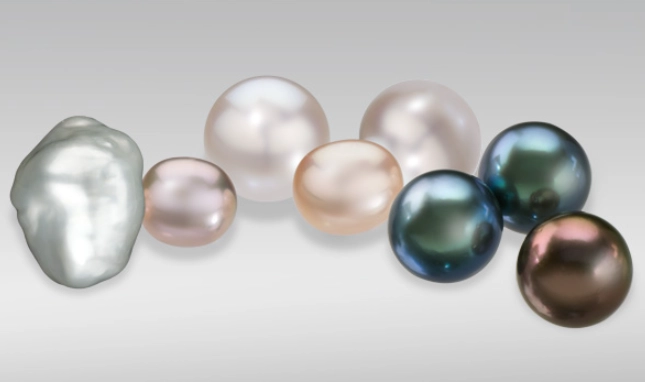
Saltwater Pearls: The Classics
Grown in oceans and seas, these are often what people picture when they think of a "traditional" pearl. They typically have a more perfectly round shape and a sharp, mirror-like luster. The trade-off? They're rarer and more expensive because each oyster usually produces only one or two pearls at a time.
- Akoya Pearls: The quintessential classic. These come primarily from Japan and China. They're known for their superb, almost metallic luster and perfectly round shape. They're usually white or cream with rosé, silver, or cream overtones. If you imagine a simple, elegant strand of white pearls, it's probably Akoya. They're generally smaller, ranging from 2mm to 10mm. My first "real" pearl purchase was a pair of 7mm Akoya studs, and their shine is still unmatched in my collection.
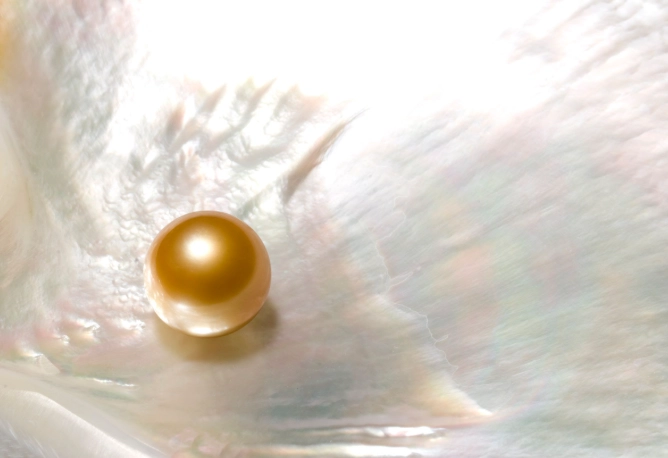
- South Sea Pearls: The royalty of the pearl world. Cultivated in the warm waters off the coasts of Australia, Indonesia, and the Philippines, these are the largest and most valuable commercially farmed pearls. They have a soft, satiny luster rather than a sharp, mirror-like one. Their colors are naturally gorgeous – luxurious white and silvery white, and the famous golden South Sea pearls, which range from pale champagne to a deep, rich gold. Sizes often run from 9mm to a staggering 20mm. The price reflects their size and rarity.
- Tahitian Pearls: Often called "black pearls," but that's a misnomer. These saltwater pearls from French Polynesia are famous for their dark, exotic body colors. You'll find them in shades of peacock green (the most prized), eggplant purple, silver, charcoal grey, and even deep blue. They're not dyed; these colors are completely natural. They have a beautiful, often metallic luster and can be quite large. A well-matched strand of peacock Tahitian pearls is a show-stopper.
Freshwater Pearls: The Versatile Innovators
Farmed in lakes, rivers, and ponds (mostly in China), these have revolutionized the pearl market. A single mussel can produce dozens of pearls at once. This makes them much more affordable. For a long time, they were known for being baroque (irregularly shaped) and having lower luster. But farming techniques have improved dramatically.
Modern high-quality freshwater pearls can be near-perfectly round and rival the luster of some saltwater varieties. They come in a stunning array of natural pastel colors: white, pink, lavender, and peach. You also get a huge variety of shapes. Because of their affordability and variety, they're a fantastic entry point for new buyers and allow for really creative, modern jewelry designs.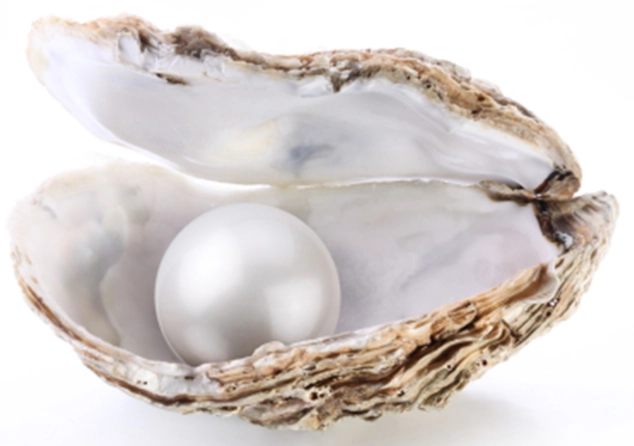
Here’s a quick side-by-side to help you visualize the core differences:
| Type | Origin | Typical Size | Key Colors | Luster Character | General Price Point |
|---|---|---|---|---|---|
| Akoya | Saltwater (Japan/China) | 2mm - 10mm | White, Cream (Rosé/Silver overtones) | Sharp, Mirror-like | $$$ |
| South Sea | Saltwater (Australia/SE Asia) | 9mm - 20mm+ | White, Golden, Silver | Soft, Satiny | $$$$ |
| Tahitian | Saltwater (French Polynesia) | 8mm - 18mm | Peacock Green, Charcoal, Eggplant, Silver | Metallic, High | $$$$ |
| Freshwater | Freshwater (China primarily) | 2mm - 15mm+ | White, Pink, Lavender, Peach, Mauve | Soft to Very Good | $ - $$ |
What Actually Determines a Pearl's Value? The 7 Value Factors.
Okay, so you know the types. Now, why does one Akoya pearl cost $100 and another that looks similar cost $500? This is the heart of it. Gemologists use a framework to grade pearls, often called the "Seven Value Factors." Understanding these is your superpower against overpaying or buying a dud.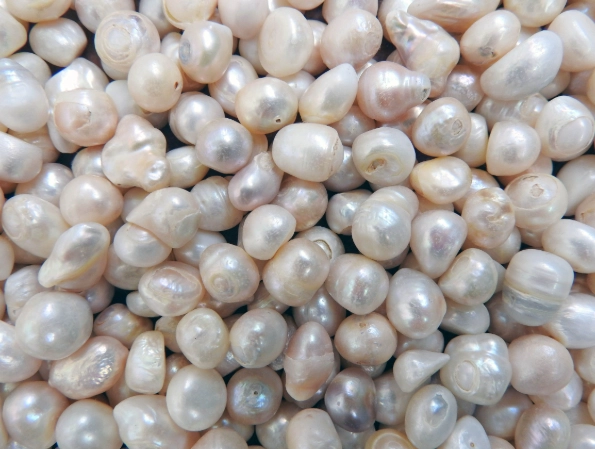
- Luster: This is the most important factor, hands down. Luster is the shine, the glow, the mirror-like quality of the surface. High luster means you can see sharp, clear reflections on the pearl. Low luster looks dull, chalky, or hazy. A pearl with exceptional luster will look alive and glowing from across the room. Never, ever compromise on luster for the sake of a perfect shape.
- Surface: No pearl is perfectly flawless. Surface quality refers to the number and visibility of blemishes: spots, bumps, wrinkles, or pits. Cleaner surfaces are rarer and more valuable. But a few minor blemishes on the back of a pearl in an earring setting? That's a smart way to save money without sacrificing front-facing beauty.
- Shape: Perfectly round pearls are the rarest and most valued shape for strands and classic studs. But other shapes have their own beauty and charm. Baroque pearls (irregular shapes) are unique and often more affordable. Symmetrical shapes like ovals, buttons, or drops are also popular and desirable.
- Color: This includes the body color (the overall hue) and the overtone (a translucent color that seems to float over the surface). Personal preference plays a huge role here. In some types, certain colors are rarer (like deep golden South Sea or peacock Tahitian), which drives up price.
- Nacre Thickness: This is critical for durability and beauty. Nacre is the crystalline substance the mollusk secretes. Thick nacre means a more durable pearl with deeper, richer luster. Thin nacre can appear dull and is more prone to peeling or cracking over time. This is a key differentiator between a cheap cultured pearl and a high-quality one. Reputable sellers should be able to provide information on nacre quality.
- Size: All else being equal, larger pearls are rarer and more valuable. But a large pearl with poor luster is worth less than a smaller, radiant one. Size matters, but it's not everything.
- Matching: For strands, earrings, or multi-pearl pieces, how well the pearls match in all the above characteristics is crucial. Creating a perfectly matched strand of large, round, high-luster pearls is an immense challenge, which is why they command such high prices.
The Nacre Problem & My Regret Purchase
This deserves its own section because it's a common pitfall. Early in my buying journey, I got a "great deal" on a strand of what were marketed as Akoya pearls online. They were big, round, and white. When they arrived, they looked okay at first glance. But after a few months of very light wear, the shine seemed to fade. They started to look a bit plastic-y and lifeless.
I later learned (after taking them to an appraiser) that the nacre was extremely thin. The pearl was essentially a bead with just a whisper of nacre coating over it. Once that thin layer wore down or lost its polish, the magic was gone. It was a classic case of a poorly cultured pearl. The Gemological Institute of America (GIA) has excellent resources on pearl quality factors, including nacre, which I wish I'd read first.
How can you avoid this? For saltwater pearls, ask the seller about nacre quality. Reputable dealers will be transparent. For freshwater pearls, which are often solid nacre, this is less of an issue. But the lesson is clear: if a deal seems too good to be true for a large, round, white pearl, it probably is. You're likely paying for size alone, not quality.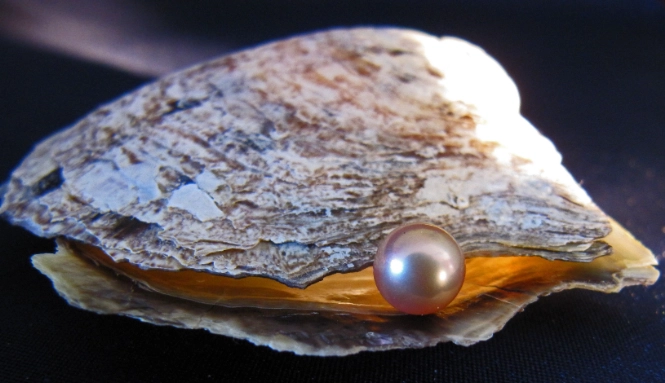
A Practical Guide to Buying Your Pearl
Let's get down to brass tacks. You're ready to buy. What do you do?
Step 1: Define Your "Why" and Budget
Are you buying an everyday staple (like stud earrings), a special occasion piece, or a family heirloom? Your goal dictates the type and quality you should target. Set a realistic budget first. You can find lovely freshwater pearl pieces for under $100. A good quality pair of Akoya studs might start around $300-$500. South Sea and Tahitian pieces enter the thousands quickly. Knowing your range narrows the field immensely.
Step 2: Choose Your Setting & Metal
The metal matters. White pearls (Akoya, White South Sea) look stunning against both white metals (platinum, white gold) and yellow gold. Creamier pearls often glow against yellow or rose gold. Dark Tahitian pearls pop against white metals but can also look incredibly rich with yellow gold. Think about what metal you wear most often.
Step 3: Find a Reputable Seller
This is non-negotiable. Look for jewelers who specialize in or have a strong reputation for pearls. They should provide detailed descriptions (type, size, luster grade, etc.), offer certificates from recognized labs like GIA for high-end pieces, and have clear return policies. Don't be shy about asking questions. A good seller is an educator. Organizations like the CIBJO (The World Jewellery Confederation) set international standards that reputable traders follow.
Step 4: Evaluate the Pearl (Even Online)
Ask for high-resolution photos and videos on a white or neutral grey background (not black, which hides blemishes). Ask for a video where the pearl is rotated to see the luster play across its surface. If buying in person, look at the pearl under different lights. Check for that sharp reflection. Examine the drill holes – they should be clean, not chipped.
Pearl Care: Making Your Investment Last
Pearls are organic and relatively soft compared to other gems. They need love.
- The Last-On, First-Off Rule: Put your pearls on after applying perfume, hairspray, and makeup. Take them off before you do anything involving chemicals (cleaning, swimming, gym). Acids in sweat and cosmetics can dull the nacre.
- Clean Gently: After wearing, simply wipe them with a soft, damp cloth. For a deeper clean, use a tiny bit of mild, non-detergent soap in water. Never use ultrasonic cleaners, steam cleaners, or harsh chemicals. Let them air dry completely before storing.
- Store Smart: Don't toss them in a jumbled jewelry box. Store them separately in a soft pouch or a lined compartment. This prevents other harder gems (like diamonds) from scratching them.
- Re-string Regularly: If you wear a pearl strand often, have it re-strung by a professional every 1-2 years. The silk thread stretches and weakens with wear and exposure to oils.
It sounds like a lot, but it becomes habit. I just keep a soft microfiber cloth in my jewelry drawer for a quick wipe-down.
Common Pearl Questions (The Stuff You're Actually Searching For)
Final Thoughts: Trust Your Eyes
At the end of the day, buying a pearl is part science, part emotion. The guidelines here will protect you from bad purchases and help you understand what you're paying for. But the most important thing is that you love it.
Does it make you feel something when you put it on? Does its glow catch your eye? That connection is priceless. Whether it's a modest freshwater pendant or a majestic South Sea pearl ring, a pearl is a piece of natural art. Choose one that speaks to you, care for it well, and it will be a source of joy for a very, very long time.
Now you're equipped. Go find your pearl.