In This Guide
- More Than Just Pretty Shapes: The Different Faces of Coral
- Why Should You Care? The Staggering Value of a Coral Reef
- The Heart of the Crisis: Coral Bleaching Explained (Without the Hype)
- What's Being Done? From High-Tech Labs to Local Action
- What You Can Do Today: A Practical Action List
- Thinking of a Home Aquarium? The Coral Keeper's Reality
Let's be honest, most of us have a pretty fuzzy idea of what coral actually is. You see those stunning BBC documentaries with David Attenborough, all those vibrant colors and weird shapes, and you think, "Wow, beautiful underwater garden." But here's the thing – that mental image is only half right, and honestly, it sells the reality short. Coral isn't a plant. It's not a rock. It's an animal. A seriously weird, totally fascinating, and incredibly fragile animal that builds the most massive living structures on the planet. Bigger than anything we've built. I remember the first time I went snorkeling on a real reef; it wasn't just pretty, it was loud. Clicks, pops, crunches – a whole city buzzing with life. That's what we're talking about.
And we're losing it. Fast. You've heard the term "coral bleaching" thrown around, maybe seen some depressing before-and-after photos. But what does that actually mean? Why should you, maybe sitting hundreds of miles from the nearest ocean, even care? Well, that's what we're going to unpack. This isn't just a doom-and-gloom story, though. It's a story about one of nature's most incredible partnerships, why it's breaking down, and – crucially – what ordinary people can actually do about it. Not just scientists. You.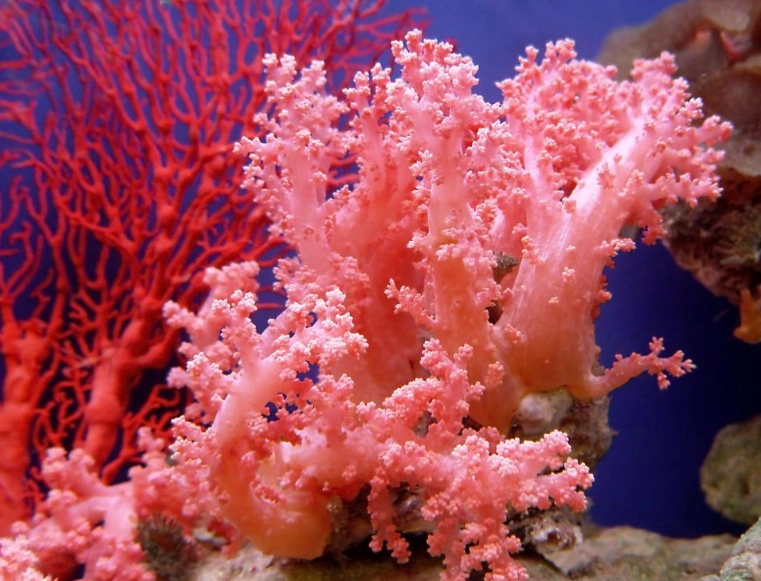
More Than Just Pretty Shapes: The Different Faces of Coral
Not all corals are the same. Far from it. Think of them like architects, each with a different style. Some are the rapid, branching builders. Others are the slow, massive fortresses. Knowing the difference helps you understand a reef's health and personality.
The Heavy Lifters: Hard Corals (Scleractinia)
These are the reef-builders. They secrete a hard, calcium carbonate skeleton – that's the "rock" part. They're the backbone of the entire reef ecosystem. Within this group, you've got different growth forms that tell a story about their environment.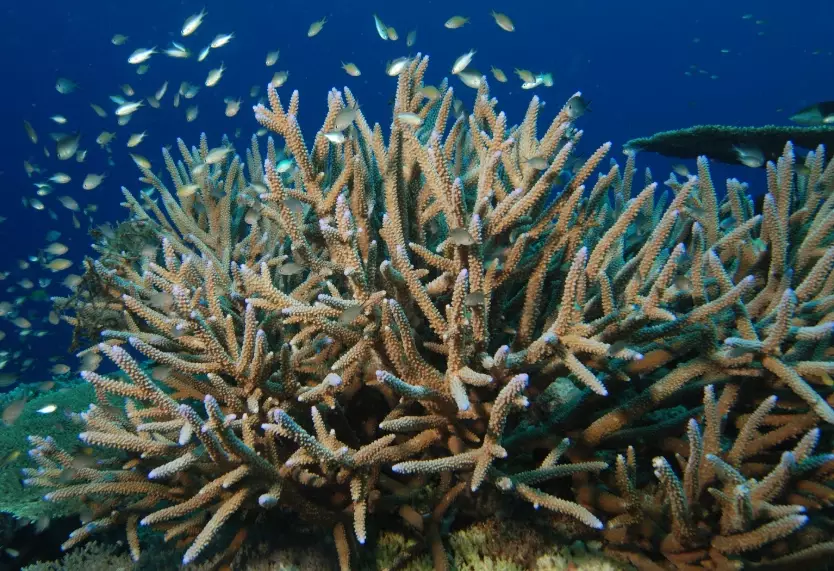
| Growth Form | What It Looks Like | Where It Thrives | Why It Matters |
|---|---|---|---|
| Branching Coral (e.g., Staghorn, Elkhorn) | Antler-like or tree-like branches. Grows fast. | Shallow, sun-drenched waters with strong waves. | Provides essential 3D complexity and hiding spots for juvenile fish. Critically endangered in many places. |
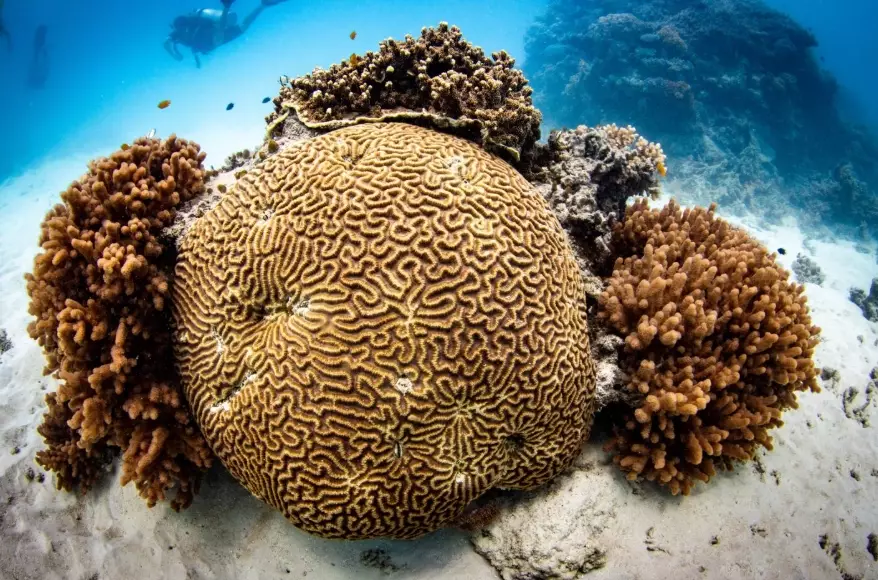
| Boulder Coral (e.g., Brain Coral) | Massive, round, slow-growing domes or boulders. | Various depths. Very sturdy. | Forms the long-lasting, foundational base of the reef. Can be centuries old. |
| Plate Coral | Thin, flat plates spreading out horizontally. | Lower light areas, deeper on reef slopes. | Maximizes light capture in dimmer conditions. Creates overhangs and caves. |
| Encrusting Coral | Spreads like a crust or paint over rocks. | Often in high-energy zones (waves). | Pioneer species that stabilizes rubble and starts new reef growth. |
I have a soft spot for the big boulder corals. There's something humbling about floating over a brain coral the size of a car, knowing it started growing before your great-grandparents were born. That slow, steady growth is what makes loss so devastating – you can't just replant a 200-year-old coral.
The Softies: Soft Corals (Alcyonacea)
These guys don't build the reef's rocky skeleton. They're flexible, often looking like underwater trees, fans, or feathers that sway in the current. They have tiny, spiky skeletal elements called sclerites within their tissues for support, but they don't lay down massive limestone. Think of them as the reef's furniture and drapes – they add incredible beauty and habitat but aren't the load-bearing walls. They're often more tolerant of murky water or sediment than some hard corals.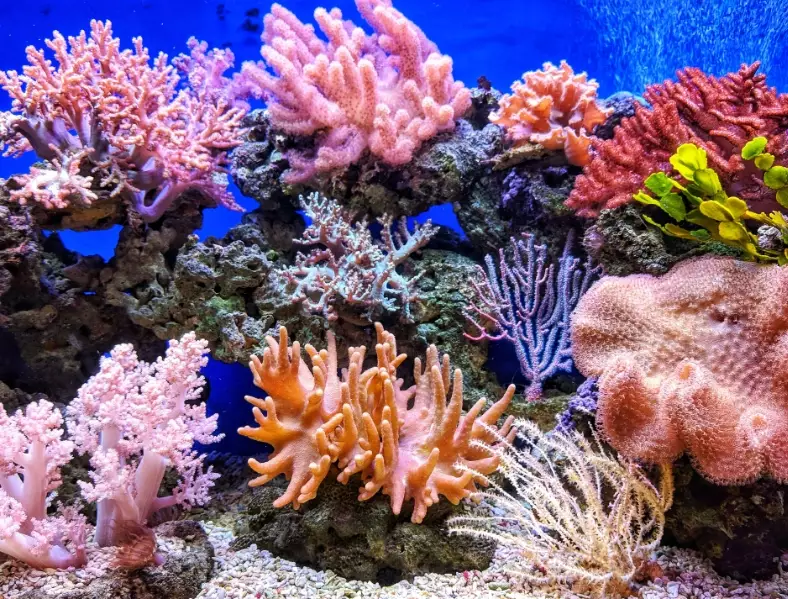
So, when we talk about "saving the reefs," we're primarily talking about protecting the hard, skeleton-building corals. They're the ecosystem engineers.
Why Should You Care? The Staggering Value of a Coral Reef
Okay, so they're amazing animals that build cities. So what? Here's the so-what, and it hits way closer to home than you might think.
Coastal Protection: Those massive, complex structures act as natural breakwaters. They dissipate up to 97% of a wave's energy before it hits the shore. Without healthy reefs, coastal communities are far more vulnerable to storms, erosion, and flooding. Replacing that function with artificial seawalls costs billions. The National Oceanic and Atmospheric Administration (NOAA) has tons of data on this – the economic value of coastal protection from reefs is staggering.
Fisheries and Food Security: Remember that 25% of marine species figure? That includes a huge number of fish that people eat. Reefs are nursery grounds for countless commercially important species like grouper and snapper. No reefs, no nurseries. No nurseries, collapsing fish stocks. It's a direct line to the dinner plate for millions of people.
Medicine: This one blows my mind. Coral reef organisms are a goldmine for biomedical research. Compounds from corals and their associated sponges are being studied for treatments for cancer, arthritis, Alzheimer's, bacterial infections, and more. We're literally burning a library of potential medical breakthroughs before we've even read the books.
Tourism and Livelihoods: This is the obvious one. Diving, snorkeling, fishing – reef-based tourism is a multi-billion dollar global industry that supports entire island economies. When reefs die, those pink-sand beaches erode, the fish disappear, and the tourists stop coming.
It's not just an environmental issue. It's an economic, health, and security issue.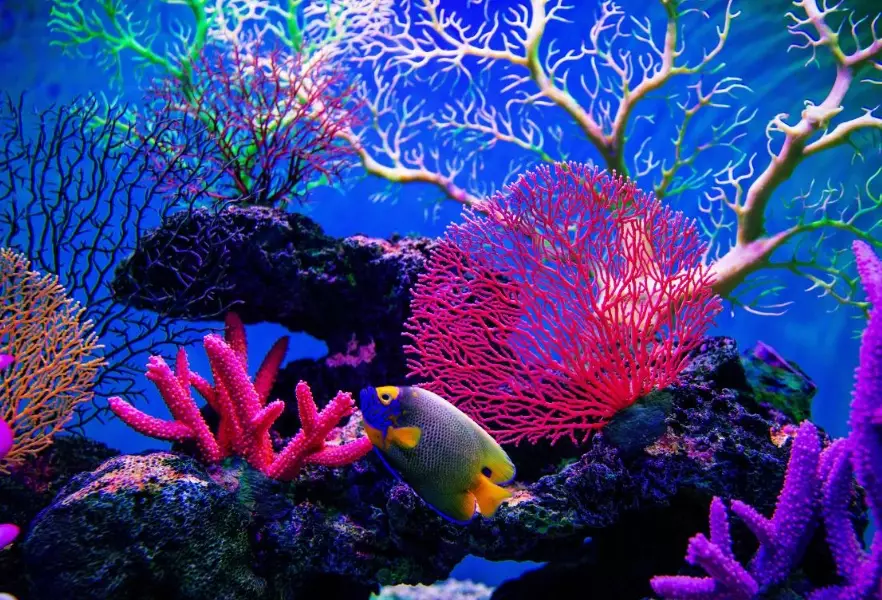
The Heart of the Crisis: Coral Bleaching Explained (Without the Hype)
Here's where we get to the main event. "Bleaching" sounds almost gentle, like laundry. It's not. It's a starvation crisis.
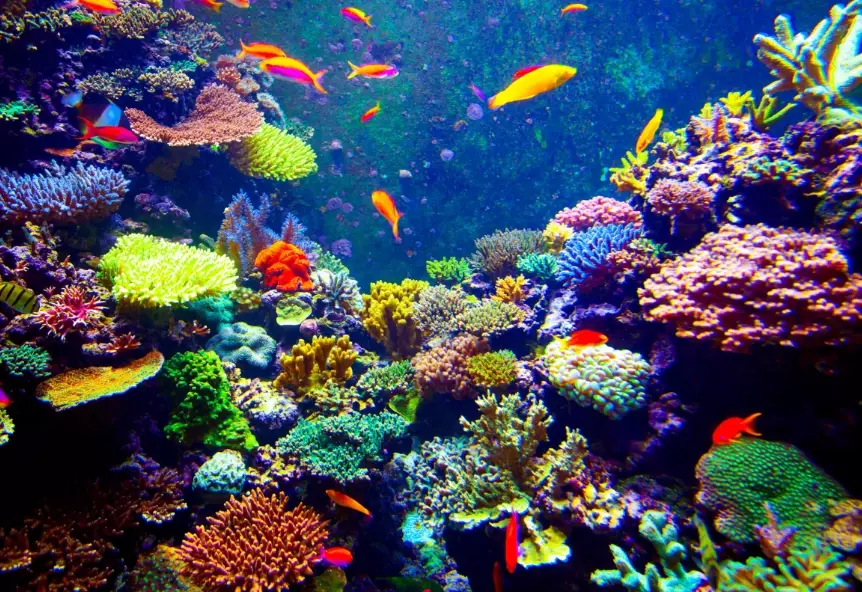
Remember that perfect partnership? The coral animal and its live-in algal chefs (the zooxanthellae)? When the coral gets stressed – primarily by increased water temperature – that partnership breaks down. The algae start producing toxins, and the coral, in a survival move, kicks them out. It evicts its primary food source.
Now the coral is transparent, and you can see its white limestone skeleton through its tissue. That's the "bleached" look. It's not dead yet. It's starving. If the water cools down quickly enough, the algae can move back in and the coral can recover. But if the stress lasts too long – weeks – the coral will die from lack of food. Then, algae and other organisms grow over the bare skeleton, and that vibrant coral city turns into a gray, slimy rubble field.
But it's not just heat. It's a nasty cocktail of stressors:
- Ocean Acidification: Excess atmospheric CO2 dissolves in the ocean, making it more acidic. This makes it harder for corals (and shellfish) to build their calcium carbonate skeletons. It's like trying to build a house while someone slowly dissolves your bricks.
- Pollution: Runoff from land – fertilizers, sewage, pesticides – washes onto reefs. This can cause algal blooms that smother corals and worsen disease.
- Overfishing: Removing key fish species, especially herbivores like parrotfish that clean algae off the coral, disrupts the reef's balance and makes it harder to recover.
- Physical Damage: From anchors, irresponsible diving/touching, and destructive fishing practices like blast fishing.
What's Being Done? From High-Tech Labs to Local Action
It's easy to feel hopeless. But people are fighting back with some incredible ingenuity. The work falls into a few key buckets.
1. The Big Picture Fight: Slowing Climate Change
This is non-negotiable. Without addressing the root cause of warming and acidification, everything else is a band-aid. Supporting policies and innovations that reduce greenhouse gas emissions is the single most important thing for coral reefs in the long term. Groups like the United Nations Environment Programme (UNEP) are central to global coordination on this front.
2. Active Reef Restoration: The Coral Gardeners
This is where it gets hands-on. Scientists and local communities are growing corals in nurseries and "outplanting" them onto damaged reefs. They might:
- Fragmenting: Breaking small pieces off healthy, robust corals (which doesn't hurt them) and growing those fragments on underwater frames.
- Microfragmenting: A super-charged version where tiny fragments are placed close together; they fuse as they grow, accelerating coverage.
- Larval Propagation: Collecting coral sperm and eggs during mass spawning events, fertilizing them in tanks, and releasing the baby coral larvae onto reefs.
The goal isn't to replant the entire ocean. It's to boost recovery in key areas, enhance genetic diversity, and buy time for the most resilient corals to thrive. Some projects are now specifically selecting and breeding "super corals" that show higher tolerance to heat or acidity.
3. Marine Protected Areas (MPAs)
Creating well-managed zones where damaging activities (fishing, anchoring) are restricted or banned gives reefs space to breathe and recover. It's one of the most effective tools we have. The key is proper enforcement and involving local communities in management.
What You Can Do Today: A Practical Action List
Feeling fired up? Good. Here are concrete steps, ranked from easy to more committed.
- Choose Reef-Safe Sunscreen. This is a huge, easy win. Chemicals like oxybenzone and octinoxate in many sunscreens are proven to harm coral larvae, worsen bleaching, and damage coral DNA. Look for mineral-based sunscreens with zinc oxide or titanium dioxide as the active ingredient. Check labels. Hawaii and other places have banned the bad stuff – follow that lead wherever you are.
- Be a Conscious Tourist. If you visit a reef, don't touch, stand on, or chase wildlife. Use mooring buoys instead of dropping anchor. Choose operators with strong environmental practices. Your dollars support good or bad behavior.
- Reduce Your Carbon Footprint. Yeah, it's broad, but it's fundamental. Energy efficiency at home, mindful transportation, supporting clean energy – it all adds up to less CO2 in the atmosphere and ocean.
- Support the Right Organizations. Donate to or volunteer with groups doing on-the-ground reef science, restoration, and policy work. Look for ones with strong local community ties.
- Talk About It. Share what you've learned. Most people don't know coral is an animal or how sunscreen choices matter. Be that person who explains it without being preachy.
Thinking of a Home Aquarium? The Coral Keeper's Reality
This is a whole subculture. Keeping corals in a home reef tank is a challenging, expensive, but deeply rewarding hobby. It also comes with major ethical and practical considerations.
Wild vs. Aquacultured: Never buy coral taken directly from wild reefs for your home tank. The hobby has made amazing strides in aquaculture – corals are now grown on farms, both land-based and ocean-based. This takes pressure off wild populations. Always ask your supplier if the coral is "maricultured" or "tank-raised." A reputable seller will know.
The Difficulty: Corals aren't goldfish. They require pristine, stable water conditions, specific lighting that mimics the sun's spectrum, controlled temperature, and often supplemental feeding. It's a commitment. Many beautiful starter corals, like certain Mushroom Corals or Zoanthids, are softer and more forgiving. The hard, stony corals (Small Polyp Stony or SPS) are for advanced hobbyists.
If you go down this road, do your homework. A lot. Join forums, talk to experienced keepers. A well-run reef tank is a tiny, thriving slice of ocean you can care for, but it's a responsibility.
Your Coral Questions, Answered
Look, I won't sugarcoat it. The situation for the world's coral reefs is serious. The scale of the threat from climate change is overwhelming. But giving up is a guarantee of loss. The science is clearer than ever, the restoration techniques are getting smarter, and public awareness is growing.
Every bleached reef that recovers, every community that protects its coastline, every person who switches their sunscreen is a point of hope.
These animals, these incredible, city-building, ecosystem-supporting animals, have survived for hundreds of millions of years. They're resilient. They just need the conditions to prove it. And that part is, undeniably, up to us. It starts with seeing that vibrant underwater world not just as a pretty picture, but for what it truly is: a complex, living, breathing foundation of life that we are utterly dependent on. Let's act like it.