Quick Navigation
Let's be honest, when you hear "chrysoberyl," you might draw a blank. Or maybe you think of some obscure, greenish stone that sits in a dusty museum case. I used to think that way too. But then I saw an alexandrite ring under fluorescent light in a jeweler's shop, and it went from a raspberry red to an emerald green right before my eyes. My jaw literally dropped. That was my "aha" moment with this mineral. It's not just a stone; it's a performance.
Chrysoberyl is one of those gemstones that flies under the radar for most people, yet commands insane respect (and prices) from those in the know. It's a classic case of the quiet overachiever. It doesn't have the universal fame of a diamond or a sapphire, but what it lacks in PR, it makes up for in sheer, mind-bending optical tricks. We're talking about color-changing wizardry and a luminous, silky band of light that seems to glide across the surface. This guide is for anyone who's curious, skeptical, or ready to dive down the rabbit hole of one of geology's most fascinating creations.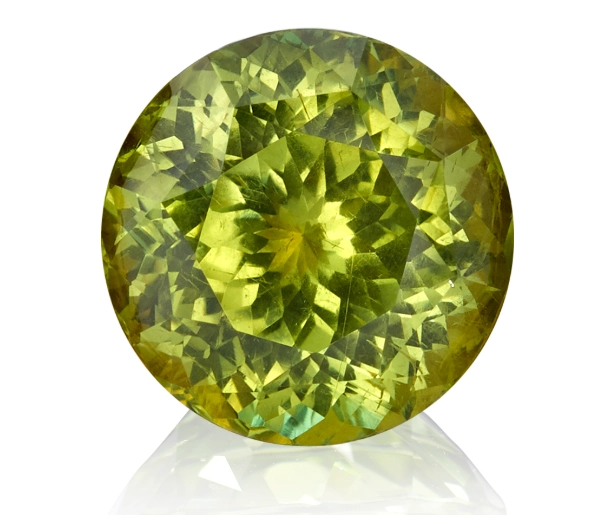
Here's the core of it: Chrysoberyl is a beryllium aluminum oxide (BeAl2O4). The name comes from Greek words for "gold" and "beryl," which is a bit misleading because it's not actually gold, and it's not a beryl (like emerald or aquamarine). That naming confusion has stuck around for centuries. Its real magic lies in two legendary varieties: Alexandrite, the color-change champion, and Cat's Eye Chrysoberyl (or cymophane), the master of chatoyancy.
Chrysoberyl 101: The Hard Facts Before the Magic
Before we get lost in the beauty, let's ground ourselves in what this stuff actually is. Knowing the basics is what separates informed enthusiasts from people who just get dazzled by a sales pitch.
First off, hardness. On the Mohs scale, chrysoberyl scores an 8.5. Let that sink in. That's harder than topaz (8), way harder than quartz (7), and just shy of corundum (sapphire/ruby at 9) and diamond (10). This isn't a delicate flower. A piece of chrysoberyl jewelry can handle daily wear better than most gems, which is a huge practical plus that often gets overlooked in favor of its looks.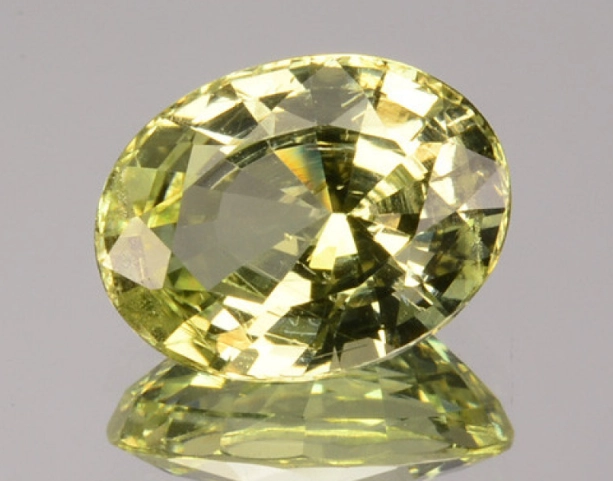
Quick Science Bit: That killer hardness comes from its tightly packed crystal structure and strong chemical bonds. Its density is also relatively high, so a chrysoberyl gem will feel heavier in your hand than a similarly sized quartz or topaz. It's a dense, tough customer.
It forms in granitic rocks and pegmatites, but also in mica schists. The best stones often come from alluvial deposits—riverbeds and gravels—where nature has done the work of tumbling and concentrating them. The chemistry is pretty simple, but it's the trace elements like chromium and iron that crash the party and create the spectacular effects we love.
The Two Rockstars: Alexandrite and Cat's Eye
This is where chrysoberyl goes from interesting mineral to legendary gem material. These two varieties are the whole reason for its fame and price tag.
Alexandrite: The Emperor's Stone That Changes Clothes
The story goes that it was discovered in Russia's Ural Mountains in the 1830s on the day the future Tsar Alexander II came of age, hence the name. Whether that's true or just great marketing doesn't really matter now. The effect is real.
So, what makes alexandrite change color? It's all about chromium ions and how our eyes perceive light. The stone absorbs specific wavelengths in the yellow-green part of the spectrum. Under daylight (which is rich in blue-green wavelengths), the stone looks green to bluish-green. Under incandescent light (like a lamp bulb, rich in red wavelengths), that absorption band blocks less of the red light, so the stone appears red to purplish-red. It's not magic; it's fiendishly clever physics. The Gemological Institute of America (GIA) has some fantastic, detailed resources on the spectroscopy of alexandrite if you're into the deep science.
Now, a reality check. Not all alexandrite is created equal. The market is flooded with stones that have a weak, muddy change—like from a dull khaki green to a brownish red. Frankly, some of it is pretty disappointing. The top-tier material, with a clear, vivid shift, is astronomically expensive. Most of the Russian material is long gone. Today, the most important sources are Brazil, Sri Lanka, and—producing some stunning stones recently—India and Tanzania.
I remember handling a small, 0.5-carat Brazilian alexandrite with a good color change. The price was more than a one-carat diamond of decent quality. It puts things in perspective.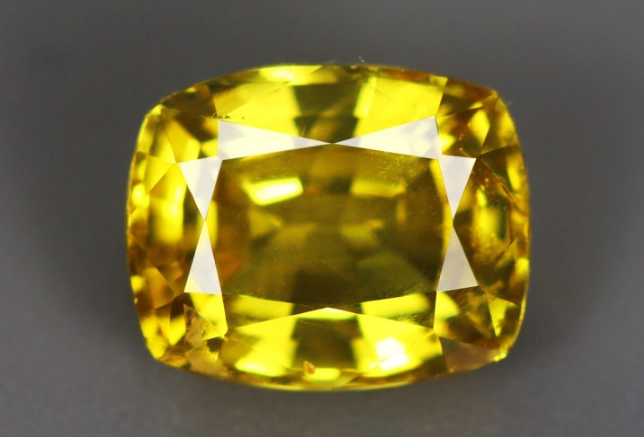
Cat's Eye Chrysoberyl: The Stone That Watches You
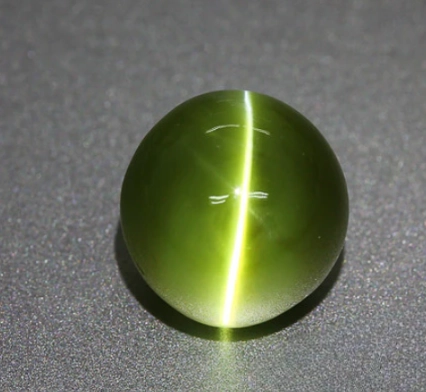
If alexandrite is the show-off, cat's eye is the mysterious one. The effect is called chatoyancy (from the French "chat" for cat, and "oeil" for eye). It's that sharp, silky band of light that seems to float and glide across the dome of a cabochon-cut stone when you move it.
This happens because of millions of tiny, parallel needle-like inclusions (often rutile or hollow tubes) within the chrysoberyl crystal. Light reflects off this "tube" of inclusions, creating the eye. For the eye to be sharp and centered, the stone has to be cut as a cabochon with the inclusions perfectly parallel to the base. A skilled cutter is everything here. A poorly cut cat's eye will have a fuzzy, off-center band that looks lazy.
The best cat's eyes have a sharp, narrow, and bright eye that contrasts strongly against the body color. The body color itself is usually honey-yellow, greenish-yellow, or a brownish-green. A milky, semi-transparent look with a strong eye is often more valued than a completely transparent stone with a weak one. The appeal is hypnotic. There's something almost alive about a fine cat's eye.
Buyer Beware: Many other gems show cat's eye effects—tourmaline, scapolite, even quartz. But in the trade, if someone just says "cat's eye," they are specifically referring to chrysoberyl. It's the original and considered the finest. Always ask for the full species name to avoid confusion or being sold a cheaper lookalike.
How to Spot the Real Deal (And Avoid the Fakes)
This is the practical part everyone needs. The market for chrysoberyl, especially alexandrite, is a minefield of synthetics, simulants, and treated stones. Let's break down what you're likely to encounter.
Synthetic Alexandrite is huge. Labs have been growing this stuff (using processes like the Czochralski method) for decades. It's real alexandrite in terms of chemistry and structure, but man-made. The color change in synthetics can sometimes be too perfect and dramatic, often with a strong blue-green to purple shift. They are flawless, which is a dead giveaway—natural alexandrite almost always has some inclusions. Reputable sellers will always disclose if a stone is lab-created, and it's a much more affordable way to own the color-change effect.
Simulants are a different beast. These are other materials trying to mimic the look. The most common is color-change sapphire (which can go from purple to pinkish, not green to red) or even synthetic color-change spinel. Then there's plain old glass. A simple hardness test (chrysoberyl will scratch quartz) can rule out the soft fakes.
Treatments are less common for chrysoberyl than for other gems, but they exist. Some cat's eyes might be clarity-enhanced with resins to fill surface-reaching fractures, though this isn't widespread. The main thing is knowledge. When in doubt, assume a stunning, large, flawless, and cheap alexandrite is too good to be true. Because it is.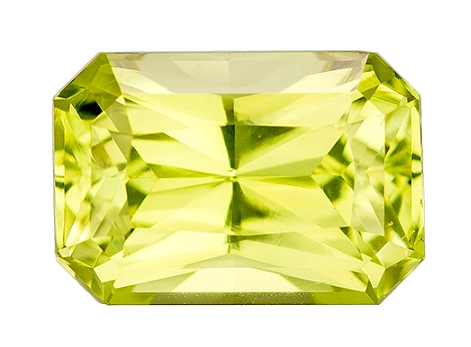
The only surefire way to know? Get a report from a reputable gemological lab like the GIA or AGL for any major purchase. It's worth the fee for peace of mind.
What's It Worth? Breaking Down Chrysoberyl Value
Let's talk money. Price per carat for chrysoberyl is all over the map, from a few hundred dollars to tens of thousands. It's not a simple formula. Here are the main drivers, especially for alexandrite:
| Factor | What to Look For (Alexandrite) | Impact on Price |
|---|---|---|
| Color Change | Strength & Hue: Vivid green to vivid red is the pinnacle. Weak (e.g., olive to brown) changes are far less valuable. The completeness of the change matters. | Extreme. The single most important factor. A strong change can multiply value by 10x or more vs. a weak one. |
| Color (in each light) | Daylight: Pleasing green/blue-green, not dull or gray. Incandescent: Strong red/purplish-red, not brownish. | Very High. Even with a strong change, muddy base colors lower value significantly. |
| Clarity | Eye-clean stones are rare. Some inclusions are expected. Avoid large fractures or inclusions that dull the color or compromise durability. | High. A clean stone with great color is a major premium. Most have visible inclusions under magnification. |
| Carat Weight | Fine-quality material over 1 carat is exceedingly rare. Prices rise exponentially with size for top-color stones. | Exponential. A 3-cat stone isn't 3x a 1-carat stone; it can be 10x or more. |
| Cut | Should maximize color change and brilliance. Poorly cut stones look dead or windowed (see-through). | Moderate to High. A great cut unlocks the stone's value. A bad one destroys it. |
| Origin | Historical Russian stones command a huge collector's premium. Modern Brazilian, Sri Lankan, and Tanzanian are the primary sources. | High for collectors. For the average buyer, origin matters less than the actual quality seen in the stone. |
For cat's eye chrysoberyl, the value matrix is different:
- The Eye: Sharp, straight, centered, and bright. It should open and close neatly as the stone is moved.
- Body Color: A desirable honey-yellow or apple-green is preferred over dull brown.
- Translucency: The classic "milk and honey" effect—a milky body with a honey-colored band—is highly prized.
- Size and Proportion: A well-proportioned cabochon with good symmetry.
It's a lot to take in. But that's what makes buying a chrysoberyl an adventure, not just a transaction.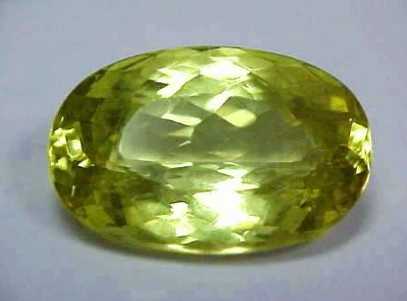
Caring for Your Chrysoberyl Treasure
Good news here. Thanks to that 8.5 hardness, chrysoberyl is a dream to care for compared to opals or pearls. You don't need to baby it.
Ultrasonic cleaners are generally safe for untreated stones, but I'm always a bit cautious. Why risk it? Warm soapy water, a soft brush, and a rinse is the safest bet. Steam cleaners are usually fine too, but avoid them if the stone has any fractures or clarity enhancements (which, again, are rare for chrysoberyl).
Store it separately from harder gems like diamonds, sapphires, and other chrysoberyls to prevent scratches. Common sense stuff. The main thing is to enjoy wearing it—its durability is a key feature.
Answers to the Questions You're Probably Asking
Is chrysoberyl the same as beryl (like emerald)?
No, and this is a crucial mix-up. They are completely different minerals. Beryl is a silicate (Be3Al2Si6O18), which gives us emerald, aquamarine, and morganite. Chrysoberyl is an oxide (BeAl2O4). Different chemistry, different crystal structure. The similar-sounding name is a historical accident.
What is the rarest type of chrysoberyl?
Hands down, a fine, large alexandrite with a vivid color change. A natural, untreated alexandrite over 5 carats with a strong green-to-red shift is a museum piece. After that, a cat's eye chrysoberyl with a spectacular, sharp eye and excellent body color is also highly rare. Ordinary yellow or brown chrysoberyl without phenomenal effects is much more common.
Can chrysoberyl be used in an engagement ring?
From a durability standpoint, absolutely. An 8.5 on the Mohs scale is excellent for daily wear. The question is more about style and budget. A cat's eye can be a stunning, unique choice. An alexandrite would be a phenomenal conversation starter, but securing a high-quality stone in a size suitable for a center stone will be very expensive. It's a fantastic option for someone wanting something beyond the traditional.
How can I test if my alexandrite is real at home?
You can do a basic light test. Look at it under bright daylight (near a window) and then under a standard incandescent bulb or a candle flame (carefully!). A real alexandrite should show a noticeable color shift. No shift? It's likely a simulant. A strong shift? It could be real or synthetic. That's where home tests end. For definitive answers on natural vs. synthetic and any treatments, you need a gemologist and likely a lab report. The U.S. Geological Survey publishes mineral commodity summaries that sometimes touch on gemstone sources and can provide context on rarity, but they won't authenticate your stone.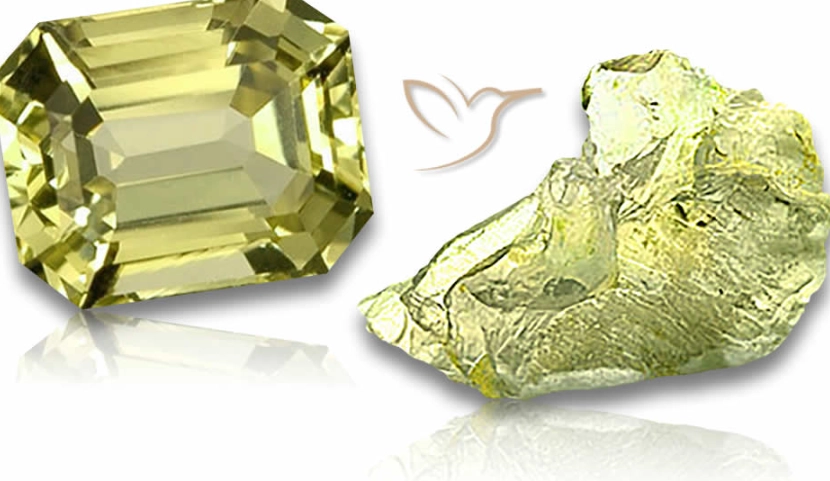
Where are the main sources of chrysoberyl today?
The landscape has shifted. The classic Russian deposits are largely exhausted. Today, the major players are:
- Brazil: (Minas Gerais, Espírito Santo) The leading source for both alexandrite and cat's eye, producing a wide range of qualities.
- Sri Lanka: A historic source known for beautiful cat's eyes and some alexandrite, often with a more subtle color change.
- India: (Orissa, Andhra Pradesh) Emerging as a source of good-quality alexandrite.
- Tanzania: (Tunduru) Producing some very fine alexandrite in recent decades that rivals the best.
- Other sources include Madagascar, Zimbabwe, and Myanmar.
So, there you have it. Chrysoberyl is more than a gem; it's a lesson in geology, optics, and market dynamics wrapped in a breathtaking package. Whether you're drawn to the theatrical shift of alexandrite or the mysterious gaze of a cat's eye, understanding what makes this mineral tick is half the fun of owning it. Go look at some with this new knowledge. You'll see them in a completely different light. Literally.