Explore This Guide
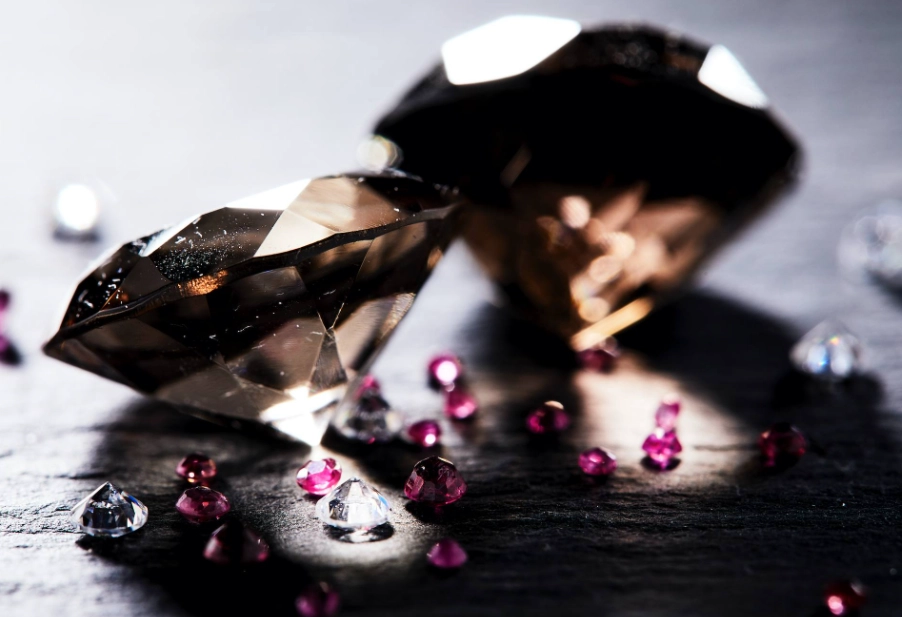
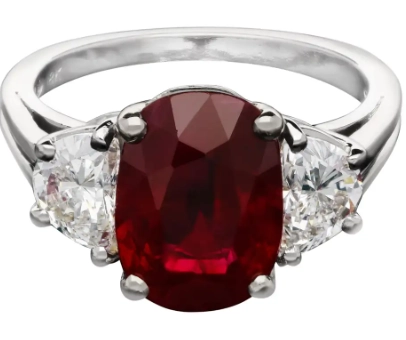
I bet you first heard the name "spinel" at a jewelry show or maybe in an online forum. And your first thought was probably, "Wait, what is that? Is it new?" That's the reaction I get all the time. It's funny, because spinel has been around for centuries, sitting right under our noses, often mistaken for its more famous cousins. For the longest time, if you saw a stunning red gem in a crown or a royal collection, you'd just assume it was a ruby. More often than not, you'd be wrong. Some of the most famous "rubies" in history, like the 170-carat "Black Prince's Ruby" in the British Imperial State Crown, are actually spinels. Talk about an identity crisis.
So let's clear the air. Spinel is a separate mineral, with its own unique chemistry and crystal structure. It's not a type of ruby, nor is it a cheap imitation. It's a gemstone in its own right, and in my opinion, it's one of the most unfairly overlooked treasures in the gem world. I remember the first time I held a fine red spinel next to a ruby of similar color. The spinel had this incredible vividness, a sort of electric glow that the ruby, beautiful as it was, seemed to lack. That's when I got hooked.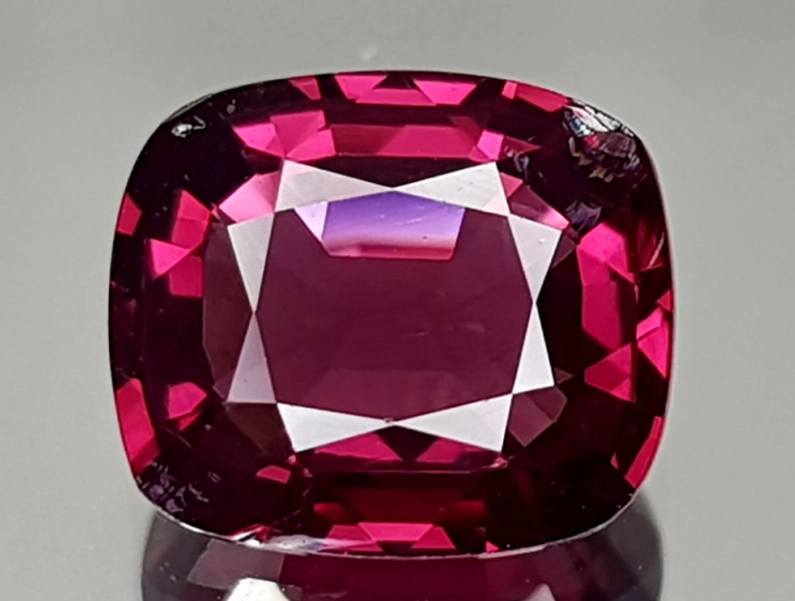
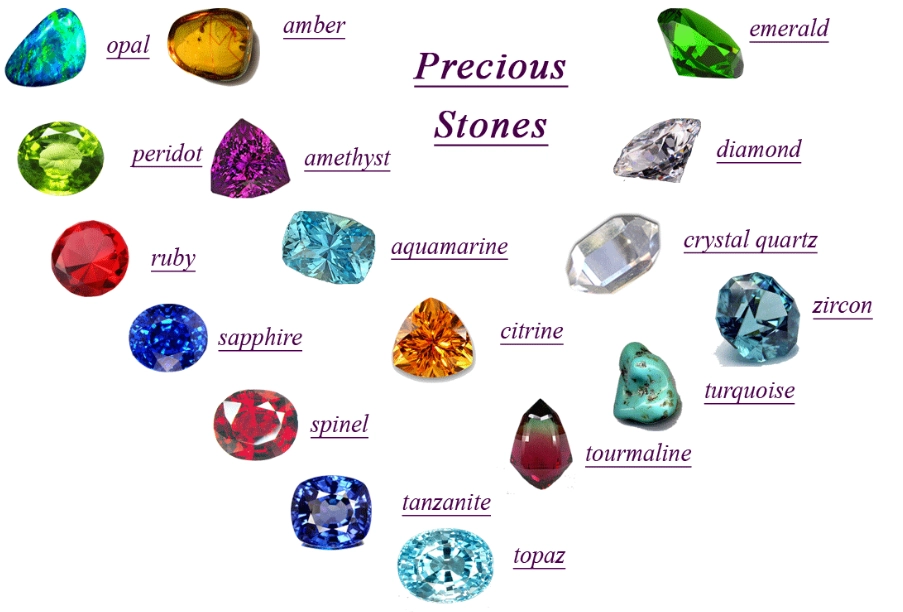
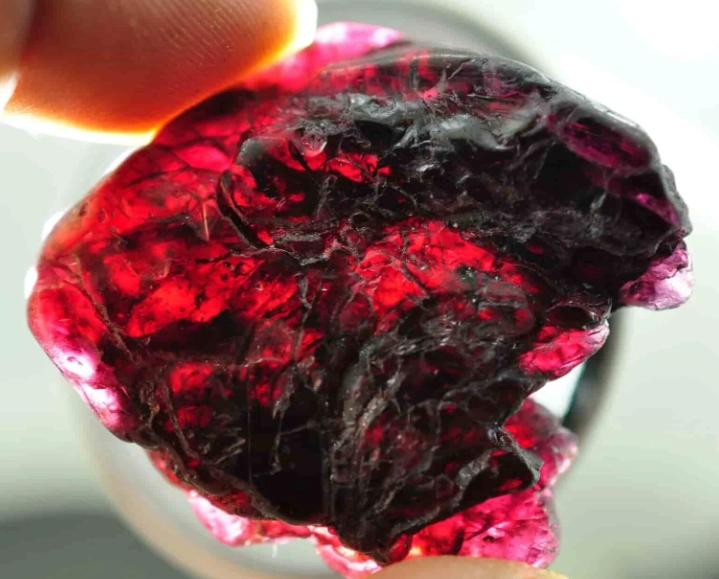
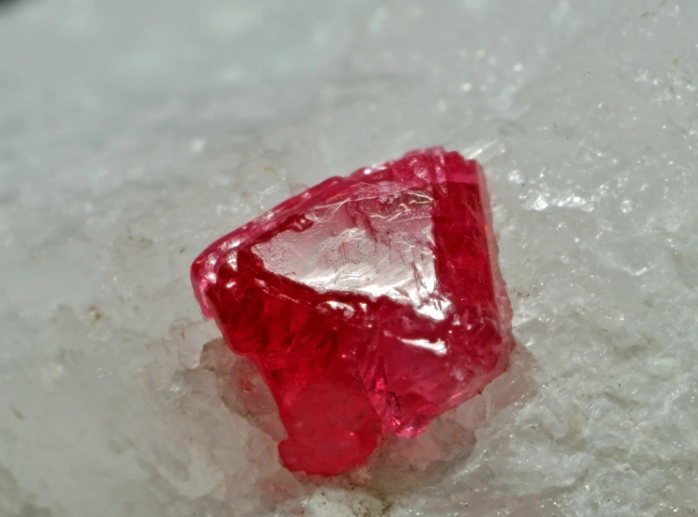
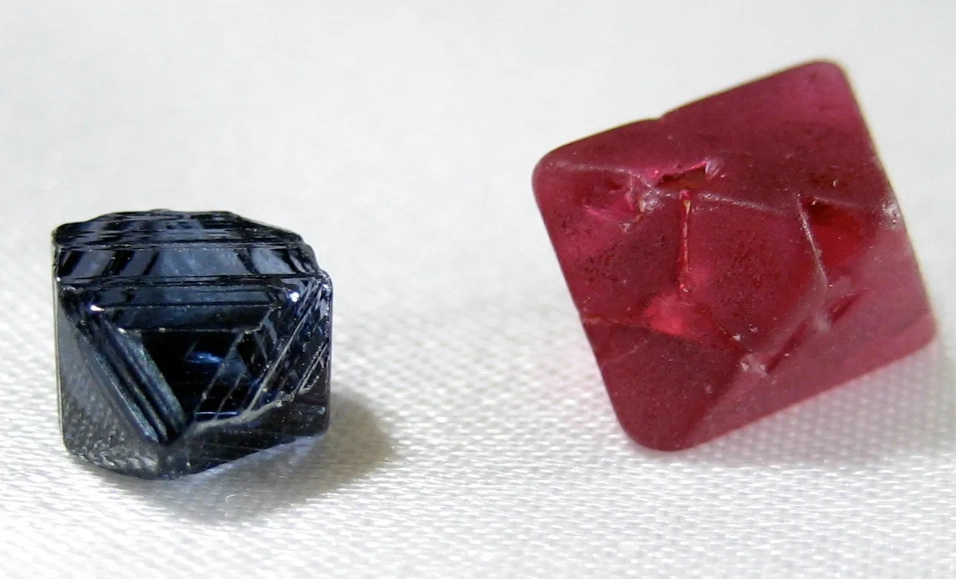
Quick Chemistry Bit: Spinel is magnesium aluminum oxide (MgAl₂O₄). That dry formula doesn't do it justice, but it's the trace elements like chromium (for reds and pinks) and iron or cobalt (for blues) that create its unbelievable palette. Unlike corundum (ruby/sapphire), it forms in beautiful octahedral crystals that often look like two pyramids stuck together at the base.
Why Has Spinel Been the Gem World's Best Kept Secret?
The history of spinel is a story of mistaken identity. For centuries, miners in places like Myanmar (Burma) and Sri Lanka would dig up these brilliant red crystals alongside rubies. They looked similar, came from the same ground, so they were all called "ruby." The rulers and emperors who bought them didn't know the difference either. It wasn't until the late 18th century that scientists distinguished spinel as a distinct mineral species. By then, the name "ruby" had all the prestige and market power.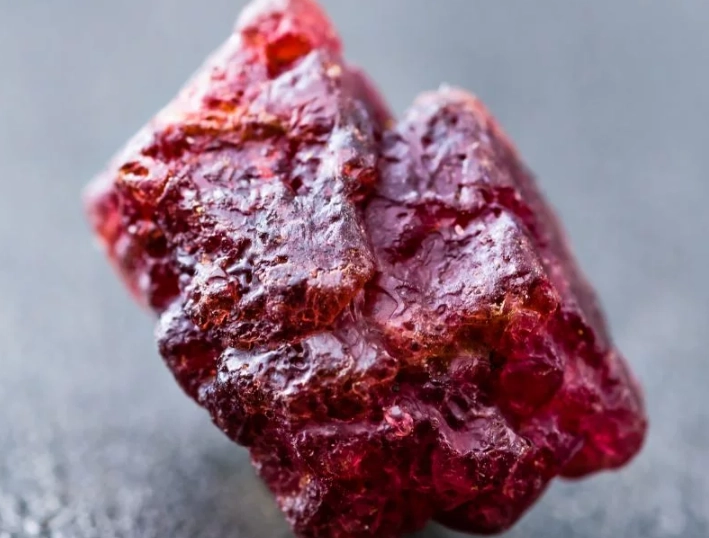
This historical mix-up created a weird paradox. Spinel was good enough to be used in the most important royal regalia, mistaken for the most prized gem, yet it never got to build its own reputation. It was always in ruby's shadow. Even today, that legacy affects its price and awareness, which, if you're a buyer, can be a huge opportunity. You're getting a stone with royal provenance and stunning beauty, often at a fraction of the cost of its look-alike.
But things are changing. Gemologists and informed collectors have been championing spinel for decades. The Gemological Institute of America (GIA) has extensive resources that clearly differentiate it. The secret is getting out, and prices for top-quality material, especially from legendary sources like Myanmar, have been steadily climbing. It's not the bargain it was 20 years ago, but it still offers incredible value.
What Makes a Spinel Valuable? It's All About the Color
Forget the Four Cs for a minute. With spinel, it almost always starts and ends with color. This is a gemstone that delivers some of the most saturated, pure hues you'll ever see. Clarity and size matter, but they play second fiddle to that incredible color.
Personal Take: I've seen a lot of gemstones, but a fine Burmese red spinel under good light is a religious experience. It's not just red; it's a vibrant, almost neon-like red that seems to come from within the stone. Rubies can sometimes have a slightly purplish or brownish secondary tone, but the best red spinels are just... purely, intensely red. It's breathtaking.
Let's break down the color spectrum, because spinel isn't just a red gem.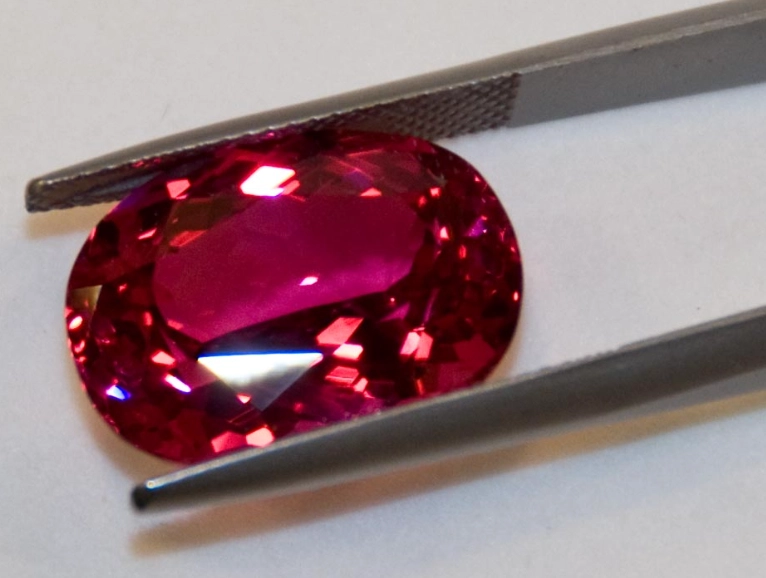
The Color Champions of Spinel
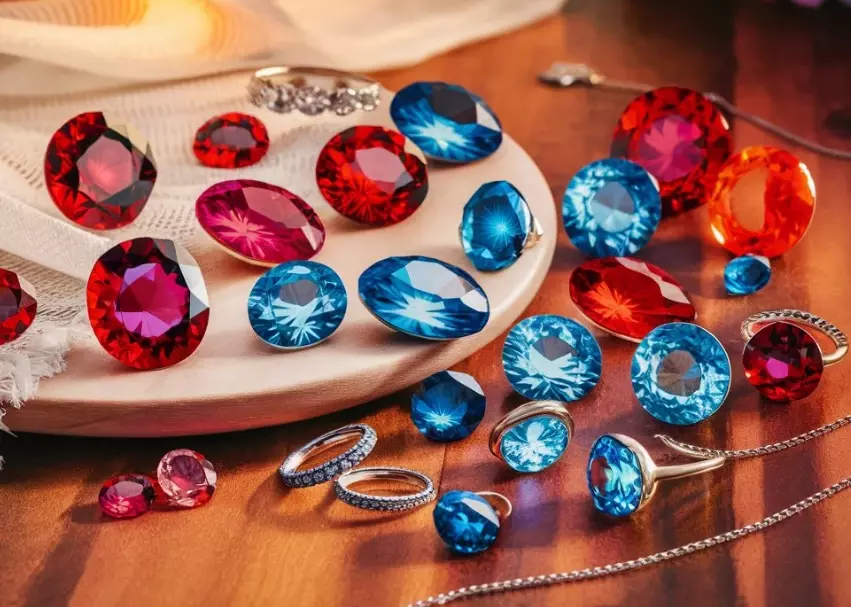
When people think of spinel, they usually picture red. But the variety is stunning.
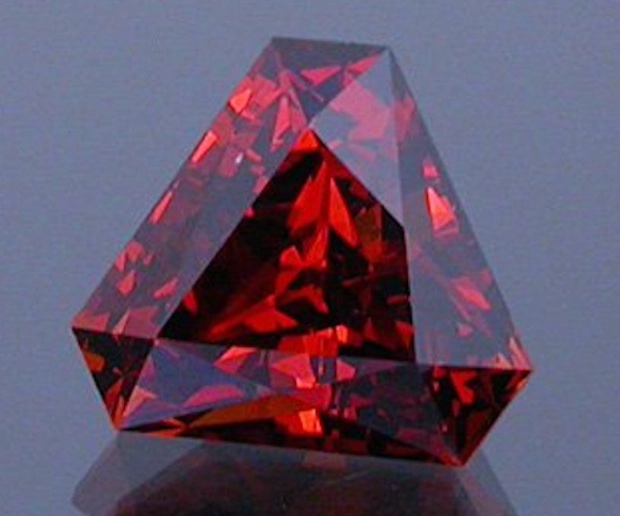
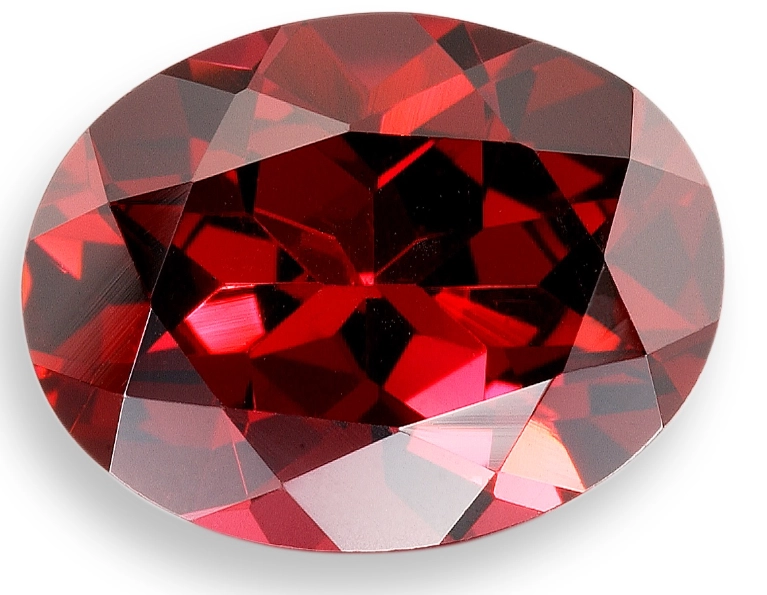
- Flame Red & Hot Pink (Burmese Spinel): This is the king. Sourced primarily from Myanmar, these spinels get their color from chromium, just like rubies. The most coveted shade is a vivid, medium-toned red, often called "jedi spinel" in the trade (a nickname for stones with no dark tones). The pinks from this region are also legendary—vibrant and electric.
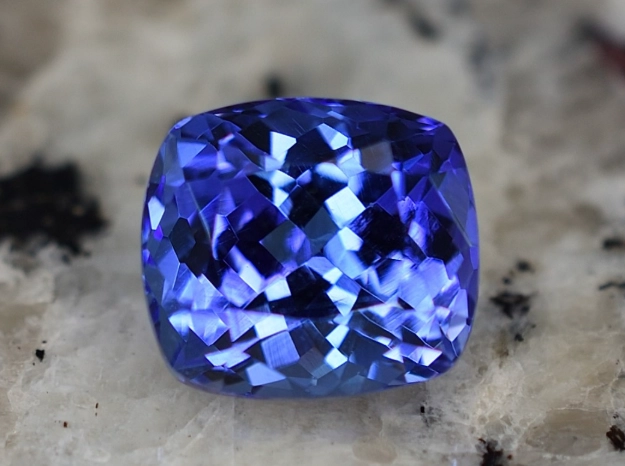
- Cobalt Blue Spinel: This is the unicorn. Natural blue spinel is usually a pale, grayish blue caused by iron. But when cobalt is present, you get an intense, saturated blue that rivals the finest sapphires. It's extremely rare, especially in larger sizes. Most of it comes from Vietnam and Sri Lanka, and the prices reflect that rarity.
- Vivid Magenta & Purple: Often from Tanzania or Vietnam, these stones bridge the gap between red and blue. They can have an almost neon-like intensity that's very modern and eye-catching.
- Pastel Hues: Don't overlook the soft lavenders, baby pinks, and grayish-blues. They have a delicate, ethereal beauty that's perfect for subtle, elegant jewelry. These are more available and can be a great entry point.
But here's a reality check. Not all spinel color is natural. Like many gems, some spinels are heat-treated to improve their color. This is a standard, accepted practice in the industry (it's permanent and stable), but it does affect value. An unheated, vivid red spinel will command a significant premium over a heated one of similar appearance. Always, always ask about treatments.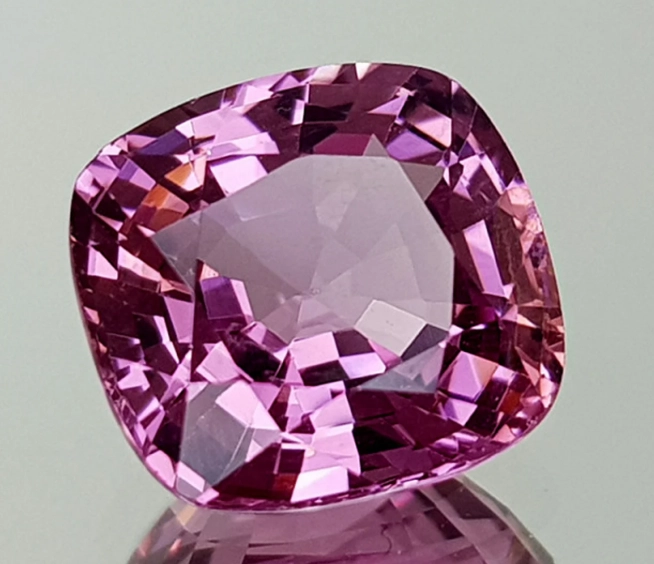
How to Buy a Spinel: A No-Nonsense Guide
So you're interested. Maybe you're looking for an engagement ring alternative, or a standout piece for your collection. How do you navigate the market? It can feel tricky because it's less common than a diamond or sapphire. Here's my step-by-step approach, born from a lot of trial and error (and a few regrets).
First, set your priorities. What's most important? Is it a specific color? Size? Budget? Or the fact that it's completely untreated? You can't have it all unless your budget is unlimited. For most people, I'd prioritize color first, then size, then treatment status. A smaller, beautiful, unheated stone is better than a larger, mediocre-looking one.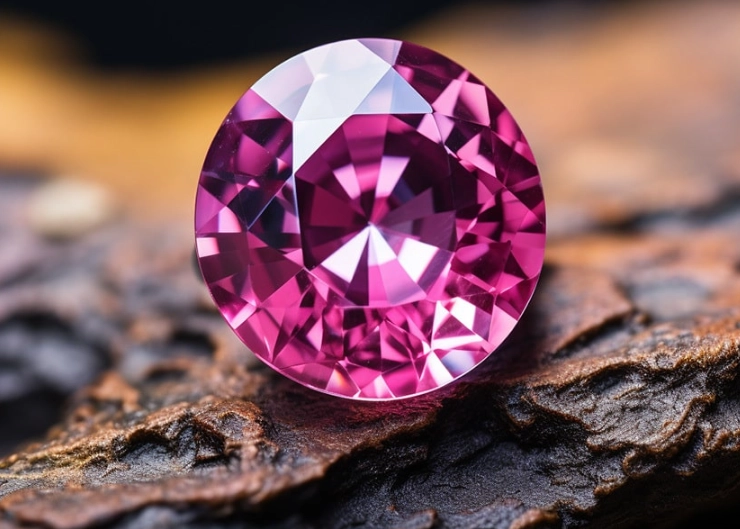
Second, learn the sources. Origin affects both color and price.
- Myanmar (Burma): The classic source for the best reds and pinks. The name carries a premium, similar to "Kashmir" for sapphires.
- Vietnam: Produces fantastic cobalt blues and vibrant purples. A relatively new source that has revolutionized the market for blue spinel.
- Tanzania: Known for bright magentas and pinks, often with great clarity. A great source for more affordable, colorful stones.
- Sri Lanka: Produces a wide range, from pastels to some reds and blues. Often has excellent clarity.
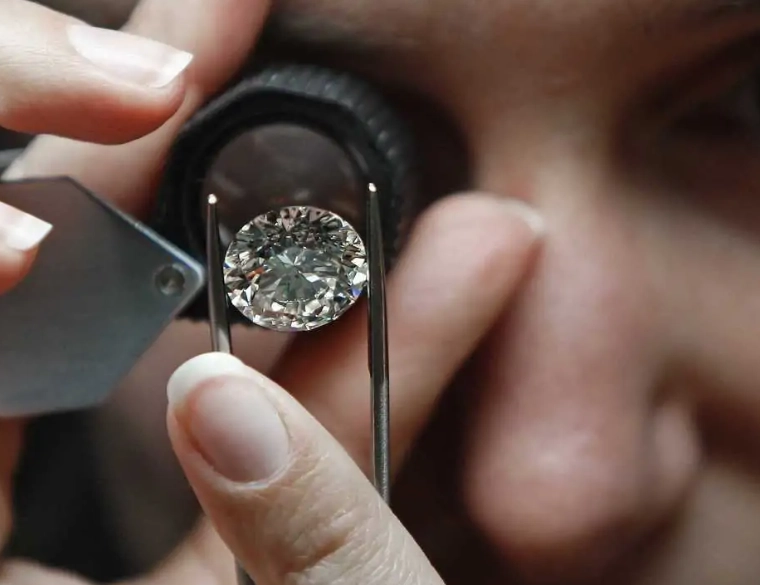
Third, examine the stone, not just the certificate. A report from a reputable lab like GIA or AGL is essential. It will confirm the identity, note any treatments, and sometimes comment on origin. But don't buy based on a paper alone. You need to see the stone in person or via high-quality videos in different lights. Look for:
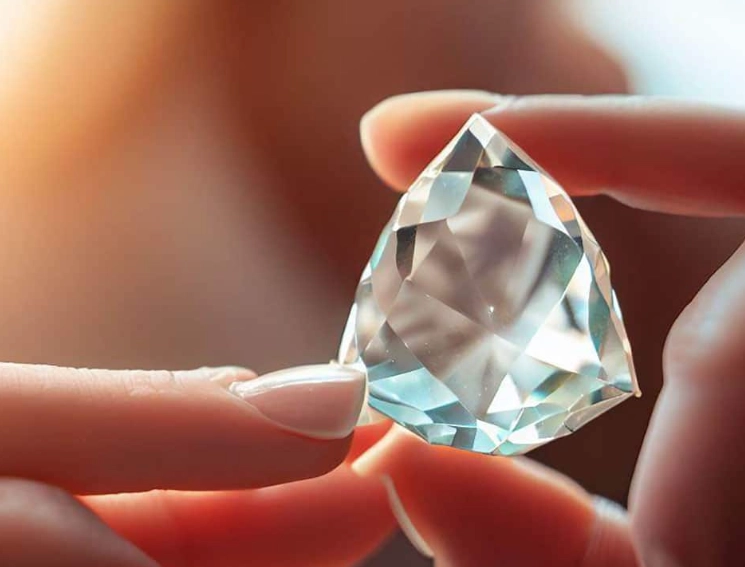
- Windowing: Is the color washed out in the center because the stone is cut too shallow? A well-cut spinel should have even color saturation across the facets.
- Extinction: Are there dark, dead patches where light doesn't return? Some is normal, but large black areas can make the stone look dull.
- Inclusions: Spinel is typically cleaner than ruby. But some have lovely, fingerprint-like inclusions. As long as they don't compromise durability or look like cracks to the naked eye, they can be acceptable, especially if they lower the price.
Watch Out: There are synthetic spinels on the market. They've been around since the early 1900s and are used in everything from cheap birthstone rings to scientific instruments. A reputable lab report is your best defense against accidentally buying a synthetic passed off as natural. If a deal seems too good to be true for a large, vivid stone, it probably is.
Spinel vs. The Competition: How Does It Stack Up?
People are always comparing. Is it better than a ruby? Is it like a sapphire? Let's put them side-by-side.
| Feature | Spinel | Ruby (Corundum) | Sapphire (Corundum) |
|---|---|---|---|
| Hardness (Mohs Scale) | 8 | 9 | 9 |
| Brilliance & Fire | High refractive index, excellent brilliance. Can be very lively. | Bright, but can be less fiery than spinel due to double refraction. | Similar to ruby, but depends on cut and color. |
| Typical Clarity | Often very clean to the eye. Inclusions are less common than in ruby. | Frequently included. A "clean" ruby is rare and expensive. | Varies widely. Some sources (like Kashmir) are famously silky. |
| Color Range | Reds, pinks, blues, purples, lavenders, grays. No green or yellow from pure spinel. | Red to purplish-red. Pinkish-red is often called "pink sapphire." | Every color but red (those are rubies). Blue is most classic. |
| Price Point (for high quality) | Generally lower than equivalent ruby/sapphire, but top reds/blues command high prices. | The most expensive colored gemstone per carat, especially for unheated Burmese material. | High for fine blue (Kashmir, Burmese). Other colors vary. |
| Treatments | Commonly heated. Rarely diffused or filled. | Almost always heated. Often filled with glass or lead for clarity. | Commonly heated. Some diffusion-treated for color. |
| Durability for Rings | Excellent (8 is very hard). Perfectly suitable for daily wear. | Excellent (9 is harder). The benchmark for durability. | Excellent (9 is harder). The benchmark for durability. |
See? Spinel holds its own. The hardness of 8 is a big point. People get hung up on it not being a 9 or 10 like diamond. But let's be practical. On the Mohs scale, which is about scratch resistance, the jump from 8 to 9 is not as dramatic as from 7 to 8. Quartz (dust in everyday air) is a 7. So a spinel, at 8, is resistant to being scratched by most things in your environment. It's a highly durable gem for rings. The International Gem Society has a great article on wearability that backs this up—they list spinel as an excellent choice for rings.
Your Spinel Questions, Answered
I get asked these all the time. Let's tackle them head-on.
Is spinel a natural gemstone or is it lab-created?
Both exist. Natural spinel is mined from the earth and has been for centuries. Lab-created (synthetic) spinel has also been made since the early 1900s. They have the same chemical and physical properties. The critical thing is that any seller must disclose if a stone is synthetic. Natural spinel is what collectors and jewelry lovers seek. Always get a certificate from a major lab for any significant purchase to be sure.
Can spinel be used in an engagement ring?
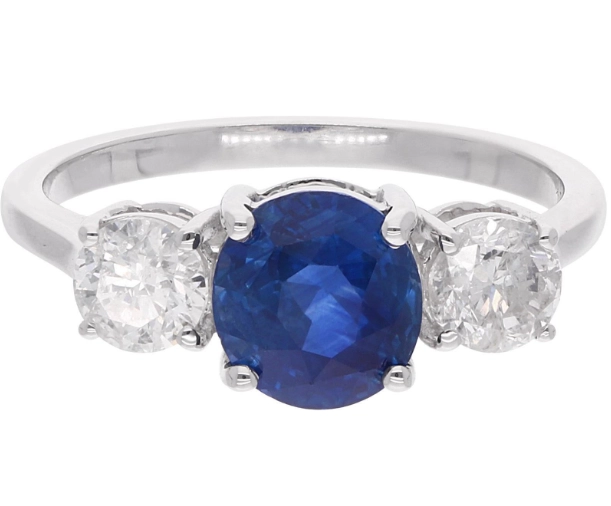
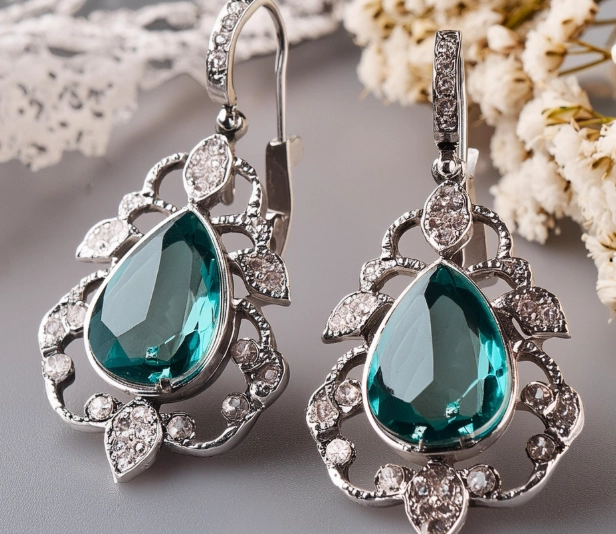
Absolutely, and I think it's a fantastic choice. Its hardness (8) is more than sufficient for daily wear. It's tougher than emerald, tourmaline, or tanzanite, which are all used in rings. The fact that it's often cleaner and more brilliant than a ruby is a bonus. A well-set spinel engagement ring is unique, meaningful, and durable. I know several people who have gone this route and couldn't be happier.
Why is some spinel so expensive and some so cheap?
It's all about quality, color, and origin. A small, pale lavender spinel from a common source might be very affordable. A 3-carat, unheated, vivid red "jedi" spinel from Myanmar will cost tens of thousands of dollars per carat. The blue cobalt spinels are in a similar high-tier price bracket. The market has finally recognized the rarity of the best material.
How do I clean and care for my spinel jewelry?
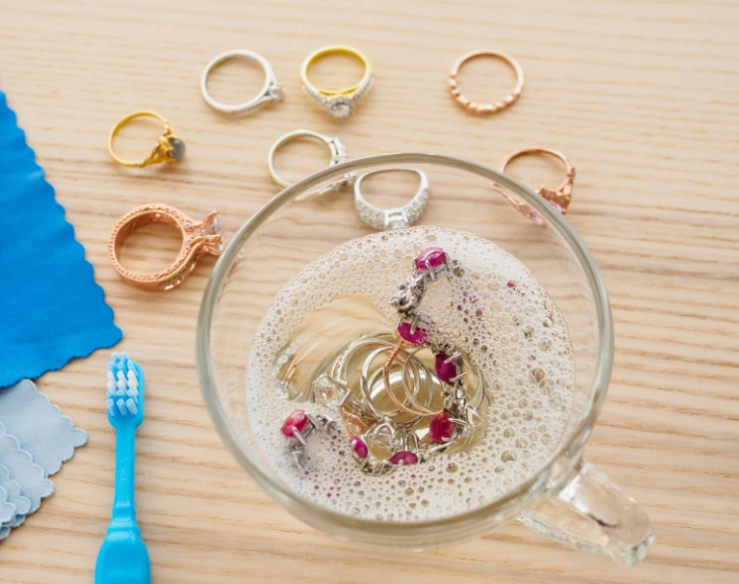
Easy. Warm soapy water, a soft brush, and a rinse. Ultrasonic cleaners are usually safe for spinel unless it has fractures or is set with other, more fragile gems. Steam cleaners are generally fine too. The main thing is to avoid harsh chemicals and, as with any jewelry, remove it during heavy manual work or gym sessions. Store it separately to avoid scratches from harder gems. The American Gem Society provides good general care guidelines that apply well to spinel.
What's the difference between "Burmese" spinel and others?
It's partly about color and partly about prestige. Historically, the Mogok region of Myanmar produced the most iconic red spinels with a perfect balance of tone and saturation—not too dark, not too light, just intensely red. Stones from this origin have a proven track record of beauty and durability. Other sources, like Tanzania or Vietnam, can produce equally stunning colors, but the "Burma" name carries a historical weight and a corresponding price premium in the market. A lab report can often determine origin based on trace element chemistry.
Final Thoughts: Is Spinel Right for You?
Look, spinel isn't for everyone. If you want a gem everyone immediately recognizes, stick with a diamond or a blue sapphire. Part of spinel's charm is its subtlety, its "if you know, you know" quality. It's for the person who values beauty and history over brand name recognition.
I love it because it feels like a smart buy. You're getting geological rarity, historical significance, and optical beauty that often surpasses the more expensive options. The market is still catching up, which creates a window of opportunity. That window is narrowing for the best colors, but it's still there.
My advice? Go see some in person. Visit a reputable jeweler who specializes in colored stones. Ask to compare a spinel and a ruby side-by-side. See the difference in the red, the clarity, the fire. Feel the weight of the history—this stone that fooled kings and queens. Then decide.
And if you do, get it properly set, insured, and enjoy it. Wear it with the knowledge that you're part of a long, royal tradition, finally giving spinel the recognition it deserves as a star in its own right, not just a stand-in for another gem. The age of spinel hiding in plain sight is over.