Quick Guide to This Article
- What Exactly Is Kunzite? Breaking Down the Basics
- The Meaning and Healing Properties: Beyond the Hype
- Kunzite vs. Other Pink Stones: How Does It Stack Up?
- The Ultimate Kunzite Buying Guide: What to Look For
- Caring for Your Kunzite: Keeping the Pink Alive
- What's the Real Value? Pricing Kunzite Honestly
- Frequently Asked Questions (The Stuff You're Actually Searching For)
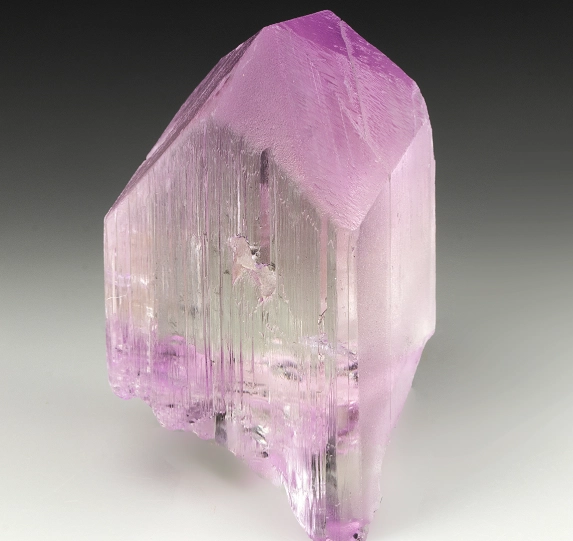
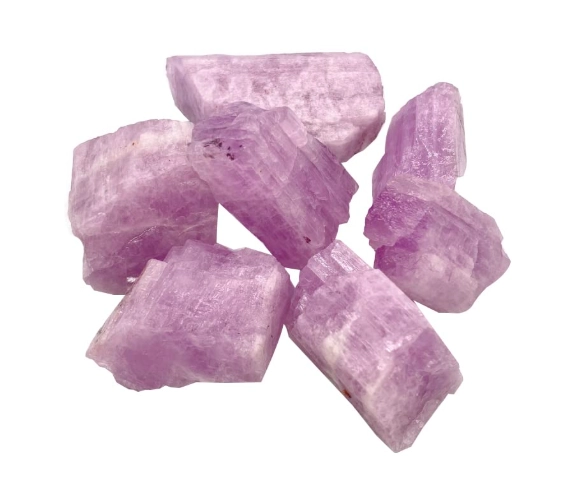
I remember the first time I held a piece of kunzite. It wasn't in some fancy jeweler's case, but at a small mineral show tucked away in a community hall. A dealer had a tray of rough crystals, and one of them caught the light in this soft, almost shy, pinkish-lavender way. It was different. It wasn't screaming for attention like a ruby, but it had this quiet, calming depth. I asked what it was. "Kunzite," he said. "The stone of the heart. It's a spodumene, like hiddenite, but pink." I was hooked. That moment started a years-long curiosity that turned into a bit of an obsession. And now, I want to save you the years of piecing information together and just lay it all out here.
If you've landed on this page, you're probably asking some version of: "What is this beautiful pink stone, and is it right for me?" Maybe you saw a piece of jewelry, heard about its so-called healing properties, or are just a gem nerd like me. Whatever the reason, you're in the right spot. We're going to go deep—past the basic Wikipedia facts and into what you actually need to know if you're thinking about buying, using, or just understanding kunzite.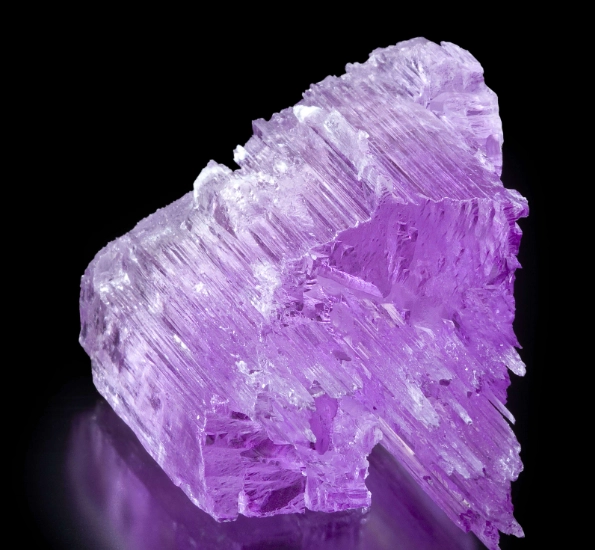
What Exactly Is Kunzite? Breaking Down the Basics
Let's get the textbook stuff out of the way first, but I promise to keep it painless. Kunzite is the pink-to-violetish variety of the mineral spodumene. Spodumene itself is a lithium aluminum silicate, which sounds boring until you realize lithium is a key component in our phone batteries. So yeah, your kunzite is chemically related to the thing powering your smartphone. Weird, right?
It was discovered in Connecticut, USA, back in 1902 and was named after George Frederick Kunz, the legendary gemologist and Tiffany & Co.'s chief jeweler at the time. He was the guy who could get people excited about stones no one had heard of. The color in kunzite comes from trace amounts of manganese. Here's the first crucial thing to know: kunzite is pleochroic. That's a fancy word meaning it shows different colors when viewed from different angles. One angle might give you a strong pink, another a almost colorless look, and a third a deeper violet. A good cutter has to orient the raw crystal perfectly to get the best face-up color. If they mess it up, the finished gem can look washed out.
It's also relatively hard, scoring a 6.5 to 7 on the Mohs scale. That means it's suitable for jewelry, but with a big, important caveat we'll talk about later. It has perfect cleavage, which is a gemological term for a tendency to split along certain planes. This makes cutting it tricky and wearing it in rings a bit of a calculated risk.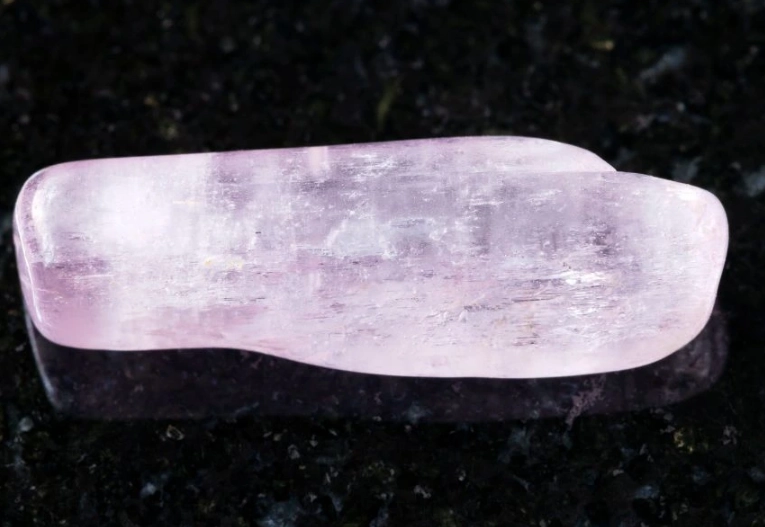
The Meaning and Healing Properties: Beyond the Hype
This is where things get interesting, and honestly, a bit divisive. Talk to a traditional gemologist, and they'll stick to the physics and chemistry. But in the world of crystals and metaphysics, kunzite is a heavyweight. It's almost universally called the "stone of the heart."
The lore says kunzite's energy is profoundly connected to the heart chakra, promoting unconditional love, compassion, and emotional healing. It's said to be excellent for soothing anxiety, releasing old emotional wounds, and fostering a sense of peace. Some even link it to the higher heart chakra (thymus) and the crown chakra, suggesting it can bridge heartfelt emotion with spiritual insight.
Now, my personal take? I'm skeptical of claims that a stone can "cure" anything. You shouldn't ever replace medical advice with a crystal. But. I do think there's something to the ritual and intention. The gentle, calming color of kunzite itself is a visual tranquilizer. Holding a cool, smooth piece when you're stressed forces you to pause, to breathe, to focus on something beautiful and positive. That act alone has therapeutic value. Whether it's the stone's "energy" or a powerful psychological tool, the effect can be real for the user. So I say: if it helps you, use it. Just be smart about it.
Common ways people use kunzite include:
- Wearing it as a pendant over the heart.
- Placing a tumbled stone under a pillow to encourage peaceful sleep (though a large, pointy crystal might be physically uncomfortable!).
- Holding it during meditation to focus on themes of love and release.
- Keeping a piece in a space where you need to foster calm, like a home office or living room.
Kunzite vs. Other Pink Stones: How Does It Stack Up?
You might be wondering, why choose kunzite over, say, a pink sapphire, morganite, or rose quartz? It's a great question. Each has its own vibe and practical considerations.
Let's break it down in a way that's actually helpful:
| Gemstone | Color Range | Mohs Hardness | Durability for Daily Ring Wear | Typical Price Point (for good quality) | The Vibe |
|---|---|---|---|---|---|
| Kunzite | Light pink to violet-pink | 6.5-7 | Low to Medium. Best in pendants/earrings. | $$ (Moderately Priced) | Soft, spiritual, calming, empathetic. |
| Pink Sapphire | Hot pink to pastel pink | 9 | Excellent. A forever ring stone. | $$$$ (Expensive) | Classic, luxurious, strong, vibrant. |
| Morganite | Peachy-pink to salmon | 7.5-8 | Good. Safer for rings than kunzite. | $$$ (Moderate to High) | Romantic, warm, modern, bridal. |
| Rose Quartz | Cloudy pale to rosy pink | 7 | Low. Often scratched/chipped. | $ (Inexpensive) | Gentle, loving, accessible, beginner-friendly. |
See the trade-off? Kunzite offers a unique color and that famous metaphysical reputation at a much more accessible price point than sapphire. But you pay for it in durability. It's the dreamy, sensitive artist of the pink gem world—beautiful but needs a bit of protection.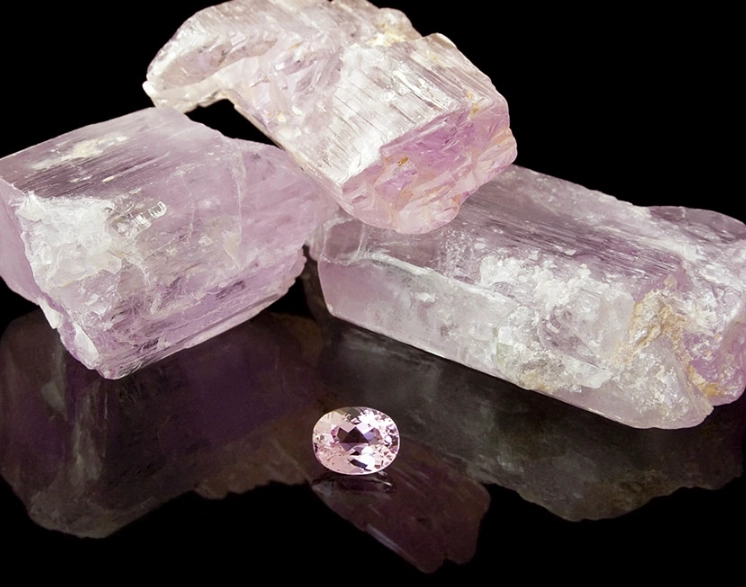
The Ultimate Kunzite Buying Guide: What to Look For
Okay, you're interested. Maybe you're even ready to buy. Don't just click "add to cart" on the first pretty picture you see. Here’s my no-nonsense guide to picking a good piece of kunzite.
Color: It's All About the Saturation
The most valuable kunzite has a strong, vivid pink or violet-pink saturation. Pale, washed-out stones are much more common and less expensive. Remember the pleochroism? A well-cut stone will show the richest color when you're looking straight down at it (face-up). Tilt it, and the color might almost disappear—that's normal. But if it looks pale from the top, it's probably just a pale stone. I personally love the lilac undertones some pieces have; it makes the color more complex than just plain pink.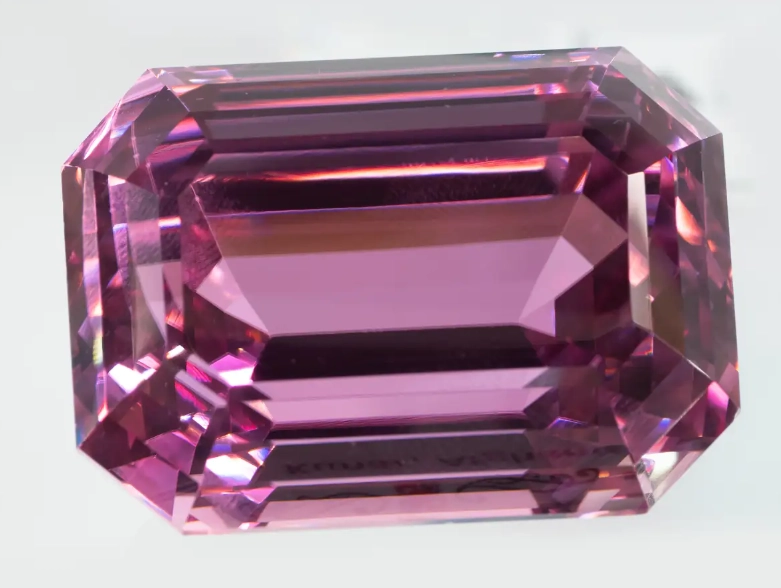
Clarity: Eye-Clean is the Goal
Kunzite is typically Type I clarity, meaning it's usually grown in nature to be very clean. You should expect an eye-clean stone (no visible inclusions to the naked eye). If you see obvious cracks or clouds, the price should drop significantly. Those inclusions, especially along cleavage planes, make the stone even more fragile.
Cut: The Cutter Makes or Breaks It
This is critical. Because of the cleavage and pleochroism, cutting kunzite is a specialist's job. A great cutter will maximize color, hide any minor inclusions in the pavilion (the bottom), and create brilliant facets that make the stone sparkle. A bad cut leaves you with a glassy, dead-looking gem. Look for precision and symmetry. For larger stones, an emerald or oval cut is common as it helps manage the cleavage. You'll also see cushion and pear shapes.
Carat Weight: Size is Available
Here's one of kunzite's biggest selling points: it can form in huge crystals. Finding large, fine-quality specimens of many gems is rare and astronomically expensive. With kunzite, you can get a stunning 10-carat stone for a fraction of what a 2-carat pink sapphire would cost. If you want a statement piece without a statement mortgage, kunzite is a fantastic option.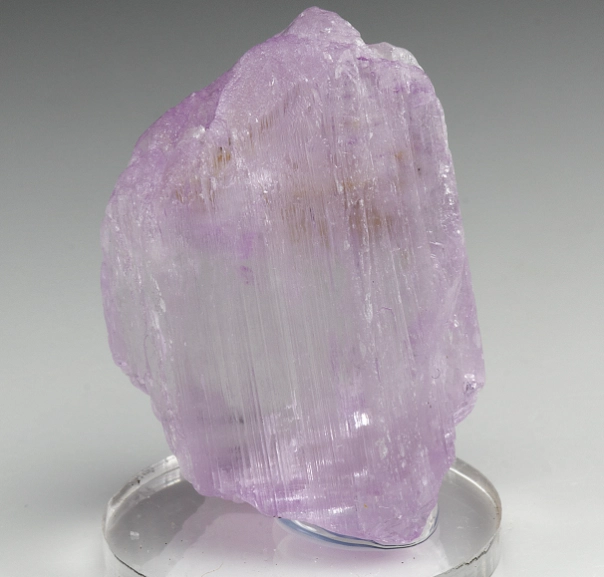
Origin: Does It Matter?
The major sources of gem-quality kunzite are Brazil, Afghanistan, Madagascar, and the USA (California). Brazilian material often has a lovely, saturated color. Afghan kunzite can have a superb clarity. But unlike sapphires or emeralds, the origin doesn't wildly drive the value for kunzite. The quality of the individual stone itself (color, cut, clarity) is far more important than where it came from. A beautiful stone is a beautiful stone.
Caring for Your Kunzite: Keeping the Pink Alive
So you've got your kunzite. How do you keep it beautiful? It's not hard, but it requires a little thought.
- Storage is Key: Keep it in a closed jewelry box when you're not wearing it. Don't leave it on a sunny windowsill as decoration (tempting, but a bad idea).
- Cleaning: Warm, soapy water and a soft brush are fine. Never use steam or ultrasonic cleaners. The heat and vibrations can easily cause fractures along those cleavage planes, literally tearing your stone apart.
- Wearing It: A kunzite pendant or earrings is a safe bet. For a kunzite ring, I'd strongly recommend a protective setting (like a bezel or halo) and reserve it for occasional wear, not daily manual labor. Taking it off to wash dishes, garden, or hit the gym is a must.
- Recharging (The Woo-Woo Part): In crystal practice, people "recharge" their stones. Given kunzite's sensitivity, moonlight is the recommended method, not sunlight. Place it on a windowsill overnight during a full moon. It's safe and feels pleasantly ritualistic.
What's the Real Value? Pricing Kunzite Honestly
Let's talk money. Kunzite is, in my opinion, one of the most undervalued gemstones in the market. You get a lot of beauty for your dollar. Pricing depends intensely on the four Cs we discussed.
A commercial-grade, pale, included kunzite might be just a few dollars per carat. But a fine, vivid pink, eye-clean, well-cut stone from a reputable dealer can range from $50 to $300 per carat, sometimes more for exceptional pieces. Compared to other gems in that color family, it's a bargain. A 5-carat fine kunzite might cost what a 0.5-carat decent pink sapphire does.
Is it an investment? For the average person, no. Most colored stones aren't liquid assets like gold. Its value is in the joy and beauty it brings you. The fact that it's not as widely known as sapphire or emerald means it's less subject to speculative bubbles, which I actually like. You're buying it for what it is, not what you hope to flip it for.
Frequently Asked Questions (The Stuff You're Actually Searching For)
Yes, it can and often does. Kunzite is photosensitive. Prolonged, direct exposure to strong sunlight (ultraviolet radiation) is the main culprit. Think of it like a delicate fabric—you wouldn't leave your favorite pink shirt in the sun to bleach. Store your kunzite jewelry in a dark place when not in use.
I wouldn't recommend it, and most reputable jewelers will advise against it. With a hardness of 6.5-7, it can be scratched by common dust (which contains quartz, hardness 7). Its perfect cleavage also makes it prone to chipping or splitting from a sharp knock. If you want a daily-wear ring, consider a more durable stone like sapphire or morganite, and save kunzite for a pendant or special-occasion ring in a protective setting.
Great question! They can look similar. Chemically, they're completely different (spodumene vs. tourmaline). Pink tourmaline is generally harder (7-7.5), has no cleavage (tougher), and its color is usually more stable. It also tends to have a slightly different pink—often with a more ruby or raspberry tone, whereas kunzite leans lilac or lavender-pink. Tourmaline is also more commonly included. Under a magnifier, they're easy for a gemologist to tell apart. For the GIA's detailed take on tourmaline, check their gem encyclopedia.
At home, the strong pleochroism (color change when you tilt it) is a good clue. Glass or synthetic spinel won't show that effect as dramatically. But honestly, for any significant purchase, get a report from a reputable lab like GIA or AGTA (American Gem Trade Association) members. They can definitively identify it and note any treatments (though kunzite is rarely treated beyond cutting).
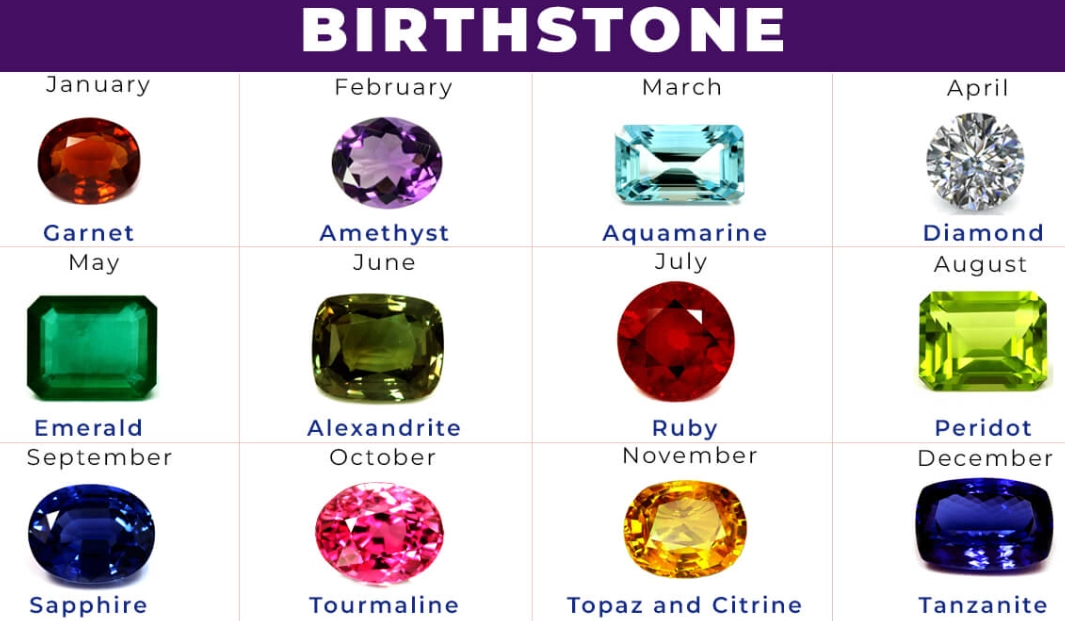
Not in the traditional monthly list. However, it is sometimes cited as an alternative birthstone for February or associated with the Zodiac sign of Taurus. More commonly, it's celebrated as a gem for the 13th and 22nd wedding anniversaries.
Look, at the end of the day, kunzite isn't the toughest or the most famous gem. But it has a soul. That soft, glowing pink feels like a sunrise or a first blush. It's a stone that asks for a little care in return for its beauty. If you're someone who values uniqueness, spiritual connection (or just a gorgeous color), and doesn't mind being a bit careful, then kunzite might just be the perfect, under-the-radar gem for you. It was for me, ever since that day in the community hall.