Essential Insights
- The Painite Story: From Single Specimen to Modern Rarity
- Why Is Painite So Ridiculously Rare?
- Where Does Painite Come From? The Source Map
- The Nuts and Bolts: Painite Properties and Identification
- The Painite Market: Buying, Valuing, and Owning
- Painite in Jewelry and as an Investment
- Frequently Asked Questions About Painite
- Final Thoughts on the World's Rarest Gem
Let's talk about painite. You've probably heard the name thrown around in collector circles or seen it mentioned in lists of the world's most expensive gems. But what is it really? Is it just hype, or is there something genuinely special about this stone? I remember the first time I saw a verified painite specimen in a museum case. It wasn't huge, and honestly, to the untrained eye, it might have been mistaken for a particularly nice garnet or something. But knowing its story, knowing the sheer improbability of it even existing in my line of sight, gave me chills. That's the thing about painite. Its value isn't just in its carat weight or its brilliance—it's wrapped up in a history of scarcity, scientific surprise, and a bit of gemological magic.
For decades after its discovery, the idea of owning a piece of painite was a fantasy for all but a handful of people. The entire known supply could fit in a teaspoon. That's changed a bit now, but not by much. If you're here, you're likely curious about what makes this gem tick, maybe even considering adding one to your collection. Or perhaps you just want to understand what all the fuss is about. This guide is for you. We're going to dig deep, past the clickbait headlines about "the rarest gem," and look at the real story: where it comes from, what it looks like, how much it might actually cost you, and crucially, how to avoid getting scammed if you ever decide to pursue one.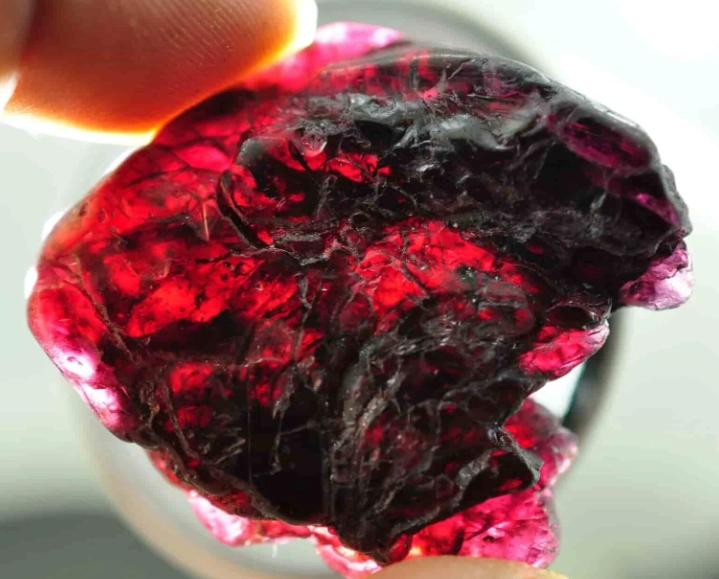
The Core Idea: Painite is a borate mineral, primarily composed of calcium, zirconium, boron, aluminum, and oxygen, with trace elements like chromium and vanadium giving it color. Its rarity stems from the incredibly specific and unstable geological conditions required for its formation, which, for a long time, seemed to have only occurred in one tiny pocket of the world.
The Painite Story: From Single Specimen to Modern Rarity
The tale of painite reads like a gemological mystery novel. It all started in the 1950s in Myanmar (formerly Burma), the same legendary region that gives us the finest rubies and jadeite. A British mineralogist and gem dealer named Arthur C.D. Pain came across a single, dark reddish-brown crystal. Nobody could identify it. It was sent to the British Museum, where it was confirmed as a completely new mineral species in 1957. They named it, fittingly, painite.
And then... nothing. For over half a century, only that original crystal and two others were known to exist. Imagine that. Three stones in the whole world. It held the Guinness World Record for the rarest mineral for a reason. The scientific community knew more about moon rocks than they did about painite. This extreme scarcity wasn't just about being hard to find; it was about being seemingly impossible to find. The conditions that created it were thought to be a one-off fluke of geology.
The big break came in the early 2000s. New deposits were discovered, not in some far-flung new continent, but again in Myanmar. This suddenly—and I mean suddenly in geological terms—increased the known supply. We went from a handful of fragments to several thousand crystals and cut stones. But before you think the market was flooded, let's get real. "Several thousand" for a global market of collectors, museums, and investors is still vanishingly rare. Compare that to the millions of carats of diamonds mined every year. The newfound painite was mostly opaque or heavily included material, suitable for cabochons or mineral specimens. Gem-quality, transparent painite suitable for faceting? That remained, and still remains, exceptionally rare.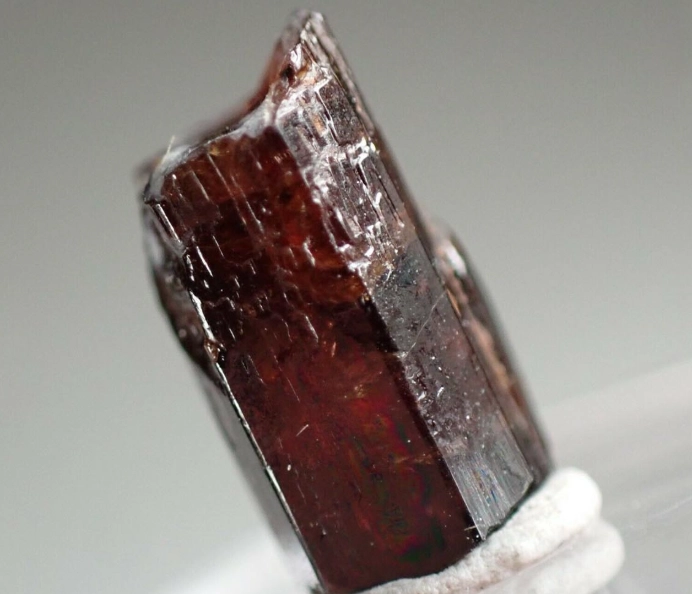
Why Is Painite So Ridiculously Rare?
Okay, so we know it's rare. But why? It's not like someone is hiding it all. The rarity of painite is fundamental to its chemistry and the rock it forms in.
Painite forms in a specific type of metamorphic rock, typically associated with marble and in close proximity to ruby deposits. The recipe calls for high levels of boron and zirconium to be present together under intense heat and pressure. Here's the kicker: zirconium and boron don't usually hang out in the same geological neighborhoods. Getting them together in the right concentrations is like winning the lottery. On top of that, the chemical structure of painite (its crystal lattice) is incredibly complex and dense. It's a fussy mineral. The conditions have to be just perfect, and even then, the crystals are often small, fractured, or packed with inclusions.
The primary—and for a long time, only—source has been the Mogok Stone Tract in Myanmar. This area is famous for its "pigeon's blood" rubies, and it turns out the geological processes that create those rubies sometimes, on very rare occasions, also spit out a little painite. Newer finds in the nearby Kachin state have added to the supply, but they haven't fundamentally changed the scarcity equation. No significant deposits have been found anywhere else on Earth, despite extensive searching. This extreme geographical limitation is the second major pillar of its rarity.
The Scarcity Breakdown:
1. Geochemical Improbability: Requires coinciding high concentrations of rare elements (Zr & B).
2. Geographical Limitation: Only found in significant quantities in one country (Myanmar).
3. Gem-Quality Yield: Even when found, most material is not clean or transparent enough to facet.
So when someone asks, "Is painite the rarest gem?" the answer is nuanced. In terms of a named mineral species available as gem material, it's certainly a top contender. There are rarer minerals, but you'll never see them cut into a gem you can set in a ring. Painite sits in that sweet spot of being both mineralogically rare and gemologically usable, which is what makes it so compelling and valuable.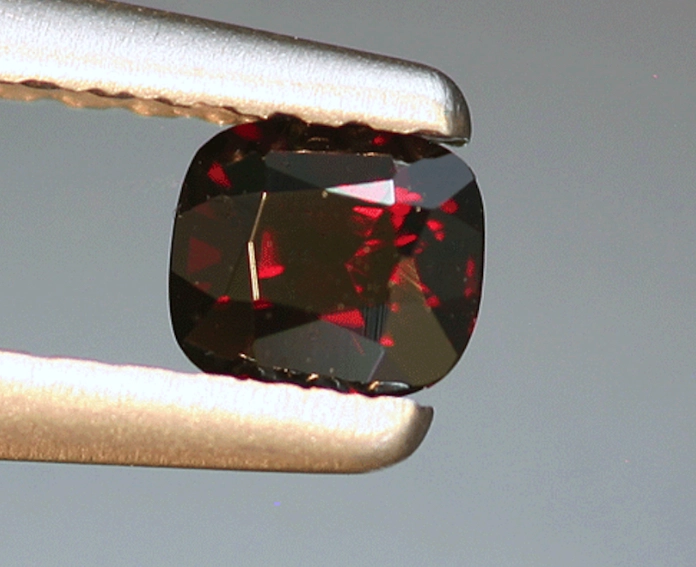
Where Does Painite Come From? The Source Map
All commercial painite has come from Myanmar. It's a country with a complex political and ethical landscape, especially regarding gem mining. This adds another layer of consideration for any potential buyer concerned about provenance. The main areas are:
| Region | Type of Material | Notes & Era |
|---|---|---|
| Mogok Stone Tract | The original source. Historically yielded the very first crystals. Material from here is often associated with ruby mining and is the most legendary. | Extremely limited production post-2000. Any stone from Mogok commands a significant premium and requires rock-solid provenance. |
| Kachin State (near Namya) | The source of the 2000s discovery. Produced the majority of painite on the market today. Ranges from opaque mineral specimens to rare transparent pieces. | This is where the "new" supply came from. Material varies wildly in quality. Most faceted stones you see for sale will originate from here. |
| Other Myanmar Locales | Occasional tiny finds are reported, but nothing constituting a major deposit. | Highlights the unpredictability and scarcity of painite formation. |
It's worth noting that the mining and export of gems from Myanmar, especially in recent years, has been subject to international sanctions and ethical scrutiny due to human rights concerns. A responsible buyer should be acutely aware of this. Reputable dealers should be able to provide information on when the stone was exported and under what frameworks, though complete "ethical" certification is challenging. Some stones from the early 2000s entered the market before the current strictest sanctions.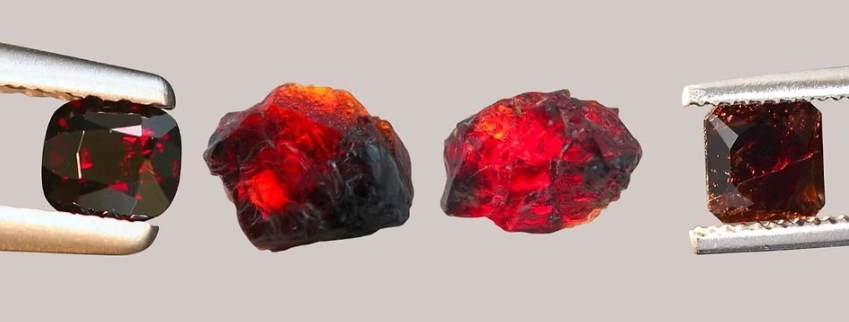
The Nuts and Bolts: Painite Properties and Identification
So what does this rare beast look and feel like? If you're going to spend serious money on one, you need to know how to spot the real deal.
Physical and Optical Properties
Painite is a hard gemstone, rating a 8 on the Mohs scale of hardness. That's great for jewelry—it's harder than quartz or topaz, just below sapphire and ruby. It won't get scratched easily in daily wear, though I'd still be cautious with a ring given its value. Its density is high, so it feels hefty for its size.
The color is its most famous feature. It's almost always some shade of orangey-red, reddish-brown, or brownish-red. The finest pieces have a vibrant, saturated reddish-orange hue, sometimes with a slight pinkish undertone. The color comes from trace amounts of iron and, in some cases, chromium or vanadium. It's not a flashy, neon color, but a deep, warm, earthy tone. Lighter, more pinkish stones are less common and, in my opinion, can be quite beautiful in their own right, though the market traditionally favors the deeper reds.
Here's a key identifier: painite is strongly pleochroic. This means it shows different colors when viewed from different crystal directions. Look through a painite crystal one way, and it might look orangish-red. Tilt it, and it shifts to a browner-red. This is a dead giveaway for an experienced gemologist.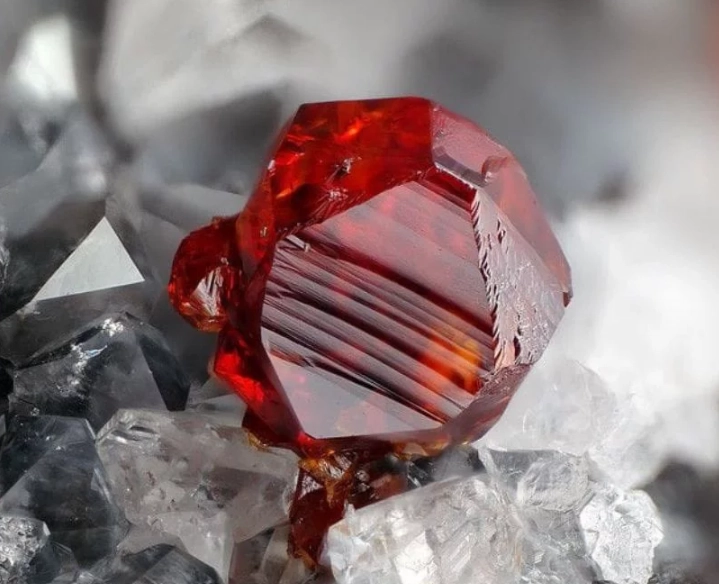
The Ultimate Test: Spectroscopy and Refractive Index
This is where you separate the pros from the amateurs. With so many fakes and lookalikes (garnet, ruby, even some synthetic spinel can be convincing), visual inspection isn't enough.
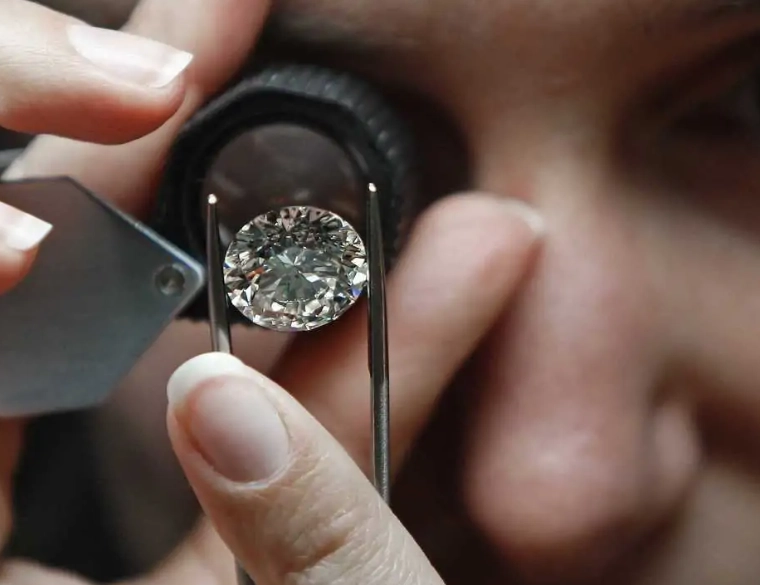
Every gemstone has a unique "fingerprint" when you shine certain types of light through it. For painite, the definitive test is its absorption spectrum. A standard gemological spectroscope will reveal a very distinct pattern of lines, most notably a strong absorption line in the green-yellow part of the spectrum. It's like a barcode for the stone.
Secondly, its refractive index (RI) is extremely high, one of the highest of any gemstone. Using a refractometer, a painite will give a reading over the limit of standard instruments (above 1.81). You need a specialized device or a "spot reading" method. If a "painite" gives a normal, low RI reading, it's immediately fake.
Critical Advice: Never, ever buy a painite based on a seller's word or a standard jewelry store appraisal. You must insist on an advanced gemological report from a major laboratory. The Gemological Institute of America (GIA) is the global gold standard. They have the equipment and expertise to definitively identify painite. A GIA report is non-negotiable for any significant purchase. I've seen too many stories of "rare painite" turning out to be garnet or synthetic corundum.
Let's be clear: without these lab tests, you are guessing. And guessing with stones that can cost tens of thousands per carat is a very bad idea.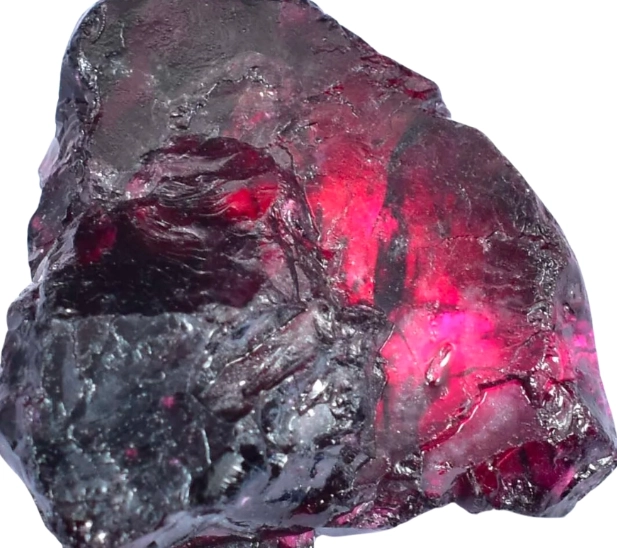
The Painite Market: Buying, Valuing, and Owning
This is the part everyone wants to know about. How much does it cost? Where do you even buy it? Let's demystify the market, which is opaque and illiquid compared to diamonds or sapphires.
Understanding Painite Value and Price Ranges
Forget a single price per carat. The value of a painite is a matrix of factors:
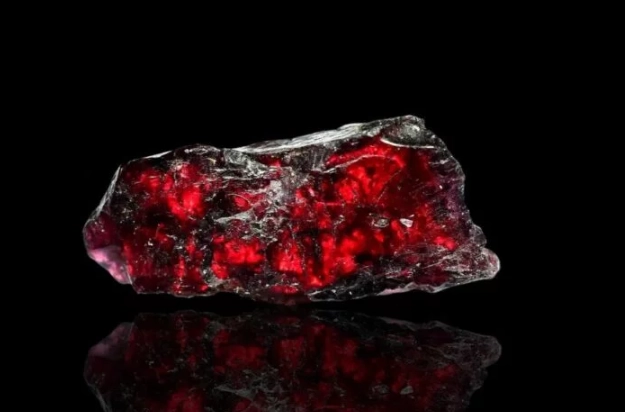
- Quality (Transparency & Color): This is king. A transparent, clean (eye-clean) stone with a rich red color is the pinnacle. Opaque or heavily included material is worth a fraction of the price, sometimes just hundreds per carat for specimens.
- Carat Weight: As with most gems, price per carat increases exponentially with size. A 1-cat transparent painite is rare; a 2-carat one is astronomically rarer and priced accordingly.
- Cut: Because rough painite is so precious and often oddly shaped, cutters try to maximize weight retention. A well-cut stone that optimizes brilliance will command a premium over a poorly cut, windowed stone, even if they weigh the same.
- Provenance: A stone with documented history (e.g., from a famous collection, ex-museum) or from the original Mogok finds can add a significant collector premium.
So, what are the numbers? As of the time of writing, here's a rough, very broad guide:
- Opaque / Specimen Grade: $100 - $1,000 per carat (often sold as whole crystals or cabochons).
- Translucent to Semi-Transparent: $1,000 - $5,000 per carat.
- Transparent, Good Color (Gem Quality): $8,000 - $25,000+ per carat. Exceptional stones over 2 carats can easily exceed $30,000-$50,000 per carat at auction.
Where and How to Buy Genuine Painite
You won't find painite at your local mall jeweler. The market is specialist and relationship-driven.
- Specialist Gem & Mineral Dealers: This is the primary channel. Look for dealers who regularly handle rare collector gems (e.g., benitoite, red beryl, taaffeite). They often have websites and attend major gem shows like Tucson. Reputation is everything here.
- Auction Houses: Major auction houses like Sotheby's or Christie's occasionally feature important painite specimens or jewelry in their natural history or gem auctions. Prices here can set new records but also reflect a public, verified value.
- Online Marketplaces (Caution!): Platforms like eBay or even some specialized gem sites have painite listings. Extreme caution is required. 99% of what's listed as "painite" is misidentified. Only buy from sellers who offer a money-back guarantee contingent on a GIA or similar lab report. Never buy from someone who refuses this.
The buying process should be slow and methodical. Find a reputable dealer, have them send the stone to GIA for a report, and only then complete the purchase. Any reputable seller will agree to this process. If they pressure you or say the report isn't needed, walk away immediately.
Painite in Jewelry and as an Investment
Can you wear painite? Technically, yes. Its hardness is suitable. But practically, it's a collector's stone. Setting a rare, expensive painite in a ring for daily wear is, frankly, a bit nerve-wracking. Most owners keep them in secure display cases or in vaults as part of a mineral collection.
As an investment, it's highly speculative and illiquid. You can't quickly sell a painite like a stock. Its value is tied to the tiny, passionate community of ultra-rare gem collectors. If new deposits are ever found (unlikely but possible), values could shift. It should be bought for love first, potential appreciation second. Don't put your life savings into a painite hoping for a quick flip—that's a great way to lose money.
Frequently Asked Questions About Painite
Is painite rarer than diamond?
Absolutely, and it's not even close. Diamonds are commercially mined in vast quantities from numerous deposits worldwide. Painite's known supply is minuscule and comes from one primary region.
How can I be sure my painite is real?
The only way is a report from a major gem lab (GIA, Gübelin, SSEF). The report should explicitly state "Painite" as the identification. Ask for the report before buying. No report, no sale.
What does painite look like compared to a ruby or garnet?
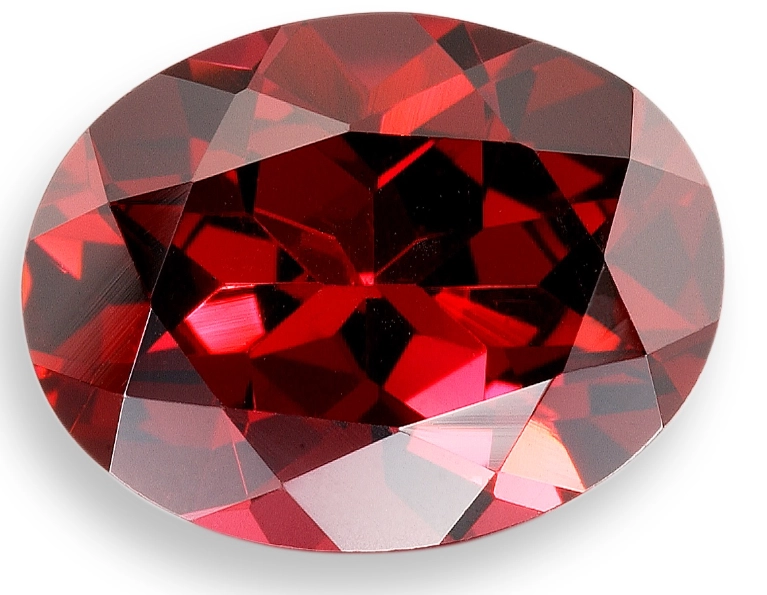
To the naked eye, a fine red painite can look similar to a ruby or a garnet like pyrope or almandine. However, rubies are more purplish-red (pigeon's blood) and have different inclusions. Garnets lack the extreme double refraction and high RI of painite. The pleochroism in painite (color shift) is also a visual clue. But again, visual guesses are worthless—lab testing is everything.
Can a normal person afford a piece of painite?
It depends on your budget. Small, opaque or included specimens can be acquired for a few hundred dollars. A tiny, faceted gem-quality melee (under 0.5 carats) might be in the low thousands. A one-carat, transparent gem-quality stone is a major luxury purchase. So yes, entry-level pieces are accessible, but the iconic gem-quality painite is for serious collectors.
Has synthetic or lab-created painite been made?
To the best of public knowledge, no. Its complex crystal structure makes it very difficult and economically non-viable to synthesize. There's no commercial incentive like there is for diamonds or rubies. So if you see "lab-created painite," it's almost certainly a scam or a mislabelling of another synthetic material. This is one gem where "natural" is currently the only game in town.
Final Thoughts on the World's Rarest Gem
Painite is more than a checklist item for rich collectors. It's a testament to the weird, wonderful, and improbable nature of our planet. It's a piece of geological history that spent decades as a literal museum piece before revealing a few more secrets. The journey to own one should be part of the fun—the research, the conversations with experts, the thrill of verification.
If you're drawn to it, start by learning. Visit a natural history museum that has a specimen. Talk to specialist dealers (even if you're not buying). Handle a lower-grade piece to feel its weight and see its color. Understand the market's pitfalls. The worst thing you can do is rush into a purchase driven by FOMO (fear of missing out) on rarity.
The Takeaway: Painite's allure is undeniable. Its combination of scientific intrigue, extreme scarcity, and subtle beauty is unique. Approach it with respect for its rarity, a healthy dose of skepticism for the market, and an insistence on third-party, expert verification. Do that, and you might just become the steward of a tiny, incredible piece of the Earth's story.
And who knows? Maybe the next great painite discovery is still out there, waiting in some remote hillside. That possibility is what keeps geologists and gem hunters looking. For now, the stones we have are a rare window into one of geology's most exclusive clubs.