What's Inside?
- What Exactly Is a Cat's Eye Gemstone? Science Over Superstition
- How to Spot the Real Deal: A Buyer's Reality Check
- What Determines the Value? It's Not Just the Eye
- Caring for Your Stone: Keep It Simple
- Meaning, History, and Symbolism: The Human Connection
- Final Thoughts: Is a Cat's Eye Gemstone Right for You?
Let's be honest. When you first hear "cat's eye gemstone," you might picture something mystical, maybe a bit gimmicky, or just another shiny rock. I thought the same thing years ago at a gem show. A dealer showed me a dull-looking, honey-colored cabochon. Then he tilted it under a single light. A sharp, bright band of light swept across the dome like a slit pupil focusing. It didn't just shine; it moved. It felt alive. That was my first real encounter with a genuine chrysoberyl cat's eye, and it completely changed my perspective.
This isn't about magic crystals. It's about a fascinating optical phenomenon in a remarkably durable gem. The market, however, is flooded with confusion. Sellers slap the "cat's eye" name on anything with a faint silky line, from quartz to glass. It drives me a bit nuts. So let's clear the air. If you're curious about the real value, the science behind the glow, or how to avoid getting a dud, you're in the right place. We're going deep on what makes this gem tick, how to buy smart, and why it's captivated people for centuries.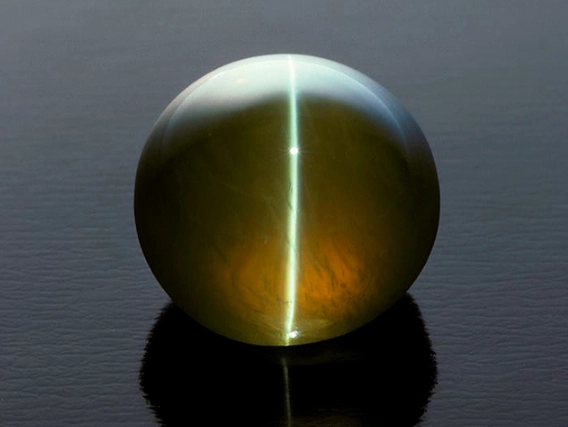
What Exactly Is a Cat's Eye Gemstone? Science Over Superstition
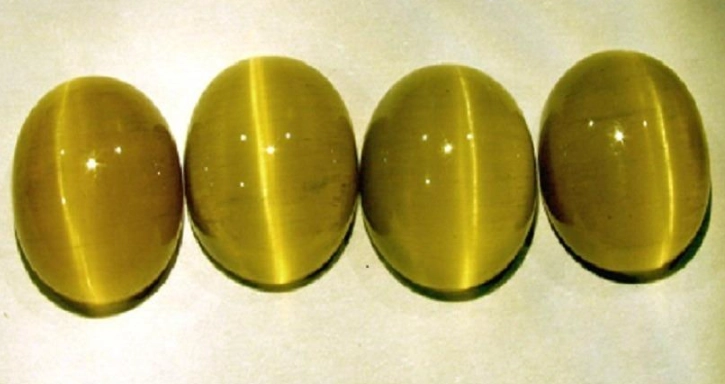
Forget the vague spiritual descriptions for a moment. The magic of a cat's eye gemstone is pure physics, and it's called chatoyancy (from the French "chat" for cat, and "oeil" for eye). Think of it like the sheen on a spool of silk. Inside the gemstone, there are millions of microscopic, parallel needle-like inclusions (often rutile or hollow tubes). When you cut the stone as a rounded cabochon (never faceted), these tubes act like tiny mirrors. A single light source hits them, and they all reflect a concentrated band of light straight back to your eye. Move the stone, and the band moves across the surface. No light, no band. Simple as that.
Now, many minerals can show this effect. But chrysoberyl is the superstar for three hard, practical reasons:
- Durability: It sits at 8.5 on the Mohs scale of hardness. For context, that's harder than quartz (7) and just below sapphire and ruby (9). This makes a chrysoberyl cat's eye stone perfect for daily-wear rings and bracelets. A quartz "cat's eye" will scratch far more easily.
- Sharpness of the Eye: The inclusions in chrysoberyl are typically exceptionally fine and evenly distributed. This creates that razor-sharp, well-defined band of light. In many imitations, the eye is fuzzy, weak, or disappears under normal light.
- Color and Luster: The best stones have a rich honey-yellow, greenish-yellow, or apple-green body color with a magnificent silky or milky luster. The contrast between the body and the bright, white "eye" is stunning.
I once saw a so-called "cat's eye" ring where the eye was so broad and cloudy it looked like a smudge. The seller called it "soft and mystical." I call it a poorly included, low-grade stone. You want precision, not a smudge.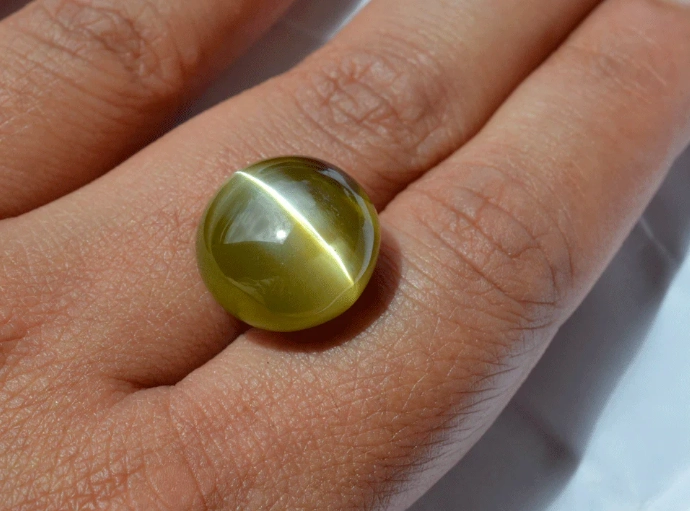
How to Spot the Real Deal: A Buyer's Reality Check
This is where most people get tripped up. You walk into a store or browse online, and everything with a line is labeled cat's eye. Let's break down the real from the rest.
The One and Only: Chrysoberyl Cat's Eye
This is your premium, investment-grade stone. The eye is sharp, the luster is high, and the stone feels substantial. It's not the most common thing in the world, which is why it commands respect and higher prices. Major sources have historically been Sri Lanka and India, though material comes from other places too.
The Common Pretenders (and they're not all bad):
| Gemstone Type | Typical "Eye" Quality | Hardness (Mohs) | Key Point for Buyers |
|---|---|---|---|
| Quartz Cat's Eye (often from asbestos fibers) | Can be quite good, but often softer, hazier. | 7 | An affordable, pretty option. Just know you're buying quartz, not chrysoberyl. Price should reflect that. |
| Tiger's Eye (quartz family) | Broad, golden-brown bands, not a single moving line. | 7 | It's a different pattern (more wave-like). Often confused but shouldn't be. |
| Glass "Cat's Eye" | Too perfect, often has artificial colored fibers. | ~5.5 | The giveaway? It feels light (less dense) and often has bubbles if you look closely with a loupe. |
| Synthetic/Lab-Grown Cat's Eye | Can be flawless and very sharp, sometimes too perfect. | 8.5 (if chrysoberyl) | Ethically made and more affordable. A great choice if you love the look but not the natural stone price. Be sure the seller discloses it as lab-created. |
The single best piece of advice I can give? Ask the seller to point a penlight or a single light source at the stone in a dimmed room. A real, quality cat's eye gemstone will show that eye snapping open and closed as you rotate it. If the eye is visible under diffuse room lighting or looks painted on, be suspicious.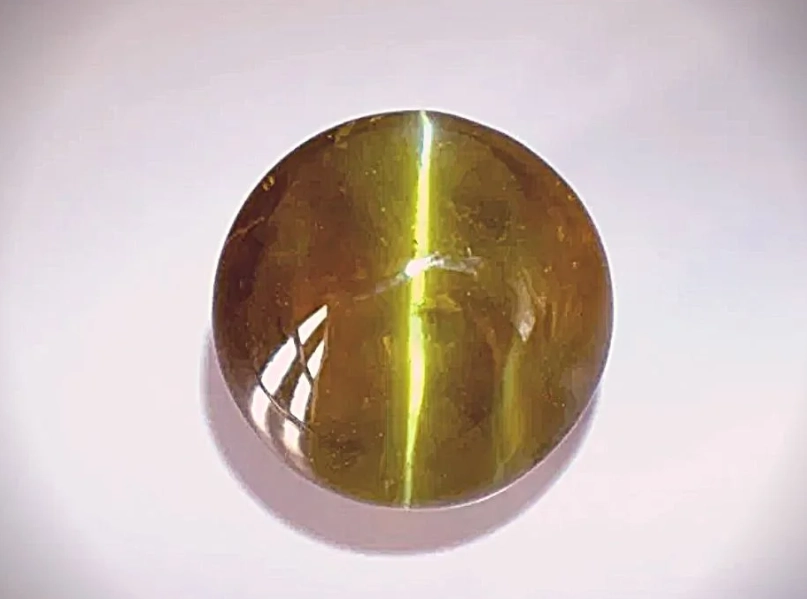
What Determines the Value? It's Not Just the Eye
So you've found a genuine chrysoberyl cat's eye. Great! But why does one cost $500 and another $5,000? It's a combination of factors, and understanding them stops you from overpaying.
The "Eye" Itself (Chatoyancy): This is factor number one. It needs to be evaluated on three points:
- Sharpness: Is the band a fine, laser-like line or a wide, fuzzy bar? Sharper is better.
- Contrast: How bright and white is the eye against the body color? High contrast (a bright white eye on a deep honey background) is premium.
- Centering: Does the eye run straight down the middle of the cabochon when viewed from the top? A centered eye is more desirable and skillful cutting.
Body Color: The most prized colors are a rich, translucent honey-yellow or a slightly greenish-yellow (often called "milk and honey"). A muddy brown or an overly dark, opaque body color brings the value down. Some rare cat's eye stones even have a slight color-change effect, looking different under incandescent vs. daylight, which is a huge plus for collectors.
Clarity and Transparency: You don't want a stone that's so included it looks cloudy or opaque. Some silkiness is necessary for the effect, but the stone should still have a pleasing translucency around the eye. A completely opaque stone lacks life.
Cut and Proportion: The dome of the cabochon must be just right. Too flat, and the eye won't show well. Too high and bulbous, and the stone becomes impractical to set and wear. The back shouldn't be overly hollowed out (a practice called "windowing" to make a pale stone look darker from the top), as this weakens the stone.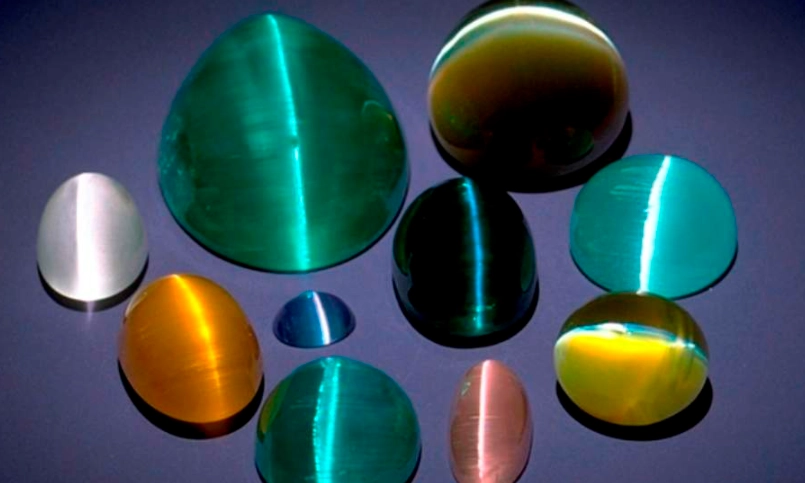
In short, you're looking for a bright, sharp eye centered on a nicely colored, well-proportioned dome. It sounds simple, but finding all these elements together is rare.
Caring for Your Stone: Keep It Simple
A chrysoberyl cat's eye is tough, but it's not invincible. The good news? Caring for it is straightforward. Warm, soapy water and a soft brush are your best friends. Ultrasonic cleaners are usually safe for chrysoberyl, but if the stone has significant internal inclusions (which many do), it's safer to avoid the vibration. Steam cleaners are a definite no—the sudden heat can cause stress. For storage, just wrap it in a soft cloth or keep it in a separate compartment in your jewelry box to prevent scratches against harder gems like diamonds or sapphires. Honestly, the biggest risk is just daily grime dulling its lovely luster. A quick clean brings it right back.
Meaning, History, and Symbolism: The Human Connection
Alright, we've covered the hard facts. But let's face it, people connect with stones for more than their physics. The lore around the cat's eye gemstone is ancient and widespread. In many Asian cultures, particularly in Sri Lanka and India where the finest stones are found, it's considered a powerful talisman against evil and a bringer of good luck. It was known as the "Stone of the Seer," believed to enhance intuition and protect the wearer from unseen dangers.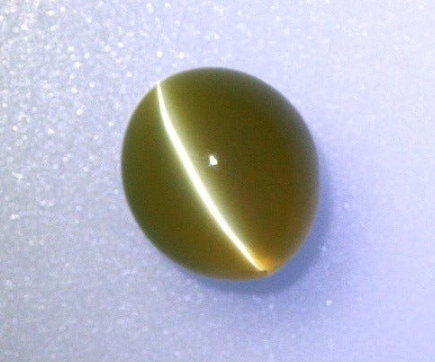
Is any of this scientifically true? Of course not. But understanding the symbolism adds a layer of appreciation. For centuries, that moving eye was seen as a watchful protector. In Victorian England, cat's eye jewelry became popular for men as a symbol of vigilance and clear-sightedness. Today, many wear it as a symbol of independence, intuition, and protection—qualities we associate with its feline namesake.
My take? The value of this symbolism is personal. If the stone's history and perceived properties resonate with you, that's a perfectly valid reason to love it. Just don't buy it expecting supernatural results. Buy it because you're drawn to its unique beauty and the skill it took to bring that eye to life.
Final Thoughts: Is a Cat's Eye Gemstone Right for You?
Look, the cat's eye gemstone isn't for everyone. If you love the fiery brilliance of a faceted diamond or the deep velvet of a cabochon ruby, the subtle, moving light of a cat's eye might seem quiet. And that's okay. It's a gem for observers, for people who appreciate subtlety and scientific wonder over blinding sparkle.
But if you're intrigued by a gem with a personality—one that changes with the light and your movement—then it's a captivating choice. It's a conversation piece. It's durable enough for a lifetime of wear. And when you find a good one, with that eye that seems to open and close, winking back at you, it feels like you've found something truly special.
My advice? Set a budget. Learn the difference between chrysoberyl and quartz. Demand clear answers from sellers. And most importantly, look at the stone with your own eyes under a single light. Let that be your final test. The right cat's eye gemstone won't just sit on your finger; it will watch the world with you.
And remember, in a world of mass-produced sparkle, there's something deeply satisfying about owning a gem whose beauty is entirely dependent on a perfect, natural flaw—a universe of tiny needles aligned by chance, waiting for light to bring it to life.