Quick Guide
- What Exactly Is Fire Opal, and Where Does That Color Come From?
- What Determines a Fire Opal's Value? (It's Not Just Color)
- The Major Sources: From Mexican Volcanoes to Ethiopian Highlands
- The Crucial Stuff: How to Care for Your Fire Opal (Don't Skip This!)
- A Practical Buyer's Guide: How Not to Get Burned
- Answering Your Burning Questions (FAQs)
Let's talk about fire opal. Not the regular opal you might picture with its shifting rainbow colors (that's precious opal). I'm talking about the one that looks like a piece of sunset trapped in stone. The first time I saw a genuine Mexican fire opal, it wasn't in some fancy jewelry store. It was in a dusty little shop in Guadalajara, held in the calloused hand of a miner's son. He tipped it in the sunlight, and honestly, it took my breath away. It wasn't just orange; it was a glowing, transparent honey, like liquid fire. I thought, "This is it. This is what they mean." Most gemstones reflect light. A true fire opal seems to generate its own from within.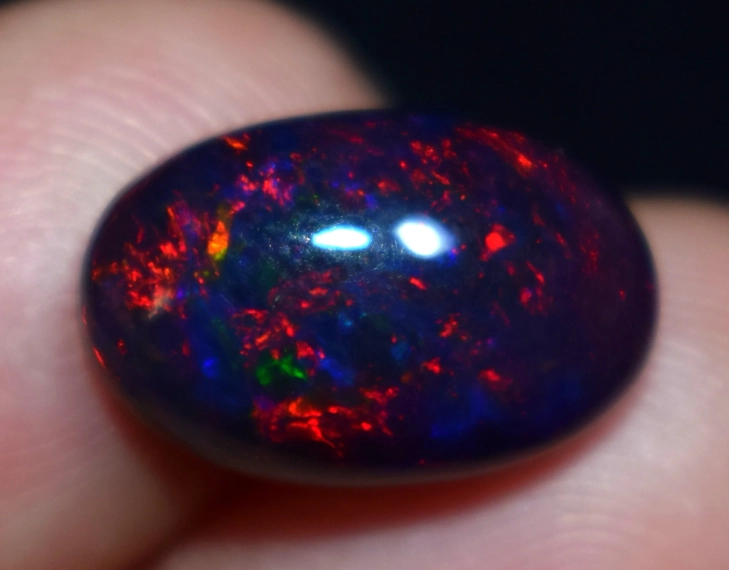
But here's the thing that gets confusing for a lot of people. The term "fire opal" gets thrown around a lot, and not always correctly. Sometimes it's used for any opal with flashes of color. Other times, it's used specifically for the transparent-to-translucent opals from Mexico that range from yellow to intense orange-red, even if they don't show play-of-color. That's the definition we're sticking with here: a variety of opal prized for its warm body color, not necessarily for internal rainbows. The Gemological Institute of America (GIA) defines it clearly as "a transparent to translucent opal, with a background color ranging from yellow to orange to red." You can check their official opal gem page for their precise terminology—it's a fantastic resource to bookmark.
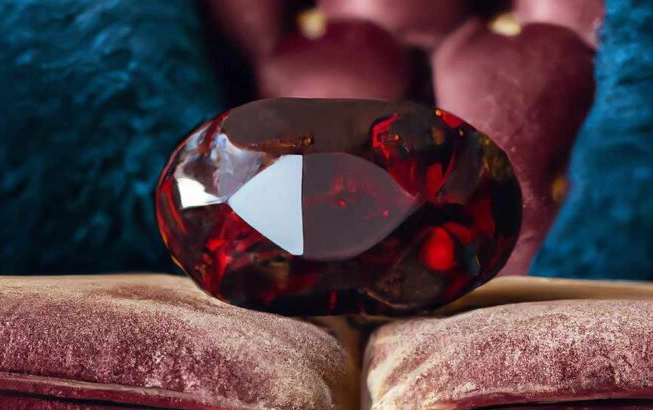
The Core Idea: If precious opal is a prism capturing a rainbow, fire opal is a window into a flame. Its value comes from the intensity and saturation of that fiery body color itself, its clarity, and its cut. The most sought-after specimens are transparent with a vivid, uniform orange-red hue, often compared to the color of a ripe papaya or a blazing sunset.
What Exactly Is Fire Opal, and Where Does That Color Come From?
Alright, let's get a bit sciencey, but I promise to keep it simple. All opal, including our fiery friend, is a form of hydrated silica. Think of it as silica gel (like those little "do not eat" packets) that nature has compressed and beautified over millions of years. It contains water, usually between 3% and 10%. This water content is crucial and, as we'll see later, is the source of both its beauty and its fragility.
So why the orange and red colors? This is the key difference from precious opal. Precious opal gets its play-of-color from a nanostructure of tiny silica spheres that diffract light, splitting it into spectral colors. Fire opal's color is mostly due to trace impurities—tiny amounts of iron oxide (essentially rust) and other minerals suspended in the silica gel as it forms. The amount and type of these impurities determine whether you get a pale yellow, a vibrant orange, or a deep cherry red. It's more like the way a sapphire gets its blue from iron and titanium.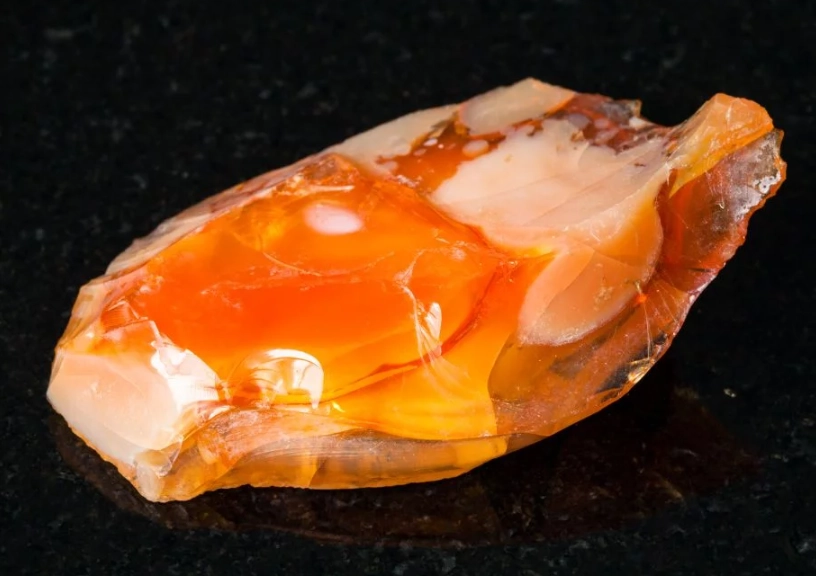
It's this fundamental difference that makes fire opal so special. You're not looking at an optical trick. You're looking at the intrinsic color of the stone. It feels more substantial, somehow.
Fire Opal vs. Other Opals: A Quick Clear-Up
This is where many buyers get tripped up. Let's lay it out plainly.
- Fire Opal: Valued for its warm body color (yellow, orange, red). Can be transparent to translucent. May or may not have play-of-color. If it does, it's a bonus. Primary source: Mexico.
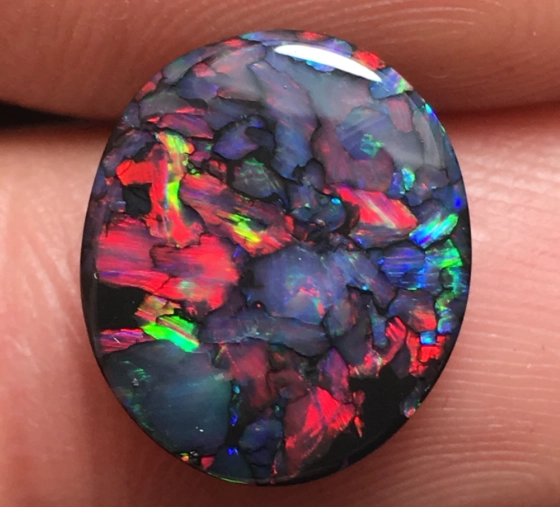
- Precious Opal (White, Black, Boulder, Crystal): Valued primarily for its play-of-color (the shifting rainbows). The body color (white, black, etc.) is just the background for the light show. Primary sources: Australia, Ethiopia, Brazil.
- Common Opal (Potch): Has neither a valuable body color nor play-of-color. It's often milky or waxy. Used more for carvings or as a mineral specimen.
I once had a client insist they had a "fire opal" ring. It was a white Australian opal with strong red and orange flashes. Technically, it had "fire" (the term for the colored flashes), but it was not a fire opal. The distinction matters, especially for value and care.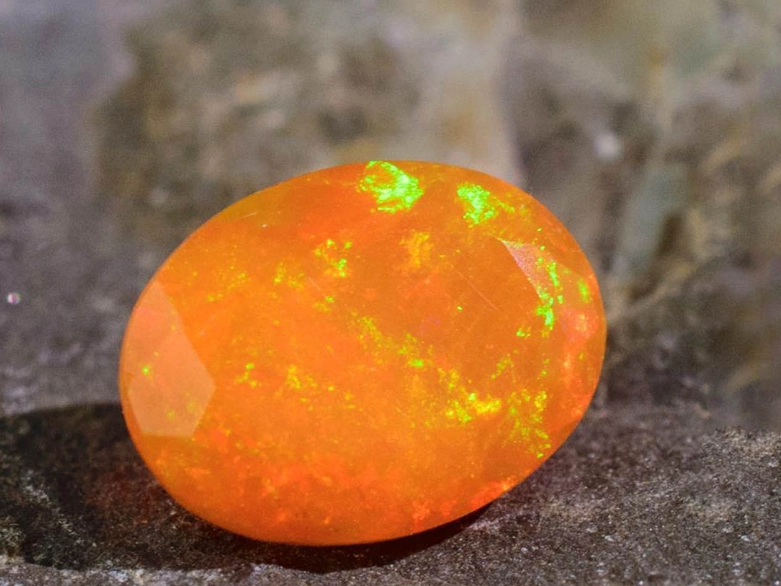
What Determines a Fire Opal's Value? (It's Not Just Color)
You're looking at a tray of fire opals. One is $50, another is $500, and a third is $5,000. What's going on? Let's break down the factors, and I'll be honest about which ones I think are overhyped.
1. Color: The King Factor. This is the big one. The hue, saturation, and tone are everything.
- Hue: The actual color. Reddish-orange (often called "cherry" or "papaya") commands the highest prices. Pure orange is next, followed by yellow-orange and then yellow. A brownish undertone can significantly lower the value.
- Saturation: How pure and intense the color is. A vivid, electric orange is worth far more than a dull, washed-out one. Think of the difference between fresh-squeezed orange juice and the diluted kind.
- Tone: How light or dark the color is. Medium to medium-dark tones are generally most desirable. Too light, and it looks weak; too dark, and it can look muddy unless it's a stunning deep red.
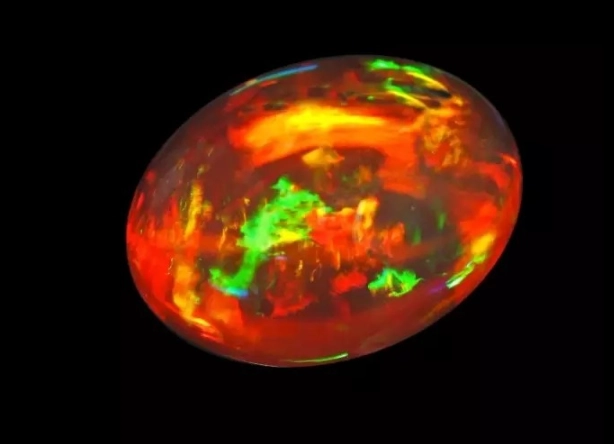
2. Clarity & Transparency: The Queen Factor. For fire opal, transparency is a huge deal. The more transparent and clean the stone, the more it allows light to pass through and make that internal fire glow. A transparent, eye-clean fire opal (no visible inclusions to the naked eye) is top-tier. Translucent stones are more common and affordable. Opaque material is usually cut into cabochons or used for carvings and is less valuable per carat.
3. Cut: The Make-or-Break Factor. A poor cut can ruin a great piece of rough. Because fire opal is often transparent, it's frequently faceted to maximize brilliance, like a citrine or garnet. A good facet cut will be symmetrical, with well-aligned facets that return light to your eye, not leak it out the sides or bottom. The cutter also has to work around any inclusions or cracks. A well-cut stone, even with slightly less perfect color, can look more stunning than a poorly cut vivid one. I've seen too many beautiful pieces butchered into lumpy, windowed shapes just to save weight.
4. Carat Weight: The Exponential Factor. Like most gemstones, price per carat increases with size. Finding a large piece of rough with intense color *and* high transparency is rare. So, a 5-carat fine fire opal will cost much more than five times the price of a 1-carat stone of similar quality. It's not linear.
5. Play-of-Color: The Bonus Lottery. Some fire opals, especially from Mexico, can also display play-of-color. This combination—a fiery body color *plus* dancing spectral flashes—is exceptionally rare and valuable. It's like having a two-for-one gem. But remember, a fire opal without play-of-color is still a complete and legitimate fire opal if it has the right body color and transparency.
6. Origin: The Pedigree Factor. Mexico is the classic and most famous source, particularly the state of Querétaro. Mexican fire opal sets the standard. Other sources include Ethiopia, Brazil, Australia, and the US (Nevada, Oregon). Ethiopian fire opals have flooded the market in recent years. They can be beautiful and are often more affordable, but in my experience, they tend to be less stable (more on that later) and often have a more milky or included transparency compared to the best Mexican material. There's a snobbery around Mexican origin, and honestly, sometimes it's justified, sometimes it's just branding.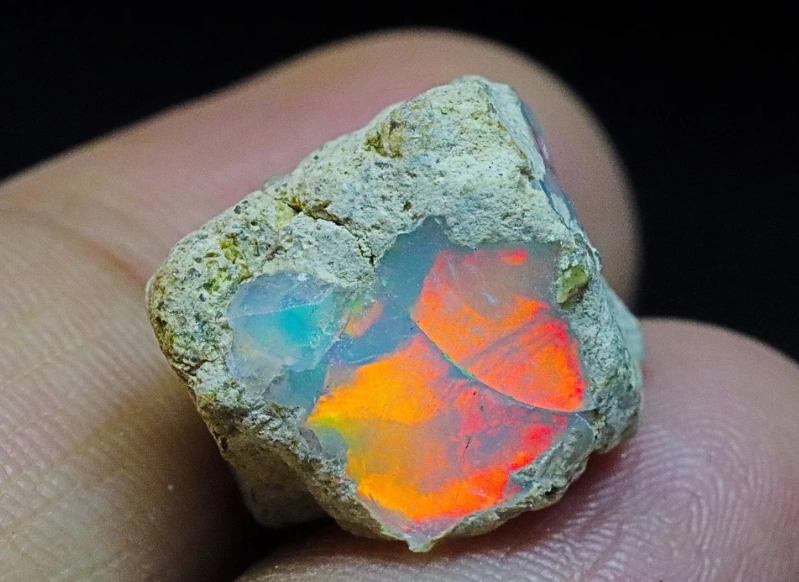
Quick Value Comparison Table: This isn't a price list (prices fluctuate wildly), but a guide to how these factors stack up against each other for a faceted stone.
| Feature | High Value / Premium | Medium Value / Good | Lower Value / Commercial |
|---|---|---|---|
| Color | Vivid reddish-orange ("papaya"), high saturation | Vivid orange, good saturation | Pale yellow, yellowish-orange, brownish tones |
| Clarity | Transparent, eye-clean | Translucent to near-transparent, minor inclusions | Opaque or heavily included |
| Cut | Excellent faceting, symmetrical, no windowing | Good faceting, minor symmetry issues | Poorly cut (lumpy, asymmetrical, major window) |
| Size | Large (>3ct) for its quality grade | Medium (1-3ct) | Small ( |
| Play-of-Color | Strong, vibrant flashes on a fiery body | Faint to moderate flashes | None (body color only) |
The Major Sources: From Mexican Volcanoes to Ethiopian Highlands
Where your fire opal was born tells a story and affects its character.
Mexico: The Legend
This is the motherlode. The fire opal deposits are found in volcanic regions, often in ancient lava flows and volcanic ash beds. The mines around Querétaro, Jalisco, and Michoacán have been producing for centuries. The best Mexican stones are renowned for their transparency and that signature warm glow. Visiting the Mindat.org page for Querétaro gives you a deep dive into the specific geology—it's a mineral database used by professionals. Mexican fire opal can be found in everything from tiny chips to large, fist-sized nodules. The mining is often small-scale and rugged.
Ethiopia: The New Kid on the Block
Since around 2008, Ethiopia's Wollo Province has been producing massive amounts of opal, including fire opal. The material is fascinating. It's often hydrophane (absorbs water), which means its appearance can change when wet. Dry, it can be stunningly bright; wet, it becomes more transparent. This property is a double-edged sword. It allows for interesting treatments (like smoke treatment to darken the body color), but it also makes the stones more prone to crazing (developing tiny cracks) if they dry out too quickly. Ethiopian fire opals are generally more affordable and have made the gem more accessible, but they require extra careful handling. The US Geological Survey has published studies on these deposits, like this one on Ethiopian opal resources, highlighting their unique geological setting.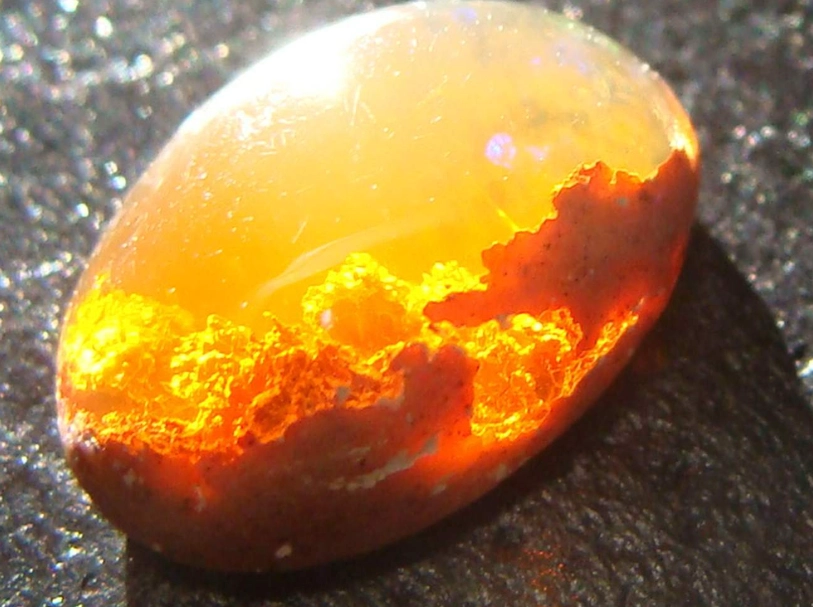
Other Notable Sources
- Brazil: Produces some fine orange and red fire opals, often from the northeastern states.
- Australia: Known mostly for precious opal, but also produces "fire opal" in the sense of precious opal with red and orange flashes. True transparent body-color fire opal is less common here.
- United States: Nevada and Oregon have produced small amounts of fire opal, often in association with volcanic rocks. They are more collector's items than major commercial sources.
My Take: I love a good Mexican fire opal for its classic look and relative stability. But I've seen some Ethiopian pieces with colors so electric they look neon, and you can't ignore that. Just know what you're buying. An Ethiopian stone needs to be treated like a delicate flower, while a good Mexican stone is a bit more of a hardy perennial.
The Crucial Stuff: How to Care for Your Fire Opal (Don't Skip This!)
This is the most important section if you own one or plan to buy one. Opal is delicate. It's not a diamond. Treating it like one is a recipe for heartbreak. I've had clients come to me with cracked, crazed stones asking what went wrong. Usually, it was preventable.
The #1 Enemy: Rapid Temperature Change & Dryness. Remember that water content? If an opal dries out too quickly or is subjected to sudden heat, the silica structure can shrink and crack. This is called "crazing." It looks like a network of tiny fractures on the surface or inside the stone.
WHAT NOT TO DO:
- Never clean it in an ultrasonic or steam cleaner. The vibrations and heat can shatter it.
- Avoid exposing it to sudden temperature swings (like going from a cold car into a hot house, or wearing it while cooking over a hot stove).
- Don't leave it in direct, hot sunlight for prolonged periods (like on a car dashboard).
- Keep it away from harsh chemicals (bleach, ammonia, acids). They can damage the polish and surface.
Safe Care Routine:
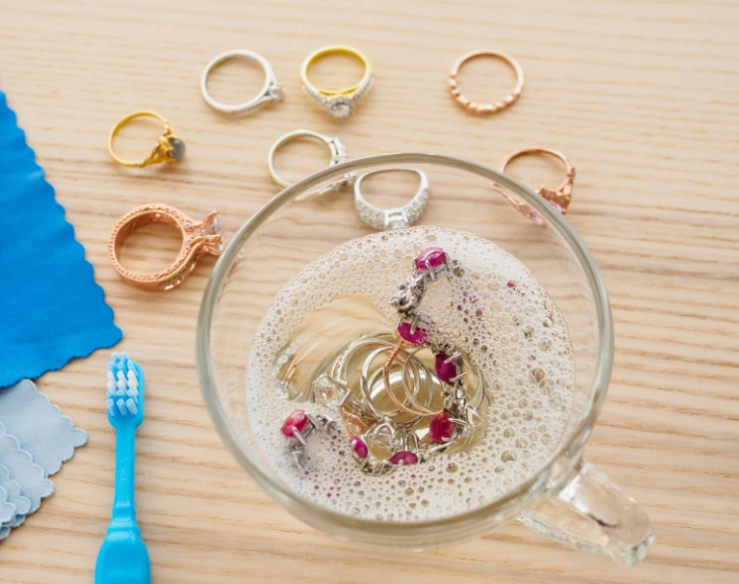
- Cleaning: Use only warm, soapy water (mild dish soap) and a very soft toothbrush or cloth. Rinse well. Pat dry with a soft cloth.
- Storage: This is key. Don't toss it in a dry jewelry box. Store it in a soft pouch, and for long-term storage, some people even add a tiny piece of damp cotton wool in a separate compartment of a sealed baggie to provide a humid environment. Don't let the cotton touch the stone directly.
- Wearing: It's fine for occasional wear like rings and pendants, but a fire opal ring isn't the best choice for daily, hard manual labor. Consider protective bezel settings for rings.
- Re-hydration: If your opal ever looks dull or slightly crazed, sometimes a gentle soak in plain water for a few hours can help. This works best with hydrophane Ethiopian opals. For Mexican stones, it's less dramatic, but it doesn't hurt.
Think of it as caring for a beautiful piece of wood, not a piece of glass.
A Practical Buyer's Guide: How Not to Get Burned
You're ready to buy a fire opal. Online, at a gem show, in a store. What do you look for?
1. Ask the Right Questions.
- Origin? Where is it from? (Mexico, Ethiopia, etc.)
- Treatment? Has it been treated? Common treatments for fire opal include:
- Smoke Treatment: Mostly for Ethiopian opals to darken the body color. It's stable but should be disclosed.
- Sugar/Acid Treatment: An old treatment to darken porous opals. It's not very stable and can make the stone brittle. A major red flag if undisclosed.
- Impregnation with Oil/Resin/Wax: To fill surface cracks and improve appearance. This is temporary and will wear off, revealing the flaws.
- Stability? Especially for Ethiopian material, ask about its stability. Has it been pre-crazed or stabilized in any way?
2. Examine It Like a Pro (Even as a Beginner).
- Look for Cracks: Hold it under a bright light and examine it from all angles. Look for any surface-reaching cracks or internal webbing.
- Check the Cut: Look through the top of a faceted stone (the table). Can you see through it clearly to the bottom (a "window")? A window means the cutter sacrificed brilliance for weight. Tilt it. Does it sparkle, or is it dull?
- Color in Different Lights: View it under daylight-equivalent (LED) light and under warm indoor light. Does the color stay vibrant? Some stones can look dull in certain lighting.
3. Set a Realistic Budget.
A small (1-2 carat), translucent orange Mexican fire opal in a decent cut can be had for a few hundred dollars. A large (5+ carat), transparent, vivid reddish-orange Mexican stone with a great cut will run into the thousands. Ethiopian stones offer more size for your money, but factor in potential fragility.
My blunt advice? Don't buy the biggest stone you can afford if it means sacrificing too much on color and clarity. A small, fiery, well-cut gem will bring you more joy than a large, bland, poorly cut one every single time.
Answering Your Burning Questions (FAQs)
Let's tackle the stuff people are secretly Googling.
- Temperature: Real opal feels cool to the touch for longer than glass or plastic.
- Inclusions: Look for natural inclusions like color zoning, tiny sand patterns, or "columnar" structures under magnification. Too perfect is suspicious.
- The "Glass" Test: Many fakes are just glass with an orange color. Glass has a higher refractive index and more "fire" (dispersion) than opal. It also often has round gas bubbles inside, which natural opal does not have.
- When in doubt, get it appraised. A certified gemologist can identify it conclusively.
So, there you have it. The whole story, from its volcanic birth to the care it needs on your finger.
At the end of the day, a fire opal isn't just another pretty stone. It's a capsule of ancient geology and water, colored by earth minerals, and cut by human hands to release the fire inside. It demands respect and care, but in return, it offers a warmth and glow that's utterly unique. Whether you're drawn to the classic sunset hues of Mexico or the electric pop of Ethiopia, understanding what you're buying is the first step to a lifetime of enjoyment. Now you know what to look for, what to ask, and most importantly, how to keep that fire burning bright.