In This Article
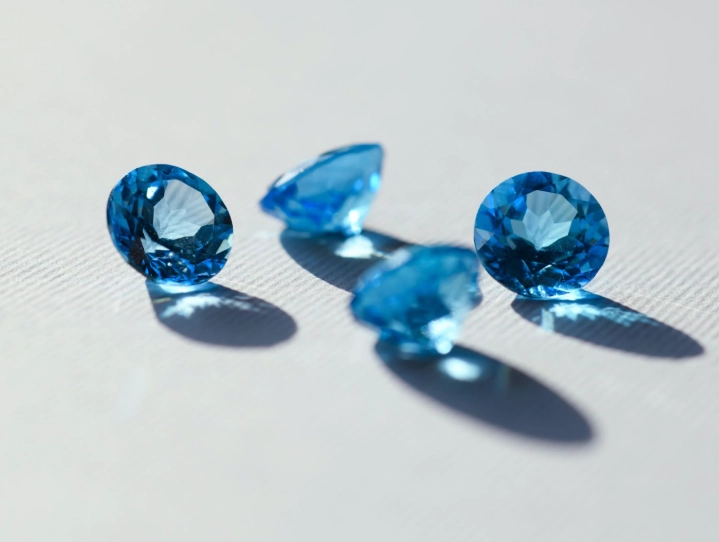
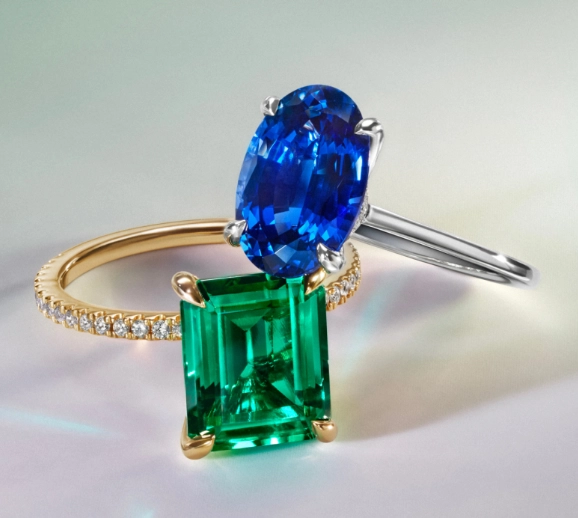
Let's talk about blue sapphires. You've seen them, right? Maybe in an old family ring, on a celebrity's hand, or flashing across a jewelry store window. That deep, captivating blue that seems to hold a piece of the sky or the ocean. It's iconic. But here's the thing I've learned after years of looking at gems – what most people know about blue sapphire is just the surface. The price tags can be all over the place, and the quality... well, that's a whole other story.
I remember the first time I bought a blue sapphire. I was so focused on size, thinking bigger had to be better. I ended up with a large, pale stone that looked washed out and milky. It taught me a hard lesson. A great blue sapphire isn't just about being big or blue. It's a complex mix of color, clarity, and craft. It's about fire and life. And honestly, the market can be confusing, with treated stones, synthetic ones, and all sorts of claims.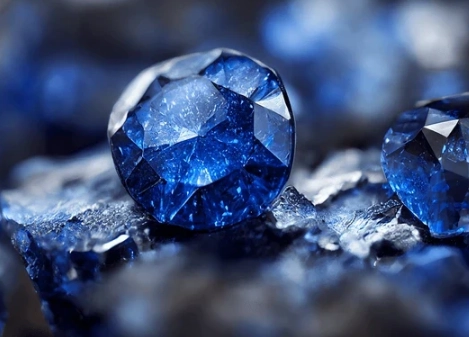
What Makes a Blue Sapphire Tick? The Core Drivers of Value
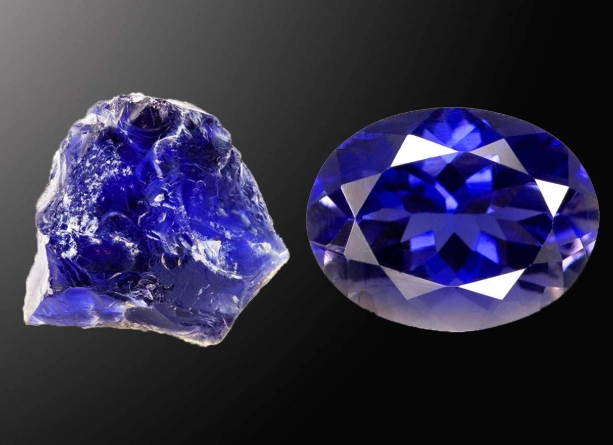
Forget carat weight for a second. Seriously. When it comes to a blue sapphire, color is the undisputed king. It's the first thing you notice, the soul of the stone. But not all blues are created equal. The most prized color is a vivid, medium-dark blue to slightly violetish blue, often called "cornflower blue" or "Kashmir" blue, named after the legendary mines. It's not too dark that it looks black in dim light, and not too light that it lacks intensity. It's that sweet spot of saturation and tone.
Think of it like a cup of coffee. Too weak (light blue) and it's bland. Too strong, over-brewed (inky, overly dark blue) and it's bitter, losing its translucency. You want that perfect, rich, flavorful middle ground. The hue matters too. A pure blue is great, but many of the finest stones have a slight hint of violet, which adds a surprising depth and complexity to the color.
Here’s a breakdown of the typical color grades you'll hear about. Keep in mind, grading isn't perfectly standardized like diamonds, but this gives you a framework.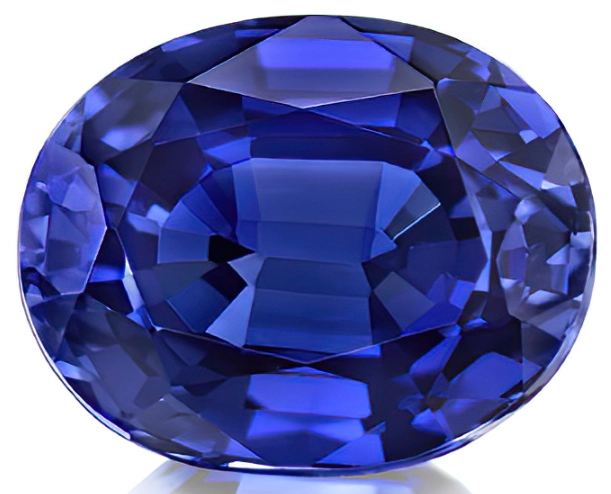
| Color Grade | Description | What to Look For | Market Perception |
|---|---|---|---|
| Exceptional (Kashmir/Cornflower) | Vivid, medium-dark, velvety blue, often with a slight violet secondary hue. Even color saturation. | Strong color that remains vibrant under all lights. No zoning (color bands). | Top-tier, rare, commands the highest premiums. Often associated with untreated stones from specific origins. |
| Premium | Rich, saturated blue. May be slightly darker or lighter than the "ideal" but still highly desirable. | Beautiful, eye-catching color that is consistent across the stone. | Highly sought-after for fine jewelry. Represents excellent quality. |
| Good/Commercial | Nice blue color but may be lighter, darker, or slightly grayish/milky. Color may not be perfectly even. | A pretty stone that makes attractive jewelry. May show some color zoning. | The most common range in retail stores. Offers great value for money. |
| Light/Pale | Very light blue, sometimes almost pastel. Can be pretty but lacks the dramatic impact. | A subtle, gentle color. Often more affordable. | Popular for delicate or vintage-style pieces. Lower price per carat. |
But color doesn't exist in a vacuum. It dances with clarity and cut. A stone with perfect color but full of visible inclusions or cut poorly to save on weight will look dead. It's the synergy that creates the magic. Which brings us to the other big player: origin. Names like Kashmir, Burma (Myanmar), and Ceylon (Sri Lanka) carry a huge mystique and can massively inflate price. A Kashmir blue sapphire is the holy grail for collectors. But here's my take – a fantastic stone from Madagascar or Montana can be just as breathtaking as one from a famous locale, often for less money. Don't get hypnotized by the origin certificate alone; judge the stone in front of your eyes first.
Breaking Down the 4 Cs for Blue Sapphire (It's Not Like Diamonds)
Everyone knows the 4 Cs for diamonds, but applying them directly to colored gems is a mistake. The balance is completely different.
Color: The Undisputed Champion
We've covered the basics, but let's get specific about what to ask. When evaluating a blue sapphire's color, look at it under different light sources. Does it look vibrant in sunlight and under store LEDs? Or does it turn inky black in dim light? Check for "color zoning" – uneven patches or bands of lighter/darker color. A well-cut stone will minimize this, but it's a common characteristic, especially in sapphires from certain mines. An ideally colored blue sapphire should have a uniform, rich hue that feels alive from every angle.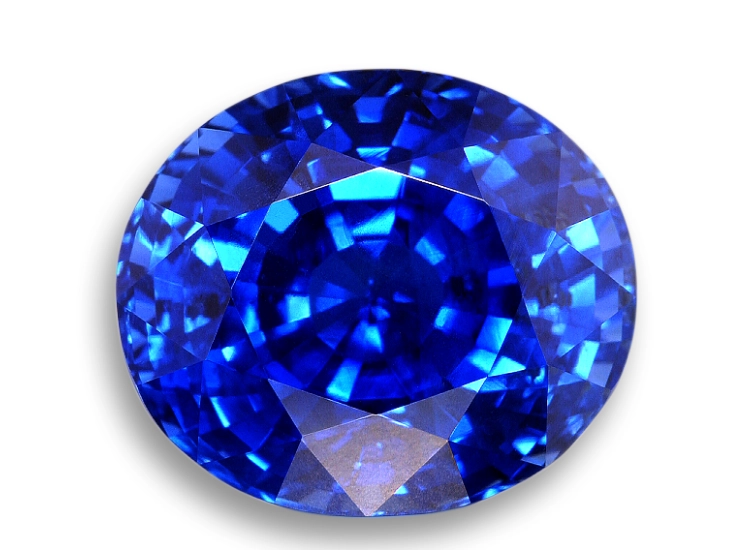
Clarity: Inclusions Are a Story, Not Always a Flaw
This is where sapphires and diamonds diverge massively. Most blue sapphires have inclusions. The goal isn't flawless perfection (which is extremely rare and expensive), but rather "eye-clean" – no inclusions visible to the naked eye from about 6-12 inches away. Some inclusions can even be desirable, like fine silk (rutile needles) that cause a soft, velvety appearance, which is a hallmark of some untreated Kashmir stones.
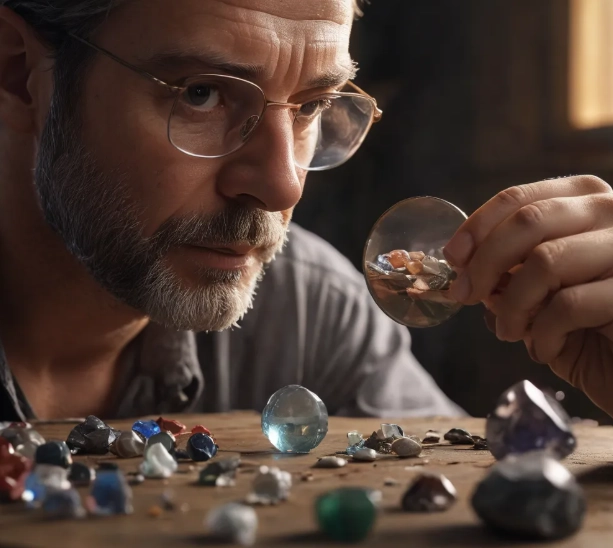
Watch out for large, dark crystals, cracks (feathers) that reach the surface, or heavy clouds that make the stone look hazy. These can affect durability and brilliance. A good jeweler's loupe is your friend here. Personally, I'd take a slightly included stone with fantastic color over a clean one with a mediocre color any day.
Cut: The Artisan's Secret Weapon
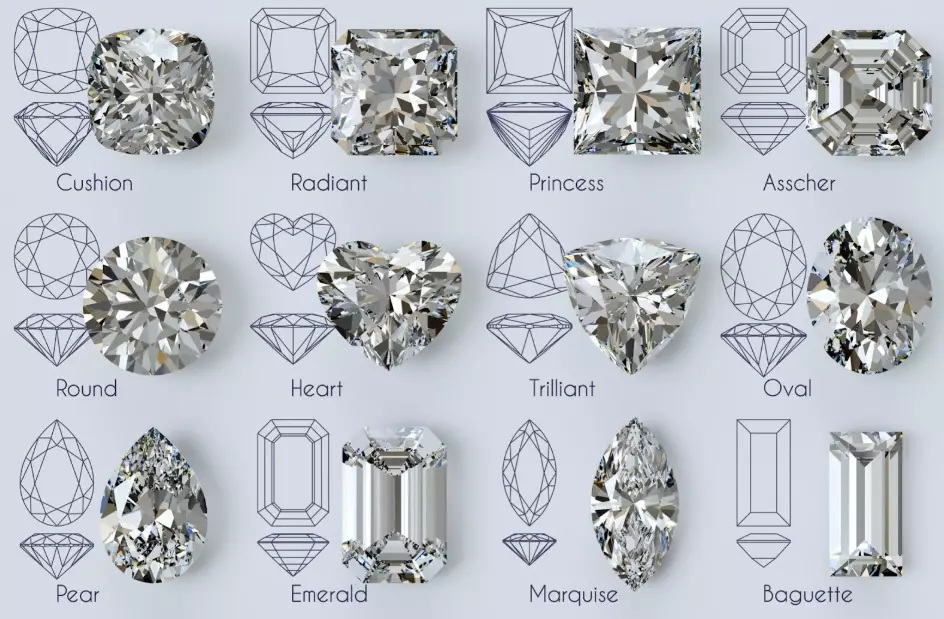
This is arguably the most underrated factor. A great cut doesn't just shape the stone; it unlocks its color and light. The cutter's job is to orient the raw crystal to show the best possible face-up color, hide obvious inclusions, and maximize brilliance and sparkle. Unlike diamonds, colored gemstones are cut for color yield first, not just for fire.
A poorly cut blue sapphire can look windowed (a see-through, lifeless area in the center) or have a dead belly (dark center). The proportions and symmetry matter. Look for a stone with even faceting, a symmetrical outline, and good polish. The crown (top) should be the right height to bounce light back, and the pavilion (bottom) should be cut to reflect that light, not let it leak out. Organizations like the American Gem Society (AGS) have detailed cut guidelines that some high-end cutters follow.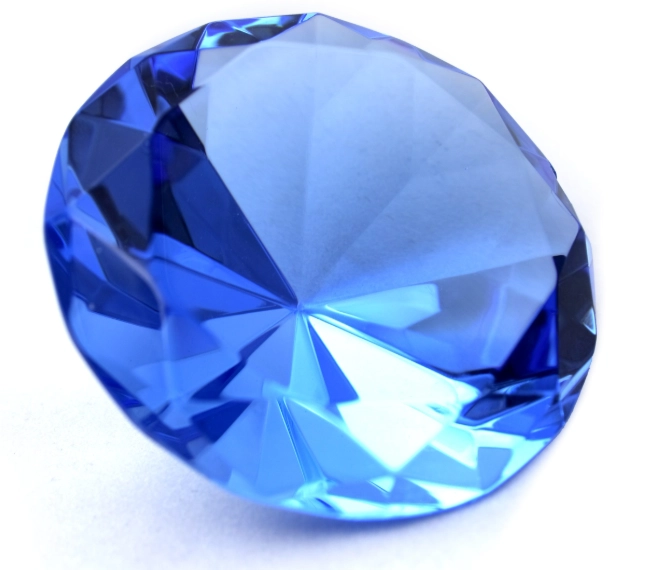
Carat Weight: Size vs. Quality Trade-Off
Yes, bigger stones are rarer, so price per carat increases with size. But with blue sapphire, a small jump in size can mean a huge jump in price if the color and clarity are top-notch. A 2-carat premium stone isn't twice the price of a 1-carat of similar quality; it could be three or four times more. This is where your budget gets real. You often face a choice: a larger stone with good (but not exceptional) color, or a smaller stone with that killer, vivid blue. There's no right answer, just personal preference. For an engagement ring, sometimes presence (size) matters. For a collector, color reigns supreme.
The Big Conversation: Treatments & Disclosure
This is the part of the blue sapphire world that makes buyers nervous, and for good reason. The vast majority of blue sapphires on the market today have undergone some form of treatment to improve their color and clarity. It's not inherently bad – it's a standard practice – but full disclosure is absolutely critical.
The most common treatment is heat treatment. This involves heating the stone to high temperatures to dissolve silk, improve color saturation, and make the blue more uniform. When done well, the results are stable and permanent. A heated blue sapphire with great color is still a beautiful, valuable gem. The issue is when it's not disclosed, or when other, less stable treatments are used.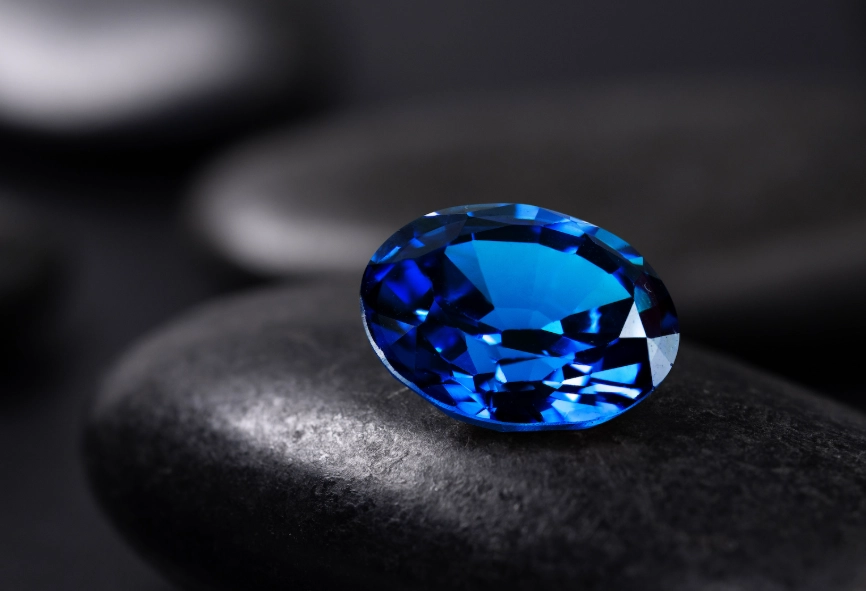
How do you protect yourself? Always ask for a laboratory report from a reputable gemological institute. The Gemological Institute of America (GIA) or the American Gem Trade Association (AGTA) labs are the gold standard. Their reports will clearly state if a blue sapphire is natural, if it's been heated, and note any other treatments. Don't accept vague assurances like "It's natural color." Get it in writing. A seller who hesitates to provide a report is a major red flag.
My rule of thumb? I'm fine with a disclosed, heated stone. It's a reality of the market and can offer fantastic value. But I want to know exactly what I'm paying for. The premium for a guaranteed untreated blue sapphire is real, and for some people, that natural, unaltered history is worth every penny.
Your Blue Sapphire Buying Guide: Where & How
Okay, you're armed with knowledge. Where do you actually go to buy a blue sapphire? Each option has its pros and cons.
- Local Independent Jewelers: Often the best for personalized service and expertise. You can see stones in person, compare them under different lights, and build a relationship. They can source stones for you and handle custom design. The downside can be a smaller selection and potentially higher markups. Ask about their return policy and if they provide independent lab reports.
- Online Retailers (Specialized Gem Sites): Sites that focus on loose gemstones offer an incredible, global selection. You can filter by all the 4 Cs, origin, and treatment. The key here is high-quality photography and video from multiple angles. Look for sellers with 360-degree videos and specs under daylight-equivalent light. Return policies are crucial – a 30-day no-questions-asked return is a good sign. Always verify they ship with lab reports.
- Auction Houses & Estate Sales: A potential source for unique, antique, or investment-grade pieces. You might find an untouched, older stone. However, this requires a lot of knowledge (or a trusted gemologist advisor) to assess quality and authenticity. Descriptions like "old mine" don't guarantee untreated.
Before you pull out your wallet, have a clear budget in mind and know what matters most to you in that budget. Is it size? Color? Being untreated? Get the stone checked by an independent appraiser after purchase, especially if it's a significant investment. The National Association of Jewelry Appraisers (NAJA) can help you find a qualified professional.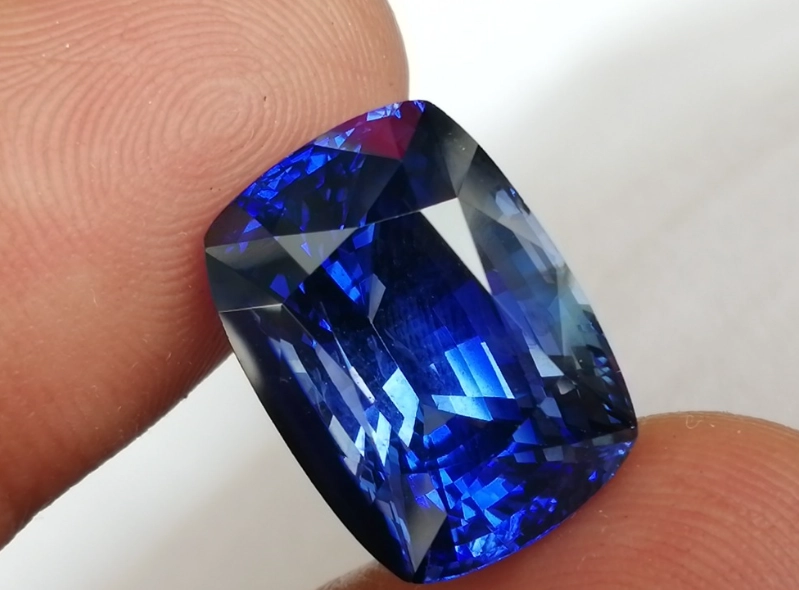
Caring for Your Blue Sapphire Investment
Sapphires are tough – a 9 on the Mohs hardness scale, second only to diamonds. This makes a blue sapphire ring excellent for daily wear. But "tough" doesn't mean indestructible.
Clean it with warm water, mild dish soap, and a soft brush. Ultrasonic cleaners are usually safe for heat-treated stones without fractures, but I'm cautious. I'd avoid them for any stone with fillings or known inclusions. Steam cleaners can be risky if there are hidden fractures. When in doubt, stick to the soapy water method.
Store it separately from other jewelry to prevent scratches (it can scratch other gems). Have the setting checked by a jeweler once a year to make sure the prongs are secure. Simple care will keep your blue sapphire shining for generations.
At the end of the day, choosing a blue sapphire is a blend of head and heart. The head needs to check the specs, the report, and the value. The heart needs to fall in love with the color, the sparkle, and the story the stone tells. When you find one that satisfies both, you've found a gem that's truly yours. Don't rush it. Look at lots of stones. Ask all the questions. The right blue sapphire is out there, waiting to catch your eye and hold your gaze for a lifetime.
For ongoing, unbiased information, resources from the International Colored Gemstone Association (ICA) are incredibly useful. They focus on consumer education about all colored gemstones, including our beloved blue sapphire.