What’s Inside
Let's talk about yellow sapphires. You've probably seen them – those gorgeous, sunny stones that seem to capture a bit of sunlight inside. Maybe you're thinking about buying one, or perhaps you inherited a piece and you're wondering what you've got. I remember the first time I held a really fine yellow sapphire. It wasn't in some fancy jewelry store, but at a small gem show. The dealer just dropped it into my palm, and honestly, it felt warm. Not physically, but the color... it was like holding a drop of liquid gold. But here's the thing. That moment of magic is surrounded by a ton of questions, myths, and honestly, some outright misinformation.
Is it just a fancy yellow rock? Does it really have mystical powers like everyone on the internet says? How can you tell if you're getting ripped off? I've spent way too much time down rabbit holes reading gemology forums and talking to jewelers (some great, some... not so much) to figure this stuff out. So I'm going to save you the hassle. This isn't a dry textbook chapter. Consider it a long chat with someone who's made the mistakes so you don't have to.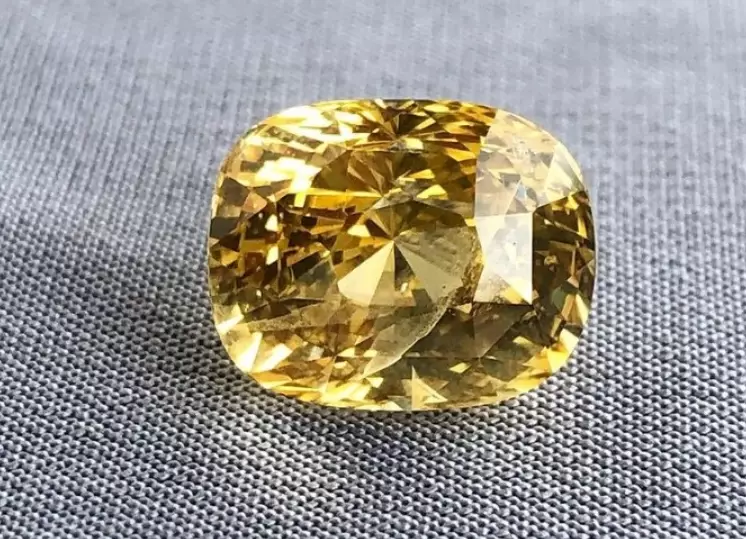
What Makes a Yellow Sapphire Tick? The Science and the Soul
Okay, let's get the basics out of the way first. A sapphire is made of aluminum oxide. When it's pure, it's actually colorless. It's the tiny, tiny guests in its crystal structure that throw the color party. For a yellow sapphire, the main guest is iron. Think of it like this: if the crystal is a clear glass of water, a few drops of iron are what turn it a lovely golden hue.
Now, not all yellow is created equal. You've got a whole spectrum, from a pale, lemony whisper to a deep, rich golden-orange that they sometimes call "cognac." The most sought-after color is often described as a vivid, medium-toned yellow with a warm, buttery saturation. Not too dark, not too light. Just a perfect, sunny yellow. Personally, I find the very pale ones a bit underwhelming – they can look a bit washed out in certain lights. But that's just my taste.
Here's where it gets interesting for buyers. A lot of the super bright, super uniform yellow sapphires you see on mass-market jewelry sites? They're often heat-treated. This is a standard, accepted practice in the industry. It's like giving the stone a permanent tan – it stabilizes and enhances the color. Most people in the trade are fine with it, as long as it's disclosed. But if you're a purist, you'll want to look for an untreated stone, and you should know they're rarer and command a higher price. The Gemological Institute of America (GIA) has fantastic resources on how gem treatments work, and they're a non-profit, so their info is pretty trustworthy.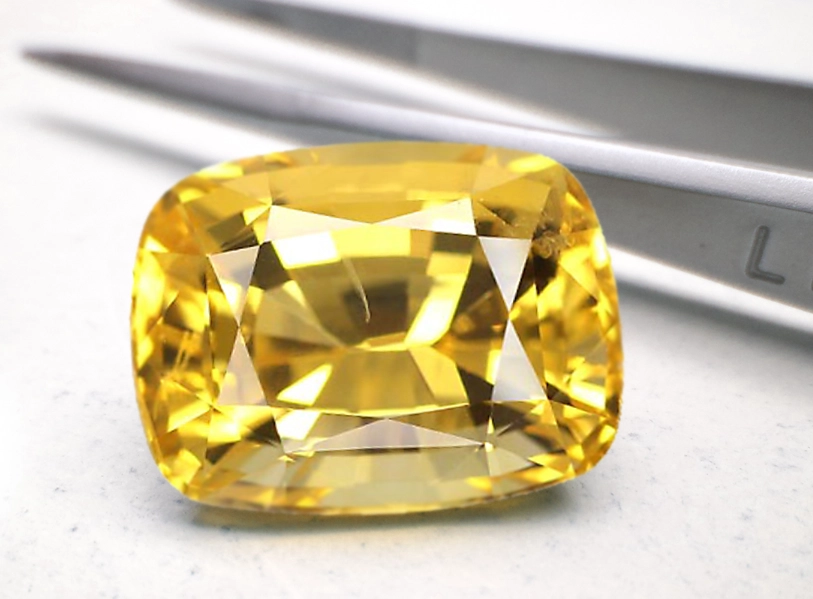
Beyond the Sparkle: The Meaning and Belief
You can't talk about yellow sapphire without bumping into its astrological reputation. In Vedic astrology, it's known as "Pukhraj" and is linked to the planet Jupiter. The belief is that it brings wisdom, prosperity, and good fortune. I'm not an astrologer, so I can't vouch for any of that. But what I find fascinating is the cultural weight it carries. For many people, buying this stone isn't just an aesthetic choice; it's a deeply personal or spiritual one.
This leads to a very practical problem. The demand from the astrological market is huge. And where there's huge demand, there are fakes. I've seen glass, I've seen citrine (a much cheaper yellow quartz) sold as sapphire, and I've even seen synthetic lab-created stones passed off as natural. If you're buying it for its supposed energies, you'd probably want the real, natural deal, right? The International Colored Gemstone Association (ICA) talks a lot about consumer awareness, which is crucial in this space.
How to Buy a Yellow Sapphire Without Regret
This is the part most people really need. You're sold on the idea, now how do you navigate the minefield of actually getting one? Let's break it down into the four Cs, but with a focus on what matters for *this* particular stone.
Color is King (and Queen)
With yellow sapphire, color is everything. Cut and clarity are important, but they play a supporting role to the star of the show: that yellow hue. When evaluating color, you're looking at three things:
- Hue: Is it pure yellow, or does it have secondary tones? Some have a slight greenish tint, others lean orange. Pure, vibrant yellow is typically the most valued.
- Saturation: This is the intensity or strength of the color. Weak saturation looks pale and watery. Strong saturation is rich and vivid. You want that "wow" factor.
- Tone: How light or dark is it? Too light feels insubstantial. Too dark can look muddy or brownish. The sweet spot is medium to medium-dark.
Look at the stone under different lights – store light, daylight, office light. A good yellow sapphire should hold its color well, not turn dull or brownish indoors.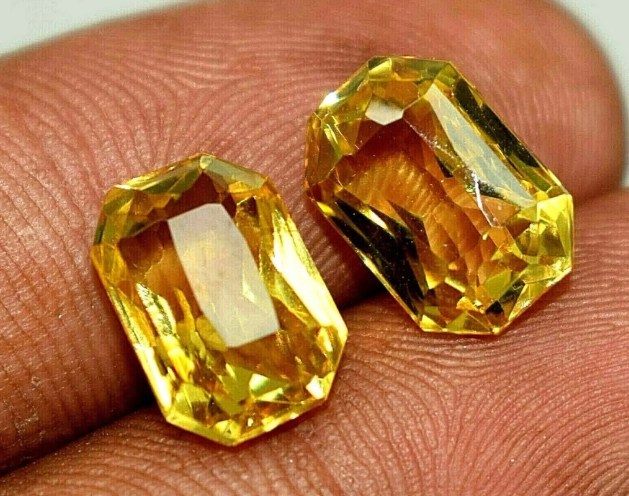
Cut, Clarity, and Carat: The Supporting Cast
The cut should make the stone come alive. A poorly cut yellow sapphire can look dead and glassy even with great color. You want facets that bounce light around brilliantly. Unlike diamonds, sapphires often have inclusions (little internal birthmarks). Some are expected. A completely flawless yellow sapphire is incredibly rare. The key is that inclusions shouldn't be so obvious they disrupt the beauty or threaten the stone's durability. A small inclusion near the edge is better than a big, cloudy one right in the center.
Carat is weight. Larger yellow sapphires are rarer, so price per carat jumps up significantly after the 1-2 carat mark. But a smaller, beautifully colored stone is almost always a better choice than a larger, poorly colored one.
Here’s a quick comparison table to help you prioritize:
| Factor | What to Look For | What to Avoid / Compromise On |
|---|---|---|
| Color | Vivid, saturated medium yellow. Consistent across the stone. | Pale, washed-out color. Uneven color zoning (dark and light patches). |
| Cut | Symmetrical facets that return bright sparkle (brilliance). | Shallow or overly deep cuts that create "windows" (see-through dead spots). |
| Clarity | Eye-clean (no visible inclusions to the naked eye). Minor inclusions under magnification are fine. | Large, prominent cracks or clouds that dull the stone's transparency. |
| Carat Weight | Choose based on budget and design. Quality over size. | Sacrificing color/clarity just to get a bigger stone. |
Origin Stories: Does Where It's From Matter?
It can, mostly to collectors and connoisseurs. Certain locations have reputations for certain colors. For example, sapphires from Sri Lanka (Ceylon) are famous for their bright, often lighter yellow tones. Stones from Madagascar can produce wonderful vivid yellows. Montana in the US produces some unique, metallic-looking yellows.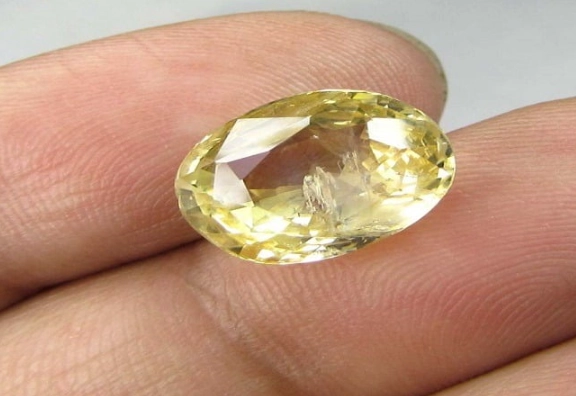
But here's my take: origin should be one of the last factors you consider. A beautiful stone is a beautiful stone. An exceptional yellow sapphire from a less-famous locale is better than a mediocre one from a famous mine. A reputable seller should be able to provide origin information if it's known, but be wary if they're charging a massive premium just for the name. The geology is what matters, not the passport.
The Real vs. Fake Showdown: How Not to Get Scammed
This is critical. The market is flooded with look-alikes and synthetics. Here’s a no-nonsense list of what you might actually be looking at:
- Natural Yellow Sapphire: The real deal. Mined from the earth, with natural inclusions and color variations. This is what commands the highest value.
- Heat-Treated Yellow Sapphire: Still natural, but heated to improve color and clarity. This is standard for probably 90%+ of the market. It's permanent and stable. It should be disclosed.
- Lab-Created Yellow Sapphire: Made in a factory. It has the same chemical and physical properties as natural stone but is created in weeks. It's real sapphire, just not natural. It's much cheaper and is a great ethical choice if you just love the look. It must be disclosed.
- Imposters: Citrine (yellow quartz), yellow topaz, yellow glass, even plastic. These are different materials altogether and are worth a fraction of the price.
So how do you protect yourself?
First, buy from someone who uses clear, honest language. If the listing just says "yellow sapphire" with no mention of treatment or origin, ask. If they hesitate or get defensive, walk away.
Second, and this is the big one: Get a lab report from a major gemological lab. For a significant purchase, this is non-negotiable. A report from GIA, AGL (American Gemological Laboratories), or a similar reputable lab will tell you if it's natural, if it's been treated, and often its origin. It's the stone's birth certificate. Any seller dealing in quality natural yellow sapphires should be willing to provide one or have you get one. The Federal Trade Commission (FTC) has guidelines on gemstone disclosure that back this up.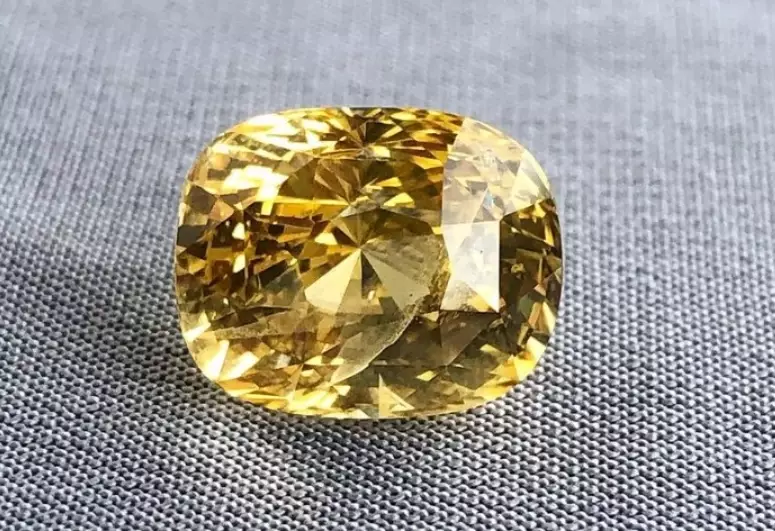
Caring for Your Sunny Investment
You've got it! Now, how do you keep it looking fabulous? Sapphires are tough (a 9 on the Mohs hardness scale, second only to diamonds), so they're great for everyday wear. But "tough" doesn't mean indestructible.
- Cleaning: Warm water, mild dish soap, and a soft brush (like a baby toothbrush) is the golden rule. Ultrasonic cleaners are usually safe for untreated stones, but I avoid them for any gemstone with fractures or significant inclusions. Steam cleaners? Probably okay, but why risk it? The simple soapy water method never fails.
- Storage: Don't just throw it in a jewelry box where it can get scratched by other pieces. Keep it in a soft cloth pouch or a separate compartment. Hardness is relative – a diamond can still scratch a sapphire.
- Activities to Avoid: Gardening, heavy cleaning, gym workouts. It's not just about scratching the stone; you can damage the setting. Chemicals in pools and cleaners can also dull the metal setting over time.
Get your ring or pendant checked by a jeweler once a year. They'll make sure the prongs are tight. It's a small thing that can prevent the heartbreak of a lost stone.
Answers to the Questions You're Probably Asking
Let's tackle some of the specific stuff people type into Google.
Is a yellow sapphire expensive?
It can be, but it's generally more affordable than a blue sapphire of similar quality. You can find small, lighter-colored stones for a few hundred dollars. A fine, vivid, natural 1-carat stone with a good cut can run into the thousands. It's a wide range. Setting a budget first is your best move.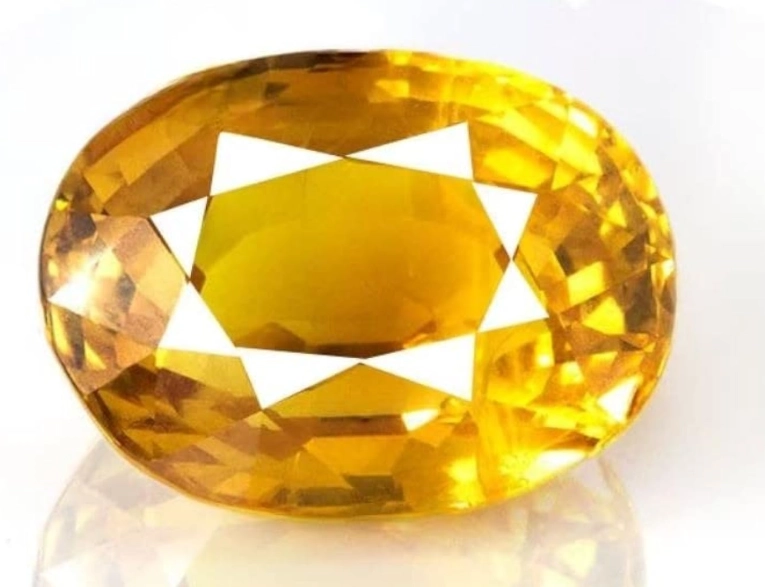
Can I wear it every day?
Yes, absolutely. Its hardness makes it one of the best gemstones for daily-wear rings. Just practice common sense – take it off for rough activities.
What's the difference between yellow sapphire and yellow diamond?
Massive difference. They're completely different minerals. Yellow diamonds get their color from nitrogen and have a different kind of sparkle (more fiery and dispersive). Yellow diamonds are almost always vastly more expensive than yellow sapphires. A yellow sapphire offers that rich, saturated color at a much more accessible price point.
Do I need to "activate" it or follow rituals?
This comes from the astrological tradition. If that's part of your belief system, you should consult with a trusted practitioner in that tradition for their specific guidelines. From a purely gemological perspective, no, you don't need to do anything special. Cleaning it is a good ritual, though!
Look, at the end of the day, choosing a yellow sapphire is a personal journey. Some are drawn to its myth, some to its molten sunshine color. Whatever your reason, arm yourself with knowledge. Don't be swayed by pressure or vague promises. Find a stone that speaks to you, verify what it is, and then wear it with joy. That's the real benefit of a beautiful gemstone – the pleasure it gives you every time you catch its sparkle.
And if you take away one thing from this, let it be this: ask questions, demand disclosure, and when in doubt, get that lab report. Your future self will thank you.