In This Article
Let's be honest, when someone says "sapphire," you probably picture a deep, royal blue stone. I did too, for the longest time. Then, a few years back, I saw a friend's engagement ring. It wasn't a diamond. It was this stunning, warm, peachy-pink stone that seemed to glow from within. "Is that a... pink diamond?" I asked, trying not to sound too nosy. She laughed. "Nope, it's a pink sapphire." That was my first real introduction, and I've been slightly obsessed with understanding these gems ever since.
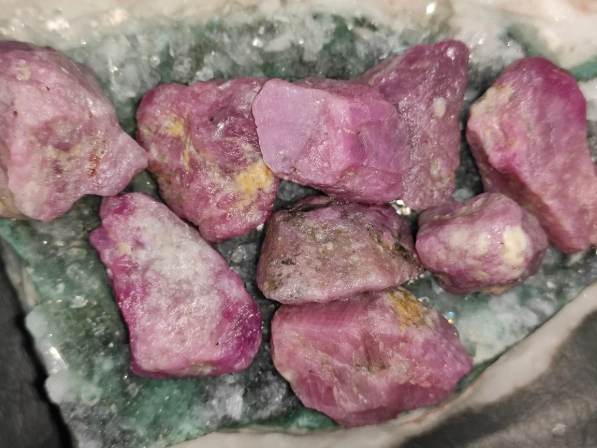
So, what exactly is a pink sapphire? In the simplest terms, it's a variety of the mineral corundum—the same family as ruby and blue sapphire. The pink color comes from trace amounts of chromium, the same element that gives ruby its red hue. The line between a pink sapphire and a ruby can be surprisingly blurry and often depends on the lab grading it. Generally, if the red tones are dominant, it's a ruby. If the pink tones are dominant, it's a pink sapphire. It's a fascinating bit of gemology that reminds us these categories are human-made.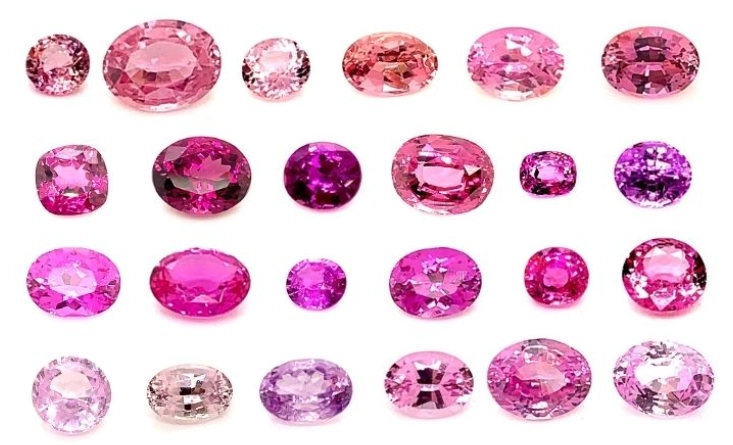
Why the Sudden Love for Pink Sapphires?
It's not really sudden. Pink sapphires have been cherished for centuries, but they're having a major moment now. I think it's a combination of things. People want something unique, something with character that isn't the default choice. A pink sapphire engagement ring, for instance, makes a statement. It says you thought about it. It's also a fantastic, more affordable alternative to a pink diamond, offering incredible durability (a 9 on the Mohs scale, second only to diamond) and a vast range of colors. From the palest, almost whisper-soft blush to intense, hot fuchsia, there's a shade for every taste.
The Heart of the Matter: Understanding Pink Sapphire Color
If you take away one thing from this guide, let it be this: color is everything with a pink sapphire. It's the primary driver of beauty, desire, and value. Unlike diamonds where we obsess over clarity, with colored gems, color reigns supreme. And the world of pink sapphire color is wonderfully complex.
The color is described by three main components: Hue (the basic color—pink!), Tone (how light or dark it is), and Saturation (the intensity or purity of the color). A top-tier pink sapphire has a vibrant, saturated pink hue without being too dark (muddy) or too light (washed out). The most sought-after colors are often described as "hot pink" or "bubblegum pink"—pure, vivid, and eye-catching. But beauty is subjective. Some adore the delicate, romantic look of a light pastel pink sapphire.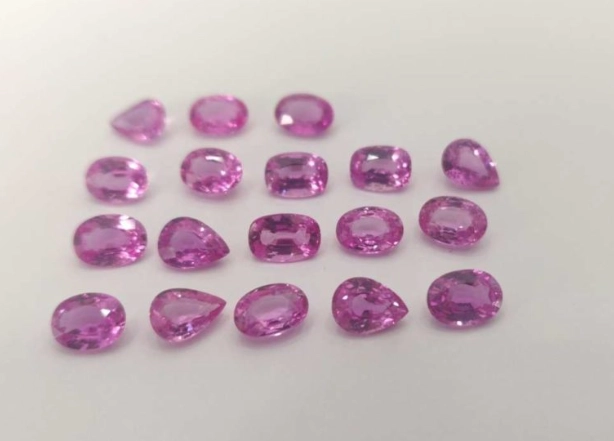
| Color Grade | Description | Typical Look & Feel | Relative Rarity & Price Impact |
|---|---|---|---|
| Vivid / Hot Pink | Highly saturated, pure pink with no modifying colors (like brown or purple). The most desirable. | Electric, vibrant, "stop-you-in-your-tracks" pink. Often from Madagascar or Sri Lanka. | Most rare and commands the highest premiums. The benchmark for top color. |
| Strong Pink | Rich pink color, excellent saturation, but may have a very slight secondary hue. | Beautifully rich and rosy. A fantastic sweet spot for color and value. | More available than Vivid. Offers outstanding beauty at a more accessible price point. |
| Pastel / Light Pink | Light tone with low to medium saturation. Can range from blush to baby pink. | Soft, feminine, and elegant. Has a gentle, ethereal quality. | More common. Generally more affordable, but fine examples with good clarity are still valuable. |
| Purplish-Pink or Peach-Pink | Pink with a noticeable secondary hue of purple or orange/peach. | Unique and charming. Purplish-pink can look like a light amethyst, peach-pink is warm and sunset-like. | Value depends on the appeal of the specific mix. Some peach-pink stones from certain origins are highly prized. |
Origin stories also play a huge role in color perception and value. For decades, the benchmark for the finest pink sapphires was Burma (Myanmar). Those stones had a legendary, almost magical glow. Today, due to various factors, most pink sapphires on the market come from places like Madagascar, Sri Lanka, Tanzania, and even Montana in the USA. Each locale tends to produce stones with a characteristic color profile. Madagascar, for example, is famous for its clean, vivid pinks that rival the old Burmese standard. I've seen Montana pink sapphires with a unique, slightly metallic silvery-pink hue that you either love or don't.
And then there's the question of treatment. This is a big one. The vast majority of pink sapphires on the market have been heat-treated. This is a standard, accepted, and permanent practice that enhances the color and clarity. It's like putting the stone through a high-tech oven to perfect what nature started. An unheated pink sapphire of fine color is exceptionally rare and will cost a significant premium. Always, always ask about treatments. A reputable seller will disclose this upfront. The Gemological Institute of America (GIA) has extensive resources on gemstone treatments if you want to dive deeper into the science.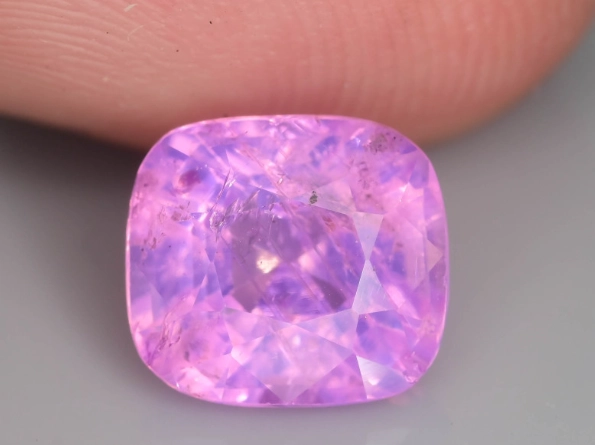
What Determines a Pink Sapphire's Value and Price?
Alright, let's talk numbers. Well, not exact numbers, because that's impossible without seeing the specific stone, but let's talk factors. You're looking at a gem where a one-carat stone could cost $200 or $5,000+. Why the massive range? It all comes down to the combination of the Four Cs (adapted for color gems) and a couple of extra factors.
- Color (The King): As we just discussed. Vivid saturation, medium tone, pure pink hue = top dollar. Any brownish or grayish undertones will lower the value.
- Clarity: Pink sapphires are Type II gemstones, meaning some inclusions are expected. The key is: are they eye-visible? A clean "eye-clean" stone (no inclusions visible to the naked eye) is desirable. Sometimes, fine silk inclusions can give the stone a soft, velvety appearance that's actually prized. But obvious cracks, clouds, or dark crystals right in the center will hurt value.
- Cut: This is so underrated. A great cut isn't just about shape (oval, cushion, round). It's about how well the cutter oriented the rough to maximize color, eliminated waste, and created brilliant reflections. A poorly cut pink sapphire can look dead or windowed (see-through in the middle). A well-cut one dances with light. I'd often take a slightly included stone with a fantastic cut over a cleaner one that's cut like a lump of sugar.
- Carat Weight: Price per carat increases with size, especially for high-quality material. A fine 3-carat pink sapphire is worth far more per carat than a fine 1-carat stone from the same parcel.
- Origin: A "Burma" or "Ceylon" (Sri Lanka) origin report from a lab like GIA or AGL can add a premium, even if the color is similar to a stone from another country. It's about provenance and rarity.
- Treatment: An unheated, natural-color pink sapphire is the collector's dream and priced accordingly.
A Reality Check on Price
I see a lot of overly simplistic price charts online. "Pink sapphire: $300-$800 per carat." That's meaningless. A commercial-grade, included, light pink, heat-treated 1-carat stone might be $300. A fine, vivid, eye-clean, unheated 1-carat stone from a noted origin could easily be $3,000-$5,000 per carat or more. For a truly exceptional pink sapphire over 2 carats, the sky's the limit. My advice? Set a budget, then work with a trusted jeweler to find the best combination of characteristics within it. Sometimes sacrificing a bit on carat weight to get a much better color is the smartest move.
The Practical Buyer's Guide: How to Choose Your Pink Sapphire
Let's get down to brass tacks. You're sold on the idea. Now, how do you actually go about buying one without getting overwhelmed or, worse, making a costly mistake?
Step 1: Define Your "Why" and Your Budget
Is this for an engagement ring meant for daily wear? A right-hand statement ring? A pendant? Daily wear demands priority on durability (thankfully, a pink sapphire is great here) and a setting that protects the stone. Your budget is your roadmap. Be realistic. Remember to factor in the cost of the setting (gold/platinum, side stones, design labor), which can often equal or exceed the cost of the center stone itself.
Step 2: Find a Reputable Source
This is non-negotiable. Avoid anonymous marketplaces for something this important. Look for:
- Specialist Jewelers: Those who focus on colored gemstones, not just diamonds.
- Clear Communication: They should happily answer all your questions about origin, treatment, and clarity.
- Proper Documentation: They should provide a lab report from a respected gemological laboratory (GIA, AGL, Gubelin, SSEF) for significant stones. A report isn't an appraisal, but it's a scientific ID card. The American Gem Society (AGS) labs are also a well-regarded option for grading.
- Return Policy: A legitimate seller will offer a reasonable inspection period.
I made my first major colored gemstone purchase from a big online retailer with glossy photos. The stone arrived and looked... nothing like the photo. It was dull and included in a way the image cleverly hid. I learned the hard way that video (live video is even better) is far more telling than a highly edited photo.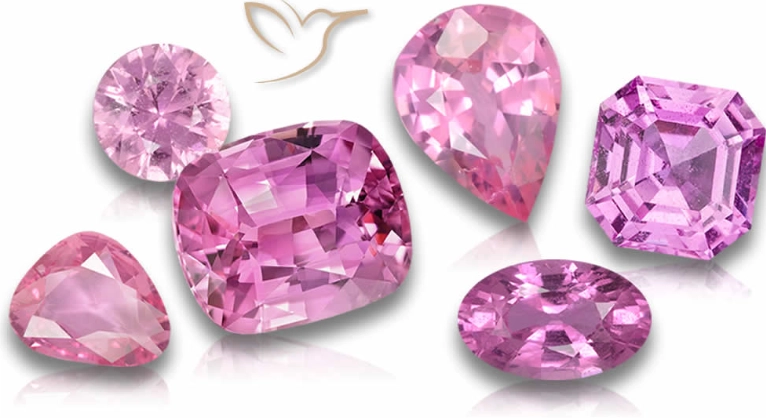
My Personal Checklist When Viewing a Pink Sapphire:
- Color First: Do I love the shade of pink? Does it have the warmth or coolness I like?
- Look for a Window: Tilt the stone (or ask for a video doing this). If you can see straight through the center (like a window) easily, the cut is probably too shallow.
- Check for Obvious Flaws: In the video, can you see any dark spots or cracks near the top (the table) of the stone? Those are more problematic than inclusions near the girdle (edge), which can often be covered by a prong.
- Compare: Never look at one stone in isolation. Ask to see 2-3 options within your budget. Comparison is the best teacher.
Step 4: Think About the Setting
The metal color changes everything. Rose gold intensifies and warms the pink tones, creating a seamless, romantic look. White gold or platinum provides a crisp, modern contrast that can make the pink appear cooler and more vivid. Yellow gold offers a classic, sunny frame. Consider halo settings (small diamonds around the sapphire) to make the center stone appear larger and add brilliance. Bezel settings (metal rim encircling the stone) are ultra-modern and protective.
---
Pink Sapphire FAQs: Answering Your Real Questions
Over the years, I've been asked the same questions again and again. Here are the straight answers.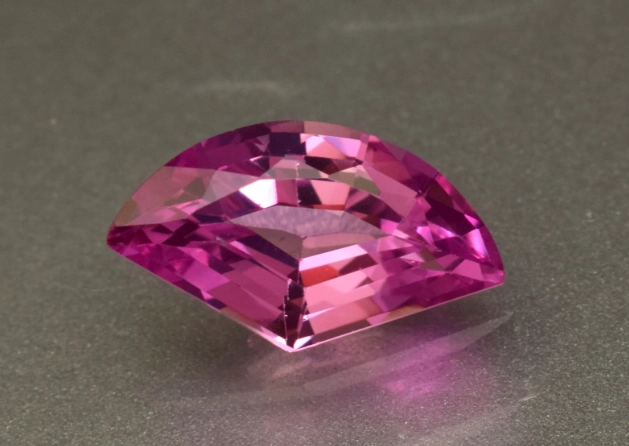
Absolutely. With a hardness of 9 on the Mohs scale, it's one of the hardest natural substances on earth, right behind diamond (10). It's resistant to scratching and perfect for daily wear. Just use common sense: don't wear it while gardening, moving heavy furniture, or in a chlorinated hot tub for hours.
Simple is best. Warm water, a drop of mild dish soap, and a soft toothbrush. Gently scrub behind the stone where dirt accumulates. Rinse thoroughly and pat dry with a soft, lint-free cloth. Avoid harsh chemicals and ultrasonic cleaners, especially if the stone has fractures or has been fracture-filled (a treatment your jeweler should have disclosed).
This is a great question. Morganite (a pink beryl) is much softer (7.5-8 on Mohs), is almost always a very light peach-pink, and is usually far more included. It's also less expensive. A pink sapphire is harder, comes in a wider range of pinks, and generally has better durability for a lifelong ring. I love morganite for occasional-wear pieces, but for an everyday ring, I lean toward the sapphire.
I'm wary of calling any jewelry a pure "investment." Buy it because you love it. That said, fine quality, untreated pink sapphires from notable origins have shown very strong value retention and appreciation over time, especially as demand grows. But treat it like buying art—buy the best quality you can afford because the market for exceptional pieces is always stronger than for mediocre ones. The U.S. Geological Survey publishes mineral commodity summaries that sometimes touch on corundum market trends, highlighting its ongoing geological and commercial significance.
This is crucial. Yes, but you must ask. The gemstone industry has had a problematic past. Today, many jewelers are committed to ethical sourcing. Ask about their supply chain. Do they work directly with mines or cutters? Can they trace the stone's origin? Look for those who support initiatives like fair trade or mine-to-market traceability. It might cost a bit more, but the peace of mind is worth it.
The Final Word: Is a Pink Sapphire Right for You?
Look, a pink sapphire isn't for everyone. If you want the ultimate in tradition and resale liquidity, a diamond is still the default. If you want the absolute rarest, a fine padparadscha sapphire might call your name.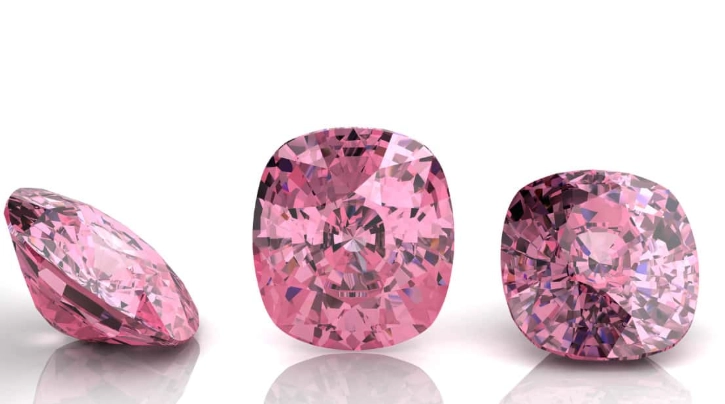
But if you want a gem that combines legendary durability with a spectrum of personality—from playful to sophisticated—a pink sapphire is a phenomenal choice. It's a conversation starter. It's a piece of the earth painted in a surprisingly joyful color. It's strong enough for a lifetime of wear but soft enough in appearance to melt your heart.
My friend's ring that started this whole journey for me? She's worn it every single day for eight years now. It's been knocked, soaked, and frozen (we live in a cold place), and it still looks as vibrant as the day she got it. The setting is a little worn, a testament to a life lived, but the pink sapphire itself is flawless. That, to me, is the real test. And it's one this incredible gem passes with flying colors.
Do your homework, find a seller you trust, and don't rush. The right pink sapphire is out there, waiting to add a splash of lasting color to your story.