In This Guide
Let's talk about green sapphires. I remember the first time I saw one in person at a jewelry show. It wasn't under fancy lighting, just sitting on a velvet tray with other stones. But it caught my eye immediately. It had this... quiet depth to it. Not the in-your-face green of an emerald, but something more complex, like looking into a forest pond. That's what got me hooked. If you're curious about these stones, whether for an engagement ring, a special pendant, or just to learn, you're in the right spot. We're going to dig into everything that makes a green sapphire unique, and I'll share what I've learned from gemologists, jewelers, and my own nerdy deep dives.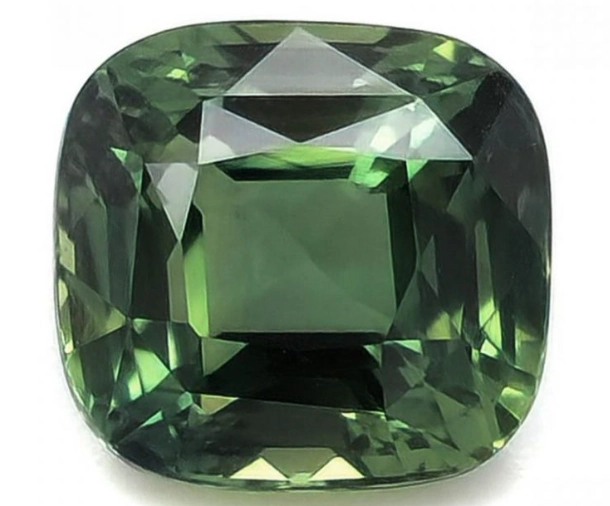
Here's the thing most people don't realize right away: A pure, vivid green sapphire is one of the rarest finds in the sapphire world. Most of the green you see is a blend, a fascinating cocktail of other colors mixing together. That's what gives it such a unique character.
What Exactly is a Green Sapphire?
At its core, a green sapphire is just corundum. The same mineral family as rubies and blue sapphires. It gets its color from trace elements, primarily iron and sometimes a dash of titanium, that get mixed into the crystal as it forms deep underground. Unlike its blue cousin which relies on titanium and iron for its classic hue, the green color is more of a secondary effect. It's often described as a "secondary" or "fancy" color sapphire. The Gemological Institute of America (GIA), the top authority in gemology, classifies them simply as "fancy color sapphires" when the green is the predominant body color. You can read more about their classification system directly on the GIA website.
It's not as famous as the blue or pink varieties, and honestly, that's part of its appeal for a lot of folks. It feels more personal, less like you're checking a box on a list of traditional gems.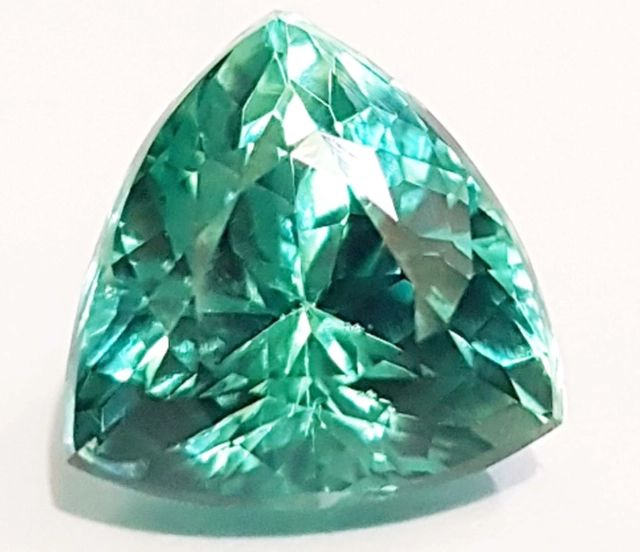
The Science Behind the Color: It's Rarely Just Green
This is where it gets interesting. A truly pure green sapphire, with no other color modifying it, is exceptionally rare. I've spoken to dealers who've been in the business for decades and they might see a handful of truly pure ones. Most green sapphires you encounter are what we call "modified" greens.
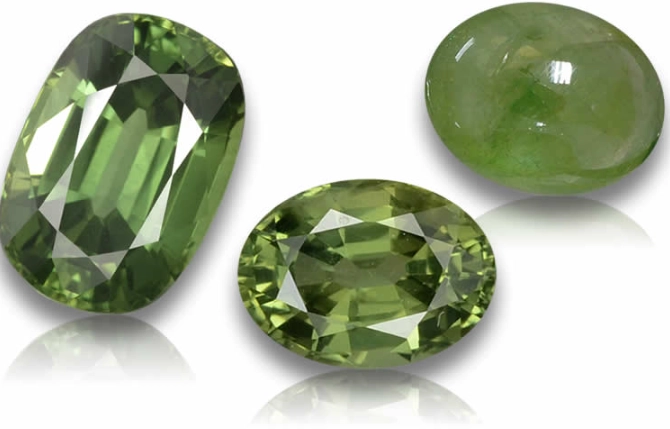
What does that mean? Imagine the color isn't from one single source, but from a combination of blue and yellow zones within the crystal. Light passes through, the colors mix, and your eye perceives a green. Sometimes you can even see hints of blue or yellow if you tilt the stone under light, especially in lighter tones. Other times, the green comes from a mixture of iron (which can give yellow) and titanium (which gives blue), working together in the crystal lattice. It's this complexity that creates such a wide and fascinating range of greens, from olive and khaki to rich teal-like shades and soft sage.
How to Judge the Value of a Green Sapphire
You can't just look at a price tag and know if it's a good deal. The value of a green sapphire hinges on a few key factors, and they all play together. I've seen two stones of the same size with wildly different prices, and it always comes down to these details.
Color, Color, Color (It's Not Just About Being Green)
This is the biggest driver of value, more so than even clarity sometimes. But it's not as simple as "darker green = more expensive."
- Tone and Saturation: The most prized green sapphires have a medium to medium-dark tone with strong, vivid saturation. Think of a lush, vibrant green without being so dark it looks black in dim light. A pale, washed-out green will be less valuable, as will a green so dark it loses its color life.
- Hue: This is the specific type of green. A pure, balanced green is the rarest and most sought after. However, many beautiful and valuable stones have modifying hues. A green with a slight blue modifier (leaning toward teal) is very popular and often commands high prices. A yellowish-green (olive) is more common and typically less expensive, though some people specifically love that earthy look.
- Evenness of Color: How evenly is the color distributed? A stone with obvious zoning—patches of lighter and darker color—is less valuable than one with a uniform wash of color. Sometimes zoning can create interesting effects, but for a classic look, evenness is key.
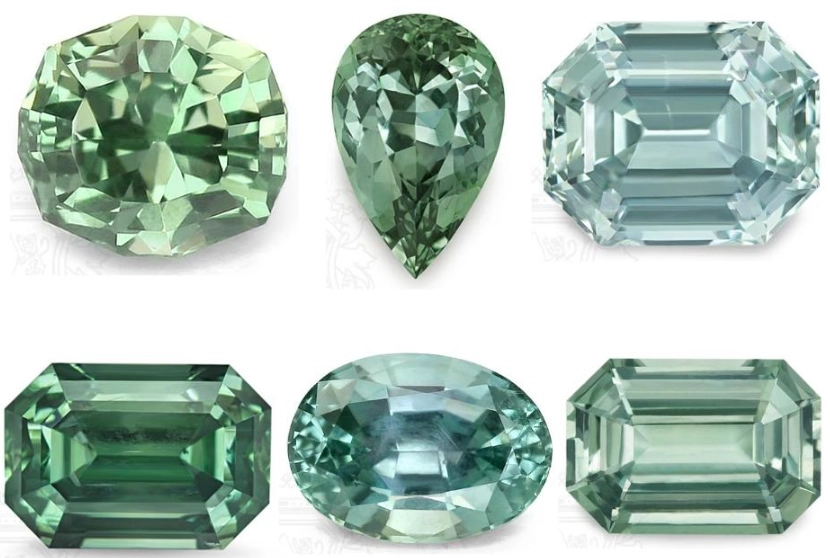
Personally, I'm drawn to the teal-leaning greens. They have a cool, sophisticated feel. But I know plenty of people who swear by the warm, organic look of an olive green sapphire. It's subjective.
Clarity: What's Inside Matters
Sapphires are Type II gemstones, meaning some inclusions are expected. You're not looking for the flawless perfection you might with a diamond. The question is: do the inclusions affect the beauty or durability?
Eye-clean stones—those with no inclusions visible to the naked eye from about 6-8 inches away—are the most valuable. But many green sapphires have visible inclusions like silk (fine needle-like rutile), crystals, or fingerprints. If they don't make the stone look cloudy or compromise its strength, they can significantly lower the price while still offering a gorgeous gem. It's a great way to get a larger stone on a budget.
Watch out for this: Some inclusions can make a stone more fragile. Avoid stones with large fractures or inclusions that reach the surface, especially if you're planning a ring for daily wear. A good jeweler will point these out.
Cut and Carat Weight
A great cut can make an average color sing, and a bad cut can ruin a great color. The cutter's job is to maximize the color, brilliance, and overall face-up appeal. Since green sapphires often have color zoning, a skilled cutter will orient the stone so the best color is facing up through the table (the top flat part).
Carat weight is straightforward—larger stones are rarer and cost more per carat. But here's the catch: green sapphires can be denser or less dense depending on their origin and chemistry. So a one-carat green sapphire might look slightly smaller or larger than a one-carat diamond. Always consider the millimeter measurements, not just the carat weight.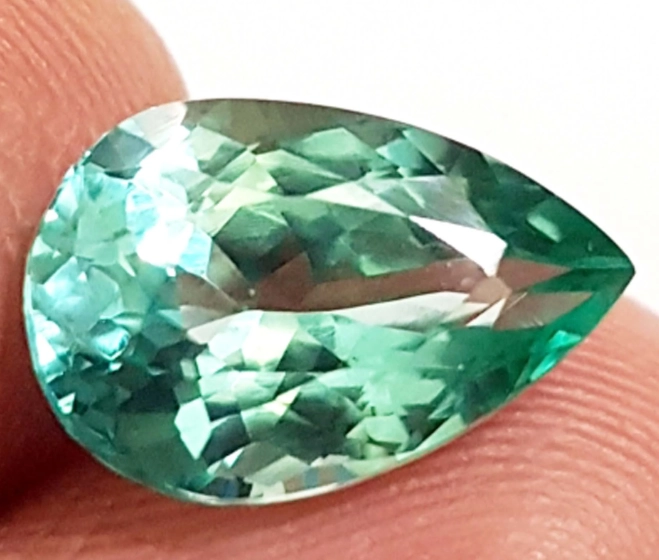
The Origin Question: Does It Matter?
It can, both for the color profile and the price. Origin can be a hot topic. Some origins have a reputation for certain colors, but it's not a guarantee of quality. A fantastic stone from a lesser-known locale is better than a mediocre stone from a famous one.
| Origin | Typical Color Characteristics | Notes on Availability & Market |
|---|---|---|
| Sri Lanka (Ceylon) | Often lighter, more pastel greens, sometimes with blue or yellow modifiers. Can have great clarity. | A classic source for fancy sapphires. Well-respected in the market. Stones from here can command a premium for the provenance. |
| Madagascar | Wide range, from light yellowish-green to rich, saturated greens. A major producer today. | Probably where a lot of the green sapphires on the market right now come from. Offers good value and variety. |
| Australia | Often darker, inkier greens with strong saturation. Can have a distinctive olive or khaki tone. | Known for darker stones. These can be very attractive in masculine jewelry or bold designs. |
| Montana, USA | Can produce unique, slightly metallic-looking greens, sometimes with a bluish shift. Colors are often described as "peacock" or "teal." | Highly sought after by those wanting a domestic stone. The unique colors can carry a significant premium. |
| Other Sources | Tanzania, Kenya, Thailand also produce green sapphires with varying characteristics. | Less consistently seen in the mainstream market, but can offer surprises. |
I own a small green sapphire from Montana, and the color is unlike any other in my collection—it has this steely, cool quality under certain light. But my favorite piece is a pendant with a Sri Lankan stone that's the color of sea glass.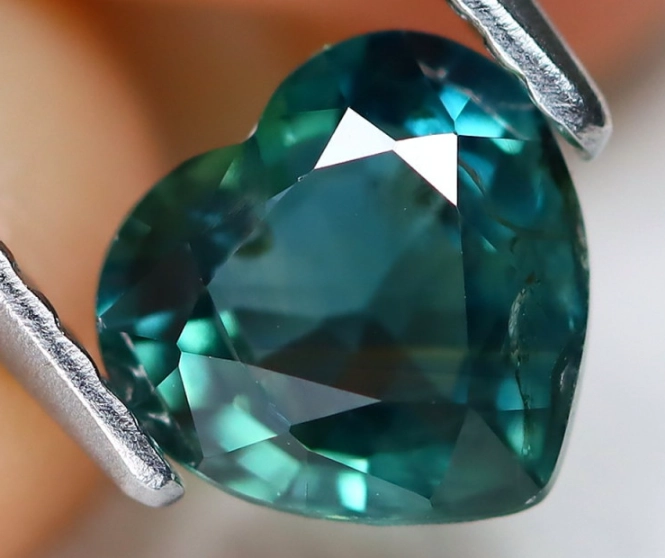
Buying a Green Sapphire: A Practical Guide
Okay, so you're thinking about buying one. Let's move from theory to practice. How do you actually find a good stone and not get overwhelmed or misled?
Key Questions to Ask the Seller
Don't be shy. A reputable seller will have answers or be willing to find out.
- Has this stone been treated? This is the big one. Heat treatment is common and generally accepted for sapphires to improve color and clarity. It's stable and permanent. You should always assume a sapphire has been heated unless stated otherwise as "no heat" or "untreated," which is rare and increases value dramatically. Be extremely wary of any stone that has been fracture-filled (clarity enhanced with glass or resin) or diffusion-treated (color only on the surface). These treatments are not stable for long-term wear, especially in rings. The International Colored Gemstone Association (ICA) encyclopedia is a great resource to understand these treatments.
- Can I see a gemological report? For a significant purchase, a report from a reputable lab like GIA or AGL (American Gemological Laboratories) is worth its weight in gold. It will confirm the species (is it definitely a sapphire?), identify treatments, and sometimes comment on origin. It's your independent verification.
- What is the color in different lights? Ask for a video taken outdoors in shaded daylight (the gold standard for judging color) and one indoors under household lights.
- Are there any durability concerns with this specific stone? Point to any visible inclusions and ask if they affect the setting or daily wear.
Setting and Design Ideas for Green Sapphire Jewelry
This is the fun part. Green is incredibly versatile.
For engagement rings, it's a stunning non-traditional choice.
Yellow gold makes the green pop with a warm, vintage feel. White gold or platinum gives it a crisp, modern look. Rose gold can create a really unique, almost autumnal blend with olive-toned stones. Halos can work, but I often think a simple solitaire or a three-stone setting lets the unique color of the green sapphire be the star. Bezel settings are both modern and practical, protecting the girdle of the stone.
Beyond rings, they make incredible pendants and earrings. A pear or oval cut green sapphire pendant is a conversation starter. I wear mine all the time.
Caring for Your Green Sapphire
Good news here: sapphires are a 9 on the Mohs scale of hardness, second only to diamonds. This makes a green sapphire an excellent choice for daily-wear rings. They're tough. But "tough" doesn't mean indestructible.
Hardness vs. Toughness: Hardness (Mohs scale) is resistance to scratching. Toughness is resistance to breaking or chipping. Sapphires are high on both, but they can still chip if hit hard at the right angle, especially if there's an inclusion near the edge.
- Cleaning: Simple is best. Warm water, a tiny drop of mild dish soap, and a soft toothbrush. Rinse thoroughly. Ultrasonic cleaners are usually safe for heat-treated stones without major fractures, but when in doubt, skip it. Steam cleaners are generally fine.
- Storage: Don't toss it loose in a jewelry box with other pieces. Keep it in a soft pouch or a separate compartment. It can scratch other gems (like topaz or quartz) and, over time, even another sapphire could theoretically scratch it.
- Activities: Take it off for heavy lifting, gardening, gym workouts. It's less about the sapphire and more about knocking the setting around or exposing it to harsh chemicals.
I clean my jewelry about once a month. It takes five minutes and keeps everything sparkling.
Green Sapphire vs. Other Green Gems
People often ask how it stacks up against the more familiar green guys. It's a fair question.
Vs. Emerald: Emerald is softer (7.5-8 Mohs), is almost always included, and is typically oil-treated. Emerald is classic and has a brighter, more direct green. Green sapphire is far more durable, often has better clarity for the price, and offers more subtle, complex colors. Emerald is usually more expensive carat-for-carat for comparable quality.
Vs. Tsavorite Garnet: Tsavorite has a brilliant, electric green color. It's also durable (7-7.5 Mohs) but can be more brittle (less tough) than sapphire. Tsavorite is rarer in larger sizes, so a big stone is a major investment. Green sapphire offers a different, often softer color palette and is more available in larger sizes.
Vs. Peridot: Peridot is a lighter, limey yellow-green. It's much softer (6.5-7 Mohs) and not ideal for an everyday ring. It's also generally less expensive. Different league altogether.
The choice depends on the color you love, your budget, and how you plan to wear it. For an everyday ring, the durability of a green sapphire is a huge plus.
Answering Your Green Sapphire Questions
Absolutely. With a hardness of 9, they are one of the best choices for engagement rings and daily-wear jewelry. Just use common sense—no gemstone is immune to a serious blow.
Natural, untreated green sapphires of fine quality hold value very well, and can appreciate. Treated stones of good color will retain a good portion of their value, especially as demand for unique gemstones grows. It's not a speculative investment, but it's a piece of value you can wear and enjoy.
You might see cheap green sapphires online. These are often very included, have a very poor (washed-out or muddy) color, are very small, or—and this is important—are synthetic (lab-created). There's nothing wrong with lab-created sapphires if that's what you want and you're paying a fair price for them, but you should know that's what you're getting. A natural green sapphire with decent color and clarity has a certain cost of mining and cutting attached to it.
The color in natural, heat-treated green sapphires is completely stable. It will not fade from sunlight or over time. The color is locked into the crystal structure. (This is different from some gems like amethyst, which can fade).
There's no single "best" cut. It depends on the rough. Ovals and cushions are very popular as they often retain weight well and showcase color beautifully. Round brilliants are less common in colored sapphires because they lose more weight during cutting, but they are out there. Step cuts like emerald or asscher cuts can look fantastic if the stone has high clarity.
So, there you have it. The world of green sapphires is deep and surprisingly varied. It's a gem for people who want something beautiful, durable, and a little off the beaten path. It carries the prestige of a sapphire with a personality all its own. Whether you end up with a vibrant teal from Madagascar or a soft sage from Sri Lanka, you're getting a piece of the earth with a story in its color. My advice? Look at as many as you can. Your eye will tell you which one is yours.