Quick Navigation
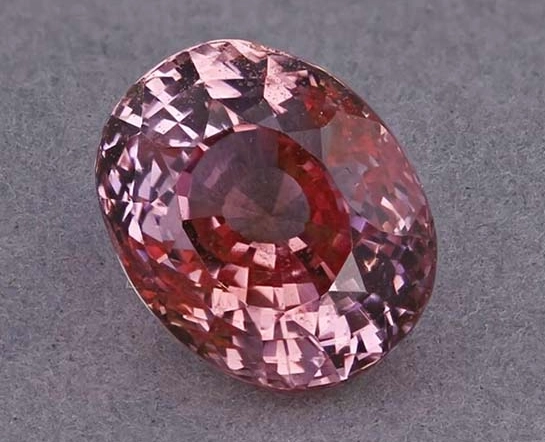
Let's be real, when most people think of sapphires, they picture a deep, royal blue. It's the classic look. But then you stumble across a gem that looks like a captured sunset—a soft blend of pink and orange that seems to glow from within. That's your first encounter with a padparadscha sapphire. And it's probably what brought you here. You're not just looking at another blue stone; you're looking at one of the rarest, most debated, and frankly, most confusing colored gems on the planet.
I remember the first time I held one. It was in a tiny shop in Colombo, Sri Lanka. The dealer called it "the lotus flower stone," and the price tag made my eyes water. But the color? It was unlike anything else. Not quite pink, not quite orange, but this perfect, hazy blend that felt warm and delicate at the same time. Since then, I've seen dozens, maybe hundreds, labeled as "padparadscha." And here's the kicker—maybe ten of them were the real deal. The term gets thrown around so much it's lost meaning, which is a shame because a true padparadscha sapphire is a masterpiece of nature.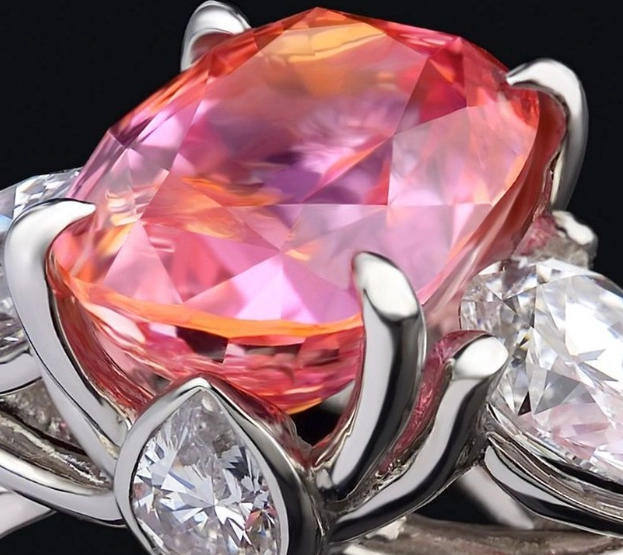
What Color is a REAL Padparadscha? (The Great Debate)
This is the million-dollar question, literally. The value lives and dies by the color. If you ask ten gemologists, you might get eleven opinions. But most agree it's not a vivid hot pink or a bright tangerine. The magic is in the subtle, pastel-like blend.
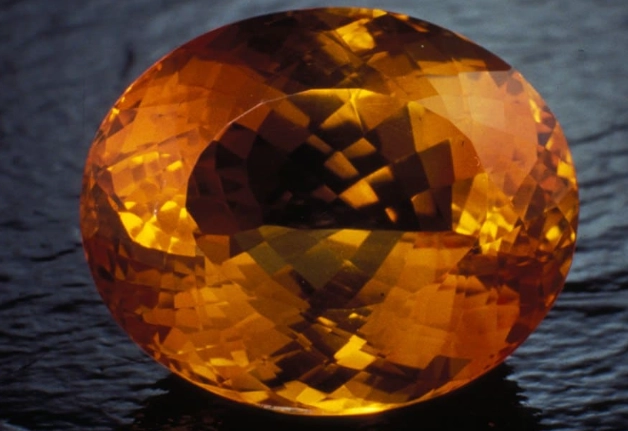
The Gemological Institute of America (GIA), one of the most respected authorities, describes it as a delicate light to medium tone of pinkish orange to orangey pink. The key is the balance. It should be a harmonious mix, not a stone that's mostly pink with a hint of orange, or vice-versa. Think of the color of a ripe salmon, a tropical sunset, or yes, the inner petals of a lotus flower. It should have a certain "glow" without being neon.
Now, here's where it gets messy. Other labs and trade organizations have slightly different takes. Some lean more towards the orange side, others accept slightly stronger saturations. This lack of a single, universally strict standard is why you see such variation in the market—and why buying one requires a very careful eye.
Where Does That Amazing Color Come From?
It's all about trace elements, the same way chromium makes a ruby red. For a padparadscha sapphire, the pink is usually from chromium (the same guy responsible for ruby). The orange? That's often a complex interplay. Sometimes it's from what we call "color centers"—tiny structural defects in the crystal that interact with light. Iron can play a role, too, but too much iron can muddy the color, pushing it towards a dull brown or orange. The perfect padparadscha color happens when just the right amount of chromium meets just the right crystal lattice conditions, under just the right geological pressure and heat. It's a geological lottery ticket.
Heat treatment is a massive topic here. A huge percentage of sapphires on the market are heated to improve their color and clarity. With padparadscha, it's a double-edged sword. Mild, traditional heat can sometimes bring out or stabilize the desirable pink-orange hue from a paler stone. But high heat or ".baking." can destroy the delicate balance, often resulting in a plain orange or pink sapphire. An unheated, natural-color padparadscha is the ultimate prize and commands a massive premium.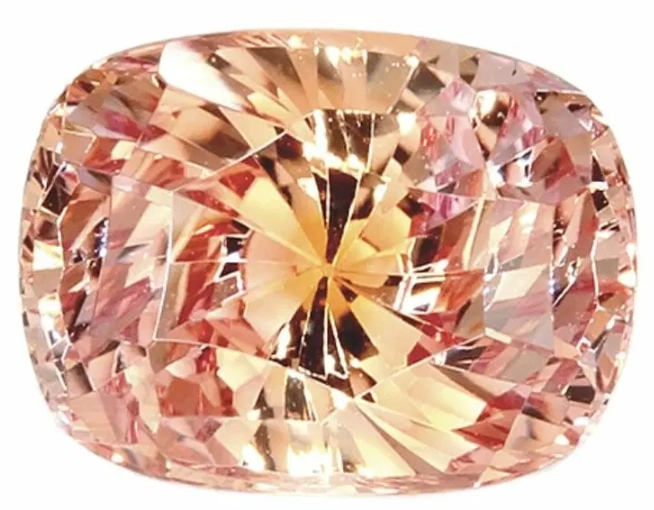
Origin Stories: Where Are These Gems Found?
The classic, historical source is Sri Lanka (formerly Ceylon). For centuries, the finest examples, with their soft, luminous colors, came from the river gravels there. Sri Lankan padparadscha sapphires set the standard. The conditions there just seemed to produce that perfect sunset blend more often.
But they're not the only game in town anymore. Madagascar has emerged as a major source in the last few decades. Malagasy stones can be stunning, sometimes with a slightly more vivid or saturated color. Vietnam, Tanzania, and even Montana in the USA have produced occasional stones that fit the padparadscha description. However, origin still matters a lot to collectors. A Ceylon origin often carries a cachet and can influence price, assuming the color is right.
Personally, I've seen stunning stones from Madagascar that rival the best from Sri Lanka. Getting hung up purely on origin can make you miss a beautiful gem. Focus on the color and quality first, then let origin be a supporting factor, not the deciding one.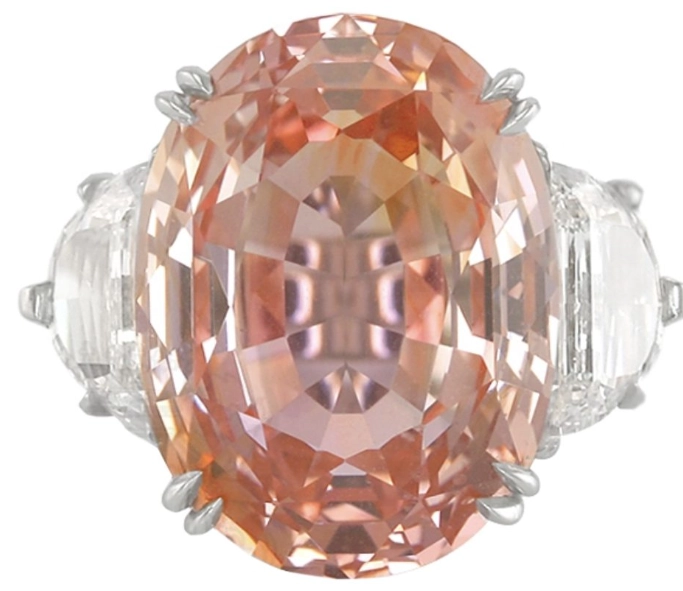
What Determines a Padparadscha Sapphire's Value?
Forget the standard diamond 4Cs for a second. With padparadscha, the rules are different. Here’s a breakdown of what really drives the price into the stratosphere (or keeps it somewhat grounded).
| Factor | High-Value / Ideal | Lower-Value / Problematic | Why It Matters |
|---|---|---|---|
| Color (The #1 Factor) | Balanced, luminous pink-orange or orange-pink. Light to medium tone. Even saturation. | Too pink (looks like pink sapphire). Too orange (looks like orange sapphire). Too dark, too brownish, or uneven color zoning. | This is the entire definition of the gem. A 10% shift in hue can mean a 90% difference in price and classification. |
| Treatment | No Indications of Heat (Unheated). Or, "Heated" with no signs of diffusion. | Indications of Beryllium Diffusion or other lattice diffusion. Evidence of high-temperature over-heating. | An unheated padparadscha is exponentially rarer. Treatments must be fully disclosed. Diffusion-treated stones are not considered natural color. |
| Clarity | Eye-clean (no visible inclusions to the naked eye). Some fine silk (rutile needles) that adds softness is acceptable and even desired. | Inclusions that cloud the stone, large fractures, or black crystals prominently visible. | Clarity is important, but slight inclusions are tolerated more than in a diamond. The gem shouldn't look "sleepy" or cloudy. |
| Carat Weight | Stones above 2 carats are rare. Fine quality over 5 carats is exceptionally rare and collectible. | Very small melee stones (under 0.5ct) where the color is hard to appreciate. | Size magnifies rarity. Price per carat increases significantly at weight milestones (1ct, 2ct, 5ct). |
| Cut | Cut to maximize color and brilliance, even if it means retaining some weight. Symmetrical, good polish. | Poorly cut for weight retention (too shallow/deep), windows (see-through dead spots), or extreme asymmetry. | A good cut makes the color sing. A bad cut can kill the delicate hue and make it look dull. |
| Origin | Historically, Sri Lanka (Ceylon). Madagascar for fine modern examples. | Origin with a reputation for heavily treated stones (unless treatment is fully disclosed and accounted for in price). | Adds provenance and story. Ceylon origin often carries a premium, but color is still king. |
See what I mean? It's a minefield. A two-carat, unheated, well-balanced padparadscha sapphire from Sri Lanka with a good lab report can easily cost five or six figures. A one-carat heated stone with a so-so color from an unknown source might be a few thousand dollars. The range is astronomical.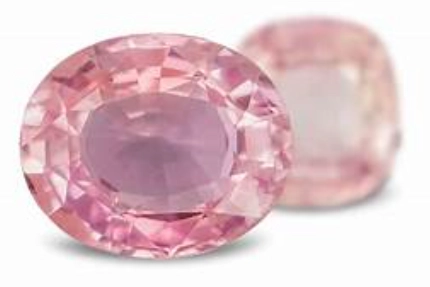
How to Spot a Fake or Misrepresented Stone
This is the practical stuff you need before opening your wallet. The market is full of imitations and exaggerations.
- Lab-Grown/Synthetic Padparadscha: These are real sapphires (chemically corundum) but created in a lab. The color is often too perfect—vivid and evenly saturated without the subtlety of most naturals. They are a fraction of the price and a fine ethical choice if you just love the color, but they must be sold as "lab-created" or "synthetic." Passing them off as natural is fraud.
- Other Pink-Orange Gems: Stones like morganite (beryl), some tourmalines (like rubellite), or even spinel can have similar colors. A gemologist can quickly tell the difference based on hardness, refractive index, and other properties.
- Glass or Composite Fakes: Cheap imitations. These lack the hardness (sapphire is a 9 on the Mohs scale) and brilliance of the real thing.
The single most important tool for protection? A reputable lab report. Not just any paper, but from a major lab like GIA, AGL (American Gemological Laboratories), or Gübelin. The report should state:
- Species: Corundum (Sapphire)
- Variety: Padparadscha (if it meets their criteria)
- Color: The actual color description.
- Treatment: Clearly state "No indications of heat treatment" or "Heated" and specify the type if detectable.
- Origin: If determined.
Don't trust a dealer who says "the report is extra" or "it's obviously natural." For a stone of this value and controversy, the report is part of the cost of doing business.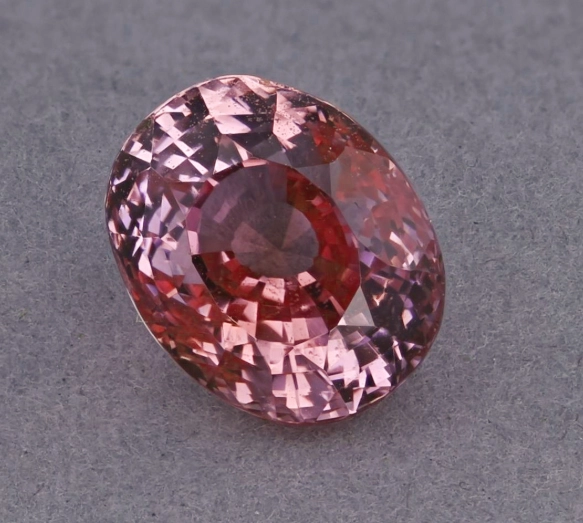
Buying Guide: Navigating the Market
Okay, you're serious about getting one. Here's a step-by-step mindset.
1. Define Your "Why" and Budget. Are you after the rarest collector's item, or do you just adore the sunset color and want a beautiful piece of jewelry? If it's the latter, a heated stone or even a high-quality lab-grown padparadscha sapphire can give you that look for a much more accessible price. There's no shame in that. The ethical considerations of lab-grown gems are worth exploring, as they have a smaller environmental footprint from mining.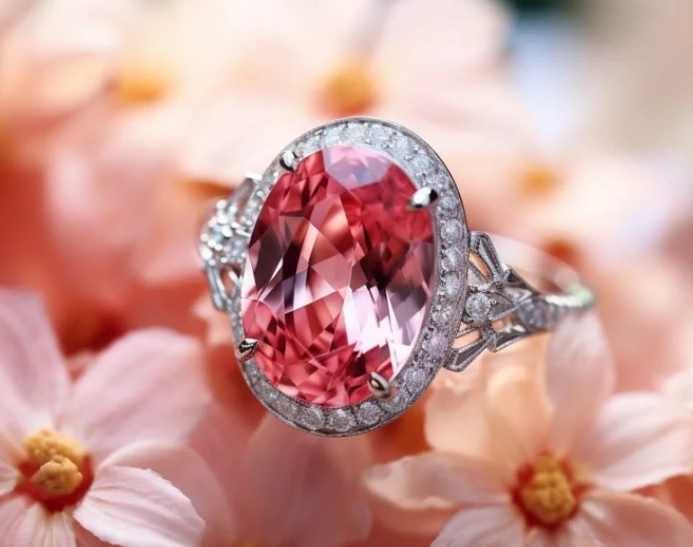
2. Find a Specialized, Reputable Seller. This isn't a mall jewelry store purchase. Look for dealers or jewelers who specialize in colored gemstones. They should be able to talk knowledgeably about color zones, treatments, and origins. They should also be members of trade organizations like the American Gem Trade Association (AGTA), which has a code of ethics.
3. Insist on a Lab Report from a Major Lab. I can't stress this enough. For any significant purchase, the report is your insurance policy. It should come with the stone. Period.
4. See the Stone in Different Lights. A padparadscha can look different under LED, fluorescent, and natural sunlight. Ask for videos or photos in multiple light sources. The best will look good in all of them, but some may look better in warm light (enhancing orange) or cool light (enhancing pink). Know what you're getting.
5. Consider the Setting. The metal color changes the stone's appearance. Rose gold can amplify the pink tones. White gold or platinum can make the orange pop more. Yellow gold is a classic, warm complement. Try to see the stone against different metal samples.
I made a mistake once, early on. I bought a stone online that looked salmon-pink in the seller's video. In person, under my home lights, it just looked... beige. It was a costly lesson in lighting and expectation. Now, I always ask for a "north daylight" video or, better yet, a short live video call.
Caring for Your Treasure
Once you have it, keep it safe. Store it separately from other jewelry to prevent scratches (it can scratch anything softer than itself, which is almost everything else in your box). Have the prongs and setting checked by a jeweler once a year, especially if it's a ring worn daily. For cleaning, stick to the gentle method described earlier. Avoid exposing it to harsh chemicals (bleach, chlorine, strong cleaners). It's generally safe, but why risk it?
Think about insurance. Get a professional appraisal from your jeweler after purchase and add it to your homeowner's or renter's policy with a scheduled jewelry rider. For a valuable padparadscha, this is a must.
The Big Picture: Is It Worth It?
That's a personal question. If you're captivated by the color and the romance of owning one of gemology's great rarities, then yes, it can be incredibly rewarding. The journey of learning, searching, and finally finding "the one" is part of the experience. The stone has a story—a geological wonder formed over millions of years.
But if you're just looking for a pretty pink-orange gem and the pedigree isn't important, you have fantastic alternatives. A beautiful sapphire of a similar color that doesn't quite hit the strict padparadscha definition can be 80% of the beauty for 20% of the price. A fine spinel or tourmaline might also scratch that itch. And the lab-grown option is more viable and beautiful than ever.
The world of padparadscha sapphire is one of subtle beauty, fierce debate, and extreme rarity. It demands a knowledgeable buyer. But for those who fall under its spell, there's simply nothing else like it. It's not just a gem; it's a piece of the sunset, permanently set in stone. Do your homework, trust your eyes (and a good lab report), and you might just find a treasure that will awe you for a lifetime.
Just promise me you'll look at it in the sunlight at least once. That's when the magic really happens.