Explore the Guide
- Shape vs. Cut: Untangling the Jargon
- The Classic Gemstone Cuts: A Field Guide
- The Wild World of Fancy and Specialty Gemstone Cuts
- How Cut Directly Impacts Value (It's Not Just About Carats)
- Choosing the Right Cut: A Practical Guide for Buyers
- Your Gemstone Cut Questions, Answered
- Wrapping It Up: Cut is King
Let's be honest. When most people look at a ring or a pendant, they see the color first. That deep blue sapphire, that fiery red ruby. But if you've ever held two stones of the same color side by side and one just sings with light while the other looks a bit dull and lifeless, you've witnessed the magic—and the absolute critical importance—of the cut. It's the unsung hero of the gem world, the difference between a "nice stone" and a show-stopper. And it's about way more than just whether it's round or square.
I remember the first time I really understood this. I was looking at an emerald-cut aquamarine in a vintage shop. On paper, it sounded great. But in person? It was like looking into a shallow, hazy pond. No sparkle, no life. Then the jeweler showed me a smaller, round brilliant-cut aquamarine. It wasn't as big, but good grief, it was like holding a piece of the sky that decided to trap sunlight inside. That's when it clicked for me. The shape was just the silhouette. The gemstone cut—the angles, the proportions, the facet arrangement—was its soul.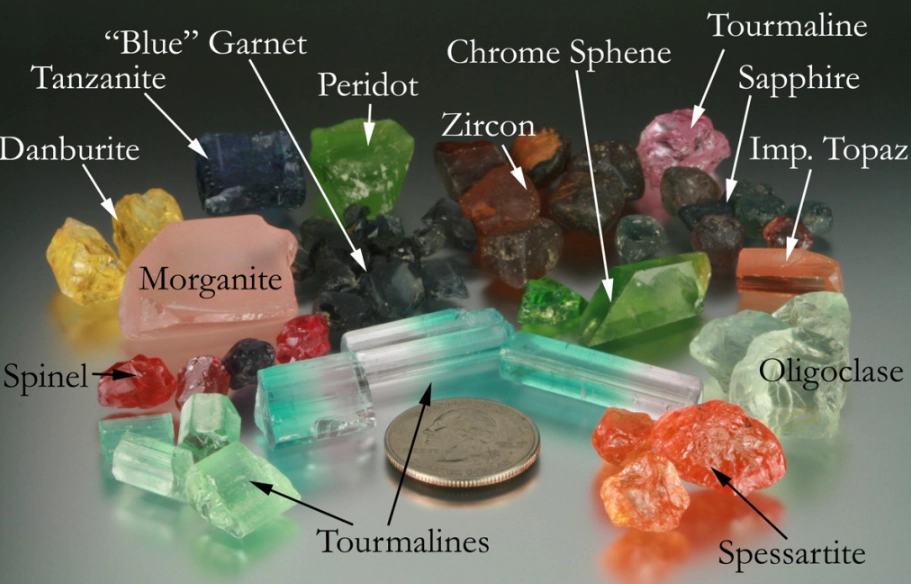
Shape vs. Cut: Untangling the Jargon
This is where everyone gets tripped up, even some salespeople. You'll hear "emerald cut" or "cushion cut" thrown around as if they're just describing a rectangle or a pillow shape. They're not. They're describing a specific style of gemstone cuts with a very specific set of facets and proportions that create a signature look.
A "round" shape tells you nothing about performance. A "Round Brilliant Cut" is a precise recipe for maximum fire and brilliance. You could have a badly cut round stone that's too shallow (spreads the color but leaks light out the bottom, making it look glassy) or too deep (traps light in the bottom, creating a dark dead spot in the center). Both are "round," but only one is a well-executed Round Brilliant.
Remember this: Shape is the two-dimensional outline. Cut is the three-dimensional performance.
The Classic Gemstone Cuts: A Field Guide
Let's break down the major families. These are the classic gemstone cuts you'll see everywhere, from mall jewelry stores to high-end auction houses.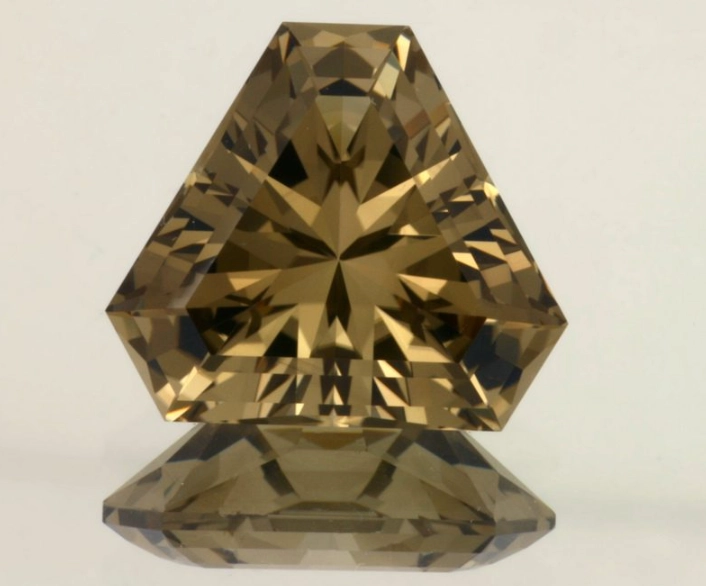
The Brilliant Cut Family (All About the Sparkle)
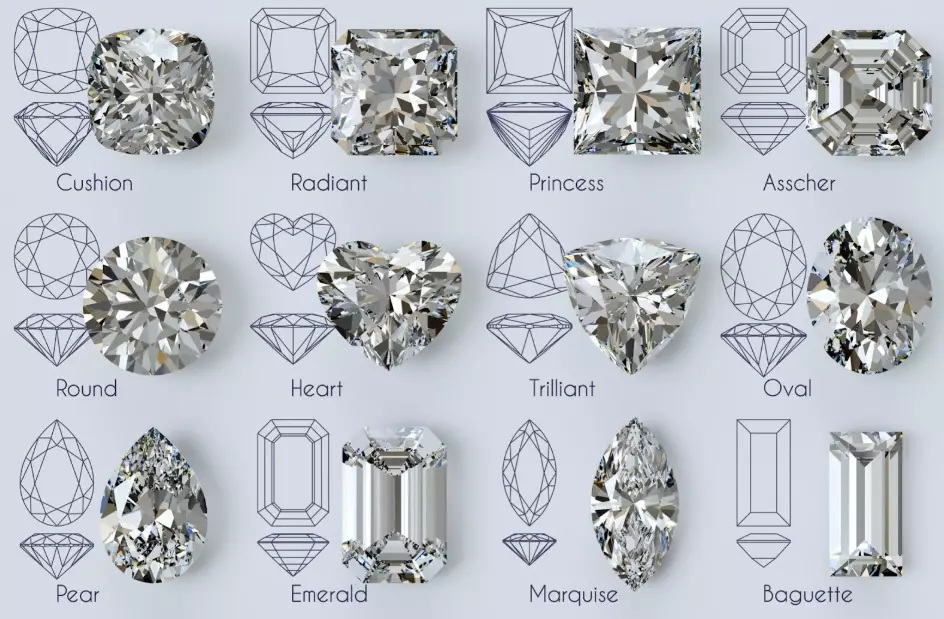
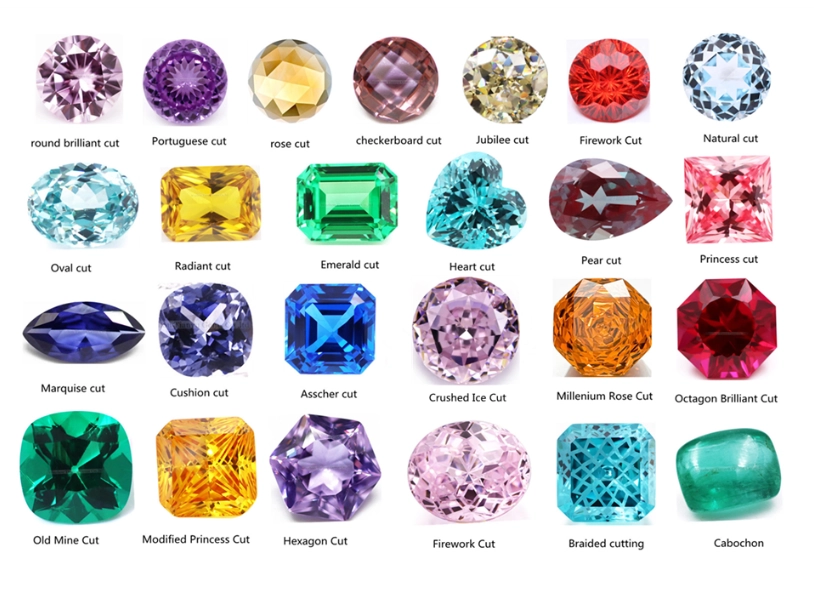
The goal here is simple: maximize white light return (brilliance) and split that light into rainbows (fire, or dispersion). It's achieved through a specific pattern of triangular and kite-shaped facets all angled to bounce light back to your eye. The modern Round Brilliant, with its 57 or 58 facets, is the king here. It's a masterpiece of optical engineering. But the family has popular siblings:
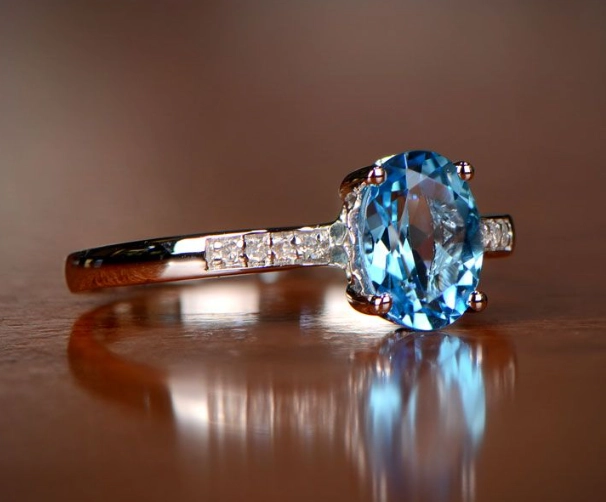
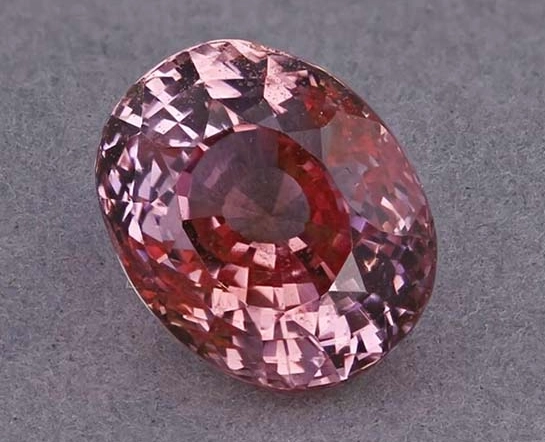
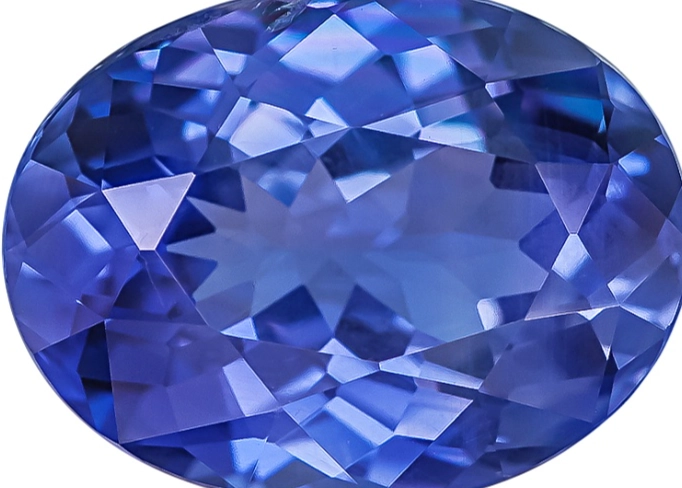
- Oval Brilliant: Offers the sparkle of a round but in an elongating shape that can make fingers look longer. Can suffer from a "bow-tie" effect (a dark area across the center) if cut poorly.
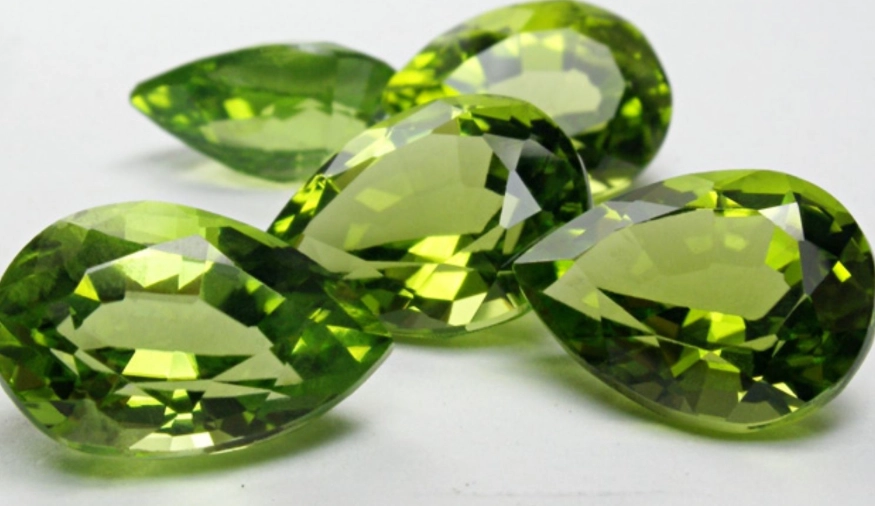
- Pear Brilliant (Teardrop): Romantic and versatile. Can be worn as a pendant or in a ring with the point facing up or down. Also prone to bow-tie issues.
- Marquise Brilliant: Dramatic and elongating. It has the largest surface area for its carat weight, so it can look bigger. The points are delicate and can chip if not protected by the setting.
- Heart Brilliant: The sentimental favorite. Incredibly difficult to cut symmetrically. A well-cut heart is a sign of a great cutter.
The Step Cut Family (All About the Elegance)
Forget fire and rainbows. Step cuts are about clarity, depth, and a cool, hall-of-mirrors elegance. They feature long, parallel facets that run parallel to the gem's outline, like steps on a staircase. This creates broad, open planes of color and light that flash, rather than sparkle.
- Emerald Cut: The classic rectangle with truncated corners. It's open and honest—it shows every inclusion and color zone. Because it doesn't hide much, quality is paramount. A top-grade emerald cut gemstone has a serene, sophisticated beauty that's hard to beat.
- Asscher Cut: Think of it as a square emerald cut, but often with a higher crown and smaller table, creating more depth and a mesmerizing, concentric square pattern when you look into it. It's Art Deco glamour in gem form.
- Baguette Cut: A small, rectangular step cut used almost exclusively as accent stones. They're like little bars of solid color.
The Mixed Cut Family (The Best of Both Worlds?)
Why choose between sparkle and elegance? Mixed cuts combine a brilliant-cut crown (the top) with a step-cut pavilion (the bottom), or vice versa. This can optimize both brilliance and color display, especially in colored stones.
- Cushion Cut: Historically, this was a simple step cut with rounded corners (like a pillow). The modern "cushion brilliant" is a hybrid, often with a brilliant facet pattern, giving it a soft, romantic look with more sparkle than an antique cushion. Its popularity has soared in recent years.
- Radiant Cut: A rectangular or square cut with truncated corners (like an emerald cut) but with a full brilliant facet pattern on both the crown and pavilion. It gives you the clean lines of a step cut with the sparkle of a brilliant. It's a fantastic choice if you find emerald cuts too quiet.
- Princess Cut: The second most popular choice for diamonds. It's a square or rectangular brilliant cut, usually with sharp, uncut corners. It's modern, fiery, and efficient with rough stone, but those sharp corners are major chip risks and must be set carefully.
| Cut Type | Best For... | Visual Style | Watch Out For... | Typical Gemstones |
|---|---|---|---|---|
| Round Brilliant | Maximum sparkle, classic appeal, resale value | Explosive fire & brilliance | Can look "samey"; premium price per carat | Diamond, Sapphire, Moissanite |
| Emerald Cut | Elegance, clarity of color, vintage/modern vibe | Clean, hall-of-mirrors flashes | Reveals inclusions easily; less sparkle | Emerald, Beryl, Aquamarine, Diamond |
| Cushion Brilliant | Romantic look, good color display, vintage feel | Soft sparkle with chunky facets | Can look dark in center if cut deep | Sapphire, Ruby, Spinel, Diamond |
| Oval Brilliant | Elongating shape, brilliant sparkle | Brilliance with a flowing shape | Bow-tie effect in the center | All colored stones, Diamond |
| Princess Cut | Modern geometry, high sparkle | Sharp, geometric brilliance | Vulnerable corners | Diamond, Quartz, Topaz |
The Wild World of Fancy and Specialty Gemstone Cuts
Now we get to the fun part—the cuts that make you stop and stare. These are often custom creations by artistic lapidaries (gem cutters) who treat the rough stone as a canvas. They're not bound by traditional formulas and prioritize artistic expression, unique light play, or preserving carat weight from an unusual crystal.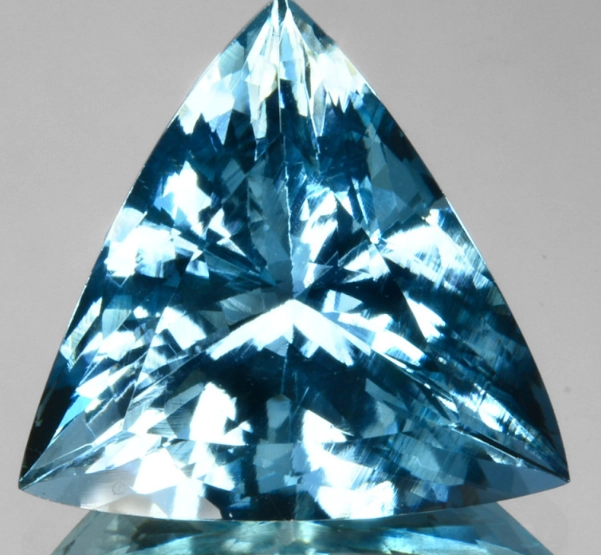
Here's where you'll find true one-of-a-kind pieces:
- Rose Cut: A historical cut with a flat bottom and a dome top covered in triangular facets, resembling a rosebud. It has a gentle, ethereal glow rather than sharp sparkle. It's made a huge comeback in indie and antique-style jewelry.
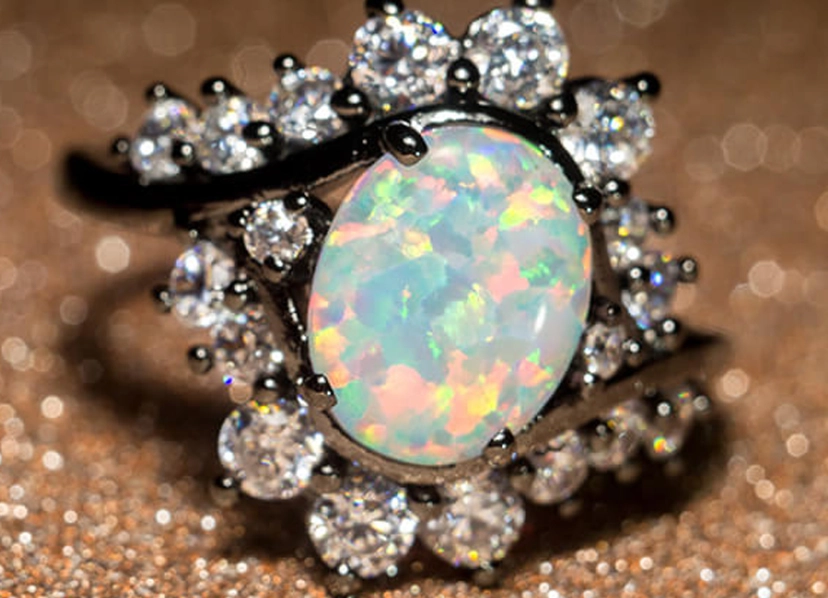
- Cabochon: Not a faceted cut at all! It's a polished, domed surface with no facets. This is the cut for stones that display optical phenomena like asterism (star effects in rubies/sapphires), chatoyancy (cat's eye effect), adularescence (moonstone's glow), or for opaque stones like turquoise and opal. A faceted opal would be a crime—you'd lose all the play-of-color.
- Baroque & Freeform Cuts: These follow the natural shape of the rough crystal, often with a mix of polished surfaces and facets. They look organic, modern, and incredibly unique. You're buying the raw beauty of the crystal, minimally enhanced.
- Fantasy Cuts: Pioneered by cutters like Bernd Munsteiner, these involve carving concave facets, grooves, and windows into the back of the stone. Light dances through them in unpredictable, sculptural ways. They're more like wearable art than traditional jewelry.
How Cut Directly Impacts Value (It's Not Just About Carats)
The classic "Four Cs" for diamonds put Cut, Color, Clarity, and Carat Weight on equal footing. For colored gemstones, the hierarchy shifts, but cut is always a massive player. A poor cut can destroy the value of a stone with perfect color and clarity.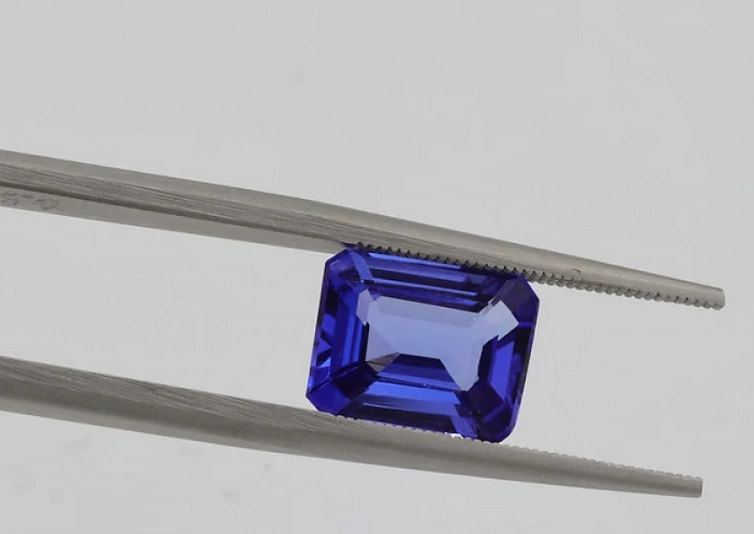
Here’s the breakdown of how cut affects the price tag:
- Light Performance: This is the #1 job of a good cut. A well-cut stone returns most of the light that enters it back to your eye (brightness), splits it into colors (fire), and creates contrasting bright and dark areas (scintillation, or sparkle). A poorly cut stone leaks light out the bottom or sides, making it look dark, dead, or windowed (you can see straight through it). A stone with a bad cut is fundamentally broken, no matter how big or clean it is.
- Carat Weight Retention vs. Beauty: This is the cutter's eternal dilemma. Rough gem crystals aren't perfect cubes. To get the best color and cleanest piece, a cutter often has to sacrifice raw weight. A cutter going for maximum carat yield might leave the stone too deep or too shallow, hurting its performance. A cutter prioritizing beauty will shape it for ideal proportions, even if it means losing more of the rough. You often pay more per carat for a beautifully cut, smaller stone than for a poorly cut larger one.
- Color Manipulation: In colored stones, cut is a master tool for color. The depth and angles can intensify a pale color or tone down an overly dark one. Cutting a stone too shallow can make a light sapphire look washed out. Cutting a deep, dark sapphire in a shallow "spread" can lighten its face-up color, but it sacrifices brilliance and can create a window. The best cut finds the perfect balance for that specific piece of rough.
- Style & Rarity: A precision-cut gemstone by a renowned master cutter commands a premium, just like a painting by a known artist. Rare fancy cuts or historical cut styles also add value due to the skill and time required.
So, what makes a gemstone cut "good"?
Symmetry is key—facets should be evenly sized and aligned. Proportion matters—the relationship between the depth and the width. Polish quality is crucial—the facets should be like perfect little mirrors, not scratched or hazy. For a deep dive into the science of cut grading, the Gemological Institute of America (GIA) has extensive resources on how they evaluate diamond cut. For colored stones, the International Gem Society (IGS) provides a useful framework focusing on proportions, symmetry, and polish.
Choosing the Right Cut: A Practical Guide for Buyers
Okay, theory is great, but you're probably thinking, "What does this mean for me when I'm shopping?" Let's get practical.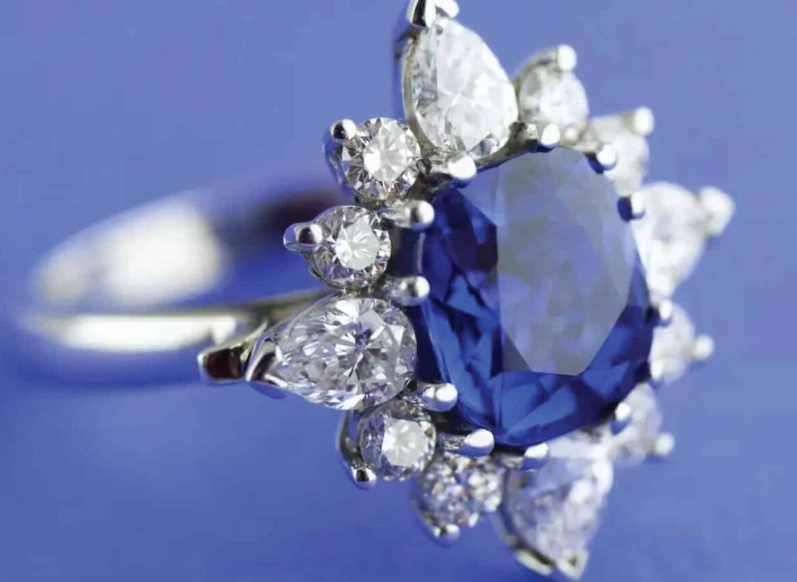
Top 3 Most "Forgiving" Gemstone Cuts
If you're worried about a stone looking dull or are buying online, these styles are generally safe bets because their design is optimized for light return:
- Round Brilliant: The gold standard. Hard to mess up if cut to standard proportions.
- Radiant Cut: The brilliant faceting pattern ensures sparkle even if the proportions aren't perfect.
- Modern Cushion Brilliant: Tends to hide inclusions well and still delivers good sparkle.
For Durability: Avoid cuts with super thin girdles (the outer edge) or sharp, exposed points. Marquise, pear, and princess cuts need protective settings (like V-tips) on their points. A round or oval with a medium girdle is generally tougher.
To Maximize Perceived Size: Look for cuts with larger face-up surface areas relative to their carat weight. Marquise, oval, and pear cuts are famous for this. Emerald and Asscher cuts, being step cuts, often have a smaller spread for their weight, so they can look smaller than a brilliant cut of the same carats.
For Vintage Lovers: Seek out old European cuts, rose cuts, antique cushions, and old mine cuts. They have chunkier facets, higher crowns, and smaller tables than modern cuts, giving them a distinctive, soft, "chunky" sparkle that's full of character.
For the Stone's Natural Properties: This is non-negotiable. Opals, moonstones, star sapphires, cat's eye chrysoberyl, and most opaque stones (turquoise, lapis lazuli) MUST be cut as cabochons to display their magic. Faceting them would ruin their value.
Your Gemstone Cut Questions, Answered
Wrapping It Up: Cut is King
After all this, if you take away one thing, let it be this: the cut is the factor that breathes life into a gemstone. It transforms a piece of colored mineral into something that interacts with light, that dances, that communicates. It's the craftsmanship applied to nature's raw material.
Don't get overwhelmed by the terminology. Start by figuring out what you're drawn to. Do you love geometric flashes or explosive sparkle? Do you want something classic or something that looks like no one else's? Once you know that, you can zero in on the family of gemstone cuts that delivers that look. Then, learn the signs of a good cut within that style—check for symmetry, look for light return, and watch out for obvious dead zones.
For historical context on how gem cutting has evolved, the Smithsonian Institution has fascinating exhibits and online materials showcasing cuts from ancient times to the present. It puts the whole art into perspective.
Your perfect stone is out there. Now you know that its secret weapon isn't just its color or size—it's the skill and intention behind every single facet. Go find the one that speaks to you.