Quick Guide
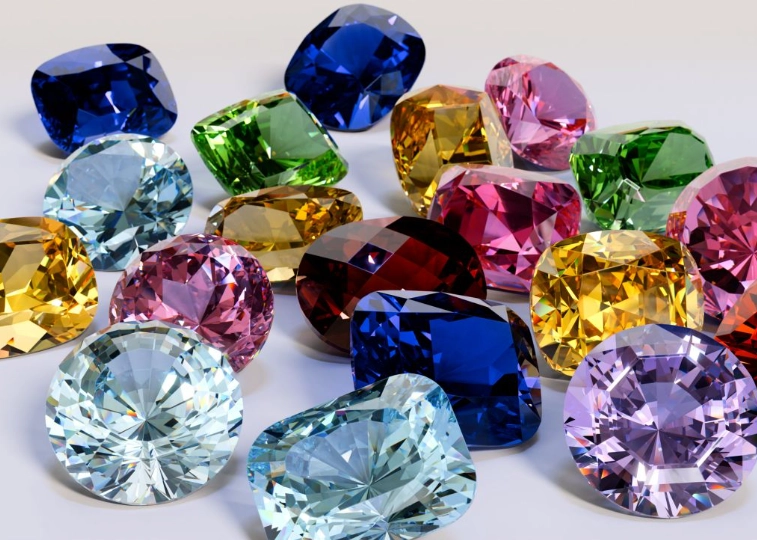
Let's be honest, picking a gemstone can feel overwhelming. You walk into a store or browse online, and you're hit with a dazzling array of colors and, more confusingly, shapes. Is a round brilliant better than an oval? What even is a cushion cut? Does the shape actually matter beyond looks? If you've ever asked yourself these questions, you're in the right place. This isn't about pushing the most expensive option; it's about unraveling the world of gemstone shapes so you can make a choice you'll love for years, not just when it's new and shiny.
I remember helping a friend choose an engagement ring. She was set on a sapphire but completely stuck on the shape. The jeweler kept showing her rounds, but she kept glancing at this unique, elongated stone in the corner. It was a trillion cut, something she'd never seen before. The moment she tried it on, her face lit up. That's the thing about gemstone shapes – the right one doesn't just sit on your finger, it speaks to you. It becomes part of your story.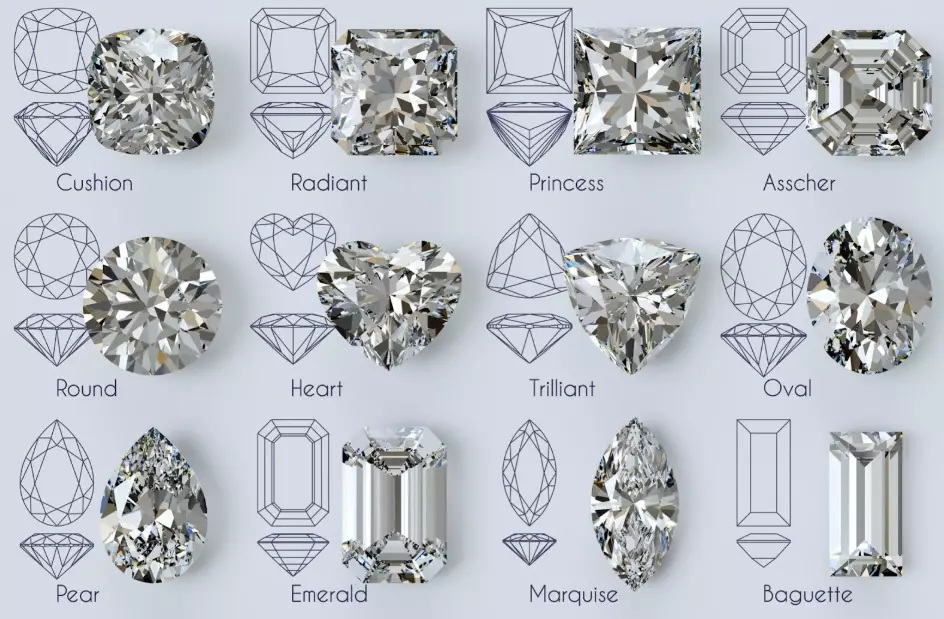
What Are Gemstone Shapes, Really?
When we talk about gemstone shapes, we're really talking about two things combined: the outline or silhouette of the stone (like round, square, pear) and the pattern of facets cut into its surface (like brilliant, step, or mixed cut). The first one you see from a distance. The second one is what makes it sparkle or glow. A gem's cut is its craftsmanship, while its shape is its form. Sometimes the names blend together, which is where the confusion starts.
For example, a "round brilliant" specifies both the shape (round) and the faceting style (brilliant). An "emerald cut" typically refers to a rectangular shape with stepped facets, but you can also get square emerald cuts. See? It's a bit messy. The Gemological Institute of America (GIA), a top authority in the field, has extensive resources on gem cutting styles and history that can help clarify these technicalities.
So why do so many different gemstone shapes exist? It's not just for fun. It's a dance between beauty, science, and practicality.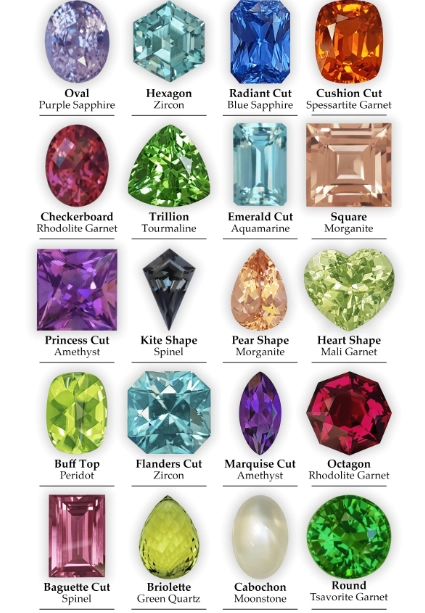
The Big Three Reasons for Different Shapes
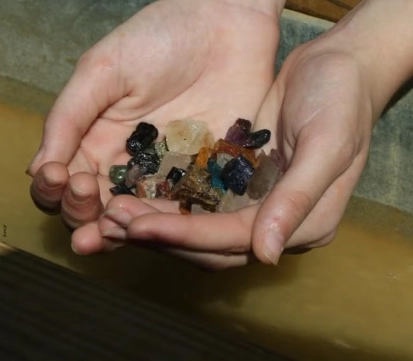
1. Maximizing the Rough: Mother Nature doesn't grow perfect cubes or spheres. Crystals form in all sorts of wonky shapes. A skilled cutter's job is to get the most beautiful, cleanest stone possible from that rough material. Sometimes that means a long, slender crystal is destined to become a marquise or an oval, not a round. For rarer gems, preserving weight (measured in carats) is a huge priority, so the shape follows the crystal's natural form more closely.
2. Enhancing Color and Sparkle: Different facet arrangements play with light differently. A deep, dark ruby might be cut into a shallow shape to let more light through and brighten its color (this is called a "window"). A very pale sapphire might be cut deeper to intensify its hue. The classic brilliant cut, with its 57 or 58 facets, is engineered for maximum fire and scintillation—that's the sparkle. Other cuts, like the step cut, prioritize the clarity and serene, hall-of-mirrors effect of the stone.
3. Pure Fashion and History: Let's not kid ourselves. Trends matter. The cushion cut is a fantastic example. It's an old-world, romantic shape that has roared back into popularity in the last 15 years. Shapes go in and out of style, often driven by celebrity engagements or cultural shifts.
A Close Look at the Most Common Gemstone Shapes
Alright, let's get into the nitty-gritty. Here’s a breakdown of the gemstone shapes you're most likely to encounter, what makes them special, and the quirks you should know about.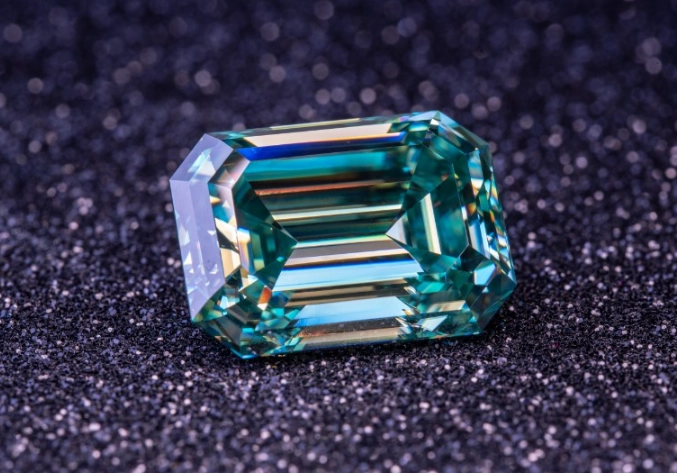
| Shape Name | Silhouette & Key Features | Best For / Vibe | Things to Consider |
|---|---|---|---|
| Round Brilliant | Circular. The classic. 57/58 facets arranged for ultimate sparkle. | Maximum brilliance, timeless appeal, resale value. The "safe" choice that's safe for a reason. | Can be more expensive due to higher waste from the rough. The sparkle can sometimes feel almost clinical to some. |
| Princess Cut | Square or rectangular with pointed corners. A modern brilliant-cut style. | Contemporary style, excellent sparkle in a square format. Very popular for engagement rings. | Those pointed corners are vulnerable to chipping. Requires a protective setting (like V-prongs). |
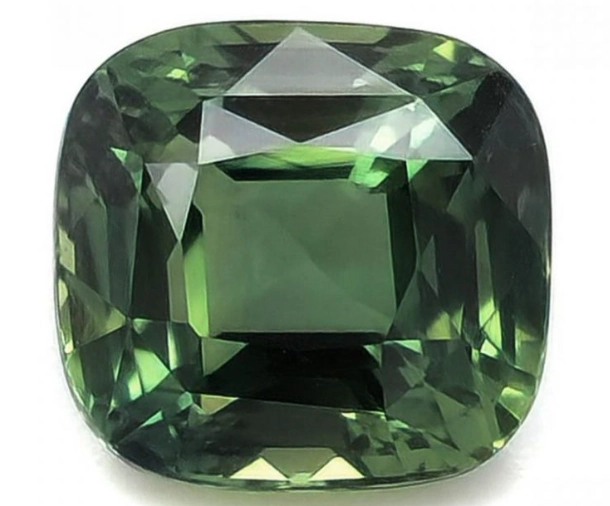
| Cushion Cut | Square or rectangle with rounded corners. Looks like a pillow. Often has a mix of large and small facets. | A romantic, vintage, or antique feel. Soft appearance with big, chunky flashes of light. | Sparkle is less "fiery" and more "glowy." Can look smaller face-up than a round of the same carat weight. |
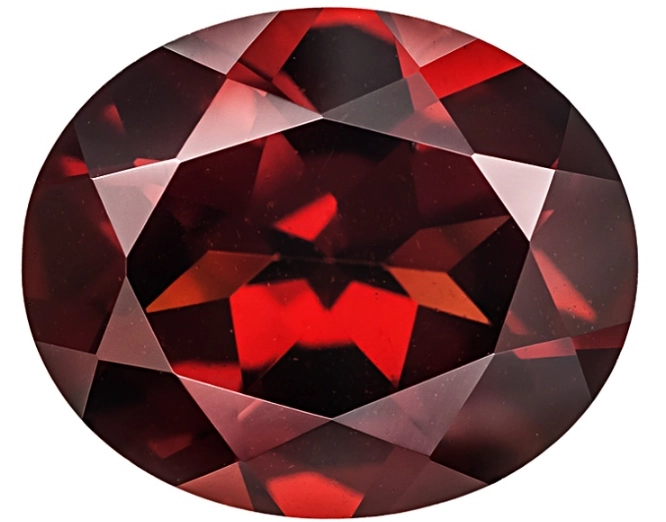
| Oval Cut | Elliptical. A modified brilliant cut. | Elegant, elongates the finger. Offers brilliance similar to a round but looks larger per carat. | Can show a "bow-tie" effect (a dark area across the center) if cut poorly. Check for symmetry. |
| Emerald Cut | Rectangular with stepped, parallel facets. Large, open table. | Sophisticated, elegant, art deco glamour. Highlights clarity and color in a clean, linear way. | Does not hide inclusions well. Any flaw in the stone will be visible. Sparkle is more of a flash than a scintillation. |
| Pear Cut | Teardrop shape—a combination of round and marquise. | Unique, feminine, versatile (can be worn pointing up or down). Creates a slimming effect. | The point is delicate and needs protection. Symmetry is crucial; a lopsided pear looks awkward. |
| Marquise Cut | Football-shaped with pointed ends. A dramatic, elongated shape. | Making a bold statement. Maximizes carat weight, making the stone look very large for its weight. | Both points are extremely vulnerable. The elongated shape can get caught on things. Not for the clumsy! |
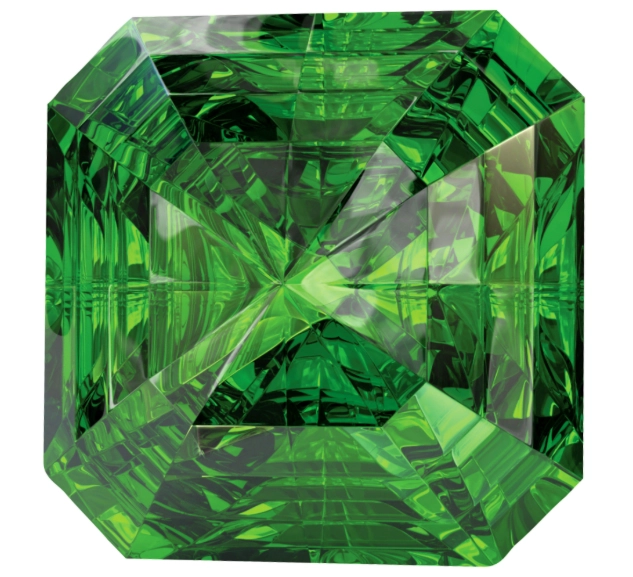
| Asscher Cut | Like a square emerald cut, but often with a higher crown and smaller step facets. A hall-of-mirrors effect. | Vintage, geometric lovers. Incredible depth and clarity play. Less common than the emerald cut. | Similar to emerald cut, requires high clarity. Can sometimes look smaller than other square cuts. |
| Radiant Cut | Rectangular or square with trimmed corners. A brilliant-cut facet pattern on a rectangular shape. | People who want the sparkle of a round but the shape of an emerald. A great compromise. | The trimmed corners are less prone to chipping than a princess cut. A very efficient, sparkly shape. |
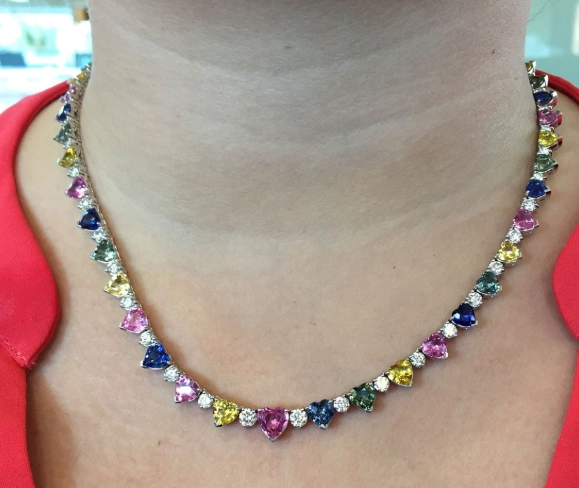
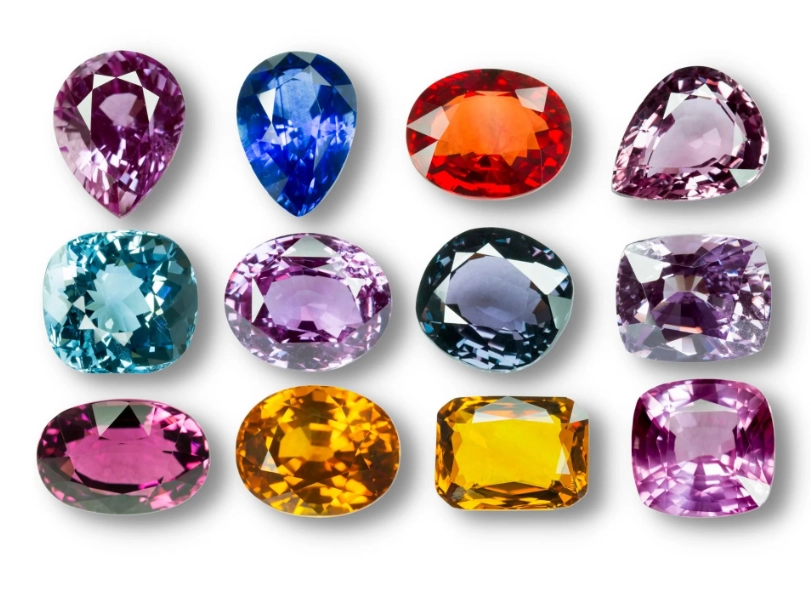
That's just the core lineup. Venture into the realm of fancy gemstone shapes and you'll find hearts, trillions (triangle), baguettes (long, thin rectangles usually used as accents), and dozens more. The variety is honestly part of the fun.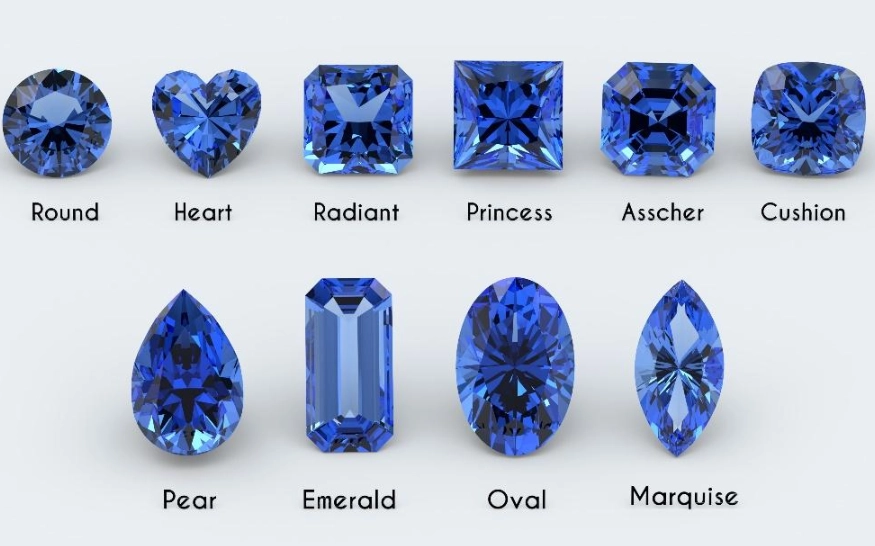
How to Choose Your Gemstone Shape: A Practical Guide
This is where we move from theory to practice. You can love the look of a marquise in a photo, but hate how it feels on your hand. Here’s a step-by-step way to think about it, beyond just "what's pretty."
Step 1: Be Honest About Your Lifestyle
This is the most overlooked factor. Are you hands-on? Do you work with your hands, garden, type all day? Delicate shapes with points (pear, marquise, princess) or shapes with high profiles that stick out a lot might be a nightmare. You'll constantly worry about snagging or chipping.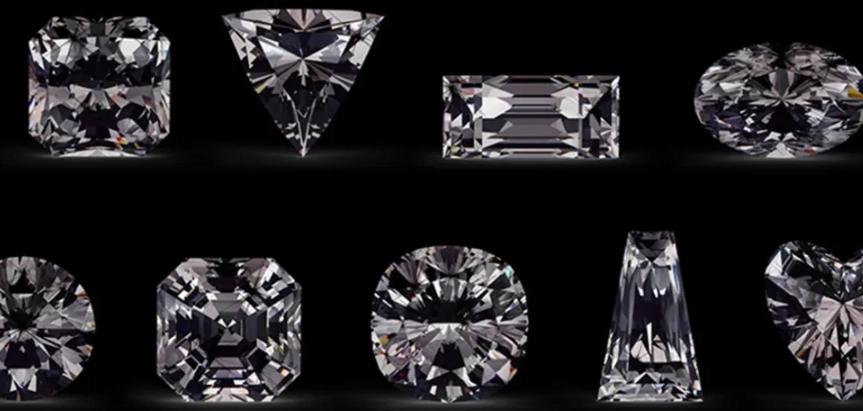
I learned this the hard way with a delicate trilogy ring. The side stones were small princess cuts, and within a year, one had a tiny chip. It was a pain to fix. Now, for my daily-wear pieces, I stick to ovals or rounds in secure settings.
Step 2: Consider Your Finger Shape and Ring Size
This is the "try-on" imperative. Shapes play optical illusions on your hand.
- Elongated shapes (Oval, Marquise, Emerald, Pear): These are fantastic for shorter fingers or wider hands. They create a lengthening, slimming effect.
- Round and Square shapes (Round, Princess, Cushion, Asscher): These tend to balance out very long, slender fingers beautifully. On wider fingers, they can sometimes look a bit squat if the stone is too small proportionally.
There's no perfect science, but if you have a chance, try a few on. A shape you never considered might look stunning on your hand.
Step 3: Think About the Gemstone Type
Not all gemstone shapes work equally well with all gems. This is crucial.
- Emeralds: They are notoriously brittle. Fancy shapes with points (like marquise or pear) are very risky for emeralds. The classic emerald cut was developed for this stone because its stepped facets and blunt corners reduce stress on the material. The GIA's notes on emerald durability are worth a read.
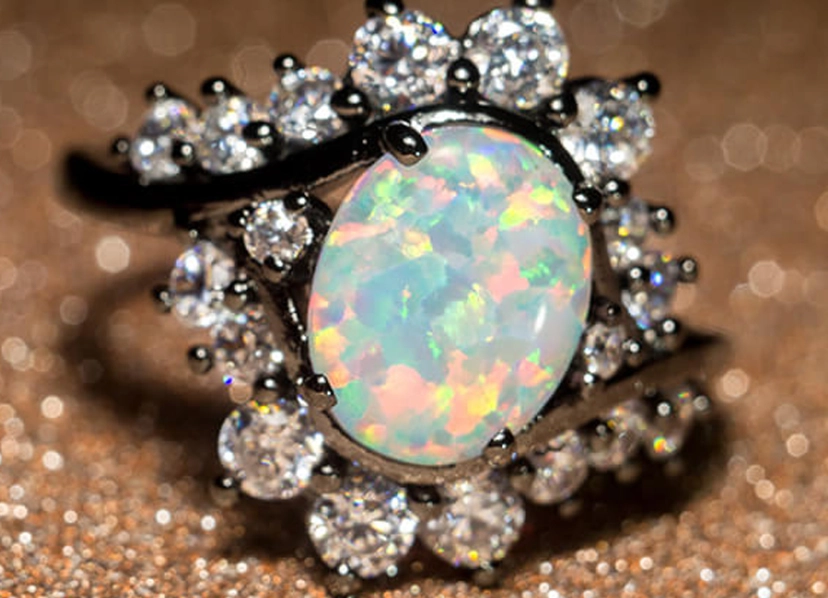
- Opals & Moonstones: These are often cut into cabochons (smooth, domed, unfaceted shapes) to best display their play-of-color or adularescence. Faceting them would destroy the effect.
- Colored Stones Generally: Deep cuts can intensify pale colors, but they also make the stone look smaller. A well-cut colored stone should have an even color distribution when you look down through the table.
Step 4: Budget and Size Perception
If you're working with a fixed budget, shape choice can help you maximize size.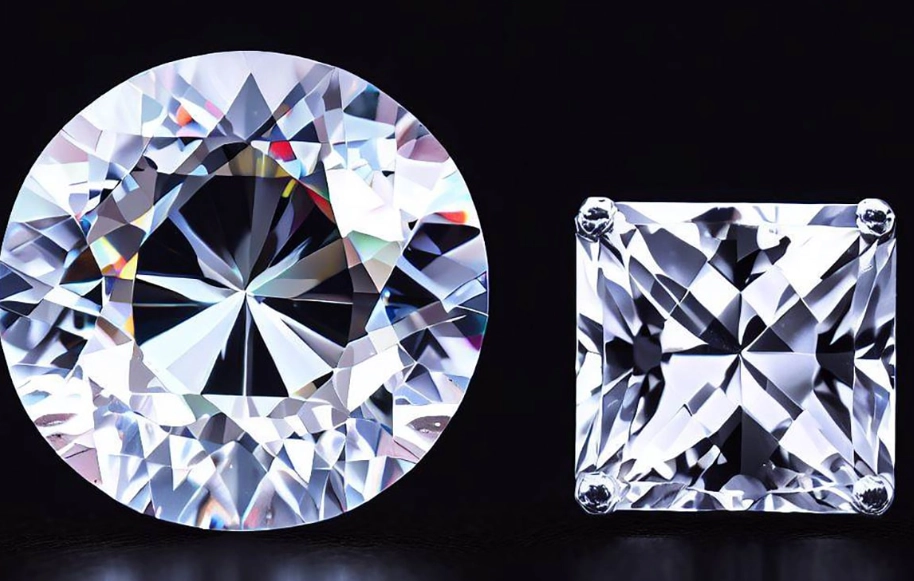
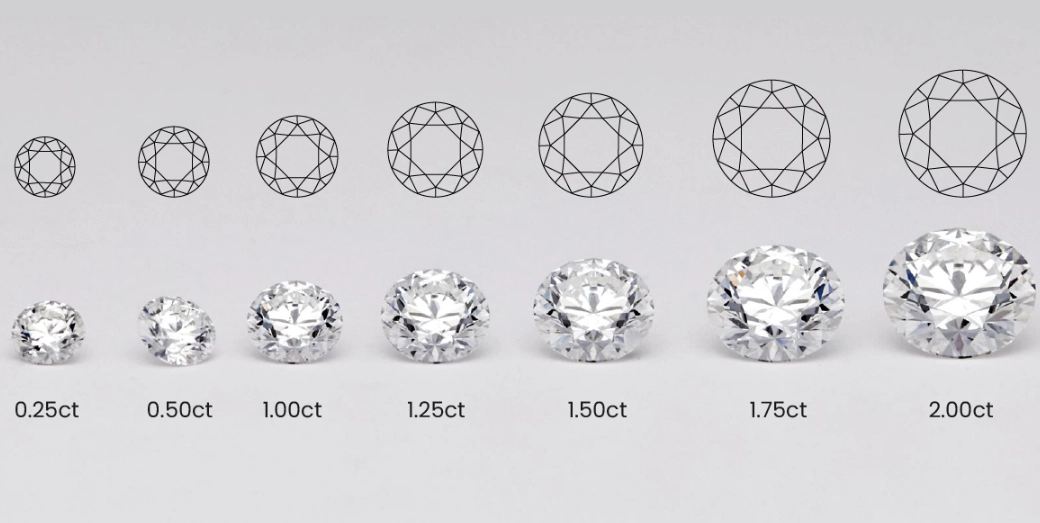
Shapes like the oval, marquise, and pear typically have a larger surface area (or "face-up size") per carat than a round cut. This is because the round brilliant loses more of the original rough to achieve its perfect symmetry. So, a 1-carat oval can look noticeably larger than a 1-carat round. An emerald or Asscher cut can also look larger for its weight because of their large, open tables.
On the flip side, some cuts, like a very deep cushion or a small brilliant cut, can "hold their weight" in the bottom (the pavilion), making them look smaller from the top. Always prioritize the measurements (in mm) over just the carat weight when comparing.
Beyond the Ring: Shapes in Other Jewelry
We've talked a lot about rings, but gemstone shapes rule everything.
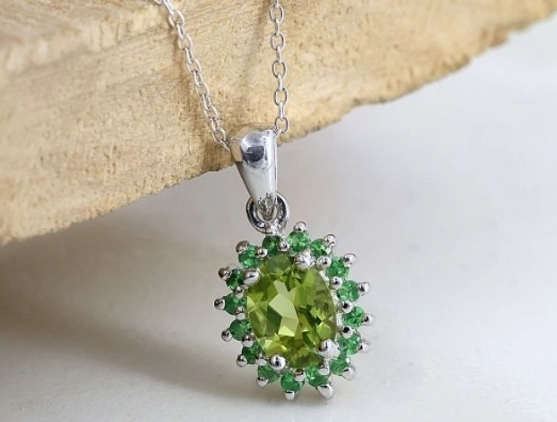
Pendants and Necklaces: This is where you can have fun with more delicate or pointed shapes, as they're less likely to get knocked. A stunning pear or marquise pendant lays beautifully. Drops and briolettes (teardrop-shaped faceted beads) are also gorgeous here.
Earrings: Symmetry is king. Matched pairs of rounds, ovals, or princess cuts are classic. For drop earrings, pear shapes are incredibly elegant. Just remember, the shape will frame your face.
Bracelets: Here, durability is paramount again. Rounds, ovals, and cushions in secure settings are best. Avoid high-set stones that will take a beating from daily wear.
Your Gemstone Shapes Questions, Answered
Your Gemstone Shapes Questions, Answered
Which gemstone shape sparkles the most?
Hands down, the modern round brilliant cut is engineered for maximum sparkle (fire and scintillation). It's the benchmark. After that, other brilliant-cut variations like the oval, pear, marquise, and radiant cut come very close. The least sparkly? Typically step cuts like the emerald and Asscher. Their beauty is in their clean, elegant flashes and hall-of-mirrors effect, not in scattered rainbow sparkles.
What is the most durable gemstone shape for an engagement ring?
For daily, worry-free wear, the round and oval cuts are top contenders because they have no sharp points or corners to chip. The cushion cut, with its rounded corners, is also very durable. The least durable are shapes with sharp points (marquise, pear, princess) or very thin girdles. Pair a durable shape with a protective setting (bezel or strong prongs) for the ultimate combo.
Do certain gemstone shapes look bigger?
Yes, absolutely. Shapes that spread the carat weight out laterally (face-up) rather than deep into the stone will look larger. The marquise and oval are famous for this. A well-cut 1-carat marquise can look as large as a 1.25-carat round. Conversely, a poorly cut stone with a deep pavilion will "hide" its weight and look smaller.
Are fancy shapes more expensive than round?
It's a common myth. Usually, the opposite is true. Round brilliant cuts are often the most expensive per carat for diamonds. Why? Two reasons: 1) The cutting process wastes more of the original rough crystal. 2) The extreme precision and skill required to align all 58 facets for perfect symmetry command a premium. Many fancy shapes can offer better value per carat. However, for very rare fancy colored gemstones, the price is driven more by the color and quality of the rough than the shape.
Can any gem be cut into any shape?
Technically, a master cutter can attempt anything. But practically, no. The crystal structure of the gem (its "cleavage planes") dictates how it can be safely sawn and polished. Some gems are too soft or brittle for shapes with fine points or thin edges. The cutter also follows the shape of the rough to minimize waste, especially with expensive material. So, the availability of certain gemstone shapes depends heavily on the type of gem you're looking at.
The Final Polish: Trust Your Eye
After all this talk of optics, durability, and trends, the final word is yours. The best gemstone shape is the one that makes you pause and look again. The one you can imagine wearing on an ordinary Tuesday, not just a special occasion. It should feel like an extension of you, not just a piece of jewelry.
Use this guide to narrow down the practicalities—lifestyle, budget, gem type. But then, look at the stones. See how they play with light in your living room lamp, not just under the store's bright lights. Notice how they make you feel. The world of gemstone shapes is vast and wonderful because it offers a perfect form for every personality. Don't be afraid to choose the one that speaks to you, even if it's not the most popular shape this year. The goal is to find a treasure, not just follow a trend.
And remember, a great jeweler is your partner in this. They can show you options you hadn't considered and explain the nuances of a particular stone's cut. Don't hesitate to ask questions—why was this sapphire cut into an oval? Does this tourmaline have a window? This knowledge transforms you from a buyer into a connoisseur, and that's the most rewarding part of the journey.